8 Coneflower Uses Illinois Gardeners Are Swearing By This Year
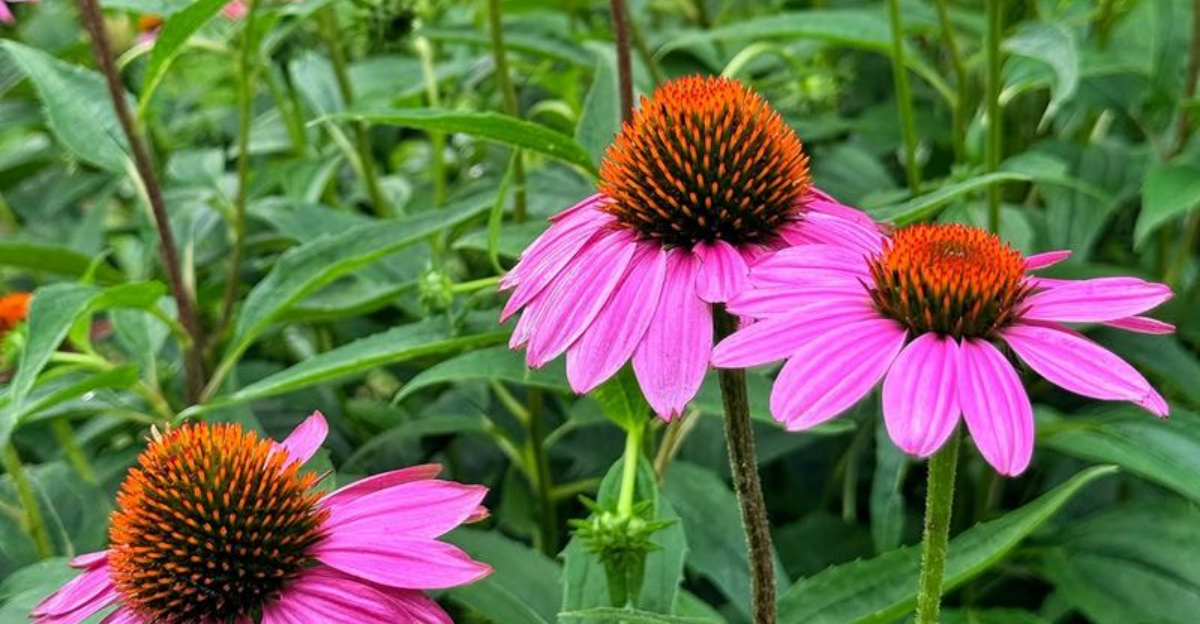
Illinois gardeners are rediscovering coneflower—and it’s not just for its looks.
This native plant has quietly become a multitasking favorite, earning its keep in ways that go far beyond summer blooms.
From supporting pollinators to providing winter interest and even practical home uses, coneflower proves its value year-round.
It thrives in Illinois conditions, asking little while giving plenty.
Gardeners who once planted it for color now rely on it for resilience and versatility.
This year, coneflower isn’t just popular—it’s indispensable.
1. Feeding Goldfinches And Other Seed-Eating Birds
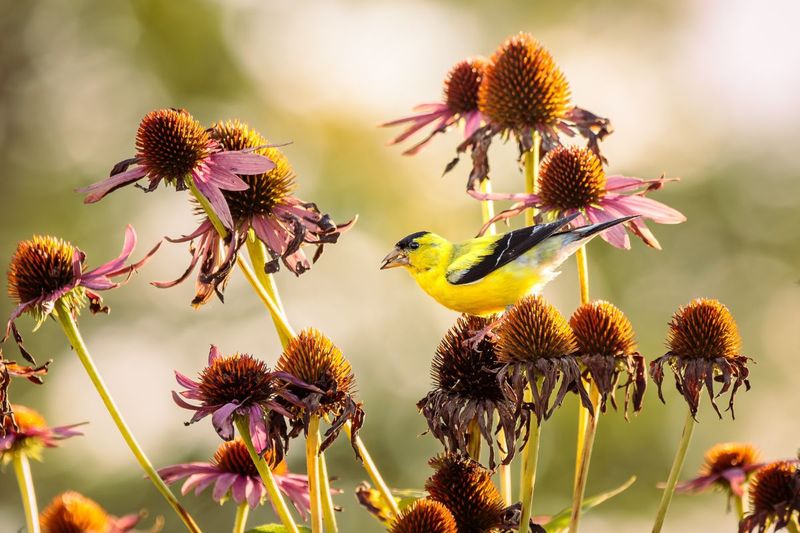
Bright yellow goldfinches perched on dried coneflower seed heads create one of the most delightful sights in any Illinois garden during late summer and fall.
When you resist the urge to tidy up and leave those spent blooms standing, you’re basically setting up an all-you-can-eat buffet for these charming visitors.
The seeds packed inside each cone provide essential fats and proteins that help birds build energy reserves for migration or surviving cold Illinois winters.
Goldfinches aren’t the only guests who appreciate this natural feast either.
Chickadees, nuthatches, sparrows, and juncos all stop by to snack on coneflower seeds throughout the colder months.
Watching these feathered friends cling to swaying stems while extracting seeds beats any television show.
The best part about using coneflowers as bird feeders is that you don’t need to refill anything or worry about maintenance.
Nature handles everything once you plant them and let the seed heads mature naturally.
Many Illinois gardeners report that their coneflower patches become regular stops on local birds’ daily routes, creating reliable wildlife viewing opportunities right outside kitchen windows.
This simple act of leaving flowers standing transforms your garden into a true wildlife habitat that supports local bird populations when they need it most.
2. Supporting Native Pollinators All Summer
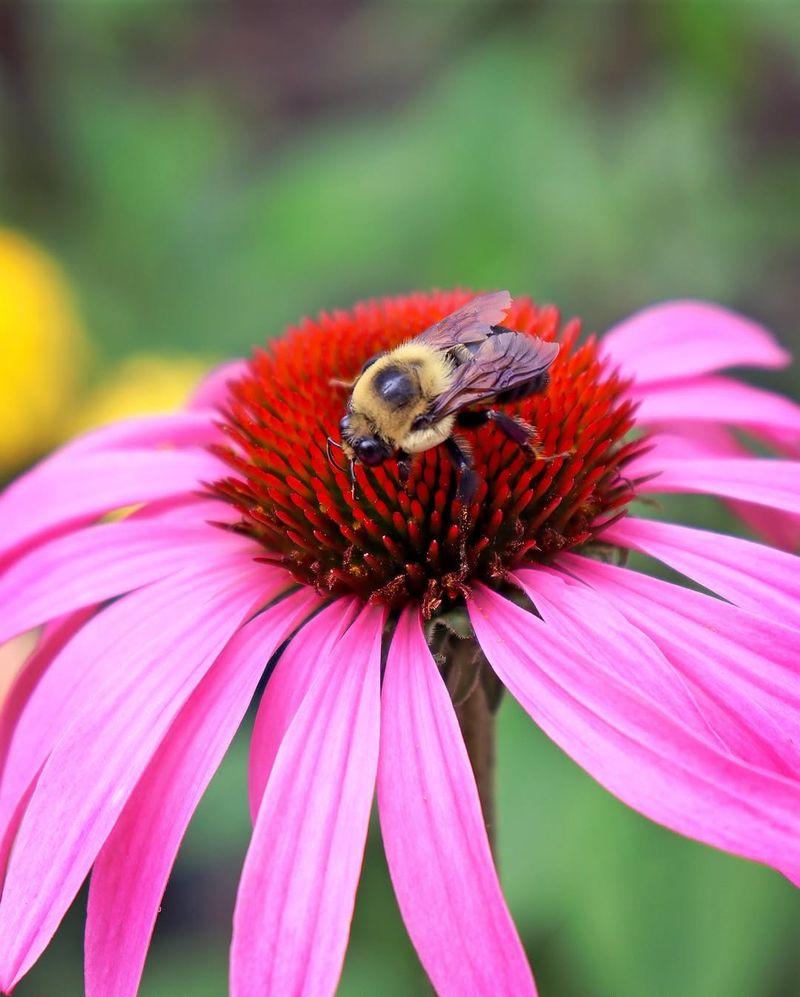
Coneflowers rank among the hardest-working plants in any Illinois pollinator garden, pumping out nectar and pollen from June straight through September.
Native bees absolutely love these flowers, and you’ll often spot several different species visiting the same bloom at once.
Bumblebees, sweat bees, and mason bees all make regular stops at coneflower patches throughout the day.
Butterflies find coneflowers irresistible too, especially monarchs, swallowtails, and painted ladies that need reliable fuel sources during their long migrations.
The flat landing pad that coneflower petals create makes it easy for butterflies to rest while they drink nectar.
Beneficial insects like hoverflies and small wasps also visit these blooms, collecting pollen to feed their young.
What makes coneflowers particularly valuable is their extended bloom time compared to many other native plants.
While some flowers only bloom for a couple weeks, coneflowers keep producing fresh flowers for months when you remove spent blooms regularly.
This consistent food source helps sustain pollinator populations during the hottest parts of Illinois summers when other plants might struggle.
Gardeners who plant coneflowers notice increased pollinator activity throughout their entire yard, which leads to better vegetable harvests and healthier flowering plants overall.
3. Low-Maintenance Perennial Planting
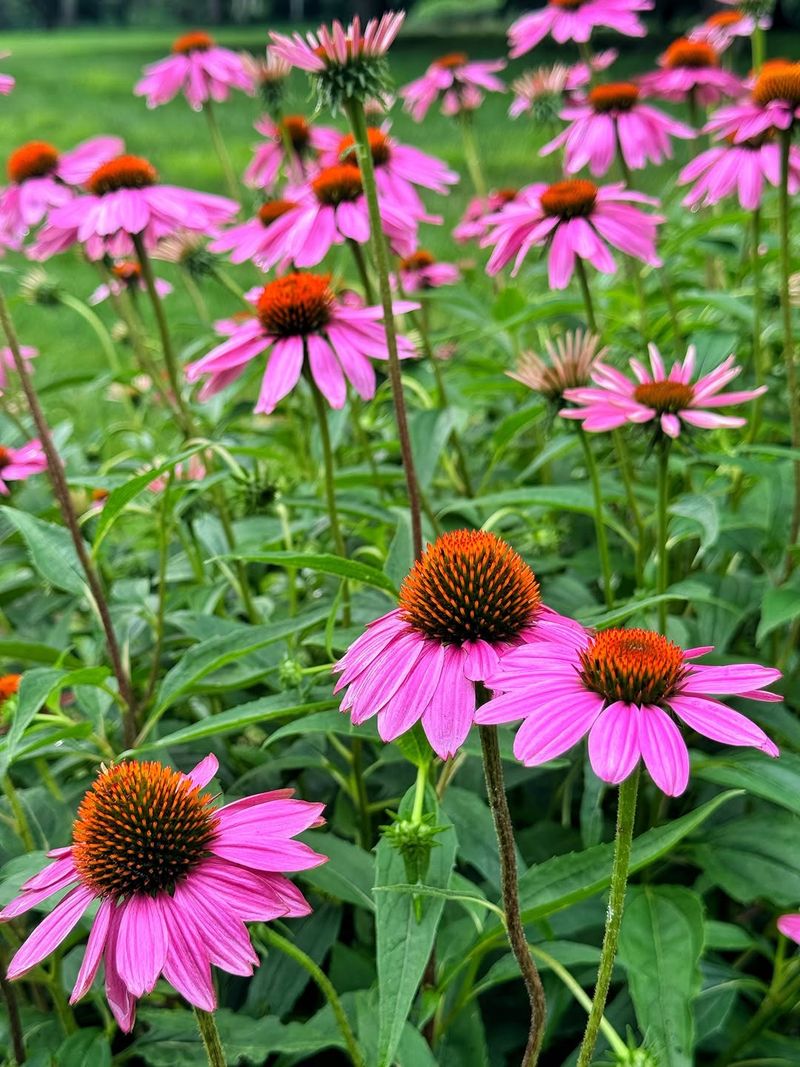
Busy Illinois gardeners appreciate plants that don’t demand constant attention, and coneflowers deliver exactly that kind of reliability.
Once these perennials establish their root systems during the first growing season, they become remarkably self-sufficient.
You won’t find yourself dragging hoses around during summer dry spells because coneflowers handle drought conditions like champions.
The heat tolerance of these native plants really shines during those brutal Illinois summer weeks when temperatures climb into the nineties.
While other garden plants wilt and struggle, coneflowers keep their blooms looking fresh and vibrant.
They don’t require special fertilizers or soil amendments either, thriving in average garden soil that would be too lean for fussier plants.
Diseases and pests rarely bother established coneflowers, saving you money on treatments and sprays.
They naturally resist most common garden problems, making them perfect for gardeners who prefer working with nature rather than fighting against it.
Winter preparation is simple too since you can leave the stems standing for birds or cut them back in late fall without harming the plants.
Many Illinois gardeners report that their coneflower patches actually expand over time through self-seeding, filling in gaps and creating fuller displays without any extra effort or expense on their part.
4. Natural Prairie-Style Landscaping
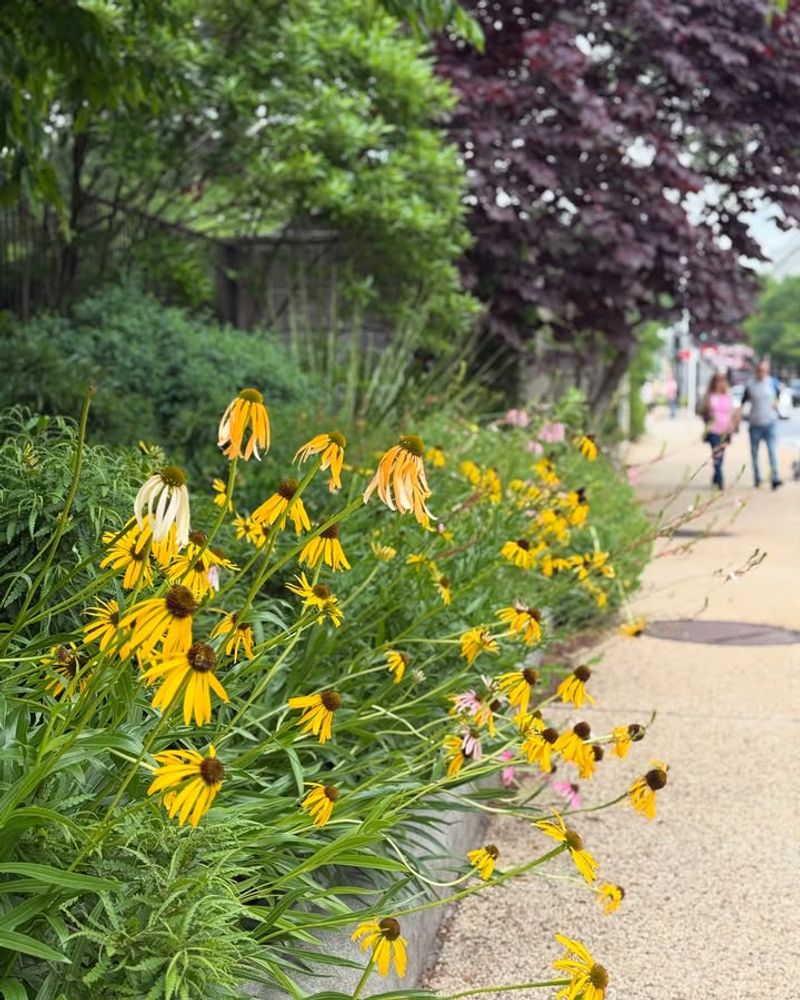
Something magical happens when you combine coneflowers with native grasses to recreate the prairie landscapes that once covered Illinois.
These gardens capture the wild beauty of the state’s natural heritage while requiring far less water and maintenance than traditional lawns.
Coneflowers serve as anchor plants in these designs, providing bold color that contrasts beautifully with the flowing textures of prairie grasses.
Little bluestem, prairie dropseed, and switchgrass all make excellent companions for coneflowers in prairie-style plantings.
The vertical form of the grasses complements the daisy-like flowers perfectly, creating layers of visual interest that change with each season.
Wind moving through these plantings creates a peaceful, rustling soundtrack that you just can’t get from traditional landscaping.
Prairie gardens also connect Illinois residents to the ecological history of their region in meaningful ways.
Children who grow up around these plantings learn what their state looked like before development, fostering appreciation for native ecosystems.
The wildlife that prairie gardens attract extends beyond birds and butterflies to include beneficial ground beetles, native moths, and other creatures that depend on these plant communities.
Many municipalities and homeowner associations now encourage prairie-style landscaping because it reduces stormwater runoff, eliminates the need for chemical lawn treatments, and creates habitat corridors that help wildlife move through developed areas safely.
5. Cut Flowers For Summer Arrangements
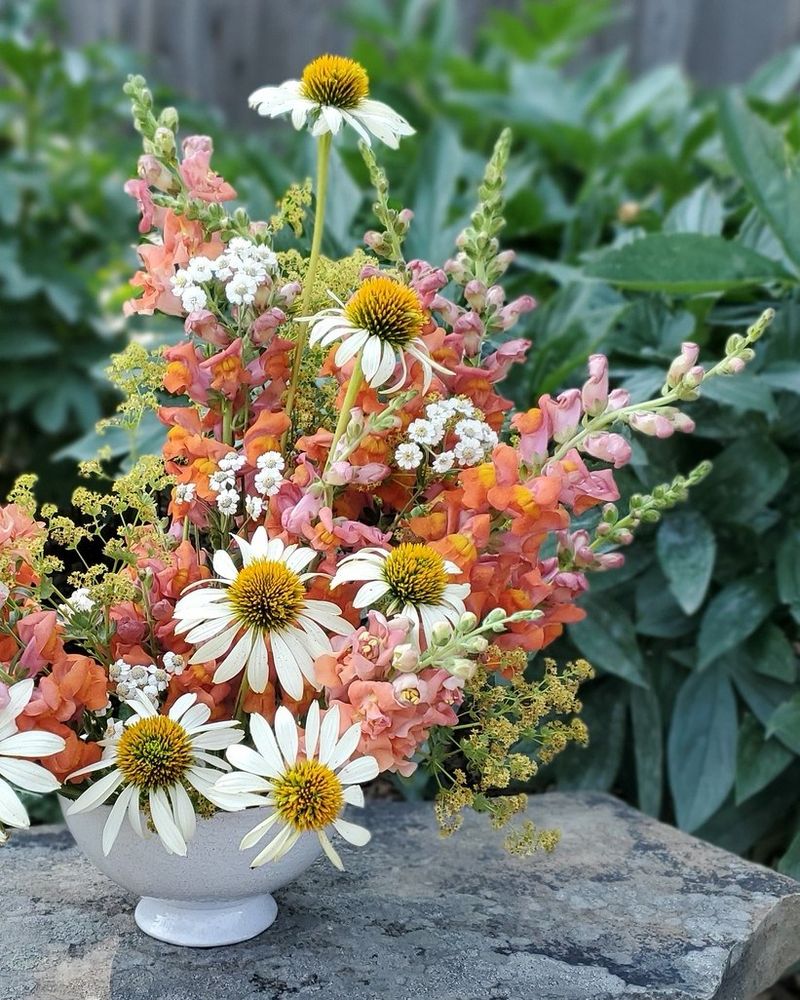
Walking into a room brightened by fresh coneflowers instantly lifts your mood, and Illinois gardeners love having these blooms available for cutting all summer long.
The sturdy stems hold up beautifully in vases, often lasting ten days or more with nothing more than clean water and occasional stem trims.
Unlike delicate flowers that wilt within hours, coneflowers maintain their perky appearance and vibrant color for extended periods.
Timing your harvest makes a big difference in vase life, so cut coneflowers in the early morning when their stems hold maximum moisture.
Choose blooms that have just fully opened rather than those that have been flowering for several days.
The strong stems rarely need special support in arrangements, making them beginner-friendly for people just learning flower arranging skills.
Coneflowers mix wonderfully with other summer bloomers like black-eyed Susans, zinnias, and ornamental grasses for casual country-style bouquets.
They also stand alone beautifully in simple mason jar arrangements that suit farmhouse or cottage décor styles.
Many Illinois gardeners plant extra coneflowers specifically for cutting, ensuring they have plenty for both indoor enjoyment and outdoor garden displays.
The act of cutting flowers actually encourages plants to produce more blooms, so you’re not harming your garden by harvesting regularly throughout the season.
6. Dried Seed Heads For Fall And Winter Décor
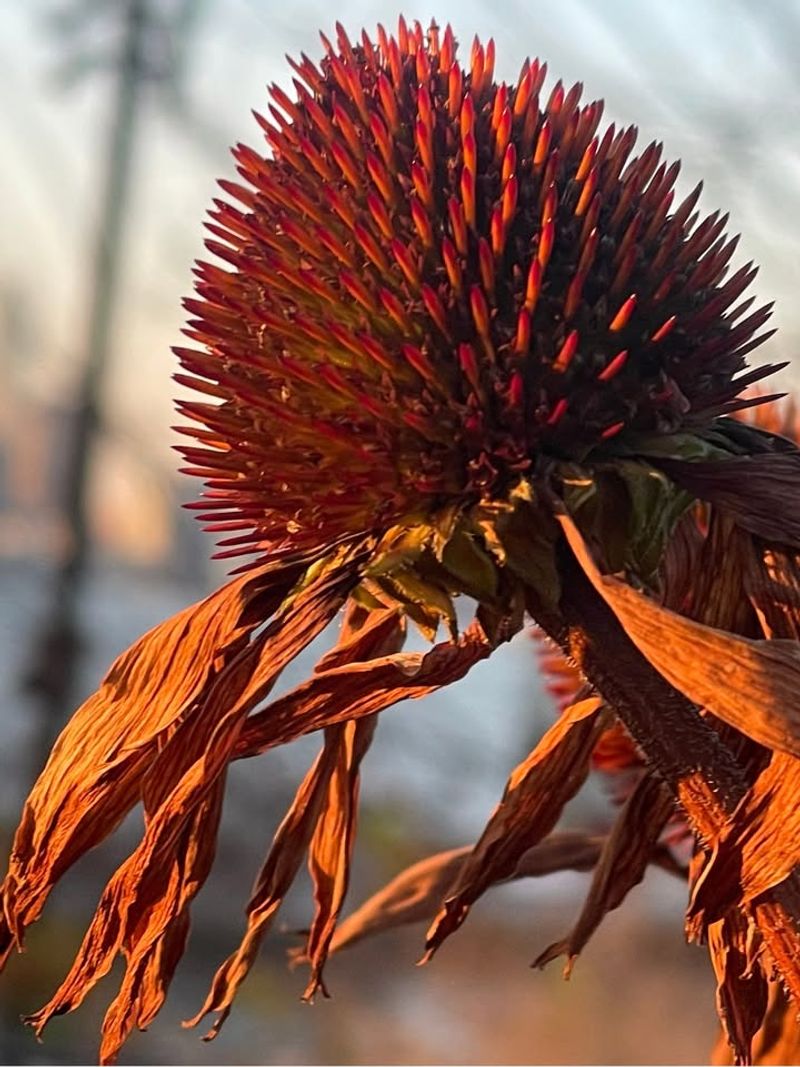
Creative Illinois gardeners have discovered that coneflower seed heads become striking decorative elements long after the colorful petals fade away.
Those spiky, cone-shaped centers dry naturally on the stems, developing rich brown tones that add texture and interest to seasonal arrangements.
Harvesting them for indoor projects is as simple as cutting stems once the seed heads feel completely dry and firm to the touch.
Wreaths featuring dried coneflower heads mixed with twigs, berries, and preserved leaves bring natural elegance to front doors throughout autumn and winter.
The architectural form of the seed heads adds dimension that flat dried flowers can’t provide.
Centerpieces combining coneflower heads with pine cones, candles, and seasonal gourds create rustic tablescapes perfect for holiday gatherings.
Some crafty folks spray paint dried coneflower heads gold or silver for more festive holiday décor that still maintains an organic feel.
Others prefer leaving them in their natural state, appreciating the honest beauty of unadorned plant material.
The seed heads remain attractive for months when kept dry, making them reusable decorations that can be stored and brought out year after year.
This use extends the value of your coneflower plants well beyond the growing season, giving you decorating materials that cost nothing but a little time to harvest and arrange into something beautiful.
7. Erosion Control In Sunny Areas
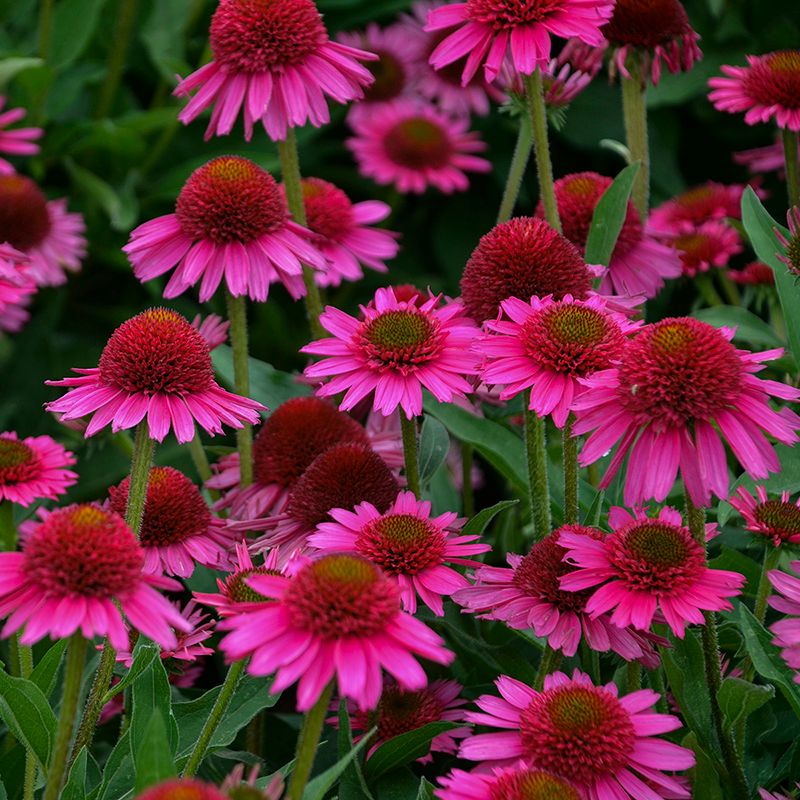
Illinois properties with slopes or banks often struggle with soil washing away during heavy rains, but coneflowers offer an attractive solution to this frustrating problem.
Their extensive root systems spread deep and wide underground, creating a natural network that holds soil particles in place.
Unlike shallow-rooted plants that provide only surface protection, coneflowers anchor soil at multiple depths.
The thick growth that established coneflower plantings develop also slows water runoff, giving moisture more time to soak into the ground rather than rushing downhill.
This helps prevent those ugly erosion channels that can form during storms.
Planting coneflowers on problem slopes eliminates the need for expensive landscaping fabric, retaining walls, or other engineered solutions that cost significant money.
Sunny banks and berms that are too steep or awkward for regular mowing become manageable with coneflower plantings that require minimal upkeep.
The plants naturally fill in over time, creating dense coverage that discourages weed growth while stabilizing soil.
Many Illinois gardeners appreciate that this erosion control method actually improves the appearance of their property rather than detracting from it with industrial-looking solutions.
The combination of practical soil protection and beautiful seasonal blooms makes coneflowers a smart choice for any challenging sunny slope or embankment that needs stabilization without sacrificing curb appeal or requiring constant maintenance throughout the growing season.
8. Attracting Beneficial Insects For Pest Control
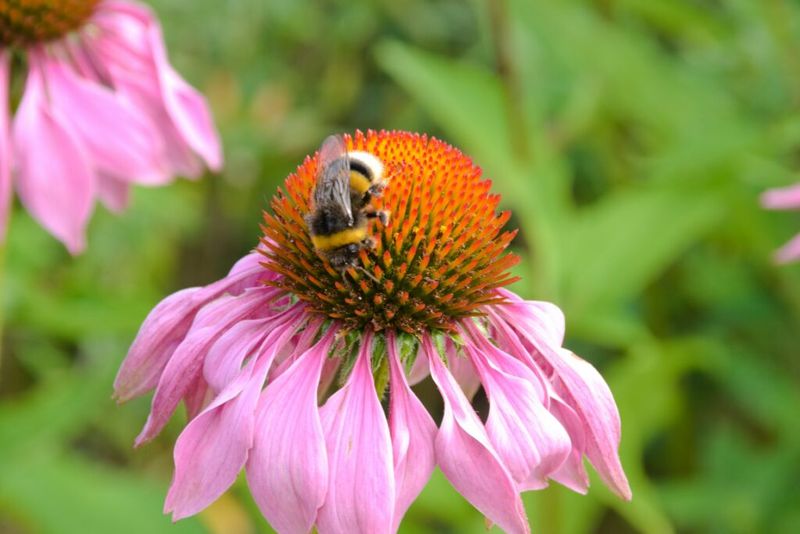
Smart Illinois gardeners have learned that coneflowers act as magnets for helpful insects that naturally manage pest populations without any chemical sprays.
Ladybugs, lacewings, and predatory wasps all visit coneflower blooms for nectar, then stick around to hunt aphids, caterpillars, and other plant-munching pests.
This creates a balanced ecosystem where nature handles pest control automatically.
Parasitic wasps, which are tiny and harmless to humans, lay their eggs inside pest insects like tomato hornworms and cabbage worms.
These beneficial wasps need nectar sources like coneflowers to fuel their pest-hunting activities.
Hoverfly larvae devour hundreds of aphids during their development, and adult hoverflies rely on flowers like coneflowers for energy.
Gardens with healthy coneflower populations typically experience fewer pest outbreaks because the beneficial insect community stays strong and active throughout the season.
This natural pest management saves money on insecticides while protecting pollinators and other harmless creatures from chemical exposure.
Children and pets can play safely in gardens managed this way without concerns about toxic residues.
Many Illinois vegetable gardeners intentionally plant coneflowers near their food crops specifically to recruit these helpful insects, creating a protective zone where pests get controlled before they reach the vegetables.
This approach works with nature’s existing systems rather than fighting against them, resulting in healthier plants and more productive gardens overall.