11 Container Plants Georgia Gardeners Choose For Early Pops Of Color
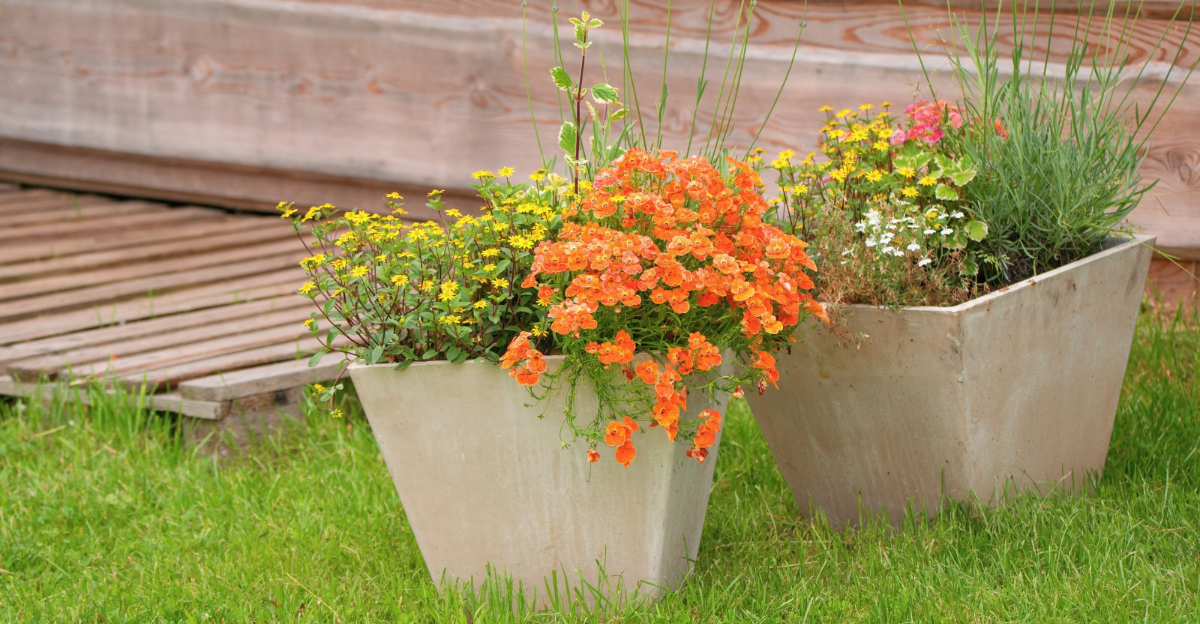
Georgia gardeners don’t wait for spring to fully settle in before bringing color into their containers.
There’s a short window when the right plants wake up fast and turn dull patios and porches into something lively again.
Container planting gives Georgia gardeners control over soil warmth, placement, and protection, which makes early color possible.
These plants are chosen because they respond quickly instead of sulking through cool nights and uneven weather.
What matters most isn’t just bloom time, but how reliably a plant performs in Georgia’s shifting early-season conditions.
Some container plants push color almost immediately once temperatures cooperate. Others build fast and reward patience with fuller displays.
Gardeners who choose wisely avoid the disappointment of slow starts and empty pots.
The real trick is knowing which plants actually show up early instead of just promising to.
That’s why these container plants keep getting picked when Georgia gardeners want color to pop sooner rather than later.
1. Pansies

Bright blooms appear even when temperatures hover near freezing, making this classic flower a reliable choice for Georgia gardeners craving early color.
Pansies handle frost beautifully and bounce back quickly after chilly nights, continuing to produce cheerful faces throughout winter and early spring.
Their wide range of hues, from deep purples and sunny yellows to soft pastels, means you can mix and match to create eye-catching container displays.
Planting pansies in well-draining potting mix keeps roots healthy and prevents waterlogging during Georgia’s occasional winter rains.
These flowers prefer full sun to partial shade, thriving best when they receive at least four to six hours of sunlight daily.
Deadheading spent blooms encourages fresh flowers to emerge, extending the colorful show for weeks on end.
Georgia’s unpredictable weather rarely fazes pansies, as they tolerate both mild spells and sudden cold snaps without missing a beat.
Compact varieties work wonderfully in smaller pots, while trailing types spill gracefully over container edges for a cascading effect.
Fertilizing every few weeks with a balanced liquid feed keeps plants vigorous and blooming strong.
Pairing pansies with other cool-season favorites like ornamental kale or trailing ivy creates layered, textured arrangements that catch the eye.
Their cheerful presence transforms bare patios into inviting spaces, even when the rest of the garden remains dormant.
2. Violas
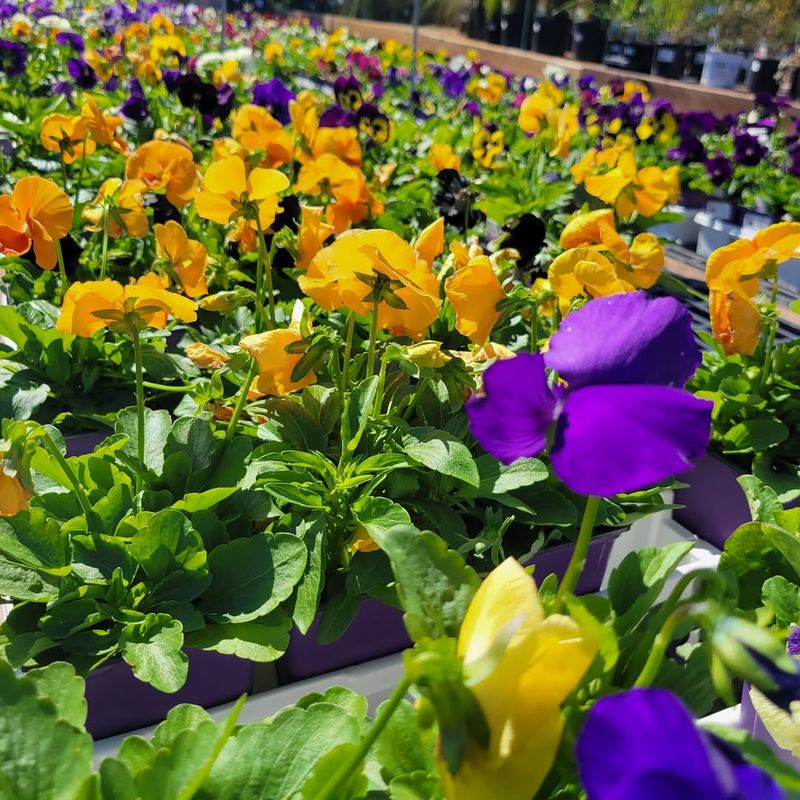
Smaller cousins to pansies, violas pack just as much charm into their petite frames, offering delicate blooms that dance in cool breezes.
Georgia gardeners love these miniature flowers for their ability to fill containers with masses of color without overwhelming other plants.
Violas come in a stunning array of shades, from rich purples and soft lavenders to bright oranges and cheerful yellows, giving you endless design possibilities.
Cold tolerance is one of their best traits, as violas keep flowering even when overnight temperatures dip into the low 30s.
They prefer cooler weather and actually perform better in Georgia’s winter months than in the heat of summer.
Planting them in containers allows you to move pots to sunny spots during the day and sheltered areas during particularly harsh nights.
Their low-growing habit makes violas perfect for edging larger containers or creating carpets of color in wide, shallow pots.
Mixing them with taller plants like snapdragons or ornamental grasses adds height and visual interest to your arrangements.
Violas also attract early pollinators, bringing beneficial insects to your garden when few other flowers are blooming.
Regular watering keeps violas happy, but be careful not to let containers become soggy, as excess moisture can lead to root issues.
Fertilizing lightly every two to three weeks supports continuous blooming throughout the season.
3. Snapdragons
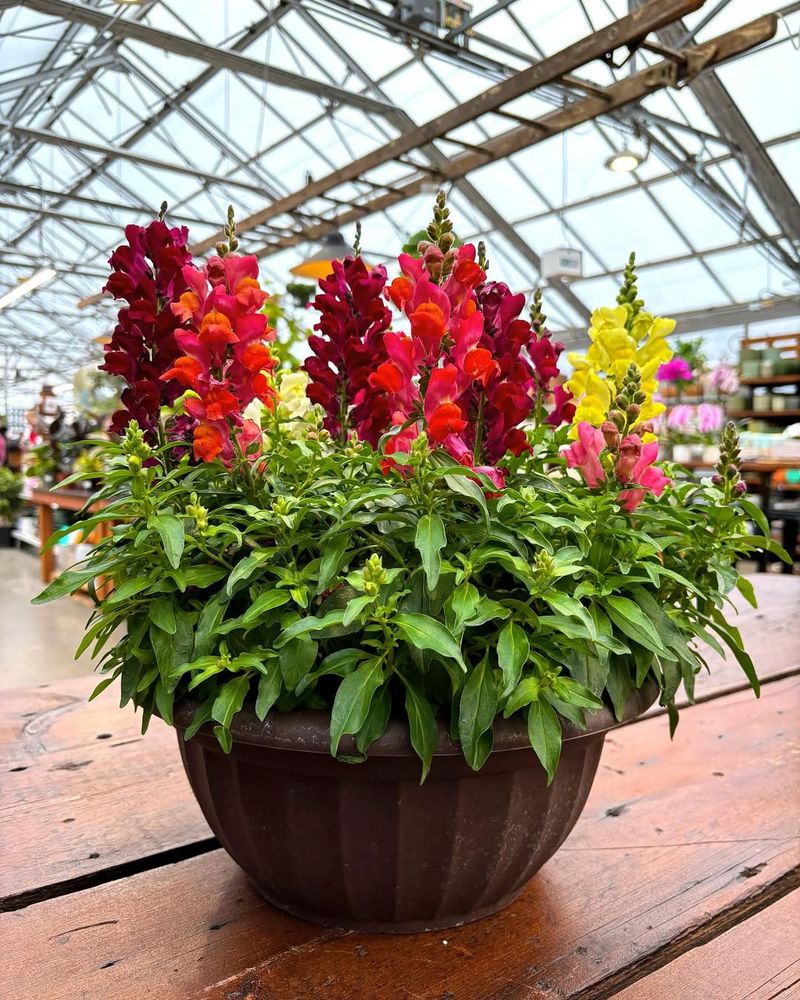
Tall spikes of tubular blooms rise above foliage like colorful towers, adding vertical drama to container gardens across Georgia.
Snapdragons thrive in the state’s cool-season weather, producing flowers in nearly every color imaginable, from pure whites and soft pinks to fiery reds and deep burgundies.
Their unique shape and texture make them stand out among other early bloomers, creating focal points that draw the eye upward.
Georgia’s mild winters provide ideal conditions for snapdragons, as they prefer temperatures between 40 and 70 degrees Fahrenheit.
These plants can handle light frosts and often keep blooming through multiple cold spells without suffering damage.
Choosing dwarf or intermediate varieties works best for containers, as they stay more compact while still delivering impressive flower spikes.
Pinching back young snapdragons encourages bushier growth and more flower stalks, resulting in fuller, more abundant displays.
They appreciate consistent moisture but need good drainage to prevent root rot, so using quality potting mix is essential.
Placing containers where they’ll receive morning sun and afternoon shade helps snapdragons perform their best during Georgia’s variable winter weather.
Combining snapdragons with trailing plants like sweet alyssum or lobelia creates stunning layered arrangements with both height and flow.
4. Dusty Miller
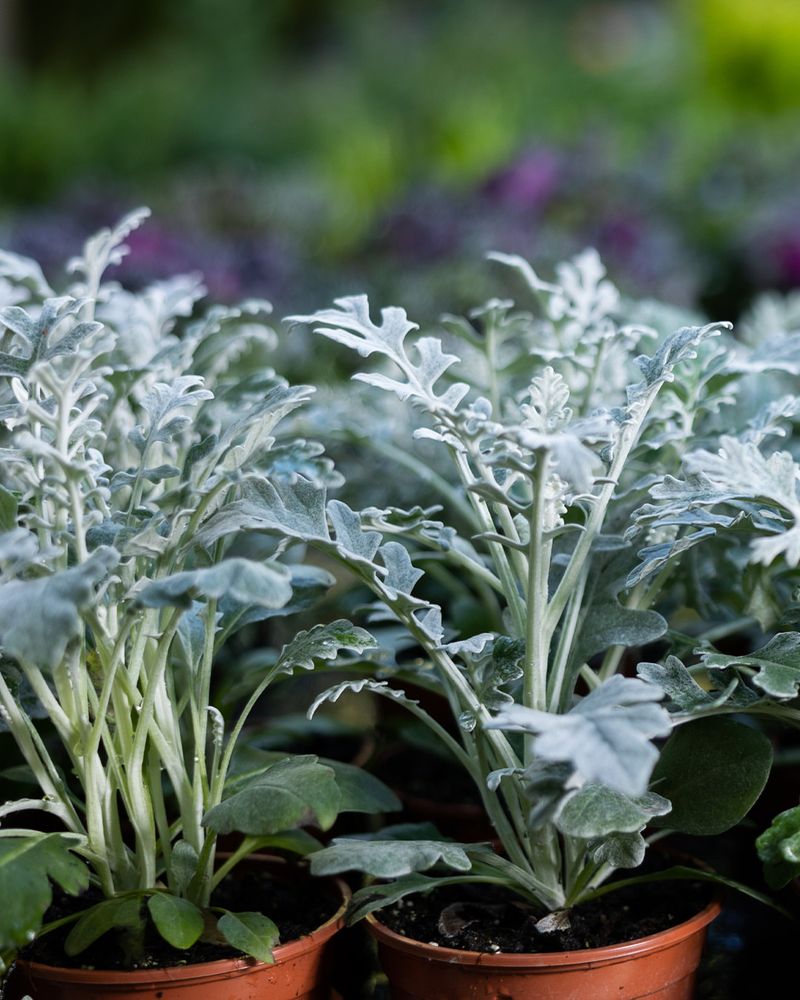
Silvery-gray foliage shimmers in winter sunlight, providing a soft, neutral backdrop that makes neighboring flowers pop with even more intensity.
Dusty miller isn’t grown for blooms but for its stunning, velvety leaves that add texture and contrast to container arrangements throughout Georgia.
The plant’s unique color works like magic, tying together different flower hues and creating cohesive, professional-looking displays.
Georgia’s winter conditions suit dusty miller perfectly, as it tolerates cold temperatures and even light freezes without losing its attractive appearance.
The silvery leaves seem to glow against darker container colors, creating striking visual effects that catch attention from across the yard.
Dusty miller grows slowly and stays compact, making it an excellent filler plant that won’t overtake containers or crowd out bloomers.
Pairing this plant with bold-colored flowers like deep purple pansies or bright red geraniums creates dramatic contrasts that elevate the entire arrangement. Its drought tolerance is a bonus, as dusty miller handles occasional dry spells better than many flowering annuals.
Minimal fertilization keeps plants healthy without encouraging excessive growth that might disrupt your container’s balance.
Trimming back any flower stalks that emerge keeps the focus on the beautiful foliage and maintains the plant’s neat, mounded shape.
Dusty miller’s soft texture invites touch, adding a sensory element to container gardens that many people find irresistible.
5. Ornamental Kale
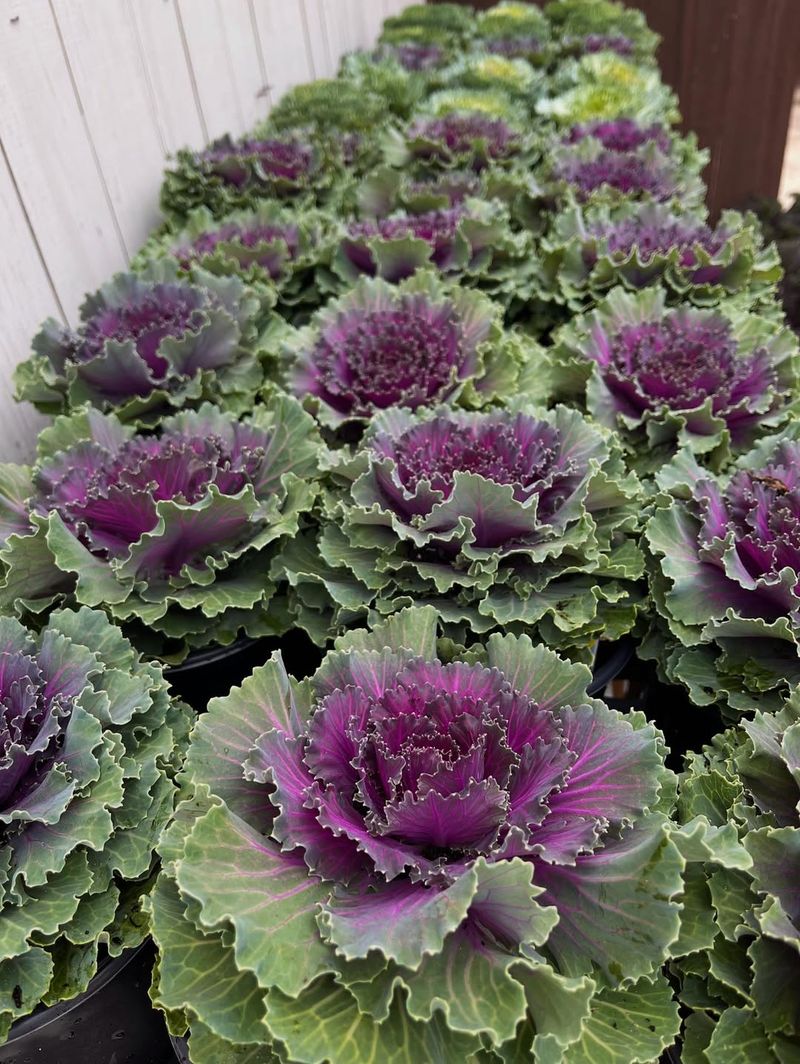
Ruffled leaves in shades of purple, pink, cream, and green create living bouquets that look almost too beautiful to be real.
Ornamental kale transforms containers into works of art, offering bold color and intricate patterns that intensify as temperatures drop across Georgia.
Unlike its edible cousins, ornamental kale is bred specifically for visual appeal, with colors that become more vibrant after exposure to frost.
Georgia’s cool-season weather brings out the best in these plants, as chilly nights trigger the development of deeper, richer hues in the foliage.
Ornamental kale tolerates temperatures well below freezing, continuing to look gorgeous even after snow or ice events that would damage other plants.
Their substantial size and rosette shape make them excellent thriller plants, serving as dramatic centerpieces in large containers.
Planting ornamental kale in well-draining soil and positioning containers where they’ll receive full sun ensures the most intense coloration.
These plants appreciate consistent moisture but hate sitting in waterlogged soil, so proper drainage is crucial. Fertilizing sparingly prevents excessive green growth that can dilute the ornamental colors gardeners prize.
Combining ornamental kale with trailing plants like sweet alyssum or upright flowers like snapdragons creates dynamic, multi-layered arrangements with incredible visual impact.
Their sturdy leaves withstand wind and weather, maintaining their beauty throughout Georgia’s sometimes unpredictable winter months.
6. Ornamental Cabbage
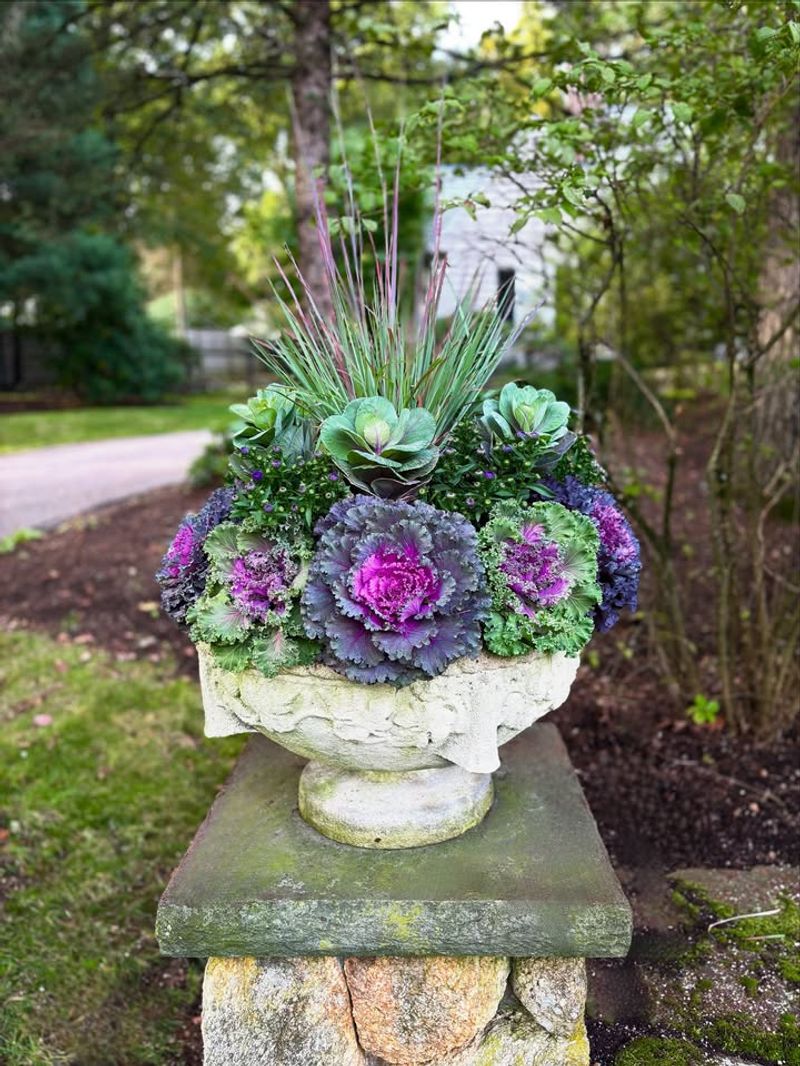
Smooth, rounded leaves form perfect rosettes that resemble giant roses blooming in your containers, bringing unexpected elegance to Georgia patios and porches.
Ornamental cabbage shares many traits with its kale cousin but offers a different texture and growth habit that appeals to gardeners seeking variety.
The leaves overlap in neat, concentric circles, creating geometric patterns in shades of white, pink, purple, and green that look almost painted on.
Cold weather enhances ornamental cabbage just as it does kale, with the most intense colors developing after several frosty nights in Georgia.
These plants laugh at temperatures that send other annuals into decline, often looking their absolute best in January and February.
Their compact, mounded form makes them ideal for smaller containers or as repeating elements in larger arrangements.
Georgia gardeners appreciate how ornamental cabbage maintains its appearance through rain, wind, and temperature fluctuations that stress less hardy plants.
Placing containers in full sun locations maximizes color development and keeps plants growing strongly throughout the cool season. Adequate spacing between plants prevents crowding and allows air circulation, reducing the risk of fungal issues during damp periods.
Pairing ornamental cabbage with upright flowers like snapdragons or trailing plants like lobelia creates balanced compositions with varied heights and textures.
Their long-lasting beauty means you’ll enjoy colorful containers for months without needing to replant.
7. Sweet Alyssum
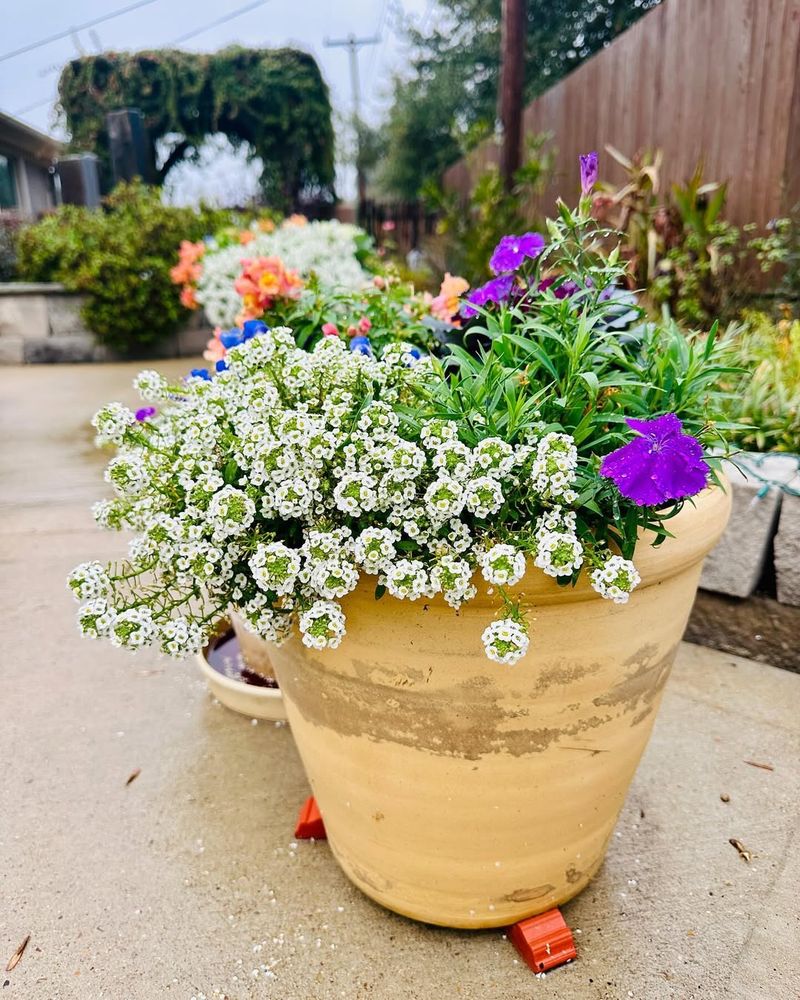
Tiny flowers cluster together in fragrant clouds that spill over container edges like sweet-smelling waterfalls, filling Georgia gardens with delicate beauty.
Sweet alyssum blooms prolifically in cool weather, producing masses of white, pink, or purple flowers that attract beneficial insects even in winter months.
The honey-like scent wafts through the air on mild days, adding a sensory dimension that makes container gardening even more enjoyable.
Georgia’s cool-season temperatures suit sweet alyssum perfectly, as it thrives when daytime highs stay moderate and nights turn crisp.
This low-growing plant works beautifully as a filler or spiller in mixed containers, softening edges and creating flowing lines that balance upright plants.
Sweet alyssum tolerates light frosts and often keeps blooming through cold spells that pause other flowers.
Planting sweet alyssum in containers with good drainage prevents root problems while keeping plants healthy and vigorous throughout the season.
These flowers appreciate regular watering but can handle brief dry periods better than many cool-season annuals.
Shearing back plants if they become leggy encourages fresh growth and renewed flowering, extending the colorful display.
Combining sweet alyssum with taller plants like snapdragons or bold foliage like ornamental kale creates containers with multiple layers of interest and texture.
8. Lobelia
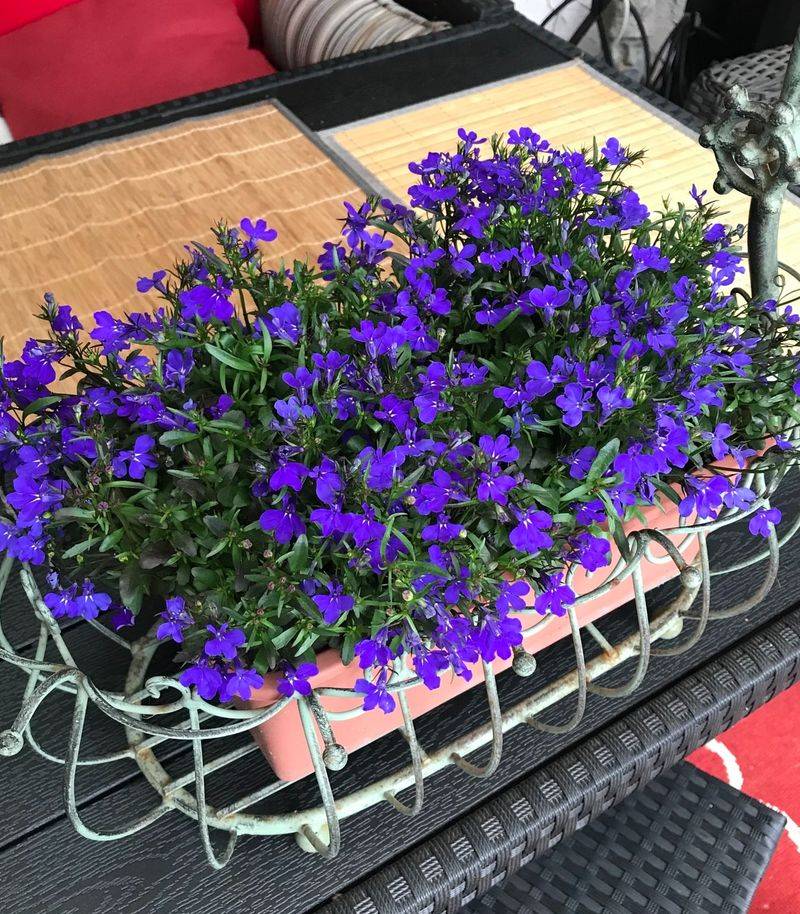
Brilliant blue flowers blanket trailing stems, creating waterfalls of color that transform ordinary containers into extraordinary displays across Georgia.
Lobelia produces an abundance of small, tubular blooms in shades ranging from deep navy and bright sapphire to soft lavender and crisp white.
The intensity of blue that lobelia offers is rare among cool-season annuals, making it a prized choice for gardeners seeking that particular color.
Cool temperatures bring out the best flowering in lobelia, with plants performing beautifully during Georgia’s mild winter and early spring months.
These plants prefer consistent moisture and can struggle if allowed to dry out completely, so checking containers regularly is important. Lobelia works wonderfully as a spiller plant, cascading gracefully over pot edges and creating movement in container arrangements.
Georgia gardeners often pair lobelia with upright flowers and silvery foliage to create balanced, visually appealing compositions that draw the eye.
The plant’s delicate appearance hides surprising cool-weather tolerance, but frost or freezing nights can damage blooms and require protection.
Fertilizing every few weeks with a diluted liquid feed keeps lobelia flowering abundantly without encouraging excessive foliage growth.
Choosing trailing varieties for hanging baskets or tall containers maximizes lobelia’s cascading habit and creates stunning vertical displays.
The flowers attract hummingbirds and butterflies, adding wildlife interest to your container gardens during the cooler months.
9. Geraniums (Pelargonium)
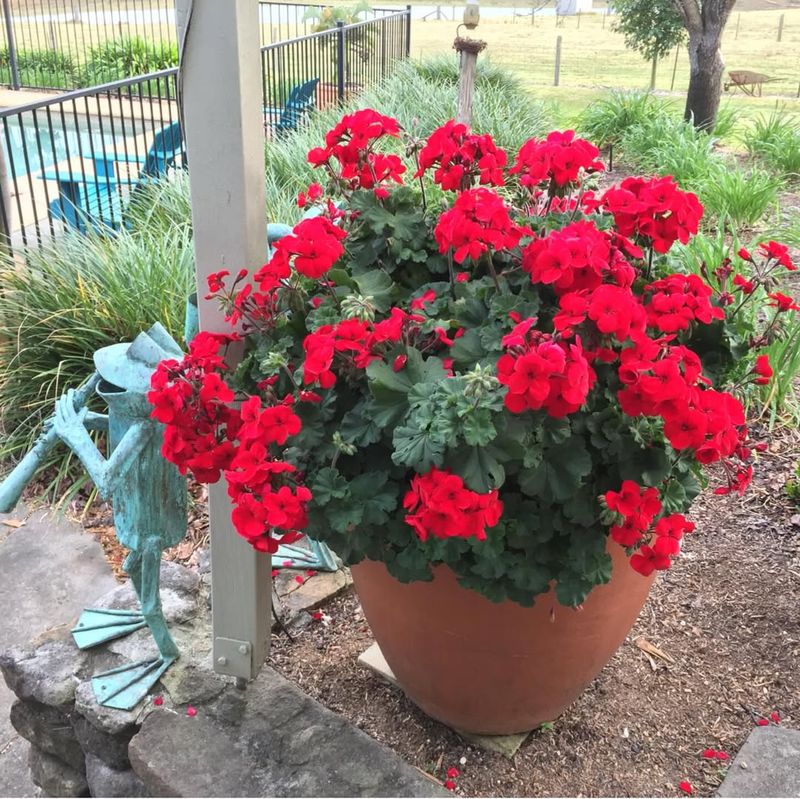
Bold flower clusters crown sturdy stems, bringing reliable color and classic charm to Georgia container gardens from late winter through spring.
Geraniums handle the state’s variable cool-season weather with ease, continuing to bloom through temperature swings that stress less adaptable plants.
Their rounded flower heads come in vibrant reds, soft pinks, pure whites, and rich salmons, offering color options for every design preference.
Geraniums can stay outdoors in Georgia containers during mild stretches, but they need protection or a quick move indoors when frost or freezing nights occur.
These plants prefer full sun and well-draining soil, rewarding proper care with continuous flowering and healthy, attractive foliage.
Geraniums tolerate brief dry spells better than many annuals, making them forgiving choices for busy gardeners who occasionally forget to water.
Deadheading spent flower clusters encourages fresh blooms to develop, keeping containers looking vibrant and well-maintained throughout the season.
Geraniums pair beautifully with trailing plants like sweet alyssum or ivy, creating layered arrangements with both structure and flow.
Their upright growth habit makes them excellent thriller plants that anchor mixed container designs.
Fertilizing geraniums monthly with a balanced fertilizer supports vigorous growth and abundant flowering without causing excessive leafiness.
10. Calendula
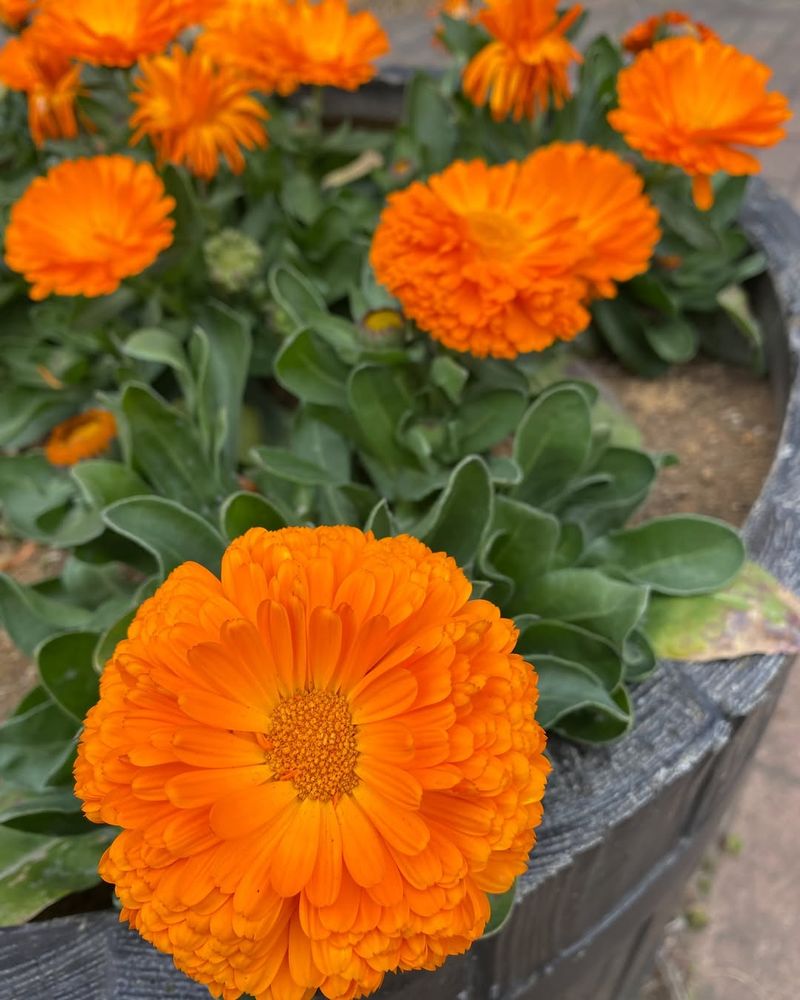
Cheerful orange and yellow blooms reminiscent of marigolds bring sunshine to Georgia containers even on cloudy winter days. Calendula thrives in cool weather, producing daisy-like flowers that continue opening throughout the season when temperatures stay moderate.
These plants offer not only beauty but also edible petals that add color to salads and other dishes, giving them extra appeal for gardeners who enjoy growing food.
Georgia’s cool-season climate provides ideal conditions for calendula, as the plants prefer temperatures between 45 and 65 degrees Fahrenheit.
They handle light frosts without damage and often self-seed, potentially returning in future seasons if conditions allow.
Calendula’s bright colors stand out beautifully against winter’s muted landscape, creating focal points that draw attention to container displays.
Planting calendula in containers with good drainage and positioning them in full sun ensures the healthiest growth and most abundant flowering.
These plants appreciate regular watering but tolerate brief dry periods better than some cool-season annuals.
Deadheading spent blooms keeps plants producing fresh flowers and prevents them from putting energy into seed production too early.
Combining calendula with blue lobelia or purple violas creates complementary color schemes that feel vibrant yet harmonious.
The flowers attract beneficial insects and early pollinators, supporting Georgia’s ecosystem during months when few other plants bloom.
11. Nemesia
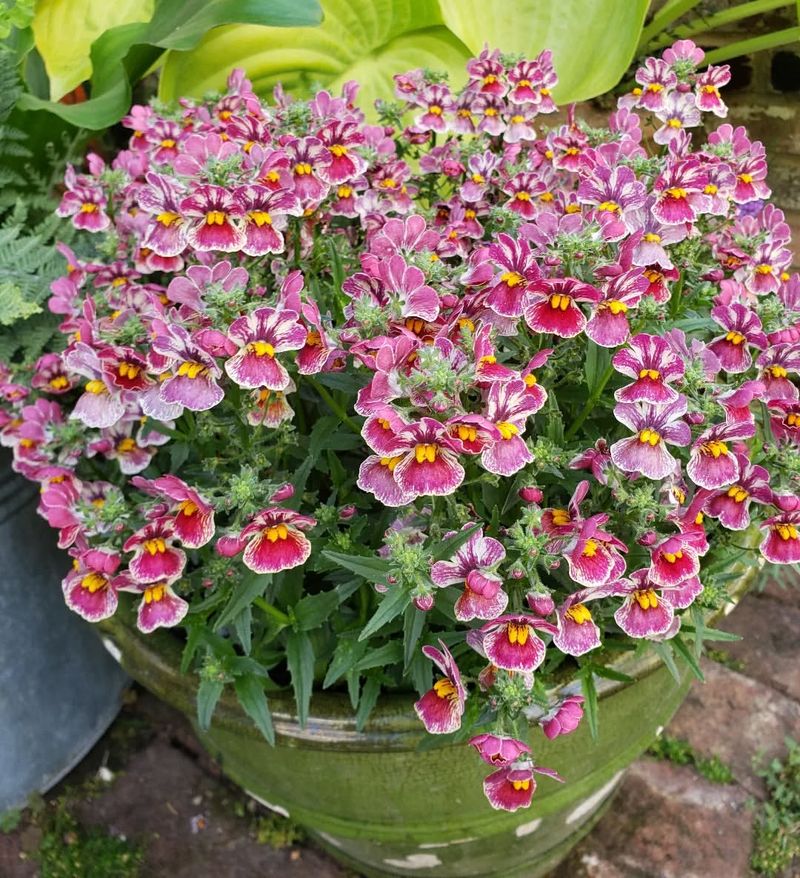
Delicate blooms in an incredible range of colors create jewel-toned displays that brighten Georgia containers throughout the cool season.
Nemesia produces masses of small, orchid-like flowers in combinations of pink, purple, white, yellow, orange, and bicolors that look almost hand-painted.
The sheer variety of colors available makes nemesia a favorite for gardeners who enjoy experimenting with different color schemes and combinations.
Cool temperatures bring out the best in nemesia, with plants flowering most abundantly during mild late-winter and early-spring periods in Georgia.
These plants prefer full sun to partial shade and appreciate consistent moisture to keep blooms coming steadily.
Nemesia works beautifully as a filler plant in mixed containers, adding pops of color throughout arrangements without overwhelming other plants.
Georgia gardeners love how nemesia fills in gaps between larger plants, creating full, lush containers that look professionally designed.
The flowers have a light, sweet fragrance that adds another layer of enjoyment to container gardens.
Fertilizing every two weeks with a diluted liquid feed keeps nemesia blooming vigorously throughout the season.
Pairing nemesia with contrasting foliage like dusty miller or bold flowers like geraniums creates dynamic, eye-catching combinations.