11 Container Plants That Can Handle Oregon Winters Outdoors
Container gardening can be one of my favorite parts of the yard, but winter in Oregon always makes me a little nervous.
I’ve definitely had mornings where I peek outside and wonder if the plants in my pots made it through the night without getting waterlogged or frozen.
However, not all container plants need to be brought inside, there are plenty that can handle our cool, wet winters just fine.
From hardy evergreens to flowering perennials, choosing the right plants for outdoor containers means you can keep color, texture, and life in your garden all season long.
A few smart selections and a little care, like proper drainage and strategic placement, can make all the difference.
If you want your pots to stay vibrant instead of bare all winter, these container plants are perfect for Oregon homeowners who want winter-ready outdoor containers.
Your containers don’t have to hibernate this winter.
1. Hellebores (Lenten Rose)
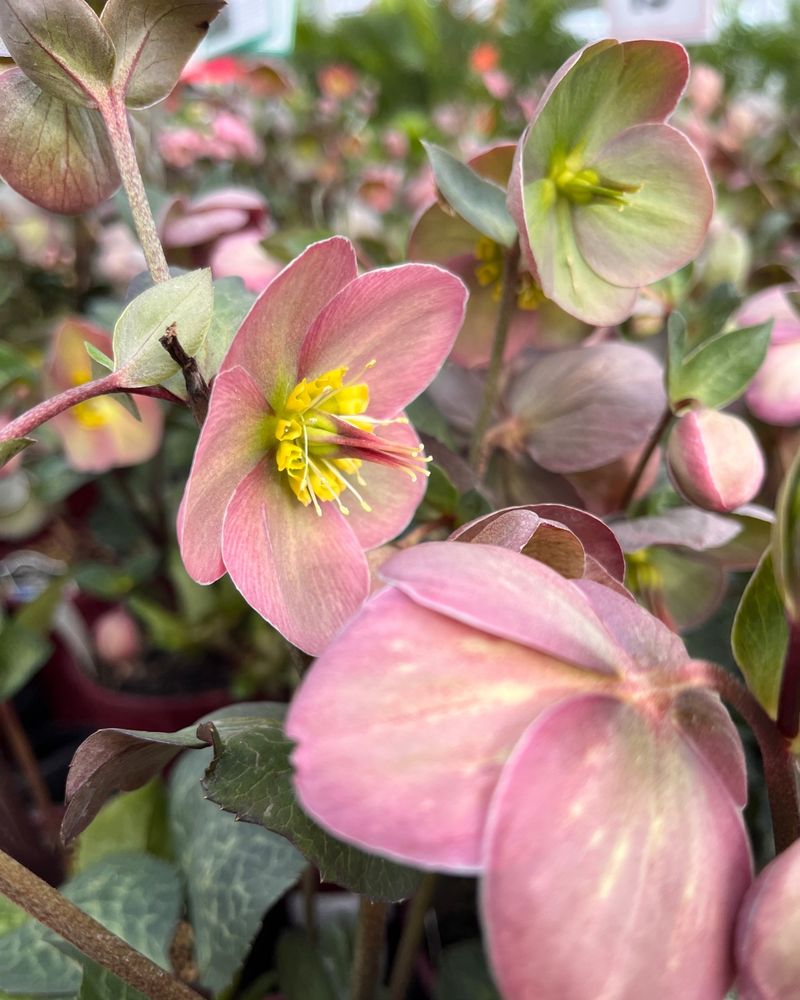
Hellebores bloom when most other plants take a long nap, making them a true winter treasure.
Their flowers appear in shades of white, pink, purple, and green, often speckled with pretty patterns.
These plants handle cold temperatures without complaint and even tolerate some snow.
You can place them in partial shade where they look stunning against bare branches and evergreen shrubs.
Their leathery leaves stay attractive all year, giving your container interest even before the blooms show up.
Hellebores prefer well-draining soil, so mix in some perlite or coarse sand when potting them up.
Water them regularly but avoid soggy conditions, especially during rainy Oregon winters.
Once established, hellebores become tough survivors that return year after year.
Pair them with early spring bulbs for a layered display that extends the bloom season.
Their low-maintenance personality makes them a favorite for busy gardeners who want beauty without constant attention.
Hellebores also resist browsing from deer and rabbits, which is a bonus if wildlife visits your yard.
With proper care, these charming bloomers become reliable winter companions in your container garden.
2. Ornamental Kale And Cabbage
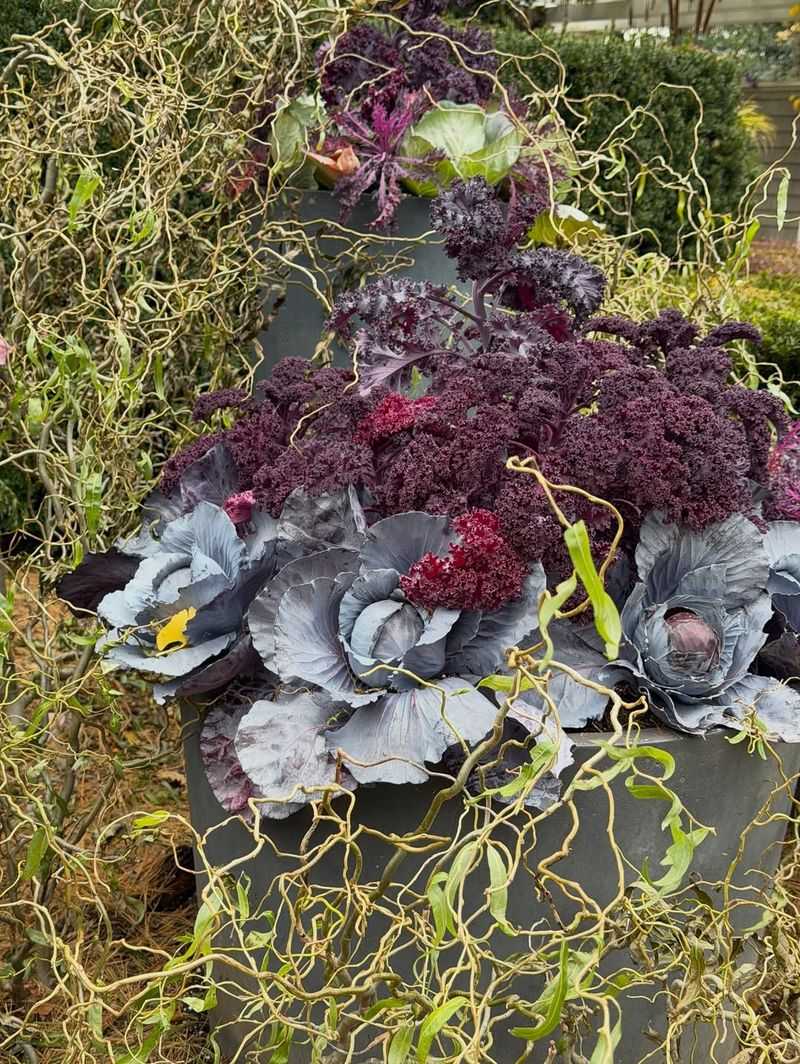
Ornamental kale and cabbage transform container gardens into works of art with their ruffled, colorful leaves.
Cold weather actually enhances their vibrant hues, turning them deeper and more intense as temperatures drop.
These plants come in shades of purple, pink, cream, and green, creating eye-catching combinations in pots.
They thrive in full sun but can handle partial shade, making them flexible for different porch and patio setups.
Ornamental kale grows taller with looser leaves, while cabbage forms tight, rose-like heads.
Both varieties tolerate frost and can survive temperatures well below freezing without damage.
Plant them in containers with good drainage and use quality potting mix for best results.
Water when the top inch of soil dries out, but reduce watering during heavy rain periods.
These cool-season beauties look fantastic paired with pansies, trailing ivy, or evergreen branches.
Their bold texture adds dimension to winter displays that might otherwise feel flat or boring.
Ornamental kale and cabbage stay attractive for months, often lasting from fall through early spring.
Aphids sometimes appear, but a quick spray with water usually takes care of minor pest problems.
3. Wintergreen (Gaultheria procumbens)
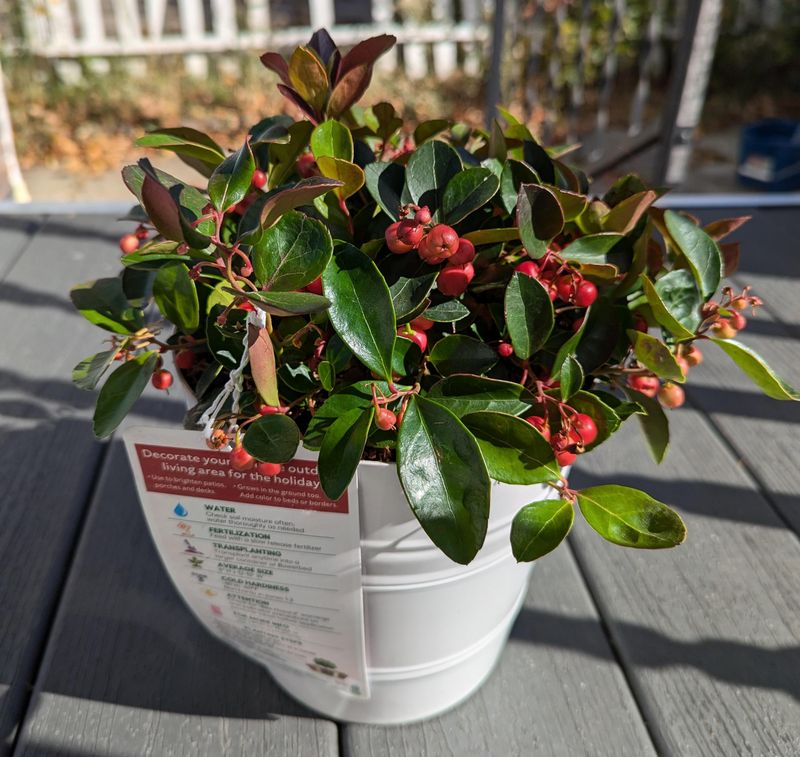
Wintergreen brings cheerful red berries and glossy evergreen foliage to your winter container collection.
This low-growing plant spreads slowly, creating a lush groundcover effect in pots.
The berries appear in late summer and persist through winter, providing food for birds and visual interest for you.
Crushing the leaves releases a refreshing minty scent that makes wintergreen fun to grow near doorways.
This native plant prefers acidic soil, so use an ericaceous potting mix designed for rhododendrons and blueberries.
Wintergreen grows best in partial to full shade, making it perfect for north-facing porches or shaded patios.
Keep the soil consistently moist but not waterlogged, especially during dry winter spells.
Pair wintergreen with ferns, heucheras, or small conifers for a woodland-inspired container arrangement.
The plant stays compact, rarely exceeding six inches in height, so it works well as an underplanting or edging.
Wintergreen tolerates Oregon winters without protection and bounces back vigorously each spring.
Its berries and leaves have historical uses in teas and remedies, though ornamental varieties are grown mainly for beauty.
This charming little plant adds texture, color, and fragrance to winter containers with minimal effort required.
4. Pansies And Violas
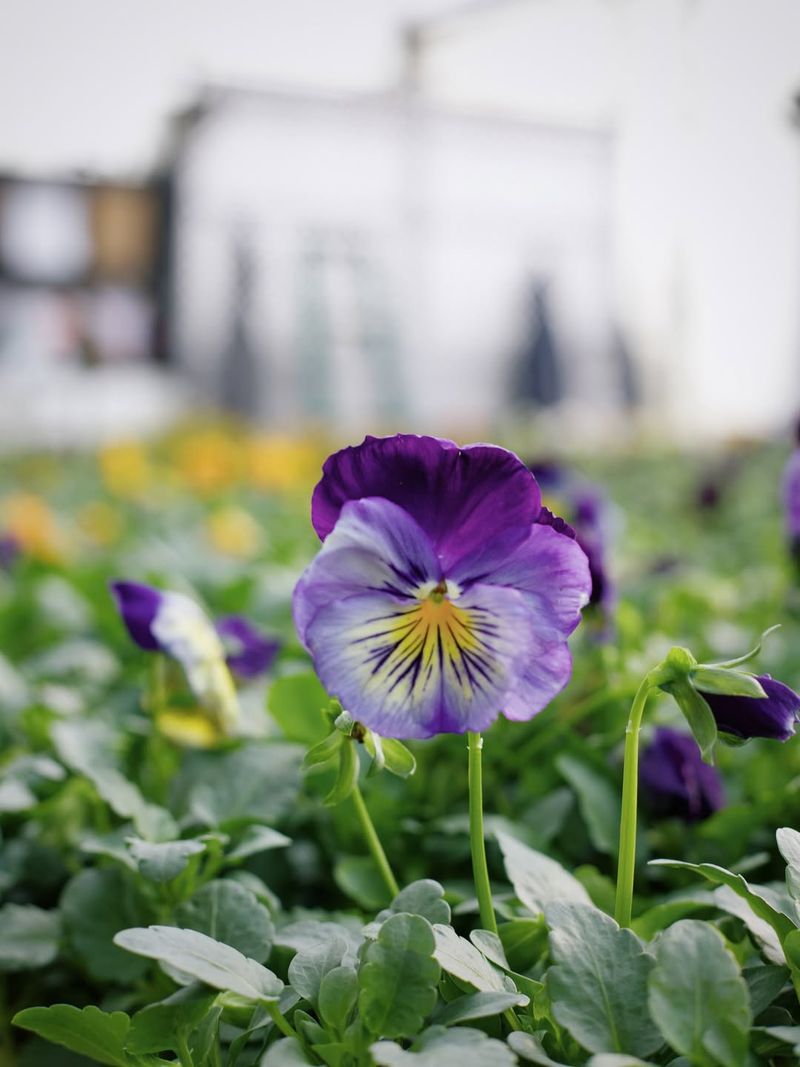
Pansies and violas are cold-season superstars that bloom cheerfully through rain, frost, and chilly winds.
Their happy faces come in nearly every color imaginable, from deep purple to bright yellow and soft pastels.
Violas have smaller flowers than pansies but often produce more blooms, creating a carpet of color.
Both plants tolerate freezing temperatures and can even bloom under a light dusting of snow.
Plant them in full sun to partial shade, depending on how much light your container location receives.
Use well-draining potting soil and water regularly, especially during dry winter weeks.
Deadheading spent flowers encourages more blooms, though these plants often self-clean as petals fade.
Pansies and violas pair beautifully with ornamental grasses, trailing ivy, or small evergreen shrubs.
They work well as focal points or filler plants, depending on your container design preferences.
Fertilize lightly every few weeks with a balanced liquid fertilizer to keep blooms coming strong.
Watch for aphids during mild spells, but most pests stay away during cold weather.
These reliable bloomers bring joy to winter gardens and remind you that color and life continue even in dormant seasons.
5. Heuchera (Coral Bells)
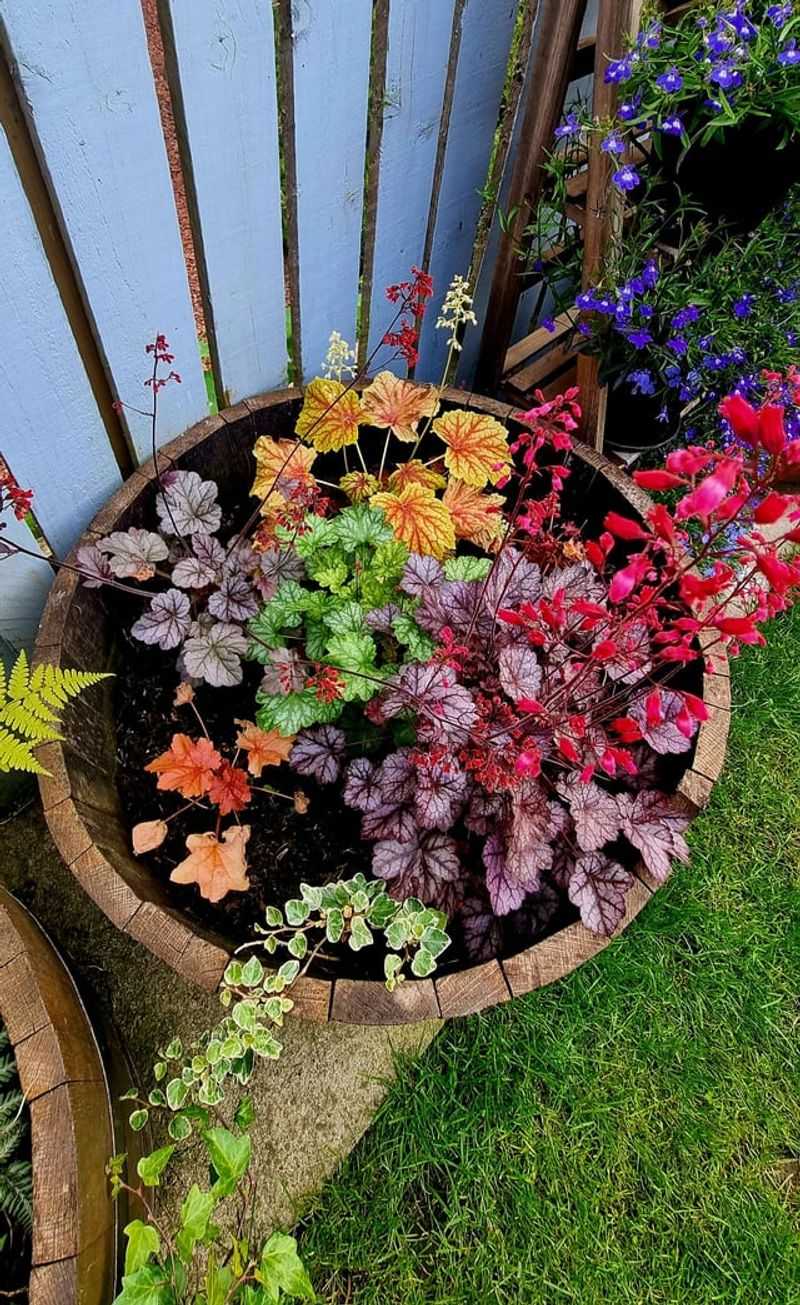
Heuchera dazzles with foliage that ranges from deep burgundy to bright lime green, with countless shades in between.
Some varieties feature ruffled edges, silver veining, or dramatic color shifts as seasons change.
These plants stay evergreen in mild Oregon winters, providing continuous interest in your container displays.
Coral bells tolerate cold temperatures remarkably well and bounce back quickly from occasional hard freezes.
They prefer partial shade but can handle more sun in cooler climates, making them adaptable to various locations.
Plant heuchera in containers with excellent drainage, as soggy roots can cause problems during wet winters.
Water when the soil surface dries out, reducing frequency during rainy periods.
In late spring, heuchera sends up delicate flower spikes with tiny bell-shaped blooms that hummingbirds adore.
The foliage remains the main attraction, though, with leaves that look hand-painted by nature.
Pair heuchera with ferns, hostas, or ornamental grasses for a sophisticated container combination.
These plants stay compact, making them ideal for smaller pots or grouped arrangements.
Heuchera requires minimal care once established, asking only for occasional tidying of damaged leaves and consistent moisture.
6. Dwarf Conifers
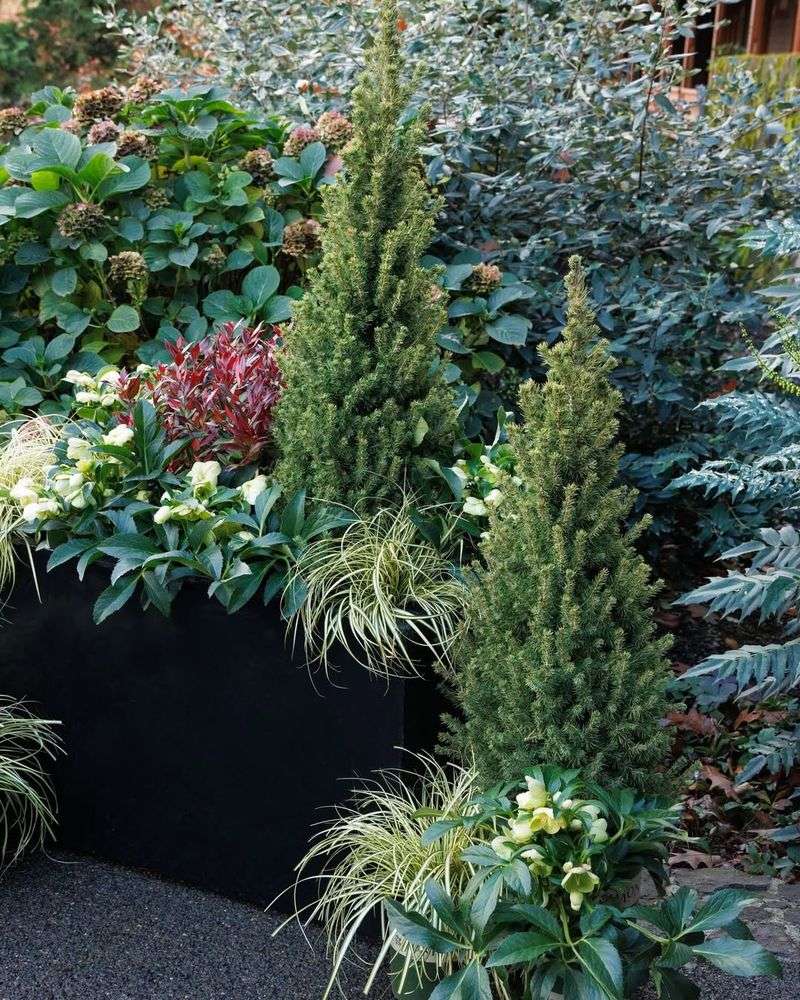
Dwarf conifers offer year-round structure and texture that anchors winter container designs beautifully.
These miniature evergreens come in various shapes including pyramids, globes, and spreading forms.
Their needle colors range from classic green to blue-gray, golden yellow, and even bronze tones.
Dwarf conifers grow slowly, staying manageable in containers for many years without constant repotting.
They handle cold temperatures with ease and provide a backdrop for seasonal flowers and foliage plants.
Choose varieties like dwarf Alberta spruce, miniature hinoki cypress, or compact blue spruce for containers.
Plant them in well-draining soil and position containers where they receive full sun to partial shade.
Water regularly during the first year to establish roots, then reduce frequency as plants mature.
Dwarf conifers rarely need pruning, though you can trim lightly to maintain shape if desired.
Their evergreen presence makes winter patios feel less bare and more intentionally designed.
Pair them with winter-blooming pansies, trailing ivy, or colorful heuchera for layered container arrangements.
These sturdy plants tolerate wind, rain, and occasional snow without dropping needles or looking ragged.
Dwarf conifers become long-term investments that reward you with reliable beauty season after season.
7. Cyclamen
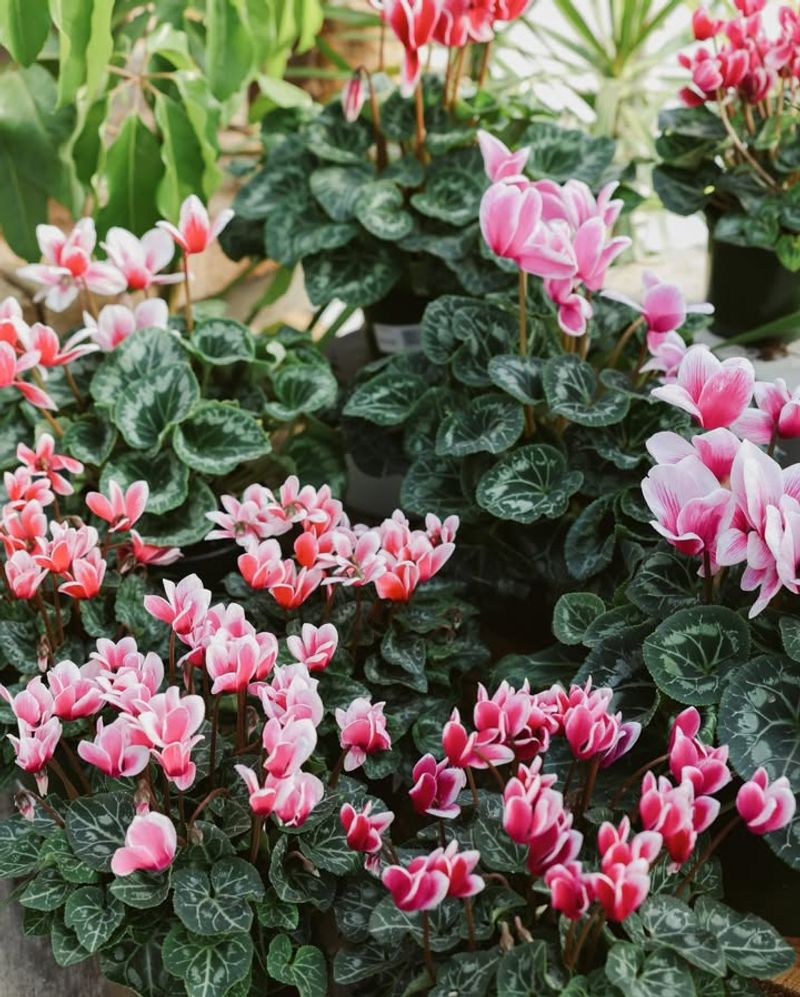
Cyclamen produces enchanting flowers that look like tiny butterflies hovering above marbled foliage.
Hardy cyclamen varieties bloom from fall through early spring, providing months of delicate beauty.
Their flowers come in shades of pink, red, white, and purple, often with darker markings near the center.
The heart-shaped leaves feature intricate silver patterns that make them attractive even without blooms.
Cyclamen prefers cool temperatures and actually thrives during Oregon winters when many plants struggle.
Plant them in containers with excellent drainage and place them in partial to full shade.
Water carefully, keeping soil moist but never soggy, as cyclamen tubers can rot in overly wet conditions.
These plants go dormant in summer, so they pair well with warm-season annuals that take over when cyclamen rests.
Cyclamen works beautifully in mixed containers or as a solo specimen in decorative pots.
Their compact size makes them perfect for small spaces like apartment balconies or narrow porch ledges.
Remove spent flowers by twisting them off at the base to encourage more blooms.
Cyclamen adds an elegant, old-fashioned charm to winter gardens that feels both sophisticated and welcoming.
8. Skimmia japonica
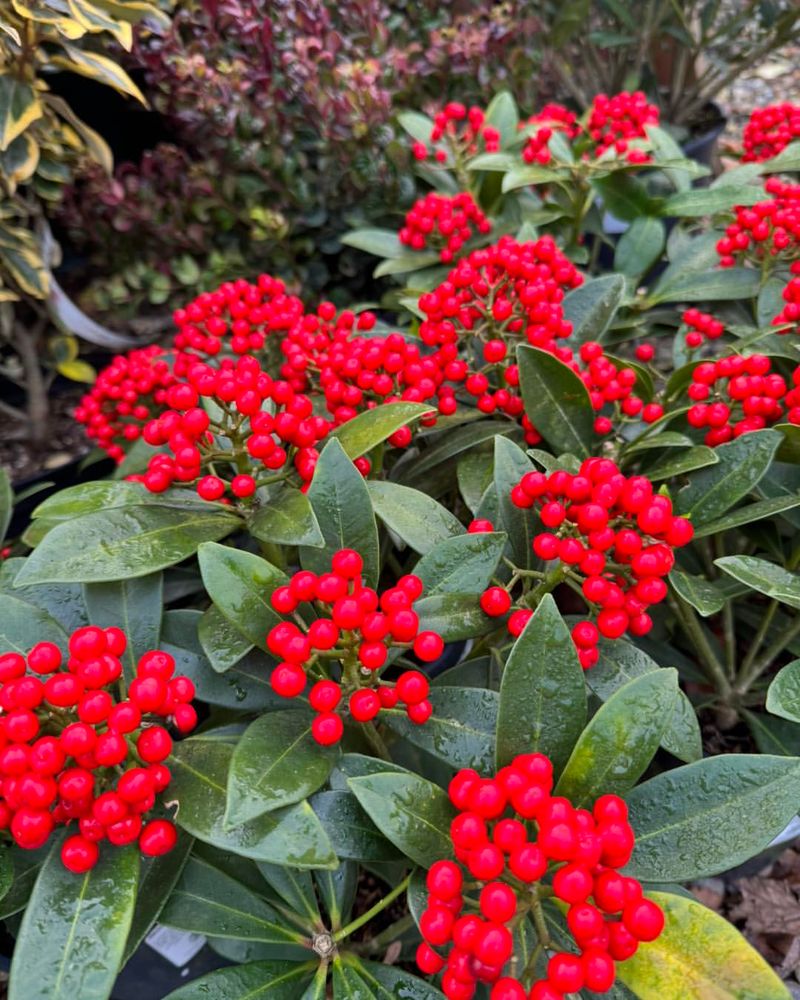
Skimmia japonica delivers glossy evergreen foliage and bright red berries that last throughout winter.
This compact shrub stays manageable in containers, growing slowly and maintaining a neat, rounded shape.
Female plants produce the showy berries, while male plants offer fragrant spring flowers that perfume the air.
For berry production, you need both male and female plants nearby, so choose varieties carefully.
Skimmia tolerates shade beautifully, making it perfect for north-facing patios or covered porches.
The plant handles cold temperatures without damage and keeps its attractive appearance all year.
Use acidic potting soil similar to what rhododendrons prefer, as skimmia thrives in lower pH conditions.
Water regularly to keep soil evenly moist, especially during dry winter periods.
Pair skimmia with ferns, hostas, or wintergreen for a lush shade container that feels like a forest corner.
The berries provide food for birds while adding cheerful color to dreary winter days.
Skimmia requires minimal pruning and rarely suffers from pest or disease problems.
This reliable evergreen brings structure, color, and texture to winter containers with very little fuss or special attention needed.
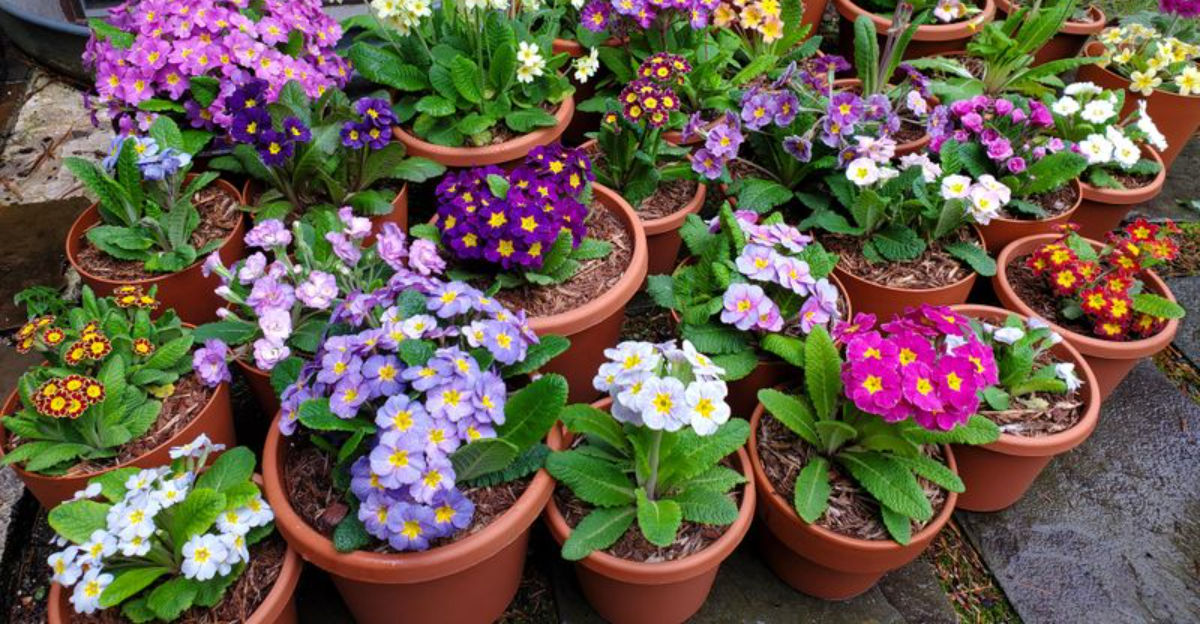
9. Primrose (Primula)
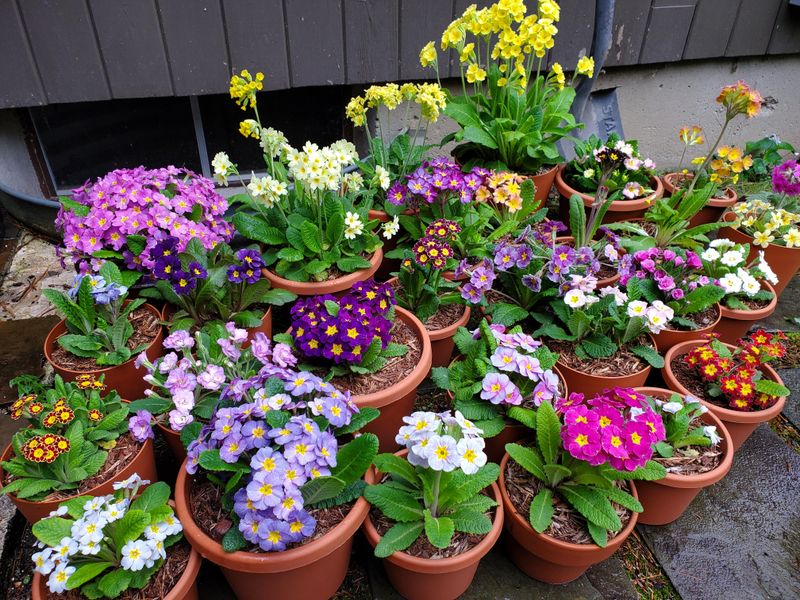
Primrose signals the approach of spring with cheerful blooms that appear in late winter.
These charming plants produce flowers in nearly every color, often with contrasting centers or bicolor petals.
Primrose thrives in cool weather and can handle light frosts without losing its blooms.
The rosette of crinkled leaves provides attractive foliage even before flowers emerge.
Plant primrose in containers with rich, moisture-retentive potting soil that drains well.
Position them in partial shade where they receive morning sun but afternoon protection.
Water regularly to keep soil consistently moist, as primrose dislikes drying out completely.
These plants bloom most heavily in late winter and early spring, bridging the gap between seasons.
Deadhead spent flowers to encourage continuous blooming and keep plants looking tidy.
Primrose pairs wonderfully with pansies, trailing ivy, or small ferns in mixed containers.
Their low-growing habit makes them excellent edging plants or underplantings for taller specimens.
Watch for slugs during mild, wet weather, as these pests find primrose leaves particularly tasty.
With their bright faces and easy care, primrose brings optimism and color to late winter gardens.
10. Trailing Ivy (Hedera)
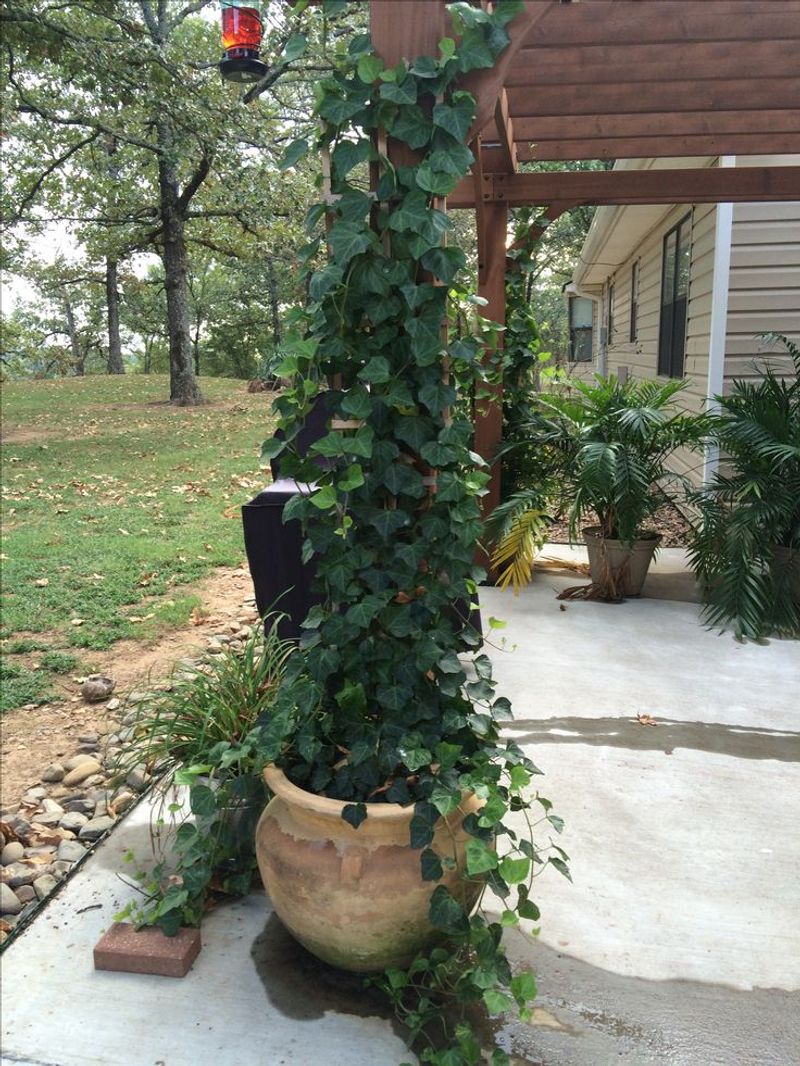
Trailing ivy adds elegant cascades of evergreen foliage that soften container edges year-round.
This versatile plant comes in varieties with solid green leaves or variegated patterns of white, cream, or yellow.
Ivy tolerates cold temperatures exceptionally well and maintains its lush appearance through harsh winters.
The trailing stems can grow several feet long, creating dramatic spills over pot rims.
Ivy grows in sun or shade, though variegated types show better color with some direct light.
Plant it in well-draining potting soil and water when the top inch feels dry.
Ivy works beautifully as a filler or spiller in mixed containers, complementing upright plants perfectly.
You can also grow it alone in hanging baskets where its trailing habit really shines.
Trim ivy occasionally to control length and encourage bushier growth near the base.
This hardy plant rarely suffers from pests or diseases, making it wonderfully low-maintenance.
Ivy provides instant fullness to new containers and matures gracefully as seasons pass.
Pair it with winter-blooming flowers, colorful heuchera, or dwarf conifers for balanced container designs.
Its reliable nature and classic beauty make trailing ivy a staple for Oregon winter containers.
11. Evergreen Ferns
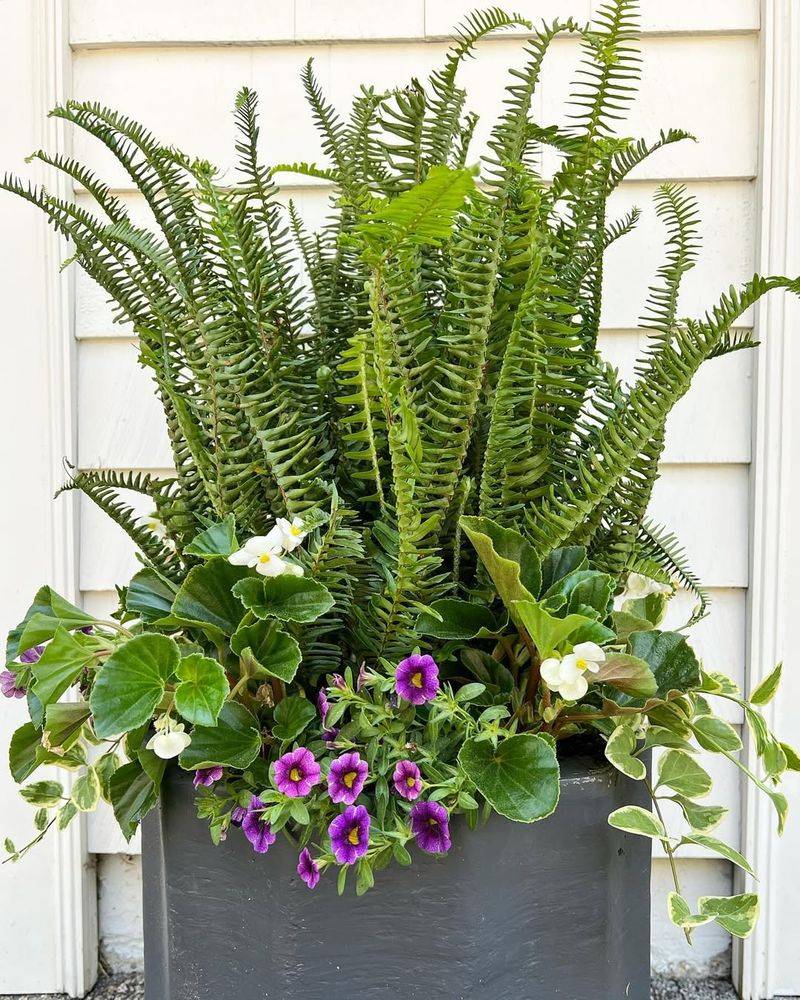
Evergreen ferns bring lush, feathery texture to winter containers when many plants look sparse.
Varieties like autumn fern, holly fern, and sword fern keep their fronds through cold months.
These shade-loving plants thrive in Oregon winters, handling moisture and cool temperatures with ease.
Their arching fronds create graceful movement and add a woodland feel to container displays.
Plant ferns in containers with rich, organic potting soil that retains moisture without becoming waterlogged.
Position them in partial to full shade where they receive protection from harsh afternoon sun.
Water regularly to keep soil evenly moist, as ferns dislike completely drying out between waterings.
Evergreen ferns pair beautifully with hellebores, wintergreen, or trailing ivy in mixed containers.
Their fine texture contrasts nicely with bold-leaved plants like heuchera or ornamental cabbage.
Remove any damaged or brown fronds in early spring to make room for fresh growth.
Ferns rarely suffer from pest problems and require minimal care once established in containers.
Their reliable green presence makes winter patios feel alive and connected to nature.
Evergreen ferns offer timeless beauty that works in both traditional and contemporary container designs.