8 Container Plants To Make Your Pennsylvania Garden More Appeal And Aesthetic
A well placed container can completely change the way a garden looks and feels, and Pennsylvania’s four distinct seasons actually make container gardening one of the most creative outlets a gardener can have here. You are not locked into one look all year.
You can shift colors, textures, and plant combinations with the seasons, keep things fresh, and fill in spots that permanent plantings just cannot reach.
Containers work on patios, front steps, garden edges, and anywhere the ground is too compacted, too shady, or just too awkward for traditional beds.
The real trick is knowing which plants perform well together and hold up through Pennsylvania’s sometimes unpredictable spring and summer weather.
Get the combinations right and your outdoor space goes from nice to genuinely hard to walk past without stopping.
These picks will give your Pennsylvania garden that extra layer of personality it has been missing.
1. Petunias
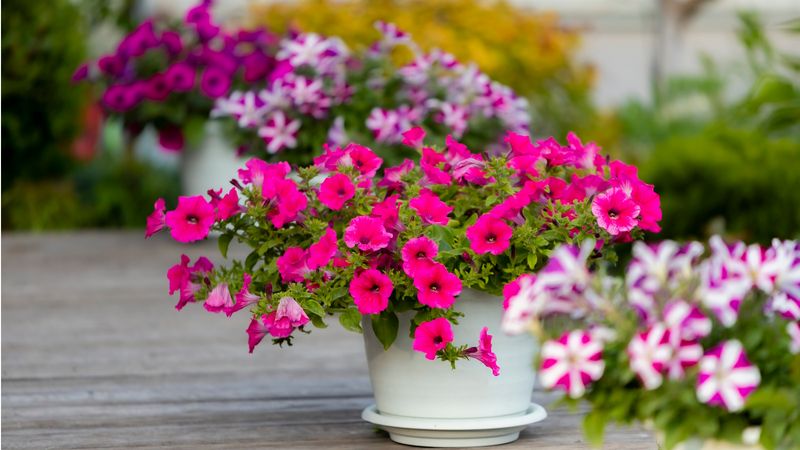
Few plants say “summer garden” quite like a pot overflowing with petunias. These cheerful bloomers have been a favorite in Pennsylvania gardens for generations, and it is easy to see why.
From the moment they open in spring, they just keep going and going right through fall.
Petunias come in almost every color you can imagine, from deep purple to bright coral to soft white. You can mix and match shades in a single container for a bold, eye-catching display.
They spill beautifully over the edges of pots, which makes them perfect for window boxes, hanging baskets, and large planters on a sunny porch or patio.
One of the best things about petunias is how little fuss they need. Plant them in a spot that gets at least six hours of sunlight each day, and they will reward you with nonstop color.
Water them regularly but let the soil dry out slightly between waterings to keep the roots healthy. Deadheading, which means removing spent blooms, encourages even more flowers to form.
A balanced liquid fertilizer every two weeks during the growing season keeps petunias looking their very best. In Pennsylvania, where summers can get warm and humid, look for trailing or spreading varieties that hold up well in the heat.
2. Geraniums
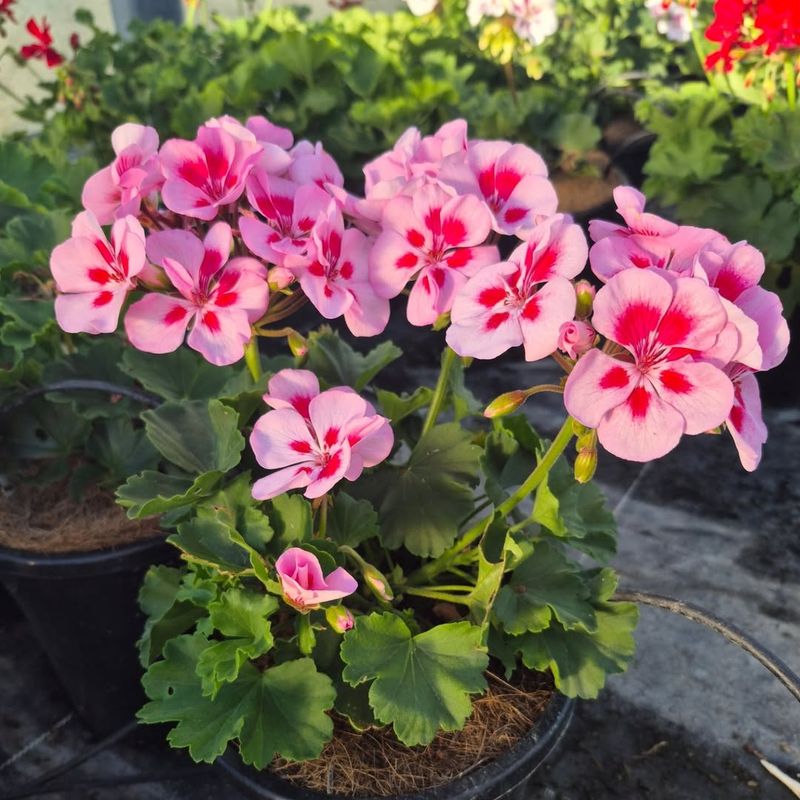
Walk through almost any Pennsylvania neighborhood in summer, and you will spot geraniums sitting proudly on porches and stoops. There is a reason these plants have stayed popular for so long.
They are bold, reliable, and surprisingly easy to care for, even for beginner gardeners.
Geraniums produce large clusters of flowers in shades of red, pink, salmon, white, and lavender. Their rounded leaves are equally attractive, often featuring subtle patterns or deep green tones that contrast beautifully with the blooms.
Unlike some container plants that get leggy and messy, geraniums maintain a tidy, upright shape that adds structure to any arrangement.
In Pennsylvania, geraniums shine from late spring all the way through the first cold snap of fall. They love full sun and handle the heat well, making them ideal for south-facing patios or balconies.
Your Pennsylvania Garden Changes Every Week. Your Plan Should Too.
Gardening in Pennsylvania changes quickly throughout the season. Every Friday you’ll receive a simple weekly plan showing exactly what to plant, prune, fertilize, harvest, and protect so you never miss the right timing.
Water them deeply but allow the top inch of soil to dry before watering again, because overwatering is the most common mistake people make with these plants. A slow-release fertilizer mixed into the potting soil at planting time gives them a strong start.
One bonus that Pennsylvania gardeners love: you can bring geraniums indoors before the first frost and keep them going through winter on a sunny windowsill, saving money and getting a head start on next year’s display.
3. Calibrachoa
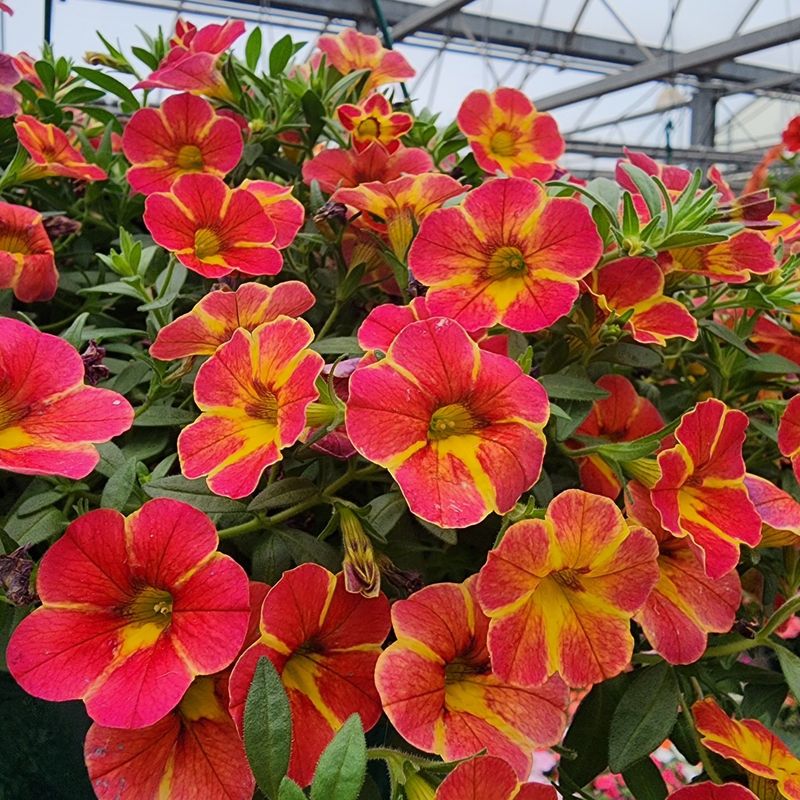
Imagine thousands of tiny, petunia-shaped flowers cascading down the sides of a pot like a colorful waterfall. That is exactly what calibrachoa delivers, and it is why gardeners across Pennsylvania have fallen head over heels for this plant.
Nicknamed “million bells,” it earns that name every single season.
Calibrachoa comes in an incredible range of colors, including yellow, pink, red, orange, white, and bi-color patterns. The flowers are small, usually about an inch wide, but they appear in such massive numbers that the plant looks like it is constantly in full bloom.
Because of its trailing habit, calibrachoa works wonderfully in hanging baskets, tall planters, and window boxes where the stems can drape freely.
Growing calibrachoa in Pennsylvania is straightforward as long as you give it the right conditions. It needs full sun, at least six hours a day, and well-draining potting mix.
One thing to know is that calibrachoa is a heavy feeder. Without regular fertilizing, the blooms can fade and the foliage may turn yellow.
Use a water-soluble fertilizer formulated for flowering plants every seven to ten days throughout the growing season. Unlike petunias, calibrachoa is self-cleaning, meaning you do not need to deadhead it.
Just water, feed, and enjoy the show from spring all the way until Pennsylvania’s fall temperatures cool things down.
4. Coleus
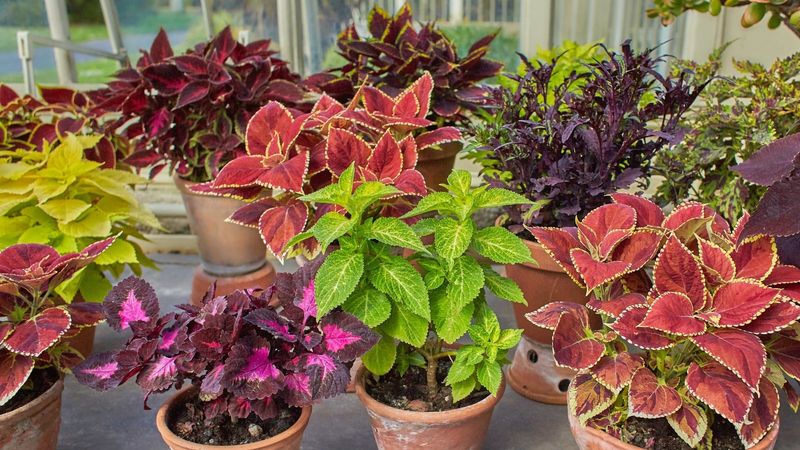
Not every great container plant needs flowers to impress. Coleus proves that foliage alone can be absolutely stunning, and in shaded Pennsylvania gardens, it is practically unbeatable.
The leaves come in combinations of red, orange, yellow, green, purple, and almost every shade in between.
Coleus has a tropical, eye-catching look that makes it a natural conversation starter. The patterns on the leaves range from simple solid colors to intricate marbled and splashed designs.
You can find compact varieties that stay neat and tidy in small pots, or larger, bushier types that fill out big containers with impressive volume. Mixing several coleus varieties together in one planter creates a bold, almost painterly effect.
One of the biggest advantages of coleus in Pennsylvania is how well it handles shade. Many gardens have spots that simply do not get much direct sun, and coleus thrives in those areas where other flowering plants would struggle.
It does best in partial shade to full shade, though some newer varieties can handle more sun if kept consistently watered. Keep the soil moist but not soggy, and feed with a balanced fertilizer every two weeks to keep the colors vivid and the growth lush.
Pinch off any flower spikes as soon as they appear. This keeps the plant focused on producing beautiful leaves rather than seeds, giving you a fuller, more colorful container all season long.
5. Begonias
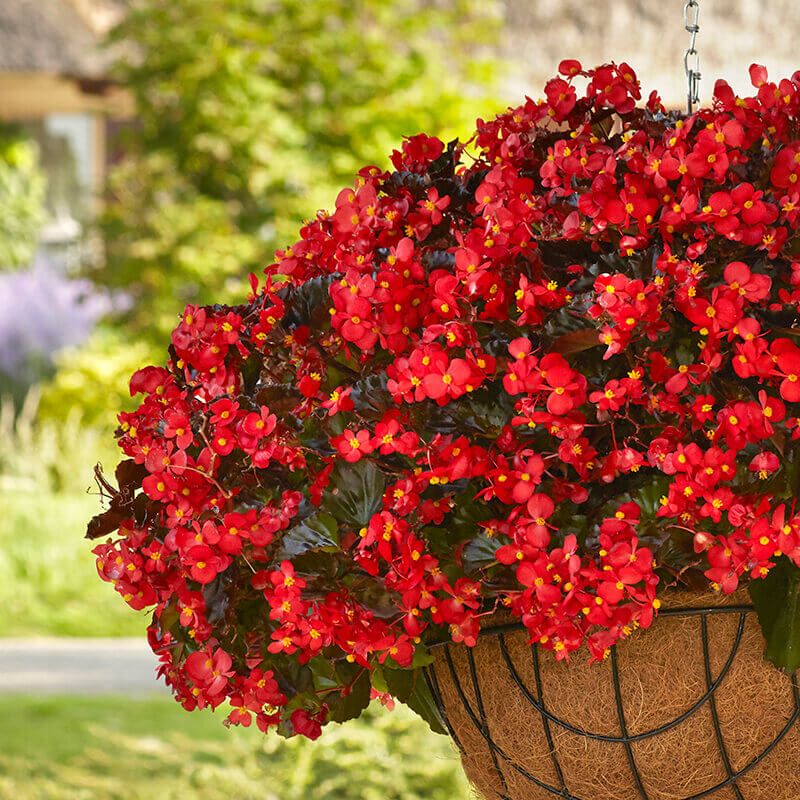
Shade gardens in Pennsylvania can sometimes feel like a design challenge, but begonias make that challenge a lot more fun. These plants bring soft, continuous color to spots that other sun-loving plants simply cannot handle.
Whether you choose wax begonias or tuberous types, the results are always lovely.
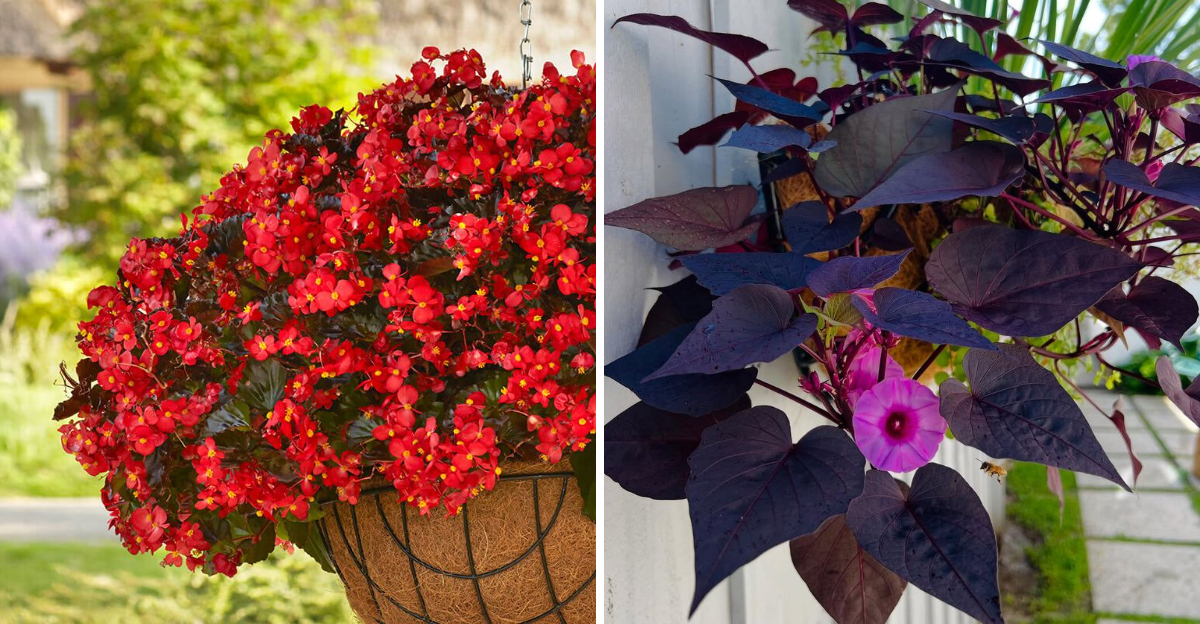
Wax begonias are especially popular for containers because they are compact, tidy, and bloom almost without stopping from spring to fall. Their waxy, rounded leaves come in green or bronze tones, and the flowers appear in shades of red, pink, coral, and white.
Tuberous begonias offer even larger, more dramatic blooms that look almost like roses, making them a showstopper in any container arrangement.
Begonias are a smart choice for Pennsylvania gardeners who deal with trees, buildings, or fences that block direct sunlight. They perform best in bright, indirect light or dappled shade, though wax begonias can handle a bit more sun than tuberous types.
Use a rich, well-draining potting mix and water consistently, keeping the soil moist but never waterlogged. Feeding every two weeks with a balanced liquid fertilizer encourages steady blooming all season.
One practical tip: begonias do not like cold temperatures, so wait until late May to move containers outside in Pennsylvania, and bring them back in before nights drop below 50 degrees Fahrenheit to keep them thriving.
6. Ornamental Sweet Potato Vine
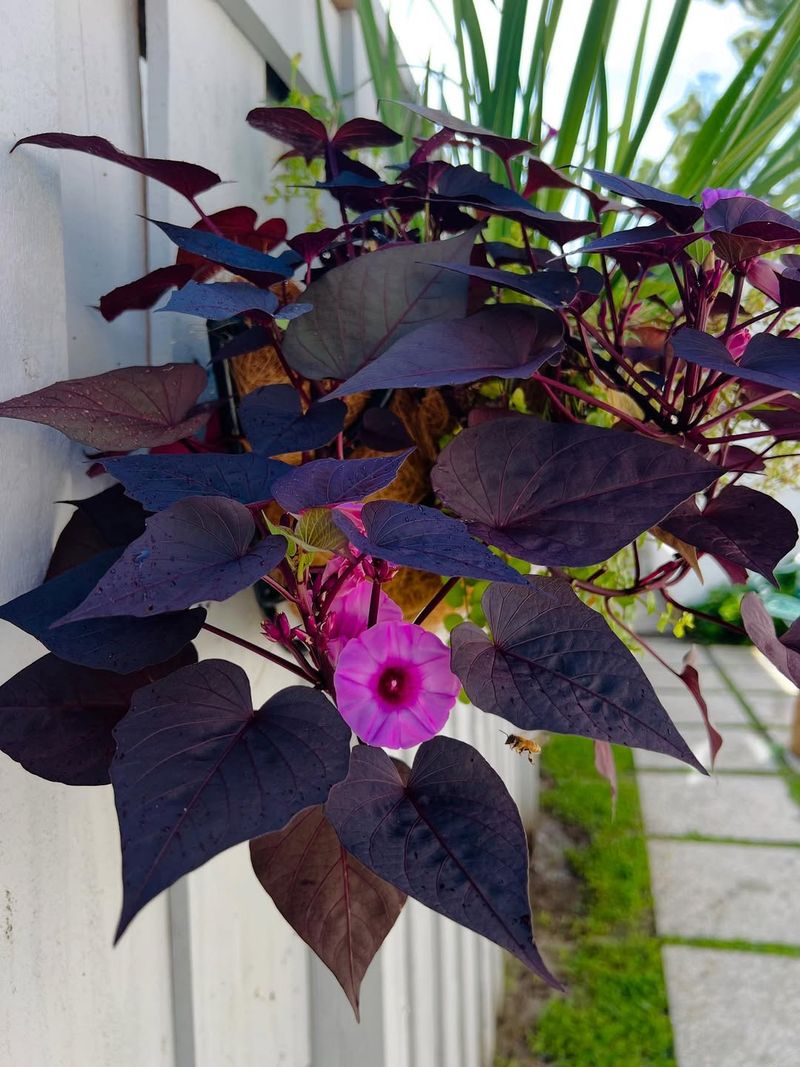
If you want a plant that makes everyone stop and stare, ornamental sweet potato vine is your answer. The foliage is bold, fast-growing, and absolutely dramatic.
In just a few weeks, it can fill a container and spill dramatically over the edges in a way that looks like it belongs in a professional garden design.
Sweet potato vine comes in several striking colors, including chartreuse lime green, deep burgundy purple, and warm bronze. These shades pair beautifully with flowering plants like petunias or geraniums, creating a layered, textured look in mixed containers.
The trailing stems can grow quite long throughout a Pennsylvania summer, so give this plant plenty of room to spread out.
Growing sweet potato vine in Pennsylvania is remarkably easy. It loves warm weather and thrives in full sun to partial shade.
The more sun it gets, the richer and more vibrant the leaf colors become. Water regularly during hot, dry stretches, as the large leaves can lose moisture quickly in summer heat.
Feed with a balanced fertilizer every two to three weeks to support the rapid growth. Because it grows so fast, you may need to trim back the vines occasionally to keep them from overwhelming neighboring plants in mixed containers.
This plant is a true workhorse of the container garden world, bringing drama and texture from late spring right through Pennsylvania’s warm fall days.
7. Fuchsia
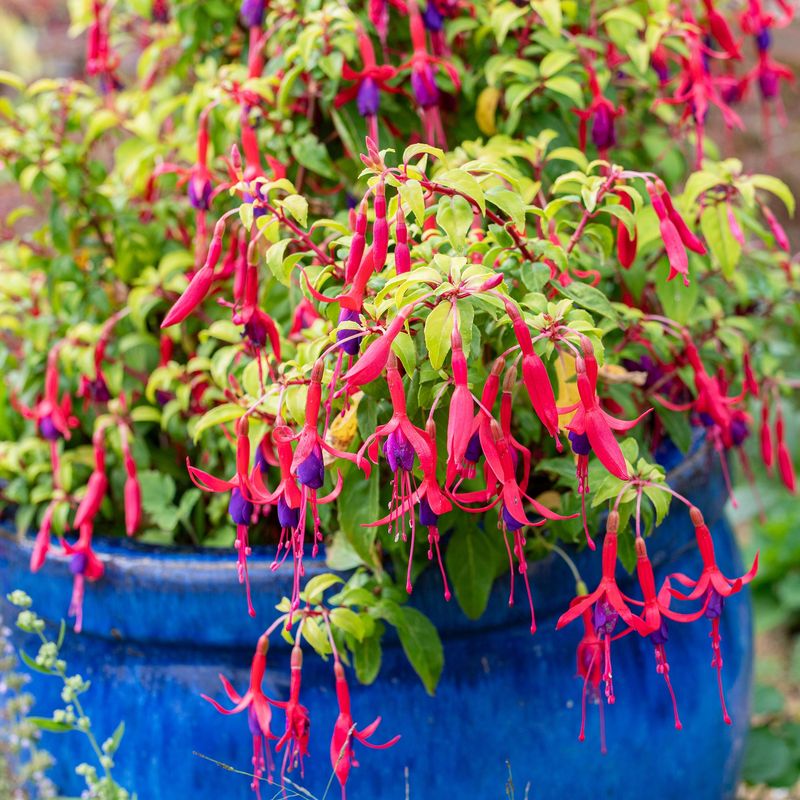
There is something almost magical about fuchsia. The flowers dangle like tiny jeweled earrings from arching stems, and they sway gently in the breeze with an elegance that few other plants can match.
For Pennsylvania gardeners with shaded patios or covered porches, fuchsia is an absolute treasure.
Fuchsia blooms come in a stunning range of color combinations, typically featuring two contrasting shades. Common pairings include deep pink with purple, red with white, and coral with lavender.
The flowers are tubular with flared petals, giving them a unique, layered appearance that draws attention from across the yard. Trailing fuchsia varieties are especially beautiful in hanging baskets, where the stems can cascade freely and show off every bloom.
In Pennsylvania, fuchsia thrives in cooler, shaded conditions, making it perfect for spots under trees, on north-facing porches, or beneath overhangs where direct sun rarely reaches. It prefers temperatures between 55 and 75 degrees Fahrenheit, so it does best in spring and early fall when the weather is mild.
During hot Pennsylvania summers, move fuchsia to a cooler, shadier spot to protect it from heat stress. Water consistently and never let the soil dry out completely, as fuchsia wilts quickly without moisture.
Feed every two weeks with a high-potassium fertilizer to promote continuous flowering. Regular deadheading keeps the plant tidy and encourages a fresh flush of those gorgeous, swaying blooms.
8. Lavender
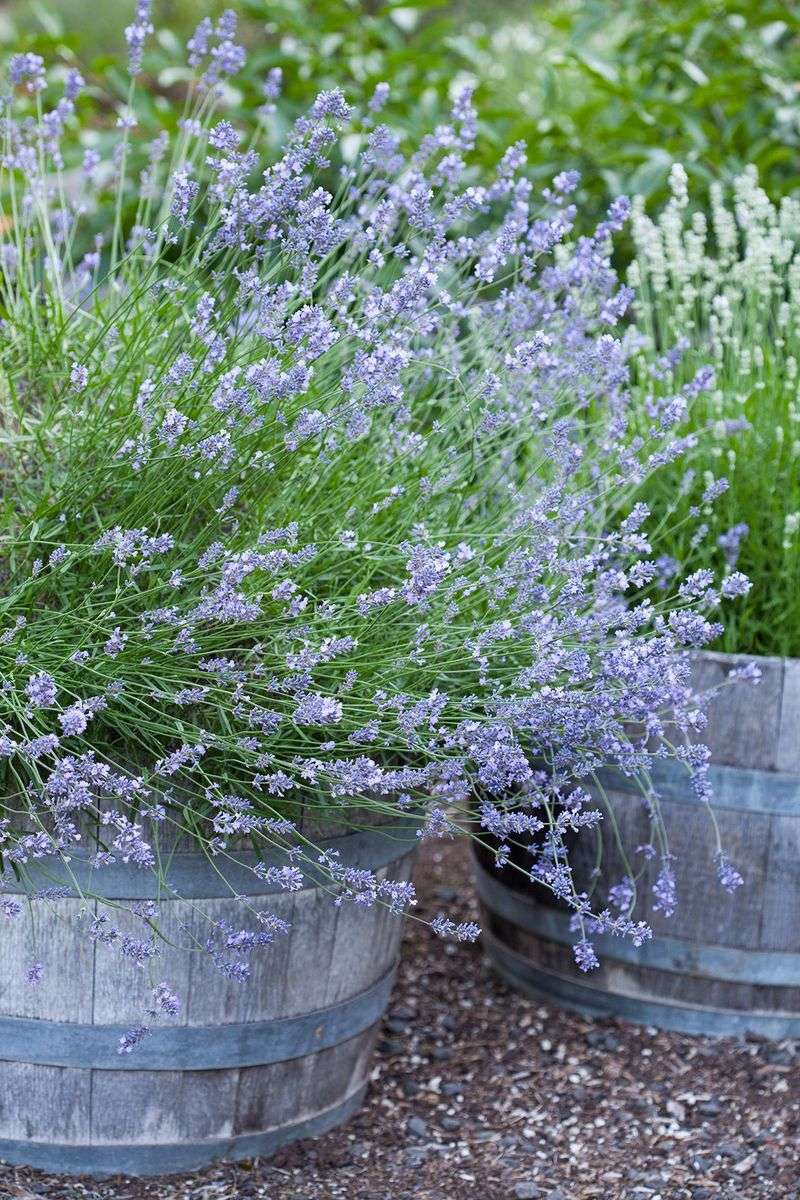
Few plants bring as much calm and beauty to a garden as lavender. The soft purple flower spikes, the silvery-green foliage, and that unmistakable fragrance all work together to create a container that feels both elegant and soothing.
In Pennsylvania, lavender adds a touch of the countryside to any patio or garden space.
Lavender is a bit different from the other plants on this list because it offers a more structured, formal look. Rather than sprawling or cascading, it grows in a neat, rounded mound with upright flower spikes.
This makes it an excellent choice for containers near entryways, on either side of a door, or as a focal point in a simple, minimalist garden design. The fragrance is a bonus that many Pennsylvania gardeners especially appreciate on warm summer evenings.
For lavender to thrive in containers in Pennsylvania, drainage is the most important factor. It absolutely cannot sit in wet soil, so use a well-draining potting mix and make sure your container has large drainage holes.
Choose a spot that receives full sun for at least six to eight hours each day. Water moderately, allowing the soil to dry out between waterings, since lavender is quite drought-tolerant once established.
Avoid heavy feeding, as too much fertilizer encourages leafy growth at the expense of flowers. Trim the plant lightly after each bloom cycle to maintain its shape and encourage a second flush of those beautiful, fragrant spikes throughout the Pennsylvania growing season.