Cool Season Vs Warm Season Gardening In North Carolina And Why It Matters
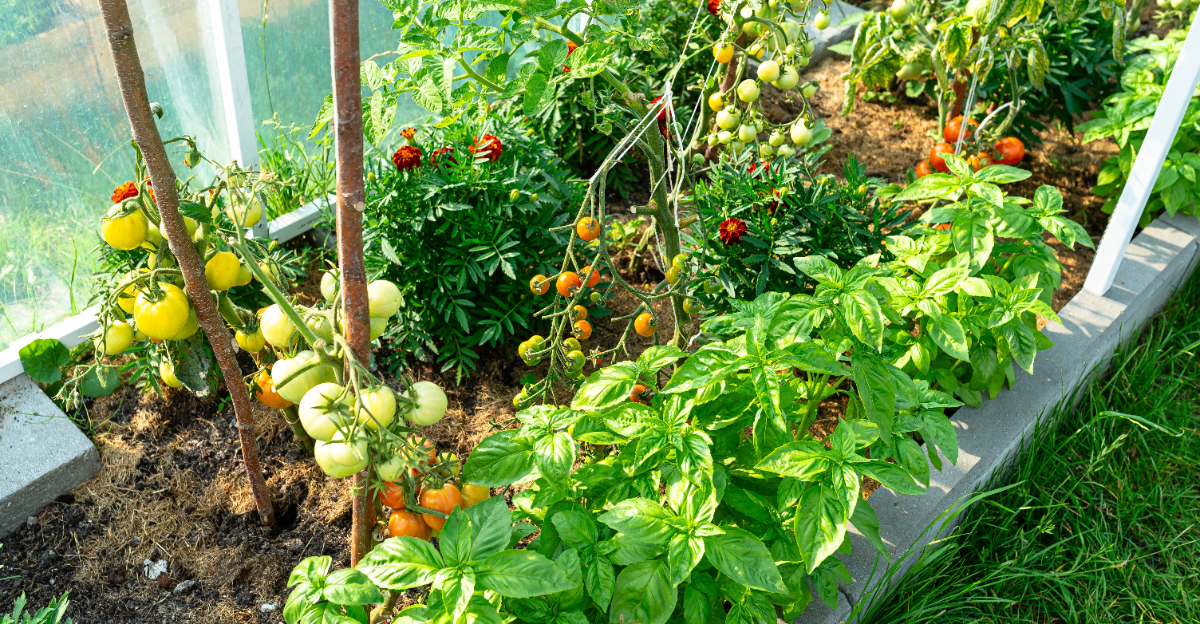
Timing is everything when it comes to gardening in North Carolina. Many new gardeners plant everything at once, only to wonder why some crops struggle while others thrive.
The secret is understanding that the state has two main growing seasons, and each one favors a different group of plants.
From the warm Coastal Plain to the rolling Piedmont and the cooler Mountain regions, planting windows shift depending on location and temperature.
Cool season crops perform best in the milder months of spring and fall, while warm season vegetables need steady heat to grow well.
Knowing when each group should go into the ground can make a huge difference in how your garden performs.
Once you understand how these two growing seasons work in North Carolina, planning your garden becomes far easier and the chances of a strong harvest increase dramatically.
1. Timing Determines Plant Survival
Some plants just refuse to cooperate when the weather is not on their side, and in North Carolina, planting at the wrong time is one of the most common gardening mistakes people make.
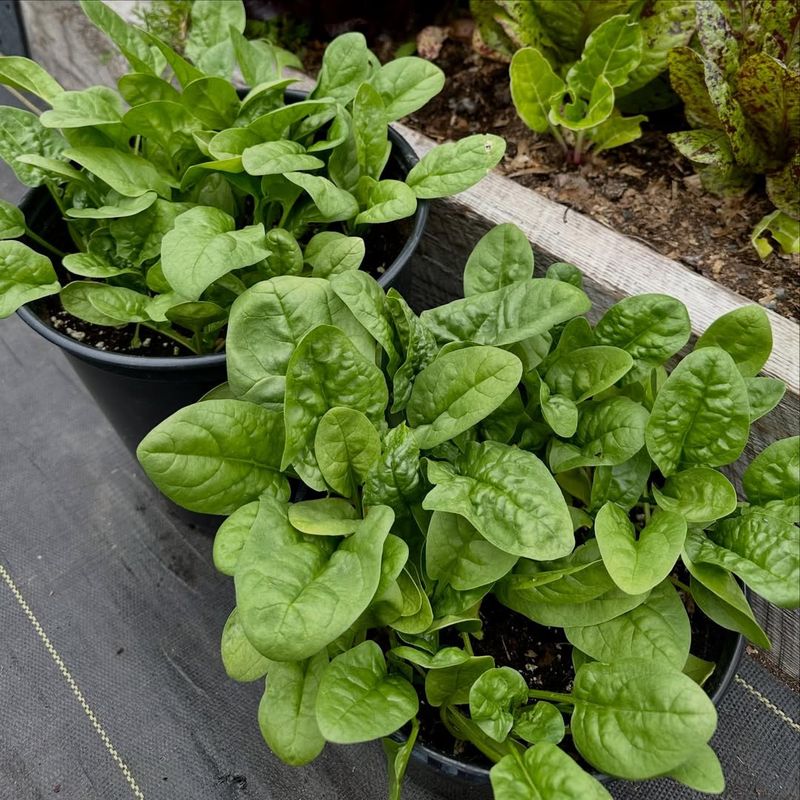
Cool-season crops like lettuce, spinach, and peas are tough little performers that can handle chilly temperatures and even light frosts without missing a beat.
These crops are planted in early spring, often as soon as February in the Coastal Plain or March in the Piedmont, and again in late summer for a fall harvest.
Warm-season crops are a completely different story. Tomatoes, peppers, squash, and beans are heat-loving plants that simply cannot tolerate frost.
Planting them too early in North Carolina, before the last frost date has passed, puts them at serious risk of cold damage that stunts their growth and wipes out your harvest before it even begins. Last frost dates vary across the state.
The Coastal Plain typically sees its last frost around late March, the Piedmont around mid-April, and the mountains as late as mid-May.
Matching your crops to these windows is not just helpful advice, it is the foundation of a productive garden.
Timing your planting correctly gives every plant the best possible start in North Carolina’s rich, varied growing regions.
2. Protects Plants From Frost Damage
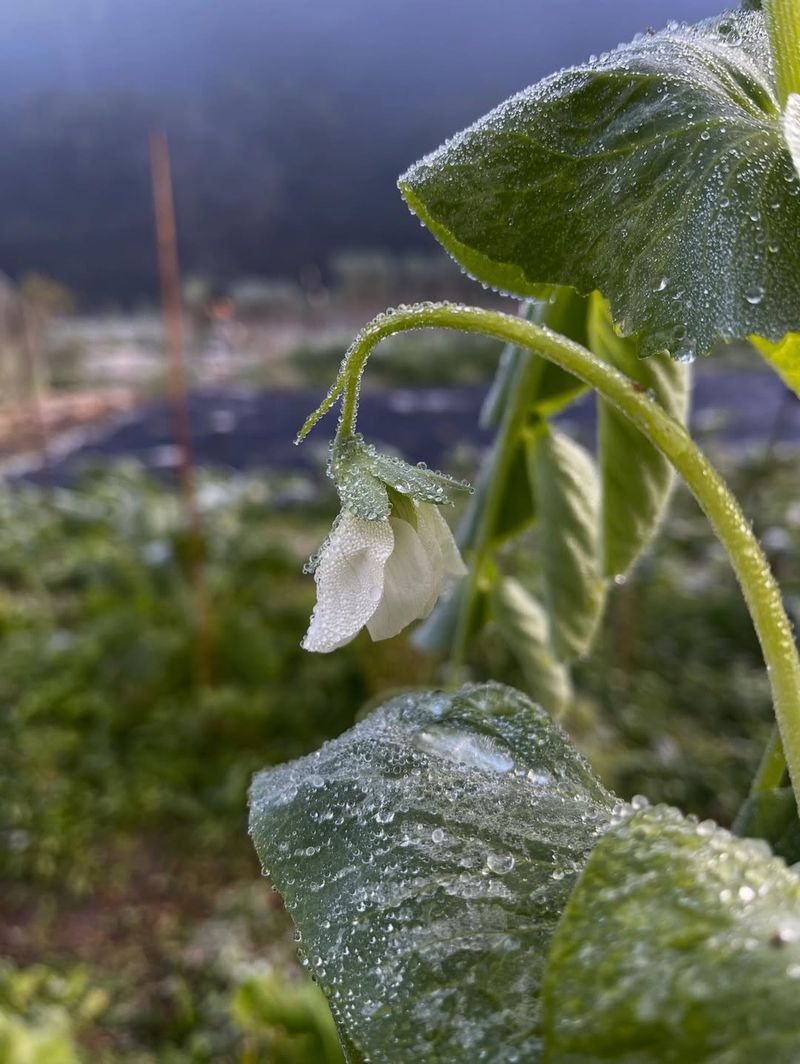
Picture walking out to your garden on an April morning in North Carolina and finding your freshly planted tomato seedlings wilted and pale from an overnight frost.
That sinking feeling is completely avoidable when you understand the difference between cool-season and warm-season crops.
Cool-season vegetables like broccoli, kale, cabbage, and collards are naturally built to handle cold snaps, making them ideal for early spring planting across much of the state.
Warm-season crops, on the other hand, are extremely frost-sensitive. Even a light frost can damage tender tissue in tomatoes, peppers, eggplants, and cucumbers, setting your whole season back by weeks.
In North Carolina, where spring weather can swing from warm afternoons to frosty nights with little warning, planting warm-season crops before the last frost date is a gamble that rarely pays off.
The smart move is to wait until frost risk has genuinely passed for your region before putting warm-season transplants in the ground.
If you do plant early and a cold night is forecast, row covers and cold frames can provide temporary protection. But the most reliable protection is simply understanding which crops belong in which season.
Knowing this one key fact keeps your garden thriving through North Carolina’s unpredictable late-winter and early-spring weather patterns without costly setbacks.
3. Maximizes Harvest Potential
One of the most satisfying things about gardening in North Carolina is the sheer length of the growing season, and knowing how to use both cool and warm seasons back to back is the secret to keeping your garden productive almost year-round.
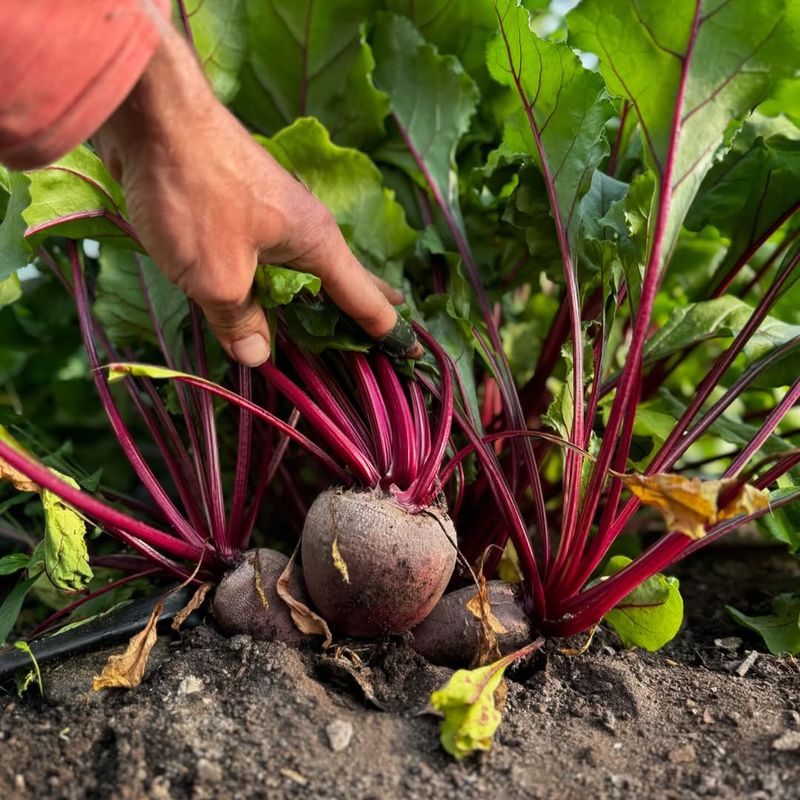
By planting cool-season crops like spinach, peas, and beets in early spring, you get a full harvest before summer heat even arrives.
Then, once those beds are cleared, warm-season crops like tomatoes, squash, and cucumbers step right in.
This back-to-back approach means you are never staring at an empty garden bed waiting for something to grow.
The Coastal Plain region of North Carolina has an especially long growing window, allowing gardeners to squeeze in cool-season crops in both spring and fall while fitting warm-season crops in between.
Even in the Piedmont and mountain regions, a well-planned schedule keeps harvests coming from March through October.
Continuous planting also means a more consistent supply of fresh vegetables for your table throughout the season.
Instead of having one big harvest and then nothing, you enjoy smaller, steady yields that are easier to manage and less likely to go to waste.
Thinking of your garden as two separate seasons working together, rather than one long season, is the mindset shift that turns a good North Carolina garden into a truly great one.
4. Guides Seed Starting Schedules
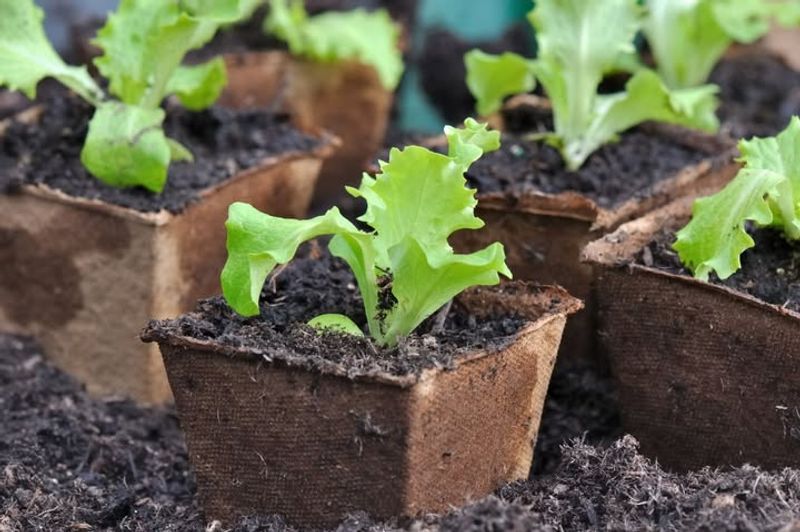
Starting seeds at the right time is one of those details that separates a thriving garden from a frustrating one, and knowing the difference between cool and warm seasons makes all the difference in North Carolina.
Cool-season crops like lettuce, spinach, and carrots can be direct-sown outdoors early in the season because their seeds germinate well in cool soil.
Some gardeners also start broccoli and cabbage indoors in late January or February to get a jump on the spring season.
Warm-season crops need a different approach entirely. Tomatoes, peppers, and eggplants need to be started indoors about six to eight weeks before your outdoor transplant date.
In the Piedmont region of North Carolina, that often means starting seeds indoors in late February or early March so plants are ready to go outside after the last frost in mid-April.
Getting this timing right means stronger transplants that hit the ground running. Starting seeds too early leads to leggy, overgrown seedlings that struggle to adjust outdoors, while starting too late means a shorter harvest window.
A simple seed-starting calendar tailored to your specific North Carolina region takes the guesswork out of the process completely.
Many NC Cooperative Extension offices offer region-specific planting guides that are incredibly helpful for both beginners and experienced gardeners looking to fine-tune their schedule each year.
5. Helps Prevent Plant Stress
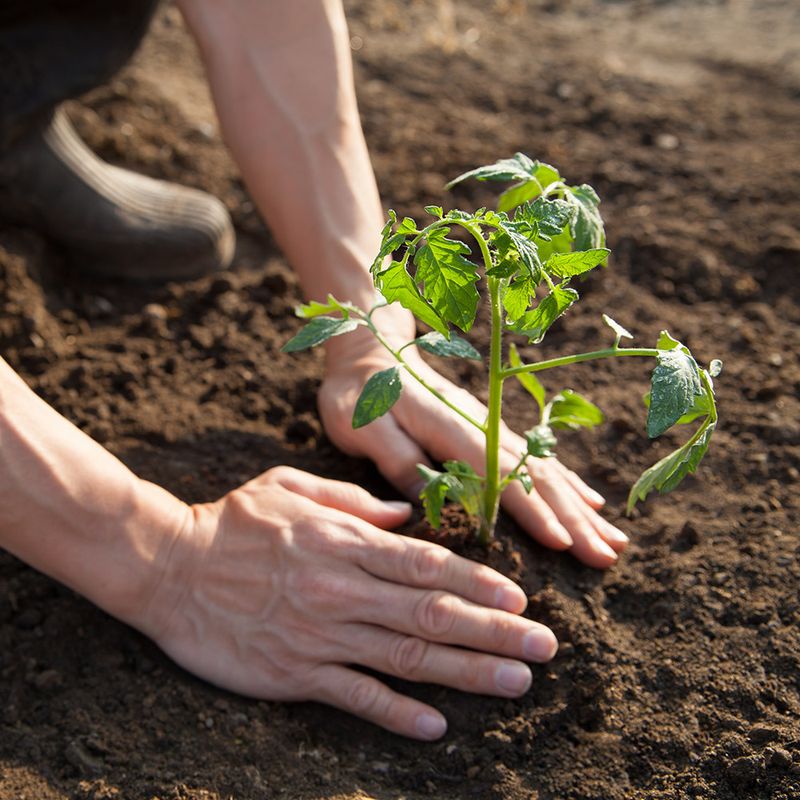
Plants, just like people, perform their best when conditions match what they were built for. Cool-season crops are naturally adapted to shorter days, cooler air temperatures, and cold soil, which is exactly what North Carolina’s early spring and fall seasons offer.
Trying to grow lettuce or spinach during a hot July in the Piedmont will almost always result in bolting, bitterness, and disappointment because the heat triggers stress responses in those plants. Warm-season crops face the opposite challenge.
Planting tomatoes, peppers, or squash before the soil warms up sufficiently, typically above 60 degrees Fahrenheit, causes slow germination, stunted root development, and poor fruiting later in the season.
In North Carolina, soil temperatures in the Coastal Plain warm up faster than in the mountain regions, so the right timing differs depending on where you garden.
When plants are grown in the season they are suited for, they channel their energy into healthy root growth, strong stems, and abundant fruit or foliage rather than just surviving.
Stress from the wrong temperatures weakens plants, making them more vulnerable to pests and diseases.
Matching your crop selection to the right season is one of the easiest and most effective ways to grow vigorous, productive plants throughout North Carolina’s spring and summer gardening calendar without unnecessary setbacks.
6. Determines Fertilization Needs
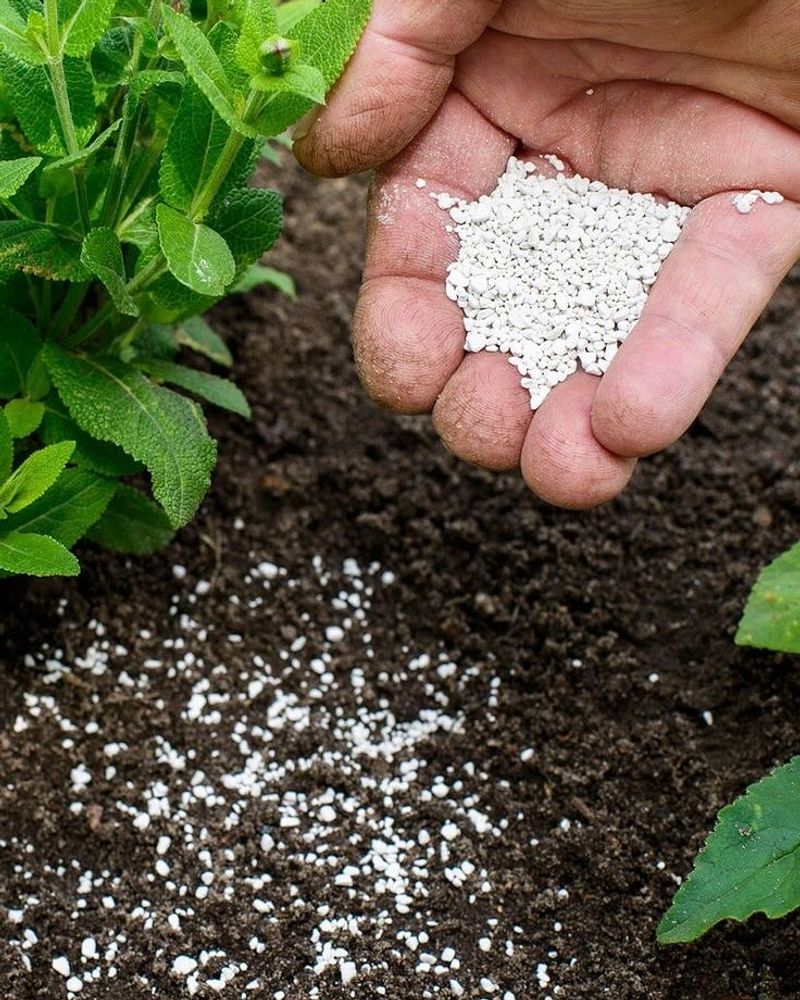
Not all plants eat the same, and understanding the difference between cool and warm seasons helps North Carolina gardeners feed their crops exactly what they need at the right time.
Cool-season crops like spinach, lettuce, kale, and cabbage are primarily grown for their leaves, which means they respond really well to nitrogen-rich fertilizers.
Nitrogen fuels leafy, lush growth, which is precisely what you want from these vegetables during the spring and fall seasons.
Warm-season crops like tomatoes, peppers, squash, and cucumbers have a different nutritional priority.
These plants need to develop flowers and set fruit, which means a fertilizer with a more balanced ratio of nitrogen, phosphorus, and potassium works best.
Too much nitrogen during the fruiting stage actually pushes plants to grow more leaves instead of fruit, which can reduce your overall yield significantly.
Soil testing through the NC Department of Agriculture is a highly recommended step before any gardening season because North Carolina soils vary widely from the sandy coastal plain to the clay-heavy Piedmont.
A soil test removes the guesswork and tells you exactly what your garden beds need.
Timing your fertilization to match the season and crop type means your plants get the right nutrients at the right growth stage, leading to healthier plants and a far more rewarding harvest across all regions of North Carolina.
7. Influences Pest And Disease Management
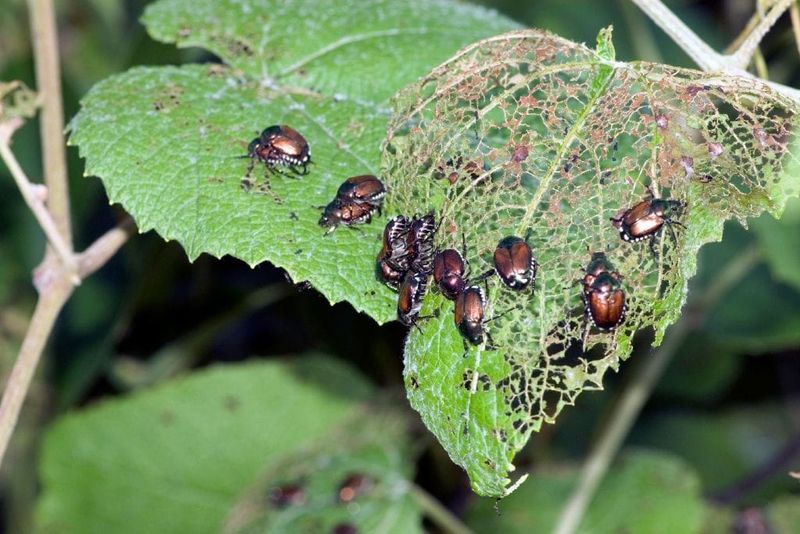
Every season brings its own set of uninvited guests to the garden, and knowing which season you are gardening in helps you stay one step ahead of them in North Carolina.
Cool-season crops are commonly targeted by aphids, flea beetles, and cabbage worms, all of which are most active during the cooler months of spring and fall.
Spotting these pests early and treating with appropriate organic or chemical controls keeps your leafy greens looking their best. Warm-season crops attract a whole different crew of troublemakers.
Tomato hornworms, squash vine borers, cucumber beetles, and spider mites are much more active during North Carolina’s hot summer months.
These pests thrive in warm conditions and can cause rapid, widespread damage if you are not watching closely.
Regular scouting, meaning physically checking your plants a few times each week, is one of the most effective pest management habits you can build. Disease patterns also shift with the seasons.
Cool, damp spring conditions in North Carolina can encourage fungal diseases like downy mildew on brassicas, while the hot, humid summers create perfect conditions for blight on tomatoes and powdery mildew on squash.
Knowing what season you are in helps you anticipate these threats, choose resistant varieties, and apply preventive treatments before problems spiral out of control.
Seasonal awareness is genuinely one of your best tools for a healthy, productive garden.
8. Guides Garden Layout And Succession Planting
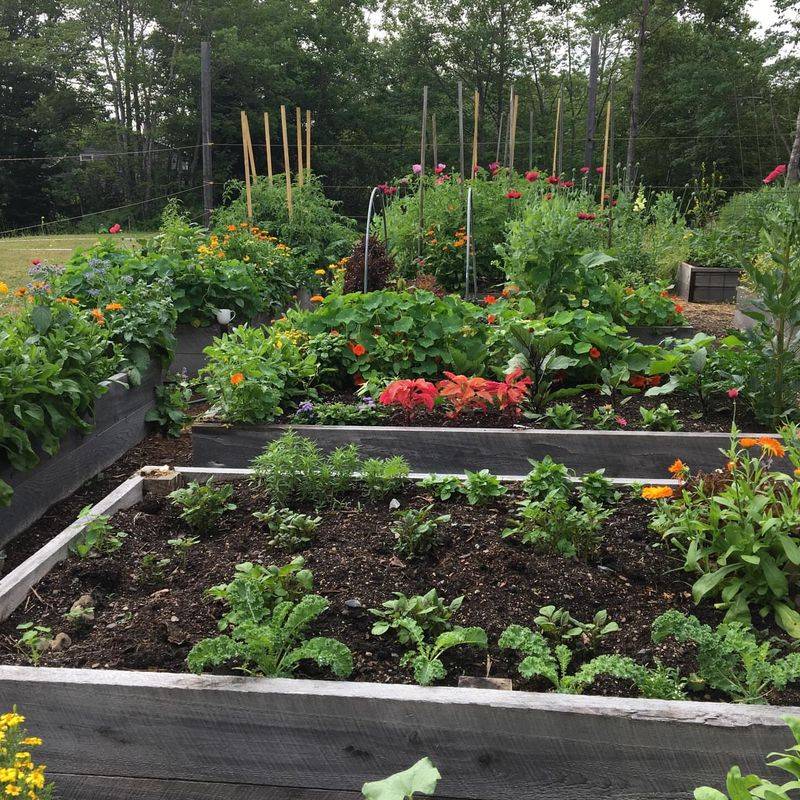
A well-planned garden layout does not happen by accident, and in North Carolina, knowing the difference between cool and warm seasons is the key to using every square foot of your garden space wisely.
Cool-season crops are planted first, taking up bed space during the early spring weeks when warm-season plants would not survive anyway.
Once those cool-season harvests are complete and the weather warms up, those same beds become prime real estate for tomatoes, peppers, and squash. Succession planting takes this idea even further.
Instead of planting all your lettuce at once, you sow small batches every two to three weeks throughout the cool season, which keeps a steady supply coming rather than one overwhelming harvest.
When the last cool-season planting is finishing up, your warm-season transplants are already hardened off and ready to take their place in the bed.
Planning your layout on paper before the season starts, noting which beds will hold cool-season crops first and which will transition to warm-season crops later, saves a lot of time and confusion once planting season gets busy.
North Carolina gardeners who map out their succession planting schedule typically get two to three times more produce from the same garden space compared to those who plant once and wait.
It is a straightforward strategy that pays off enormously throughout the spring and summer growing season.
9. Optimizes Watering And Mulching Strategies
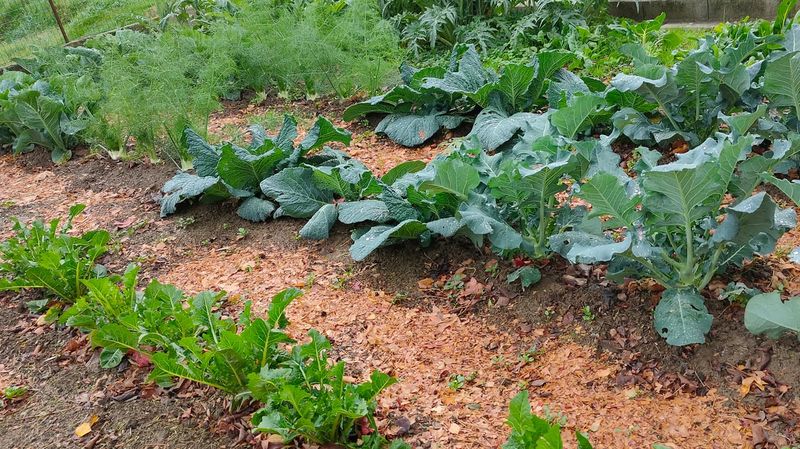
Water is one of those garden resources that is easy to mismanage if you are not thinking about the season you are in.
Cool-season crops planted in North Carolina’s early spring generally benefit from the natural rainfall that comes with that time of year, meaning you often need to water less frequently than you might expect.
The cooler air temperatures also reduce evaporation, so the soil stays moist longer between rain events across most of the state. Warm-season crops are a different situation entirely.
North Carolina summers can be hot, dry, and relentless, especially in the Piedmont and Coastal Plain regions.
Tomatoes, peppers, cucumbers, and squash need consistent moisture to produce well, and inconsistent watering leads to problems like blossom end rot in tomatoes and bitter cucumbers.
Drip irrigation or soaker hoses are excellent investments for warm-season beds because they deliver water directly to the root zone with minimal waste. Mulching is equally important for warm-season crops.
A two to three inch layer of straw, wood chips, or shredded leaves placed around warm-season plants keeps the soil cooler, holds moisture in, and reduces the need for frequent watering during North Carolina’s hottest months.
Cool-season crops benefit from lighter mulching to avoid overly cold soil in early spring. Adjusting your watering and mulching approach to match the season keeps your plants healthy and your water bill manageable all season long.
10. Improves Overall Garden Planning And Yield
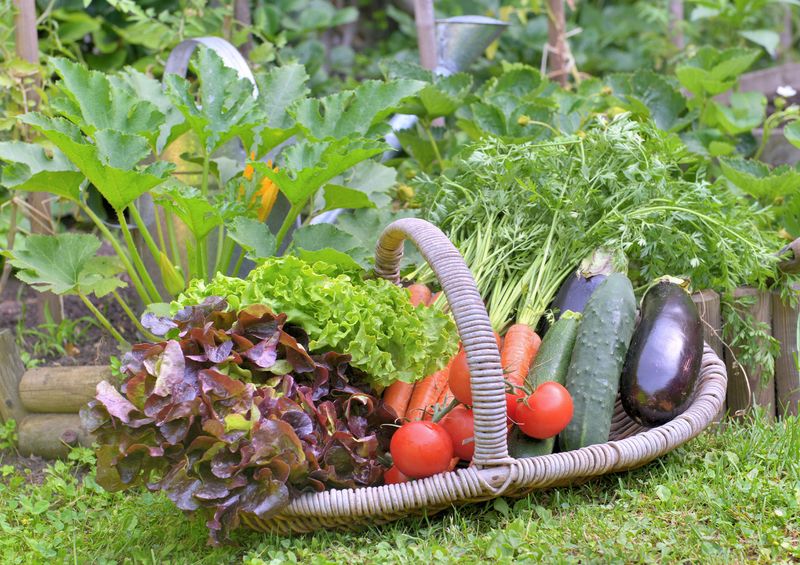
Big harvests rarely happen by luck. Behind every overflowing basket of homegrown vegetables is a gardener who planned their season carefully, and in North Carolina, that planning starts with understanding the difference between cool and warm seasons.
When you know which crops belong in spring, which ones belong in summer, and how to transition between the two, your entire garden runs more smoothly and productively from the very first planting day.
Gardeners who skip this planning step often end up with gaps in their harvest schedule, wasted bed space, or crops planted at the wrong time that never quite perform the way they should.
North Carolina’s diverse growing regions, from the warm, extended season of the Coastal Plain to the shorter, cooler growing window in the mountains, each require a slightly different approach.
A planting calendar that accounts for your specific region makes a noticeable difference in both plant health and total yield.
Resources like the NC State Extension vegetable planting guide are excellent starting points for building a seasonal plan tailored to your county.
Combining that regional knowledge with a clear understanding of cool versus warm season requirements gives you a genuine edge in the garden.
More thoughtful planning means fewer crop failures, better use of your time and resources, and a much more enjoyable gardening experience throughout the full growing season in North Carolina.