11 Costly Landscaping Trends Arizona Homeowners May Regret
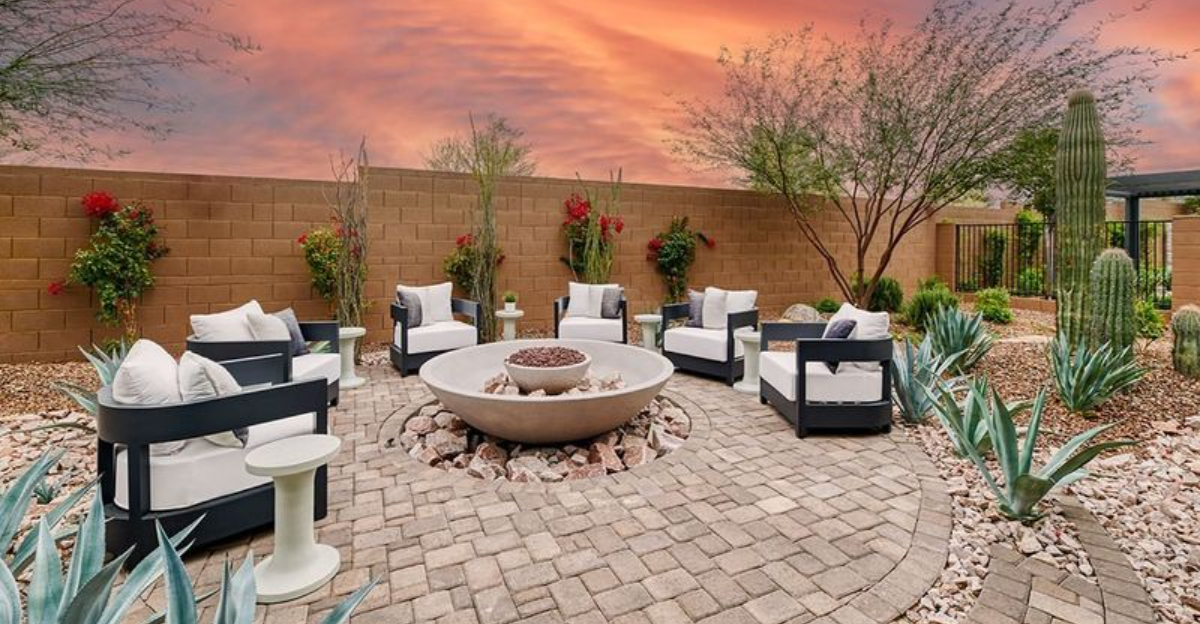
Arizona homeowners often invest heavily in landscaping to create beautiful outdoor spaces that match the unique desert climate and stunning natural surroundings.
However, some popular landscaping trends can end up costing more money, time, and effort than they are worth in the long run.
Making the wrong choices can lead to wasted water, high maintenance bills, damaged plants, and frustration that lasts for years to come.
Understanding which landscaping trends to avoid can help you save money, protect the environment, and create a yard you truly love.
1. Installing A Traditional Grass Lawn
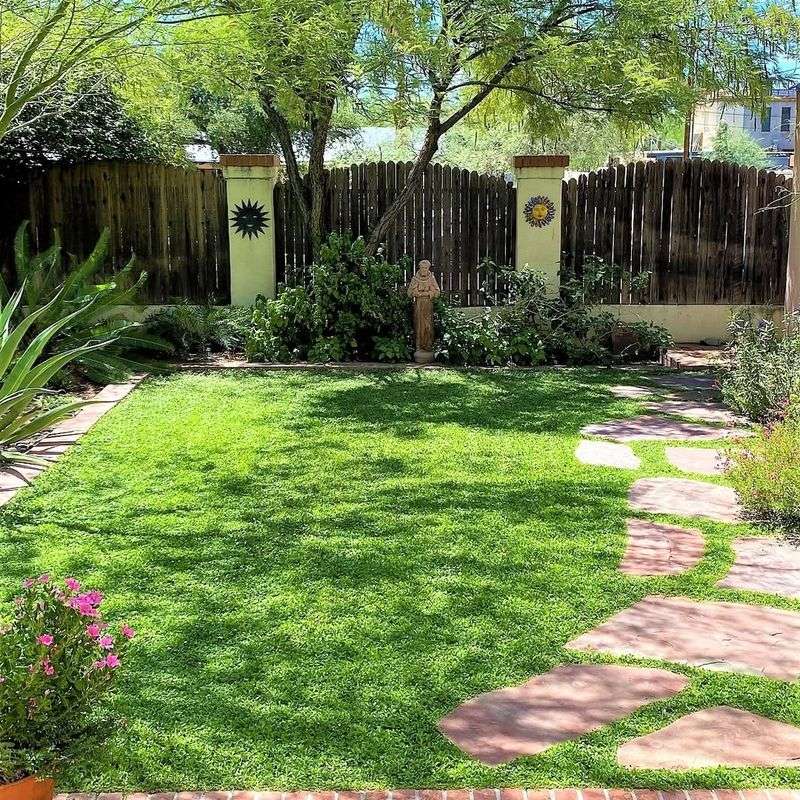
Grass lawns require massive amounts of water to survive in Arizona’s scorching heat, making them one of the most expensive landscaping choices available.
Most homeowners underestimate just how much water a traditional lawn needs, especially during the brutal summer months when temperatures soar above one hundred degrees.
Water bills can skyrocket quickly, adding hundreds of dollars each month to household expenses that could be spent on more practical investments instead.
Grass also demands constant mowing, fertilizing, and pest control, which means spending more time and money on maintenance that never really ends completely.
Many Arizona cities now offer rebates to homeowners who remove grass and replace it with desert-friendly landscaping that uses far less water.
Native plants and xeriscaping options provide beautiful alternatives that thrive naturally in the desert climate without needing constant attention or expensive upkeep every week.
Choosing drought-tolerant groundcovers or decorative rocks can create stunning outdoor spaces that stay green and attractive year-round without draining your wallet or resources.
Traditional grass lawns simply don’t make sense in Arizona’s environment, where water conservation is becoming increasingly important for everyone living in the state.
2. Planting Non-Native Trees That Can’t Handle Heat
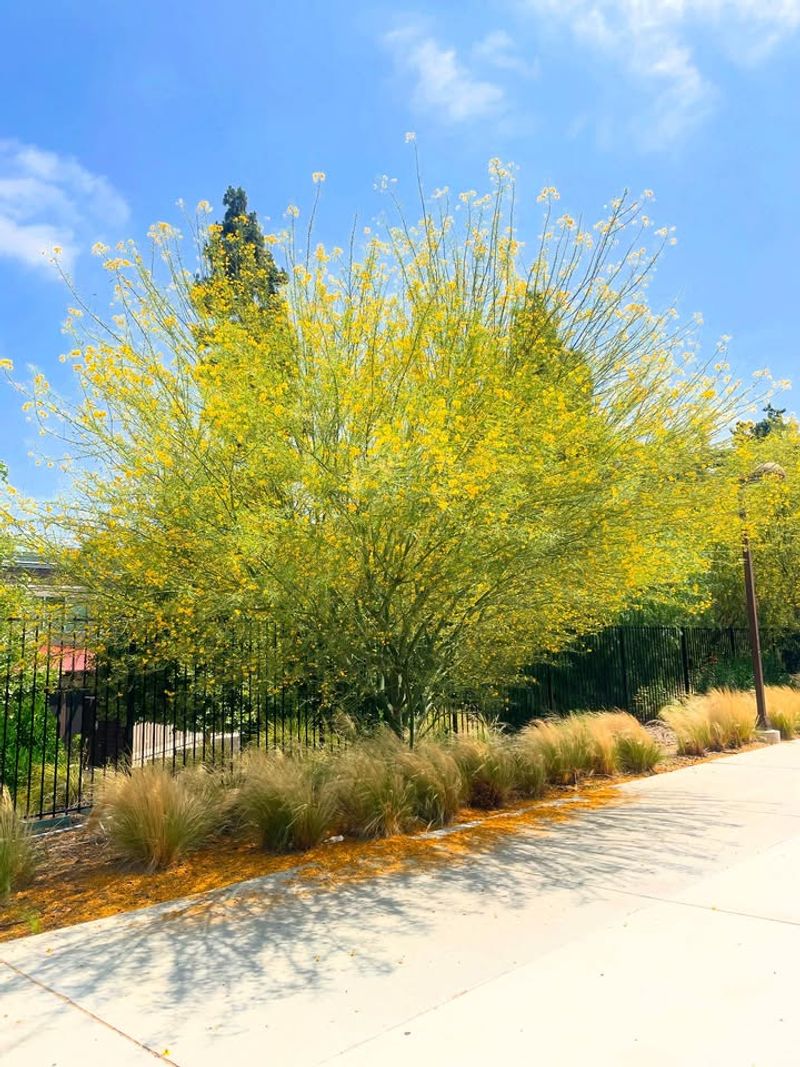
Non-native trees often look beautiful in nurseries, but they struggle terribly in Arizona’s extreme heat and dry conditions, leading to constant problems and disappointment.
Many homeowners fall in love with trees from cooler climates without realizing these plants need special care that becomes exhausting and costly over time.
Trees that can’t handle intense sun and low humidity will require frequent watering, special fertilizers, and treatments to prevent stress-related diseases and pest infestations.
Some non-native species simply won’t survive Arizona summers no matter how much effort you put into keeping them alive and healthy throughout the year.
Replacing trees that don’t make it can cost hundreds or even thousands of dollars, especially if you’ve invested in larger specimens for instant impact.
Native Arizona trees like palo verde, mesquite, and ironwood thrive naturally in the desert, requiring minimal water and maintenance while providing beautiful shade and character.
These adapted species have evolved over thousands of years to handle extreme temperatures and drought conditions that would destroy trees from other regions completely.
Choosing native trees saves money, conserves water, and creates landscapes that look naturally beautiful while supporting local wildlife and the surrounding desert ecosystem perfectly.
3. Installing High-Maintenance Water Features
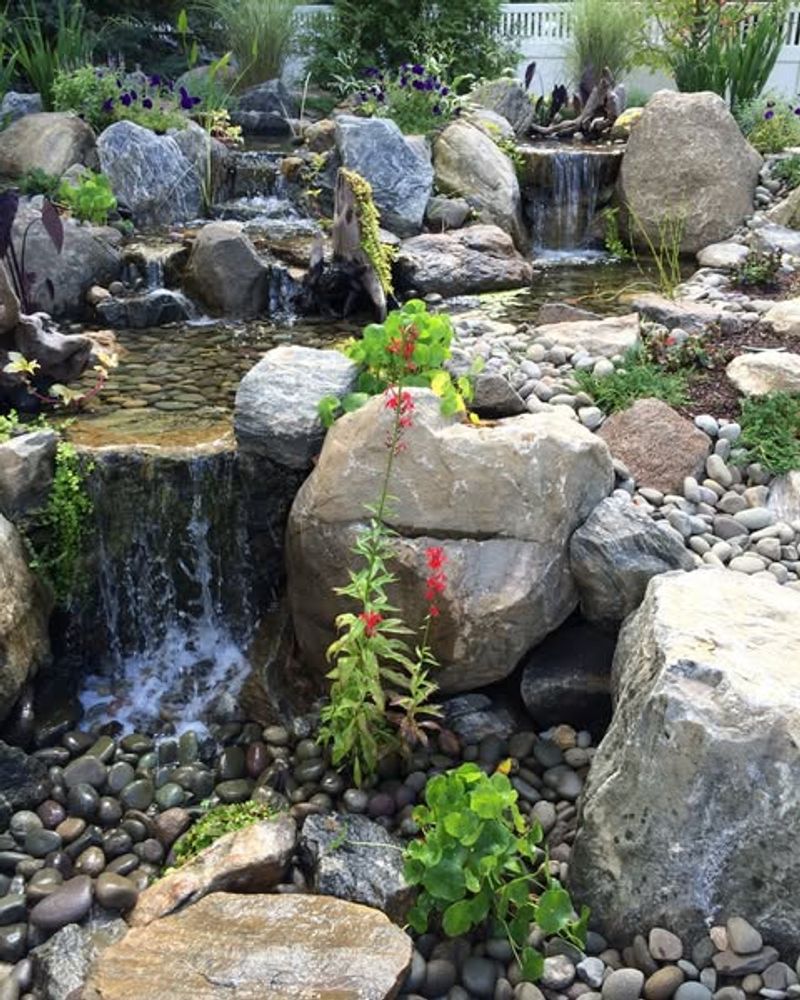
Water features like fountains, ponds, and waterfalls add elegance to any yard, but they come with serious maintenance challenges in Arizona’s harsh climate.
Constant evaporation means you’ll need to refill these features frequently, wasting precious water resources and increasing your monthly utility bills significantly throughout the year.
Algae grows rapidly in Arizona’s intense sunlight, requiring regular cleaning and chemical treatments to keep water clear and prevent unpleasant odors from developing quickly.
Mineral deposits from hard water build up on surfaces, creating stubborn stains that are difficult to remove and can damage pumps and equipment over time.
Pumps and filters need regular maintenance and eventual replacement, adding ongoing costs that many homeowners don’t anticipate when they first install these attractive features.
During Arizona’s scorching summers, water can evaporate so quickly that features may need daily refilling, which becomes tedious and expensive for busy homeowners.
If you must have a water feature, consider small, simple designs that use recirculating systems and can be easily covered to reduce evaporation rates.
Many homeowners eventually abandon their water features entirely because the maintenance becomes too overwhelming, leaving behind expensive eyesores that detract from the landscape’s overall appeal.
4. Creating Large Paved Areas Without Proper Drainage
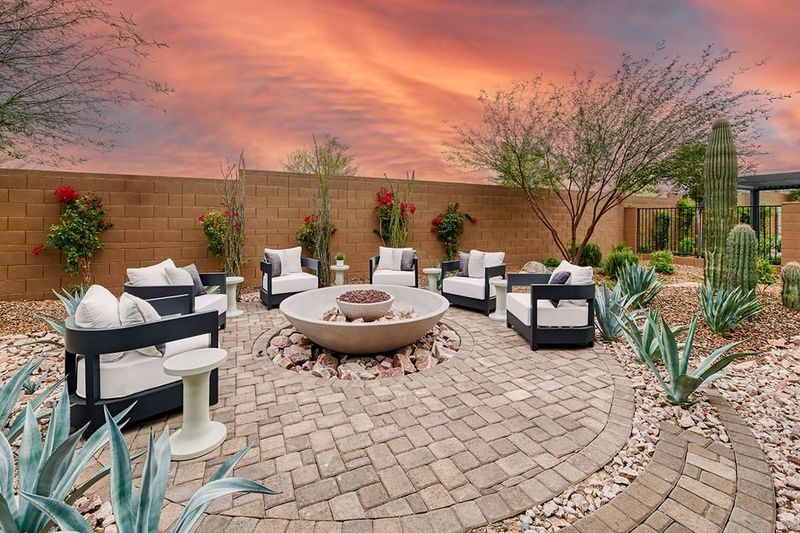
Large patios, driveways, and walkways made from concrete or pavers can create serious drainage problems during Arizona’s intense monsoon season when sudden downpours occur.
Without proper grading and drainage systems, water pools on surfaces, creating slippery hazards and potentially causing damage to your home’s foundation over extended periods.
Standing water can seep under pavement, causing it to crack, shift, or sink unevenly, which leads to expensive repairs that could have been avoided.
Monsoon rains can be surprisingly powerful in Arizona, dumping several inches of water in just a few hours and overwhelming inadequate drainage systems completely.
Proper drainage installation adds significant upfront costs, but skipping this step almost always leads to bigger expenses down the road when problems inevitably develop.
French drains, channel drains, and proper grading are essential for any large paved area in Arizona to direct water away from structures safely and effectively.
Many homeowners discover drainage problems only after the first major storm, when water floods patios, enters garages, or pools dangerously near their home’s foundation.
Planning for proper drainage from the beginning saves money and headaches, protecting your investment and ensuring your outdoor spaces remain functional during all weather conditions.
5. Using Decorative Rock Without Weed Barrier

Decorative rock landscaping looks clean and modern initially, but without proper weed barrier underneath, it quickly becomes a maintenance nightmare for Arizona homeowners.
Weeds push through rocks with surprising determination, and pulling them out becomes incredibly difficult once their roots establish themselves deep in the soil below.
Many people assume rocks alone will prevent weed growth, but seeds blow in from surrounding areas and germinate easily between stones throughout the year.
Removing weeds from rock landscaping is tedious and time-consuming, often requiring you to move heavy stones aside to reach stubborn roots that break easily.
Chemical weed destroyers can help, but they require repeated applications and add ongoing costs while potentially harming beneficial insects and nearby plants you want.
Installing high-quality landscape fabric or weed barrier before adding rocks prevents most weed problems and saves countless hours of frustrating maintenance work later.
Some homeowners skip this step to save money upfront, but they end up spending far more time and effort fighting weeds for years afterward.
Proper installation with quality weed barrier, correct rock depth, and occasional maintenance keeps rock landscaping looking beautiful with minimal effort throughout every season successfully.
6. Installing Artificial Turf In Full Sun Areas

Artificial turf seems like a perfect solution for Arizona’s water shortage problems, but it comes with serious drawbacks that many homeowners discover too late.
Synthetic grass absorbs and radiates intense heat in Arizona’s direct sunlight, becoming hot enough to burn bare feet and making outdoor spaces unusable during summer.
Surface temperatures on artificial turf can reach one hundred sixty degrees or higher on typical summer days, creating uncomfortable conditions for children and pets.
The initial installation cost is extremely high, often running several thousand dollars for even modest-sized yards, which takes years to recoup through water savings.
Quality artificial turf requires professional installation with proper base preparation and drainage, adding significantly to the overall expense of this landscaping choice for homeowners.
Infill materials need periodic replenishment, and the turf itself eventually wears out and requires complete replacement after ten to fifteen years of use and exposure.
Pet waste can create odor problems that are difficult to eliminate completely, and cleaning artificial turf properly requires more effort than many people anticipate.
Shaded areas work better for artificial turf, but full sun locations become unbearably hot, limiting when you can actually enjoy your yard comfortably.
7. Planting Citrus Trees Without Understanding Their Needs
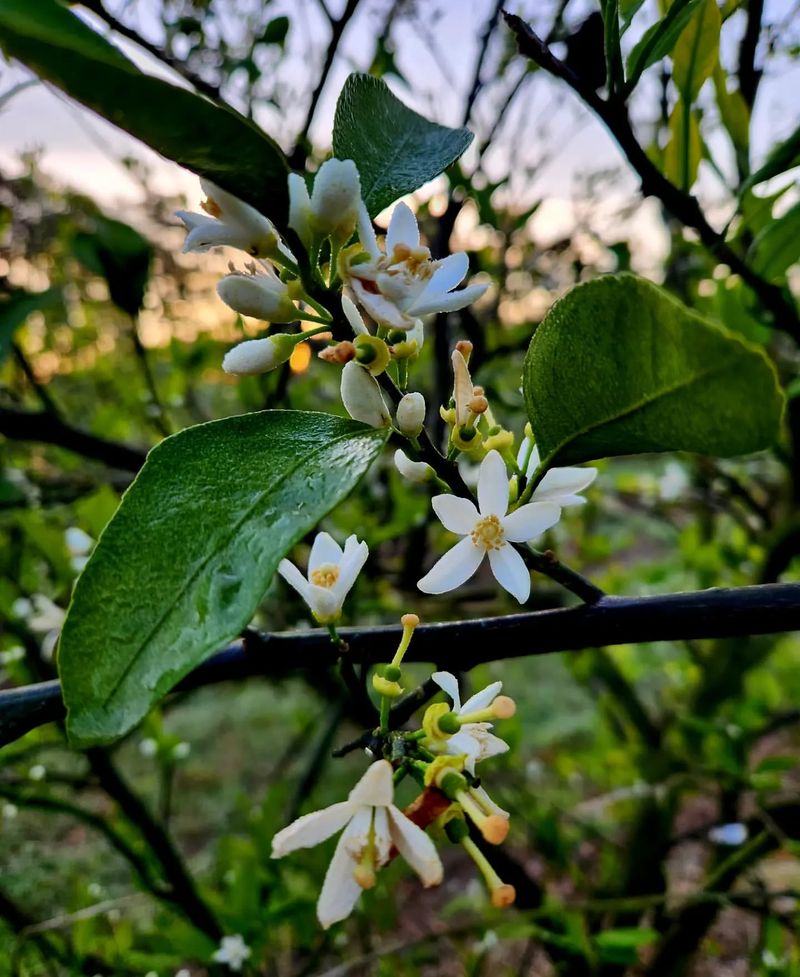
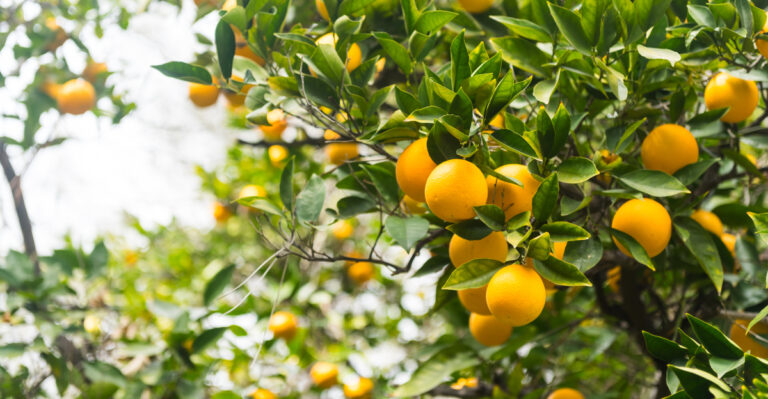
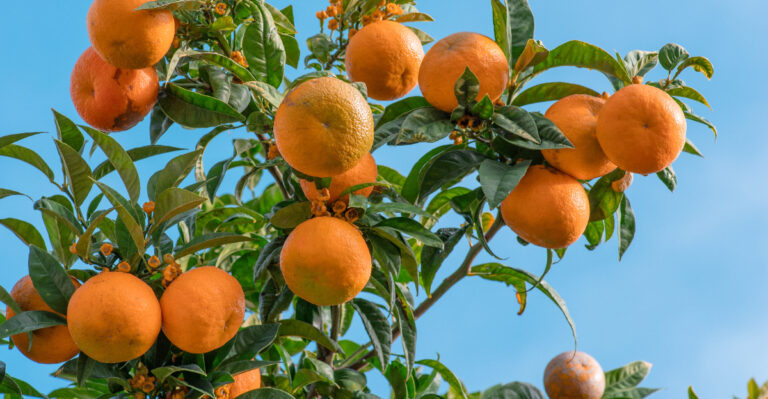
Citrus trees can thrive in Arizona, but they require specific care and protection that many homeowners underestimate when they plant these attractive fruit trees.
Frost damage is a real concern in many Arizona areas during winter months, and protecting trees requires covers, heat sources, or other measures that cost money.
Citrus trees need regular fertilizing, pest control, and careful watering schedules to produce quality fruit, which means ongoing maintenance expenses throughout the entire year.
Many common pests attack citrus in Arizona, including aphids, whiteflies, and citrus leaf miners, requiring constant vigilance and treatment to keep trees healthy and productive.
Without proper care, citrus trees produce little or poor-quality fruit, making all your investment in planting and maintenance feel like a complete waste of effort.
Some Arizona locations experience temperatures too cold for certain citrus varieties, meaning trees may never thrive no matter how much care you provide them.
Harvesting and using large quantities of fruit can become overwhelming, and letting fruit rot on trees attracts pests that create additional problems for your landscape.
Understanding your specific microclimate, choosing appropriate varieties, and committing to regular care are essential before planting citrus trees in any Arizona yard successfully.
8. Creating Elaborate Outdoor Kitchens Without Shade

Outdoor kitchens are incredibly popular in Arizona, but building elaborate setups without adequate shade makes them unusable during the hottest months of summer.
Stainless steel appliances and granite countertops absorb heat and become too hot to touch comfortably, limiting when you can actually cook and entertain outdoors.
The expense of outdoor kitchens can easily reach tens of thousands of dollars, making it frustrating when you realize you can’t use them half the year.
Adding shade structures after construction is possible but expensive, and retrofitting shade often doesn’t look as good as planning for it from the beginning.
Pergolas, ramadas, and solid roof covers significantly increase initial costs, but they make outdoor kitchens functional year-round rather than just seasonal decorations that sit unused.
Without shade, outdoor refrigerators and other appliances work harder and use more energy, increasing operating costs while potentially shortening their lifespan from overheating and exposure.
Many homeowners build outdoor kitchens based on pictures from cooler climates, not realizing Arizona’s intense sun requires different planning and design considerations for comfort.
Proper planning with adequate shade makes outdoor kitchens valuable additions that you’ll actually use regularly, rather than expensive mistakes that become regrettable investments over time.
9. Installing Raised Garden Beds Without Protection
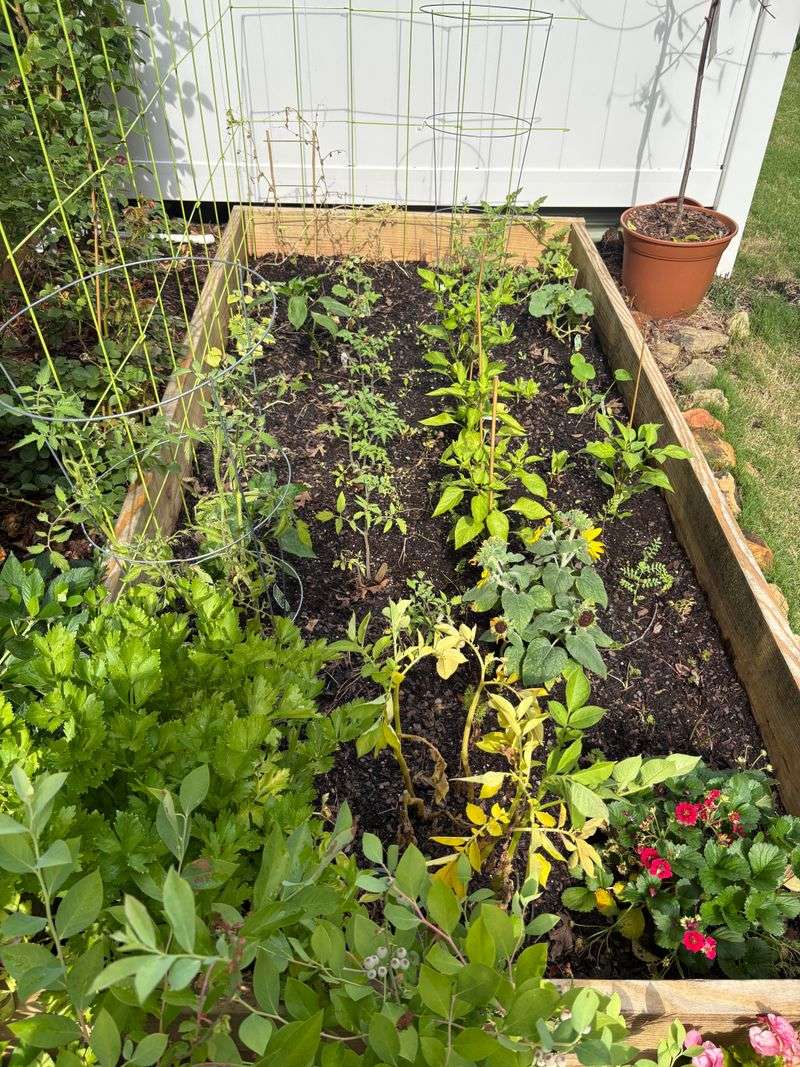
Raised garden beds offer excellent growing conditions, but Arizona’s extreme heat and intense sun can quickly turn them into plant ovens without proper protection measures.
Soil in raised beds heats up faster and dries out much quicker than ground-level gardens, requiring frequent watering that becomes time-consuming and expensive daily.
Many vegetables and herbs struggle in Arizona’s summer heat, and raised beds without shade cloth or other protection simply won’t produce successful crops during hot months.
Building raised beds with quality materials costs significant money, and watching plants repeatedly fail becomes discouraging and makes the investment feel completely wasted and pointless.
Shade cloth, covers, and strategic placement in partially shaded areas help raised beds succeed, but these additions increase costs beyond the basic bed construction.
Wood used for raised beds deteriorates quickly in Arizona’s harsh sun and dry conditions, requiring replacement or treatment to prevent rotting and structural failure.
Soil amendments, mulch, and proper irrigation systems are essential for raised bed success in Arizona, adding ongoing costs that many beginning gardeners don’t anticipate initially.
Understanding Arizona’s growing seasons and choosing appropriate crops for each season makes raised beds worthwhile, but rushing in without research leads to disappointing results.
10. Planting Palm Trees In Inappropriate Locations

Palm trees create tropical ambiance, but planting them in wrong locations causes ongoing headaches and expenses that many Arizona homeowners wish they had avoided.
Some palm varieties grow much taller and wider than people expect, eventually crowding buildings, power lines, and other structures in ways that create hazards.
Trimming tall palm trees requires professional help with special equipment, and annual maintenance can cost hundreds of dollars for each tree throughout its lifetime.
Withered fronds create fire hazards in Arizona’s dry climate, and falling fronds can damage roofs, vehicles, and injure people if not removed regularly and carefully.
Certain palm species are susceptible to diseases and pests that are difficult to treat, potentially requiring expensive interventions or complete tree removal eventually down the road.
Palm roots can damage irrigation systems, sidewalks, and foundations if planted too close to structures, creating repair costs that far exceed the tree’s value.
Some palm varieties need more water than typical desert plants, increasing irrigation costs and going against water conservation efforts important throughout the entire state.
Researching mature size, water needs, and maintenance requirements before planting palms helps avoid problems, ensuring these iconic trees enhance rather than complicate your landscape.
11. Installing Complex Lighting Systems Without Professional Help
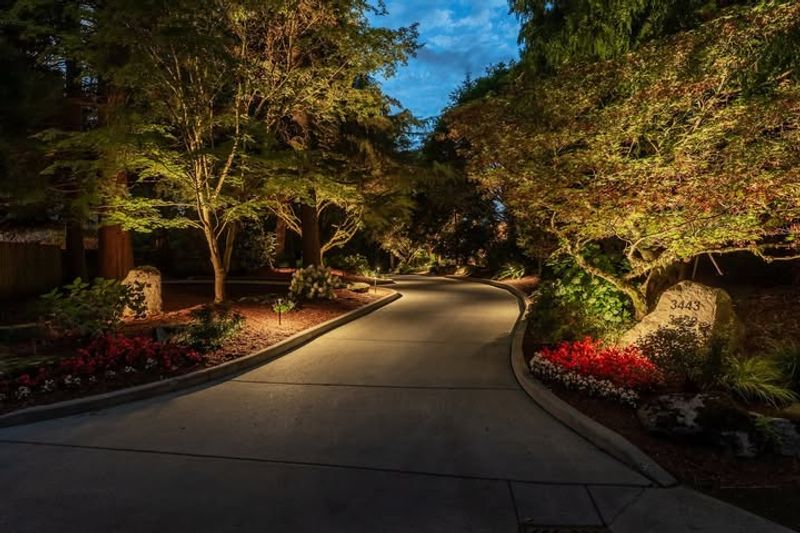
Landscape lighting dramatically enhances nighttime curb appeal, but complex DIY installations often result in problems that require expensive professional repairs to fix correctly.
Improper wiring can create safety hazards, including electrical shorts, fires, and shock risks that endanger your family and potentially damage your home’s electrical system.
Low-quality fixtures deteriorate quickly under Arizona’s intense UV exposure and temperature extremes, requiring frequent replacement that eliminates any money saved through DIY installation.
Without proper planning, lighting placement often looks unbalanced or creates harsh shadows, failing to achieve the beautiful effect you envisioned when starting the project.
Voltage drops in poorly designed systems cause distant lights to appear dim or not work at all, creating frustrating results that require system redesign.
Burying wires at incorrect depths or without proper conduit protection leads to damage from landscaping tools, resulting in costly repairs and system failures over time.
Professional installers understand transformer sizing, fixture placement, and proper techniques that ensure systems work reliably and look beautiful for years without constant maintenance needs.
Spending money upfront for professional installation saves frustration and creates lighting systems that truly enhance your landscape rather than becoming another regrettable DIY disaster.