Costly Mistakes South Dakota Homeowners Make When Battling Invasive Spurge Weed
Spurge weed might look harmless at first, but it spreads fast and can quickly take over your yard if not handled correctly.
Many South Dakota homeowners make the mistake of ignoring early signs or using the wrong methods to get rid of it, only to find it popping up again, stronger than before.
Some reach for quick-fix herbicides, while others unknowingly spread the weed while mowing or pulling it out by hand. The problem?
Spurge is tough, sneaky, and built to survive unless you take the right steps at the right time. Battling it without a plan often leads to wasted money, frustrated weekends, and even damage to your lawn or garden.
If you want to win the fight against this invasive plant, it starts by avoiding the most common and costly mistakes homeowners make. Let’s look at what not to do and what works instead.
1. Pulling Spurge By Hand Without Removing The Entire Root System
Hand pulling seems like the easiest and cheapest way to get rid of spurge from your South Dakota lawn. You spot the weed, grab it, yank it out, and toss it in the trash.
Problem solved, right? Unfortunately, spurge has a sneaky survival trick that makes hand pulling one of the least effective methods you can try.
The root system of spurge goes much deeper than most people realize. When you pull the visible part of the plant, you often leave behind pieces of the root underground.
These root fragments can regenerate and produce new plants within just a few weeks. One plant can turn into five or ten new ones if you don’t get every bit of root out of the soil.
Another issue with hand pulling is the milky sap that spurge releases when you break the stem. This white liquid contains seeds and plant material that can spread across your lawn as you work.
The sap can also irritate your skin, causing rashes or allergic reactions if you’re not wearing gloves. Many South Dakota homeowners learn this lesson the hard way after spending an afternoon pulling weeds without protection.
Timing matters too. If you pull spurge after it has already produced seeds, you’re basically planting next year’s problem while trying to fix this year’s issue.
The seeds drop onto the soil and wait for the right conditions to sprout. Even if the ground looks clean after your pulling session, thousands of seeds might be sitting there ready to grow.
Instead of relying only on hand pulling, consider using a specialized weeding tool that digs deeper to extract the entire root. Combine this with other control methods for better results. Your back will thank you, and your lawn will actually stay spurge-free longer.
2. Using The Wrong Type Of Herbicide For Spurge Control
Walking into a garden center and grabbing the first weed control product you see might feel productive, but it’s often a waste of money. Not all herbicides work the same way, and spurge requires specific chemicals to actually stop its growth.
Many homeowners in South Dakota spend fifty to a hundred dollars on the wrong products before figuring this out.
Spurge is a broadleaf weed, which means it needs a selective herbicide designed for broadleaf plants. If you use a general vegetation controller or a product meant for grassy weeds, it won’t affect spurge at all.
You’ll spray your entire lawn, wait a few weeks, and see the spurge still thriving while your grass might suffer from the chemicals.
Pre-emergent herbicides are another common mistake. These products stop seeds from sprouting, which sounds perfect for spurge control.
However, if spurge is already growing in your yard, pre-emergent treatments won’t touch the existing plants. You need a post-emergent herbicide that targets plants that are already established and actively growing.
The active ingredients matter too. Look for products containing ingredients like 2,4-D, dicamba, or triclopyr, which are effective against spurge.
Some homeowners buy organic or natural weed solutions hoping for safer options, but these often lack the strength needed to control aggressive invaders like spurge. They might work on dandelions or clover but barely slow down spurge.
Temperature also affects how well herbicides work. Applying chemicals during South Dakota’s hottest summer days can cause them to evaporate before they absorb into the plant.
Cool spring or fall applications usually give better results. Always read the label carefully and match the product to your specific weed problem before spending your hard-earned money.
3. Treating Spurge Only Once And Expecting Permanent Results
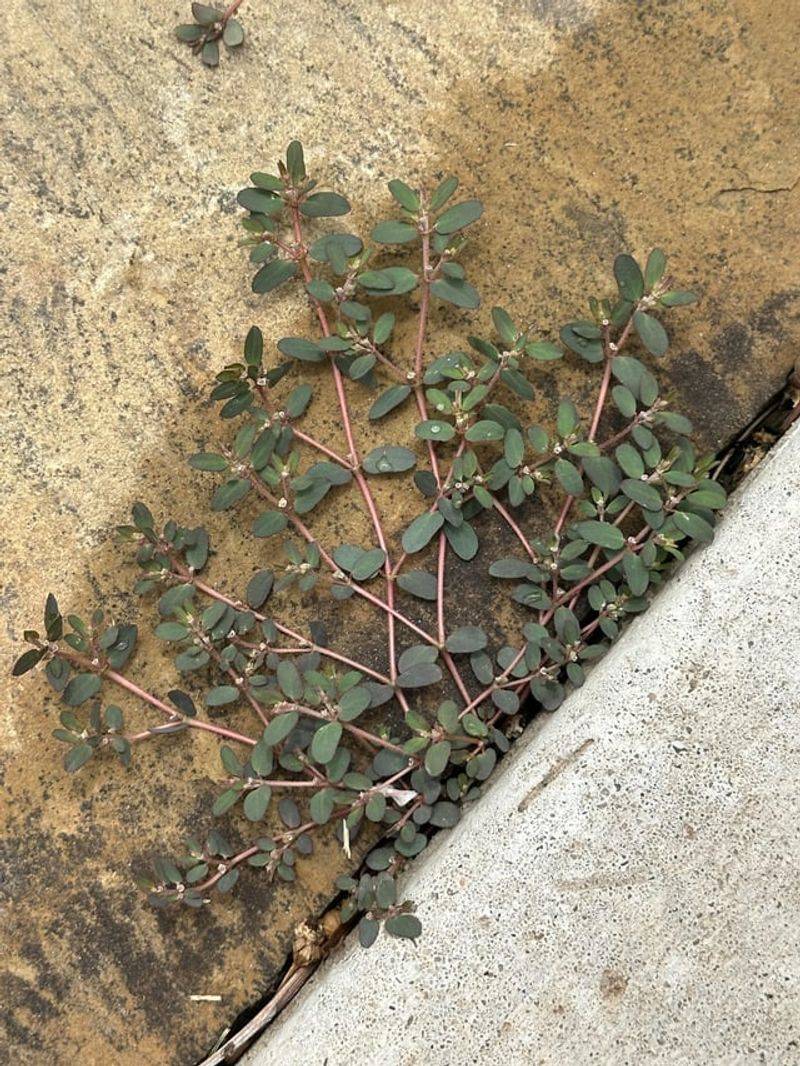
Spurge doesn’t give up easily, which surprises many South Dakota homeowners who think one treatment will solve everything. You spray or pull the weeds, watch them wither away, and feel victorious.
Then two months later, spurge is back in full force, sometimes even thicker than before. This cycle frustrates people and makes them feel like nothing works.
The lifecycle of spurge explains why single treatments fail. Each plant produces hundreds or even thousands of seeds before it finishes growing.
These seeds can stay dormant in your soil for up to five years, waiting for the right moisture and temperature to sprout. When you treat the visible plants, you’re only addressing the current generation, not the seed bank hiding underground.
Successful spurge control requires multiple treatments spread across several months or even years. Most experts recommend treating spurge at least three to four times per growing season.
This repeated approach catches new seedlings as they emerge and prevents mature plants from making more seeds. Skipping treatments because your lawn looks clean is exactly when spurge rebounds strongest.
Weather patterns in South Dakota also affect treatment timing. A dry spring might delay seed germination, making you think the problem is gone.
Then summer rains arrive, and suddenly your yard explodes with new spurge growth. Staying consistent with your control program, regardless of how the lawn looks at the moment, gives you the best chance of long-term success.
Think of spurge control as a marathon, not a sprint. Budget for multiple applications throughout the season.
Keep records of when you treat your lawn so you don’t forget to follow up. The homeowners who finally beat spurge are the ones who commit to ongoing management rather than hoping for a magic one-time solution.
4. Ignoring Lawn Health And Creating Perfect Conditions For Spurge
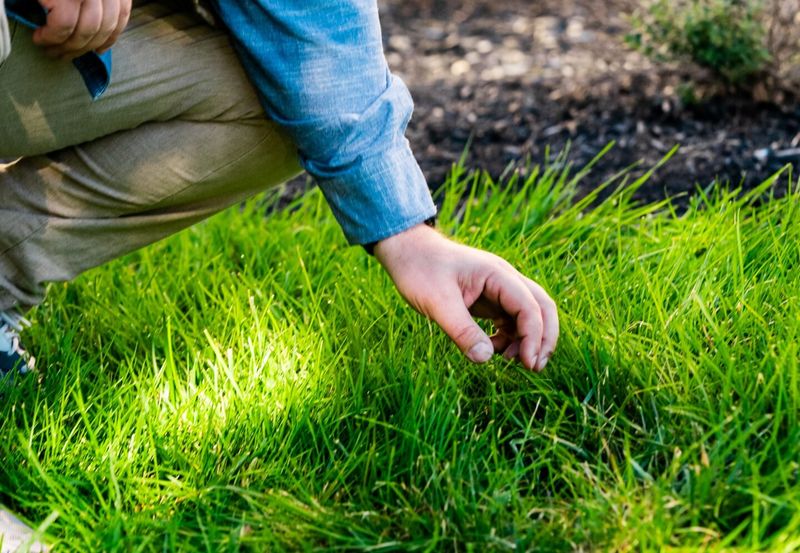
Healthy grass is your best defense against spurge, but many South Dakota homeowners focus only on attacking the weed instead of strengthening their lawn.
Spurge loves thin, weak grass that can’t compete for space, water, and nutrients. When your lawn struggles, spurge moves in and takes over the bare spots quickly.
Poor soil quality is a major factor. South Dakota soil can be heavy in clay or lacking in organic matter, which makes it hard for grass roots to grow deep and strong.
Spurge doesn’t mind tough soil conditions. In fact, it often thrives where grass fails. Testing your soil and adding the right amendments can shift the balance back in favor of your lawn.
Watering habits also matter more than most people think. Light, frequent watering encourages shallow grass roots and creates surface moisture that spurge seedlings love.
Deep, infrequent watering forces grass roots to grow deeper, making your lawn more drought-resistant and less hospitable to weeds. Many homeowners water every day for ten minutes when they should water twice a week for thirty minutes or more.
Mowing height is another overlooked factor. Cutting grass too short stresses the plants and opens up bare soil where spurge seeds can land and sprout.
Keeping your lawn at three inches or taller helps grass shade out weed seedlings. South Dakota summers can be brutal on short-cut grass, creating even more opportunities for spurge invasion.
Fertilizing at the right times strengthens grass so it can outcompete weeds naturally. A thick, vigorous lawn crowds out spurge before it gets established.
Skipping fertilizer to save money often backfires because you end up spending more on weed control products later. Investing in lawn health pays off by reducing the weed pressure you have to manage year after year.
5. Failing To Prevent Spurge Seeds From Spreading To New Areas
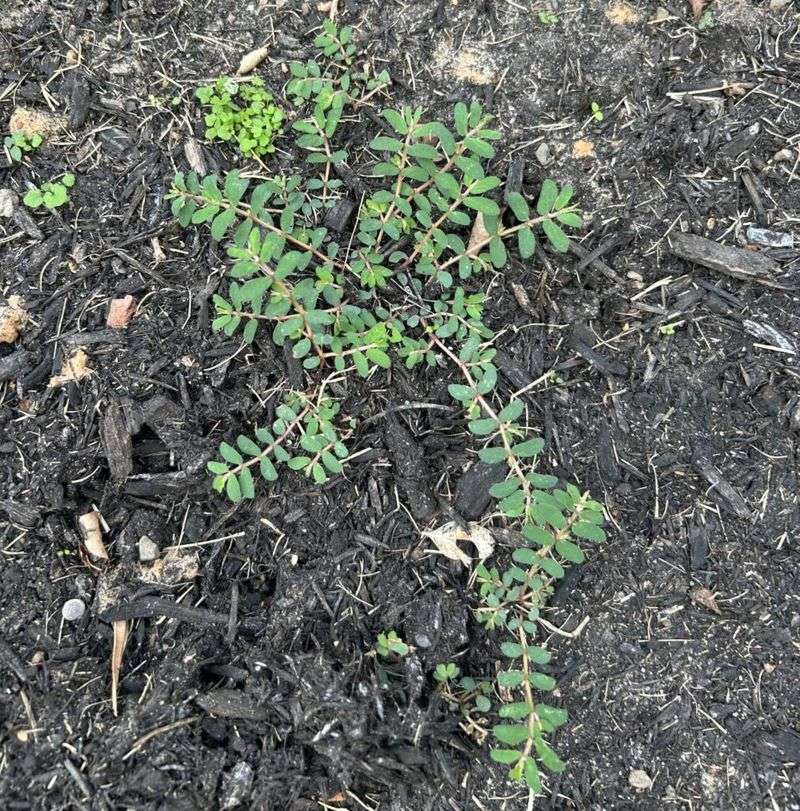
Spurge seeds are tiny travelers that move from place to place more easily than you might imagine.
Homeowners often focus on treating spurge in one part of their South Dakota yard while accidentally spreading seeds to clean areas. This mistake undoes all your hard work and expands the problem instead of containing it.
Lawn mowers are one of the biggest seed spreaders. When you mow over spurge plants that have already produced seeds, the mower blades chop up the seed heads and scatter them across your entire lawn.
The mower wheels then carry seeds stuck in the treads to every corner of your property. Always mow spurge-infested areas last, and clean your mower deck and wheels before moving to clean sections.
Garden tools can also transport seeds. That shovel you used to dig out spurge near the driveway might have seeds stuck to it when you use it in the backyard flower bed.
Shoes and pet paws pick up seeds too, carrying them from the front yard to the back or from your property to your neighbor’s lawn. Taking a few seconds to brush off tools and rinse shoes can prevent major headaches later.
Composting spurge is another common error. Many South Dakota gardeners toss pulled weeds into their compost bins without thinking.
Spurge seeds can survive the composting process and end up back in your garden when you spread the finished compost. Any weeds with seeds should go in the trash, not the compost pile.
Even bird feeders can contribute to spurge spread. Birds eat various seeds and drop spurge seeds while visiting your feeders.
Keeping the area under feeders clean and monitoring for new weed growth helps catch problems early. Being mindful of how seeds move around your property is just as important as treating the weeds you can see.
6. Not Identifying Spurge Correctly And Treating The Wrong Weeds
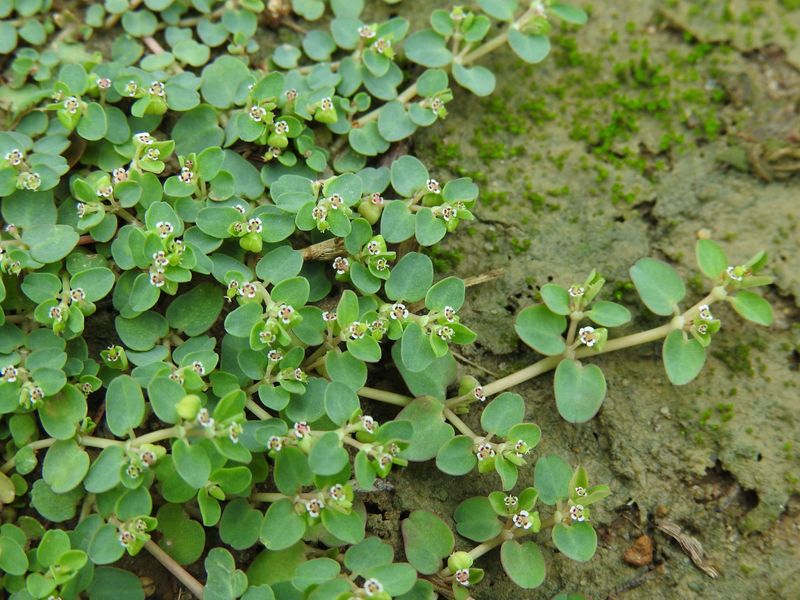
Spurge looks similar to several other common lawn weeds, which leads many South Dakota homeowners to misidentify what they’re fighting.
You might spend weeks treating what you think is spurge, only to discover you’ve been targeting something completely different. Meanwhile, the real spurge keeps spreading because it’s not getting the right treatment.
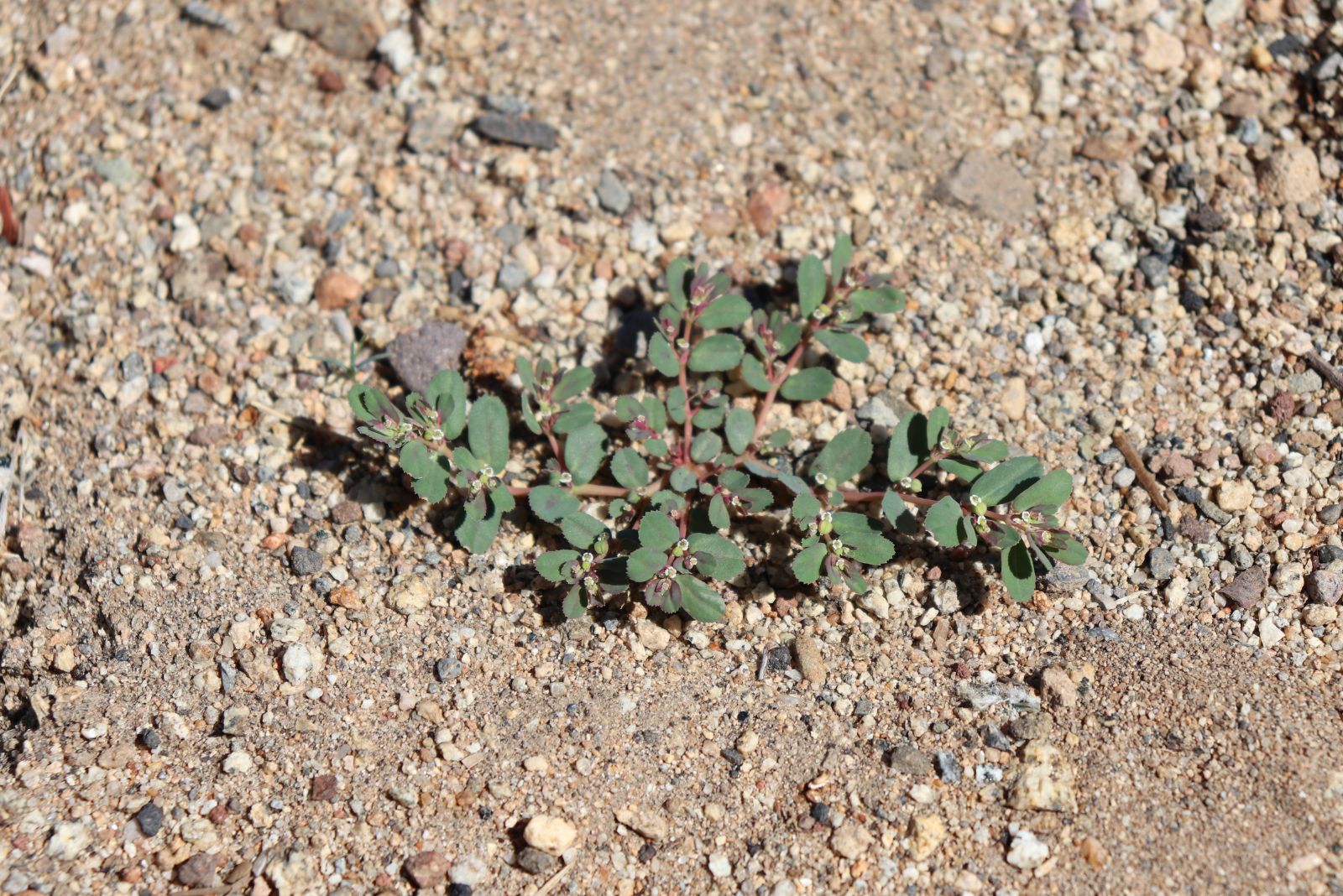
Several spurge varieties grow in South Dakota, including spotted spurge and prostrate spurge. Both have small oval leaves and grow low to the ground in mat-like patterns.
However, they can be confused with other low-growing weeds like purslane, chickweed, or knotweed. Each of these plants requires different control methods, so correct identification is critical before you start any treatment program.
The milky white sap is spurge’s most distinctive feature. When you break a stem, this latex-like liquid oozes out.
No other common lawn weed produces this substance. If you’re not sure what you’re looking at, snap a stem and check for the sap.
Taking clear photos and showing them to your local garden center or extension office can also help confirm identification.
Leaf arrangement provides another clue. Spurge leaves grow opposite each other along the stem, and they often have a small red or purple spot in the center.
The plant produces tiny flowers that are easy to miss unless you look closely. Learning these identifying features takes just a few minutes but can save you from months of ineffective treatment.
Many homeowners assume all low-growing weeds are the same and use whatever weed control product they have on hand. This shotgun approach wastes money and can harm your lawn if you use the wrong chemicals repeatedly.
Spending time to accurately identify spurge before you treat it ensures you choose the right products and methods from the start. Your lawn will recover faster, and you’ll see actual results instead of continued frustration.