6 Costly Snow-Related Mistakes Colorado Gardeners Often Make
Snow is a regular part of life for Colorado gardeners, but it can also be one of the biggest troublemakers in the yard.
A heavy snowfall may seem harmless, yet small missteps during winter can lead to damaged plants, broken branches, and soggy soil once spring arrives.
Many gardeners rush to clear snow or try quick fixes without realizing they may be making things worse.
Those well-meaning actions can quietly set the stage for expensive repairs and disappointing growing seasons.
Colorado’s changing temperatures, intense sun, and sudden thaws make winter gardening tricky.
What works in other states doesn’t always apply here, and snow needs to be handled with care.
From piling it in the wrong places to removing it too soon, simple mistakes can add stress to plants when they’re already vulnerable.
Learning what not to do can be just as important as knowing the right steps to take.
A little winter awareness now can protect your garden and save you time, money, and frustration later.
1. Ignoring Heavy Snow Loads On Trees And Shrubs
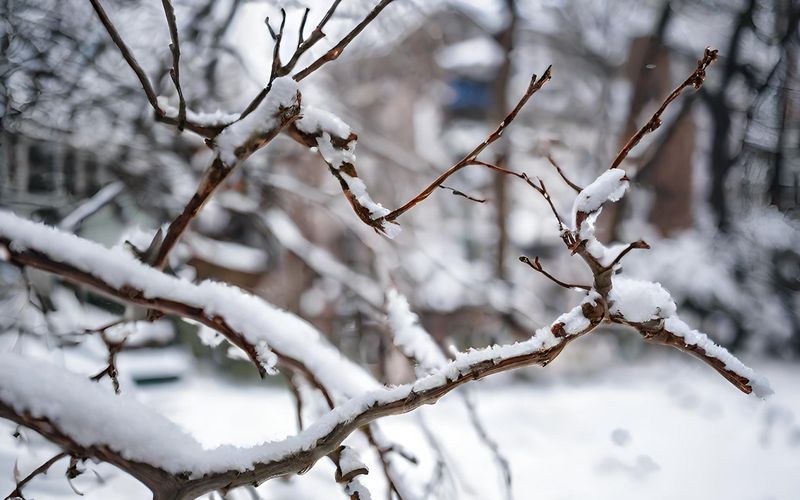
Colorado snow can be deceptively heavy, especially the wet, dense variety that falls during spring and autumn storms.
A single cubic foot of wet snow weighs up to 20 pounds, creating tremendous pressure on branches and stems below.
Branches that seem sturdy in summer can snap suddenly under this unexpected weight, leaving permanent damage to your landscape.
Evergreens face particular risk because their needle-covered branches catch and hold more snow than bare deciduous trees.
Arborvitae, junipers, and young spruces commonly suffer broken limbs when gardeners fail to remove accumulated snow promptly.
Gently brush snow off branches using a broom with upward sweeping motions, working from bottom to top.
Never shake branches violently or hit them with tools, since cold makes wood brittle and prone to breaking.
Frozen branches cannot bend the way they do in warmer weather, so rough handling causes more harm than good.
Pay special attention to multi-stemmed shrubs where snow can push branches apart, splitting the plant at its base.
Ornamental grasses also suffer when heavy snow flattens them, sometimes causing the center to rot if moisture gets trapped.
For valuable specimens, consider wrapping them loosely with burlap before winter arrives, creating a barrier that sheds snow more easily.
Young trees with narrow branch angles need particular attention since these weak connections break easily under pressure.
Some Colorado gardeners install temporary supports or ties to hold branches together during the snowiest months.
Regular snow removal after each storm takes less time than repairing or replacing damaged plants come spring.
2. Leaving Garden Hoses Connected During Winter
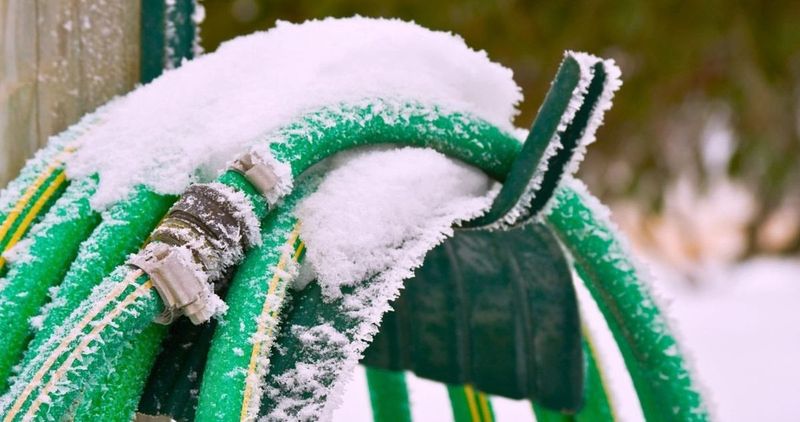
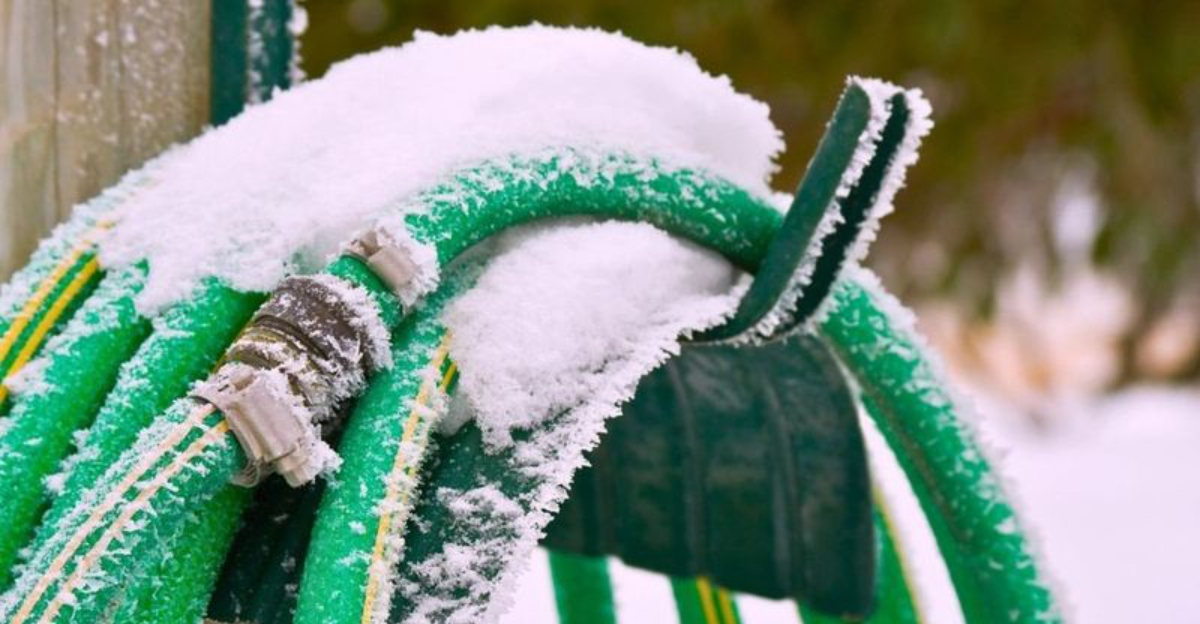
Water trapped inside hoses and outdoor faucets can freeze solid when Colorado temperatures plummet overnight.
That ice expands with surprising force, cracking pipes and causing expensive damage inside your walls.
Homeowners often discover this problem too late, when spring arrives and water starts gushing from broken connections.
Disconnecting hoses before the first hard freeze takes just minutes but prevents hundreds or thousands of dollars in repairs.
Drain every hose completely and store them in your garage or shed where freezing temperatures cannot reach them.
Turn off interior shut-off valves that control outdoor faucets, then open the exterior spigots to let remaining water drain out.
Installing frost-free hose bibs provides extra protection since these special faucets have their shut-off mechanisms located inside heated areas of your home.
Many Colorado gardeners also attach insulated faucet covers to outdoor spigots for additional cold weather protection.
These inexpensive foam covers create a barrier against frigid winds and below-zero nights common throughout the state.
Check your outdoor water connections regularly throughout winter, especially after brief warm spells when you might have reconnected hoses temporarily.
Forgetting to disconnect them again before the next cold snap can undo all your earlier preparation efforts.
Your irrigation system also needs attention, requiring professional winterization to blow out all water from underground lines.
Taking these simple steps protects your plumbing investment and ensures water flows properly when gardening season returns to Colorado.
3. Piling Snow Directly Onto Garden Beds
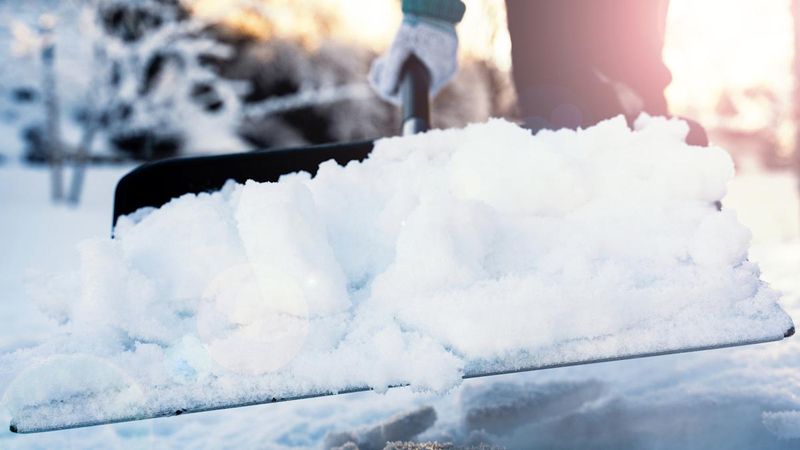
Shoveling snow off walkways seems like the perfect opportunity to add moisture directly to your garden beds.
Unfortunately, this common practice creates more problems than benefits for sleeping perennials and bulbs beneath the surface.
Road salt, de-icing chemicals, and automotive fluids mix with snow near driveways and sidewalks, contaminating what looks like clean white powder.
When this contaminated snow melts in your garden, it deposits harmful salts and chemicals directly into the root zones of your plants.
Salt damage shows up in spring as brown leaf edges, stunted growth, and plants that struggle to thrive despite adequate water and care.
Even snow from areas without de-icers can cause trouble when piled too deeply over garden beds and perennials.
Excessive snow creates an insulating layer so thick that soil beneath stays frozen longer, delaying spring growth significantly.
Some plants need those temperature fluctuations to break dormancy properly, and too much insulation interferes with natural cycles.
Heavy piles also compress soil structure, squeezing out air pockets that roots need for healthy development.
Compacted soil drains poorly, creating waterlogged conditions when all that piled snow finally melts in Colorado’s unpredictable spring weather.
Instead of dumping snow on beds, pile it in lawn areas or unused corners of your yard where grass can handle the extra moisture and any contaminants.
Natural snowfall provides sufficient moisture for most gardens without needing supplemental piles from your driveway.
If you must add snow to gardens, take it only from clean areas far from roads, walkways, and anywhere chemicals might have been applied.
Your plants will reward this thoughtfulness with stronger, healthier growth when growing season arrives.
4. Forgetting To Water Evergreens During Dry Winters
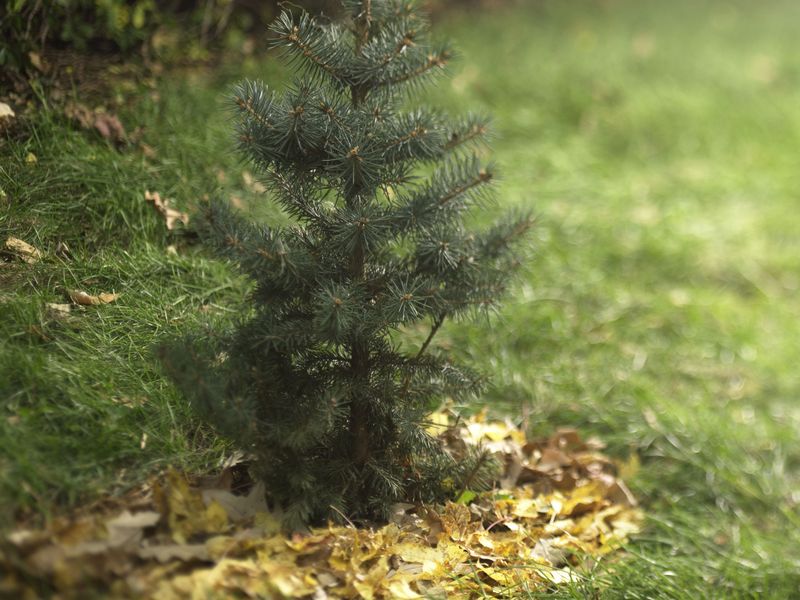
Evergreens continue losing moisture through their needles all winter long, even when temperatures drop well below freezing across Colorado.
Sunny winter days with low humidity accelerate this water loss, creating conditions where plants essentially dehydrate while dormant.
Gardeners often assume snow provides enough moisture, but many Colorado winters feature long dry spells with brilliant sunshine and no precipitation.
Frozen soil prevents roots from absorbing water even when moisture exists underground, leaving evergreens unable to replace what they lose.
Brown, crispy needles appearing in late winter signal a condition called winter burn or desiccation that results from this moisture deficit.
Once needles turn brown, they rarely recover, leaving permanent holes in your hedge or landscape that take years to fill in.
Preventing this damage requires watering evergreens during warm spells when temperatures rise above 40 degrees and soil thaws enough to absorb moisture.
Focus on newly planted evergreens and those in exposed locations where wind increases moisture loss throughout the winter months.
Apply water slowly using a hose or soaker, allowing it to soak deeply rather than running off across frozen ground.
Water in the morning so plants have all day to absorb moisture before temperatures drop again at night.
Foundation plantings near your house also need attention since overhanging eaves block snow and rain from reaching the soil beneath.
Junipers, arborvitae, and boxwoods commonly suffer winter desiccation in Colorado’s climate, especially during February and March.
These months often bring intense sun and drying winds without significant snowfall to replenish soil moisture.
Applying anti-desiccant sprays in late fall creates a protective coating that reduces moisture loss from needle surfaces throughout winter.
Combining winter watering with these sprays gives evergreens the best chance of staying green and healthy until spring growth begins.
5. Using Metal Or Sharp Tools To Remove Ice

Stubborn ice buildup on paths, patios, and around plants tempts gardeners to grab whatever sharp tools seem most effective.
Metal shovels, ice choppers, and garden spades can quickly clear frozen surfaces, but they also cause significant damage in the process.
Scraping ice with metal tools gouges paver surfaces, scratches decorative stonework, and chips concrete walkways throughout your Colorado landscape.
These marks become permanent scars that collect dirt and make your hardscaping look worn and neglected for years afterward.
Even more concerning is the damage these tools inflict on plant bark, stems, and crown areas when you work near garden beds.
A single scrape that removes bark creates an entry point for diseases and pests that can compromise plant health permanently.
Perennials emerging near walkways are particularly vulnerable, since their new growth hides beneath ice where you cannot see it.
One careless chop with a metal tool can sever these tender shoots before they ever break through the surface.
Plastic shovels and brooms work more safely for removing snow and light ice without causing collateral damage to surfaces and plants.
For thicker ice, apply calcium chloride or magnesium chloride ice melts that work at lower temperatures than rock salt and cause less plant damage.
These products cost more initially but protect your landscape investment while still providing effective ice control.
Spread ice melt products sparingly, following package directions carefully to avoid over-application near sensitive plants.
Even safer alternatives can harm vegetation when used excessively or concentrated in small areas.
Consider using sand for traction instead of ice melts in areas directly adjacent to valuable plants and garden beds.
Sand provides safe footing without chemical risks, though you will need to sweep it up once ice melts.
Taking a gentler approach to ice removal protects both your hardscaping and your plants from unnecessary winter damage.
6. Neglecting To Protect Container Plants
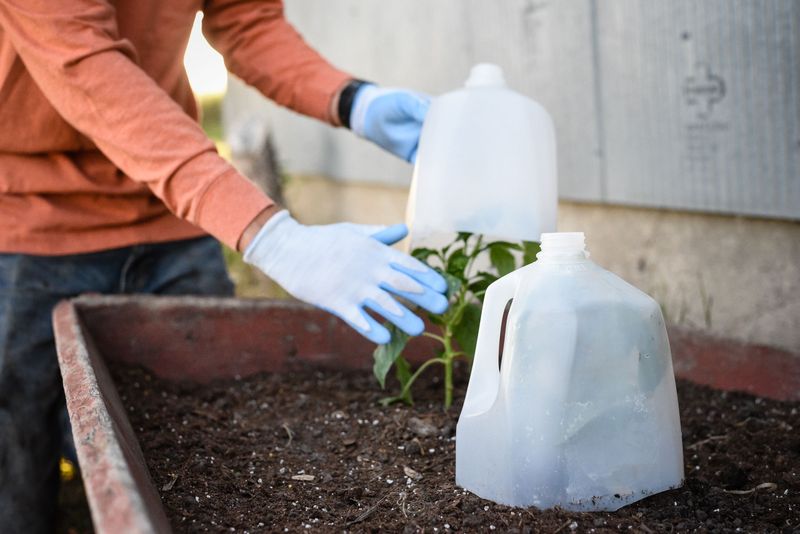
Container gardens add beauty and versatility to Colorado landscapes, but they face unique challenges when winter weather arrives.
Soil in pots freezes solid much faster than ground soil because cold air surrounds containers from all sides.
Plant roots growing in containers cannot escape downward into warmer earth the way in-ground plants do during freezing weather.
This complete root exposure means container plants experience much colder temperatures than their hardiness ratings suggest they can handle.
A perennial rated for zone 5 might not survive winter in a pot even though it thrives in Colorado garden beds.
Ceramic and terracotta pots face additional risks since moisture absorbed into their porous walls expands when frozen, causing cracks and breakage.
Expensive decorative containers can shatter completely during a single hard freeze, leaving you with worthless shards come spring.
Moving containers into an unheated garage or shed provides protection from the worst temperature extremes while keeping plants dormant.
Even a covered porch offers some shelter from drying winds and intense sun that increase winter stress on container plants.
Grouping pots together and surrounding them with mulch, leaves, or bubble wrap creates insulation that moderates temperature swings.
Some Colorado gardeners sink entire pots into garden beds for winter, using the earth itself as insulation for vulnerable roots.
Empty containers should be cleaned, dried thoroughly, and stored upside down to prevent water accumulation and freeze damage.
For containers too large to move, wrap them in burlap or specialized insulation products designed for outdoor plant protection.
Elevating pots slightly on pot feet or blocks allows drainage and prevents them from freezing to deck or patio surfaces.
Remember that container plants need occasional winter watering during dry spells, just like evergreens in the ground.
A little preparation in fall saves your containers and the plants they hold from costly winter damage.