Costly Winter Exterior Mistakes Many Minnesota Homeowners Make — And How To Avoid Them
Winter has a way of quietly turning small exterior oversights into expensive problems for many Minnesota homeowners before spring even shows up.
A lot of these mistakes happen during busy fall weeks, when everything looks fine on the surface and cold weather still feels far away.
Knowing what to watch for ahead of time can save serious money, stress, and those unpleasant winter surprises no one wants to deal with.
1. Ignoring Gutter Cleaning Before the First Snow
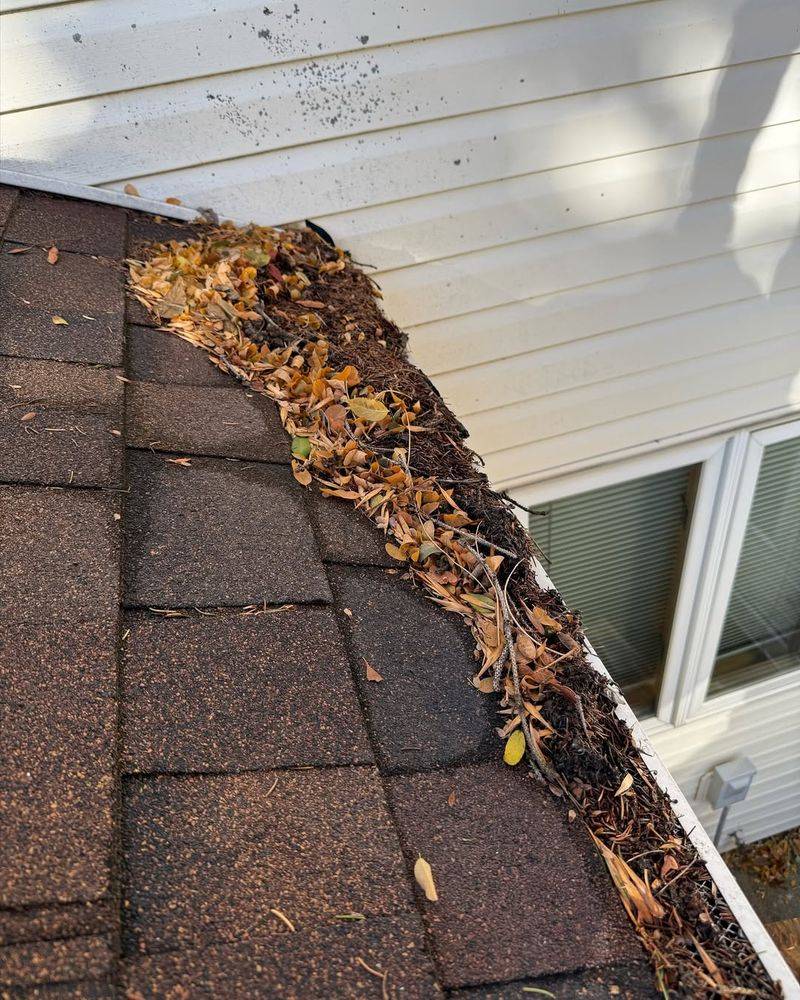
Clogged gutters are one of the sneakiest problems that Minnesota homeowners face when cold weather arrives and snow begins to accumulate on rooftops.
Leaves, twigs, and debris block water flow, causing ice dams that push moisture under shingles and into your walls, creating expensive damage.
When water cannot escape properly, it freezes and expands, cracking gutters and pulling them away from your house over time.
Many folks across Minnesota think gutters can wait until spring, but that delay often leads to thousands in repair bills and headaches.
Cleaning your gutters in late fall, before the first snowfall, prevents ice dams and keeps water flowing away from your foundation safely.
You can hire professionals or do it yourself with a sturdy ladder, gloves, and a bucket to collect all the gunk inside.
Downspouts should also be checked to ensure they direct water at least six feet away from your home’s foundation walls.
Taking this simple step protects your roof, siding, and basement from costly water damage all winter long in Minnesota’s harsh climate.
2. Skipping Roof Inspections After Heavy Snowfall
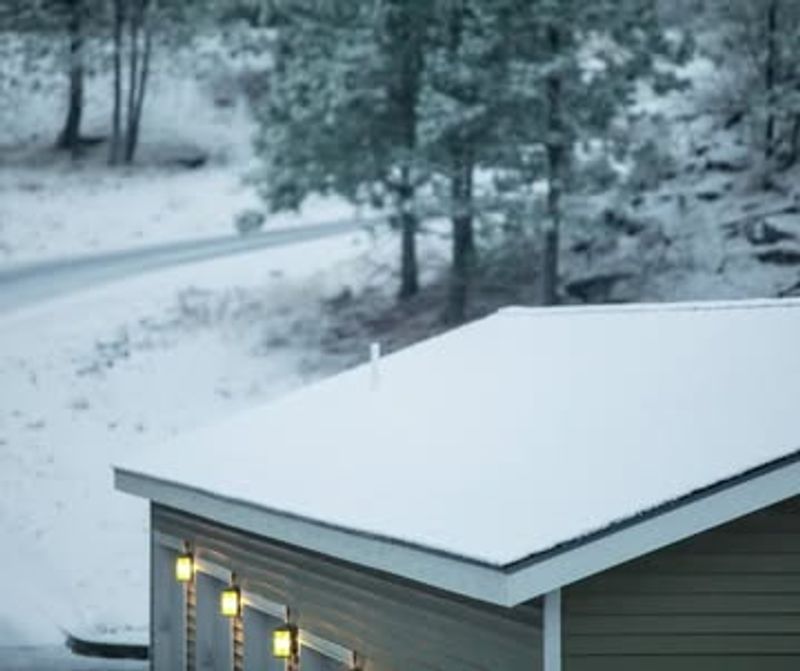
Heavy snow loads on your roof can cause serious structural problems that many Minnesota residents simply overlook until it’s way too late.
Roofs in Minnesota are built to handle snow, but when ice dams form or drifts pile unevenly, weak spots can crack or collapse.
Missing shingles, damaged flashing, and small leaks become major issues once snow melts and refreezes repeatedly throughout the long winter months.
After big snowstorms, checking your roof from the ground or hiring an inspector can catch problems before they turn into expensive emergency repairs.
Look for sagging areas, icicles hanging from eaves, or water stains on your ceilings, which all signal trouble brewing up above.
Removing excess snow with a roof rake prevents overloading and reduces the risk of ice dams forming along the edges of your roofline.
Professional roofers in Minnesota recommend inspections at least twice during winter, especially after storms drop more than a foot of snow overnight.
Staying proactive keeps your home safe and saves you from dealing with leaks, mold, and structural damage when warmer weather finally arrives again.
3. Forgetting to Seal Cracks and Gaps in Siding
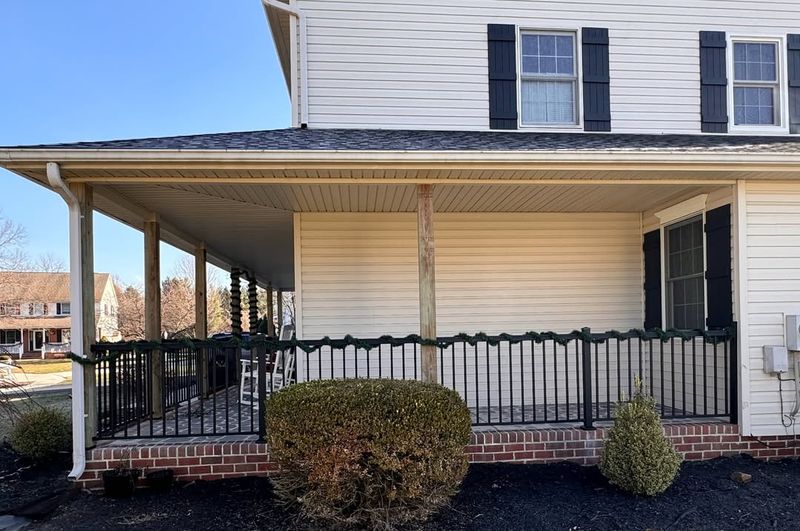
Small cracks and gaps in your siding might seem harmless, but they let cold air and moisture sneak into your walls all winter long.
Minnesota’s freeze-thaw cycles make these tiny openings expand, allowing water to seep in, freeze, and cause rot, mold, and insulation damage inside.
Homeowners often ignore these gaps because they look minor, but over time they lead to higher heating bills and costly repairs down the line.
Inspecting your siding in early fall and sealing any cracks with weatherproof caulk keeps your home’s envelope tight and energy-efficient throughout winter.
Pay close attention to corners, around windows and doors, and anywhere different materials meet, since these spots are most vulnerable to leaks.
Using high-quality exterior caulk that can withstand Minnesota’s extreme temperature swings ensures your seals last through multiple freeze-thaw cycles without cracking.
You can also add foam backer rods for larger gaps before applying caulk, which provides better insulation and prevents air from escaping easily.
This simple maintenance task protects your home’s structure, lowers energy costs, and keeps your family comfortable even during the coldest Minnesota winter nights.
4. Leaving Garden Hoses Attached to Outdoor Faucets
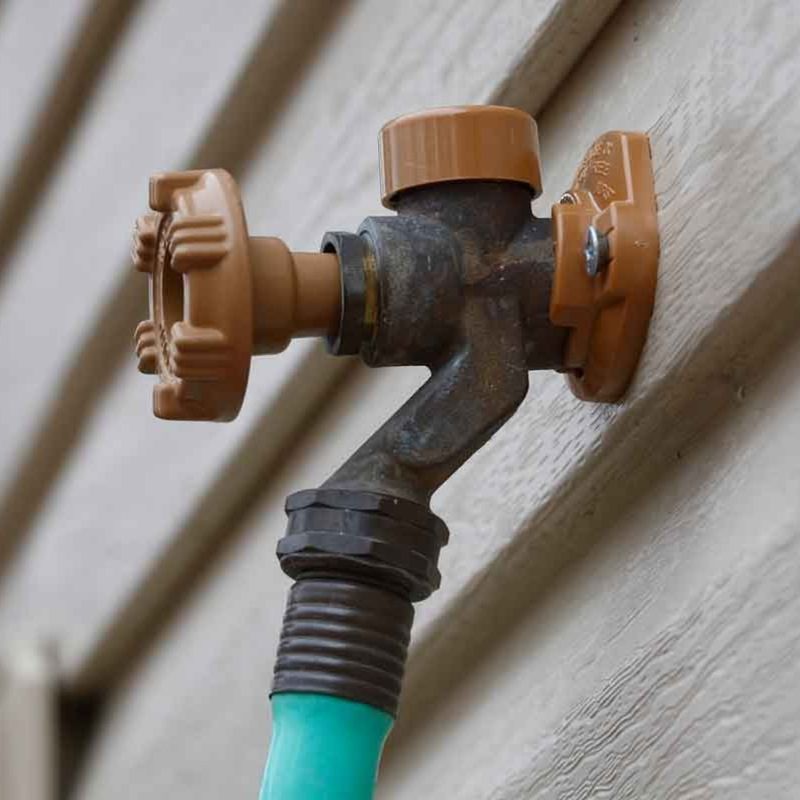
Leaving hoses connected to outdoor faucets is one of the easiest mistakes to make, yet it causes frozen pipes and expensive plumbing repairs.
Water trapped inside the hose can freeze, expand backward into the pipe, and crack the faucet or even the pipe inside your wall.
Minnesota winters are cold enough to freeze exposed pipes quickly, and once they burst, you’re looking at emergency plumber bills and water damage.
Disconnecting hoses, draining them completely, and storing them in a garage or shed takes only a few minutes but saves you major headaches.
After removing hoses, shut off the interior valve that controls each outdoor faucet, then open the outside tap to drain any remaining water.
Installing frost-free faucets or insulated faucet covers adds extra protection against freezing temperatures, especially during brutal Minnesota cold snaps that last for days.
Many homeowners across Minnesota forget this step because it seems so simple, but it’s one of the most common causes of winter plumbing emergencies.
Taking time to winterize your outdoor faucets properly in late fall prevents costly repairs and keeps your plumbing system running smoothly all season.
5. Neglecting to Trim Trees and Branches Near the House
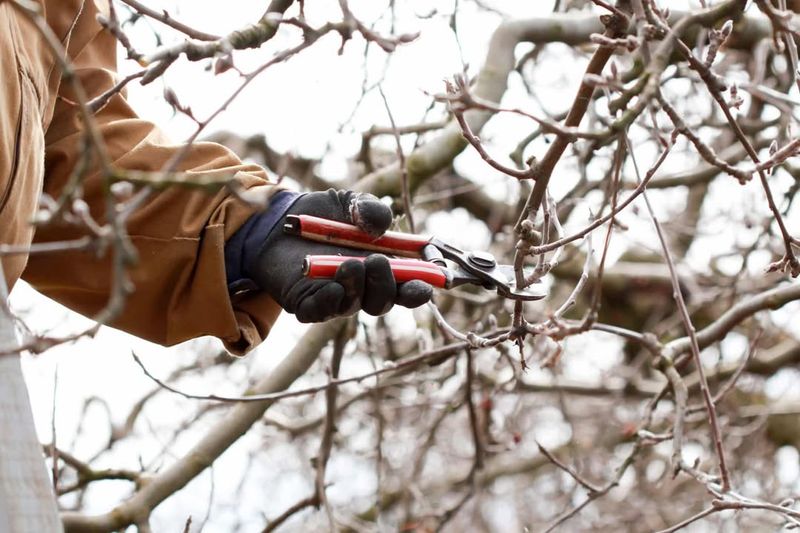
Overhanging tree branches loaded with heavy snow and ice can snap and crash down onto your roof, siding, or vehicles without warning.
Minnesota winters bring intense ice storms and strong winds that turn neglected branches into dangerous projectiles that cause thousands in property damage.
Dead or weak limbs are especially risky because they break easily under the weight of snow, and they often hang directly over homes.
Trimming trees in late fall, before winter weather arrives, removes these hazards and protects your home from costly accidents and emergency repairs.
Focus on branches within ten feet of your house, power lines, or anything valuable, since these pose the greatest risk during storms.
Hiring a professional arborist in Minnesota ensures the job is done safely and correctly, especially for large trees or branches near electrical wires.
You should also remove any branches that scrape against your siding or roof, as they can damage shingles and create openings for pests.
This preventive step keeps your family safe, protects your home’s exterior, and gives you peace of mind during Minnesota’s unpredictable and often harsh winters.
6. Allowing Snow to Pile Up Against the Foundation
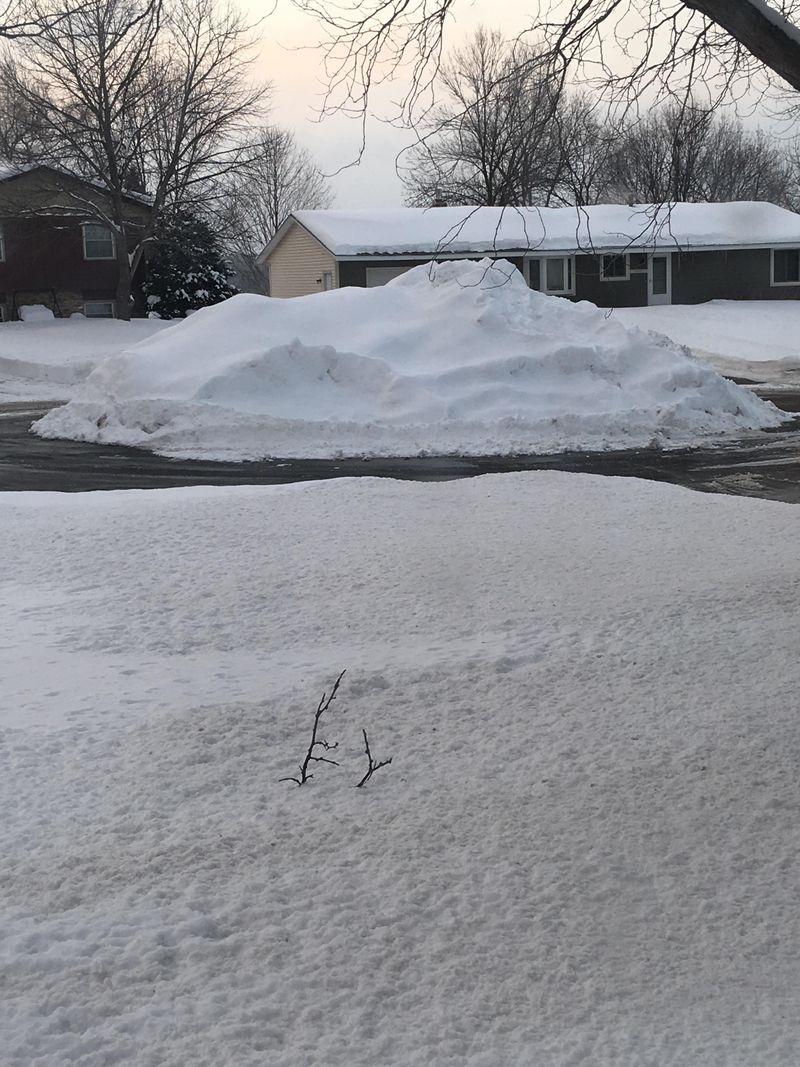
Letting snow accumulate against your foundation walls might seem harmless, but it creates serious moisture problems when temperatures start to rise and fall.
As snow melts, water seeps into cracks in your foundation, refreezes, and expands, causing structural damage and basement flooding over time.
Minnesota’s freeze-thaw cycles make this problem even worse, as repeated freezing and thawing weakens concrete and creates larger cracks each season.
Shoveling snow away from your foundation after storms keeps water from pooling near your home and protects your basement from leaks and dampness.
Aim to keep at least two feet of clearance between snow piles and your foundation walls to allow proper drainage and airflow.
You should also ensure that downspouts direct water away from your house, not toward the foundation where it can cause additional problems.
Using a snow blower or shovel to clear snow regularly prevents buildup and reduces the risk of water damage when spring thaw arrives.
Taking this simple precaution protects your foundation, prevents basement flooding, and saves you from expensive repairs that many Minnesota homeowners face every year.
7. Failing to Protect Exterior Doors from Ice Buildup
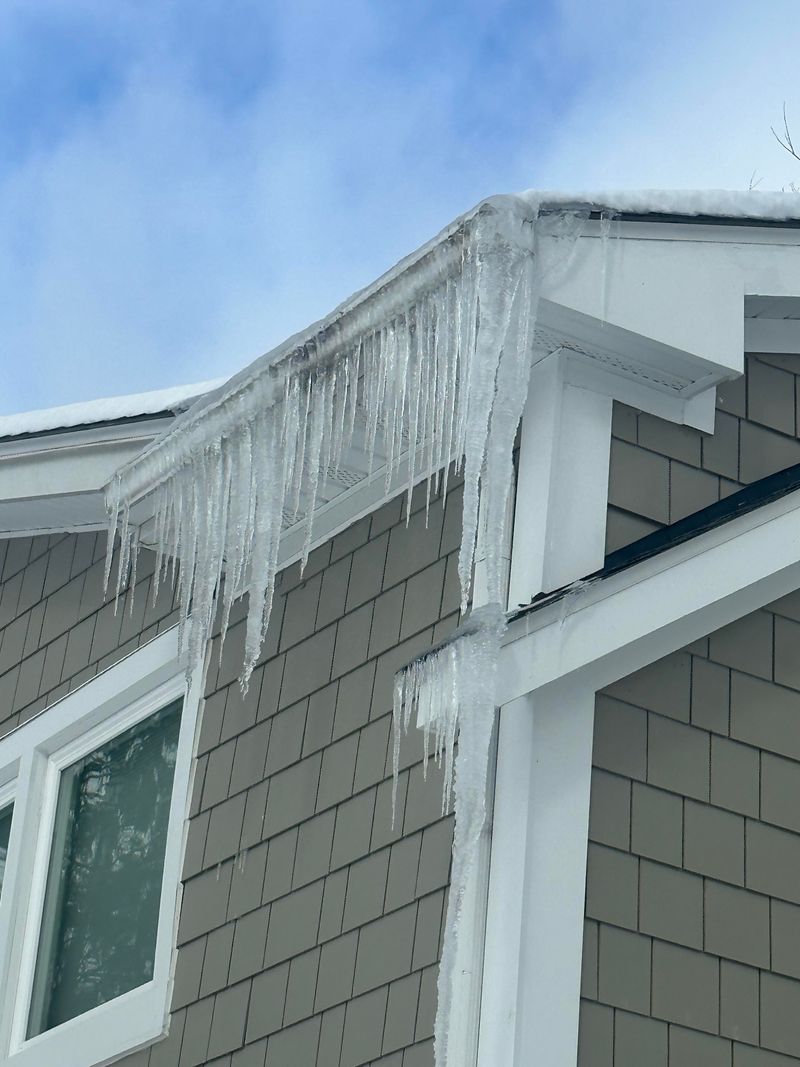
Ice buildup around exterior doors can trap you inside or outside your home, damage door frames, and create dangerous slipping hazards for everyone.
Minnesota winters bring constant freeze-thaw cycles that cause water to pool near doorways, freeze overnight, and create thick layers of ice by morning.
Many homeowners don’t realize that ice can warp door frames, crack thresholds, and even damage weatherstripping, leading to drafts and higher heating bills.
Applying ice melt products around doorways, laying down rubber mats, and ensuring proper drainage prevents ice from forming and keeps entryways safe and functional.
You should also check that gutters and downspouts aren’t dripping water near doors, as this is a common cause of ice buildup problems.
Installing storm doors adds an extra layer of protection against cold air, wind, and moisture, keeping your main door in better condition throughout winter.
Shoveling and salting walkways and stoops immediately after snowfall reduces ice formation and prevents slips, falls, and injuries for your family and guests.
Protecting your doors from ice damage keeps them working smoothly, improves energy efficiency, and ensures safe access to your Minnesota home all winter long.
8. Using Metal Shovels on Wooden Decks and Patios
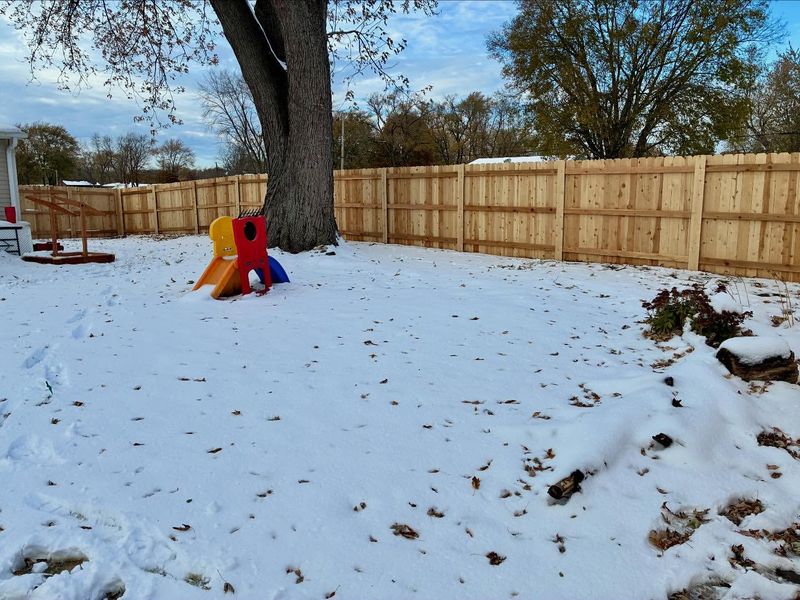
Scraping snow off wooden decks with metal shovels might seem efficient, but it scratches, gouges, and damages the wood surface every single time.
Minnesota homeowners often rush through snow removal without realizing that metal edges dig into wood, removing protective finishes and exposing it to moisture.
Once the finish is damaged, water seeps into the wood, freezes, and causes warping, cracking, and rot that requires expensive repairs or replacement.
Using plastic shovels or snow pushers designed for decks protects the wood surface while still clearing snow effectively and quickly after storms.
You should also avoid using sharp ice chippers or metal scrapers on wooden surfaces, as they cause even more damage than shovels.
Applying a fresh coat of sealant in late fall protects your deck from moisture and makes snow removal easier throughout the winter months.
If ice forms on your deck, sprinkle sand or use pet-safe ice melt instead of chipping away with metal tools that harm the wood.
Taking care when removing snow preserves your deck’s appearance and longevity, saving you from costly repairs and keeping your outdoor space beautiful for years.
9. Overlooking Proper Ventilation in Attics and Crawl Spaces
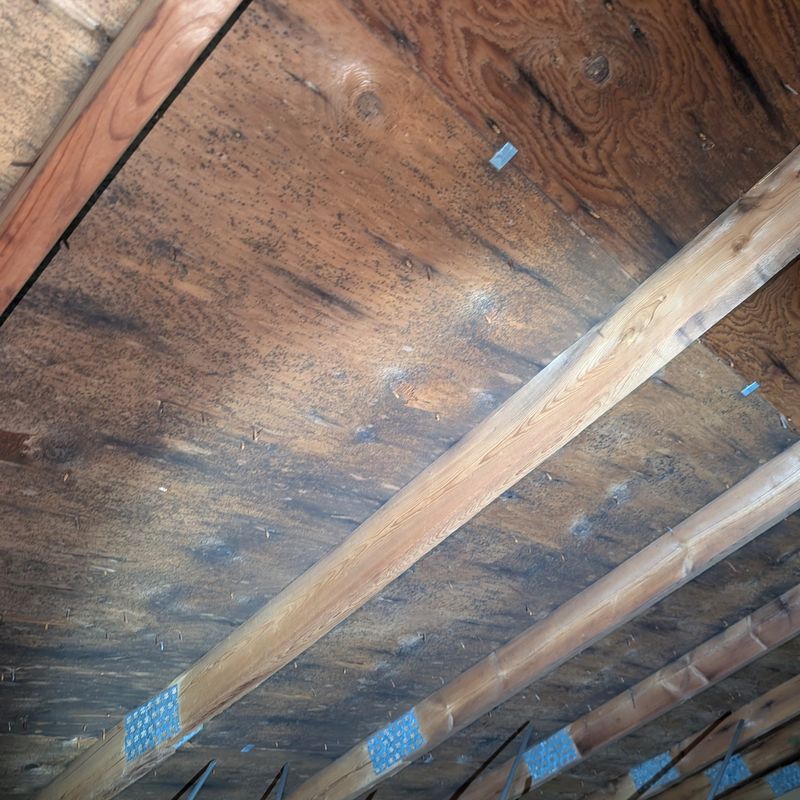
Poor ventilation in attics and crawl spaces traps warm, moist air that condenses, freezes, and causes mold, rot, and ice dams on roofs.
Minnesota homes need proper airflow to balance indoor heat and outdoor cold, preventing moisture buildup that damages insulation and wooden structural components.
Homeowners often seal up their attics too tightly, thinking it saves energy, but this actually creates more problems and increases heating costs over time.
Ensuring soffit and ridge vents are clear of snow and debris allows air to circulate properly, keeping your attic dry and your roof healthy.
You should also check that insulation doesn’t block vents, as this restricts airflow and traps moisture inside your attic space during winter months.
Installing attic fans or improving existing ventilation systems helps regulate temperature and humidity, preventing ice dams and extending your roof’s lifespan significantly.
Crawl spaces should also have proper vents or dehumidifiers to prevent moisture from accumulating and causing mold or wood rot underneath your home.
Maintaining good ventilation protects your home’s structure, improves energy efficiency, and prevents costly damage that many Minnesota homeowners face when they overlook this issue.