11 Costly Winter Exterior Mistakes Many Wisconsin Homeowners Make And How To Avoid Them
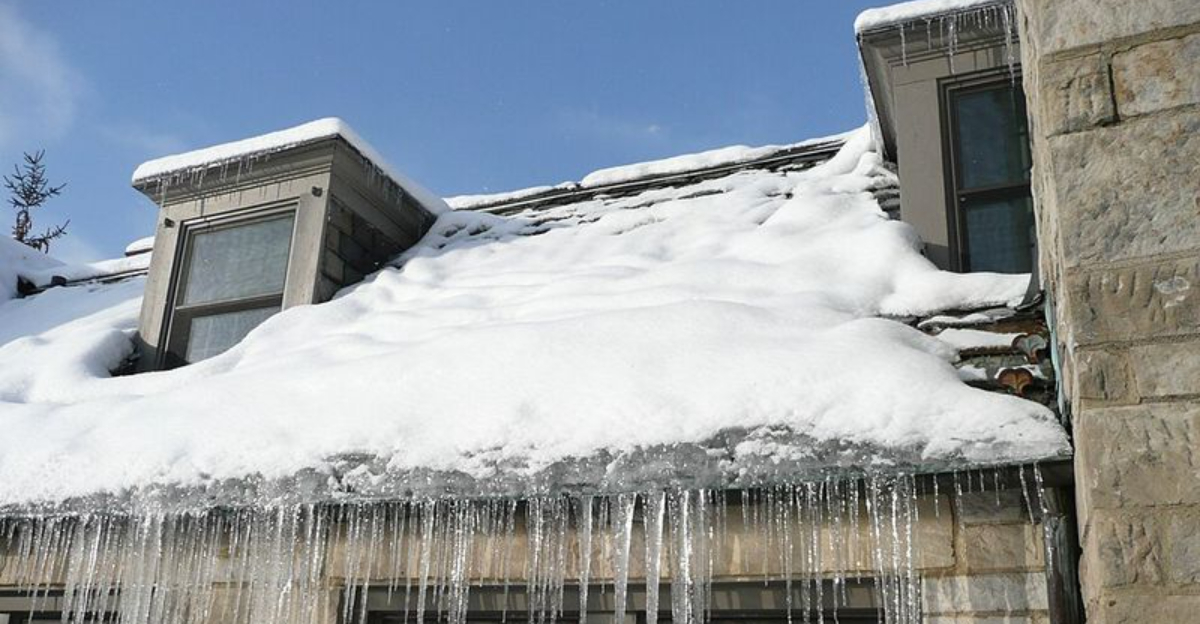
Wisconsin winters show no mercy to home exteriors, and small oversights often lead to serious damage once snow and ice arrive.
Heavy snowfall, deep freezes, and constant thaw cycles place intense pressure on roofs, siding, foundations, and entryways.
A minor issue in late fall can turn into an expensive repair before winter ends.
Many homeowners focus on indoor comfort while problems develop outside.
Ice dams form along roof edges, gutters freeze solid, moisture enters small cracks, and snow piles create hazards near doors and walkways.
These issues return year after year and often strike without warning.
Early action protects homes from unnecessary expense.
These eleven exterior mistakes cost Wisconsin homeowners thousands each winter, yet clear solutions exist to prevent them.
Care before severe weather helps homes withstand the harshest conditions of the season.
1. Ignoring Gutter Cleaning Before The First Snowfall
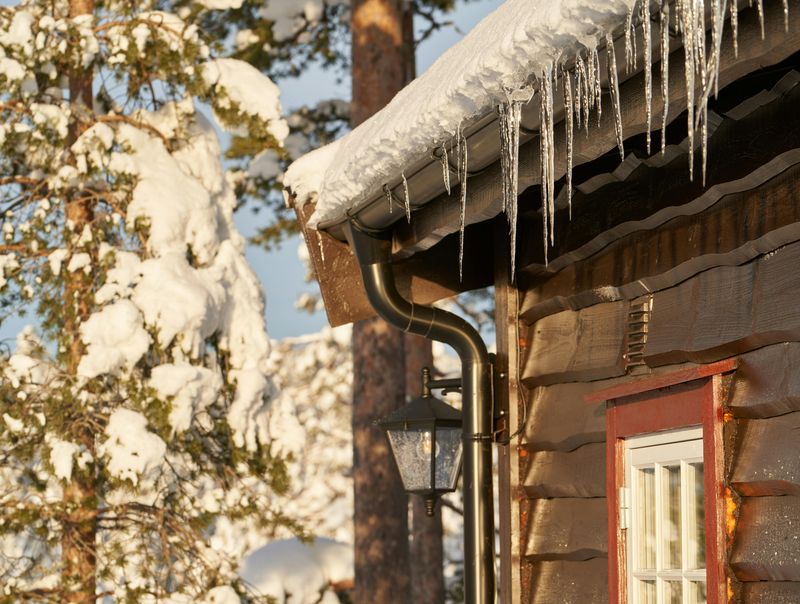
Leaves and debris pile up in gutters during fall, and when winter arrives, they create blockages that trap melting snow and cause major problems.
Water backs up under shingles when gutters overflow, leading to expensive roof leaks that damage ceilings, walls, and insulation throughout your entire home’s interior.
Ice dams form more easily when gutters stay clogged, creating heavy loads that can actually pull gutters completely off your house during heavy storms.
Foundation damage occurs when water spills over blocked gutters and pools around your basement walls, causing cracks and flooding in lower living areas.
Cleaning gutters thoroughly before the first freeze takes just a few hours but prevents thousands of dollars in potential repairs throughout the cold season.
Professional gutter cleaning services cost around one hundred dollars, which is far less than fixing water damage or replacing sections of damaged roof materials.
Installing gutter guards provides long-term protection by keeping leaves out while allowing water to flow freely, reducing your annual maintenance needs significantly over time.
2. Failing To Disconnect And Drain Outdoor Hoses
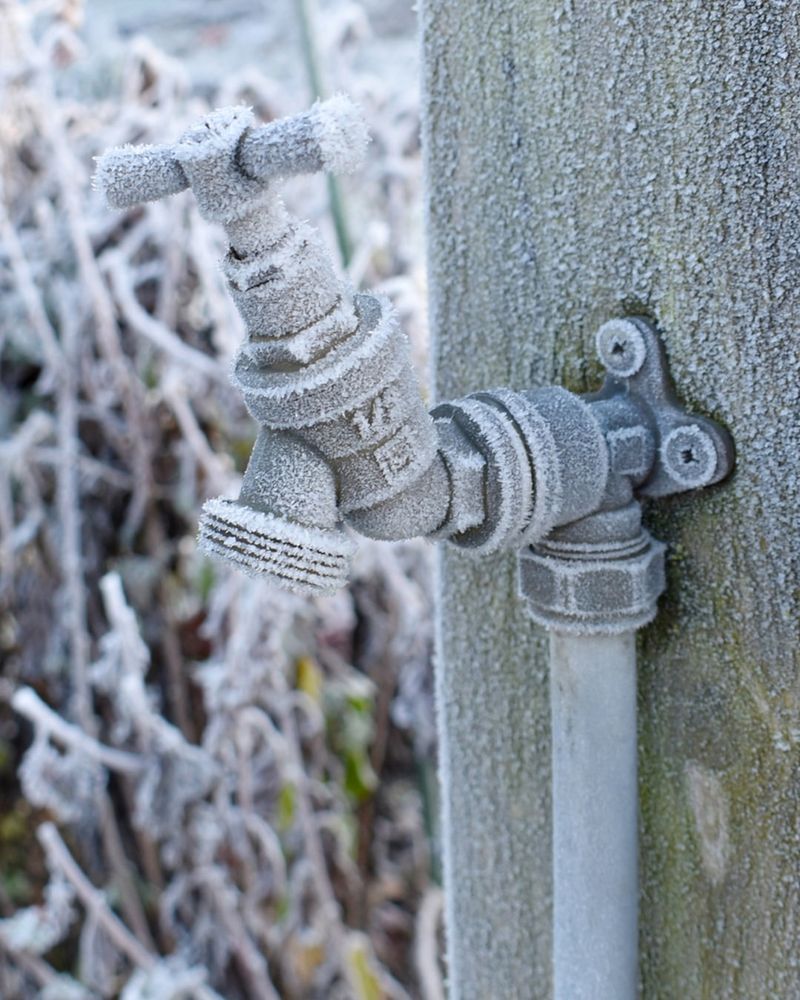
Hoses left connected to outdoor faucets trap water inside the pipes, and when temperatures drop below freezing, that water expands and cracks the metal.
Burst pipes can spray water inside your walls for hours before you even notice, causing mold growth and structural damage that requires expensive professional remediation.
Replacing a damaged outdoor spigot and repairing interior wall damage typically costs between five hundred and two thousand dollars, depending on how extensive it is.
Disconnecting hoses takes less than five minutes per faucet, making it one of the easiest preventive steps you can take before winter weather arrives.
Draining the water from both the hose and the faucet completely ensures no liquid remains inside to freeze and cause cracks during cold snaps.
Storing hoses in your garage or basement protects them from weather damage and extends their lifespan, saving you money on replacements every few years.
Shutting off interior valves that supply outdoor faucets adds another layer of protection, especially for homes without frost-free spigots installed on exterior walls already.
3. Neglecting Roof And Attic Ventilation Issues
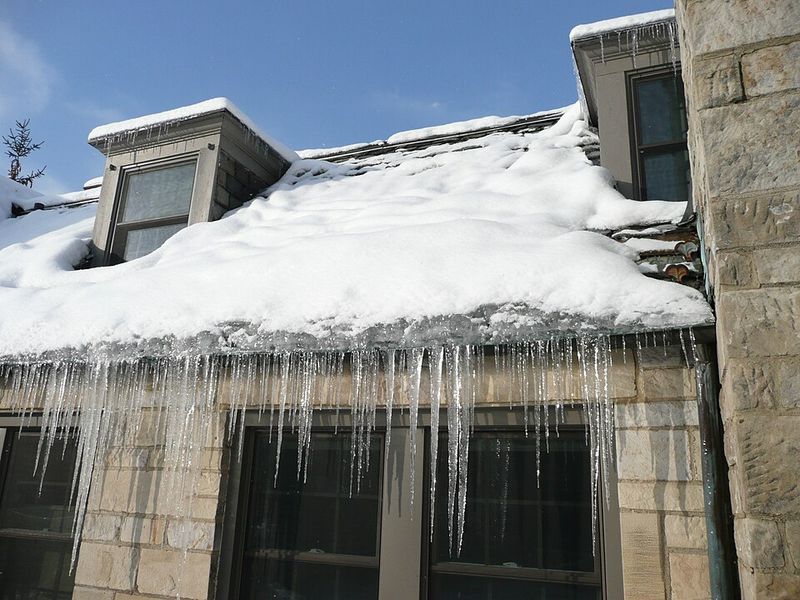
Poor attic ventilation allows warm air to rise and heat your roof unevenly, melting snow that then refreezes at the colder eaves and forms ice dams.
Ice dams force melting water backward under your shingles, where it seeps into the attic and damages insulation, wood framing, and drywall below the roofline.
Repairing ice dam damage often costs several thousand dollars, especially when water has soaked through multiple layers and created mold growth inside wall cavities.
Proper attic ventilation keeps temperatures consistent across your entire roof surface, preventing the melt-and-refreeze cycle that creates destructive ice dams in the first place.
Installing ridge vents and soffit vents improves airflow dramatically, helping your roof stay cold enough that snow melts evenly or not at all during winter months.
Adding extra insulation to your attic floor prevents warm indoor air from escaping upward, which reduces heating bills while also protecting your roof from damage.
Professional energy audits identify ventilation problems quickly and recommend specific solutions tailored to your home’s unique design and construction, preventing future costly repairs effectively throughout winter.
4. Skipping Window And Door Weatherstripping Inspection
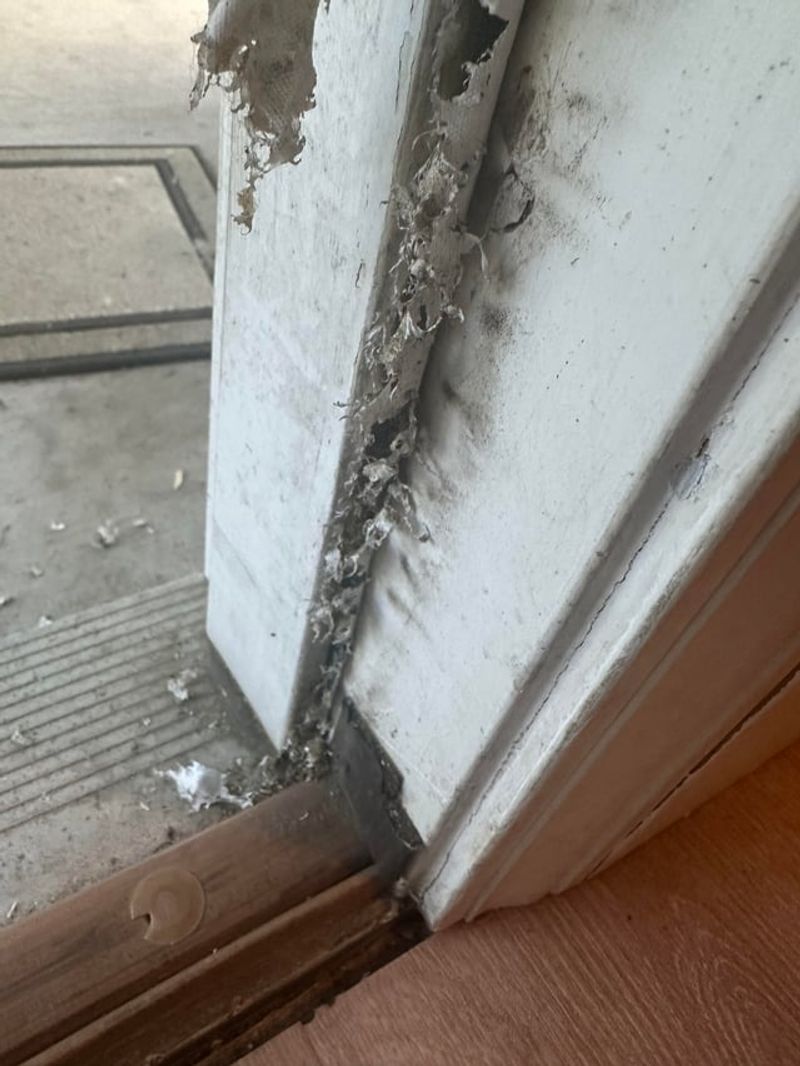
Weatherstripping around doors and windows deteriorates over time, creating gaps that allow cold air to pour into your home and force your furnace to work harder.
Higher heating bills result from even small air leaks, potentially adding hundreds of dollars to your winter energy costs over just a few cold months alone.
Drafts make rooms uncomfortable and uneven in temperature, causing family members to constantly adjust thermostats and waste energy trying to stay warm throughout the day.
Moisture can enter through worn weatherstripping, leading to condensation problems, mold growth, and wood rot around window frames and door jambs over extended periods.
Inspecting weatherstripping each fall takes minimal time, and replacing damaged sections costs only a few dollars per window or door, making it very affordable.
Self-adhesive foam strips and rubber gaskets are easy to install without professional help, requiring only basic tools and about thirty minutes per opening.
Sealing air leaks improves comfort immediately while reducing your carbon footprint and saving money that you can use for other important household expenses throughout the year.
5. Not Trimming Tree Branches Near The House
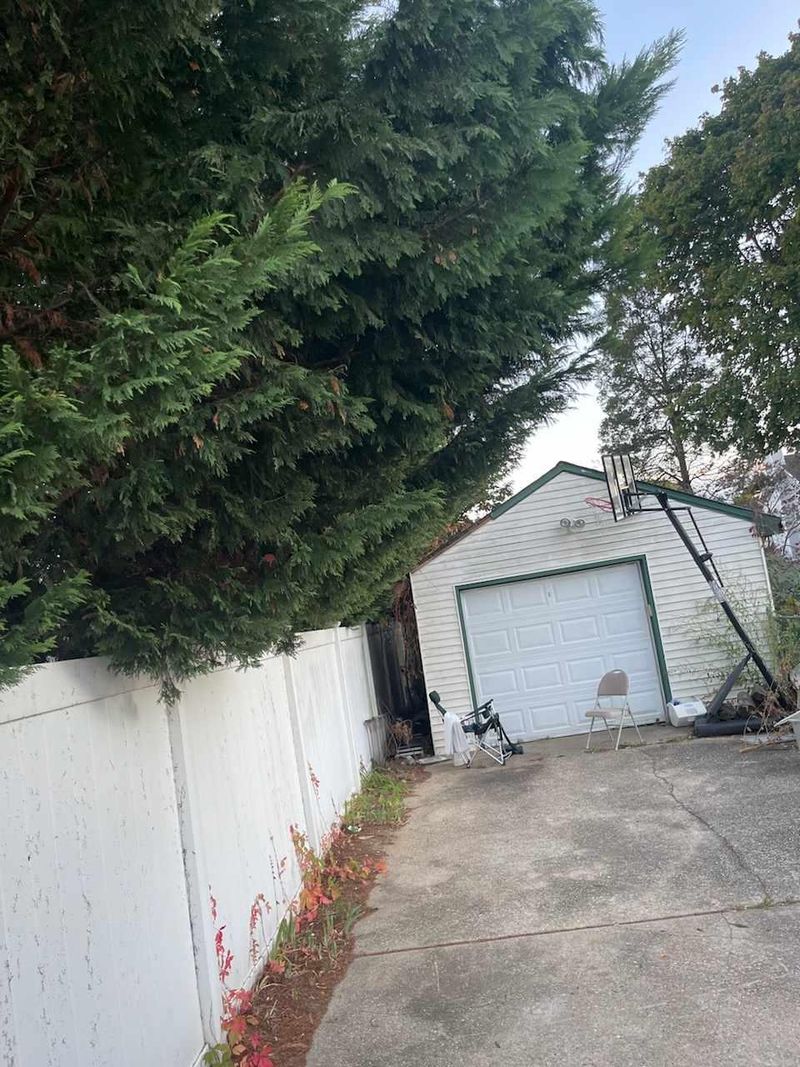
Heavy snow and ice accumulate on tree branches during winter storms, adding tremendous weight that can cause limbs to snap and crash onto your roof.
Falling branches damage shingles, gutters, siding, and windows, often creating emergency situations that require immediate expensive repairs during the coldest months when contractors charge premium rates.
Overhanging limbs scrape against your home’s exterior during windy conditions, wearing away paint and protective coatings that prevent moisture damage to underlying wood materials.
Tree branches touching your house create highways for squirrels, raccoons, and other wildlife to access your attic, where they cause insulation damage and chew electrical wires.
Trimming branches back at least six feet from your roofline prevents most winter damage while also improving sunlight exposure and reducing moss growth on shingles.
Professional tree services cost between two hundred and eight hundred dollars depending on tree size, but this investment protects against thousands in potential structural repairs.
Fall is the ideal time for trimming since trees are dormant and professionals have better availability before the busy spring season begins across Wisconsin communities.
6. Overlooking Foundation Crack Repairs Before Freezing
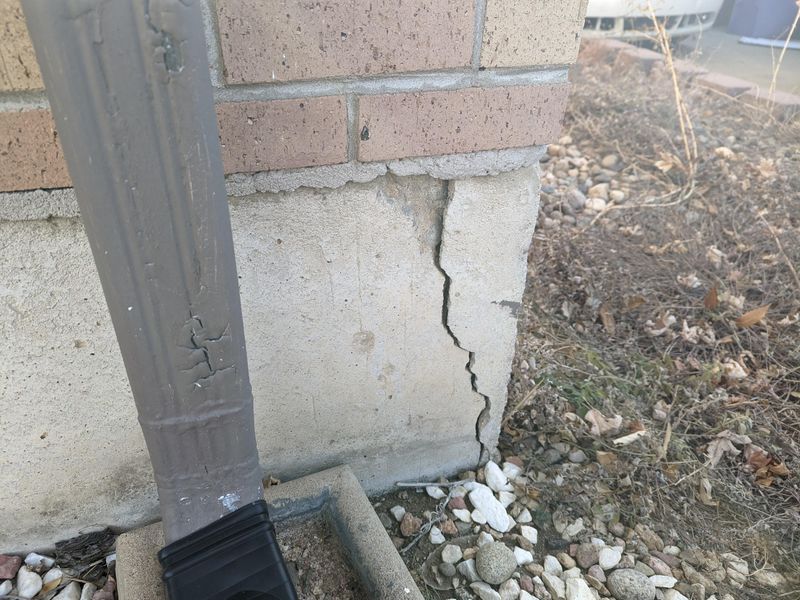
Small foundation cracks allow water to seep into concrete, and when that moisture freezes, it expands and makes the cracks much wider and deeper.
Freeze-thaw cycles repeat throughout Wisconsin winters, progressively worsening foundation damage that eventually compromises your home’s structural integrity and requires major repairs costing tens of thousands.
Water entering through foundation cracks causes basement flooding, damages stored belongings, and creates damp conditions perfect for mold growth that affects indoor air quality.
Repairing small cracks in fall costs only a few hundred dollars using epoxy injection or hydraulic cement, which is dramatically less than foundation reconstruction.
Ignoring minor cracks allows them to expand into serious structural problems that lower your property value and make your home harder to sell later.
Inspecting your foundation carefully each autumn helps you catch small issues before winter weather turns them into expensive emergencies requiring immediate professional attention during holidays.
Sealing cracks also prevents insects and rodents from entering your basement, protecting your home from pest infestations that damage insulation and spread diseases throughout living spaces.
7. Leaving Lawn Furniture And Decorations Outside
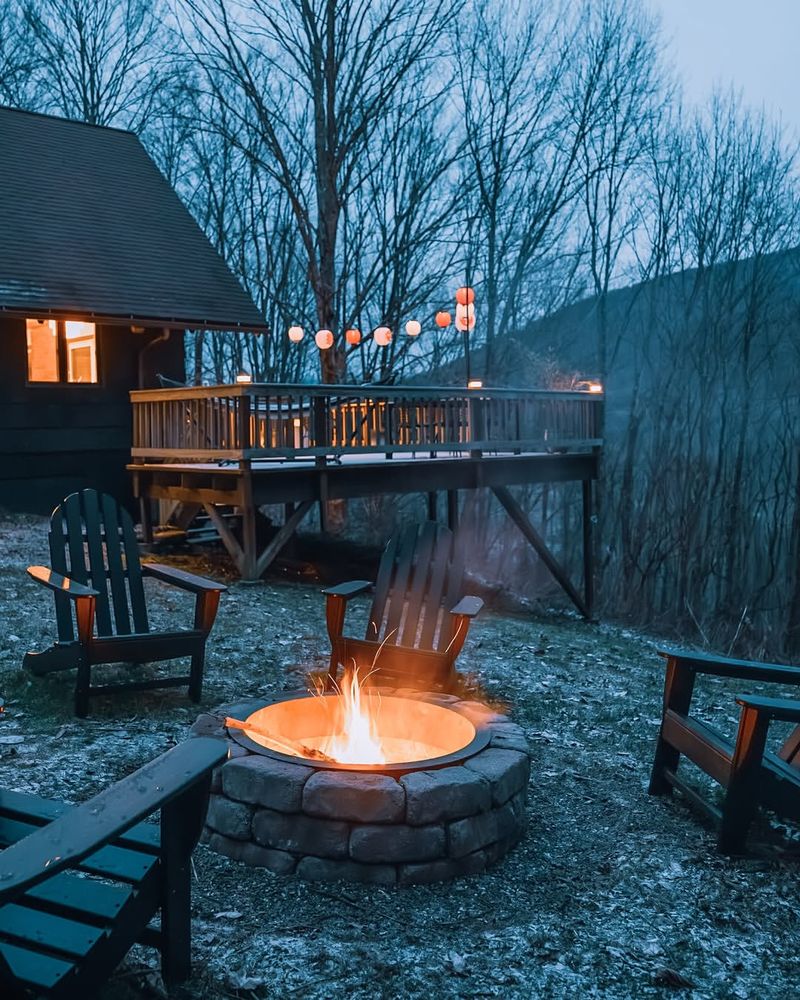
Patio furniture, grills, and decorations left outside during winter suffer damage from snow weight, ice accumulation, and extreme temperature fluctuations that crack and warp materials.
Replacing damaged outdoor items each spring becomes an unnecessary expense that adds up to hundreds or thousands of dollars over the years for Wisconsin homeowners.
Metal furniture rusts quickly when exposed to moisture and salt from snow removal, while plastic and wicker items become brittle and break apart in freezing conditions.
Strong winter winds can blow unsecured items around your yard, where they damage siding, break windows, or even injure people walking near your property unexpectedly.
Storing furniture in your garage, shed, or basement takes just an hour or two but extends the lifespan of your outdoor investments by many years.
Covering items with weatherproof tarps provides some protection if storage space is limited, though bringing items indoors offers better defense against Wisconsin’s harsh climate.
Removing decorations prevents them from becoming frozen to surfaces or buried under snowdrifts, making spring cleanup much easier and less frustrating for busy homeowners across the state.
8. Improperly Using Salt And Ice Melters On Surfaces
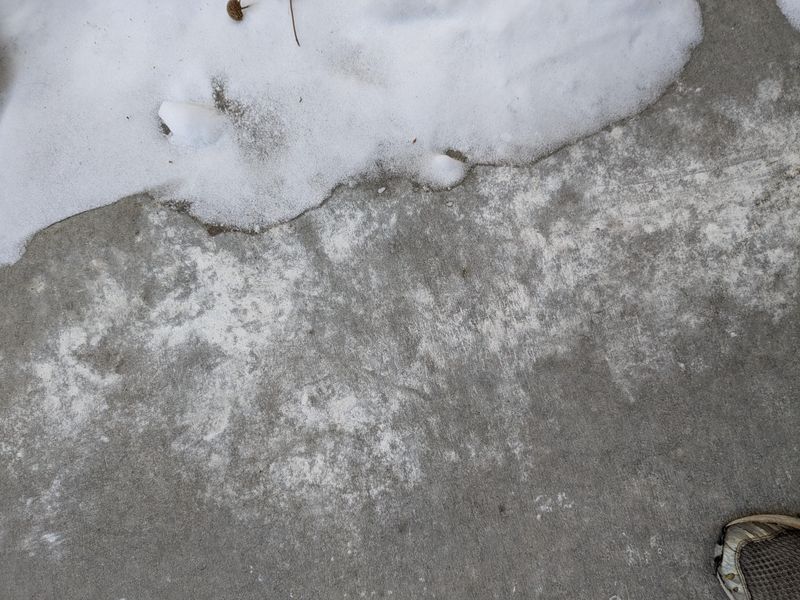
Rock salt and chemical ice melters are effective for melting ice, but overusing them damages concrete driveways, sidewalks, and steps by causing surface pitting and crumbling.
Salt also harms nearby plants and grass when it washes off hardscapes during thaws, creating zones in your landscaping that require expensive replanting come spring.
Metal railings, garage doors, and car undercarriages corrode rapidly when exposed to excessive salt, leading to rust damage that requires costly repairs or complete replacements.
Using calcium chloride or magnesium chloride products instead of rock salt reduces damage to concrete and plants while still providing effective ice melting at lower temperatures.
Applying ice melters sparingly according to package directions prevents overuse, and sweeping away excess product after ice melts protects surfaces from unnecessary chemical exposure throughout winter.
Sand or kitty litter provides traction on icy surfaces without causing chemical damage, offering a safer alternative for areas where melting isn’t absolutely necessary.
Installing heated driveway systems or using snow removal services eliminates the need for chemical ice melters entirely, protecting your property while improving safety for everyone who visits.
9. Forgetting To Insulate Outdoor Water Features And Pipes
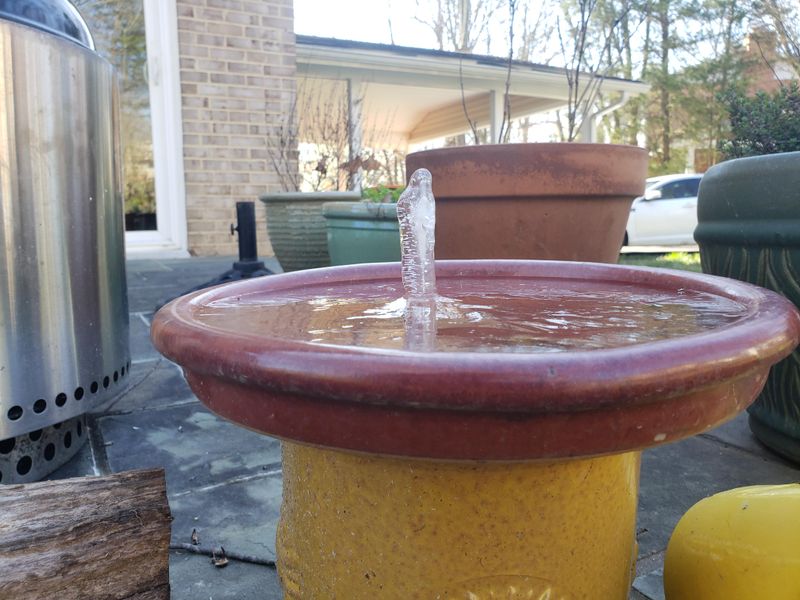
Outdoor water features like fountains, ponds, and irrigation systems contain water that freezes solid during winter, expanding and cracking basins, pipes, and pump housings.
Replacing damaged water features costs thousands of dollars, and repairs often require professional help since components are specialized and difficult to source during cold months.
Exposed pipes running to outdoor spigots, pool equipment, or sprinkler systems also freeze and burst, causing water damage that might not become apparent until spring thaw.
Draining all water from features and pipes before the first hard freeze prevents ice formation and protects your investments from unnecessary winter damage each year.
Wrapping exposed pipes with foam insulation sleeves provides extra protection in areas where complete drainage isn’t possible due to system design or location constraints faced by homeowners.
Removing fountain pumps and storing them indoors prevents internal damage and extends their operational lifespan, saving money on replacements over the long term for your property.
Covering ponds with netting or specialized heaters protects fish and prevents complete surface freezing, maintaining healthy aquatic environments throughout Wisconsin’s challenging winter season without major equipment damage.
10. Allowing Snow To Pile Up Against The Home
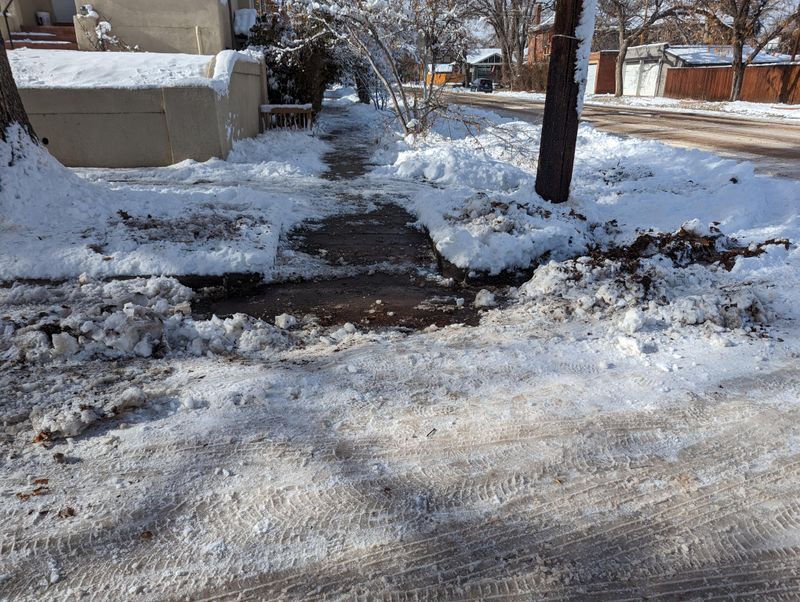
Shoveling or plowing snow directly against your home’s foundation creates moisture problems when temperatures rise and the snow melts against your exterior walls continuously.
Water seeping through siding and into wall cavities causes wood rot, insulation damage, and mold growth that requires expensive remediation and structural repairs costing thousands.
Snow piled high against your home also provides easy access for mice and other rodents seeking warm shelter, allowing them to enter through small gaps.
Foundation damage occurs when repeated freeze-thaw cycles affect the concrete, especially when snow keeps the foundation constantly wet throughout the entire winter season in Wisconsin.
Directing snow away from your house when shoveling or using a snowblower takes minimal extra effort but prevents serious moisture-related problems that develop over time.
Maintaining at least a three-foot clearance between snow piles and your foundation allows proper drainage and air circulation, protecting your home’s structural integrity effectively year after year.
Installing proper grading and drainage systems ensures water flows away from your foundation naturally, reducing the impact of snowmelt and preventing basement flooding during spring thaw periods.
11. Ignoring Chimney And Fireplace Maintenance
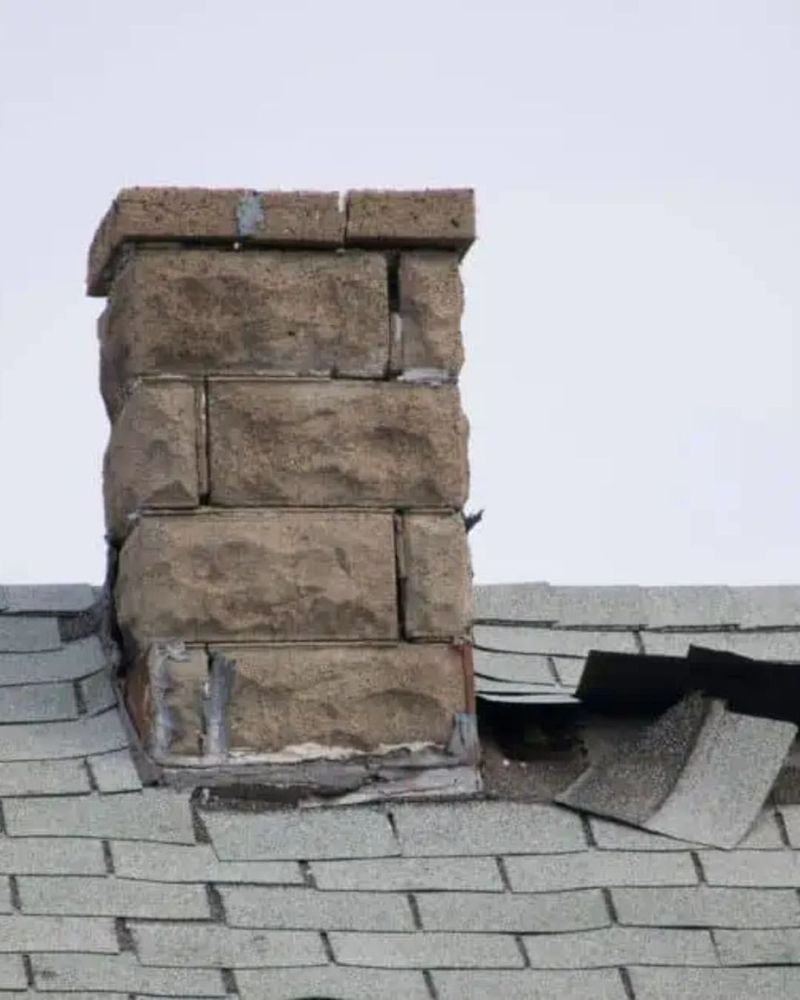
Chimneys develop cracks in mortar and bricks over time, and moisture entering these openings freezes during winter, expanding and causing structural damage that worsens rapidly.
Water leaking through damaged chimneys stains interior walls and ceilings, damages wood framing, and creates conditions where dangerous mold grows inside your home’s hidden spaces.
Creosote buildup inside chimneys becomes a serious fire hazard, especially when fireplaces are used frequently during cold Wisconsin winters without proper annual cleaning and inspection.
Chimney fires can spread to your home’s structure quickly, causing catastrophic damage and putting your family’s safety at serious risk during the coldest months.
Scheduling professional chimney inspections and cleanings each fall costs between one hundred fifty and three hundred dollars but prevents fires and expensive structural repairs down the line.
Installing chimney caps prevents animals from nesting inside and keeps rain and snow from entering, reducing moisture damage and protecting your investment throughout every season.
Repairing minor chimney damage immediately prevents small problems from becoming major reconstruction projects that cost tens of thousands of dollars and disrupt your home for weeks during repairs.