Costly Winter Exterior Mistakes Pennsylvania Homeowners Make (And How To Avoid Them)
Winter has a way of sneaking up on Pennsylvania homes, turning tiny exterior details into problems that feel much bigger once the cold fully settles in.
I’ve learned that many of the most expensive winter issues start with simple things homeowners didn’t think twice about before temperatures dropped.
The good news is that these mistakes are common, predictable, and far easier to prevent than to fix once winter is already in control.
1. Ignoring Gutter Cleaning Before Winter Arrives
Leaves pile up fast in autumn, and many Pennsylvania homeowners forget to clear their gutters before the first snowfall hits hard.
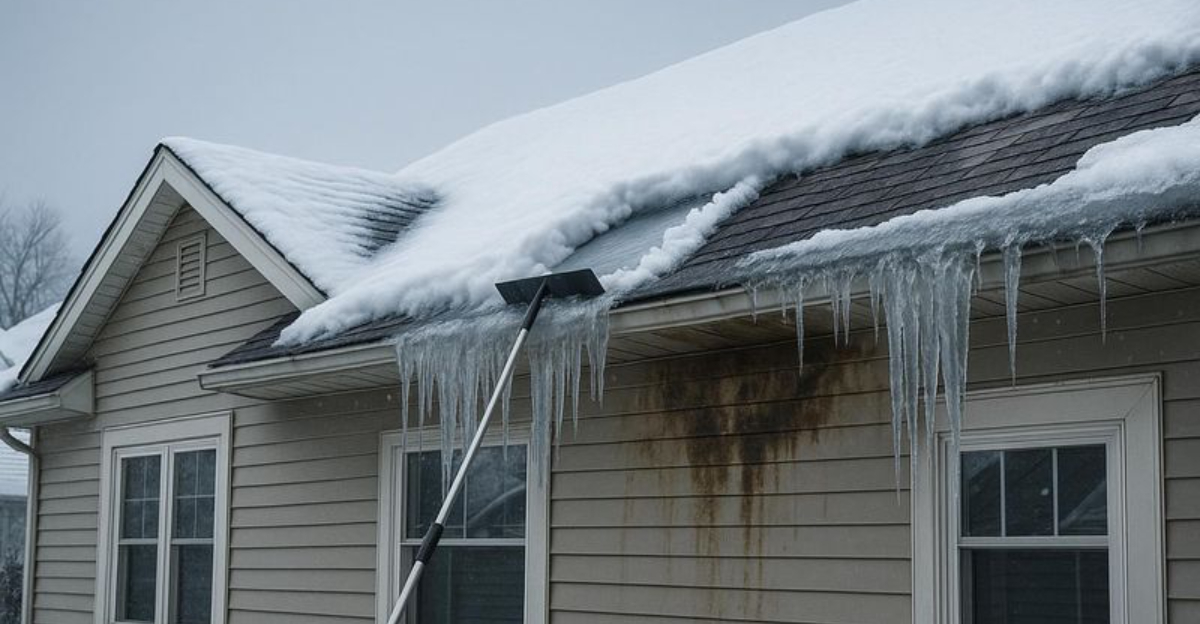
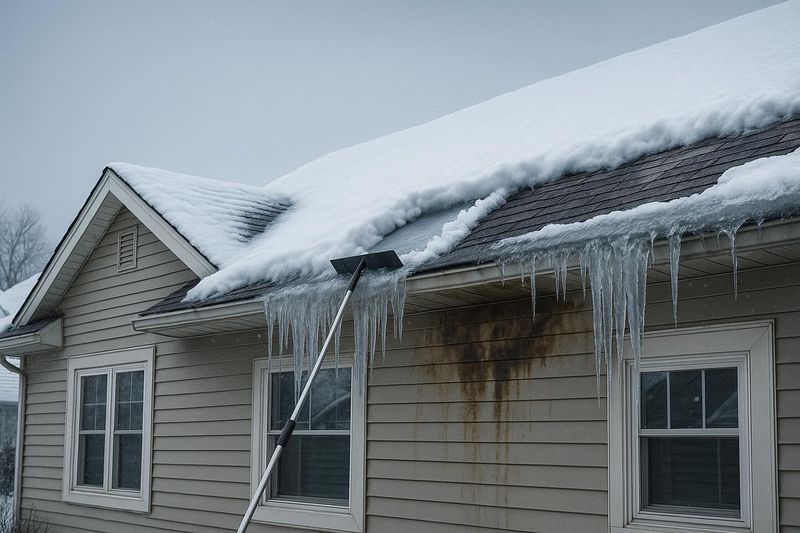
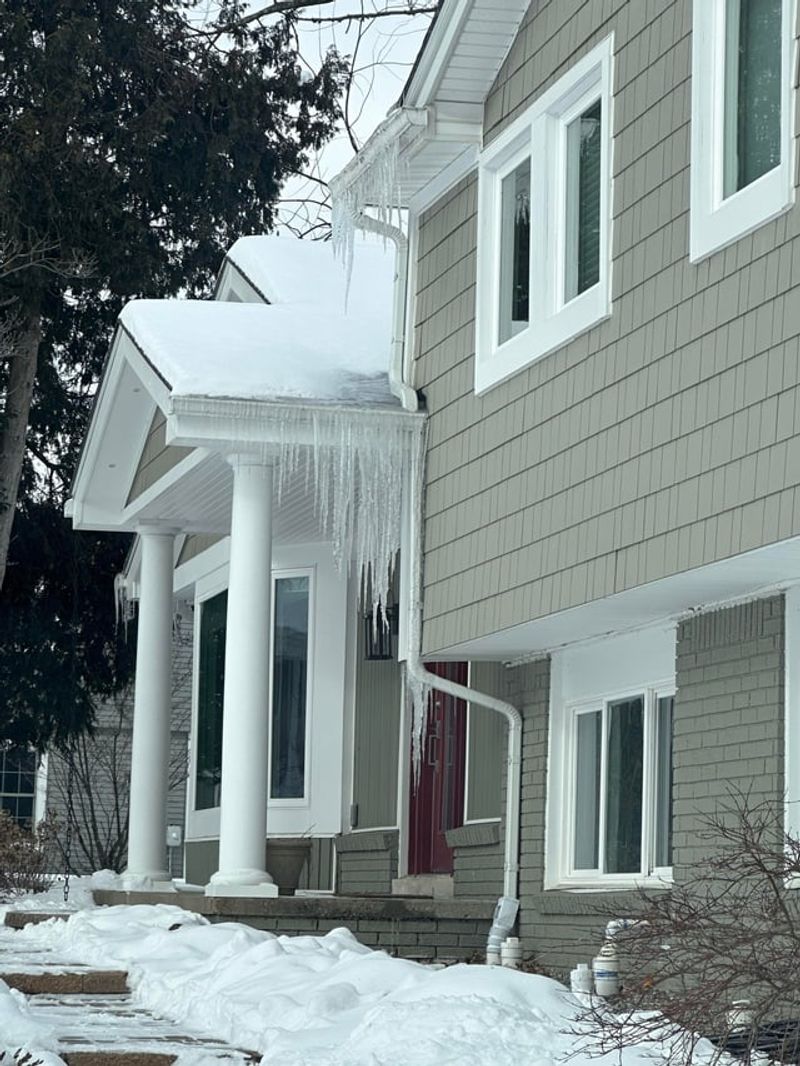
When gutters stay clogged, melting snow has nowhere to go and refreezes along the edges, creating dangerous ice dams quickly.
Ice dams push water under shingles, causing leaks that damage ceilings, walls, and insulation inside your home over time.
Cleaning gutters might seem like a boring chore, but it prevents thousands of dollars in water damage and roof repairs later.
You can do it yourself with a ladder and gloves, or hire a local professional to handle the job safely.
Make sure downspouts direct water at least five feet away from your foundation to prevent basement flooding during spring thaw.
Pennsylvania winters are tough, so taking this simple step in November can save you major headaches when temperatures drop below freezing.
Don’t wait until ice forms; clean those gutters early and check them again after the last leaves fall completely.
2. Skipping Roof Inspections and Repairs
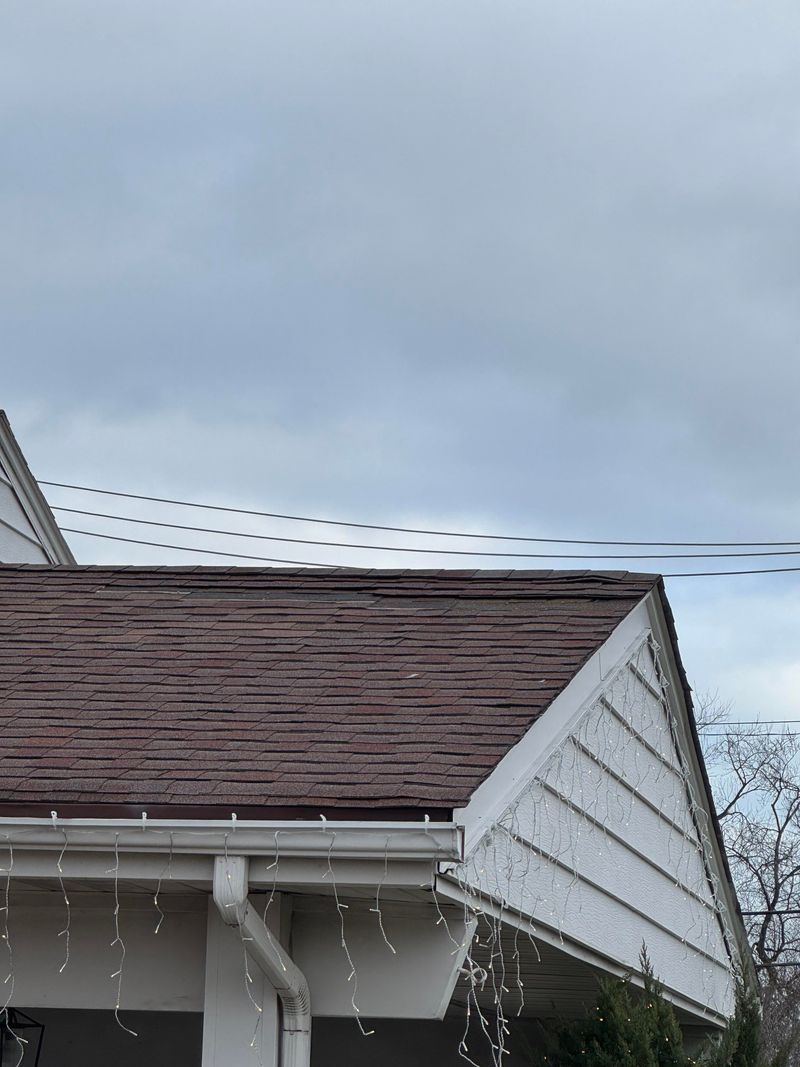
Your roof takes a beating from Pennsylvania’s harsh winter weather, and small problems can quickly turn into expensive disasters overnight.
Missing shingles, tiny cracks, or loose flashing allow snow and ice to seep underneath, rotting the wood structure beneath silently.
Most people never look up at their roofs until they notice water stains on the ceiling, which means damage already happened.
Scheduling a professional inspection in late fall helps you catch issues before winter storms arrive and make everything much worse.
Roofers can spot weak areas, replace damaged shingles, and seal vulnerable spots that you might miss from the ground below.
Waiting until spring might save money now, but emergency repairs during snowstorms cost double or triple the regular price always.
Pennsylvania homeowners who invest in fall roof maintenance avoid surprise leaks, mold growth, and structural damage throughout the cold season.
Think of it as insurance for your home’s most important protective layer against ice, snow, and freezing rain all winter.
3. Forgetting to Disconnect and Drain Outdoor Hoses
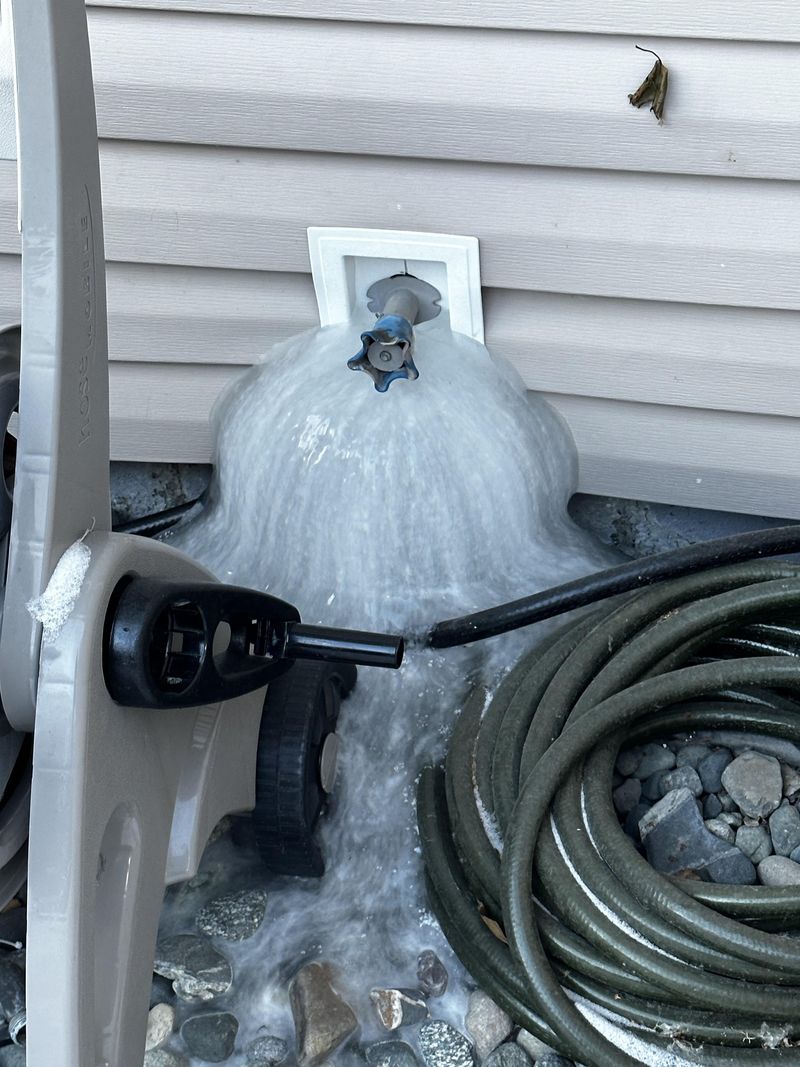
Leaving hoses attached to outdoor faucets seems harmless, but trapped water inside freezes and expands, cracking pipes and spigots easily.
When temperatures plunge below freezing in Pennsylvania, that ice can travel back into your walls, bursting interior pipes overnight.
Repairing burst pipes costs hundreds of dollars, plus you’ll deal with water damage, mold, and the hassle of emergency plumber visits.
Disconnecting hoses takes only five minutes: unhook them, drain all water out, and store them in your garage or shed.
After removing hoses, shut off the interior valve that controls outside faucets and open the outdoor tap to drain remaining water.
Some homeowners use insulated faucet covers for extra protection, which cost just a few dollars at any hardware store nearby.
Pennsylvania’s winter nights can drop to single digits, so this small task prevents big problems when the temperature drops suddenly.
Mark your calendar for early November to complete this chore before the first hard freeze arrives in your neighborhood unexpectedly.
4. Neglecting to Seal Cracks and Gaps
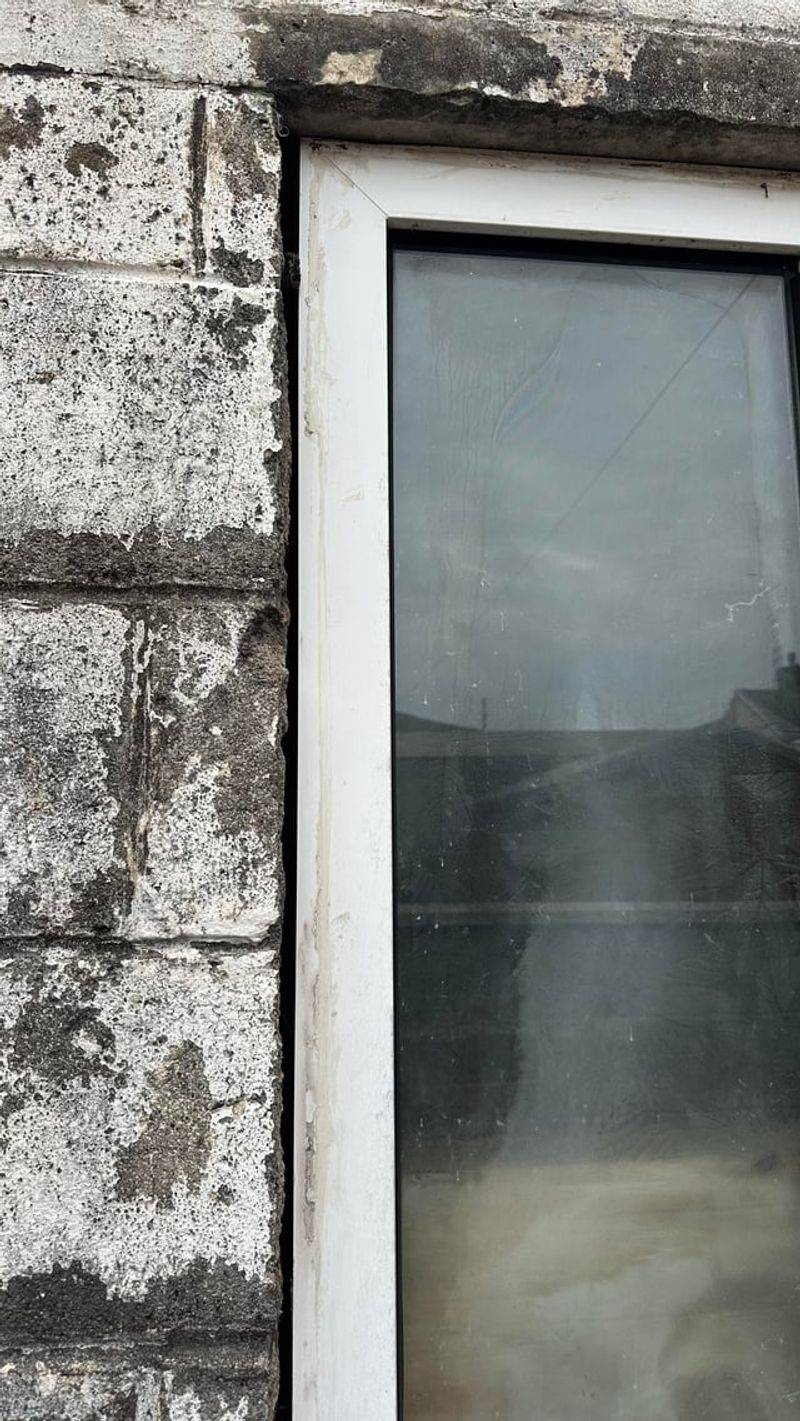
Tiny cracks around windows, doors, and siding might look harmless, but they let cold air sneak in and warm air escape constantly.
Pennsylvania homeowners lose serious money on heating bills when drafts flow through these small gaps all winter long without realizing it.
Water also seeps into cracks, freezes overnight, and expands, making the gaps wider and causing more damage with each freeze-thaw cycle.
Grab a tube of exterior caulk and spend an afternoon sealing every crack you find around your home’s exterior surfaces carefully.
Pay special attention to spots where different materials meet, like where siding touches window frames or door trim connects to brick.
Weatherstripping around doors and windows adds another layer of protection, keeping drafts out and your heating system running more efficiently.
This simple fix costs less than twenty dollars but can cut your heating bills by ten to fifteen percent throughout winter.
Pennsylvania’s fluctuating temperatures make sealing cracks essential, so check your home’s exterior every fall before cold weather settles in permanently.
5. Allowing Snow to Pile Up Against Your Foundation
Snowbanks look pretty against your house, but letting them pile up against the foundation spells trouble when spring thaw begins.
As snow melts in Pennsylvania’s warmer winter days, all that water soaks directly into your foundation walls and basement areas.
This constant moisture causes cracks, weakens concrete, and leads to basement flooding, mold growth, and structural damage over several seasons.
After shoveling your driveway and walkways, take a few extra minutes to clear snow at least three feet away from foundation.
Use a snow shovel or snow blower to push banks back from the house, creating a clear zone around your entire perimeter.
Don’t pile snow against basement windows either, as the weight can crack glass or push water through window wells directly.
Pennsylvania winters often bring heavy snowfall, so staying on top of snow removal protects your foundation from unnecessary moisture and pressure.
Think of it as protecting your home’s base; a strong foundation keeps everything above it safe, dry, and stable always.
6. Using Metal Shovels on Wooden Decks and Steps
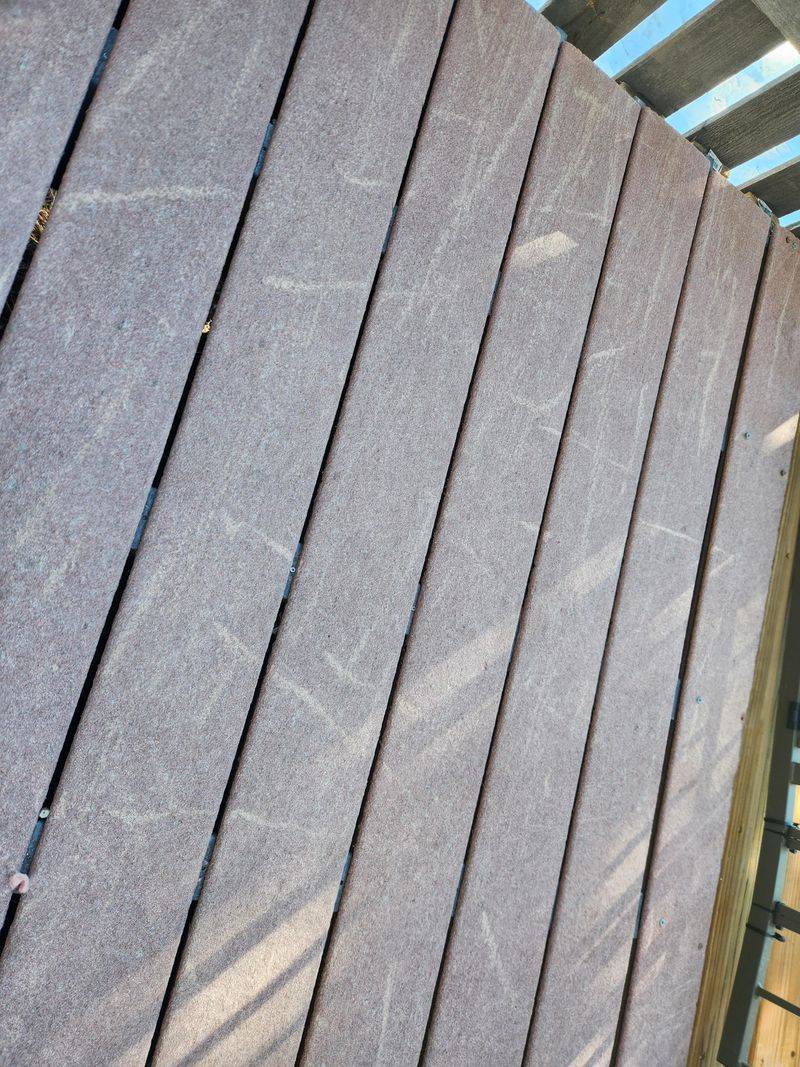
Metal shovels work great for driveways, but using them on wooden decks and steps gouges the surface, creating splinters and damage.
Pennsylvania homeowners often rush through snow removal without thinking about the tool they’re using, which causes unnecessary wear and tear.
Those scratches and gouges expose raw wood to moisture, leading to rot, warping, and expensive deck repairs or replacements eventually.
Switch to a plastic shovel when clearing decks, porches, and wooden stairs to protect the surface from scratches and dents.
Plastic shovels are lightweight, inexpensive, and still remove snow effectively without scraping away protective stains or sealants on wood surfaces.
You can also use a broom for light snow, which gently sweeps away powder without any risk of damaging anything.
Avoid using ice melt products with harsh chemicals on wood, as they can discolor and weaken the material over repeated applications.
Pennsylvania’s freeze-thaw cycles are tough enough on decks, so protect your investment by choosing the right tools for snow removal carefully.
7. Overlooking Tree Trimming Near the House
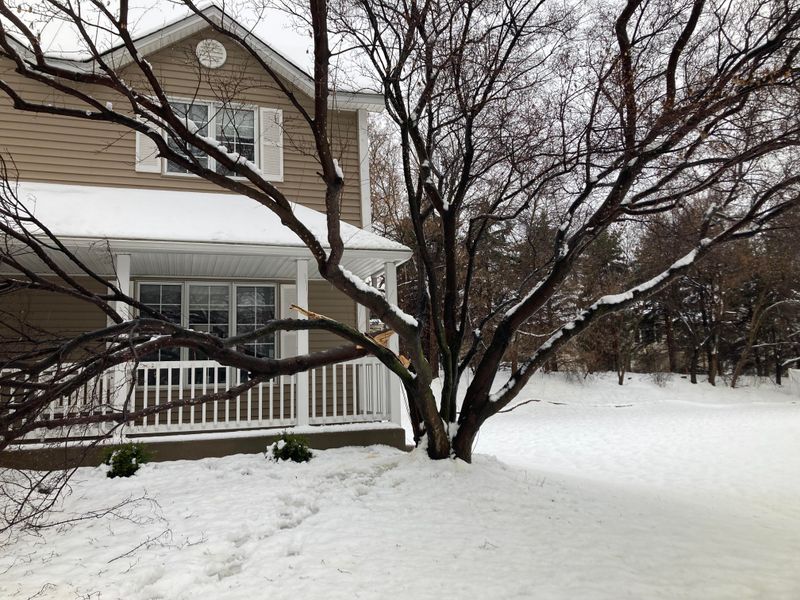
Dead or weak branches hanging over your roof become dangerous weapons during Pennsylvania’s winter ice storms and heavy snowfalls overnight.
Ice accumulation adds enormous weight to branches, causing them to snap and crash through roofs, siding, or windows without warning.
Even branches that don’t break can scrape against your roof during windy days, wearing away shingles and creating entry points.
Hire a tree service in late fall to trim back any branches within ten feet of your house, garage, or other structures.
Professionals have the right equipment and experience to safely remove heavy limbs without damaging your property or injuring anyone nearby.
Trimming trees also improves air circulation around your home, helping roofs dry faster after snowmelt and reducing ice dam formation significantly.
Pennsylvania’s winter storms can be unpredictable, so taking care of tree trimming early prevents emergency situations during the coldest months.
Don’t wait for a branch to fall; proactive trimming protects your home and gives you peace of mind all winter long.
8. Failing to Check and Maintain Exterior Lighting
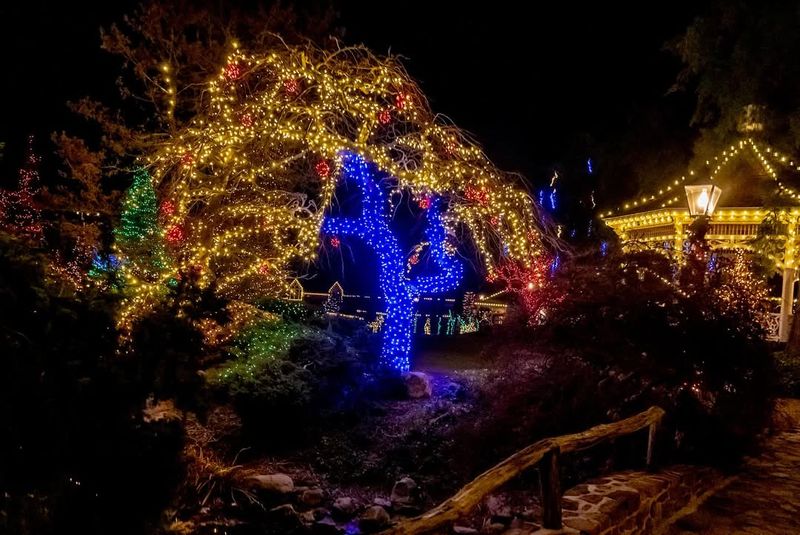
Winter means shorter days and longer nights, making exterior lighting crucial for safety around driveways, walkways, and entry points always.
Burned-out bulbs, loose fixtures, or damaged wiring leave Pennsylvania homeowners stumbling in the dark on icy steps and slippery sidewalks.
Falls on ice cause serious injuries, and poor lighting makes it harder to spot hazards like black ice or uneven surfaces.
Test all outdoor lights in early November, replacing bulbs and fixing any fixtures that flicker, buzz, or don’t work properly.
Consider upgrading to LED bulbs, which last longer, use less energy, and perform better in cold temperatures than traditional incandescent bulbs.
Motion-sensor lights add extra security and convenience, automatically illuminating pathways when you’re carrying groceries or taking out trash at night.
Pennsylvania’s winter darkness arrives early, so reliable exterior lighting keeps your family safe and helps prevent accidents on your property.
Don’t overlook this simple maintenance task; good lighting is your first line of defense against slips, trips, and falls all season.
9. Ignoring Proper Ventilation in Attics and Crawl Spaces
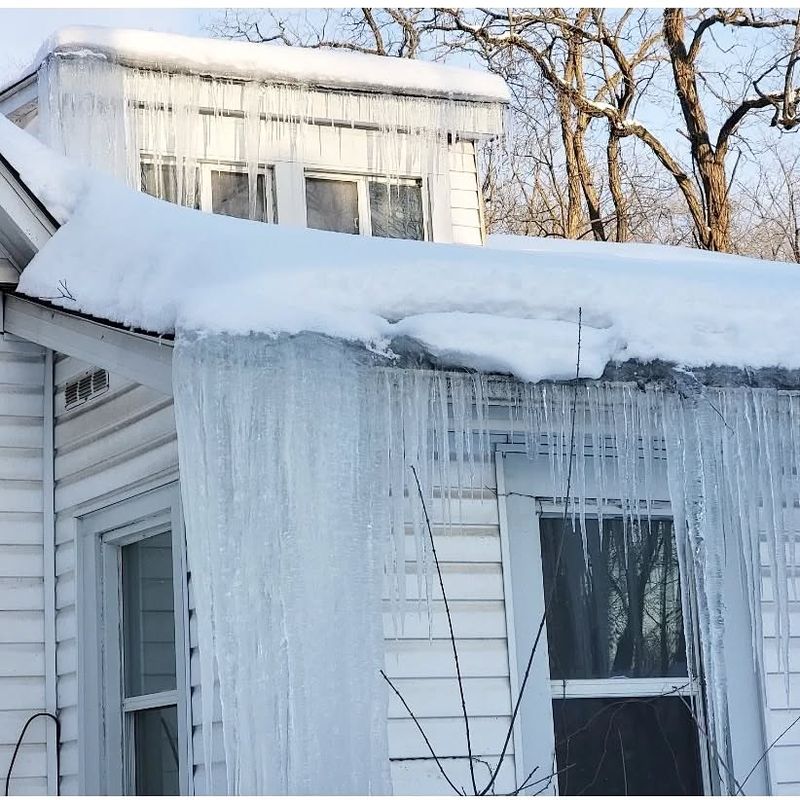
Proper ventilation in attics and crawl spaces might not seem important, but it prevents moisture buildup, ice dams, and structural damage.
Pennsylvania winters bring temperature extremes, and poor ventilation traps warm air in attics, melting snow on roofs unevenly and creating ice.
That melted snow refreezes at roof edges, forming ice dams that push water under shingles and into your home’s interior.
Moisture from daily activities like cooking and showering rises into attics, and without ventilation, it condenses and causes mold growth.
Check attic vents and soffit openings in fall to ensure they’re clear of insulation, debris, or nests that block airflow completely.
Installing ridge vents or additional soffit vents improves air circulation, keeping attic temperatures consistent and preventing ice dam formation naturally.
Crawl spaces also need ventilation to prevent moisture from rotting floor joists and creating unhealthy conditions under your Pennsylvania home.
Investing in proper ventilation protects your home’s structure, reduces energy costs, and extends the life of your roof significantly over time.