Cottage Garden Flowers That Bloom For Months In North Carolina
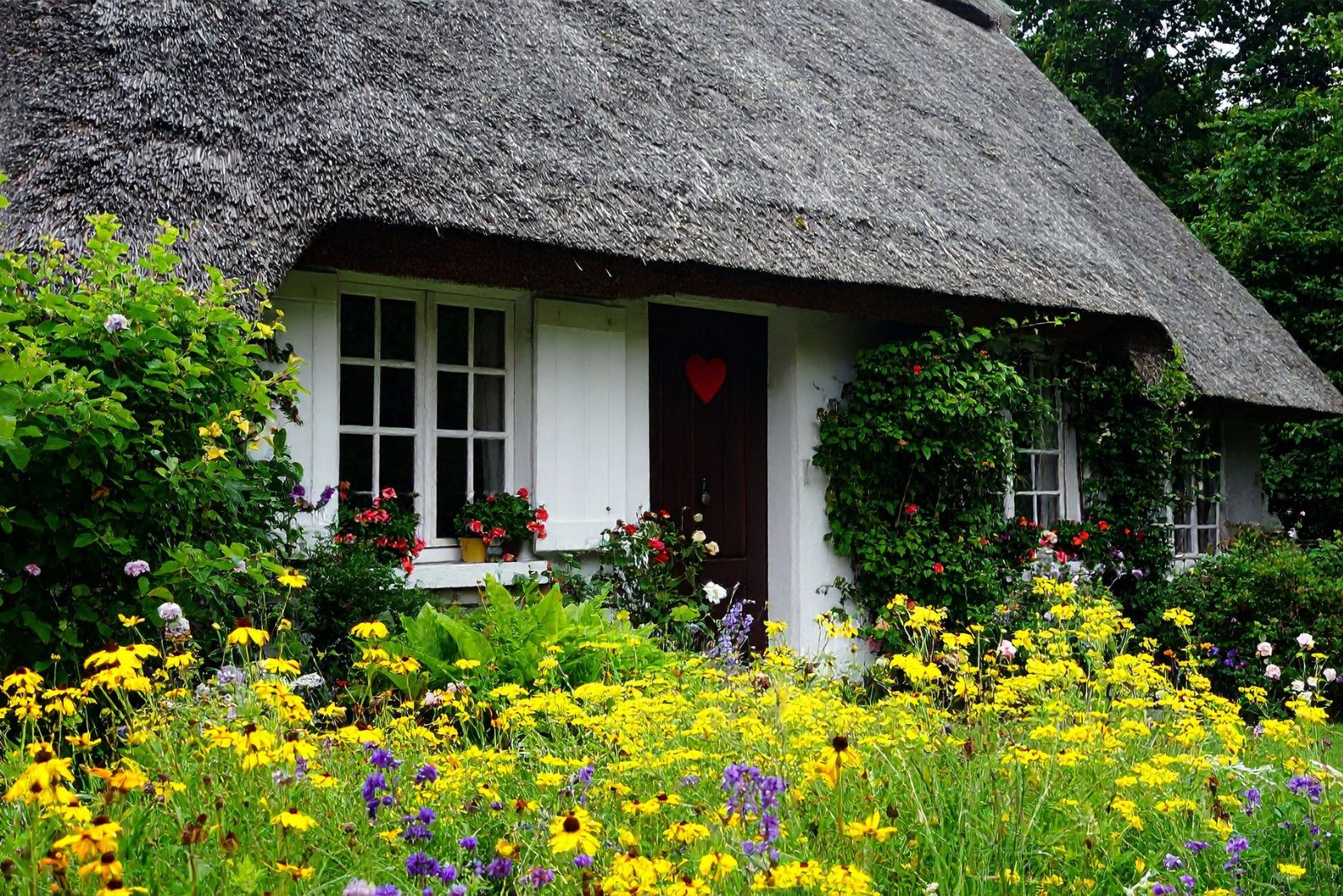
If you dream of a romantic, color-filled yard that looks straight out of a storybook, a cottage garden is the perfect fit for North Carolina. The charm comes from soft textures, overflowing blooms, and flowers that seem to grow happily together without strict rules.
Even better, many classic cottage garden favorites thrive in our warm climate and can keep blooming for months with very little fuss. Imagine waves of color, buzzing pollinators, and fresh-cut bouquets all season long.
The key is choosing long-blooming flowers that handle heat, humidity, and the occasional summer storm without fading fast.
Whether you are filling a small border or creating a full cottage-style bed, the right mix of plants can keep your garden lively from spring through fall.
Let’s take a look at beautiful cottage garden flowers that bloom for months in North Carolina and bring nonstop charm to your outdoor space.
1. Shasta Daisy (Leucanthemum × Superbum)
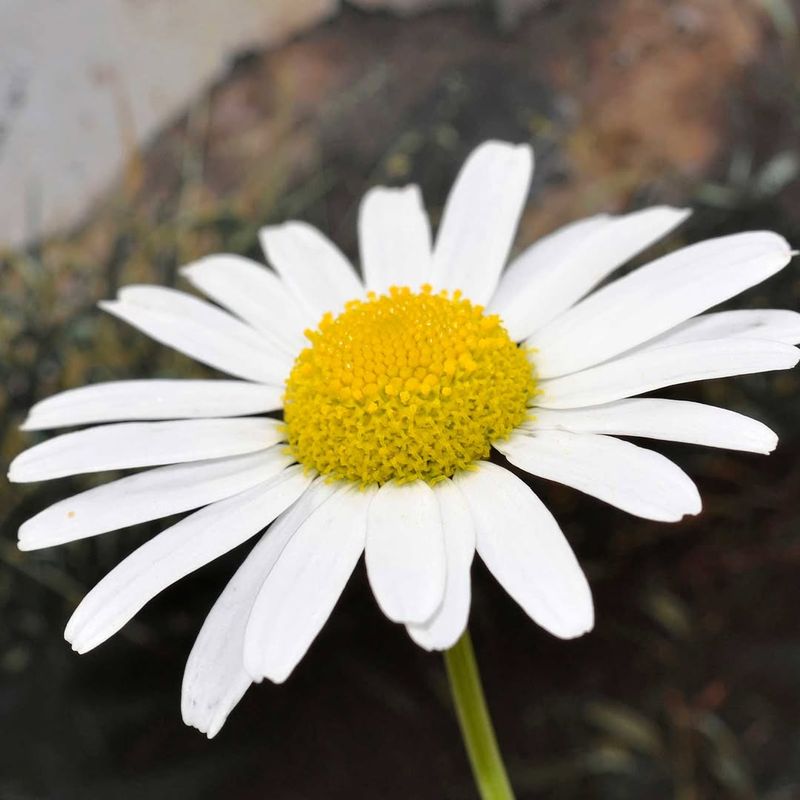
Picture a flower that looks like sunshine decided to wear a white skirt, and you’ve got the Shasta daisy. These cheerful perennials start their show in early summer and keep dancing through fall if you give them a little attention.
The white petals surrounding golden centers create that classic daisy look everyone recognizes and loves.
Growing Shasta daisies in North Carolina gardens is wonderfully straightforward. They appreciate full sun but can handle a bit of afternoon shade during our hottest months.
Well-drained soil keeps their roots happy, and once established, they’re fairly drought-tolerant. Regular watering during dry spells helps them produce more blooms.
The secret to months of continuous flowers is deadheading, which simply means snipping off faded blooms before they set seed.
This tricks the plant into making more flowers instead of focusing energy on seed production. Cut stems back to just above a set of leaves, and new buds will appear within weeks.
These daisies spread slowly to form nice clumps that you can divide every few years. They pair beautifully with purple coneflowers and black-eyed Susans, creating a classic cottage garden palette that pollinators adore.
2. Coneflower (Echinacea Purpurea)
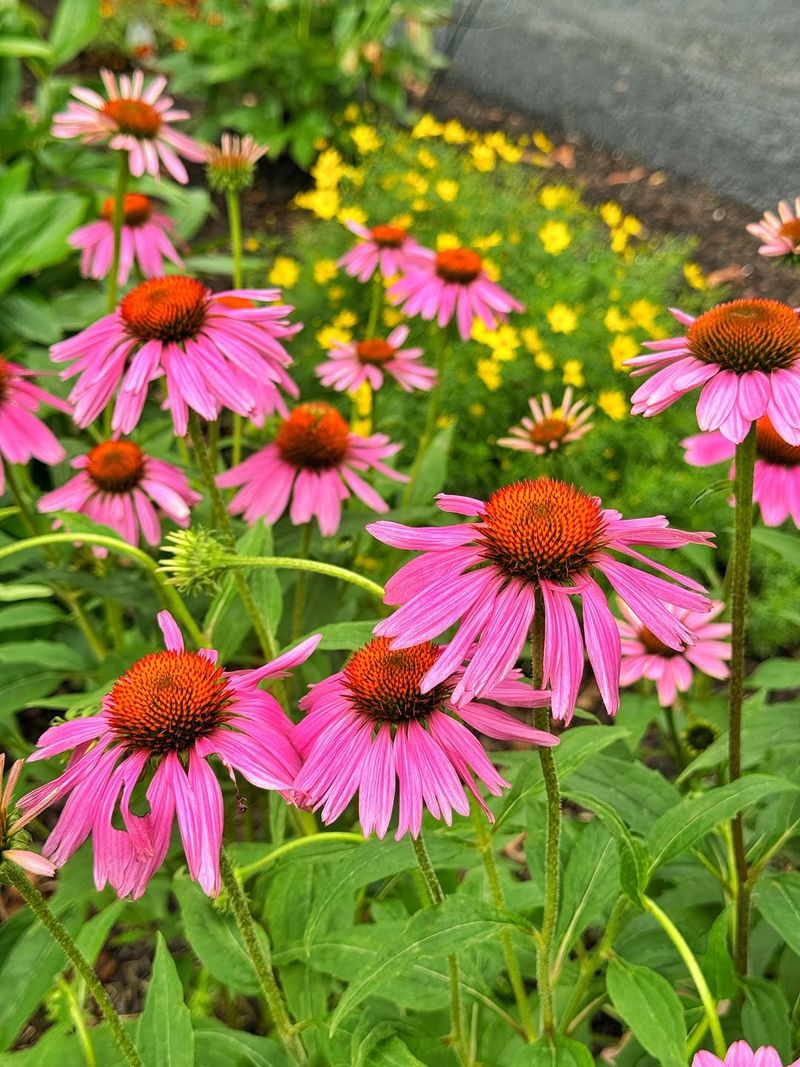
Native to our region, coneflowers bring that perfect combination of beauty and toughness that every gardener dreams about. Their distinctive spiky centers rise above pink-purple petals that seem to dance in the breeze.
Butterflies and bees treat these flowers like their favorite restaurant, visiting constantly from early summer until frost arrives.
What makes coneflowers exceptional for North Carolina is their natural adaptation to our climate. Hot, humid summers don’t faze them one bit.
They actually thrive in full sun and tolerate our occasional droughts once their roots dig deep into the soil. Clay or sandy conditions work fine as long as water doesn’t sit around the roots.
Blooming starts around June and continues through late fall without much fussing from you. Unlike some flowers that need constant deadheading, coneflowers keep producing whether you remove spent blooms or not.
That said, cutting back faded flowers does encourage fresh growth and extends the display even longer.
Leaving some seed heads standing in fall provides food for goldfinches and other songbirds during winter months. The dried cones add architectural interest to your garden when other plants have gone dormant, creating a lovely contrast against snow or frost.
3. Black-Eyed Susan (Rudbeckia Hirta)
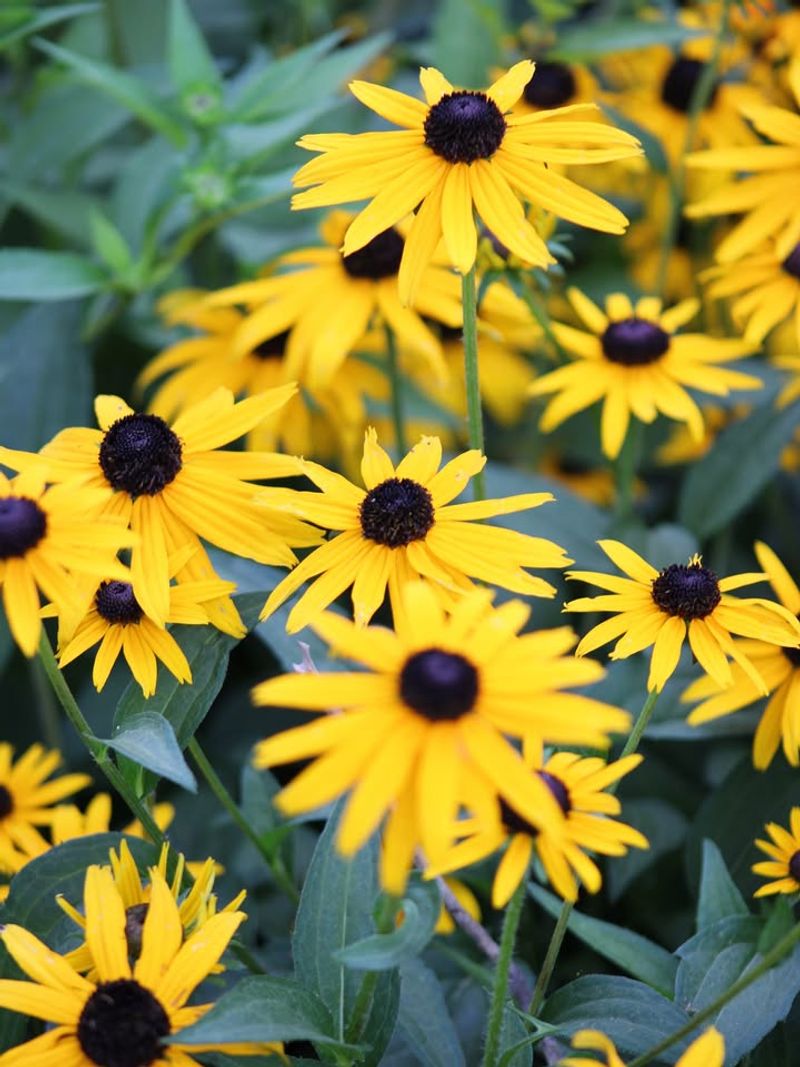
Golden petals radiating around chocolate-brown centers make black-eyed Susans instantly recognizable and endlessly cheerful. These native wildflowers bring the sunshine of a Carolina summer right into your garden beds.
Starting in mid-summer, they keep blooming until fall temperatures drop, creating waves of yellow that brighten even the hottest days.
Full sun is where these beauties shine brightest, though they’ll tolerate some light shade without complaining too much. North Carolina’s heat doesn’t bother them at all since they evolved right here in the Southeast.
Average garden soil suits them perfectly, and they actually prefer conditions on the drier side once established.
One of the best things about black-eyed Susans is their carefree nature. They self-sow readily, popping up in new spots each year and filling gaps you didn’t even know needed filling.
If you prefer more control, deadhead spent flowers before seeds mature. Otherwise, let nature take its course and enjoy the volunteers next season.
These flowers combine beautifully with ornamental grasses for a meadow-like effect. Their sturdy stems hold up well in summer storms, and the blooms make excellent cut flowers that last over a week in vases, bringing that cottage garden charm indoors.
4. Coreopsis (Coreopsis Spp.)
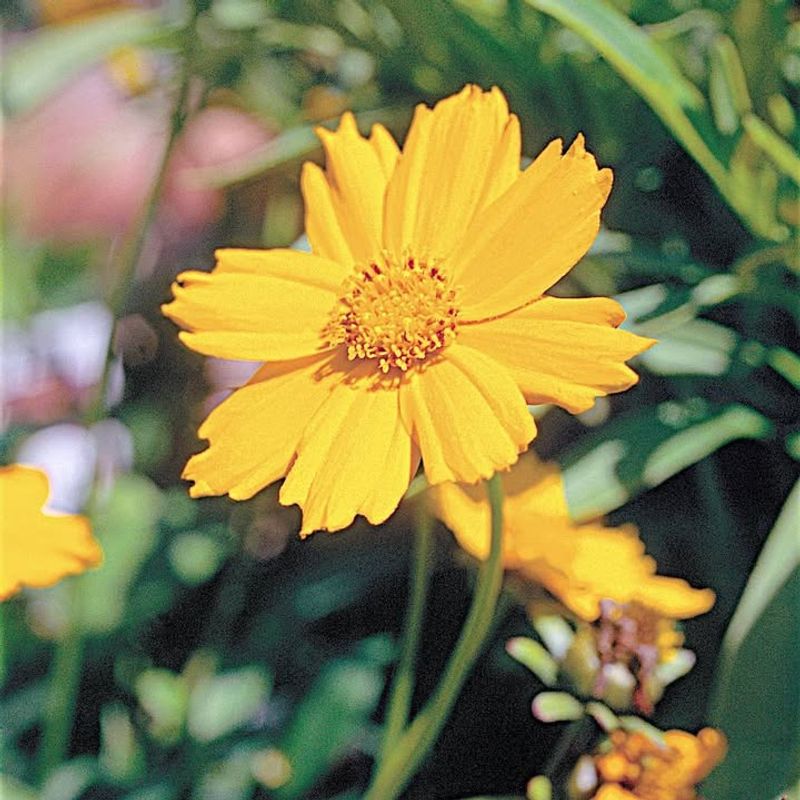
Cheerful doesn’t even begin to describe coreopsis when it blankets your garden in yellow or pink blooms. These daisy-like flowers start their performance in late spring and continue through summer, especially when you encourage them with a bit of deadheading.
Their delicate appearance belies a tough constitution perfectly suited to North Carolina growing conditions.
Several varieties thrive here, from threadleaf types with fine, feathery foliage to larger-flowered cultivars with bold petals. All of them love our abundant sunshine and handle heat with remarkable grace.
Poor to average soil actually produces better results than rich, fertilized beds, which can make plants grow too tall and floppy.
Cutting back faded flowers extends the blooming season significantly, sometimes pushing color into early fall. Use garden shears to trim stems back by about a third when the first flush of blooms fades.
This encourages branching and a second wave of flowers that often rivals the first display. Coreopsis spreads gradually to form nice colonies without becoming aggressive. The threadleaf varieties stay compact and work wonderfully along path edges or in containers.
Butterflies and small bees visit constantly, making these plants valuable additions to pollinator-friendly landscapes throughout our state.
5. Lavender (Lavandula Angustifolia)
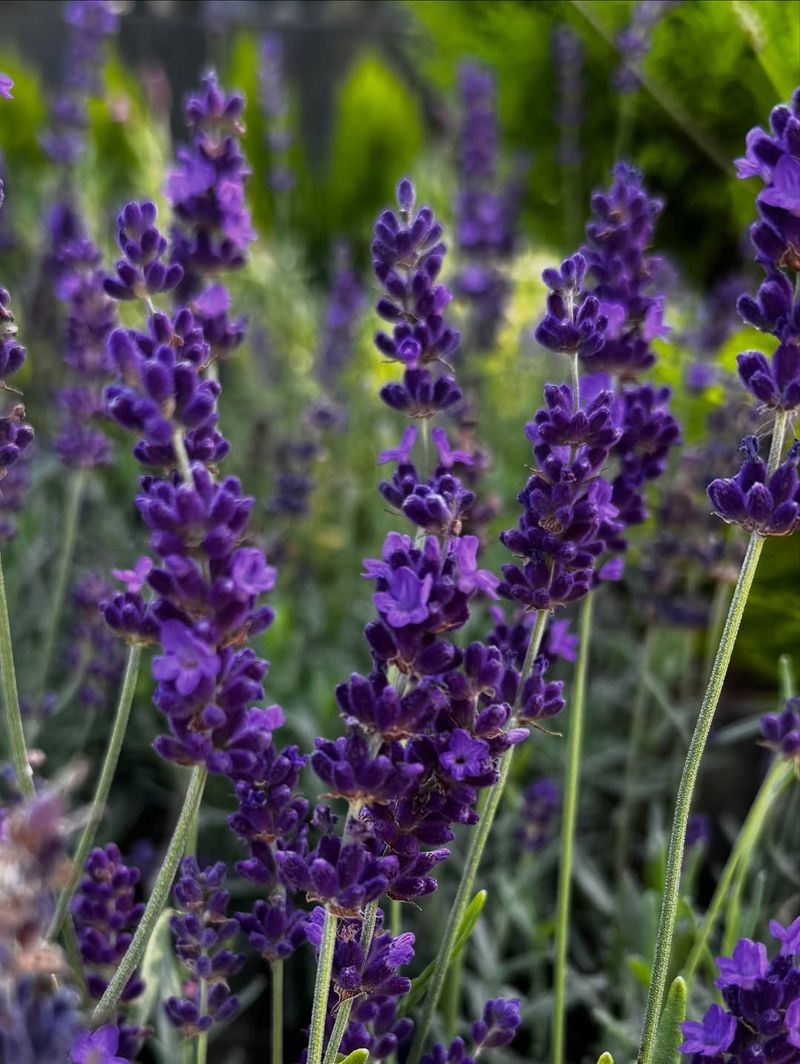
Walking past blooming lavender on a warm evening releases waves of fragrance that instantly transport you to a peaceful garden retreat. Those iconic purple flower spikes appear from late spring into summer, attracting bees with their nectar-rich blooms.
The silvery-green foliage stays attractive year-round, providing structure even when flowers have faded.
Growing lavender successfully in North Carolina requires attention to drainage since our humid summers can challenge these Mediterranean natives. Raised beds or sloped areas work beautifully, allowing excess moisture to drain away from the roots.
Sandy or amended clay soil mixed with gravel creates ideal conditions. Full sun is absolutely essential for healthy growth and abundant flowering.
Once established after the first season, lavender becomes remarkably drought-tolerant and actually prefers dry conditions over frequent watering. Overwatering causes more problems than underwatering ever will.
A light trim after the main bloom period encourages a second, smaller flush of flowers and keeps plants compact rather than woody.
Harvest flower stems just as buds begin opening for the strongest fragrance in dried arrangements. The flowers also make wonderful additions to sachets, soaps, and culinary creations.
Butterflies love visiting lavender almost as much as bees do, making it a pollinator magnet throughout its blooming season.
6. Phlox (Phlox Paniculata)
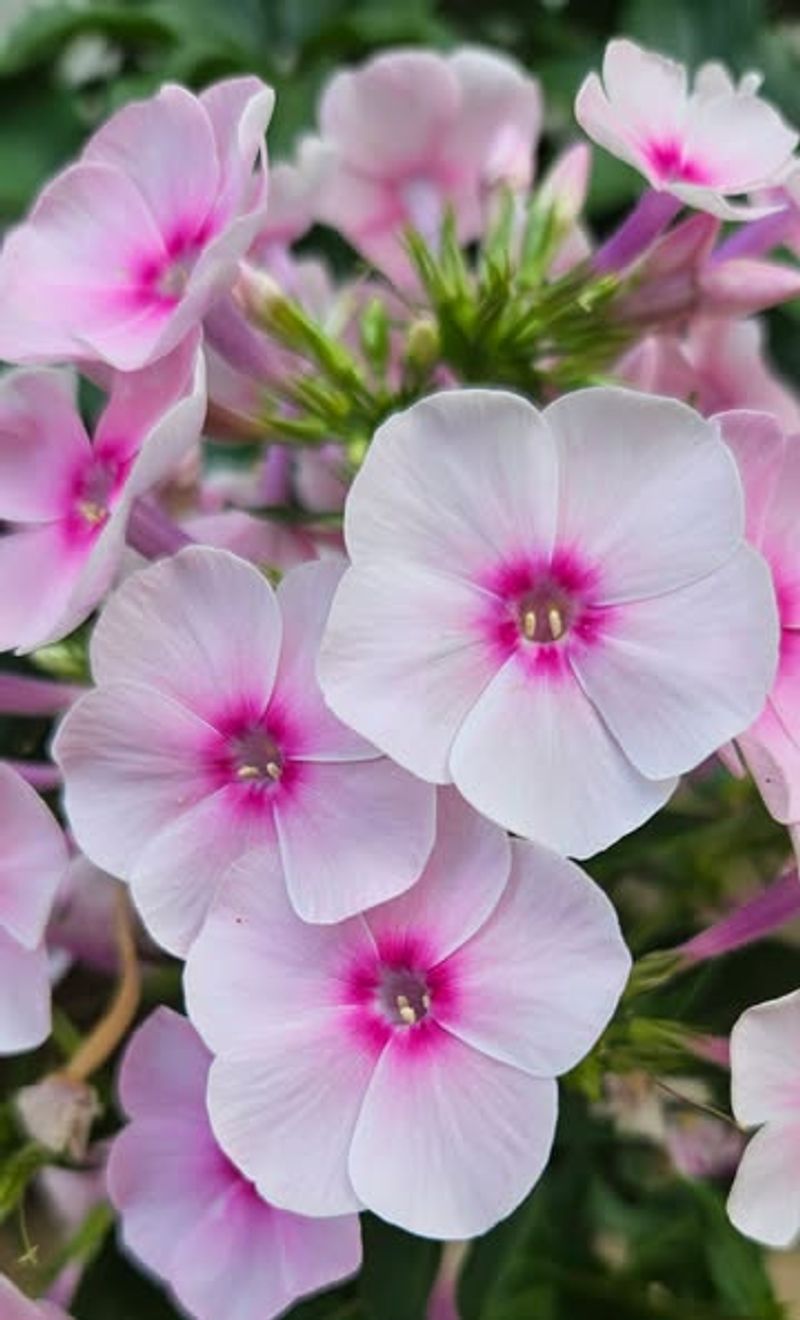
Few flowers match the romantic appeal of garden phlox with its sweetly scented clusters rising on tall stems. Colors range from pure white through shades of pink, lavender, and deep purple, often with contrasting centers that add extra interest.
Blooming begins in mid-summer and continues through fall when you remove spent flower heads regularly.
North Carolina’s summer humidity can encourage powdery mildew on phlox foliage, but choosing resistant varieties and providing good air circulation minimizes this issue. Plant them where air moves freely rather than in cramped, crowded spots.
Morning sun with some afternoon shade works better than all-day intense sun in our hottest regions.
Consistent moisture keeps phlox blooming strongly throughout the season. Mulching around plants helps retain soil moisture while keeping roots cooler during heat waves.
Water at the base rather than overhead to keep foliage dry and reduce disease problems. Rich soil with organic matter produces the most impressive flower displays.
Deadheading makes a real difference with phlox, encouraging new flower clusters to form on side shoots. Cut stems back to just above a set of leaves when the main flower cluster fades.
Butterflies and hummingbirds visit these fragrant blooms constantly, creating a lively scene in your garden throughout summer and into autumn.
7. Salvia (Salvia Nemorosa)
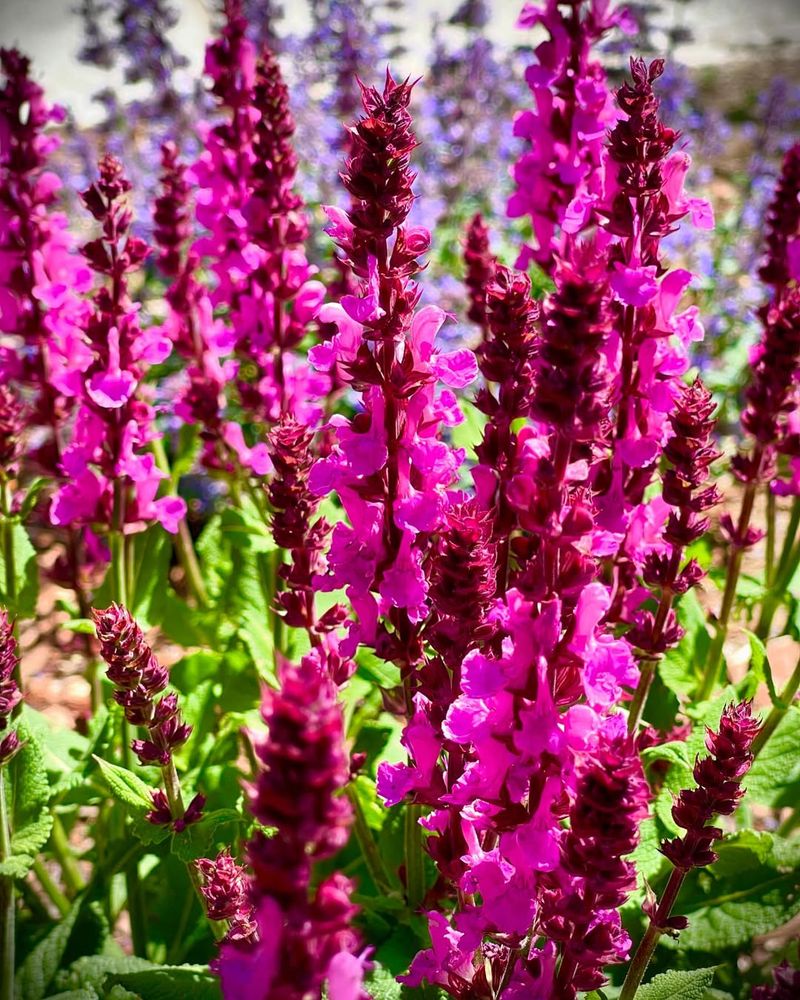
Vertical flower spikes in shades of purple, blue, or red create dramatic accents that draw the eye upward through your garden design. Salvia begins its blooming cycle in early summer and keeps producing flowers into fall with minimal care.
The tubular blooms attract hummingbirds, butterflies, and bees like magnets, creating constant motion and activity among the flowers.
Heat tolerance makes salvia particularly well-suited to North Carolina summers. Full sun brings out the best flower production, though plants appreciate a bit of afternoon shade in the hottest parts of our state.
Average garden soil works fine as long as drainage is decent. Once established, salvia handles dry periods without wilting or sulking.
Cutting back the first flush of flowers by about half encourages branching and a second wave of blooms that extends the season considerably. This might seem drastic, but salvia responds enthusiastically to this treatment.
New growth emerges quickly, topped with fresh flower spikes within a few weeks.
The foliage carries a pleasant fragrance when brushed or crushed, adding another sensory dimension to your garden experience. Deer typically avoid salvia, making it valuable in areas where browsing creates challenges.
Pairing salvia with rounded flower forms like coneflowers creates pleasing contrasts in both shape and texture throughout the growing season.
8. Daylilies (Hemerocallis Spp.)
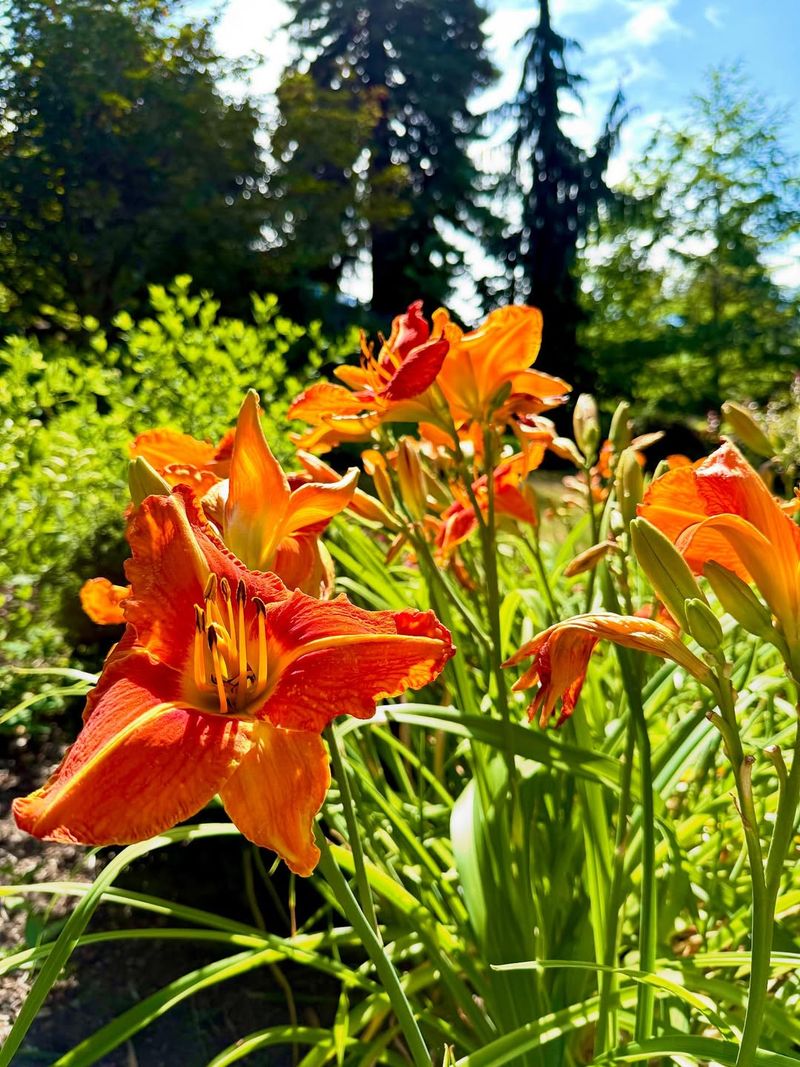
Each trumpet-shaped bloom lasts just one day, giving daylilies their common name, but the show goes on for weeks because each stem produces multiple buds. Colors span the rainbow from pale yellow through orange, red, purple, and nearly every shade in between.
Blooming times vary by variety, but many provide continuous color throughout summer with overlapping bloom periods.
Adaptability makes daylilies nearly foolproof in North Carolina gardens. They grow in full sun or partial shade, though flowering is heaviest with at least six hours of direct sunlight.
Clay soil, sandy soil, or anything in between works fine. Wet areas or dry slopes both suit these tough perennials that seem to thrive on neglect.
Removing spent flowers keeps plants looking tidy and prevents energy from going into seed production, though this doesn’t significantly extend blooming like it does with some other flowers. The real trick to months of color is planting multiple varieties with staggered bloom times.
Early, midseason, and late bloomers planted together create a succession of flowers from late spring through summer.
Clumps expand steadily and can be divided every few years to create more plants or control their spread.
The foliage stays attractive even when flowers aren’t present, forming graceful fountains of green that add texture to garden beds throughout the growing season.
9. Gaura (Oenothera Lindheimeri)
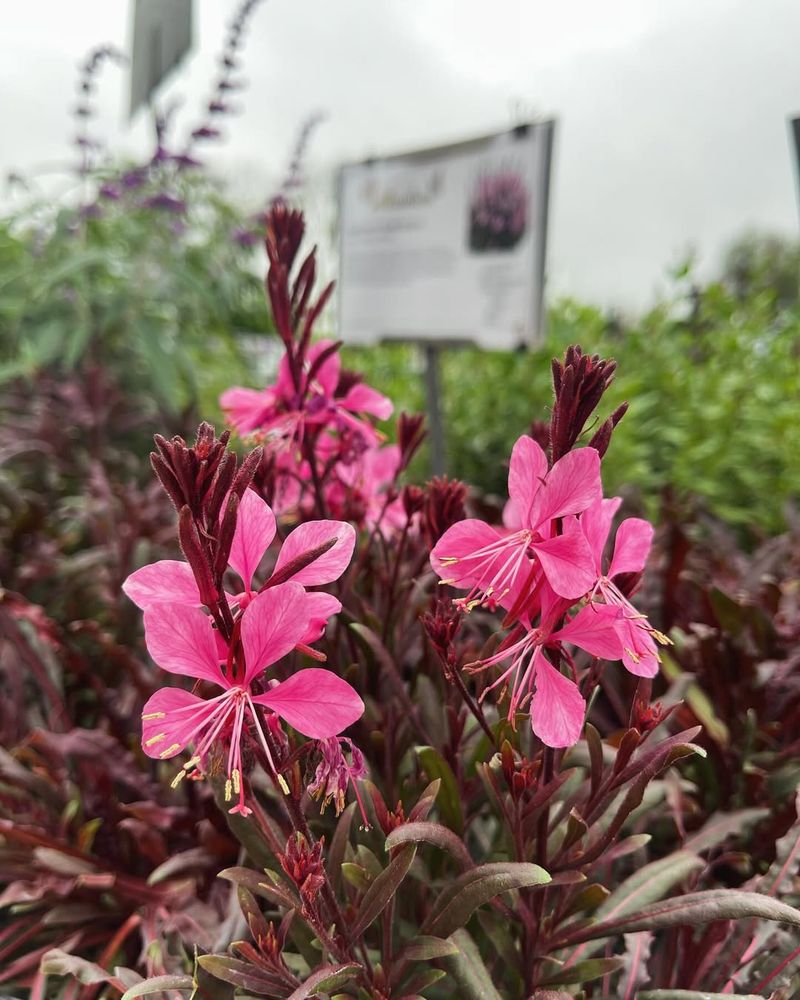
Delicate flowers that resemble tiny butterflies flutter on tall, wiry stems that sway gracefully with every breeze. Gaura brings an airy, romantic quality to cottage gardens that heavier flowers can’t match.
The blooms appear from late spring and continue through fall without pause, creating a soft cloud of pink or white that never looks messy or overgrown.
Heat and humidity don’t faze gaura one bit, making it perfectly adapted to North Carolina’s challenging summer conditions. Full sun produces the most flowers, though plants tolerate light shade reasonably well.
Poor to average soil actually works better than rich, heavily fertilized conditions that encourage floppy growth. Excellent drainage is the key requirement for long-term success.
Once established, gaura becomes remarkably drought-tolerant and actually prefers being on the dry side. Overwatering causes more harm than good with this tough perennial.
The plant essentially takes care of itself, continuously producing new flowers without any deadheading required. Old flowers drop cleanly, keeping the plant looking fresh automatically.
Gaura works beautifully in mixed borders where its see-through quality allows you to look through it to plants behind. The movement it adds to the garden creates a dynamic, living feel that static plants can’t provide.
Butterflies visit regularly, and the long bloom season makes gaura a valuable nectar source throughout summer and fall.
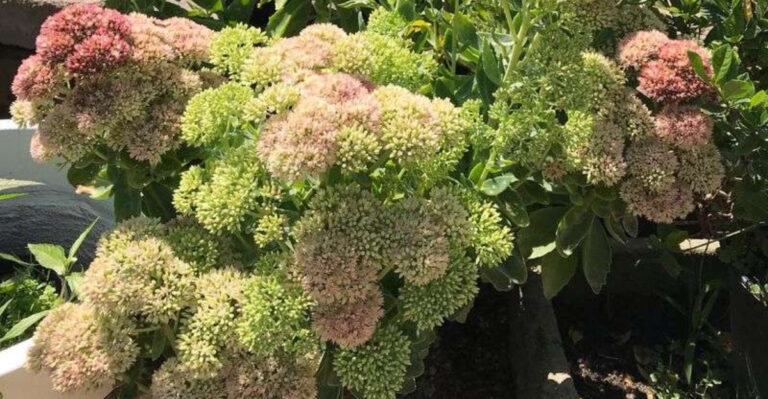
10. Sedum (Sedum ‘Autumn Joy’)
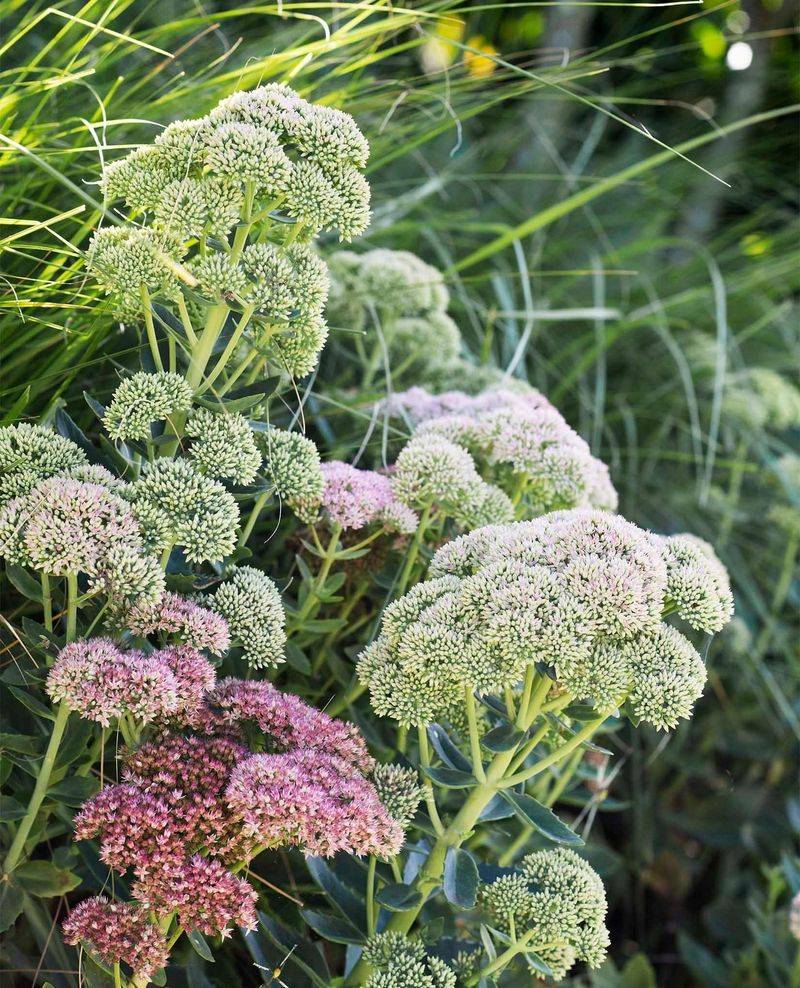
Thick, succulent leaves form attractive mounds of blue-green foliage that look good from spring through winter.
Flower buds develop slowly through summer, creating anticipation for the late-season show when flat-topped clusters open in shades of pink that deepen to copper and rust as fall progresses.
This extended color change means sedum remains interesting for months, not just weeks. Drought tolerance is where sedum really shines, making it perfect for North Carolina gardens during our occasional dry spells.
Those fleshy leaves store water like tiny reservoirs, allowing plants to sail through heat and drought without wilting.
Full sun brings out the best growth and flowering, though sedum tolerates some shade. Any well-drained soil works, including poor, rocky conditions that challenge other plants.
Maintenance barely exists with sedum. No deadheading, no staking, no fussing required.
The flowers age gracefully into dried seed heads that look beautiful through winter, especially when frosted or dusted with snow. Many gardeners leave them standing until spring for winter interest and to provide seeds for birds.
Butterflies and bees absolutely mob sedum flowers when they bloom in late summer and fall, providing crucial nectar when many other flowers have finished.
The sturdy stems never flop, even during heavy rain or wind, maintaining a neat appearance without support throughout the entire growing season.