10 Cottage-Style Plants Ideal For Washington State Gardens
Washington gardens come alive when cottage-style plants take center stage.
Soft blooms, wandering vines, and old-fashioned charm blend with misty mornings and cool breezes as if made for the landscape.
These plants bring a storybook feel, filling beds with color and texture that shift through the seasons.
They handle rain, shade, and coastal air with ease, creating a garden that feels cozy, welcoming, and full of life.
With their timeless appeal and easygoing nature, cottage favorites can turn any Washington yard into a scene straight out of a country daydream.
1. Foxglove
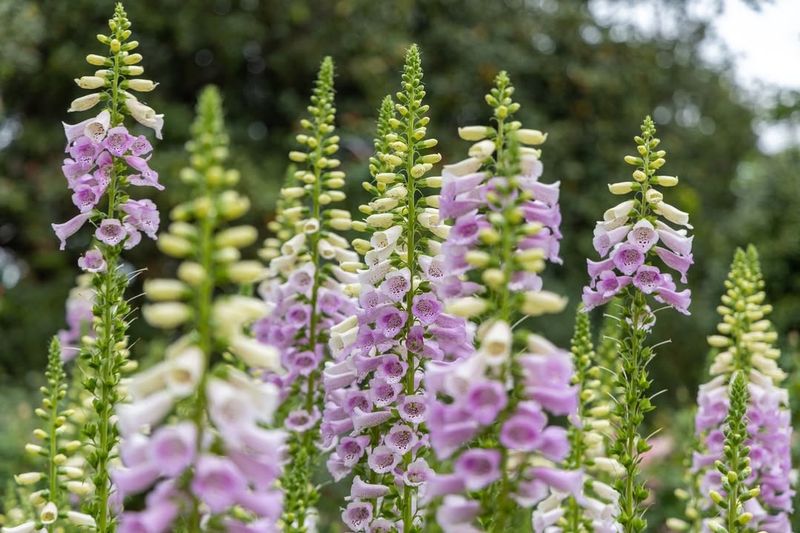
Towering spikes of tubular blooms make foxglove an absolute showstopper in any Washington garden.
These biennial beauties produce dramatic flower stalks that can reach heights of four to six feet, creating stunning vertical interest among lower-growing plants.
Their bell-shaped flowers come in shades of purple, pink, white, and even peachy yellow, often decorated with charming spotted throats that seem to invite pollinators inside.
Washington’s climate suits foxglove perfectly since they prefer cooler temperatures and partial shade, especially during afternoon hours.
Plant them in spring or fall, and they’ll develop strong root systems before sending up their magnificent flower spikes the following season.
These plants self-seed readily, so you’ll often find new volunteers popping up in unexpected spots, adding to that spontaneous cottage garden feel.
Place foxglove toward the back of borders where their height won’t overshadow smaller companions.
They pair wonderfully with ferns, hostas, and astilbe in shadier spots, or combine them with roses and delphiniums in sunnier locations.
Remember that all parts of foxglove are toxic, so plant them away from areas where children and pets frequently play.
2. Lavender
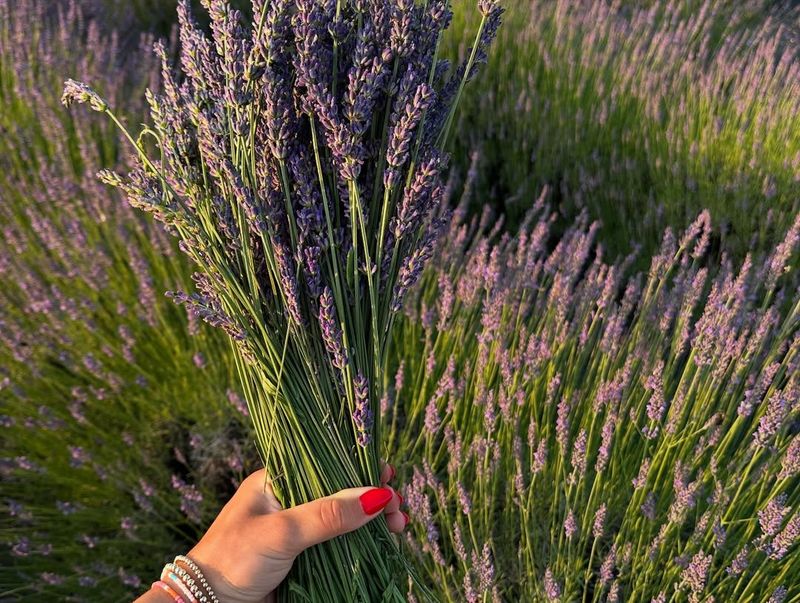
Few plants capture the essence of cottage gardens quite like lavender with its silvery foliage and intensely fragrant purple blooms.
English lavender varieties perform exceptionally well in Washington State, particularly in areas with good drainage and plenty of sunshine.
The aromatic flowers attract bees and butterflies throughout summer, filling your garden with both visual beauty and delightful buzzing activity.
Growing lavender successfully in Washington requires attention to drainage since these Mediterranean natives dislike wet feet during winter months.
Amend heavy clay soil with gravel or sand, or consider planting lavender in raised beds where excess moisture drains away quickly.
Once established, lavender becomes quite drought-tolerant, making it perfect for water-wise gardening approaches that are becoming increasingly important in the Pacific Northwest.
Harvest lavender stems just as the flowers begin opening for the strongest fragrance, then dry them for sachets, wreaths, or culinary uses.
Plant lavender along pathways where brushing against the foliage releases its calming scent, or create low hedges that define garden spaces.
Pruning plants lightly after flowering helps maintain compact, bushy shapes that look tidy throughout the year.
3. Climbing Roses
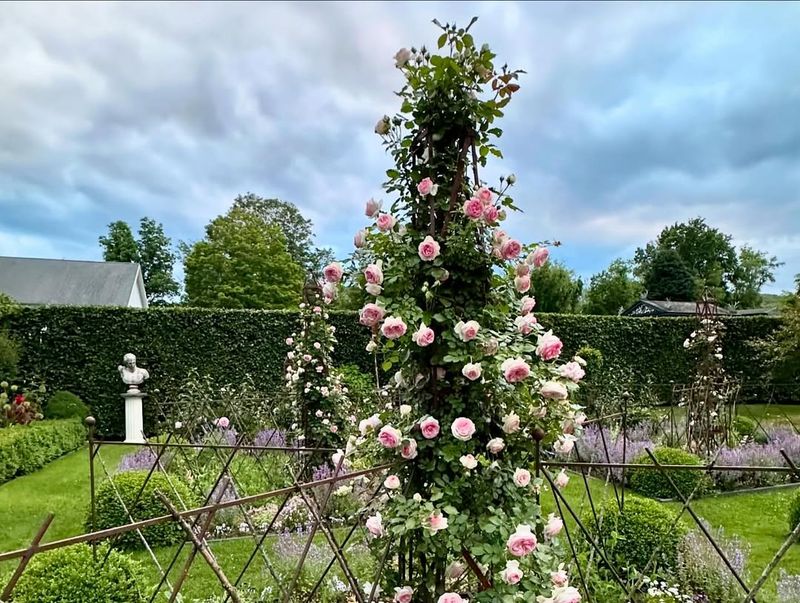
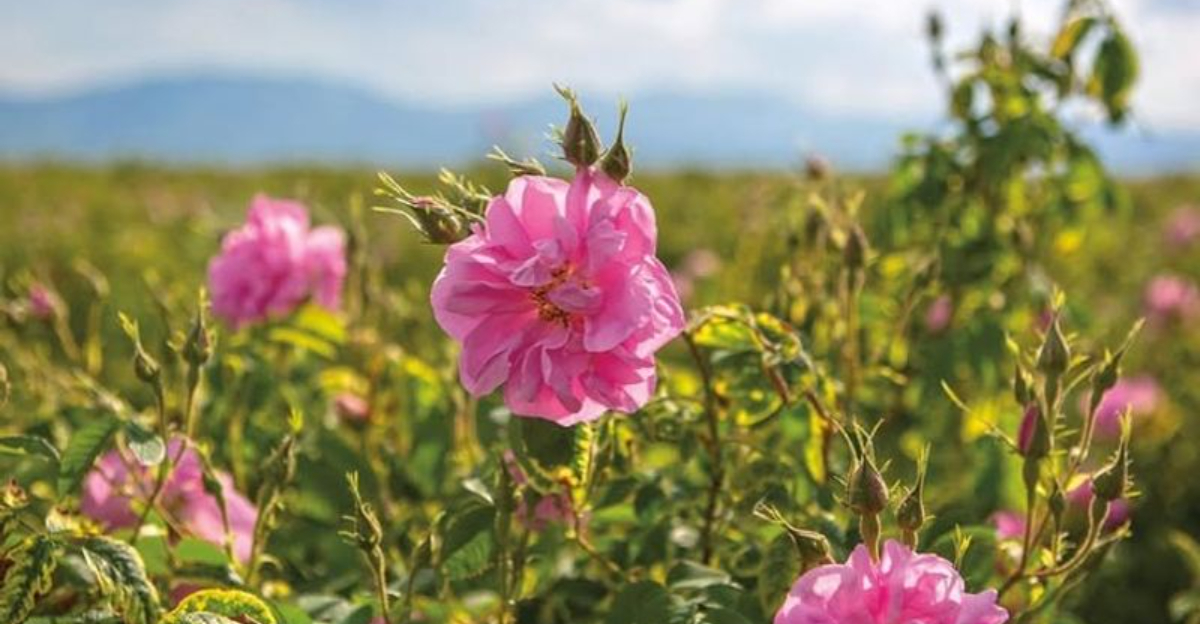
Nothing says cottage garden quite like roses climbing over arbors, fences, and garden walls.
Washington’s moderate climate allows many climbing rose varieties to flourish, producing armfuls of blooms from late spring through fall.
Choose disease-resistant cultivars that handle the region’s occasional dampness without developing troublesome black spot or powdery mildew issues that plague more sensitive varieties.
Training climbing roses requires patience and regular attention during their first few years.
Secure main canes horizontally whenever possible, which encourages the plant to produce more flowering side shoots along the entire length rather than just at the tips.
Washington gardeners should provide climbing roses with at least six hours of daily sunlight and ensure good air circulation around the plants to minimize fungal problems.
Popular choices for Pacific Northwest gardens include ‘New Dawn’ with its pale pink blooms and incredible vigor, and ‘Zephirine Drouhin’, a thornless variety with cerise-pink flowers and wonderful fragrance.
Pair climbing roses with clematis vines for extended bloom seasons, or underplant them with catmint and geraniums that help fill space while roses develop their framework.
Regular deadheading keeps plants producing fresh flowers throughout the growing season.
4. Delphinium
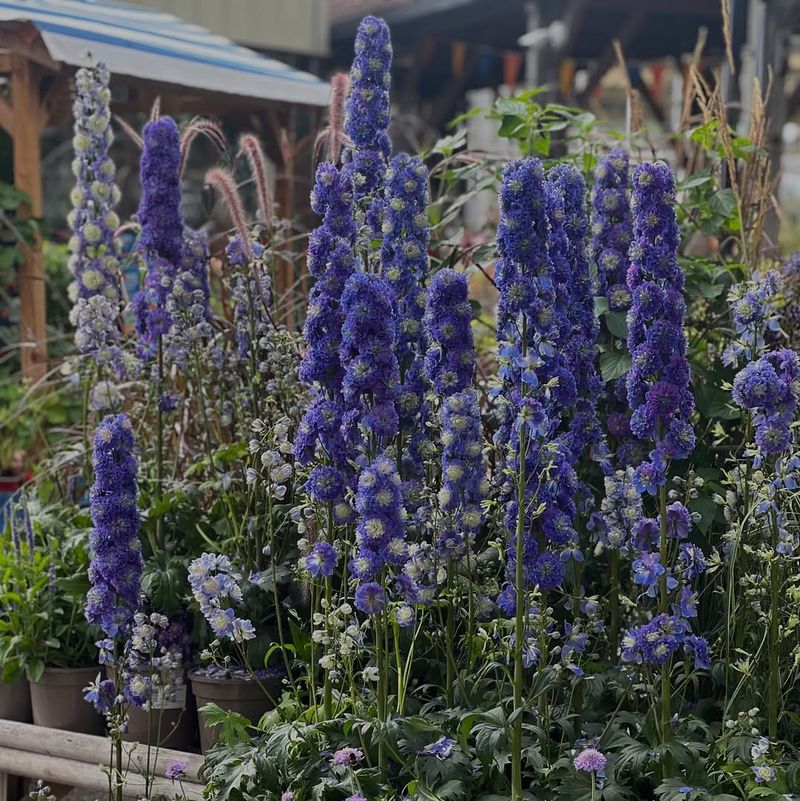
Stately delphiniums bring dramatic vertical accents to cottage gardens with their towering spikes covered in jewel-toned flowers.
Blue varieties are most traditional, but you’ll also find stunning whites, purples, and even pinks that add variety to planting schemes.
Washington’s cooler summers suit delphiniums better than hot, humid climates where these plants often struggle, making them an excellent choice for Pacific Northwest gardeners seeking that classic English garden look.
Supporting delphinium stems becomes essential as flowers develop since strong winds or heavy rain can topple these tall beauties.
Install stakes early in the season before plants reach full height, tying stems loosely with soft twine that won’t damage tender growth.
Washington gardeners should also watch for slugs, which adore delphinium foliage and can quickly damage emerging shoots in spring.
Plant delphiniums in rich, well-amended soil with consistent moisture for best performance.
They appreciate full sun but benefit from afternoon shade in warmer inland areas.
After the first flush of blooms fades, cut flower stalks back to encourage a second, smaller round of flowers later in summer.
Combine delphiniums with roses, foxgloves, and campanulas for spectacular cottage garden displays.
5. Sweet Peas
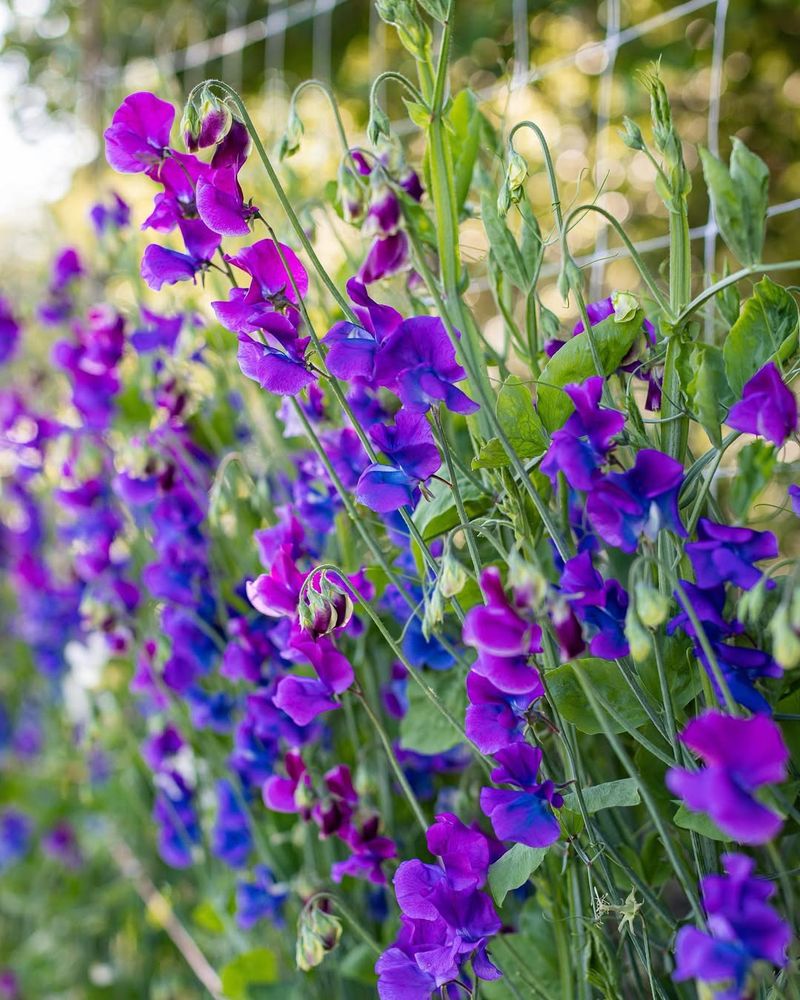
Sweet peas bring old-fashioned charm and intoxicating fragrance to cottage gardens throughout Washington State.
These annual climbers produce masses of butterfly-shaped blooms in nearly every color imaginable, from soft pastels to vibrant jewel tones.
Starting sweet peas early, either indoors in late winter or directly outdoors in early spring, gives them the cool growing conditions they prefer and results in longer blooming periods before summer heat arrives.
Providing sturdy support structures helps sweet peas reach their full potential, which can be six to eight feet tall for traditional climbing varieties.
Bamboo teepees, wire mesh panels, or simple string trellises all work wonderfully.
Washington’s maritime climate creates perfect conditions for these cool-season lovers, especially in western regions where summer temperatures stay moderate and plants continue blooming well into July or August.
Regular harvesting encourages sweet peas to produce more flowers, so pick armfuls for indoor bouquets without worry.
The more you cut, the more they bloom, making sweet peas incredibly rewarding for flower arrangers.
Dwarf bush varieties work well in containers or front-of-border positions if vertical space is limited.
Combine sweet peas with other cottage favorites like snapdragons and calendulas for cheerful spring and early summer displays.
6. Hollyhocks
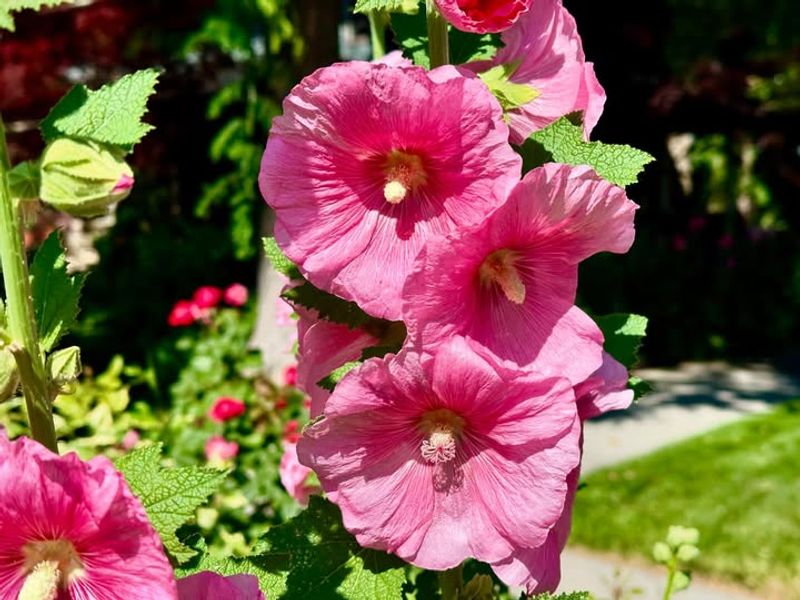
Hollyhocks evoke nostalgic memories of grandmother’s gardens with their towering stalks and large, ruffled blooms.
These cottage garden classics can reach impressive heights of six to eight feet, making them perfect for planting along fences, walls, or at the back of deep borders.
Single and double-flowered forms come in colors ranging from deep burgundy and bright red to soft pink, yellow, and pristine white.
Washington gardeners will find hollyhocks relatively easy to grow, though rust disease can sometimes affect foliage in humid conditions.
Providing good air circulation and avoiding overhead watering helps minimize this common problem.
These short-lived perennials or biennials self-seed enthusiastically, ensuring new plants appear each year even if original specimens eventually decline.
Many gardeners consider this self-seeding habit a benefit rather than a nuisance since it maintains the casual, unplanned look that defines cottage gardening.
Plant hollyhocks where their height adds drama without blocking views of other plants or pathways.
They look spectacular rising behind lower-growing perennials like geraniums, catmint, and lady’s mantle.
Staking may be necessary in exposed locations where wind could topple these tall plants.
Hollyhocks attract hummingbirds and beneficial insects, adding life and movement to your Washington garden throughout summer months.
7. Lady’s Mantle
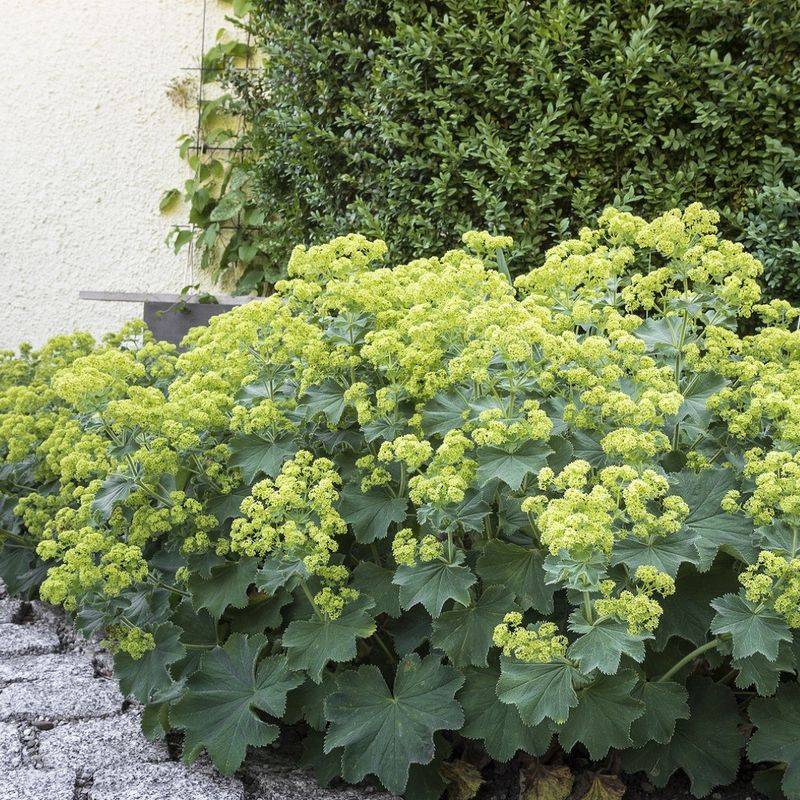
Soft, scalloped leaves and clouds of chartreuse flowers make lady’s mantle an indispensable cottage garden plant.
This versatile perennial thrives in Washington’s climate, tolerating both sun and partial shade while providing season-long interest.
Morning dew collects in perfect beads on the water-repellent foliage, creating magical displays that delight observant gardeners during early hours.
Lady’s mantle works beautifully as an edging plant along pathways and borders, where its mounding habit softens hard edges and spills gracefully over stones or pavement.
The airy flower sprays appear in early summer, lasting for weeks and providing excellent filler material for fresh bouquets.
Washington gardeners appreciate how trouble-free this plant is, requiring minimal maintenance beyond occasional deadheading to prevent excessive self-seeding.
Combining lady’s mantle with roses creates classic partnerships, as the chartreuse blooms complement nearly every rose color imaginable.
It also pairs wonderfully with purple-leaved heucheras, blue geraniums, and white astilbe in shadier spots.
Plants spread slowly to form substantial clumps that can be divided every few years if you want to propagate more for other garden areas.
The foliage remains attractive from spring through fall, turning lovely golden tones as temperatures cool in autumn.
8. Catmint
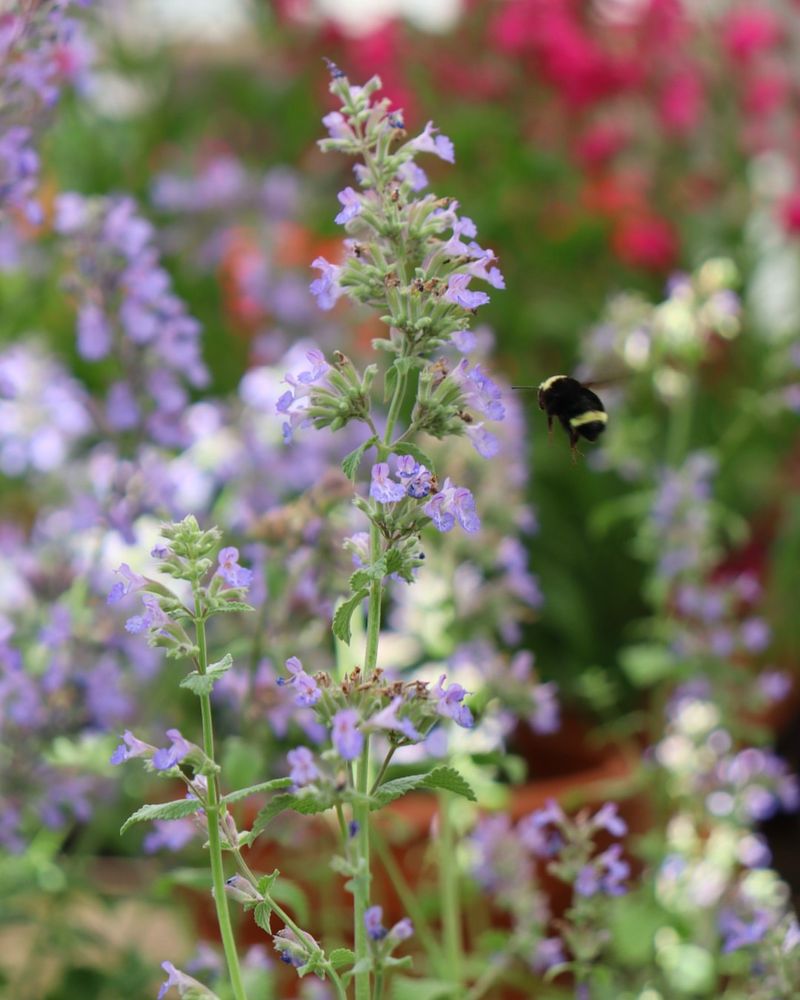
Billowing mounds of lavender-blue flowers and aromatic gray-green foliage make catmint a hardworking addition to Washington cottage gardens.
This drought-tolerant perennial blooms prolifically from late spring through summer, especially if you shear plants back after the first flush of flowers fades.
Bees and butterflies adore catmint, making it an excellent choice for pollinator-friendly gardens throughout the Pacific Northwest.
Unlike its relative catnip, most ornamental catmint varieties don’t drive felines into a frenzy, though some cats may still show interest.
Plants form tidy clumps that gradually expand without becoming invasive, and they tolerate a wide range of growing conditions from full sun to light shade.
Washington gardeners will find catmint particularly valuable for its long blooming period and ability to thrive with minimal water once established.
Use catmint as an edging plant along borders or pathways, where its soft texture provides beautiful contrast to plants with bolder foliage or more rigid forms.
It looks stunning planted in sweeps or drifts rather than single specimens, creating rivers of blue-purple color that weave through garden beds.
Catmint combines beautifully with roses, yarrow, and ornamental grasses, and the dried flowers retain much of their color for winter arrangements.
Cutting plants back by half in midsummer promotes fresh growth and renewed flowering.
9. Primrose

Primroses herald spring’s arrival with cheerful flowers in every color of the rainbow.
These low-growing perennials thrive in Washington’s cool, moist climate, particularly in areas with partial shade and rich, organic soil.
English primroses and their hybrid relatives produce rosettes of crinkled leaves topped by clusters of five-petaled flowers that seem to glow in soft spring light.
Washington gardeners can enjoy primroses blooming as early as February in milder coastal areas, with flowers continuing through May in cooler locations.
Plant them in drifts under deciduous trees or along shaded borders where they’ll receive spring sun before trees leaf out but enjoy summer shade once temperatures rise.
Primroses pair beautifully with spring bulbs, bleeding hearts, and ferns, creating layered plantings that provide interest throughout the season.
Keeping soil consistently moist helps primroses establish quickly and bloom abundantly.
Mulching around plants conserves moisture and keeps roots cool during warmer months.
Many varieties self-seed, creating natural-looking colonies that expand gradually over time.
Divide overcrowded clumps after flowering finishes, replanting divisions immediately to prevent roots from drying out.
Primroses bring cottage garden charm to shady spots where many other flowering plants struggle, making them invaluable for woodland-style gardens throughout the Pacific Northwest.
10. Cottage Pinks
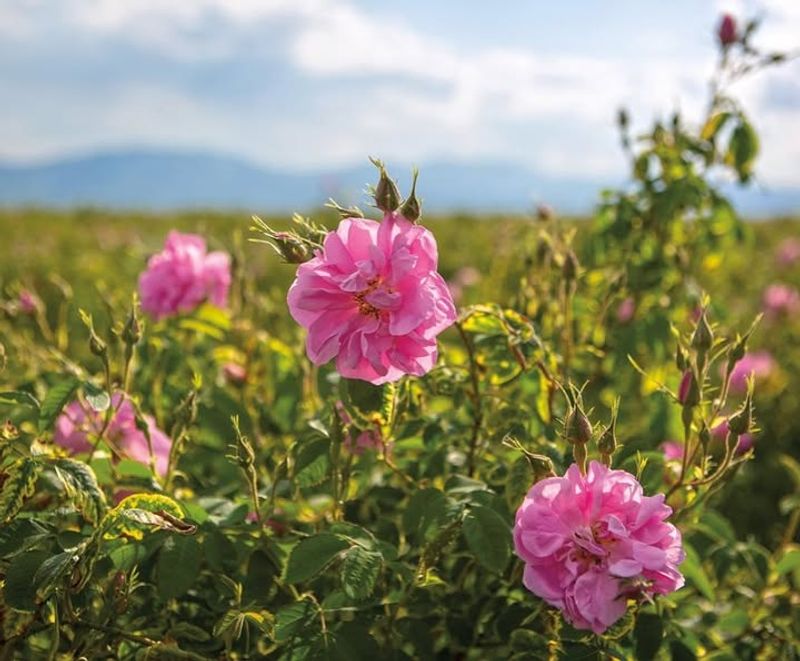
Cottage pinks have graced gardens for centuries with their spicy-sweet fragrance and fringed, jewel-toned blooms.
These compact perennials form neat mounds of blue-gray foliage that look attractive year-round, topped by flowers in shades of pink, red, white, and even salmon.
Washington’s climate suits cottage pinks well, especially when planted in locations with excellent drainage and full sun exposure.
The intense clove-like scent of cottage pinks makes them perfect for planting near seating areas, pathways, or windows where you’ll frequently encounter their perfume.
Flowers appear in late spring and early summer, with many varieties offering sporadic repeat blooms if deadheaded regularly.
These tough little plants tolerate drought once established and ask for little beyond occasional grooming to remove spent flowers and keep plants looking tidy.
Traditional cottage gardens often featured pinks edging borders or tucked into crevices in stone walls where their preference for sharp drainage could be satisfied.
Modern Washington gardeners might plant them in rock gardens, raised beds, or containers where soil conditions can be controlled easily.
Cottage pinks combine beautifully with other sun-loving plants like lavender, thyme, and small roses.
Their evergreen foliage provides structure during winter months when many perennials have gone dormant, keeping gardens interesting even in the off-season.