Could You Be Fined For Shoveling Snow Into The Street In Michigan
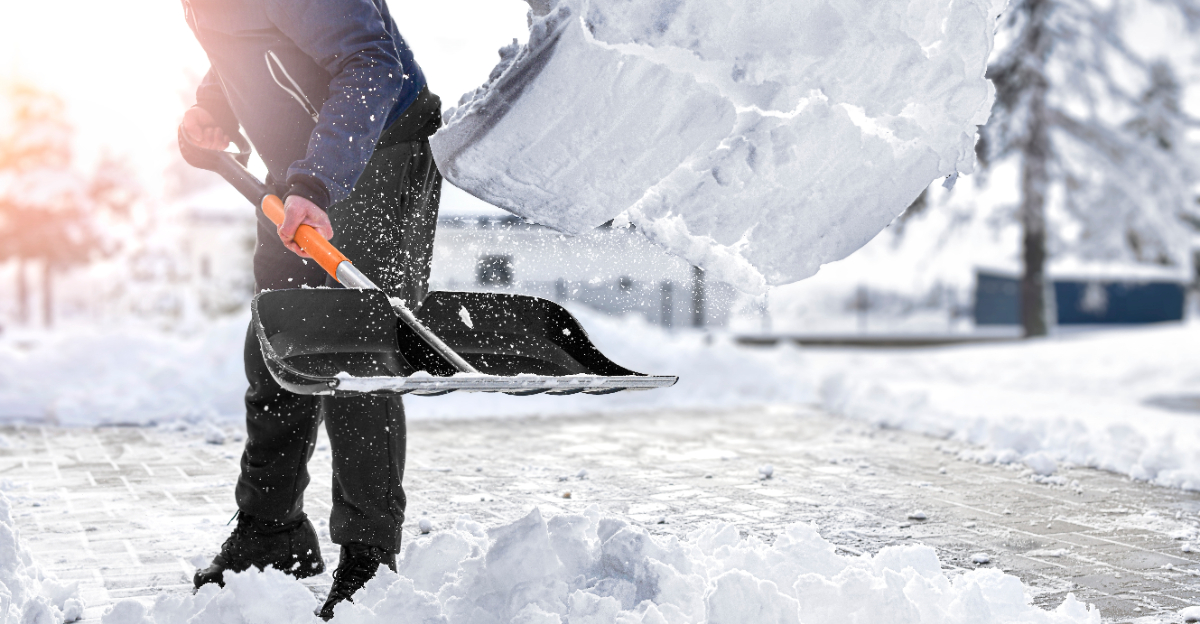
In Michigan, even snow has rules. When winter hits hard and driveways disappear under heavy snow, most homeowners grab a shovel and start clearing space as quickly as possible.
It feels natural to push the snow straight into the street, especially after a long storm, but many people do not realize this simple habit can actually lead to trouble.
Across Michigan, local regulations often treat snow pushed into the road as a safety hazard. Packed snow can freeze into ice, block traffic flow, and create dangerous conditions for drivers, plows, and pedestrians.
In some areas, this can result in warnings, fines, or even liability if it contributes to an accident. What seems like a quick fix can turn into an expensive mistake.
Understanding where the snow should go and how to clear it properly helps homeowners stay safe, avoid penalties, and make winter a little less stressful.
Michigan Vehicle Code Prohibits Snow Deposits On Roads
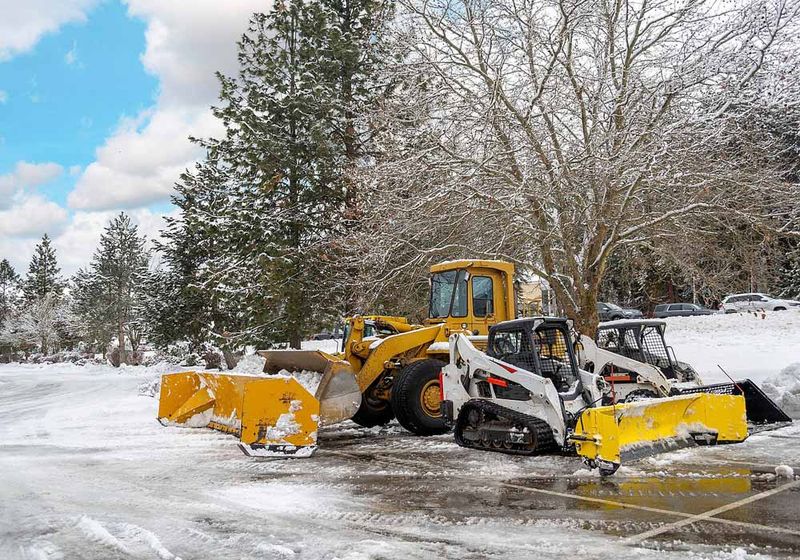
Michigan takes road safety seriously, especially during winter months when conditions get tricky.
The state’s Vehicle Code section 257.677a lays out clear rules about what you can and cannot do with snow from your property. This law specifically makes it illegal to put snow, ice, or slush onto any roadway or highway.
When you shovel your driveway, the temptation to just push everything into the street is real. After all, it’s the quickest way to clear your space. But state lawmakers created this regulation for important reasons that go beyond just keeping streets looking neat.
The statute doesn’t care whether you meant to create a hazard or not. If snow from your property ends up on the road, you could face consequences. This applies to everyone, from apartment dwellers clearing a parking spot to homeowners with long driveways.
Understanding this law helps you make better choices when winter storms hit. Instead of creating problems, you can find legal alternatives that keep your property clear without breaking the rules.
The law exists to protect drivers, pedestrians, and property owners alike during Michigan’s challenging winter conditions.
All Snow Removal Methods Fall Under This Rule

Some folks think the law only applies if you use a shovel to toss snow into the street. That’s not how it works. The word “deposit” in the statute covers any action that causes snow to end up on the roadway, no matter what tool you use.
Got a fancy snowblower that shoots snow twenty feet? If that snow lands in the street, you’re violating the law. Using a plow attachment on your truck or ATV? Same deal applies when you push snow across property lines onto public roads.
Even accidentally creating snow deposits counts. Maybe your snowblower’s chute turns without you noticing, sending snow streetward. Perhaps melting snow from your pile runs into the road.
The law doesn’t distinguish between intentional and accidental violations.
This comprehensive approach makes sense when you consider road safety. A chunk of ice is dangerous whether it came from a shovel or fell off a plow blade. Authorities want to prevent hazards regardless of their origin, so they wrote the law to cover all possibilities.
Smart homeowners adjust their snow removal techniques accordingly, directing snow onto their own property or approved areas instead of public streets.
Safety Vision Obstruction Gets Special Attention
Picture yourself backing out of your driveway on a snowy morning. You look both ways, but giant snow piles block your view of oncoming traffic. That’s exactly the scenario Michigan lawmakers wanted to prevent with specific language in this statute.
The law explicitly prohibits depositing snow in ways that obstruct a motorist’s safety vision. This particularly matters at driveways and intersections where clear sightlines literally save lives. When snow piles block views, accidents become much more likely.
Think about corner properties where two streets meet. If homeowners pile snow at the intersection, drivers can’t see each other approaching. Kids might dart into the street from behind these snowy barriers.
Emergency vehicles could face delays navigating around unexpected obstacles.
Even on straight roads, vision obstructions create problems. A driver pulling onto the street needs to see pedestrians, cyclists, and other vehicles. Snow piles that block these views turn routine maneuvers into dangerous gambles.
The statute recognizes that winter brings enough challenges without adding preventable visibility issues. By keeping snow out of critical sightlines, everyone stays safer throughout the season.
Violations Result In Civil Infractions
Good news for anyone worried about criminal records: breaking this snow law won’t land you in jail. Michigan classifies violations of section 257.677a as civil infractions rather than criminal offenses. That distinction matters quite a bit in practical terms.
Civil infractions work more like traffic tickets than criminal charges. You won’t face arrest, booking, or a criminal trial. Instead, authorities issue a citation that you can either pay or contest in court.
No prosecutor gets involved, and you won’t need a criminal defense attorney. This approach reflects the law’s purpose as a safety measure rather than a criminal statute.
Lawmakers wanted to discourage dangerous snow disposal practices without treating violators like criminals. The civil infraction system provides enough consequence to change behavior while keeping penalties proportionate.
However, don’t let the “civil” label fool you into thinking violations don’t matter. These infractions still go on record and can affect you in various ways. Insurance companies sometimes consider driving-related civil infractions when setting rates.
Multiple violations might lead to increased scrutiny from local authorities. Taking the law seriously helps you avoid these headaches entirely.
Maximum Fine Reaches One Hundred Dollars
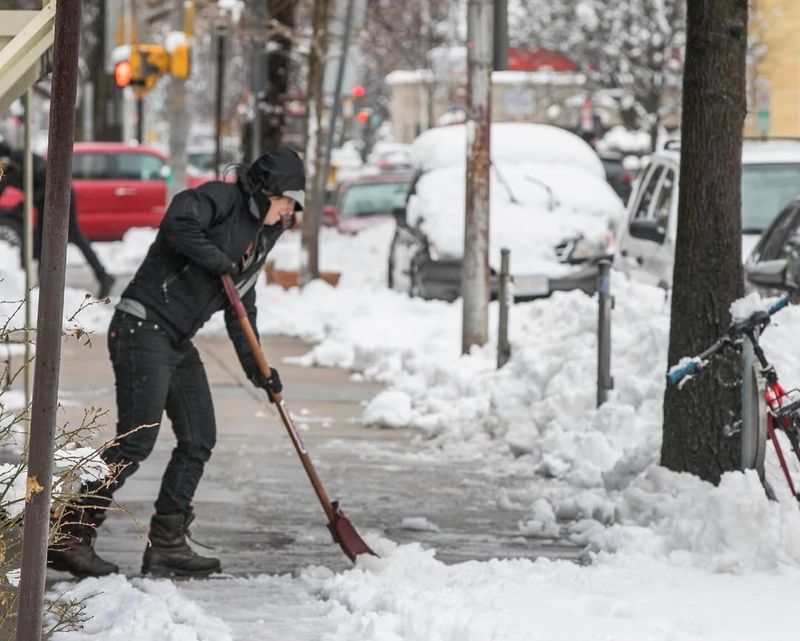
When authorities catch you depositing snow on roadways, your wallet takes a hit. The state statute allows fines up to one hundred dollars for violations. That might not sound like a fortune, but it’s enough to make you think twice before tossing snow streetward.
A hundred bucks buys a lot of things during winter. Maybe that’s a tank of gas, a week’s groceries, or several streaming service subscriptions. Losing that money to a fine stings, especially when you could have avoided it by simply piling snow elsewhere.
Courts have discretion in setting actual fine amounts within that maximum. First-time offenders might face smaller penalties than repeat violators. Judges consider factors like whether the violation created serious hazards or just minor infractions.
Cooperation with authorities and prompt correction of the problem might influence final amounts.
Remember that one hundred dollars represents just the state maximum. Local ordinances might stack additional fines on top of state penalties. Court costs and administrative fees can increase your total expense beyond the base fine amount.
Smart planning prevents these costs entirely by keeping snow on your property from the start.
Local Ordinances Often Mirror State Rules
State law sets the baseline, but many Michigan cities and townships go further with their own regulations.
Local ordinances frequently reinforce that snow from private property cannot end up in public streets. Some communities impose stricter rules or higher penalties than state statutes allow.
Why do municipalities create redundant rules? Local governments want enforcement tools that address specific community needs. Maybe certain neighborhoods have narrow streets where snow piles cause bigger problems.
Perhaps previous winters brought accidents that local leaders want to prevent. These local laws give code enforcement officers and police additional authority to address violations.
While state troopers enforce Vehicle Code provisions, local officers handle municipal ordinance violations. This dual system means more eyes watching for problems and more ways to hold violators accountable.
Checking your specific city or township ordinances makes sense before winter arrives. Some communities require property owners to clear sidewalks within certain timeframes. Others designate approved locations for snow storage.
A quick call to your local clerk’s office or visit to the municipal website reveals exactly what rules apply in your area.
Fines Serve Important Safety Functions
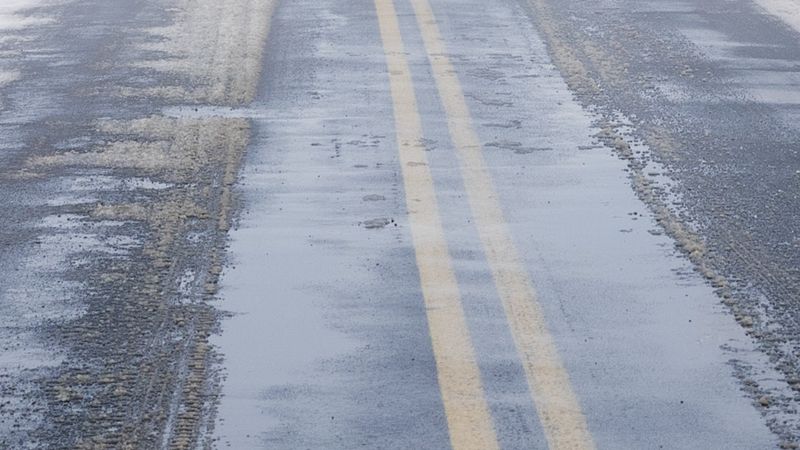
Ever wonder why lawmakers bothered creating penalties for snow disposal? The answer comes down to preventing injuries, property damage, and worse.
Snow piles in streets create multiple hazards that put everyone at risk during already challenging winter conditions.
When snow sits in roadways, it eventually freezes into solid ice. That ice reduces traction dramatically, causing vehicles to slip and slide unpredictably.
Even experienced winter drivers struggle with sudden ice patches that appear without warning. Accidents result, sometimes involving multiple vehicles or pedestrians.
Beyond ice formation, snow piles physically narrow streets and reduce maneuvering room. Emergency vehicles need clear paths to reach people quickly. Snowbanks that jut into roadways slow response times when every second counts.
School buses, delivery trucks, and regular traffic all face increased difficulty navigating around obstacles.
Blocked sightlines represent another serious concern. Drivers pulling from driveways or side streets need clear views of approaching traffic. Snow piles that obstruct these views turn routine maneuvers into dangerous situations.
The fine system encourages compliance by making legal snow disposal more attractive than risking penalties and contributing to hazardous conditions.
Enforcement Varies Across Different Areas
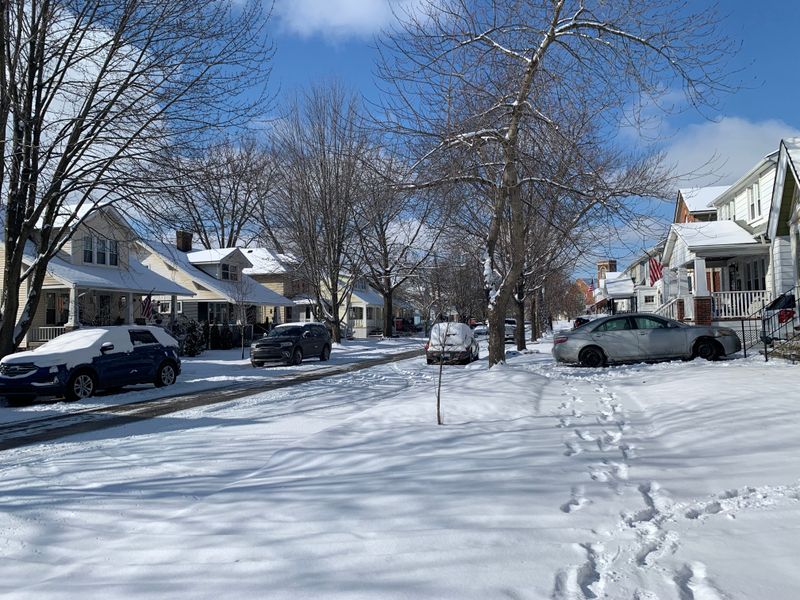
Michigan spans diverse communities from dense Detroit neighborhoods to remote Upper Peninsula towns.
This variety means enforcement of snow laws differs significantly depending on where you live. Understanding your local enforcement climate helps you know what to expect.
Urban and suburban areas typically see more active enforcement. These communities have professional code enforcement departments that patrol neighborhoods looking for violations.
Higher population density means more potential hazards and more complaints from neighbors about snow disposal issues.
Rural areas often take a more relaxed approach. With fewer residents, less traffic, and more space between properties, snow in roads might not generate the same concerns.
Local sheriffs and township officials might focus on education rather than citations, especially for first-time violations.
Some communities launch enforcement campaigns after major storms when snow removal becomes critical.
Others maintain year-round vigilance through regular patrols. Complaint-driven enforcement is common, where authorities respond to neighbor reports rather than actively seeking violations.
Getting to know your local enforcement patterns helps you gauge how seriously officials take these regulations in your specific area.
Sidewalk Requirements Add Another Layer
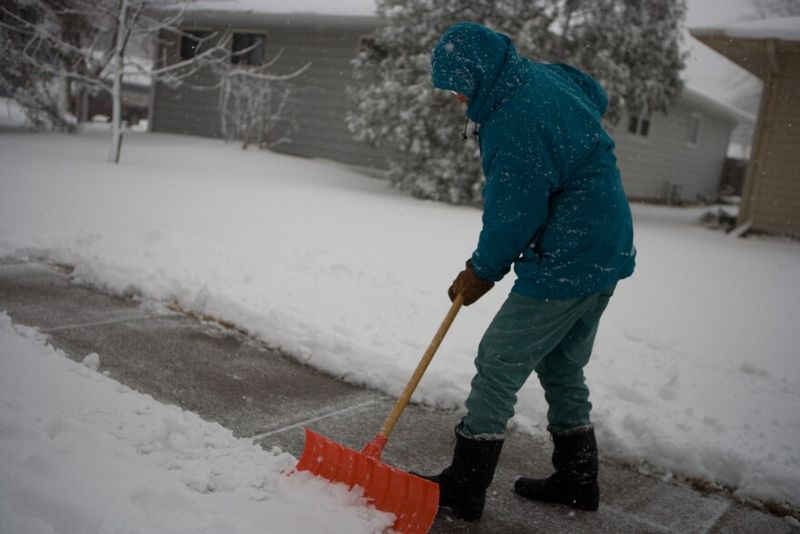
Beyond keeping snow out of streets, many Michigan municipalities impose additional requirements about sidewalk maintenance.
These local laws often require property owners to clear sidewalks within specific timeframes after snowfall ends. Failure to comply can trigger separate fines and penalties.
Typical ordinances give homeowners between 24 and 48 hours to clear sidewalks after snow stops falling.
Some communities specify clearing widths, usually requiring at least a 36-inch path for pedestrian access. Where you put the snow matters too, with most rules prohibiting deposits onto roadways.
These sidewalk laws serve important accessibility and safety purposes. Pedestrians need safe walking paths, especially children heading to school and people with mobility challenges. Uncleared sidewalks force walkers into streets where they face traffic dangers.
Icy sidewalks cause slip-and-fall injuries that communities want to prevent.
Penalties for sidewalk violations operate separately from street snow deposit fines. You could face multiple citations if you both fail to clear your sidewalk and dump snow illegally.
Some municipalities hire contractors to clear neglected sidewalks and bill property owners for costs plus administrative fees.
Staying on top of both requirements protects you from accumulating violations and expenses throughout winter.