Create A No-Dig Flower Bed In Massachusetts With This Simple Process
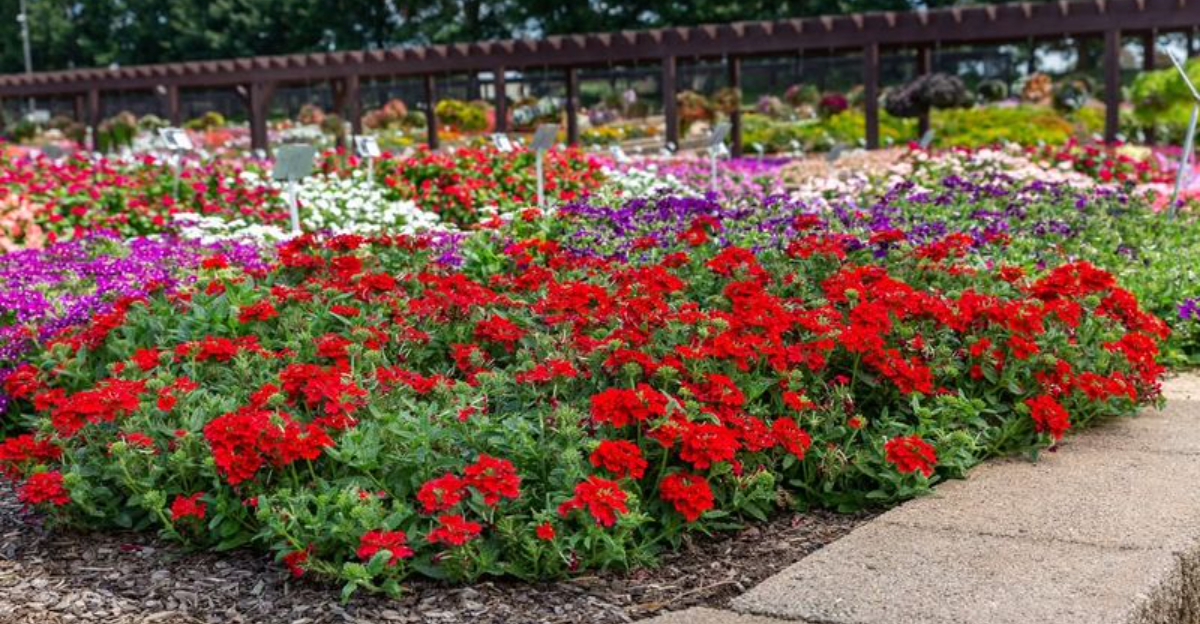
A no-dig flower bed is catching attention because Massachusetts gardeners love how fast it comes together without heavy tools or backbreaking work.
The process feels calm and simple from the start, giving Massachusetts a way to build fresh planting spots that look good almost immediately.
The whole approach brings an easy confidence to beginners and seasoned gardeners alike, and Massachusetts is embracing this no-dig style with real enthusiasm.
1. Layer Cardboard Directly Over Grass To Smother Weeds Naturally
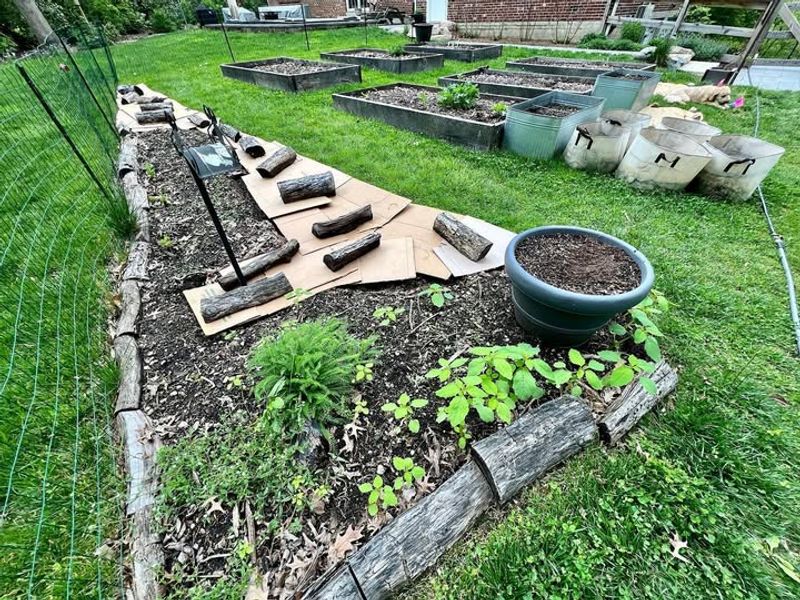
Cardboard acts as a natural barrier that blocks sunlight from reaching grass and stubborn weeds growing underneath your future flower bed area.
Flattened boxes from deliveries work perfectly for this task and break down slowly while enriching the soil beneath them over several months.
Massachusetts gardeners love this method because it eliminates the need for chemical sprays or exhausting manual removal of unwanted plant growth completely.
Overlapping the cardboard edges by at least six inches prevents any sneaky weeds from finding gaps to push through into your garden.
Wetting the cardboard thoroughly after placement helps it stay flat against the ground and speeds up the natural decomposition process significantly faster.
This technique works wonderfully in Massachusetts yards where grass tends to grow thick and stubborn during the warm humid summer months ahead.
Within a few months the cardboard will decompose entirely leaving behind rich dark soil that is perfect for planting beautiful colorful flowers.
2. Add Thick Layers Of Compost To Build Rich Fertile Soil
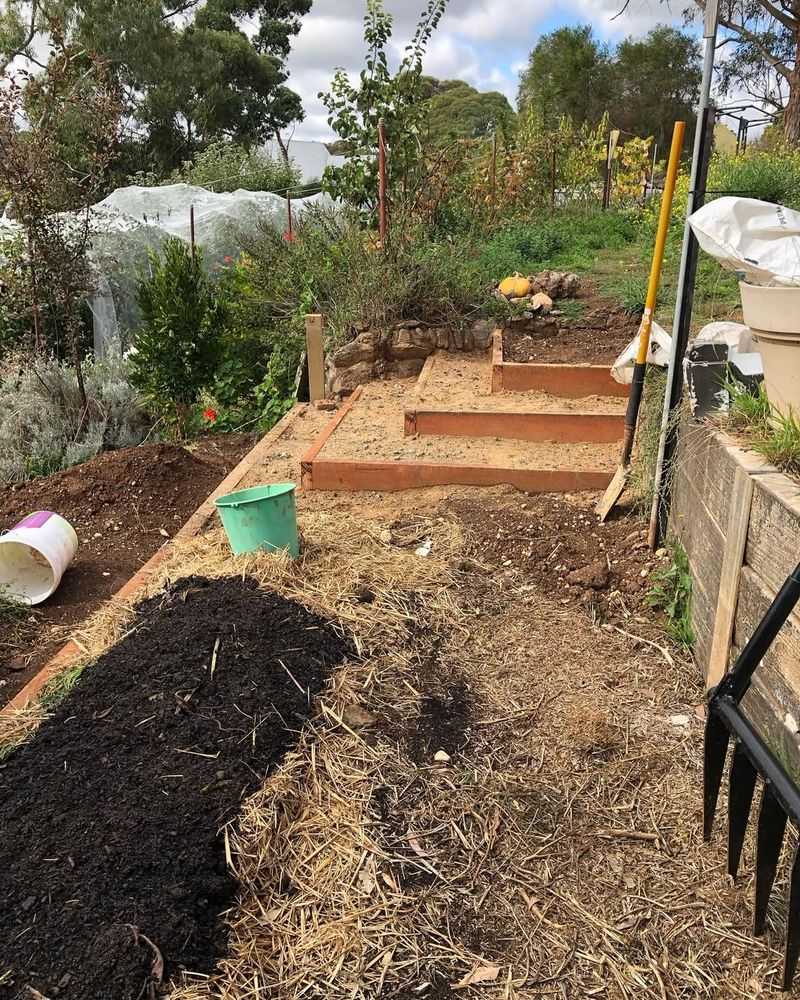
Compost provides essential nutrients that flowers need to develop strong roots and produce vibrant blooms throughout the entire growing season in Massachusetts.
Spreading a layer at least four to six inches thick ensures your plants have access to plenty of organic matter for months.
Homemade compost from kitchen scraps and yard waste works just as well as purchased bags from local garden centers across Massachusetts neighborhoods.
This layer sits directly on top of the cardboard and begins feeding beneficial microorganisms that improve soil health naturally over time steadily.
Compost also helps retain moisture during dry spells which is especially helpful during hot Massachusetts summers when rain becomes scarce and unpredictable.
Mixing different types of compost creates a balanced blend that supports a wide variety of flowering plants with different nutritional needs overall.
Flowers planted in compost-rich soil tend to grow faster and produce more blooms than those planted in regular untreated garden soil.
Massachusetts gardeners appreciate how compost reduces the need for synthetic fertilizers while creating healthier more sustainable gardens for future planting seasons ahead.
3. Spread Aged Manure For Extra Nutrients And Soil Structure
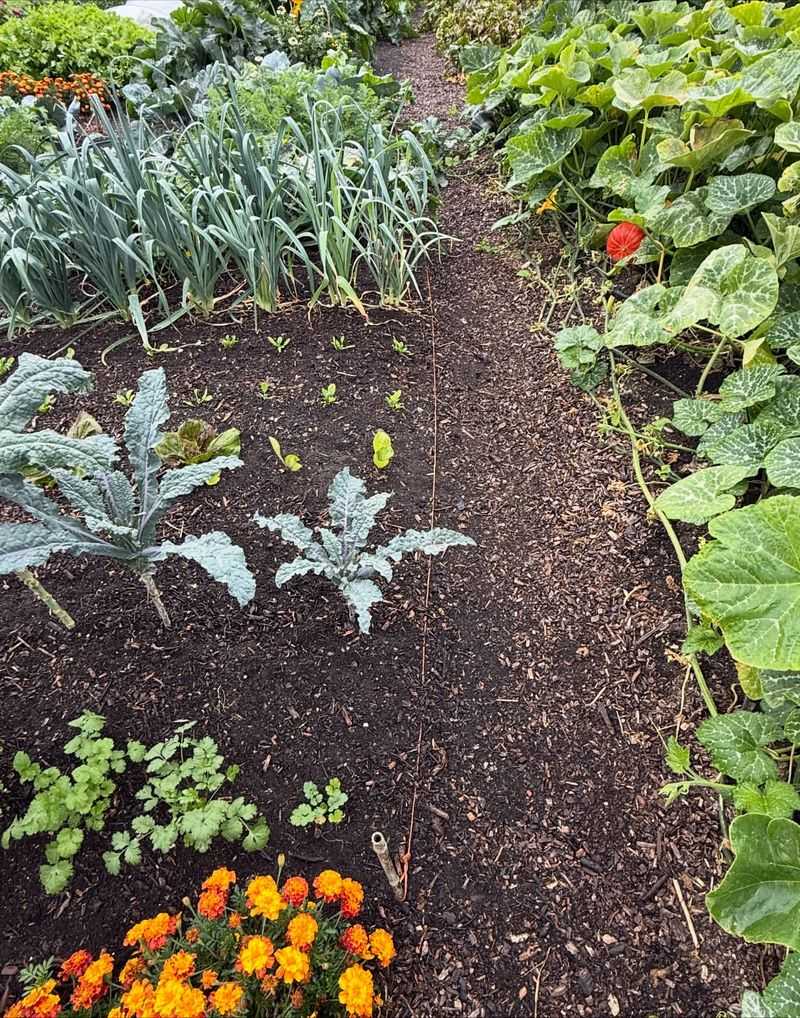
Aged manure from horses or cows adds nitrogen and other vital nutrients that promote lush green foliage and abundant flower production naturally.
Using manure that has been aged for at least six months prevents burning delicate plant roots with ammonia and other harsh compounds.
Many Massachusetts farms sell aged manure in bags or bulk making it easy to source locally without traveling far from your home.
A two to three inch layer spread evenly over compost creates a nutrient-packed foundation that flowers thrive in throughout the season.
This organic material also improves soil structure by increasing its ability to hold water while still allowing excess moisture to drain away.
Massachusetts gardeners find that manure helps clay-heavy soils become lighter and sandy soils retain moisture much better than they normally would.
Combining manure with compost creates a powerful duo that supports healthy microbial activity essential for breaking down organic matter into plant food.
Flowers grown in beds enriched with aged manure often display deeper colors and stronger stems that stand up well to weather.
4. Use Shredded Leaves As Free Mulch And Soil Amendment
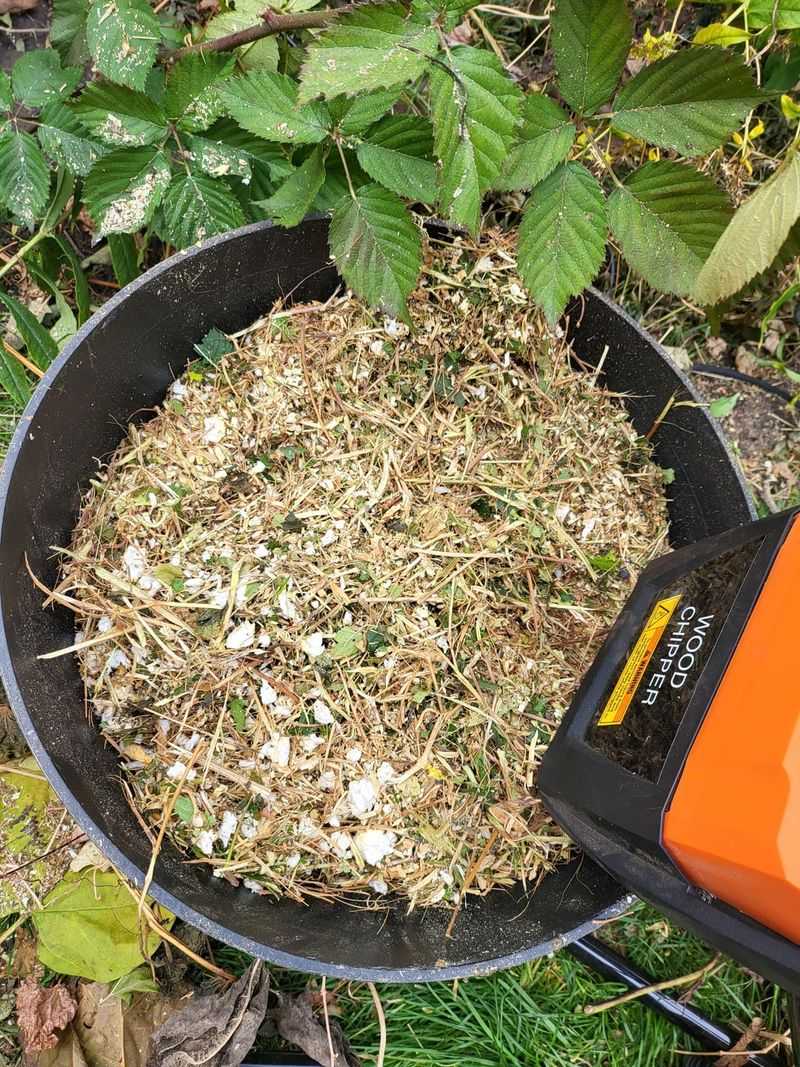
Autumn leaves are abundant in Massachusetts and provide a free source of organic matter that enriches soil while suppressing weed growth effectively.
Shredding leaves with a lawn mower breaks them into smaller pieces that decompose faster and create a fluffy texture that plants love.
A three to four inch layer of shredded leaves acts as insulation protecting plant roots from extreme temperature swings during Massachusetts winters.
Leaves also attract earthworms which tunnel through the soil improving aeration and leaving behind nutrient-rich castings that benefit all your flowering plants.
Using leaves from your own yard or neighbors makes this method incredibly budget-friendly and environmentally sustainable for Massachusetts home gardeners everywhere.
Oak and maple leaves are especially common in Massachusetts and both decompose at a moderate pace providing long-lasting benefits to gardens.
As leaves break down they release valuable nutrients like nitrogen and potassium which flowers absorb through their roots for stronger growth.
This natural mulch keeps soil moist during dry periods reducing the frequency of watering needed to keep your flower bed thriving beautifully.
5. Apply Wood Chips For Long-Lasting Weed Suppression And Moisture Retention
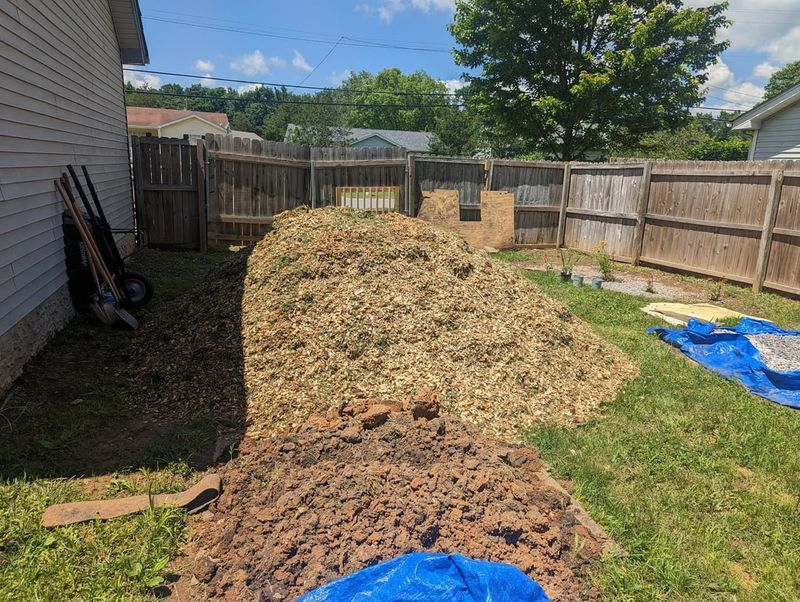
Wood chips create a thick protective layer that blocks sunlight from reaching weed seeds while keeping soil temperatures stable throughout the year.
Many tree care companies in Massachusetts offer free wood chips from their daily work making this an affordable option for large gardens.
Applying a four to six inch layer ensures weeds struggle to push through while moisture stays locked in the soil beneath.
Wood chips decompose slowly over several years providing a steady supply of organic matter that enriches your flower bed gradually over time.
This mulch also gives your garden a neat polished appearance that neighbors and visitors will admire when they walk past your home.
Massachusetts gardeners appreciate how wood chips reduce the need for frequent watering especially during the hot dry months of July and August.
Hardwood chips are preferable to softwood varieties because they break down more slowly and provide longer-lasting coverage for your flower beds.
Flowers planted in wood chip mulch develop stronger root systems because the soil beneath stays consistently moist and cool even in heat.
6. Include Grass Clippings For Quick Nitrogen Boost And Decomposition
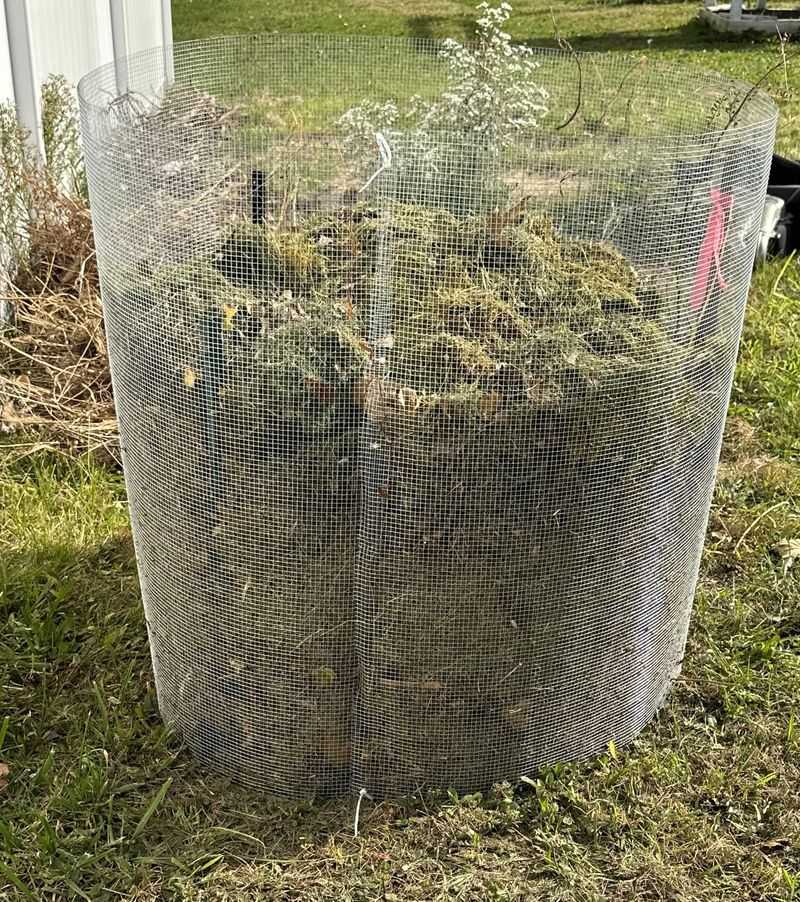
Grass clippings are rich in nitrogen which promotes leafy green growth and helps flowering plants produce bigger and more colorful blooms quickly.
Spreading clippings in thin layers prevents matting and allows air to circulate which speeds up decomposition and prevents unpleasant odors from developing.
Massachusetts lawns produce plenty of clippings during the growing season making this a free and readily available resource for most home gardeners.
A one to two inch layer of grass clippings mixed with other organic materials creates a balanced mulch that feeds plants steadily.
Clippings break down rapidly releasing nutrients within weeks which makes them ideal for giving your flower bed a quick nutritional boost when needed.
Avoid using clippings from lawns treated with herbicides or pesticides as these chemicals can harm your flowers and beneficial soil organisms significantly.
Massachusetts gardeners often collect clippings after mowing and spread them immediately while they are still fresh and full of valuable nutrients inside.
Combining grass clippings with carbon-rich materials like leaves or straw creates a balanced mix that decomposes evenly without creating excess heat.
7. Mix In Peat Moss To Improve Soil Texture And Water Retention
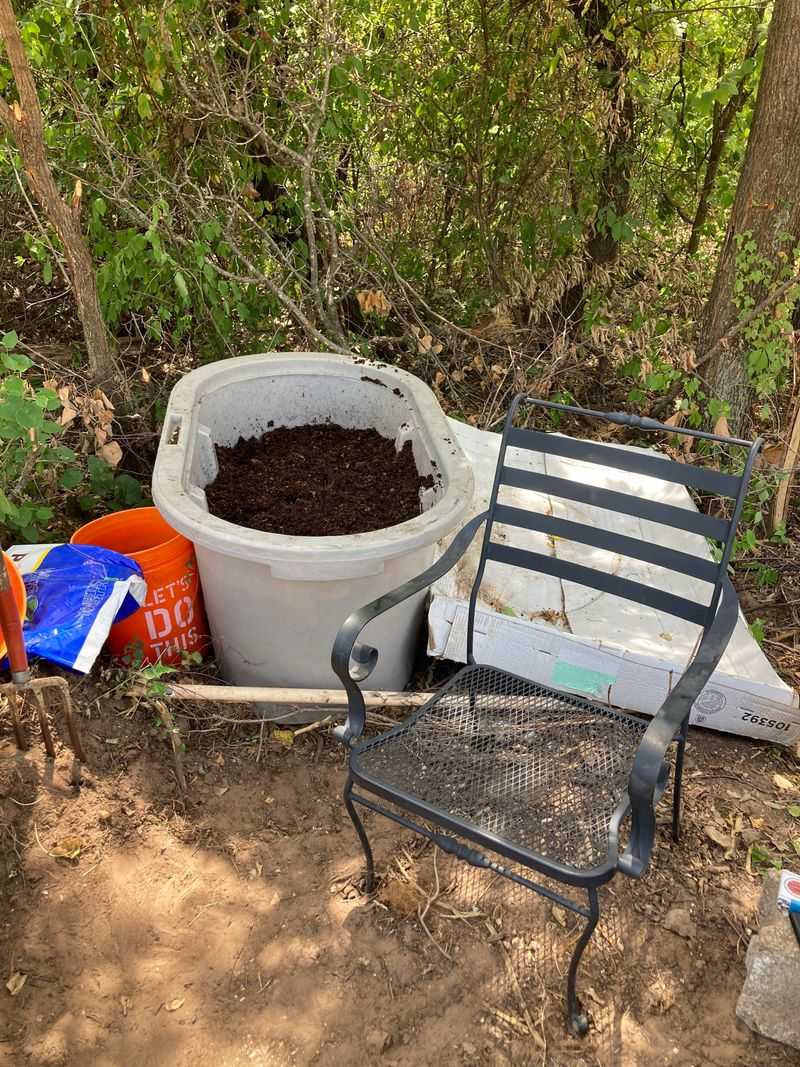
Peat moss lightens heavy clay soils common in many Massachusetts yards and helps sandy soils retain moisture more effectively during dry weather periods.
Adding a two to three inch layer of peat moss mixed into the top layers improves soil structure without requiring any digging.
This organic material holds water like a sponge ensuring that flower roots have consistent access to moisture even during hot summer days.
Peat moss also lowers soil pH slightly which benefits acid-loving flowers like azaleas and hydrangeas that grow beautifully in Massachusetts climate conditions.
Gardeners in Massachusetts appreciate how peat moss remains stable in the soil for several years providing long-term benefits to their flower beds.
Mixing peat moss with compost creates a fluffy nutrient-rich growing medium that encourages strong root development and vigorous plant growth overall.
Though peat moss is not a fertilizer it improves the effectiveness of other organic amendments by enhancing soil texture and aeration naturally.
Flowers planted in beds amended with peat moss often require less frequent watering because the soil retains moisture much better than untreated.
8. Plant Directly Into Layered Materials Without Disturbing Soil Below
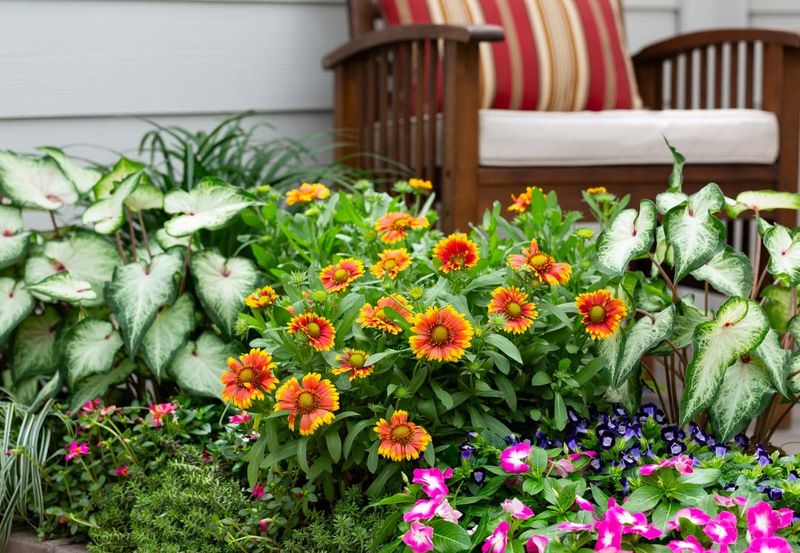
Planting directly into the layered materials preserves beneficial soil organisms and structure that would be disrupted by traditional tilling and turning methods.
Simply create small pockets in the compost or mulch layers large enough to accommodate the roots of your chosen flowering plants easily.
This method works beautifully in Massachusetts where soil life plays a critical role in plant health and overall garden productivity throughout seasons.
Flowers establish roots quickly in the loose organic layers and soon reach the native soil below where they anchor themselves firmly.
Avoiding soil disturbance also prevents dormant weed seeds from being brought to the surface where they would germinate and compete with flowers.
Massachusetts gardeners find that plants grown in no-dig beds often outperform those in traditional gardens because the soil remains healthier and richer.
Watering newly planted flowers thoroughly helps them settle into the layered materials and encourages roots to explore deeper into the soil.
This planting technique saves time and energy while producing stunning results that make your Massachusetts flower bed the envy of the neighborhood.
9. Top Dress Annually With Fresh Compost To Maintain Soil Health
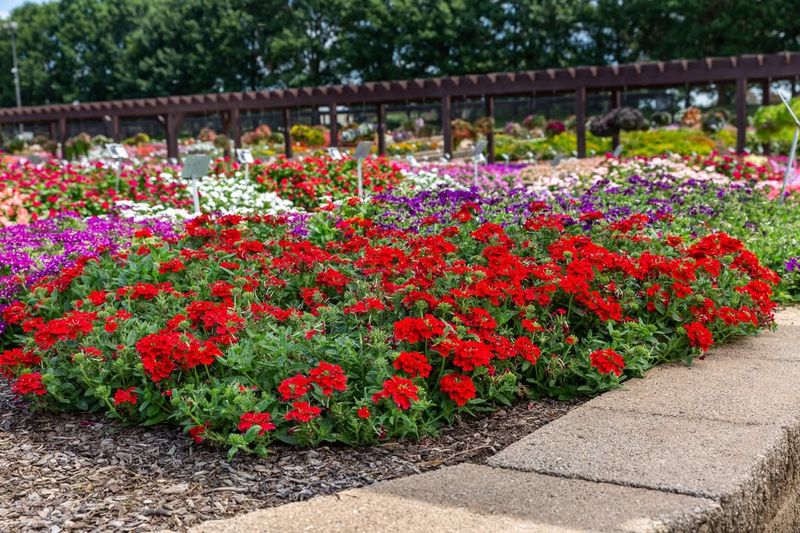
Adding a fresh layer of compost each spring replenishes nutrients that were used by plants during the previous growing season in Massachusetts.
A one to two inch layer spread carefully around established flowers provides a steady supply of organic matter without smothering plant crowns.
Top dressing also encourages beneficial microorganisms to continue thriving and breaking down organic materials into nutrients that flowers can absorb easily.
This annual practice keeps your no-dig flower bed productive and beautiful year after year without ever needing to turn the soil.
Massachusetts gardeners often top dress in early spring before new growth begins allowing plants to benefit from fresh nutrients as they wake.
Compost applied as a top dressing also acts as mulch suppressing weeds and helping soil retain moisture during the warm summer months.
Flowers respond to annual top dressing with increased vigor producing more blooms and maintaining healthier foliage throughout the entire growing season.
This simple maintenance step ensures your no-dig bed continues to improve over time becoming richer and more fertile with each passing year.
10. Water Deeply And Consistently To Help Layers Settle And Decompose
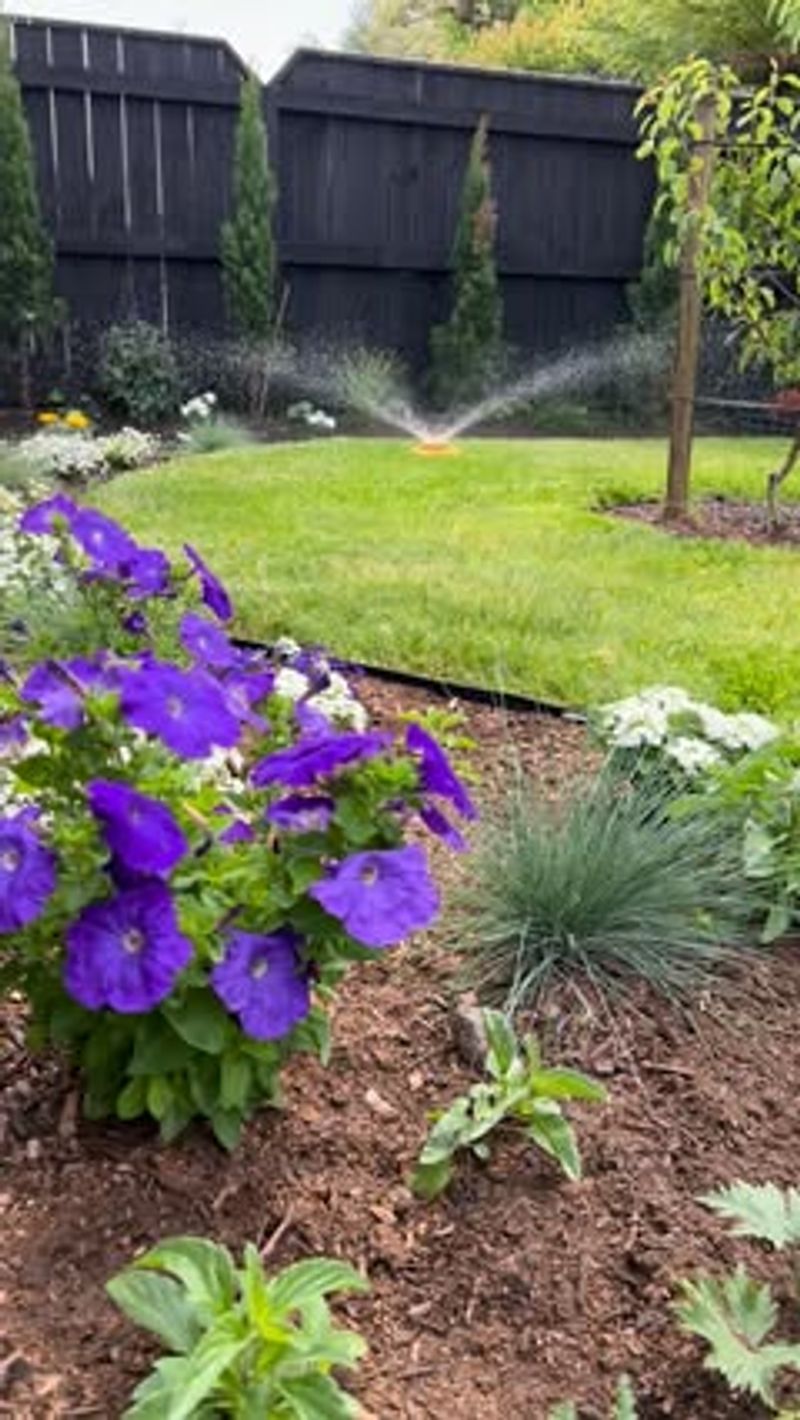
Deep watering encourages the layered materials to settle together and begin the decomposition process that transforms them into rich fertile soil naturally.
Watering also helps cardboard and other dry materials soften and start breaking down which speeds up the creation of a unified growing medium.
Massachusetts summers can be unpredictable so consistent watering ensures that your flower bed remains moist enough to support healthy plant growth and development.
Applying water slowly and deeply rather than in short bursts allows moisture to penetrate all the layers reaching the native soil below.
Newly planted flowers benefit from regular watering as they establish roots and adapt to their new environment in your Massachusetts garden bed.
Using a soaker hose or drip irrigation system delivers water directly to the root zone minimizing waste and reducing the risk of fungal diseases.
Massachusetts gardeners find that well-watered no-dig beds require less maintenance over time because the organic materials stay active and continue decomposing steadily.
Consistent moisture also attracts earthworms and other beneficial organisms that further enhance soil quality and support long-term garden success beautifully.