15 Creative Balcony And Small Space Garden Ideas For New York City
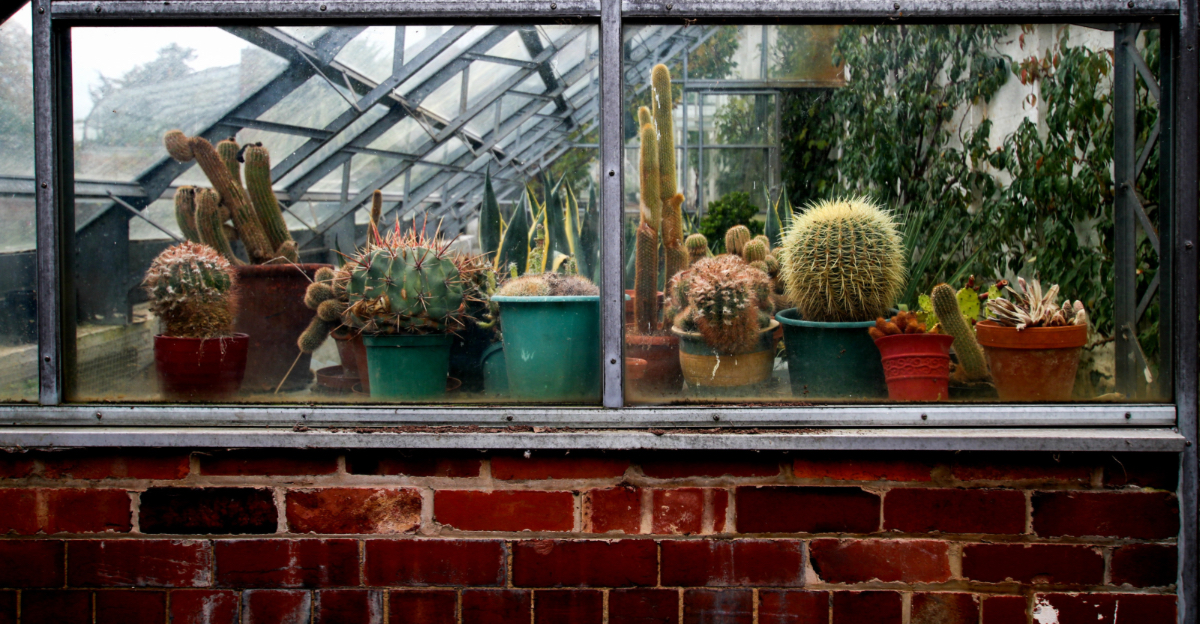
Is space tight in New York City? Absolutely.
Every square foot matters. But that hasn’t stopped New Yorkers from finding ways to grow a little green wherever they can.
A narrow balcony or even a sunny windowsill can turn into a small garden with the right setup. All across the city, people are turning concrete corners into pockets of plants and flowers.
It doesn’t take a backyard to grow something beautiful. Sometimes all it takes is a bit of sunlight and a little creativity.
Vertical Wall Planters
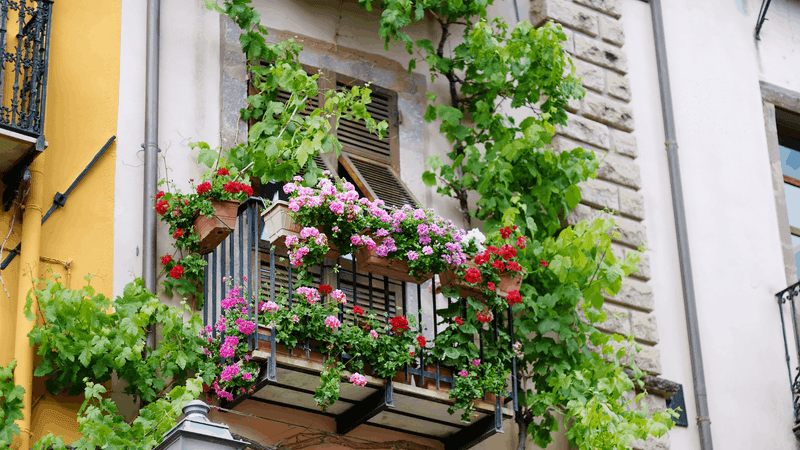
Walls are basically untapped real estate in a small NYC apartment or balcony setup.
Most people stare at blank walls without realizing they could be growing tomatoes on them.
Vertical wall planters flip the whole gardening game on its head.
You can find pocket-style fabric planters, modular plastic systems, or even repurposed wooden pallets.
Each holds multiple plants without taking up a single inch of floor space.
Herbs like basil, mint, and parsley absolutely thrive in these setups.
In New York City, where every square foot costs a fortune, going vertical is practically genius.
Mount your planter on a south-facing wall to catch maximum sunlight throughout the day.
Most balconies in Brooklyn or Manhattan get enough light to keep herbs and small vegetables happy.
Start with a simple three-pocket planter and expand as your confidence grows.
Watering is straightforward, just pour slowly from the top and let gravity do its job.
Within a few weeks, your blank wall transforms into a living, breathing green feature that neighbors will absolutely envy.
Railing Planter Boxes
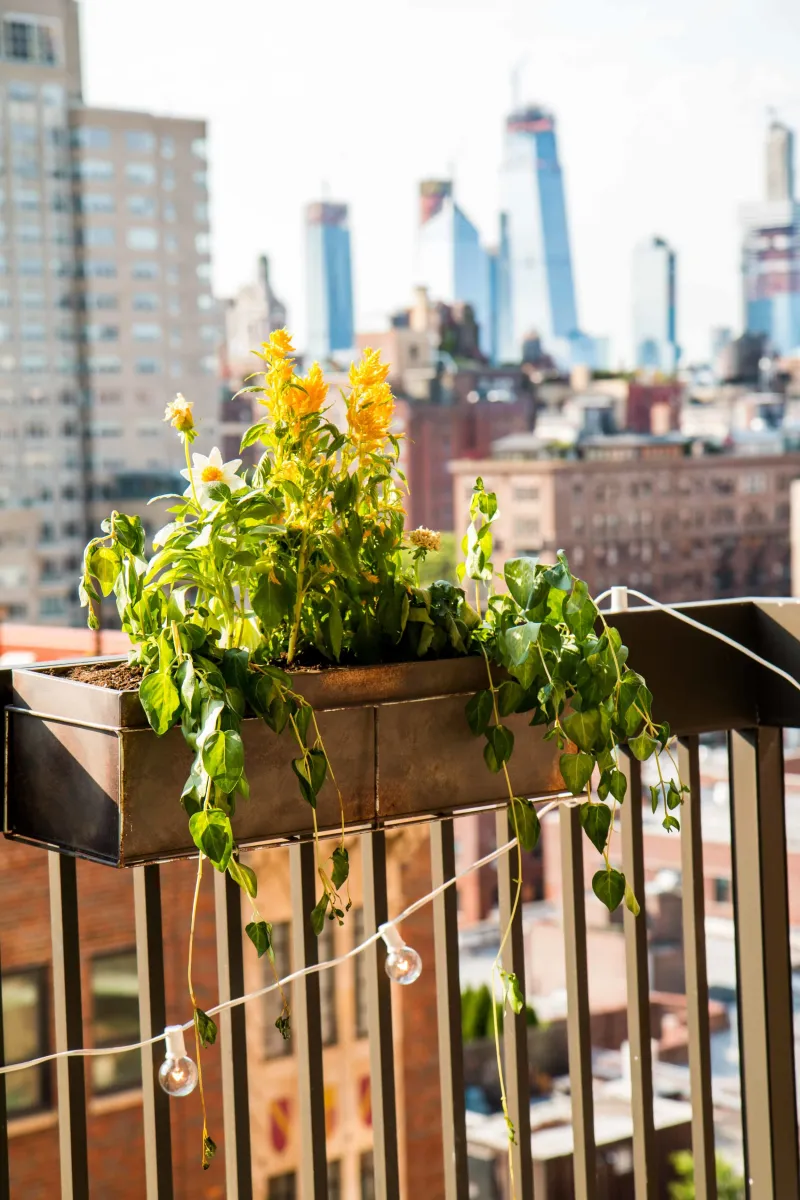
Balcony railings are one of the most underused gardening spots in all of New York City.
A simple railing planter box clips or hooks right onto the railing without drilling a single hole.
Suddenly, your railing becomes a blooming border of color and life.
Petunias, marigolds, and trailing ivy look absolutely stunning spilling over the sides.
You can also go practical and plant cherry tomatoes, lettuce, or strawberries for a mini edible garden.
Mix flowers and vegetables together for a setup that looks beautiful and feeds you too.
Weight is an important consideration on NYC balconies, so opt for lightweight plastic or fiberglass boxes.
Fill them with a quality potting mix rather than heavy garden soil to keep things manageable.
Most railing planters come with built-in drainage holes, which prevents root rot in rainy seasons.
Uptown, downtown, or somewhere in between, this idea works in every borough.
You can swap out plants seasonally, going from pansies in spring to ornamental kale in fall.
It is one of the easiest ways to add instant personality to any balcony without spending a lot of money.
Tiered Plant Stands
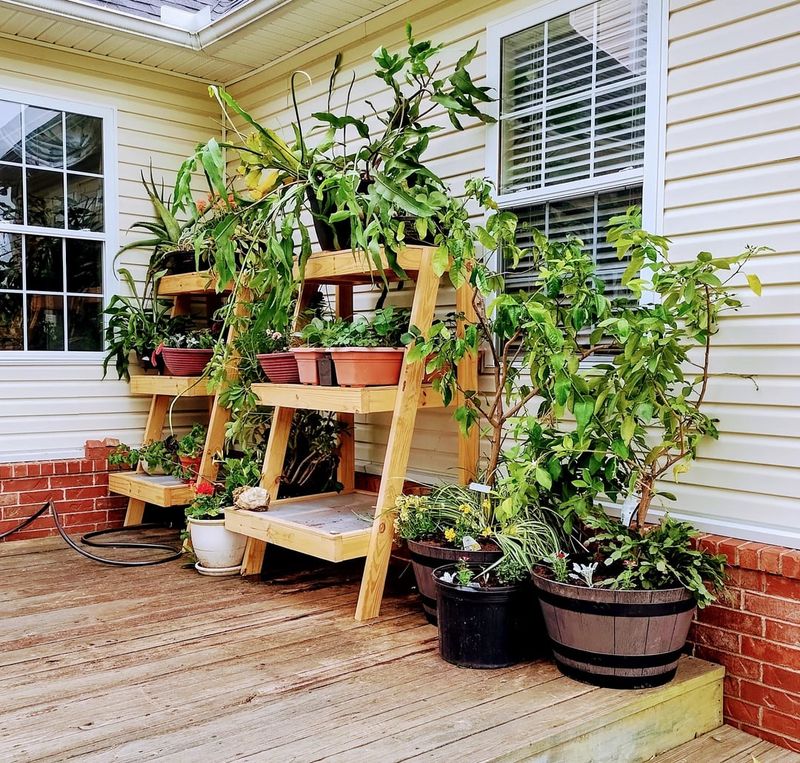
Imagine squeezing twenty plants into the footprint of a single chair. That is exactly what a tiered plant stand does.
These multi-level structures let you stack plants upward instead of spreading them outward.
For NYC balconies, that kind of space efficiency is genuinely priceless.
Wooden tiered stands add a warm, rustic feel that contrasts beautifully against a city backdrop.
Metal versions offer a sleeker, more modern look that suits contemporary apartments in areas like Williamsburg or the Upper East Side.
Either way, you gain multiple planting levels without sacrificing precious floor space.
Succulents, herbs, and small flowering plants are perfect candidates for tiered stands.
Arrange them by height so taller plants sit at the back and trailing varieties cascade over the front edges.
The layered effect creates a mini garden scene that looks professionally designed.
Rotating your stand occasionally ensures every plant gets an even share of sunlight throughout the week.
This is especially helpful on balconies that only receive direct sun for a few hours daily.
For under fifty dollars, a tiered plant stand might just be the single best investment your balcony garden ever sees.
Raised Bed Containers
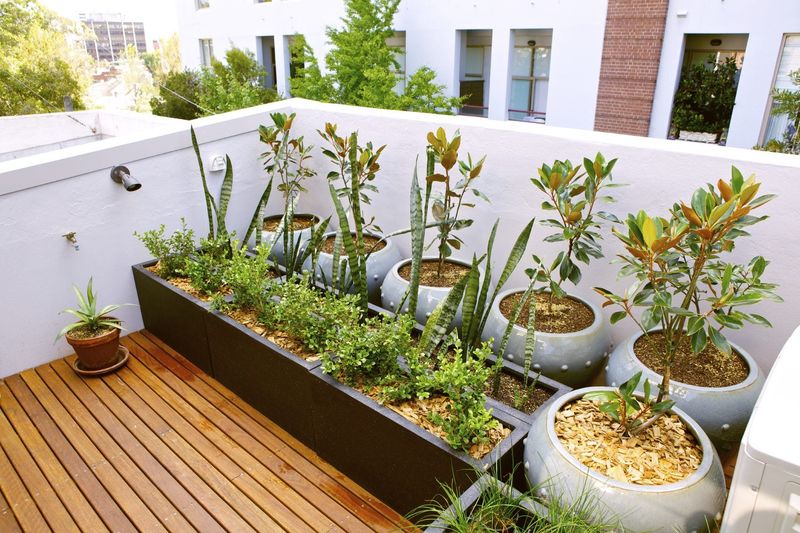
Raised bed gardening is not just for backyards in the suburbs. NYC residents are pulling it off on balconies and rooftops all across the five boroughs.
A compact raised bed container brings the joy of proper vegetable gardening to even the tiniest outdoor spaces.
You control the soil quality, drainage, and layout completely.
Cedar wood raised beds are a popular choice because cedar naturally resists moisture and lasts for years outdoors.
Fabric raised beds are another excellent option since they are lightweight, flexible, and fold flat for storage in winter.
Both options work beautifully on balconies when sized appropriately.
Grow tomatoes, peppers, zucchini, or cucumbers in a raised container and you will be shocked by the harvest.
New York summers are actually quite warm and productive for vegetable growing when plants get six or more hours of sun.
Pair your raised bed with a simple drip irrigation system and maintenance becomes almost effortless.
Community gardens throughout Manhattan and Brooklyn have proven that urban raised bed growing is wildly successful.
Bring that same energy to your own balcony and enjoy homegrown produce steps from your kitchen.
Fresh food grown by your own hands tastes about a thousand times better than anything from a grocery store.
Hanging Basket Gardens
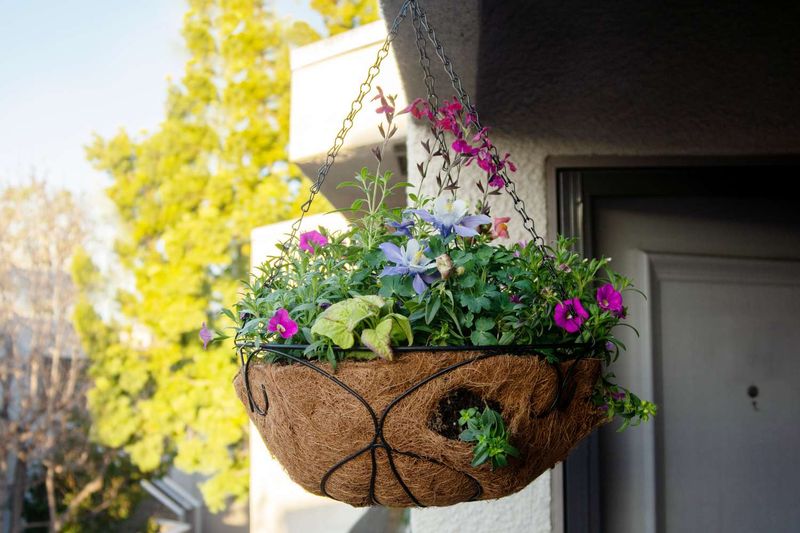
Hanging baskets have a magical way of making a space feel lush and romantic almost instantly.Suspend a few from your balcony ceiling and suddenly the whole area feels like a secret garden floating above the city.
New Yorkers who have tried this trick say it completely changes the vibe of their outdoor space.
Trailing plants like fuchsia, lobelia, and sweet potato vine spill beautifully from hanging baskets.You can also hang strawberry planters or herb baskets for a functional and gorgeous display.
Mix textures and colors for a layered look that catches the eye from every angle.
Watering hanging baskets requires a bit of consistency since they tend to dry out faster than ground-level pots.A long-handled watering wand makes reaching overhead baskets much easier and prevents spilling water everywhere.
Self-watering hanging baskets are also available and take a lot of the guesswork out of the process.
For apartments in areas like the East Village or Astoria, hanging baskets add greenery without crowding the floor at all.They work especially well on covered balconies that protect plants from heavy summer rain.
Once you hang your first basket, you will immediately start planning where to hang the next one.
Herb Garden Window Boxes
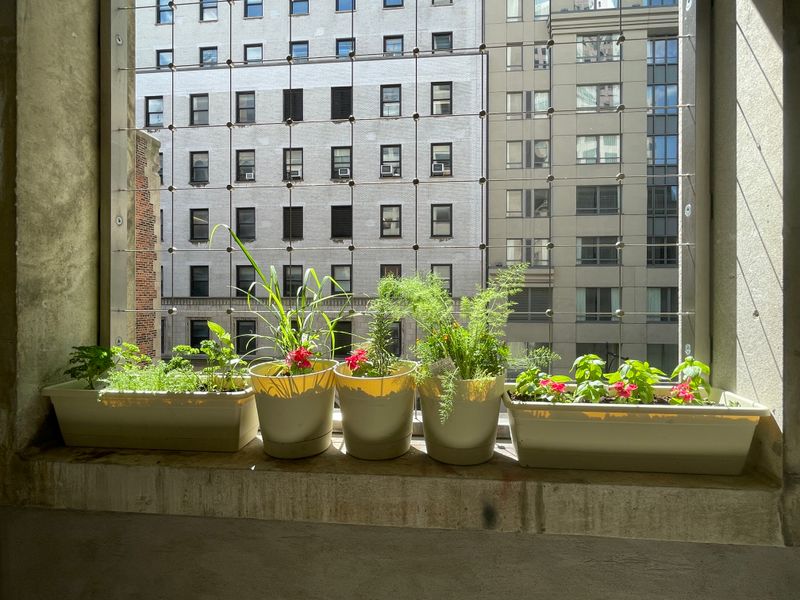
No balcony at all? No problem whatsoever.
A window box mounted just outside your apartment window is one of the oldest and most beloved urban gardening tricks in New York City.
Cook with fresh herbs every single day without ever leaving your building.
Basil, rosemary, thyme, cilantro, and mint all grow happily in window boxes when they get enough sunlight.
A south or east-facing window is ideal for most herbs since they love warmth and bright morning light.
Even a partially shaded window can support shade-tolerant herbs like parsley and chives.
Window boxes come in wood, terracotta, plastic, and metal. Choose one that suits your building’s exterior style.
Always make sure your box is securely fastened, especially in a city where wind gusts can get surprisingly strong.
Check local NYC building regulations since some buildings have rules about exterior attachments.
Planting a window box herb garden is an incredibly satisfying weekend project that costs very little to start.
Refill it each season with new seedlings from a local farmers market or garden center in your neighborhood.
Greenmarkets at Union Square or the Brooklyn Botanic Garden plant sales are perfect sourcing spots for fresh seedlings every spring.
Compact Raised Vegetable Garden
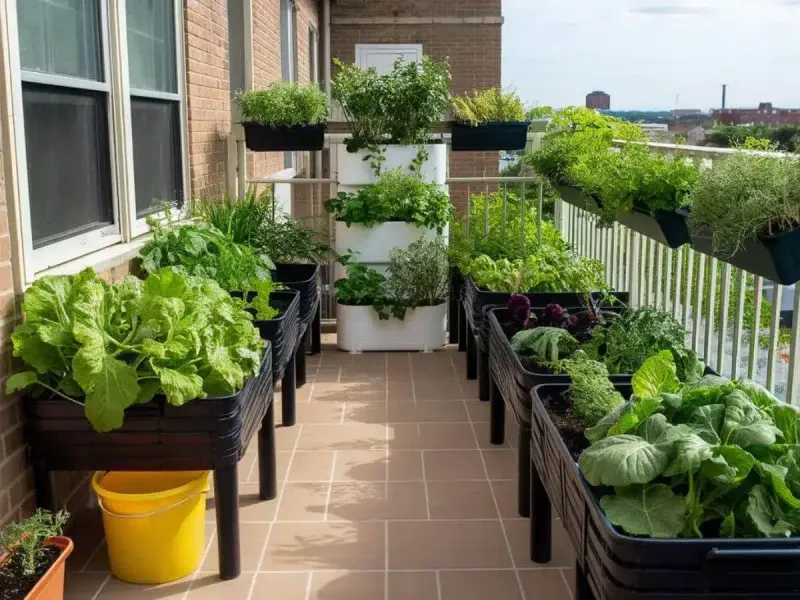
Growing your own vegetables in New York City sounds ambitious, but thousands of city residents do it every single year.A compact raised vegetable garden on your balcony or rooftop can produce a surprising amount of fresh food.
All it takes is the right containers, good soil, and a reliable watering routine.
Cherry tomatoes are arguably the best balcony vegetable because they produce abundantly in containers and love full sun.Lettuce, spinach, and arugula grow quickly and can be harvested repeatedly throughout the season.
Peppers and herbs round out a well-balanced balcony vegetable garden beautifully.
New York City summers run warm from June through September, giving most vegetables a solid growing window.Use a high-quality potting mix enriched with compost to give your plants the nutrients they need to thrive.
Fertilize every two weeks with a balanced liquid fertilizer to keep production going strong.
Keeping a small journal of what you plant and when helps you improve each season.Note which varieties did best on your specific balcony, considering your sun exposure and wind conditions.
Over time, you will develop a personalized planting system that turns your balcony into a genuinely productive mini farm right in the heart of the city.
Succulent And Cactus Display
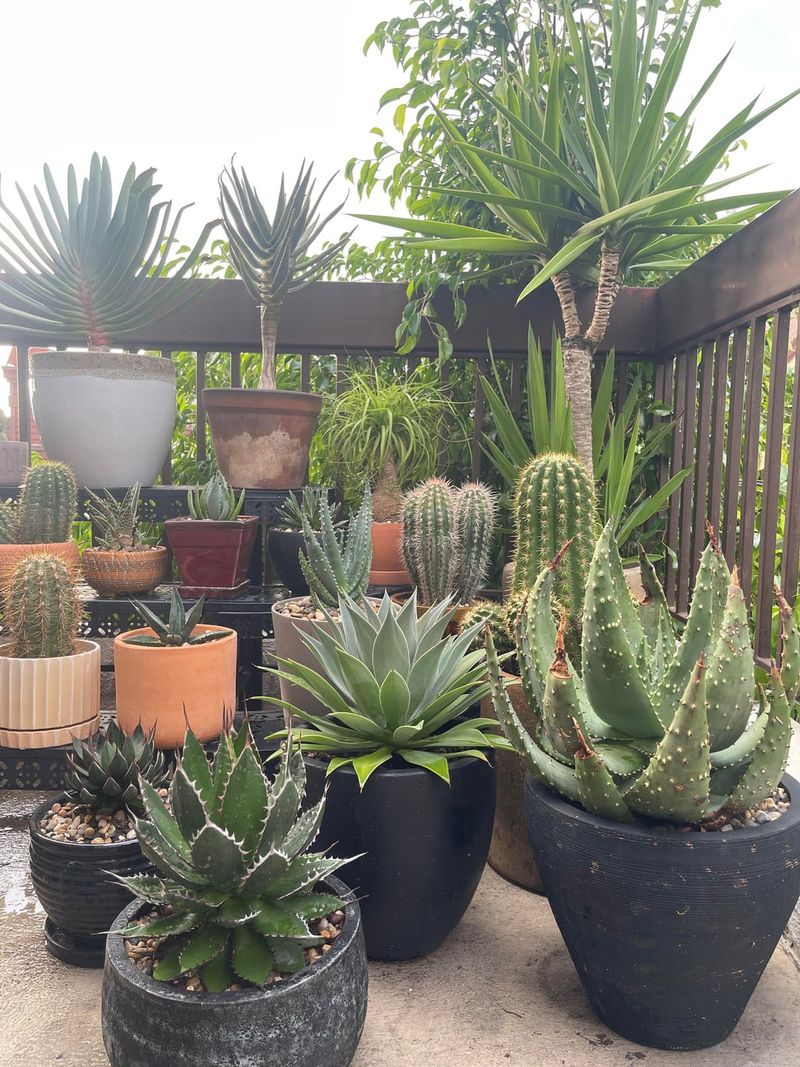
Not everyone has the time or memory to water plants every single day and that is perfectly okay.
Succulents and cacti are the ultimate low-maintenance garden option for busy New Yorkers who love greenery but live hectic lives.
These plants store water in their leaves and stems, surviving happily on very little attention.
Arrange a collection of different shapes, sizes, and textures together for a stunning sculptural display.
Hens and chicks, echeveria, sedum, and aloe vera all thrive in containers on sunny balconies.
Mix terracotta pots with geometric ceramic planters for a look that feels modern and curated.
Succulents love full sun, making them perfect for south-facing balconies that bake in summer heat.
Water deeply but infrequently, about once every ten to fourteen days during summer months.
In winter, most succulents need barely any water at all and can simply be brought indoors near a sunny window.
New York City apartment dwellers have embraced succulent gardens because they look like living art installations.
A well-arranged succulent display on a balcony table becomes an instant conversation starter for any guest.
Start with just five or six varieties and watch your collection grow naturally over time as you discover new favorites.
DIY Pallet Garden
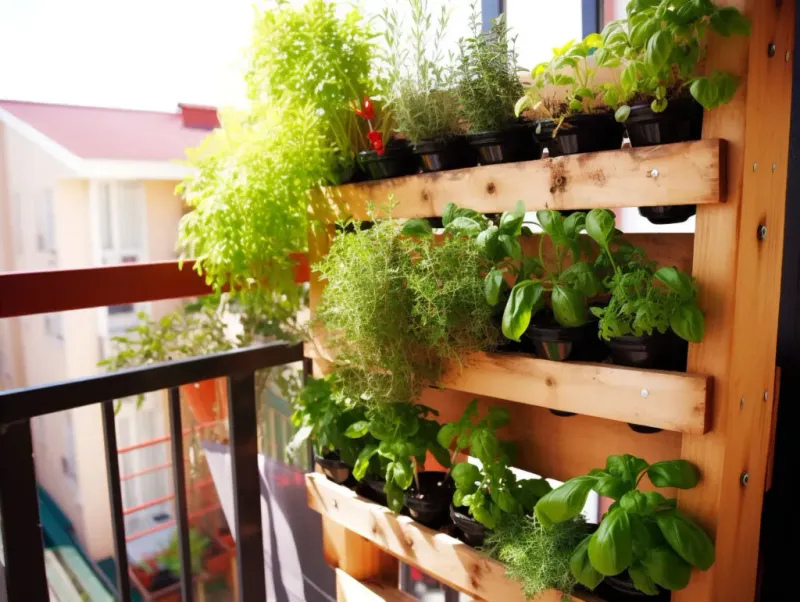
Repurposing old wooden pallets into a garden planter is one of the most satisfying DIY projects a city dweller can tackle.Pallets are often available for free or very cheaply from hardware stores and warehouses across all five NYC boroughs.
With a little sanding, some landscape fabric, and potting soil, you have a ready-made vertical garden.
Stand the pallet upright against your balcony wall and fill the slat gaps with soil and small plants.Herbs, strawberries, and trailing flowers tuck perfectly into the horizontal spaces between slats.
The whole project can be completed in a single afternoon with basic tools and supplies.
Make sure to use heat-treated pallets marked with the letters HT rather than chemically treated ones.Chemically treated pallets can leach harmful substances into your soil and plants, which is not something you want in an edible garden.
A quick check for the HT stamp on the pallet side keeps everything safe and healthy.
The rustic wooden look of a pallet garden adds real charm to urban balconies throughout Brooklyn and Queens.Paint it a bold color or leave it natural for a more organic, earthy aesthetic.
Either way, your neighbors will be asking you how you built it before the summer is even halfway through.
Fairy Light And Plant Combo
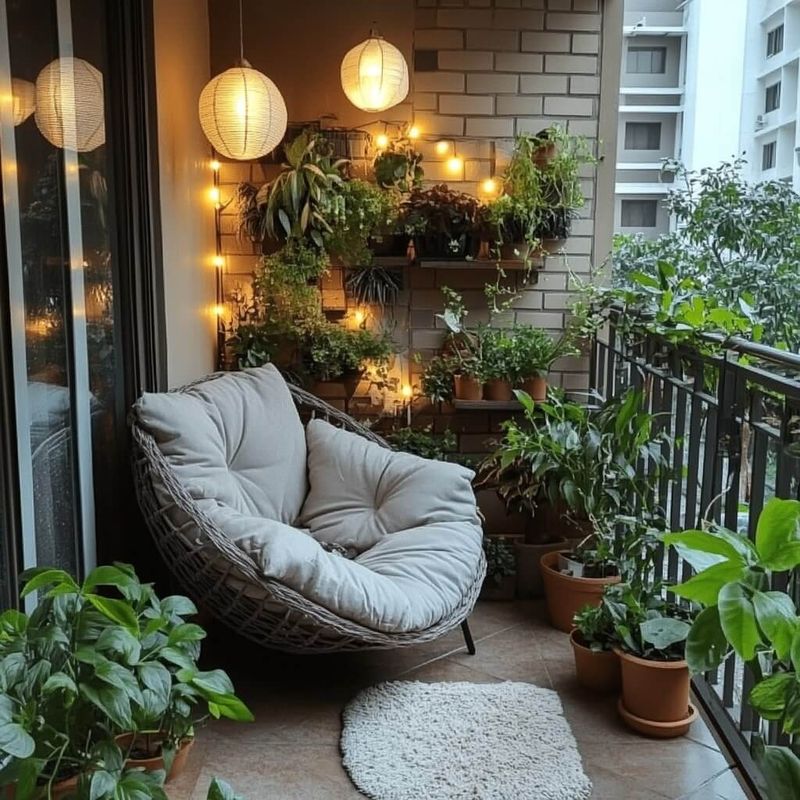
Gardens are not just for daytime enjoyment. With the right lighting, your balcony becomes a magical retreat after dark too.
Wrapping fairy lights through your plants creates an enchanting atmosphere that transforms your outdoor space completely.
New York City at night is already breathtaking, and your own glowing balcony garden adds to that beauty perfectly.
Solar-powered string lights are an incredibly practical choice for balconies since they require no electrical outlet at all.
Drape them through trailing plants, around railing planters, or across a small trellis for a dreamy layered effect.
Warm white lights tend to complement green foliage most naturally and beautifully.
Combine your fairy lights with lush potted plants like ferns, peace lilies, or philodendrons for a jungle-meets-city look.
These shade-tolerant plants do well on balconies with limited direct sunlight and stay green throughout the season.
Place larger plants at the back and smaller ones in front to create depth and visual interest.
This setup works equally well for solo relaxation evenings and for hosting friends over rooftop-style.
Pour a glass of something cold, settle into a comfortable chair, and enjoy your own private glowing garden above the city streets.
Few things in NYC feel as special as a plant-filled balcony lit up on a warm summer evening.
Self-Watering Container Systems
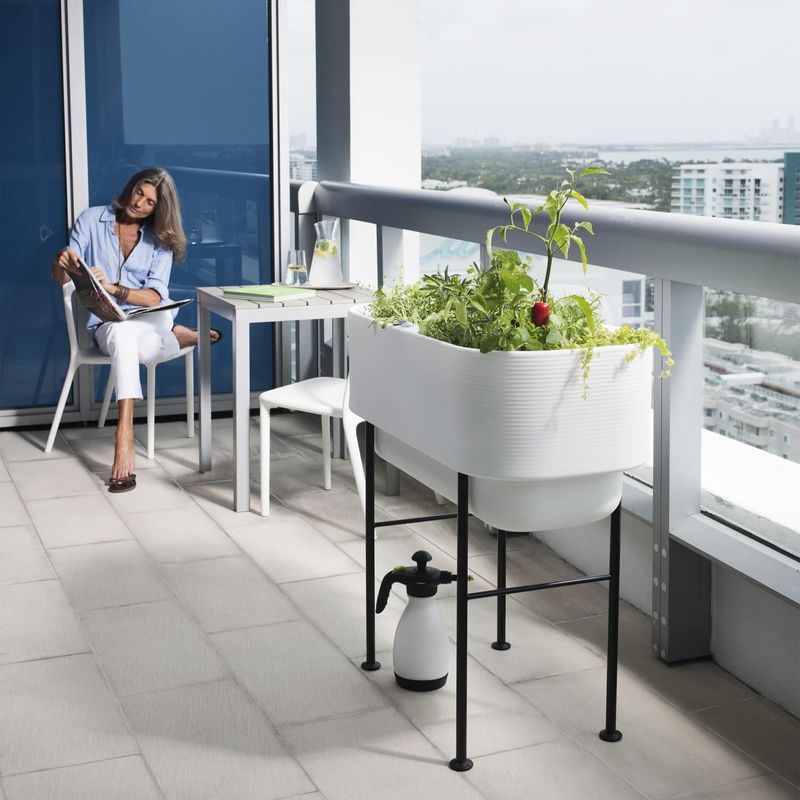
Forgetting to water your plants while juggling a demanding New York City lifestyle is one of the most common reasons urban gardens struggle.Self-watering containers solve this problem elegantly by storing water in a reservoir beneath the soil.
Plants draw moisture upward through a wicking system exactly when they need it, never too much and never too little.
These containers are especially brilliant for balcony tomatoes, peppers, and herbs that need consistent moisture to produce well.Overwatering and underwatering are the two most common plant problems, and self-watering systems eliminate both issues entirely.
You simply refill the reservoir every few days instead of worrying about daily watering schedules.
Many self-watering containers come in sleek, modern designs that look fantastic on contemporary NYC balconies.Choose from slim rectangular planters for railing setups or deeper round pots for larger plants like eggplant or cucumbers.
Most systems also include a water level indicator so you always know exactly when a refill is needed.
Busy professionals living in Midtown or the Financial District swear by self-watering containers for keeping their balcony gardens alive through hectic work weeks.They are a genuinely smart investment that pays off in healthier plants and bigger harvests.
Once you try one, going back to regular pots feels almost unnecessarily stressful.
Trellis And Climbing Plant Setup
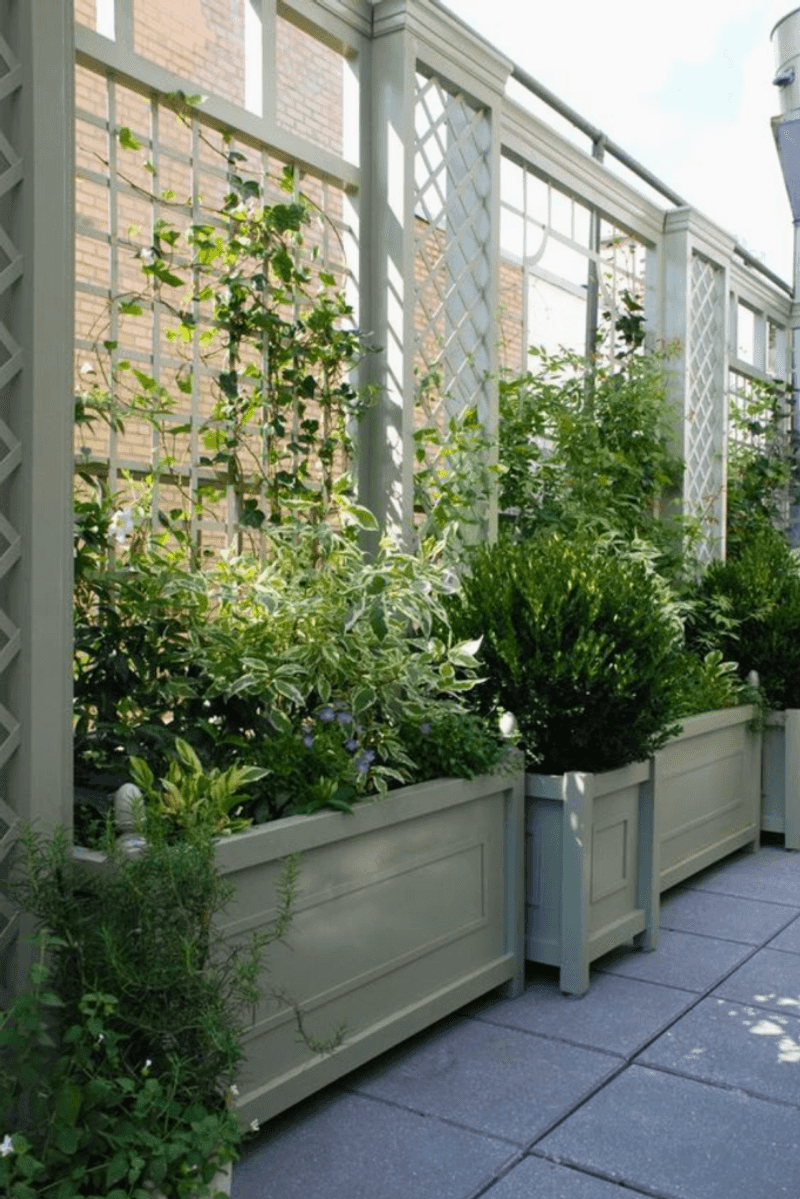
Climbing plants paired with a simple trellis are one of the most dramatic and space-saving garden combinations available. A trellis leans against your balcony wall or attaches to the railing and gives vining plants a structure to grow upward on.
Within weeks, bare walls and railings disappear behind a curtain of living green growth.
Jasmine, clematis, morning glory, and passionflower are all stunning choices for balcony trellises in New York City.
Edible climbers like pole beans, cucumbers, and small pumpkins also work brilliantly when given enough sun and support.
The vertical growth habit means you get maximum plant coverage with minimal container footprint on the floor.
Building a simple DIY trellis from bamboo poles and twine costs almost nothing and can be customized to any size.
Pre-made wooden or metal trellises are also widely available at garden centers throughout the city and online.
Secure everything properly since summer storms in NYC can bring surprisingly strong winds to exposed balconies.
As your climbing plants mature, they create a natural privacy screen that shields your balcony from neighboring buildings.
In a city where apartments are stacked closely together, that leafy privacy is genuinely worth its weight in gold.
It is beautiful, functional, and one of the most rewarding balcony garden projects you can possibly take on.
Miniature Zen Garden Corner
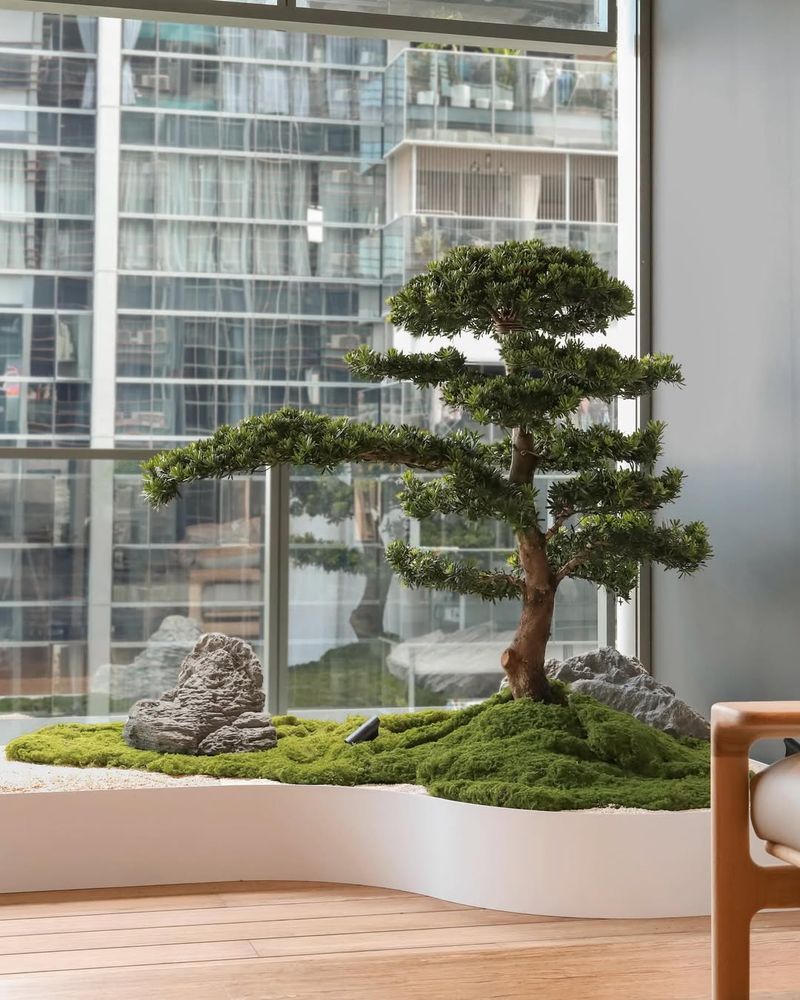
New York City never really stops moving, which makes having a calming retreat at home more valuable than ever.
A miniature zen garden corner on your balcony creates a peaceful sanctuary away from the noise and energy of the streets below.
Even a tiny corner of your outdoor space can become a genuine place of calm and reflection.
Start with a small bonsai tree or dwarf ornamental grass as your central focal point.
Surround it with smooth river stones, a small bamboo plant, and perhaps a petite water feature if space allows.
Keep the color palette simple. Greens, whites, and earth tones work together to create a serene, uncluttered feel.
Moss in small terracotta dishes adds texture and a beautifully soft quality to the overall arrangement.
Japanese forest grass or blue fescue ornamental grasses move gently in the breeze and add life to the corner.
A small wooden bench or floor cushion completes the space and gives you somewhere to actually sit and breathe.
Many New Yorkers who have created zen garden corners report that spending just ten minutes there each morning genuinely improves their entire day.
The contrast between the stillness of your garden corner and the buzzing city beyond makes the peace feel even more profound.
Sometimes the smallest spaces offer the biggest sense of escape.
Edible Flower Garden
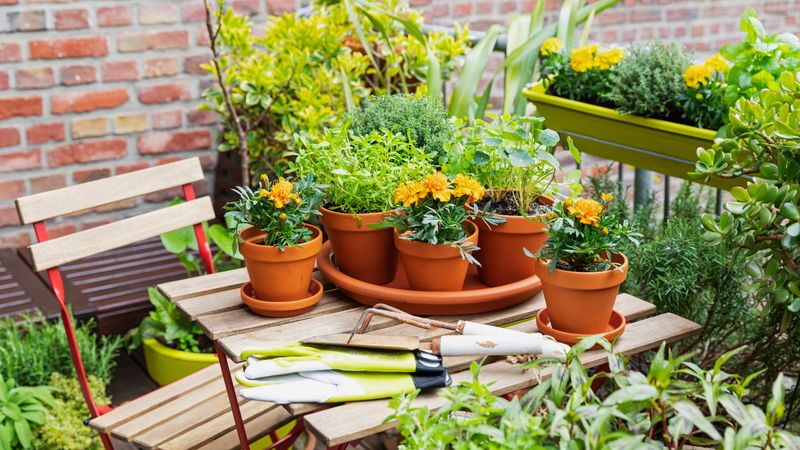
Flowers that you can actually eat sound like something from a fancy restaurant menu, but growing them at home is surprisingly simple and fun.
Edible flower gardens are having a serious moment among New York City food lovers and urban gardeners alike.
They are beautiful to look at, easy to grow in containers, and genuinely delicious when added to salads, cocktails, and desserts.
Nasturtiums are the undisputed star of the edible flower world, peppery, colorful, and almost impossible to fail at growing.
Pansies, calendula, borage, and violas are other fantastic options that thrive in balcony containers throughout the NYC growing season.
All of these varieties do well in standard potting mix with regular watering and a sunny spot.
Plant them in bright ceramic pots or window boxes for a display that looks as good as it tastes.
Harvest flowers in the morning when they are freshest and add them directly to your plate or glass.
Never eat flowers treated with pesticides. Growing your own guarantees you know exactly what went into them.
Hosting a dinner party in your NYC apartment becomes instantly more impressive when you can garnish dishes with flowers you grew yourself.
Guests always ask about them and the story behind a homegrown edible garden makes every meal feel more special.
Beautiful, tasty, and conversation-worthy, edible flower gardening checks every single box.
Seasonal Container Garden Rotation
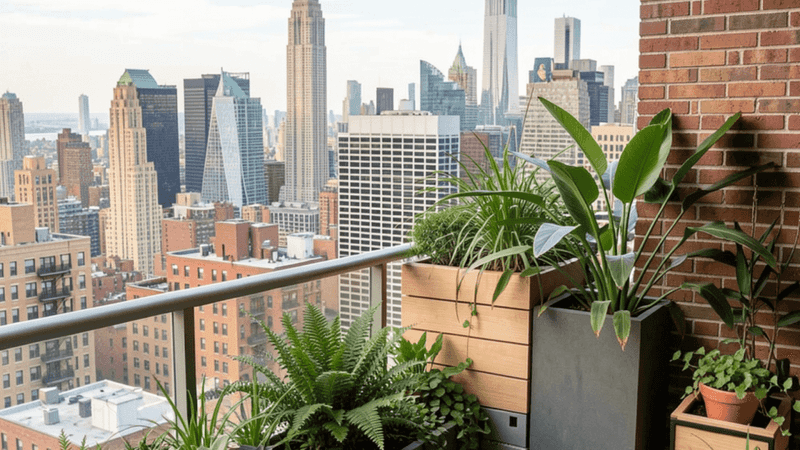
One of the most exciting things about container gardening in New York City is that your garden can completely reinvent itself every single season.
A seasonal rotation approach means your balcony always looks fresh, interesting, and alive no matter what time of year it is.
Spring tulips give way to summer tomatoes, which then hand off to fall mums and ornamental kale.
Start planning your rotation in late winter by ordering seeds and browsing local nurseries for upcoming seasonal varieties.
The Union Square Greenmarket and various Brooklyn plant shops stock seasonally appropriate plants throughout the year.
Having a clear seasonal plan prevents you from scrambling at the last minute and keeps your garden looking intentional.
Spring is perfect for pansies, snapdragons, lettuce, and cool-season herbs like cilantro and dill.
Summer calls for tomatoes, basil, peppers, zucchini, and heat-loving flowers like zinnias and marigolds.
Fall brings ornamental cabbage, pansies again, mums, and root vegetables like radishes and beets.
Even winter does not have to mean bare containers, evergreen branches, holly, and decorative twigs keep things visually interesting through the coldest months.
Rotating your container garden teaches you an enormous amount about plant timing, soil health, and your specific balcony microclimate.
After just one full year of seasonal rotation, you will feel like a genuinely experienced urban gardener ready for anything the city throws at you.