11 Creative Ideas Turning Michigan Gardens Into Outdoor Showstoppers
Michigan gardeners have a secret weapon that transforms ordinary yards into spectacular outdoor spaces everyone stops to admire and photograph year after year.
From the sandy shores of Lake Michigan to Detroit’s urban neighborhoods, creative homeowners are discovering unique ways to make gardens truly shine.
These innovative ideas work perfectly with Michigan’s climate, turning challenges like cold winters into opportunities for stunning seasonal displays and transformations.
Get ready to explore fresh approaches that will inspire you to reimagine your garden as an unforgettable outdoor showstopper this season.
1. Native Wildflower Meadows
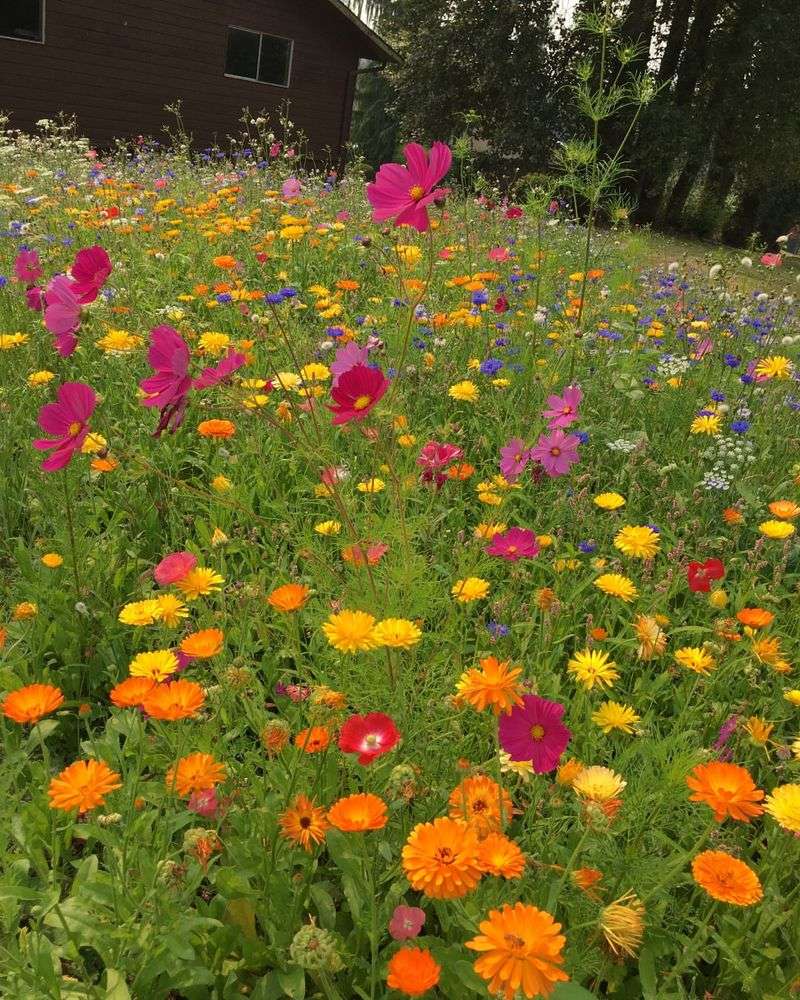
Transforming a section of lawn into a native wildflower meadow creates a stunning, low-maintenance landscape that supports local pollinators beautifully.
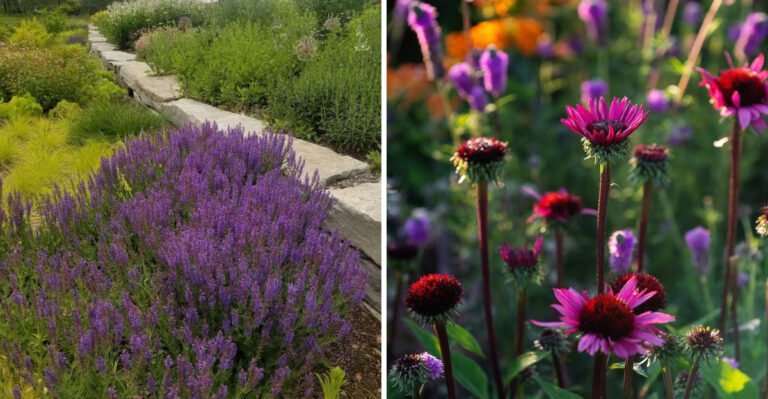
Michigan native species like purple coneflower, black-eyed Susan, and wild bergamot thrive without constant watering or fertilizing once established properly.
These plants evolved over thousands of years to handle our state’s weather patterns, from humid summers to freezing winters perfectly.
Butterflies, bees, and hummingbirds flock to these colorful blooms, creating a living ecosystem right outside your window every day.
The initial setup requires removing existing grass and planting seeds or plugs during spring or fall for best results.
Within two growing seasons, your meadow will fill in completely, offering waves of color from early spring through late fall.
Maintenance involves one annual mowing in late winter, making this option incredibly practical for busy homeowners seeking beauty without hassle.
Your neighbors will ask about the gorgeous display, and you’ll enjoy watching nature’s show unfold throughout every season naturally.
2. Vertical Garden Walls
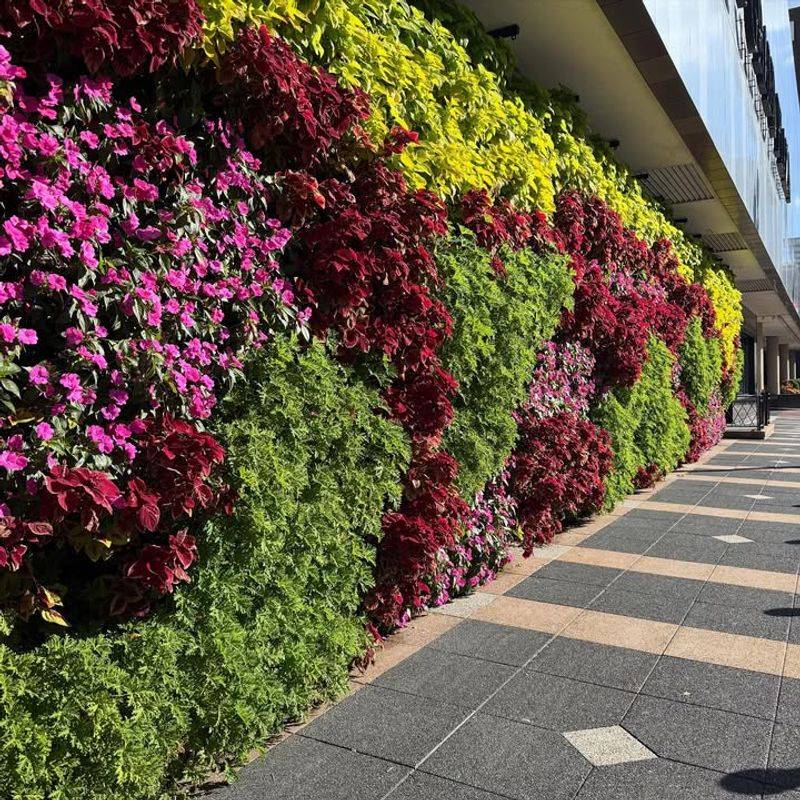
Limited yard space doesn’t mean you can’t create a breathtaking garden display that captures attention and maximizes every square inch available.
Vertical gardens use walls, fences, or freestanding structures to grow plants upward rather than outward, creating living art pieces instantly.
Michigan gardeners can incorporate cold-hardy ferns, succulents, herbs, and trailing flowers that cascade beautifully down modular planting systems year-round.
These installations work wonderfully on garage walls, privacy fences, or even balcony railings in urban settings where ground space is limited.
Installing a vertical garden requires sturdy mounting hardware and proper drainage systems to prevent water damage to structures behind them.
Choose plants with similar light and water requirements to simplify maintenance and ensure everything thrives together throughout the growing season.
Drip irrigation systems can automate watering, making upkeep surprisingly simple even during Michigan’s hot, dry summer weeks when rain is scarce.
The result is a stunning focal point that adds dimension, texture, and color to otherwise boring vertical surfaces dramatically.
3. Moonlight Garden Spaces
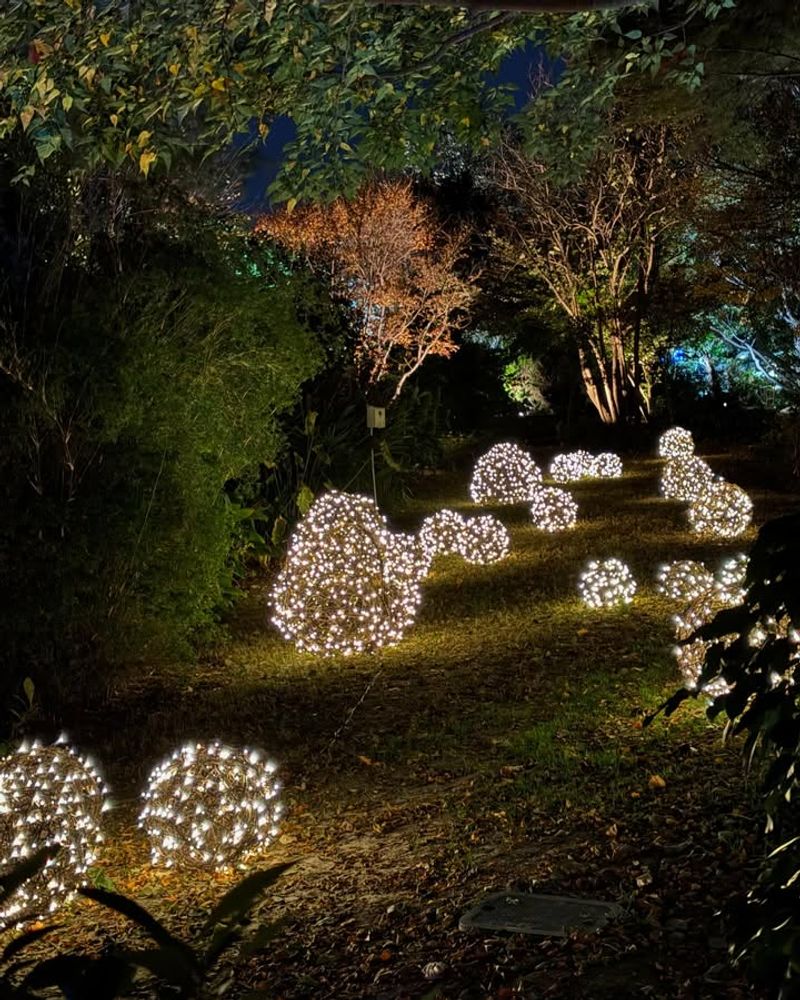
Gardens designed specifically for evening enjoyment create magical outdoor spaces that glow softly under moonlight and strategic lighting placement techniques.
White and silver plants like white phlox, lamb’s ear, dusty miller, and white roses reflect moonlight beautifully, creating an ethereal atmosphere.
Michigan’s summer evenings are perfect for enjoying these spaces, especially when temperatures drop and mosquitoes aren’t too bothersome outdoors.
Adding fragrant plants like nicotiana, night-blooming jasmine, and evening primrose enhances the sensory experience with delightful scents wafting through air.
Strategic placement of solar lights, uplighting, and pathway illumination extends your garden’s usability well past sunset every single evening.
Comfortable seating areas surrounded by these luminous plants become favorite gathering spots for family and friends during warm months.
The white blooms continue glowing even after dark, creating a peaceful retreat that feels completely different from daytime gardens.
This approach transforms your yard into a romantic, sophisticated outdoor room that showcases your creativity and attention to unique design details.
4. Rain Garden Features
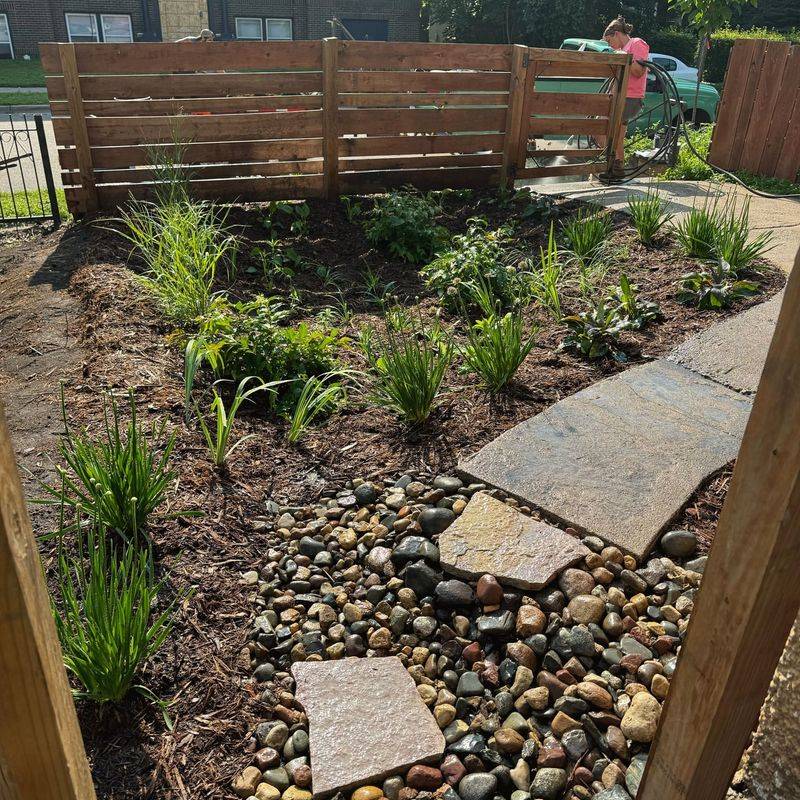
Michigan’s unpredictable rainfall patterns make rain gardens both practical and visually stunning additions that solve drainage problems while looking absolutely gorgeous.
These specially designed gardens capture runoff from roofs, driveways, and lawns, filtering water naturally before it enters storm drains nearby.
Native plants like cardinal flower, swamp milkweed, and blue flag iris thrive in the alternating wet and dry conditions rain gardens experience.
The depression-shaped design holds water temporarily after storms, then drains within 24 to 48 hours, preventing mosquito breeding concerns completely.
Creating a rain garden involves identifying low spots or directing downspouts to a prepared area filled with absorbent soil and plants.
These gardens reduce flooding, prevent erosion, and filter pollutants from water, making them environmentally responsible landscape choices for conscious homeowners.
The lush, varied plant palette creates a cottage-garden feel that attracts wildlife and adds tremendous curb appeal to properties.
Watching your rain garden in action during summer thunderstorms gives you satisfaction knowing you’re helping the environment beautifully.
5. Edible Landscaping Integration
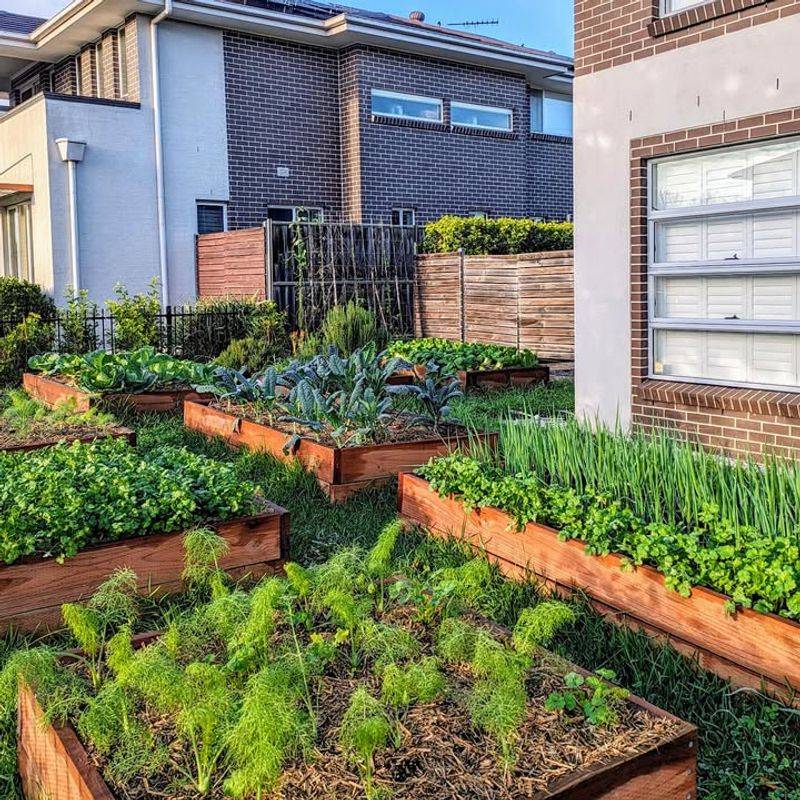
Why settle for purely ornamental plants when you can grow gorgeous landscapes that also provide delicious harvests throughout the growing season?
Edible landscaping blends fruit trees, berry bushes, herbs, and vegetables seamlessly into traditional garden beds for beauty and function combined.
Michigan’s climate supports incredible edibles like blueberries, raspberries, apple trees, and cherry trees that offer spring blossoms and summer fruit.
Ornamental kale, rainbow chard, and purple basil add stunning color while providing ingredients for your kitchen table every week.
Strawberry plants make excellent groundcovers, while grape vines trained on arbors create shaded sitting areas with edible rewards in fall.
Herb borders of lavender, sage, and thyme look sophisticated while attracting beneficial insects and offering fresh flavors for cooking daily.
This approach maximizes garden productivity without sacrificing aesthetic appeal, creating landscapes that are both beautiful and practical for families.
Neighbors will admire your creative design while you enjoy fresh, organic produce steps from your kitchen door conveniently.
6. Four-Season Interest Planning
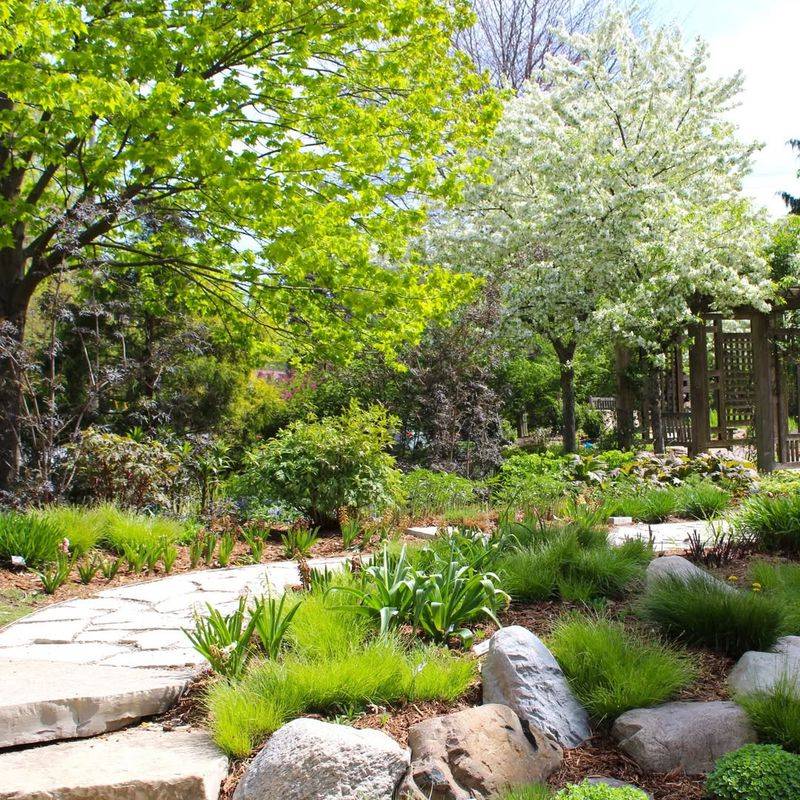
Michigan gardens shouldn’t disappear after the first frost; strategic planning ensures your outdoor space looks spectacular even during snowy winter months.
Four-season gardens incorporate plants with varying bloom times, evergreen structures, colorful bark, and persistent seedheads that provide visual interest year-round.
Spring bulbs, summer perennials, fall foliage, and winter berries create a constantly changing landscape that never looks bare or boring.
Evergreens like boxwood, yew, and juniper provide structure and color when deciduous plants lose their leaves during cold months.
Ornamental grasses like ‘Karl Foerster’ feather reed grass and switchgrass look stunning when frosted, adding texture and movement to winter landscapes.
Trees with interesting bark, such as paperbark maple and red-twig dogwood, become focal points when snow blankets the ground beautifully.
Planting shrubs with persistent berries like winterberry holly ensures color and wildlife food sources throughout the coldest months reliably.
This thoughtful approach keeps your garden engaging and attractive every single day of the year, not just during summer’s peak.
7. Pollinator Pathway Corridors
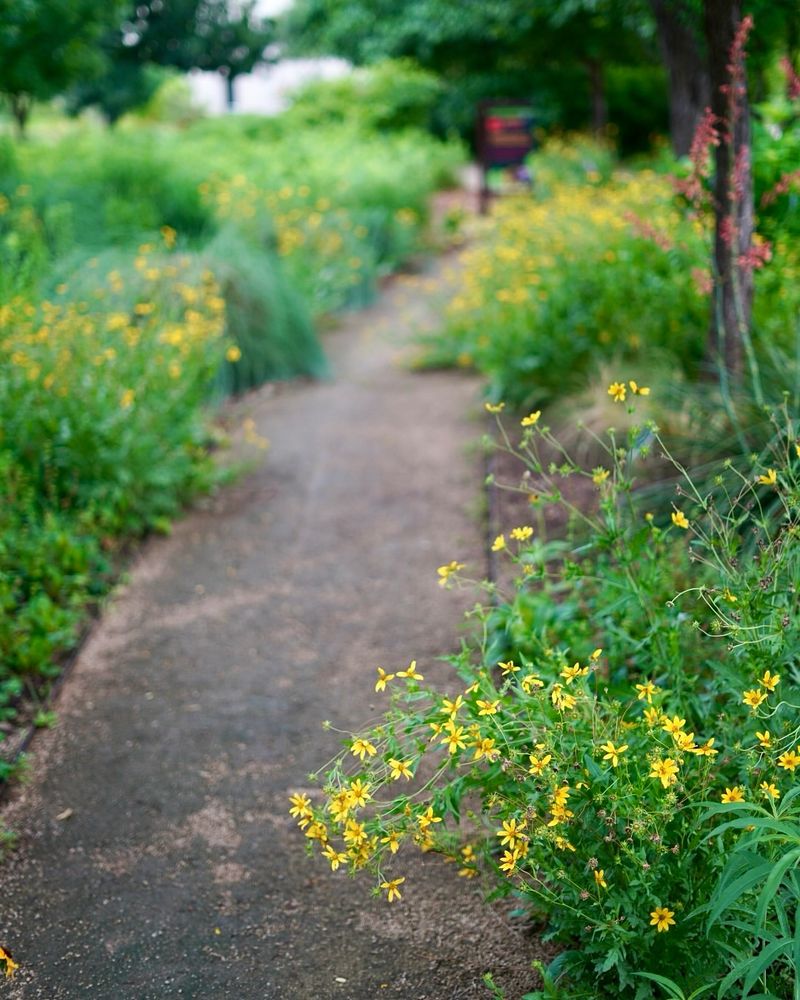
Creating dedicated corridors filled with nectar-rich plants supports declining pollinator populations while adding spectacular color and life to your garden spaces.
Michigan’s native bees, butterflies, and hummingbirds desperately need habitat as development reduces natural areas they historically depended upon for survival.
Planting continuous blooming sequences from spring through fall ensures pollinators find food throughout their active seasons without interruption or gaps.
Include host plants like milkweed for monarch butterflies, allowing them to complete their life cycles successfully right in your backyard.
Avoid pesticides completely in pollinator areas, as chemicals harm the beneficial insects you’re trying to attract and support with plantings.
Provide shallow water sources like birdbaths with stones for landing spots, giving pollinators places to drink safely during hot days.
Clustering similar plants together rather than scattering individual specimens makes it easier for pollinators to find and utilize resources efficiently.
Your garden becomes a vital link in a larger ecological network, and you’ll enjoy watching the incredible diversity of visitors.
8. Outdoor Living Room Extensions
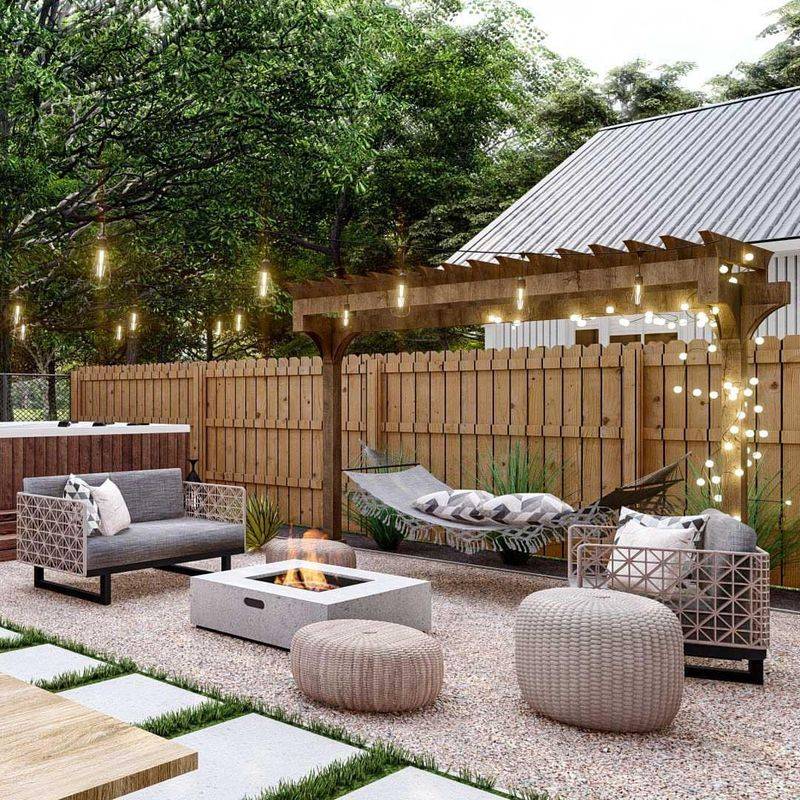
Blurring the lines between indoor comfort and outdoor beauty creates functional garden spaces that become favorite gathering spots for relaxation and entertainment.
Outdoor living rooms feature comfortable, weather-resistant furniture surrounded by lush plantings that provide privacy, shade, and visual interest year-round.
Pergolas draped with climbing roses or clematis create defined ceiling spaces while allowing dappled sunlight to filter through during afternoons.
Container gardens flanking seating areas add flexibility, letting you change color schemes seasonally and move plants for optimal growing conditions.
Incorporate outdoor rugs, throw pillows, and lighting to make the space feel like a true extension of your home’s interior design.
Fire pits or outdoor fireplaces extend usability into cooler Michigan evenings, creating cozy ambiance perfect for gathering with friends.
Surrounding plantings should include fragrant varieties and screening plants that block unwanted views while framing desirable ones strategically.
This approach transforms your garden from something you look at into a space you actively live in daily.
9. Water Feature Focal Points
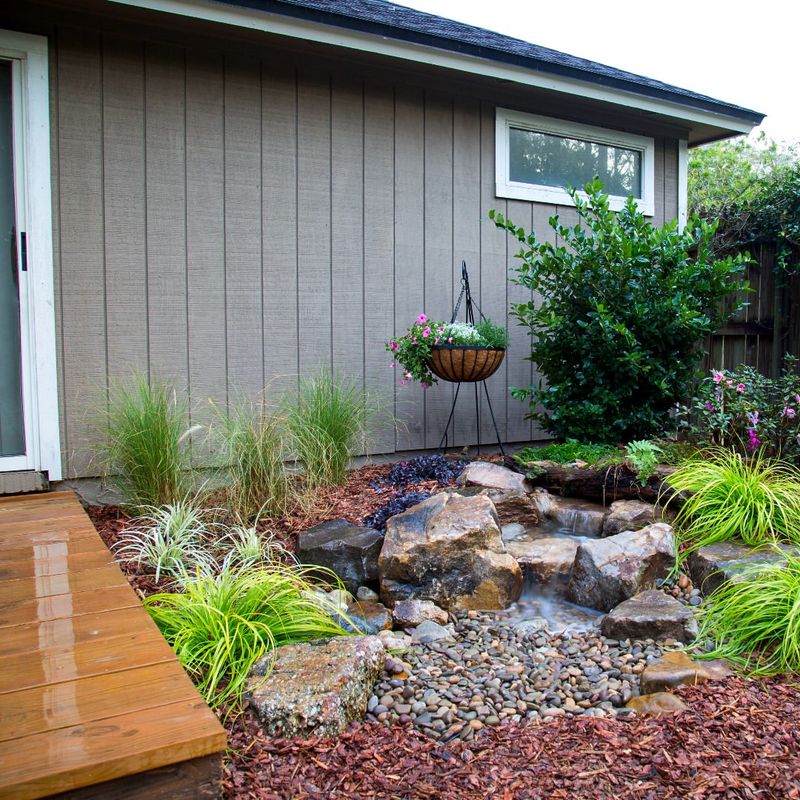
Nothing transforms a garden quite like the soothing sound and visual appeal of water features that become instant focal points drawing eyes.
Fountains, ponds, waterfalls, and bubbling urns add movement, sound, and reflection to gardens, creating peaceful atmospheres that mask neighborhood noise.
Michigan gardeners can choose from simple container water gardens to elaborate koi ponds, depending on space, budget, and maintenance preferences.
Water features attract birds, frogs, and dragonflies, adding wildlife interest while providing drinking and bathing spots for feathered visitors daily.
Installing a recirculating pump system keeps water moving, preventing mosquito breeding and maintaining water quality throughout summer months effectively.
Surround your water feature with moisture-loving plants like Japanese iris, ligularia, and hostas that thrive in the humid microclimate created.
Underwater lighting can illuminate features after dark, creating dramatic nighttime displays that extend your garden’s visual impact significantly.
Even small water features make significant impacts, proving you don’t need a massive budget to add this magical element.
10. Decorative Container Groupings
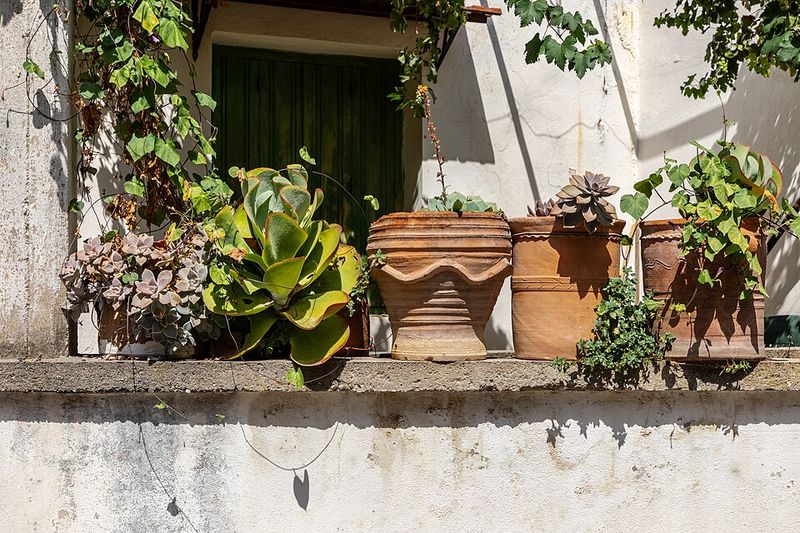
Strategic container groupings offer flexibility and visual impact, allowing you to create stunning displays that change with seasons and personal preferences easily.
Combining containers of varying heights, materials, and colors creates dynamic compositions that look professionally designed and thoughtfully curated throughout seasons.
Michigan’s climate allows for creative seasonal rotations, with pansies and tulips in spring, tropical-looking plants in summer, and mums in fall.
Using matching or complementary container styles ties the grouping together visually while allowing individual plants to shine with unique characteristics.
Place container groups near entryways, on patios, or in garden beds needing temporary color boosts during transitional periods between blooms.
The thriller-filler-spiller formula works wonderfully, combining tall focal plants, mid-height fillers, and trailing spillers for balanced, full compositions.
Containers allow you to grow plants that might not thrive in your native soil, expanding your palette beyond traditional limitations.
Rearranging and refreshing containers keeps your garden feeling new and exciting without major landscape renovations or permanent commitments.
11. Artistic Hardscape Elements
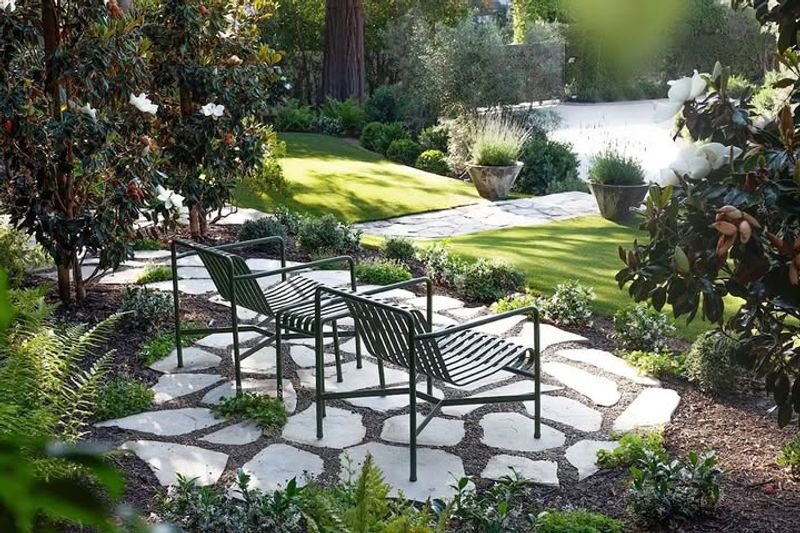
Incorporating artistic hardscape elements like unique pathways, sculptures, and decorative structures adds personality and year-round interest that plants alone cannot provide.
Creative paving patterns using mixed materials like flagstone, brick, and gravel create visually interesting pathways that guide visitors through garden spaces.
Sculptures, decorative screens, and artistic fencing become focal points that reflect your personal style and add conversation-starting elements throughout.
Michigan’s winter months make hardscape features especially valuable, as they maintain visual interest when most plants are dormant or buried.
Consider repurposing vintage items like old windows as garden art or architectural salvage pieces as unique focal points with character.
Trellises and arbors provide vertical interest while supporting climbing plants, serving both functional and aesthetic purposes throughout growing seasons.
Quality hardscaping increases property value while reducing maintenance needs compared to high-maintenance plantings requiring constant attention and care.
These permanent features create garden structure that makes everything else look more intentional, polished, and professionally designed year-round.