10 Creative Reuse Ideas Brightening Missouri Gardens
Missouri gardens often call for a spark of imagination, and creative reuse answers that call with flair.
A cracked pot gains new life as a quirky focal point, while a faded chair steps back into the spotlight as a planter that steals the show.
Every reclaimed treasure adds character that money rarely buys, and soil across the Show-Me State gladly welcomes such bold choices.
A yard that once felt routine suddenly carries charm that hits like a surprise firework on a clear summer night.
Neighbors pause, jaws drop, and the humble patch of earth feels proud enough to strut.
Upcycled wonders slip into place with the confidence of a seasoned performer and prove that style need not drain a wallet.
Missouri gardeners know a diamond in the rough after one glance, and each clever twist on old material turns a simple plot into a story that refuses to fade.
1. Vintage Bathtubs As Statement Planters
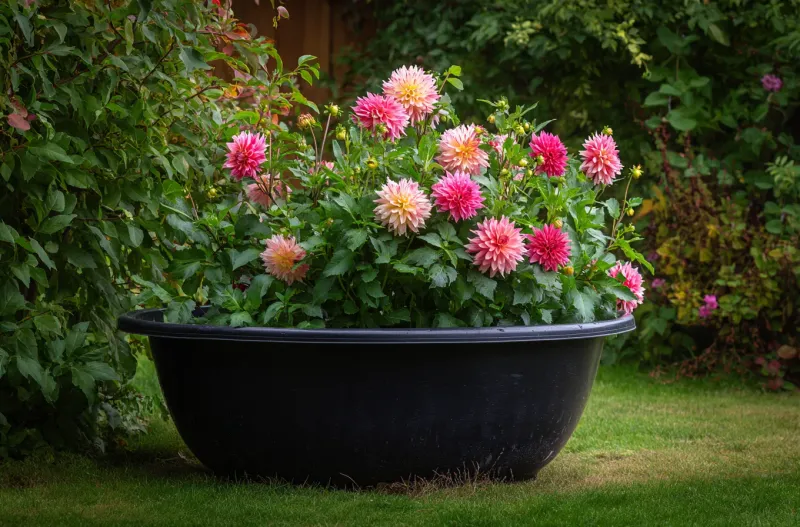
Old bathtubs make magnificent focal points in Missouri gardens, especially those classic clawfoot models that grandma might have used decades ago.
These porcelain beauties provide ample space for root vegetables, cascading flowers, or even a small water garden.
The deep basin holds plenty of soil, which means less frequent watering during Missouri’s hot summer months.
Drainage is simple—just drill a few holes in the bottom before filling with soil and plants.
Position your bathtub planter in a sunny spot for tomatoes and peppers, or choose a shadier location for hostas and ferns.
The vintage charm adds instant character to any garden style, from farmhouse to cottage.
Many Missouri salvage yards and antique shops sell old tubs at reasonable prices.
You can leave the original finish for a weathered look or paint it bold colors that complement your home’s exterior.
Some gardeners even install a small fountain pump to create a soothing water feature.
Kids especially love the whimsical nature of bathtub planters, and they make great conversation starters when guests visit.
The sturdy construction means your bathtub planter will withstand Missouri’s variable weather for years.
This reuse project combines practicality with eye-catching design in one impressive package.
2. Wooden Pallets Turned Vertical Gardens
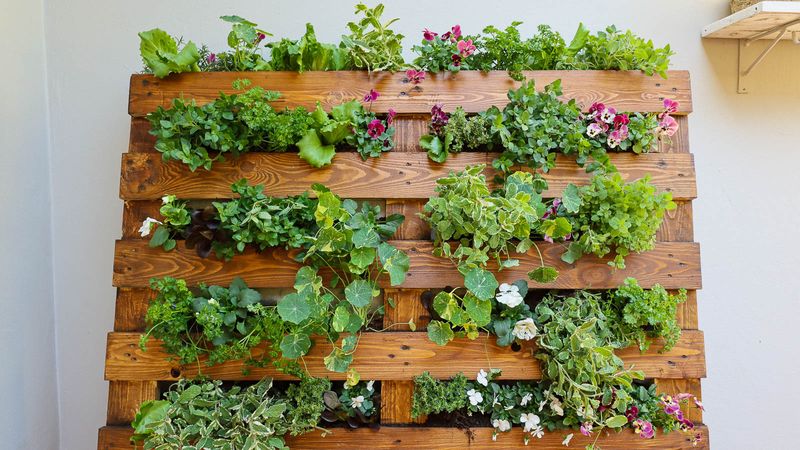
Shipping pallets cost nothing if you know where to look, and they transform into fantastic vertical gardens that save precious ground space.
Missouri gardeners with small yards or patios find these vertical structures particularly useful for growing herbs, strawberries, and lettuce.
The slatted design creates natural pockets that hold small pots or allow you to staple landscape fabric and fill with soil directly.
Stand your pallet upright against a fence, wall, or freestanding support for stability.
Sand rough edges to prevent splinters, then treat the wood with natural sealant to extend its lifespan outdoors.
Paint or stain adds personality while protecting the wood from Missouri’s humidity and rain.
Vertical gardens work brilliantly for apartment dwellers and homeowners alike.
You can grow a surprising amount of produce in a compact footprint—perfect for urban Kansas City or St. Louis balconies.
The elevated design also deters some ground-dwelling pests from munching your plants.
Arrange multiple pallets side by side to create a living wall that provides privacy and beauty simultaneously.
Succulents thrive in pallet gardens, requiring minimal water and maintenance throughout the season.
This project takes just an afternoon to complete but delivers months of productive garden space.
3. Teacups And Teapots As Whimsical Planters
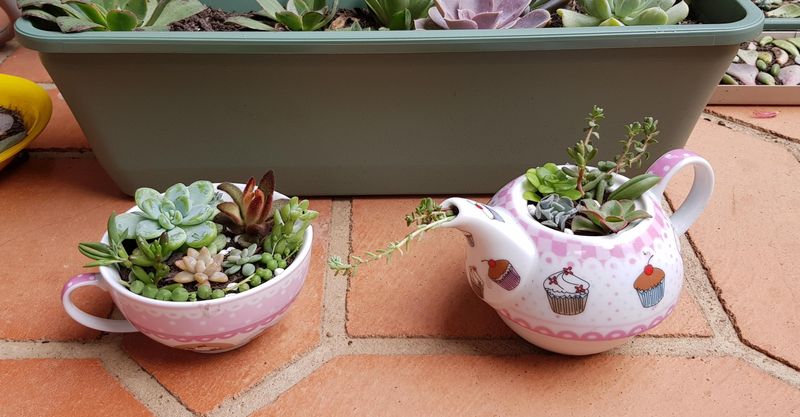
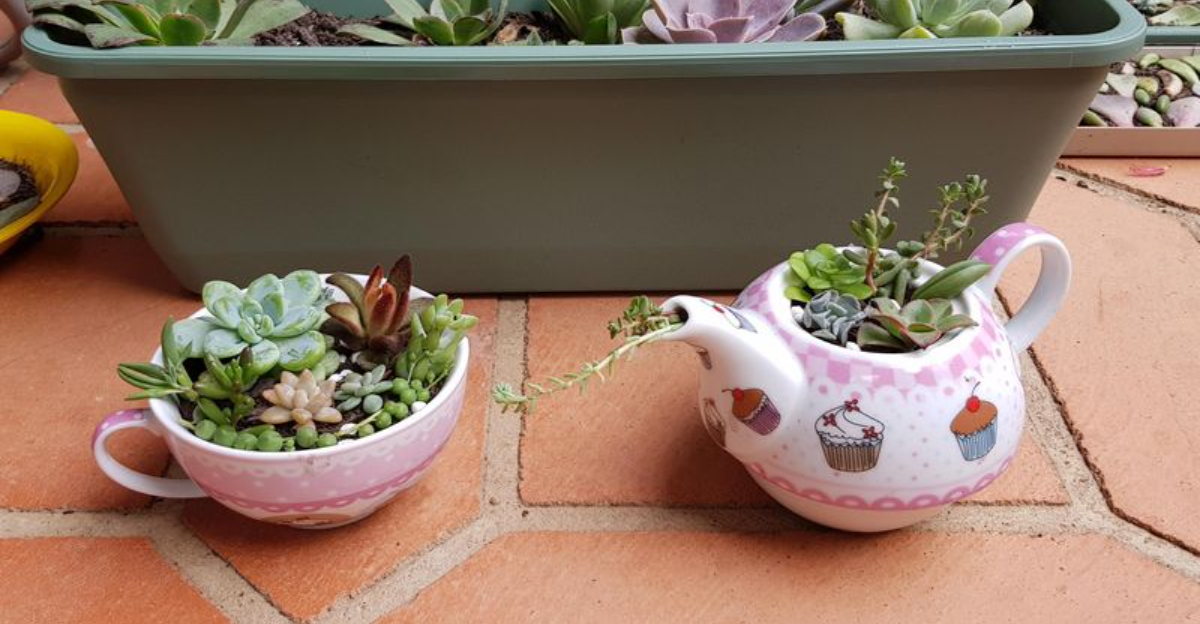
Chipped teacups and cracked teapots deserve a second chance to shine rather than gathering dust in cupboards.
These delicate vessels make adorable homes for succulents, small cacti, and tiny flowering plants.
Missouri gardeners create enchanting displays by clustering various patterns and colors on patio tables, windowsills, or garden shelves.
Thrift stores throughout Missouri overflow with inexpensive vintage china perfect for this project.
Drainage becomes important with ceramic containers—either drill a small hole or add a layer of pebbles at the bottom.
Succulents work particularly well because they tolerate the limited soil volume and need less moisture.
Arrange your teacup garden on a vintage serving tray for a coordinated look that’s easy to move indoors during severe weather.
Children enjoy selecting their favorite cup designs and choosing plants to match.
The small scale makes this project manageable even for beginners with no gardening experience.
Teapots offer slightly more room for root growth and can accommodate herbs like thyme or small varieties of basil.
Stack cups at different heights using plant stands or upturned pots to create visual interest.
This charming reuse idea brings a touch of tea-party magic to Missouri gardens while giving treasured china new purpose.
4. Old Ladders As Tiered Plant Displays
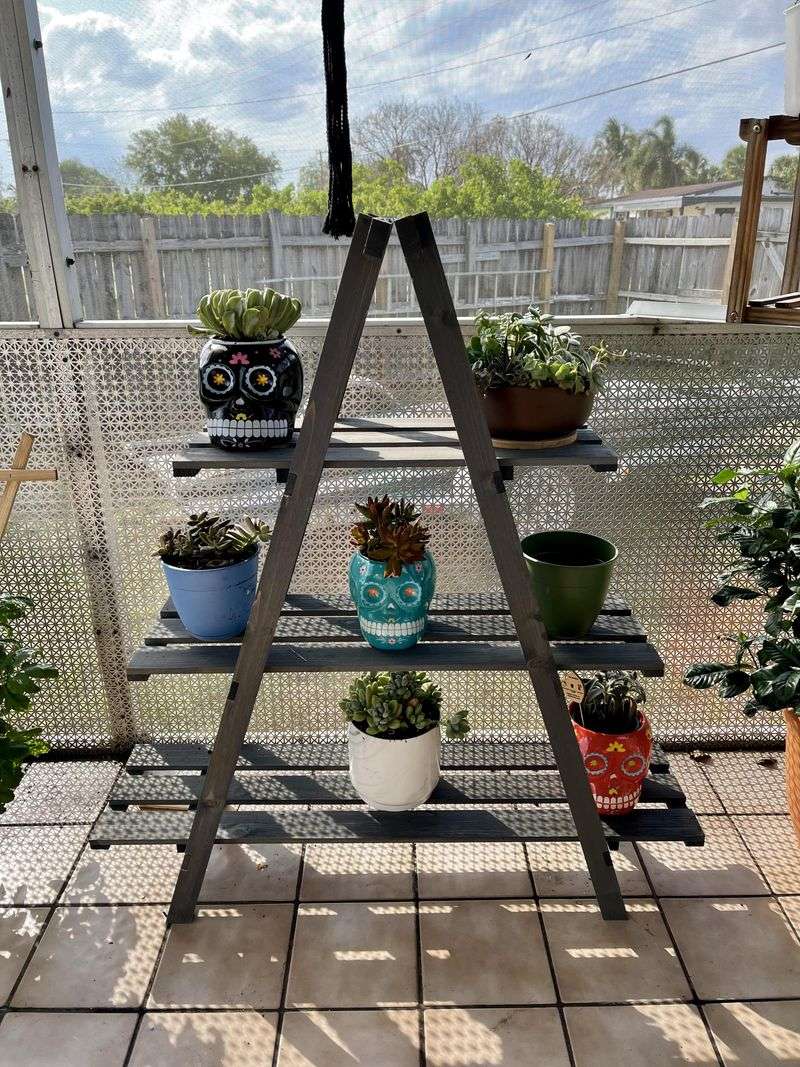
Wooden stepladders that wobble too much for safe climbing find perfect retirement as multi-level plant stands.
The rungs provide natural shelving for pots of various sizes, creating vertical interest without requiring wall mounting.
Missouri’s farmhouse aesthetic pairs beautifully with weathered ladder displays that add rustic charm to porches and garden corners.
Position your ladder against a wall or fence for stability, or choose an A-frame style that stands independently.
Paint bright colors for a cheerful cottage look, or leave natural wood for authentic vintage appeal.
Each step can hold different plant varieties—trailing plants on top, medium-sized herbs in the middle, and larger pots at the base.
Seasonal decorations easily integrate with your ladder display throughout the year.
Spring pansies give way to summer petunias, then fall mums and winter evergreen arrangements.
The portability means you can move the entire display to follow the sun or protect plants from harsh weather.
Antique ladders from Missouri barns and sheds carry history and character that new furniture simply cannot replicate.
You might even discover old paint colors or farm names that add to the storytelling aspect.
This simple reuse project requires zero construction skills but delivers maximum visual impact in any garden space.
5. Tire Planters Painted In Cheerful Colors
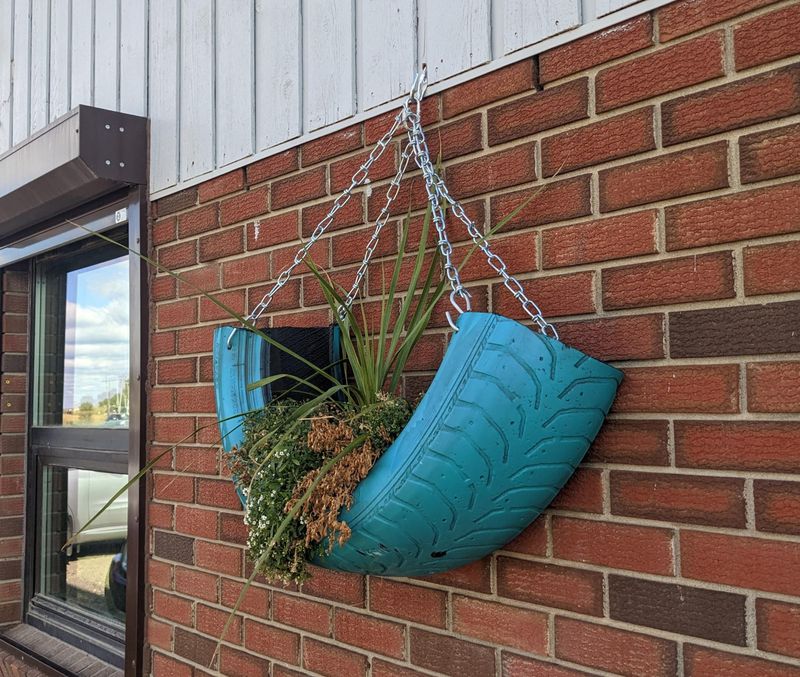
Rubber tires accumulate quickly and pose environmental challenges, but they transform into durable planters that withstand Missouri’s temperature extremes.
A coat of exterior paint turns black rubber into vibrant garden art that appeals to both kids and adults.
Stack multiple tires for dramatic height or lay them flat for ground-level planting beds.
Thoroughly clean tires before painting to ensure good paint adhesion and remove any road grime.
Bright yellows, blues, and reds create playful garden zones that children particularly enjoy.
Fill the center cavity with quality potting soil—the tire walls retain moisture and warmth, which benefits many plants.
Potatoes grow exceptionally well in tire towers, where you can add layers as plants grow taller.
Flowers like petunias and marigolds spill beautifully over tire edges, softening the industrial shape.
Some Missouri gardeners cut decorative patterns into tire walls for added visual interest.
Auto shops often give away used tires for free, making this an extremely budget-friendly project.
The rubber material lasts for years without rotting or breaking down like wood containers might.
Position tire planters in sunny spots where their heat retention actually benefits warm-season vegetables and flowers throughout Missouri’s variable spring and summer weather patterns.
6. Mason Jars As Hanging Herb Gardens
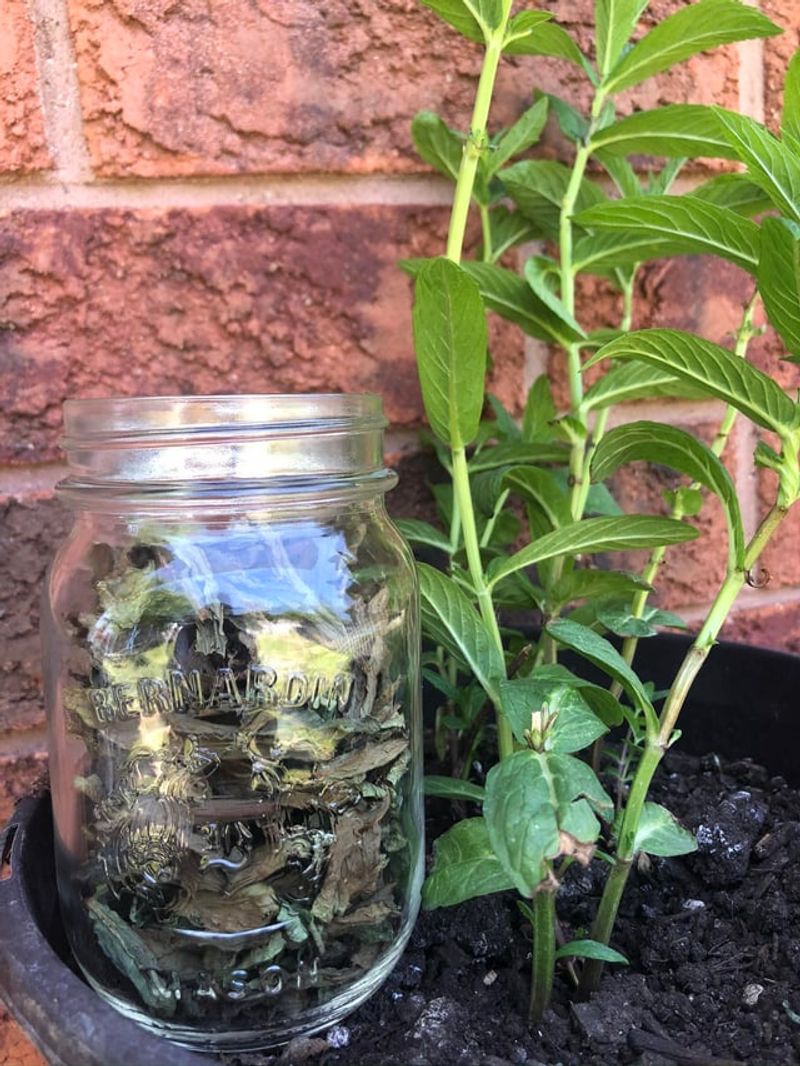
Clear glass mason jars have been Missouri staples for generations, and now they serve gardens as beautifully as they once preserved summer harvests.
Attach wire handles or place jars in macrame hangers to create suspended herb gardens near kitchen doors.
The transparency showcases root development and soil layers, turning functional containers into living art.
Basil, parsley, and cilantro thrive in mason jar environments when positioned where they receive adequate sunlight.
Drainage requires attention—either drill holes in lids or add rocks at the bottom and water carefully.
Label jars with chalkboard paint sections or tie-on tags so everyone knows which herb is which.
Hanging herb gardens keep plants within easy reach for cooking while saving valuable counter and ground space.
Missouri’s summer humidity actually benefits herbs grown in jars, reducing the need for constant watering.
Group multiple jars at varying heights to create an attractive kitchen garden display.
Vintage blue or green mason jars add extra charm and filter light in interesting ways.
Kids enjoy watching roots grow through the clear glass, making this an educational project for families.
This reuse idea works equally well indoors during winter months when fresh herbs become expensive at grocery stores throughout Missouri communities.
7. Broken Ceramic Pots As Fairy Garden Features
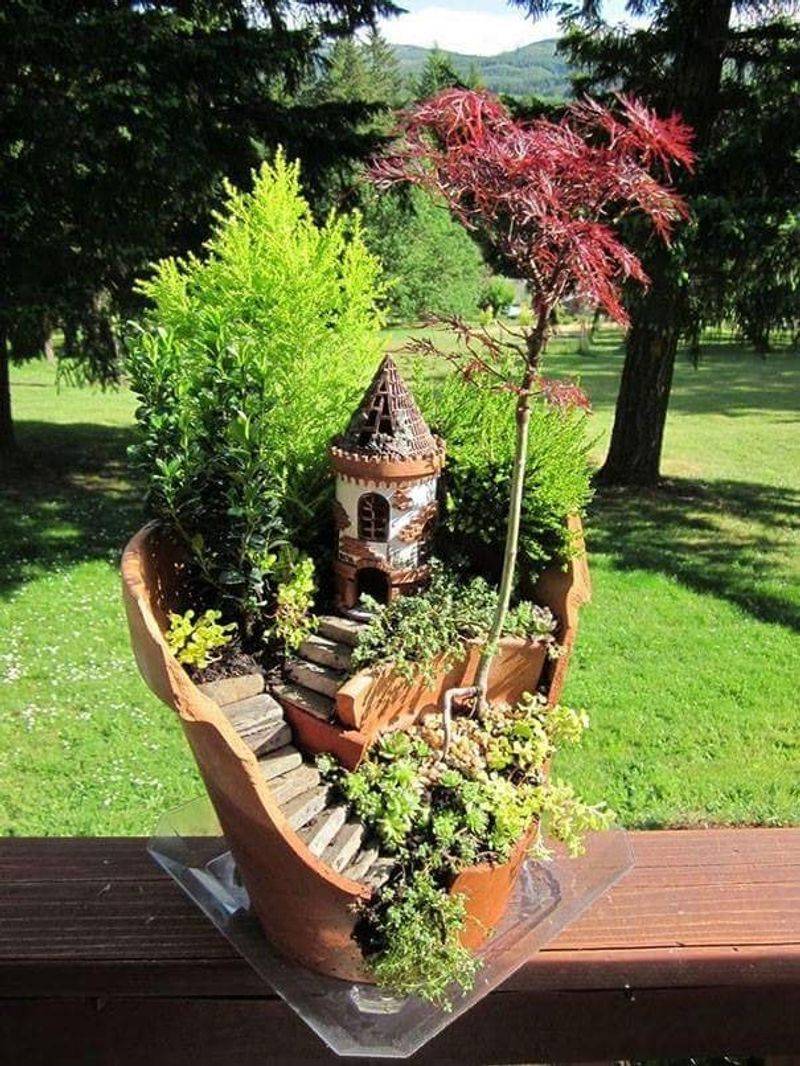
Cracked pots need not go to waste when they can become magical miniature landscapes that spark imagination.
Break damaged containers deliberately to create levels and terraces where tiny plants establish charming fairy villages.
Missouri children delight in designing these small worlds complete with pebble pathways and moss ground cover.
Position large pot pieces at angles to form walls, steps, and sheltered nooks for miniature accessories.
Succulents, baby tears, and small ferns work perfectly at this scale and require minimal maintenance.
Add tiny figurines, small mirrors as ponds, or twigs as rustic fences to complete the fantasy scene.
Fairy gardens fit beautifully in shaded Missouri garden corners where full-size plants struggle to grow.
The broken edges of pots create natural-looking rock formations that blend seamlessly with surrounding soil.
This project costs almost nothing but provides hours of creative fun for families working together.
Photograph your fairy garden throughout the seasons as plants mature and the landscape evolves.
Visitors of all ages find themselves bending down for closer looks at the intricate details.
This reuse idea proves that accidents can become opportunities when approached with creativity and a willingness to experiment with unexpected garden designs that turn trash into treasured features.
8. Colanders And Strainers As Hanging Baskets
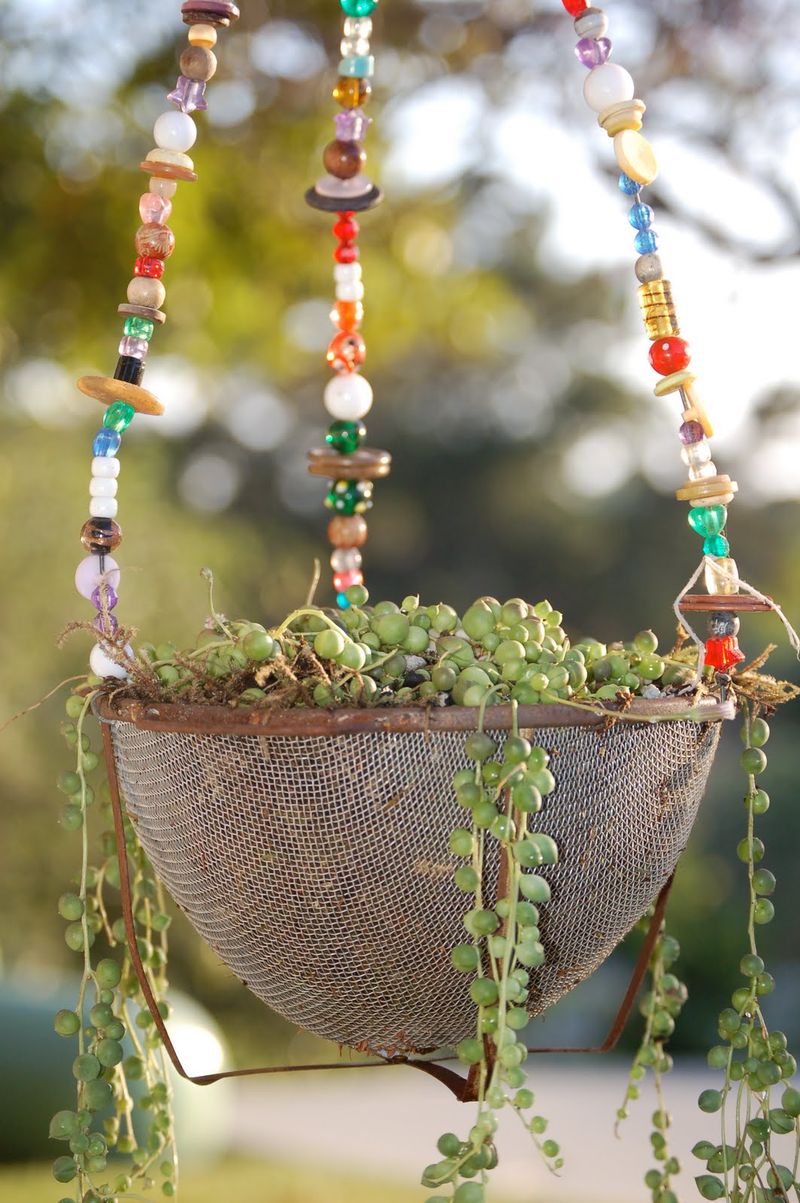
Metal colanders from kitchen drawers make surprisingly effective hanging planters with built-in drainage that prevents root rot.
The perforated design allows excess water to escape while creating interesting patterns of light and shadow.
Missouri gardeners appreciate how these kitchen castoffs combine practicality with vintage industrial style.
Enamelware colanders in cheerful colors add retro flair to porches and patios throughout the state.
Line the interior with coconut coir or moss to prevent soil from washing through the holes.
Trailing plants like petunias, lobelia, and sweet potato vine look spectacular cascading through the perforations.
Attach sturdy chains or rope to the colander handles for secure hanging from hooks or pergola beams.
The metal construction withstands Missouri’s summer storms better than many conventional plastic hanging baskets.
Rust develops character over time, though you can apply clear sealant to maintain the original finish.
Thrift stores stock inexpensive colanders in various sizes perfect for this project.
Group several at different heights near seating areas to create living curtains of color and texture.
This clever reuse idea demonstrates how everyday objects gain new life when viewed through a gardener’s creative lens, transforming forgotten kitchen tools into conversation-starting garden features.
9. Wine Bottles As Garden Border Edging
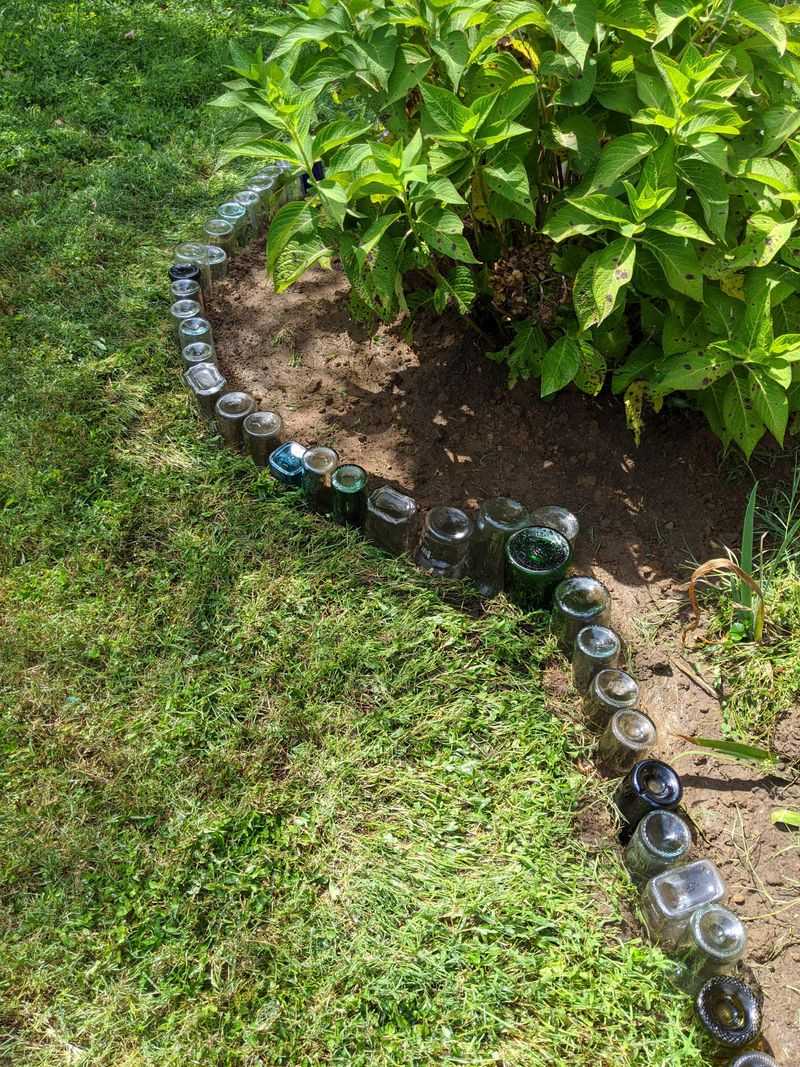
Empty wine bottles accumulate faster than most people realize, and they create stunning garden borders that catch sunlight beautifully.
Bury bottles upside down along garden bed edges, leaving about half the bottle visible above ground.
Missouri gardeners love how colored glass adds sparkle to landscapes while defining planting areas clearly.
Green, amber, and blue bottles create different moods—mix colors for eclectic charm or stick with one shade for sophisticated uniformity.
The bottles form a physical barrier that helps contain mulch and soil within beds.
This project requires no special skills, just patience to dig a narrow trench and position bottles closely together.
Sunlight transforms bottle borders into glowing ribbons of color, especially during golden hour before sunset.
The glass withstands weather indefinitely and never requires painting or maintenance like wood edging does.
Some Missouri gardeners even insert solar-powered lights into bottles for evening illumination.
Curved borders work just as well as straight lines, following the natural contours of your landscape.
Children enjoy collecting bottles in different colors and helping arrange them in creative patterns.
This environmentally friendly reuse idea keeps glass out of landfills while adding unique artistic elements that distinguish your Missouri garden from every other yard on the block.
10. Dresser Drawers As Raised Garden Beds
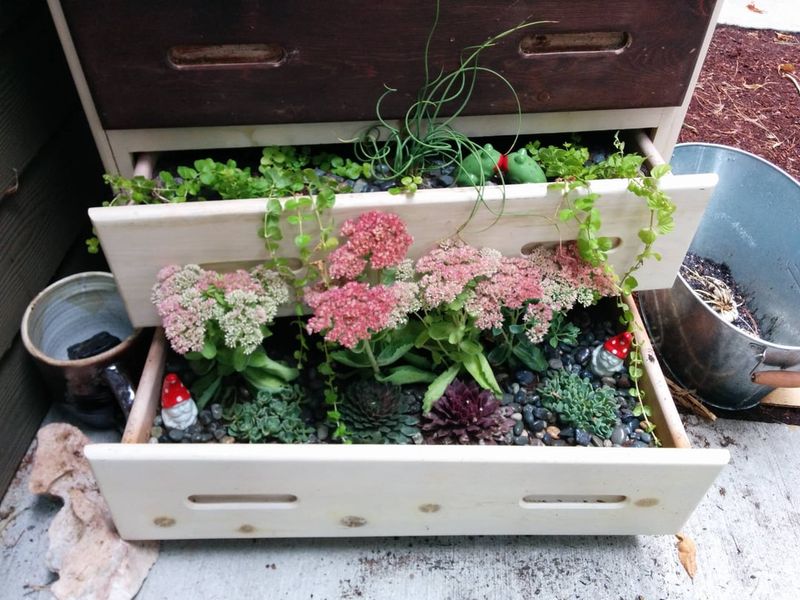
Furniture destined for the curb often contains perfectly good drawers that make excellent shallow raised beds for Missouri gardens.
The contained space works wonderfully for lettuce, radishes, and other shallow-rooted crops.
Wooden drawers develop beautiful weathered patinas when left outdoors, adding character to patios and deck spaces.
Drill drainage holes through the drawer bottom before adding soil to prevent waterlogged roots.
Line the interior with landscape fabric if you want to slow wood deterioration, though natural aging looks charming too.
Stack multiple drawers at different levels to create a tiered vegetable garden that’s easy on backs and knees.
Vintage dresser drawers from Missouri estate sales and flea markets often feature interesting hardware and wood grain patterns.
The contained environment warms quickly in spring, giving you a head start on the growing season.
Herbs flourish in drawer gardens, and you can move them to follow the sun throughout the day.
Paint or stain drawers to match your outdoor furniture, or embrace the shabby chic aesthetic of peeling paint.
Children feel ownership over their own drawer garden where they can plant and tend their favorite vegetables.
This reuse project proves that garden beds need not be expensive or permanent installations to be productive and beautiful.