7 Creative Ways To Reuse Old Flower Pots In California Gardens
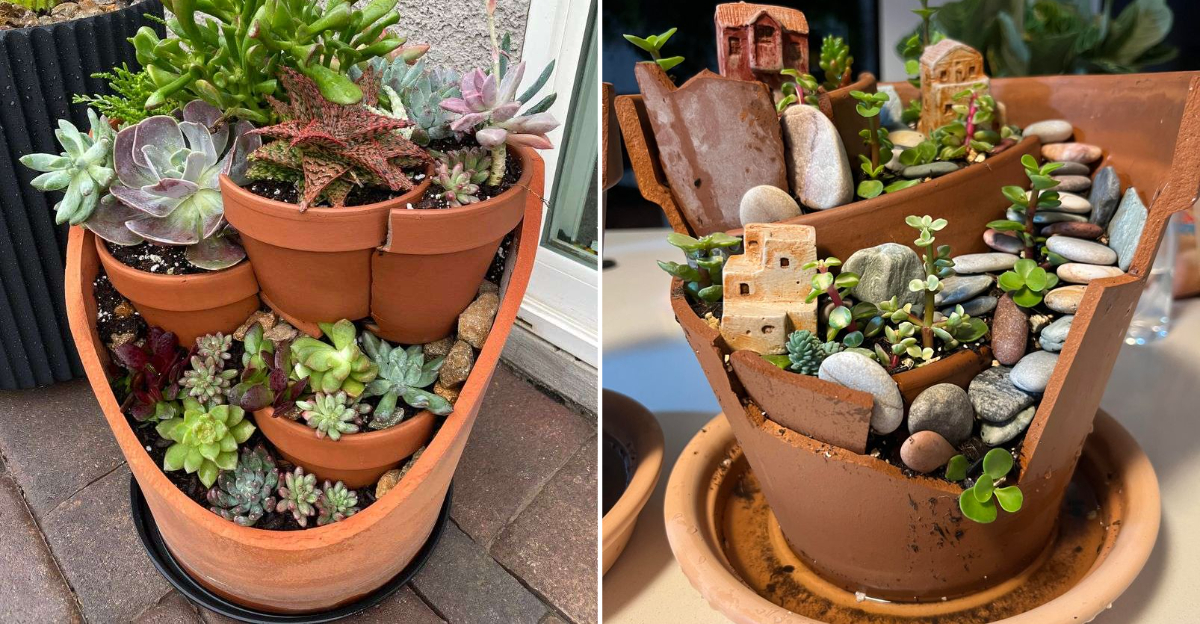
Staring at a stack of cracked terracotta or faded plastic containers in the corner of your garage is a rite of passage for any California gardener.
Most of us have a “pot graveyard” hiding behind the shed, collecting dust and spiderwebs while we wait for inspiration to strike.
Instead of dragging those heavy stacks to the curb, you can turn that clutter into the most interesting part of your landscape.
Our sunny weather and casual outdoor lifestyle make the Golden State the perfect place to experiment with a little backyard reinvention.
Transforming these old vessels into something fresh is about more than just being thrifty. It is a chance to add some serious personality to your patio without spending a dime at the big-box store.
You can turn a broken rim into a miniature fairy scape or a faded planter into a clever water feature for local birds. Let’s look at how to give those forgotten containers a second life in the sun.
1. Create Mini Herb Gardens
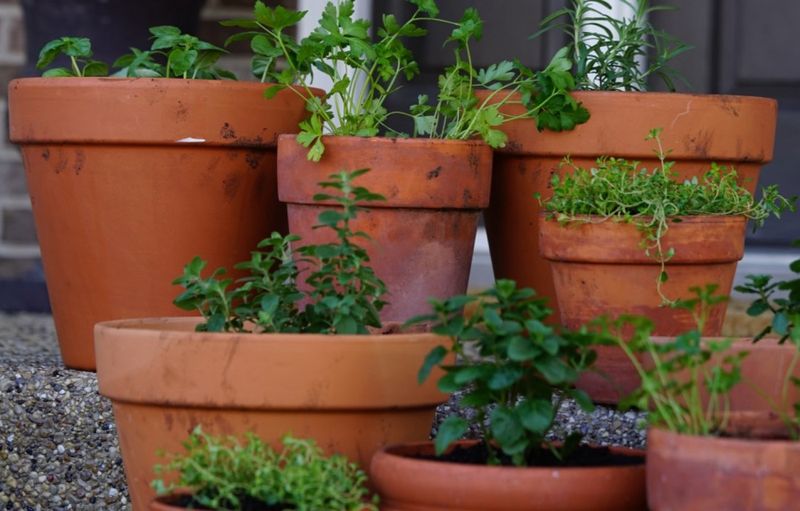
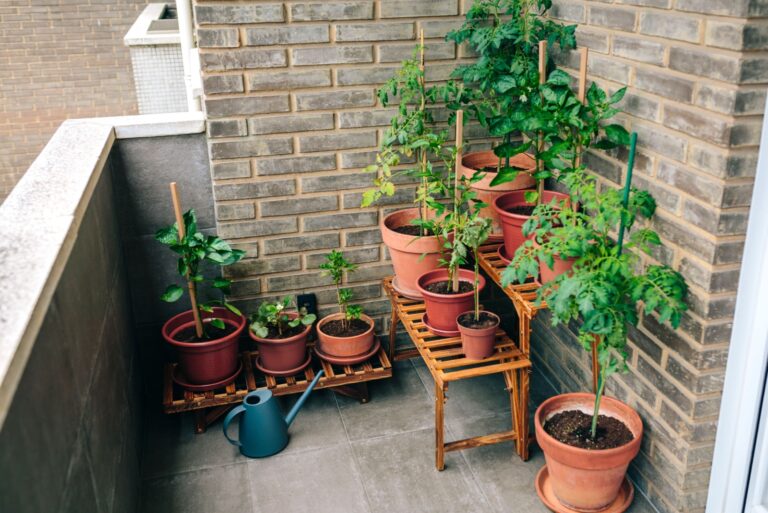
Growing your own herbs is one of the most satisfying things you can do in a California garden. Old flower pots are the perfect home for herbs like basil, cilantro, rosemary, thyme, and mint.
You do not need a big yard or fancy equipment to get started.
Pick pots that are at least four to six inches wide so roots have enough room to grow. Fill them with good-quality potting soil and place them somewhere that gets at least six hours of sunlight daily.
Most California regions enjoy plenty of sunshine, which herbs absolutely love.
Label each pot so you always know what you planted. A simple wooden stick and a marker work great.
Grouping your herb pots together near your kitchen door makes it super easy to grab fresh flavors while cooking dinner.
Water herbs regularly but avoid soaking the soil. Herbs prefer slightly dry conditions over soggy roots.
Checking the soil with your finger before watering is a reliable trick that keeps plants healthy and thriving all season long in California’s warm climate.
2. Build A Pollinator Planter
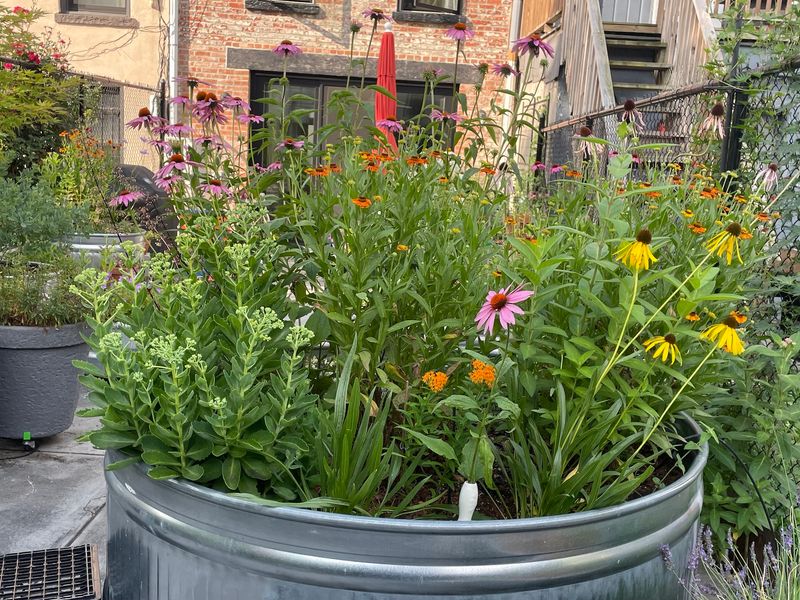
Pollinators like bees, butterflies, and hummingbirds are struggling across many parts of the country, including California. One simple way to help them out is by turning an old flower pot into a dedicated pollinator planter.
It is easier than it sounds, and the results are stunning.
Choose plants that local pollinators already love. California native flowers like poppies, black-eyed Susans, lavender, and salvia are excellent choices.
These plants are also drought-tolerant, making them ideal for California’s warm, dry summers.
Place your pollinator planter in a sunny spot where insects can easily find it. A porch railing, garden path, or open patio area all work well.
Avoid using pesticides on or near the planter, since those chemicals can harm the very creatures you are trying to attract.
Keeping the planter watered and deadheading spent blooms regularly encourages more flowers to grow. More blooms mean more visits from pollinators.
Over time, your small pot can become a buzzing, fluttering hub of activity that benefits your entire garden and supports the local ecosystem in a meaningful, visible way.
3. Make A Succulent Arrangement
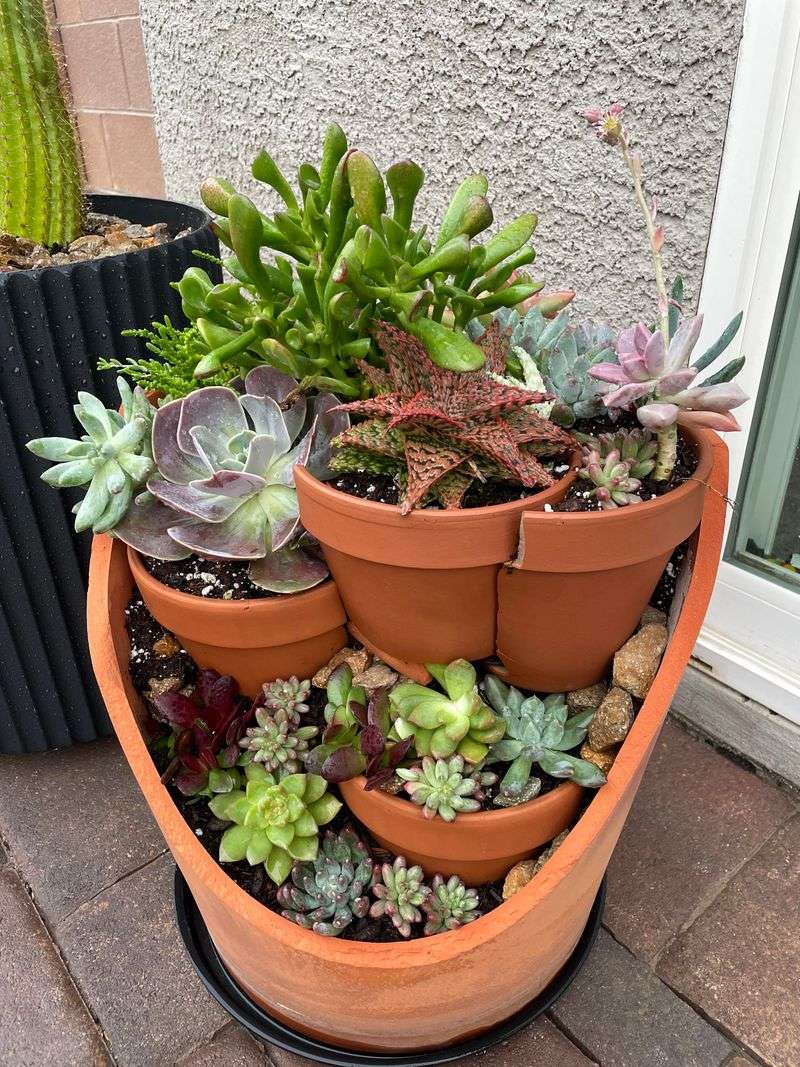
Succulents are practically made for California gardens. They are tough, low-maintenance, and come in an amazing range of shapes, colors, and textures.
Planting a mix of them in an old flower pot creates a living arrangement that looks like a work of art.
Start by adding a layer of gravel or small rocks to the bottom of your pot to help with drainage. Succulents hate sitting in wet soil, so good drainage is absolutely essential.
Use a cactus or succulent-specific potting mix for the best results.
Pick three to five different succulent varieties for a visually interesting display. Combine tall, spiky varieties like aloe with low, rosette-shaped echeverias for contrast.
Add a few trailing types near the edges so they cascade over the sides as they grow.
Place your finished arrangement in a bright, sunny spot outdoors. California’s abundant sunshine is perfect for keeping succulents happy and colorful.
Water sparingly, only when the soil is completely dry. With minimal effort, your old pot becomes a gorgeous, eye-catching centerpiece that thrives even through the hottest California summers without much fuss at all.
4. Turn Pots Into Bird Baths
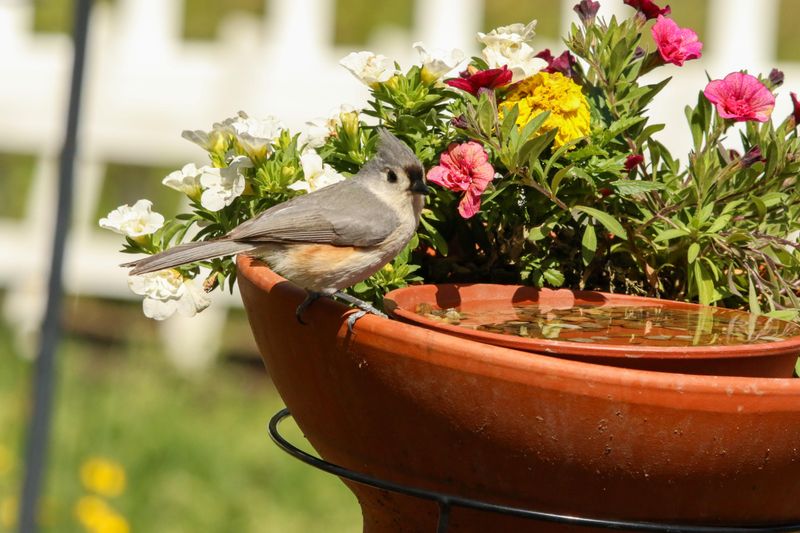
Birds are a joy to watch, and California is home to hundreds of fascinating species. Giving them a fresh water source is one of the kindest things a gardener can do, especially during the dry summer months when natural water becomes scarce.
Making a bird bath from old pots is surprisingly simple. Stack two or three sturdy pots on top of each other, with the largest at the bottom and the smallest on top.
Secure them together with strong adhesive or outdoor waterproof glue for stability.
Place a wide, shallow saucer on top of the final pot. Fill it with clean water and add a few smooth stones so birds have a safe perch while they drink or bathe.
Refresh the water every couple of days to keep it clean and fresh.
Position your bird bath in a spot that is visible from your window so you can enjoy watching the visitors. Keep it away from dense shrubs where cats could hide.
Adding a small solar-powered fountain is a fun optional upgrade that keeps the water moving and attracts even more birds to your California garden throughout the year.
5. Use Them For Seed Starting
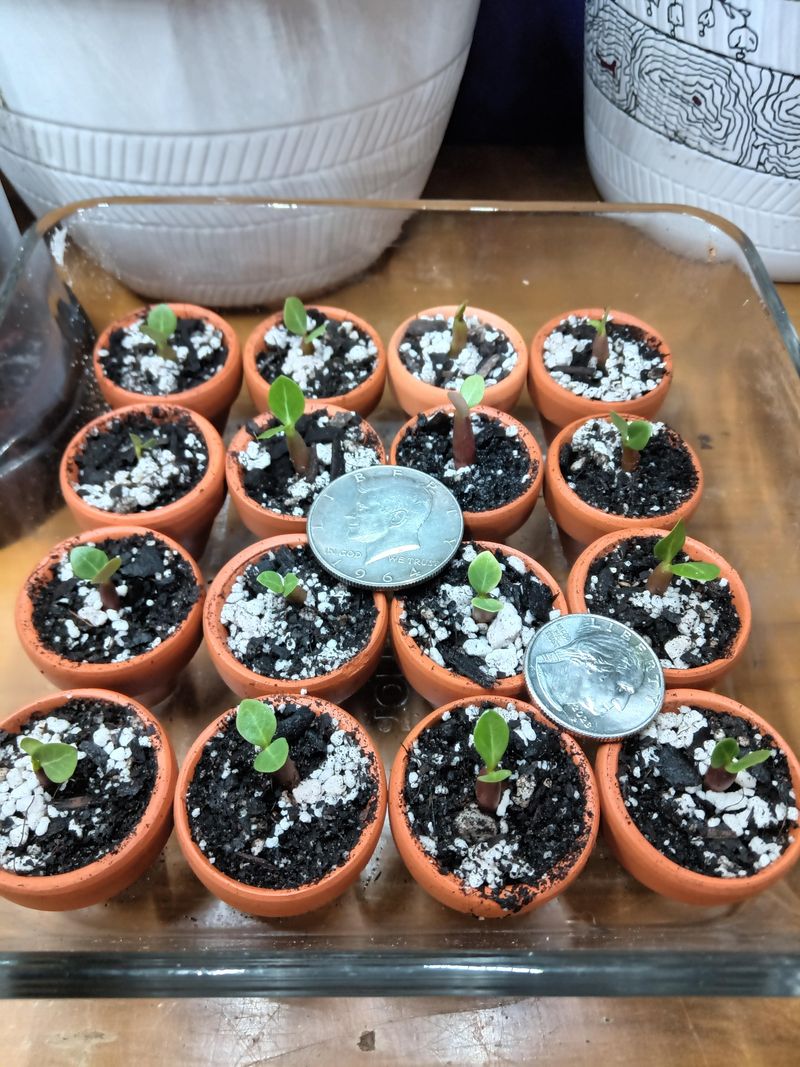
Starting seeds in old flower pots is a clever, budget-friendly move that serious California gardeners swear by. Instead of buying expensive seed trays, you can use small pots you already have sitting around.
It is a great way to get a jump on the growing season.
Clean your pots thoroughly before using them for seeds. Wash them with warm water and a little dish soap to remove old soil and any potential bacteria.
Let them dry completely before adding fresh seed-starting mix.
Fill each pot about three-quarters full with a lightweight seed-starting mix. Plant two or three seeds per pot, then cover lightly with a thin layer of mix.
Mist the surface gently with water to avoid disturbing the seeds.
Keep the pots in a warm, bright location indoors. A sunny windowsill works well in most California homes.
Once seedlings sprout and grow a couple of inches tall, thin them to the strongest one per pot. When outdoor temperatures are consistently warm, which happens early in many California regions, you can transplant your seedlings straight into garden beds or larger containers with confidence and ease.
6. Stack Pots For Vertical Planting
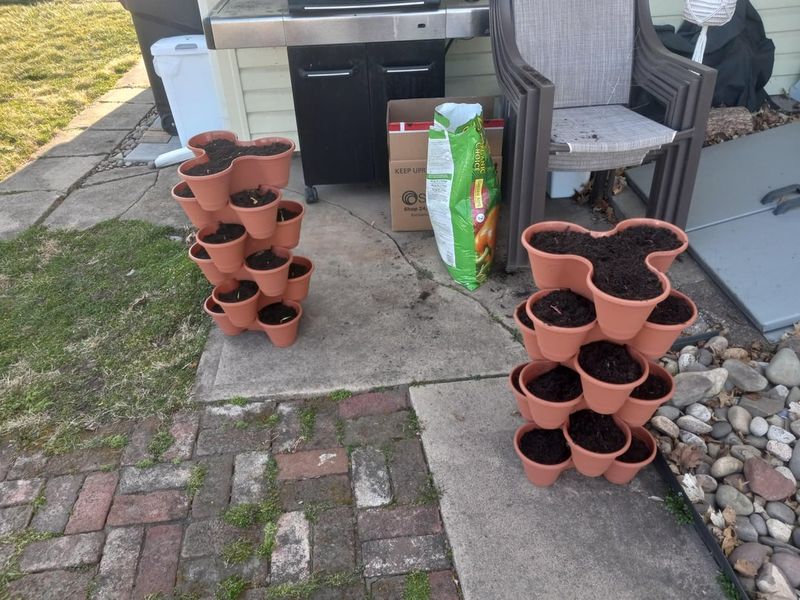
Vertical gardening is a brilliant solution for California gardeners who are short on horizontal space.
Stacking old flower pots lets you grow more plants in a smaller footprint, which is perfect for apartment balconies, narrow side yards, or compact patios found across urban California.
To build a stacked planter tower, start with your largest pot at the bottom. Fill it with soil, then place a slightly smaller pot on top, pressing it gently into the soil at an angle.
Keep stacking pots in decreasing sizes, alternating the direction each pot faces.
Plant herbs, strawberries, or trailing flowers in the pockets of soil between each pot layer. The visual effect is striking and the growing space is surprisingly generous.
California strawberries grown this way taste amazing and look beautiful cascading down the tower.
Make sure the entire structure is stable before walking away. Place it against a wall or fence for added support if needed.
Water from the top and let it trickle down through the layers. This setup works especially well in warm California climates where sun exposure can be managed easily by rotating the tower every few days to keep all plants evenly happy.
7. Create A Small Fairy Garden
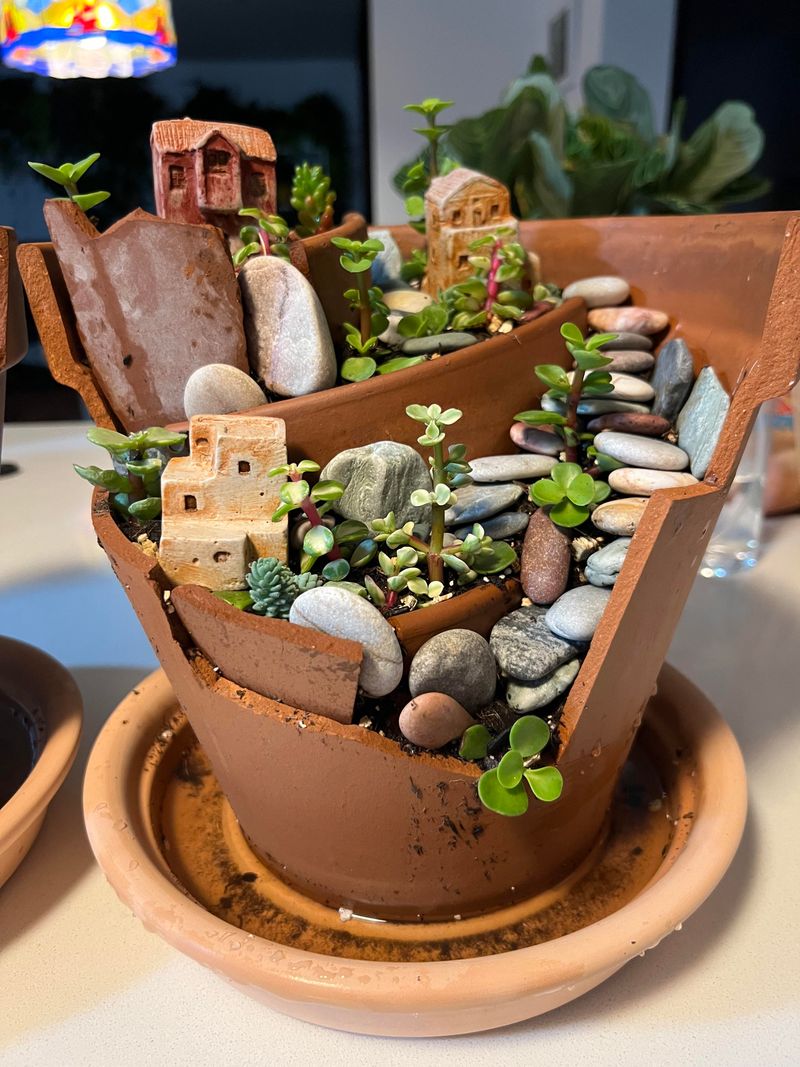
Few garden projects spark as much joy as a fairy garden. There is something magical about creating a tiny world inside an old pot, and it is a project that both kids and adults in California absolutely love getting their hands into.
Choose a wide, deep pot so you have enough room to build a small landscape. Fill it with potting soil, then shape the surface into gentle hills and flat areas.
Add small rocks to create pathways and borders around your miniature scene.
Plant tiny ground covers like Irish moss, baby tears, or miniature sedums to create a lush green carpet effect. Tuck in small figurines like fairies, tiny benches, or little lanterns to bring the scene to life.
Small decorative mushrooms and miniature fences are popular additions that add personality and charm.
Place your fairy garden somewhere it gets bright, indirect light to protect delicate miniature plants. California’s mild coastal climates are especially ideal for keeping these small gardens looking lush year-round.
Mist the plants lightly every few days. Rearranging the figurines and adding seasonal decorations keeps the garden feeling fresh and gives everyone something new to discover each time they visit your outdoor space.