10 Creatures It Is Illegal To Remove From Homes And Gardens In Pennsylvania
Finding an unexpected animal in your home or garden can trigger an immediate reaction: get it out—now.
But in Pennsylvania, that instinct can land homeowners in serious legal trouble.
Some creatures are protected by state or federal law, even if they’ve made themselves uncomfortably at home.
From nesting birds to certain mammals, these animals can’t legally be trapped, relocated, or harmed without proper authorization.
Many homeowners are shocked to learn that good intentions don’t count as a defense.
The law prioritizes conservation, even when the situation feels personal.
Understanding which animals are off-limits helps homeowners respond responsibly—and legally.
It’s a reminder that not every problem can be solved with a quick fix.
In Pennsylvania, knowing the rules before taking action can save you from fines, penalties, and regret.
1. Bats (All Native Bat Species)
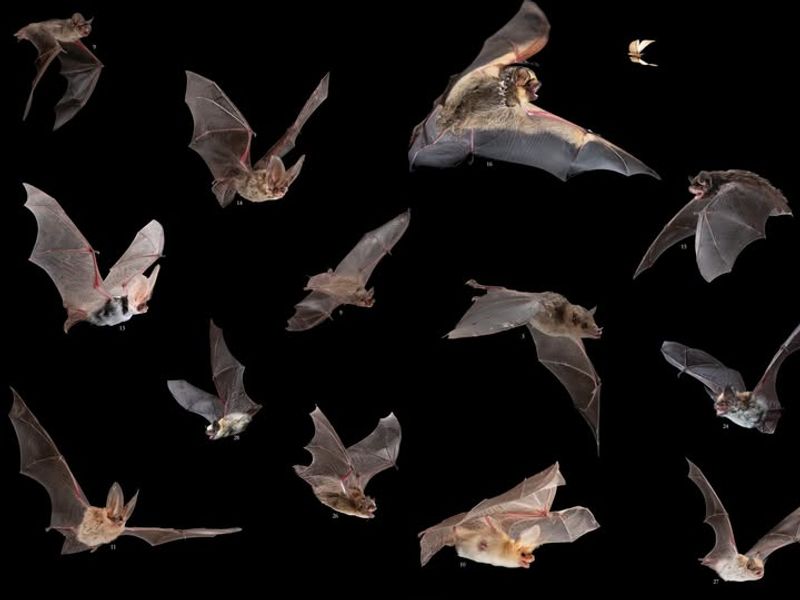
Pennsylvania law strictly prohibits harming or removing native bats from your property without proper authorization from wildlife officials.
These nocturnal mammals are protected under state wildlife codes and, in some cases, federal endangered species laws.
Several bat species in Pennsylvania face serious threats from white-nose syndrome, a fungal disease that has devastated populations across the eastern United States.
Because of this crisis, removing bats during their hibernation or breeding seasons can result in significant legal penalties.
Homeowners who discover bats roosting in attics, barns, or under eaves must follow legal exclusion methods rather than trapping or harming the animals.
The Pennsylvania Game Commission requires that bat exclusion only happens during specific windows—typically late summer or early fall—when young bats can fly and colonies are not hibernating.
Professional wildlife control operators certified in humane bat removal can install one-way doors that let bats leave but prevent them from returning.
This approach protects both the bats and your home.
Violating bat protection laws can lead to fines exceeding several thousand dollars per bat, depending on the species and circumstances.
Bats provide invaluable pest control by eating thousands of insects each night, making them important allies for Pennsylvania gardeners and homeowners.
2. Chimney Swifts (Chaetura pelagica)
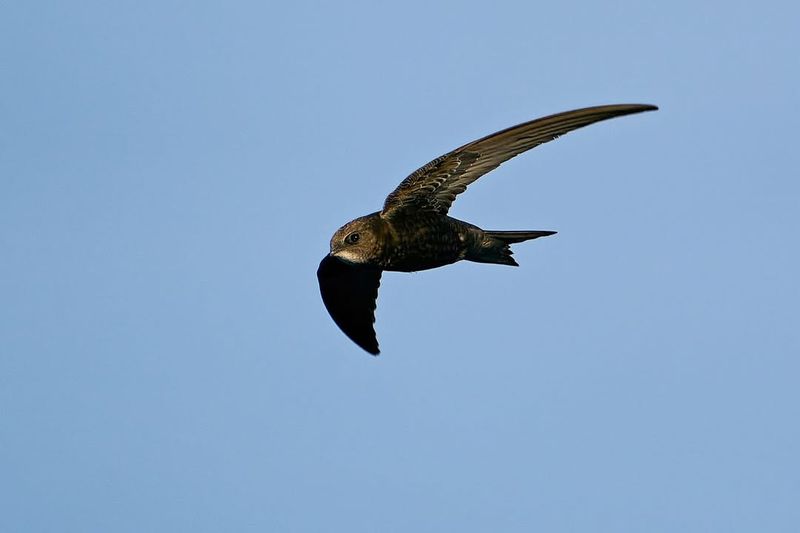
Chimney swifts are small, cigar-shaped birds that have adapted to nesting inside residential chimneys across Pennsylvania.
Protected under the Migratory Bird Treaty Act, these birds cannot be removed or disturbed during their breeding season, which typically runs from April through August.
Many homeowners are surprised to learn that even though the chimney is part of their property, they cannot legally evict these feathered tenants while nests are active.
Chimney swifts once nested in hollow trees, but as forests were cleared, they shifted to using chimneys as substitute habitat.
Today, they depend almost entirely on human structures for nesting sites.
If you hear chirping and fluttering sounds coming from your chimney during spring and summer, you likely have chimney swifts raising their young.
The best approach is to wait until the birds naturally migrate south in late summer or early autumn.
Once they leave, you can install a chimney cap to prevent future nesting.
Removing an active nest or blocking the chimney while birds are inside can result in federal fines and harm a species already experiencing population declines.
Chimney swifts eat flying insects on the wing, providing natural pest control for your yard and neighborhood.
Their acrobatic flight and evening chattering are signs of a healthy local ecosystem.
3. Barn Swallows (Hirundo rustica)
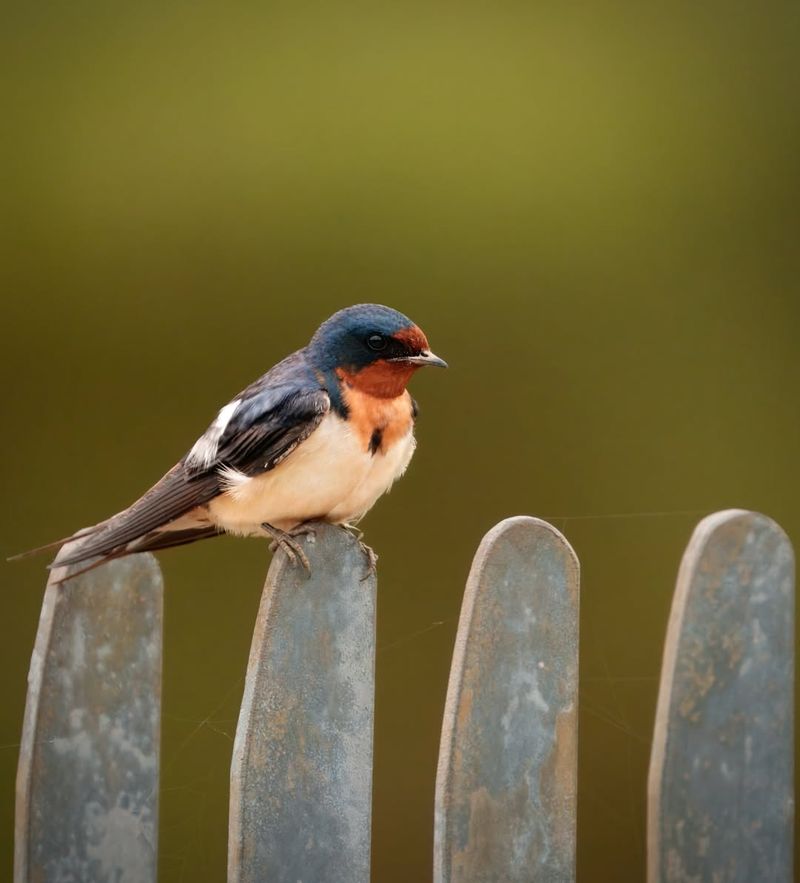
With their distinctive forked tails and graceful flight, barn swallows are a common sight around Pennsylvania homes, garages, and porches.
These birds build cup-shaped mud nests on building exteriors, often returning to the same spot year after year.
While some homeowners view them as messy visitors, barn swallows are federally protected under the Migratory Bird Treaty Act, making it illegal to remove their nests while they are active.
Active nests are those containing eggs or young birds, typically from late April through July.
Once barn swallows have started nesting, property owners must wait until the birds fledge and migrate before removing or cleaning the nest site.
Barn swallows are exceptional insect hunters, catching flies, mosquitoes, and other pests in midair.
A single pair can consume thousands of insects during the breeding season, benefiting gardeners and outdoor enthusiasts.
If you want to prevent barn swallows from nesting in inconvenient locations, the legal window to deter them is before nest construction begins in early spring.
Installing netting, angled boards, or other physical barriers can redirect them to more suitable spots.
Removing an active nest can result in federal fines up to several thousand dollars per violation.
Appreciating these birds and working around their nesting schedule helps protect a species that has coexisted with humans for centuries.
4. All Native Songbirds And Their Nests
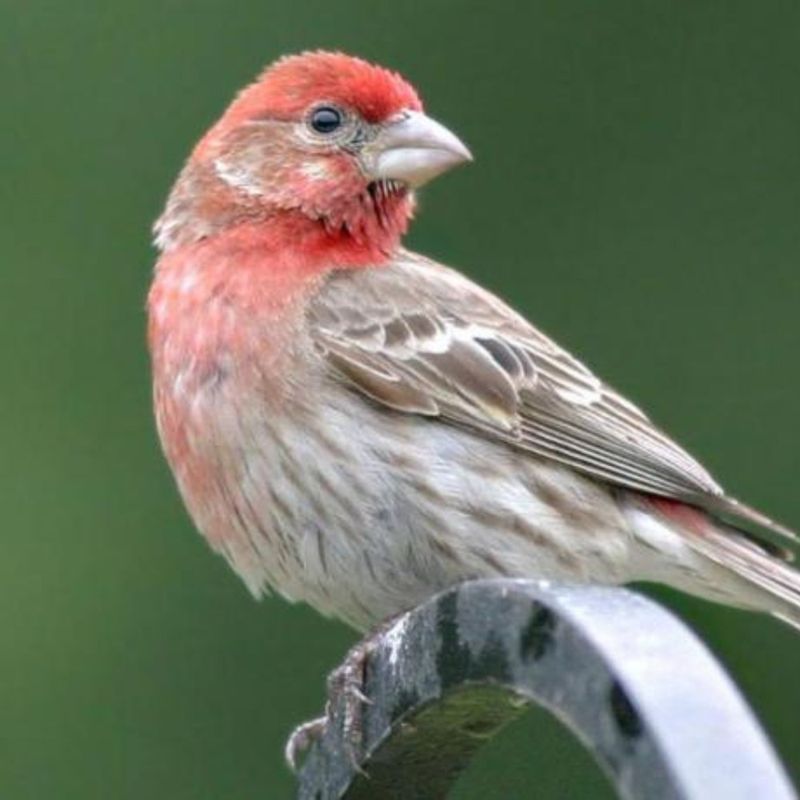
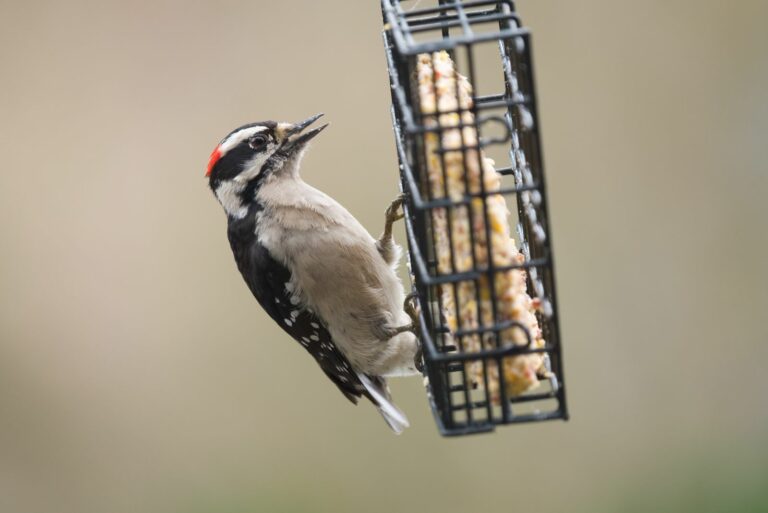
Nearly every native songbird in Pennsylvania enjoys federal protection under the Migratory Bird Treaty Act, which makes it illegal to harm birds, their eggs, or active nests.
This sweeping protection covers familiar backyard species like robins, cardinals, sparrows, finches, and wrens.
Many homeowners mistakenly believe they can remove a nest from their porch, shed, or garden shrub simply because it is on their property.
However, federal law applies regardless of land ownership.
An active nest is one that contains eggs or baby birds, and disturbing it can lead to serious legal consequences, including fines and potential criminal charges.
Songbirds play crucial roles in Pennsylvania ecosystems by controlling insect populations, dispersing seeds, and pollinating plants.
If you discover a nest in an inconvenient spot, the best course of action is to leave it alone until the young birds fledge, which usually takes just a few weeks.
Once the nesting season ends and the nest is no longer in use, you can safely remove it and take steps to prevent future nesting in that location.
Installing barriers, trimming vegetation, or closing gaps in structures before nesting season begins are all legal prevention strategies.
Understanding these protections helps gardeners and homeowners coexist with the vibrant birdlife that makes Pennsylvania yards so special.
Respecting nesting birds enriches your outdoor experience and supports healthy wildlife populations.
5. Honey Bees (Apis Mellifera)
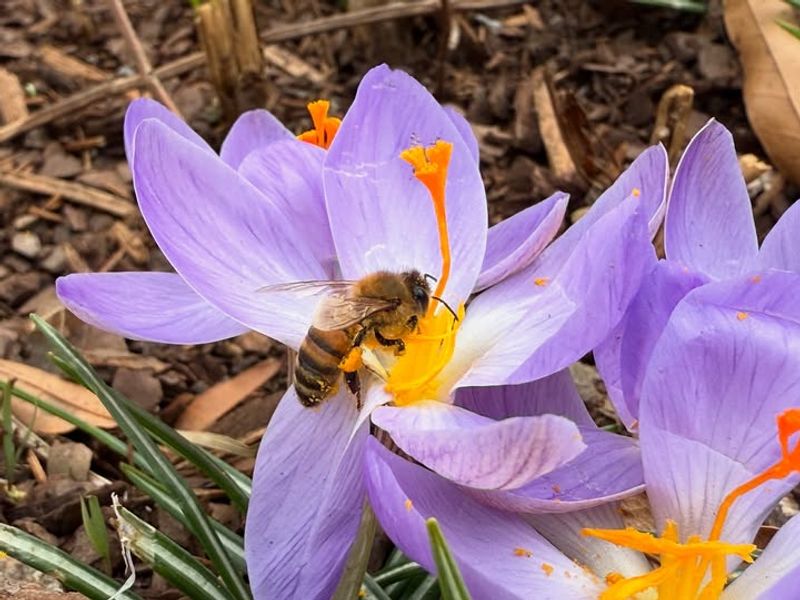
Honey bees are vital pollinators responsible for fertilizing countless fruits, vegetables, and flowering plants across Pennsylvania.
Because of their ecological and agricultural importance, honey bees receive special protections under state pollinator conservation laws.
Intentionally harming, poisoning, or destroying honey bee colonies can be illegal, especially if done without proper justification or professional assistance.
If a swarm of honey bees takes up residence in your yard, wall cavity, or attic, your first step should be contacting a licensed beekeeper or pest management professional trained in live bee removal.
Many beekeepers will relocate colonies for free or a small fee, allowing the bees to continue their essential pollination work elsewhere.
Spraying pesticides on honey bee hives is not only harmful to the environment but may also violate Pennsylvania laws designed to protect pollinators.
Honey bees are generally non-aggressive when swarming and pose little threat if left undisturbed.
Swarms typically move on within a few days as scout bees search for a permanent home.
If a colony establishes itself inside a structure, professional removal and exclusion are necessary to prevent future problems.
Pennsylvania encourages residents to support honey bees by planting pollinator-friendly gardens and avoiding harmful chemicals.
Protecting these industrious insects benefits your garden, local farms, and the broader ecosystem.
Working with experts ensures safe, legal, and humane solutions when bees become unwelcome guests.
6. Native Bumble Bees (Bombus Species)
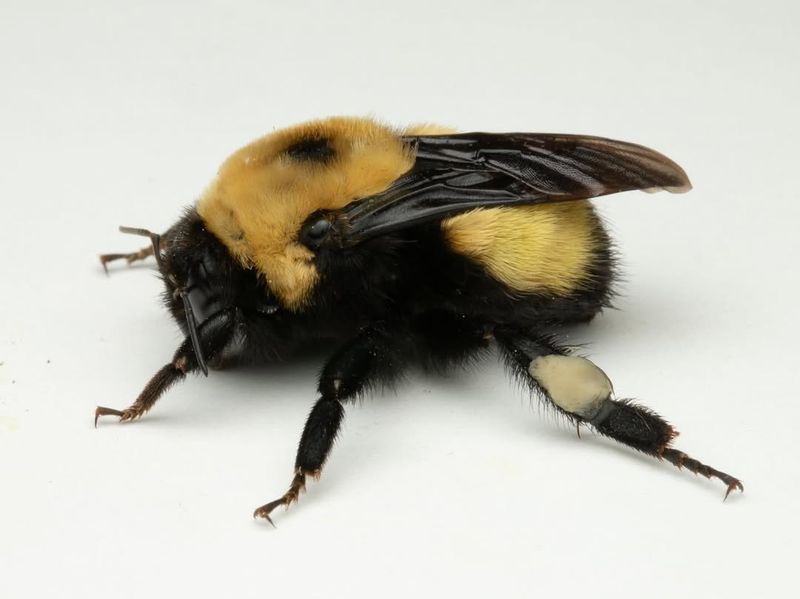
Pennsylvania is home to more than a dozen native bumble bee species, many of which are experiencing population declines due to habitat loss and pesticide exposure.
Recognizing their critical role as pollinators, Pennsylvania has enacted conservation measures that protect native bumble bees and their nesting sites.
Several bumble bee species in the state are considered species of concern, meaning their populations are monitored and protected under wildlife conservation regulations.
Destroying bumble bee nests, even on private property, may violate these protections and result in legal penalties.
Unlike honey bees, bumble bees nest in small colonies, often underground in abandoned rodent burrows or in dense grass clumps.
They are generally docile and only sting when directly threatened.
If you discover a bumble bee nest in your garden or yard, the best approach is to leave it alone and enjoy watching these fuzzy pollinators go about their work.
Bumble bees are especially effective at pollinating tomatoes, peppers, blueberries, and many native wildflowers.
Their unique buzz pollination technique makes them irreplaceable in Pennsylvania ecosystems.
If a nest poses a genuine safety concern, contact a wildlife professional or your local Penn State Extension office for guidance on legal and humane solutions.
Creating bumble bee-friendly habitats with native plants and undisturbed ground areas supports these important insects.
Protecting native bumble bees ensures that Pennsylvania gardens remain productive and vibrant for generations to come.
7. Eastern Box Turtle (Terrapene Carolina)
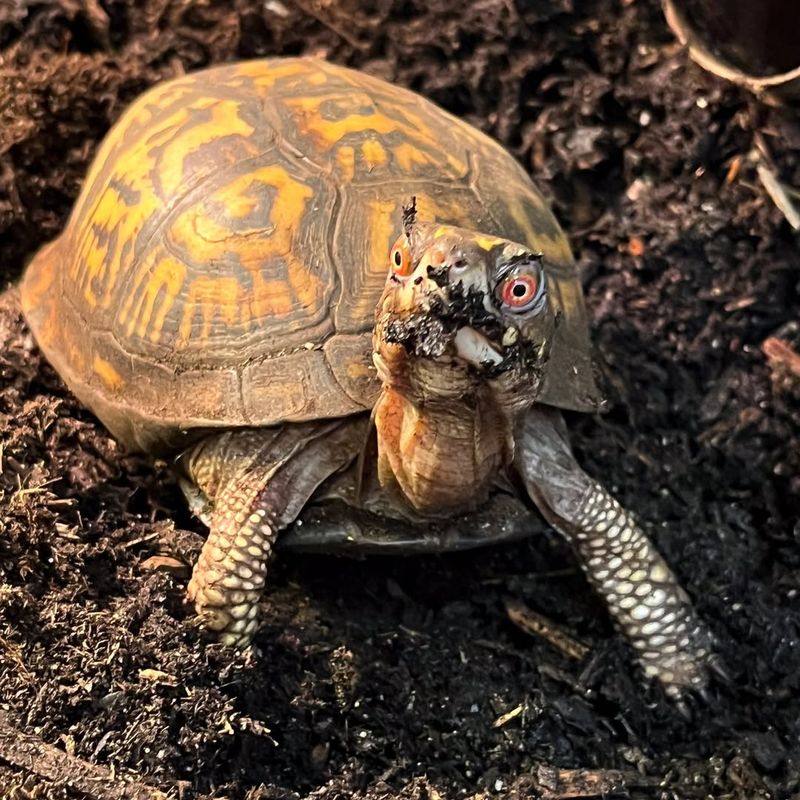
The Eastern box turtle is one of Pennsylvania’s most recognizable reptiles, with its domed shell and colorful markings making it a favorite among nature lovers.
Despite their charm, Pennsylvania law strictly prohibits collecting, relocating, or keeping Eastern box turtles, even if you find one wandering through your yard or garden.
These turtles are protected under state wildlife conservation codes due to declining populations caused by habitat loss, road mortality, and illegal collection.
Eastern box turtles have small home ranges and exhibit strong site fidelity, meaning they return to the same areas year after year.
Removing a turtle from its territory can disorient it and reduce its chances of survival.
If you encounter a box turtle on your property, the best action is to leave it alone or gently move it a short distance in the direction it was traveling to help it avoid hazards like roads or lawn mowers.
Box turtles are long-lived creatures, often reaching ages of fifty years or more, and play important roles in controlling insects, slugs, and decomposing plant matter.
Keeping one as a pet is illegal and harms wild populations.
Pennsylvania residents should report injured box turtles to licensed wildlife rehabilitators rather than attempting to care for them at home.
Creating turtle-friendly habitats with native plants, brush piles, and water sources encourages these ancient reptiles to thrive in your backyard.
Respecting legal protections ensures that future generations can enjoy encountering these remarkable animals.
8. Bog Turtle (Glyptemys Muhlenbergii)
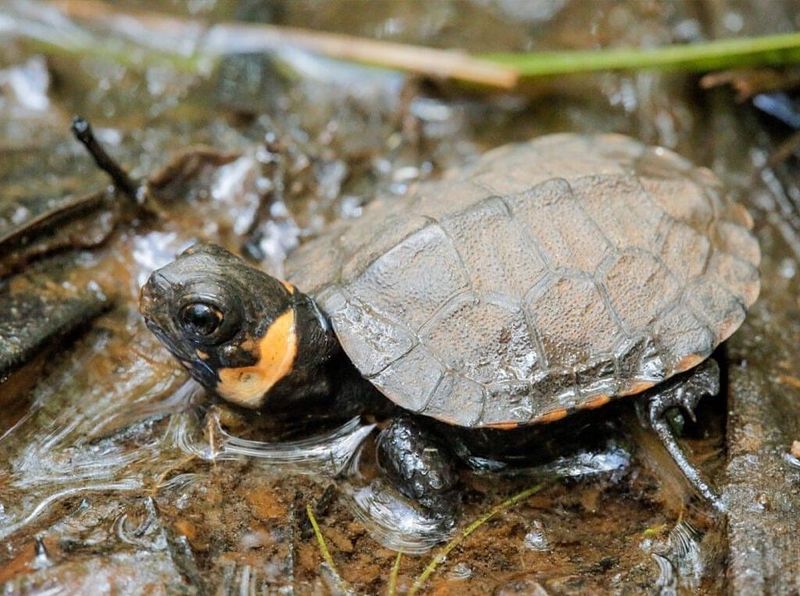
The bog turtle holds the distinction of being one of North America’s smallest and rarest turtles, with adults measuring just three to four inches long.
Federally listed as endangered, bog turtles are strictly protected under both the Endangered Species Act and Pennsylvania state law.
Any disturbance, collection, or removal of bog turtles is illegal, regardless of whether they are found on public or private land.
Bog turtles inhabit specialized wetland environments, including fens, bogs, and wet meadows with soft, muddy substrates and slow-moving water.
These habitats are increasingly rare in Pennsylvania, making every bog turtle population critically important.
If you own property with suitable wetland habitat and suspect bog turtles may be present, you must avoid disturbing the area and report sightings to the Pennsylvania Fish and Boat Commission.
Landowners are encouraged to work with conservation agencies to manage habitat in ways that benefit bog turtles while maintaining property use.
Even unintentional harm, such as draining wetlands or allowing livestock to trample nesting sites, can violate federal protections.
Penalties for harming or possessing bog turtles are severe and can include substantial fines and imprisonment.
Conservation efforts focus on protecting existing populations and restoring degraded wetland habitats.
Bog turtles are elusive and rarely seen, spending much of their time buried in mud or hidden beneath vegetation.
Supporting wetland conservation and respecting legal protections are essential for ensuring the survival of this unique Pennsylvania treasure.
9. Spotted Turtle (Clemmys Guttata)
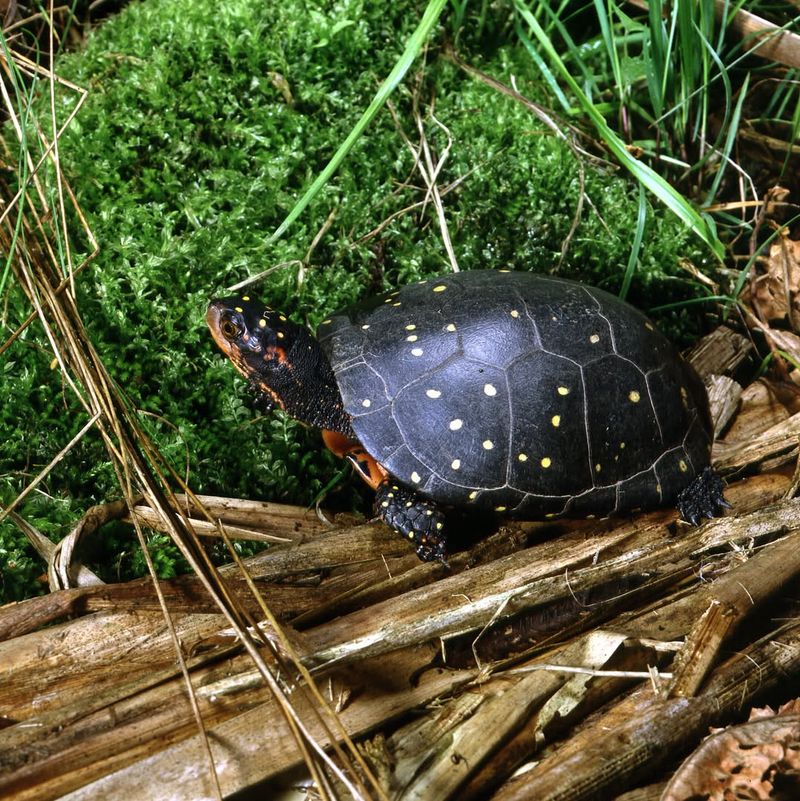
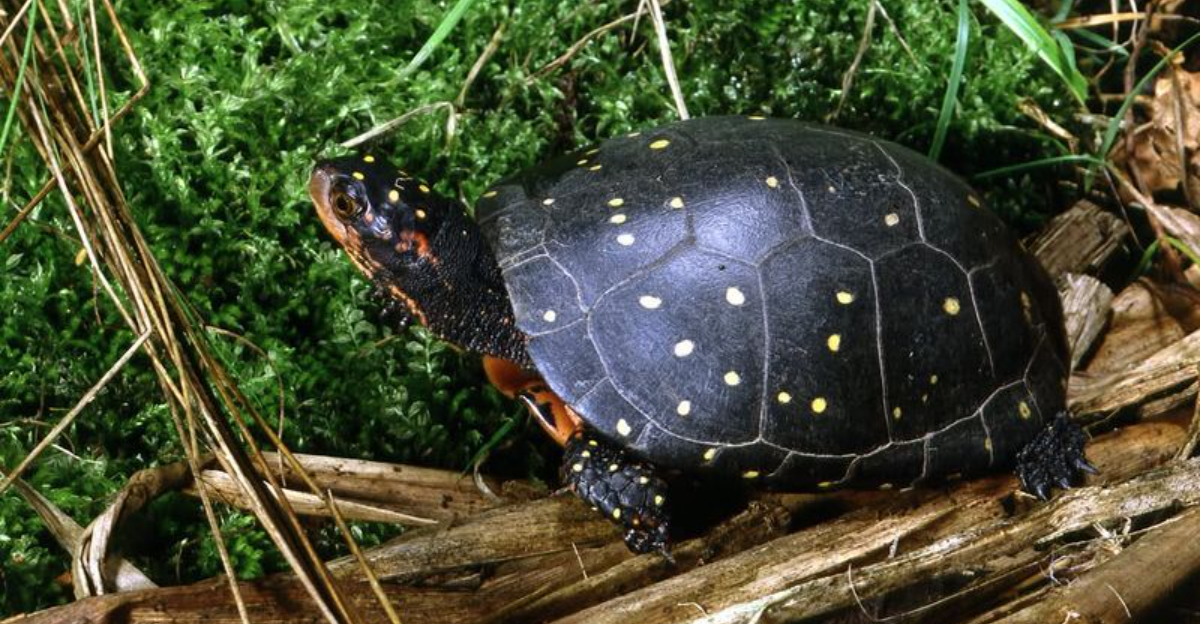
Spotted turtles are small, attractive reptiles easily identified by the bright yellow spots scattered across their dark shells.
These turtles inhabit wetlands, ponds, vernal pools, and slow-moving streams throughout Pennsylvania.
Due to habitat loss and collection pressures, spotted turtles are protected under state wildlife regulations, making it illegal for homeowners to remove or relocate them from gardens, ponds, or other property.
Spotted turtles are semi-aquatic and spend much of their time basking on logs or foraging in shallow water for insects, tadpoles, and aquatic plants.
They emerge most often in spring, when they are active and visible in wetland areas.
If you discover a spotted turtle on your property, consider yourself fortunate and leave the animal undisturbed.
These turtles are sensitive to environmental changes and rely on clean, healthy wetlands for survival.
Homeowners with ponds or wetlands can support spotted turtles by maintaining natural vegetation, avoiding pesticides, and preventing pollution runoff.
Removing turtles from the wild disrupts local populations and is illegal under Pennsylvania law.
Spotted turtles face threats from habitat destruction, road mortality, and illegal pet trade collection.
Conservation efforts focus on protecting wetland habitats and educating the public about the importance of leaving wild turtles in their natural environments.
If you find an injured spotted turtle, contact a licensed wildlife rehabilitator or the Pennsylvania Fish and Boat Commission for assistance.
Respecting these beautiful reptiles and their habitats helps ensure their continued presence in Pennsylvania’s diverse ecosystems.
10. Eastern Hellbender Salamander (Cryptobranchus Alleganiensis)

The Eastern hellbender is a fascinating and ancient amphibian, ranking among the largest salamanders in North America, with some individuals reaching over two feet in length.
These unusual creatures inhabit cold, clean, fast-flowing streams in Pennsylvania, where they hide beneath large rocks and hunt for crayfish and small fish.
Hellbenders are protected under Pennsylvania state law due to declining populations caused by water pollution, habitat degradation, and sedimentation.
It is illegal to handle, collect, or remove hellbenders from streams, even on private property.
Homeowners living near streams that support hellbender populations have a responsibility to avoid disturbing aquatic habitats.
Activities such as removing rocks, channelizing streams, or allowing sediment runoff can harm hellbenders and violate conservation regulations.
Hellbenders are indicators of excellent water quality, and their presence suggests a healthy stream ecosystem.
Despite their somewhat intimidating appearance, hellbenders are harmless to humans and play important roles in controlling aquatic invertebrate populations.
Conservation programs in Pennsylvania focus on monitoring hellbender populations, improving stream health, and educating landowners about protecting these unique salamanders.
If you encounter a hellbender while exploring a stream, observe it from a distance and avoid touching or moving it.
Handling hellbenders can damage their sensitive skin and stress the animal.
Reporting hellbender sightings to the Pennsylvania Fish and Boat Commission helps scientists track populations and prioritize conservation efforts.
Protecting stream habitats benefits hellbenders and countless other species that depend on clean, flowing water.