12 Creatures Kentucky Law Says You Can’t Remove From Your Property
Kentucky gardens and backyards are full of wildlife—but not all critters are fair game. Some species, even if they wander into your yard, home, or barn, are legally protected.
Removing them without a permit can result in fines, legal trouble, or even criminal charges. Not every visitor in your yard can be shown the door—some have rights too!
From certain birds and bats to turtles, frogs, and other native species, these twelve creatures play essential roles in Kentucky’s ecosystems. While they may seem like pests, laws exist to protect them and maintain ecological balance.
Knowing which animals are off-limits—and how to safely coexist—helps you avoid fines and ensures wildlife stays safe. Ignoring the rules isn’t just risky—it can be costly.
Kentucky homeowners who understand these protections can coexist responsibly with wildlife while keeping their property safe. Awareness, preventive strategies, and contacting licensed professionals when necessary are key to following the law while managing your yard.
Your garden might be shared, but respecting wildlife laws keeps everyone safe.
1. Bats (Especially During Maternity Season)
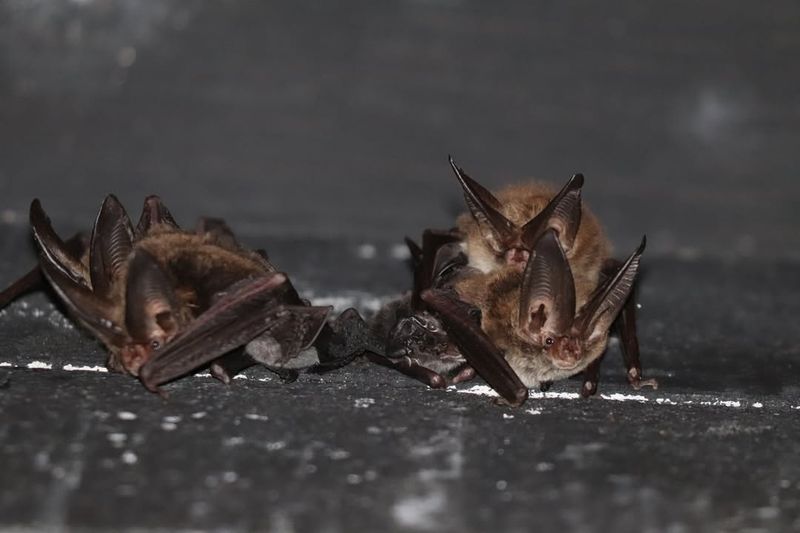
Kentucky’s bat populations face serious challenges from habitat loss and disease, which is why state regulations protect these nocturnal flyers throughout the year. The protections become even stricter during maternity season, typically from May through August, when mother bats raise their young in attics, barns, and other structures.
Disturbing a maternity colony can separate mothers from pups, leading to abandoned babies and population decline.
Bats provide incredible benefits to Kentucky property owners by consuming thousands of insects nightly, including mosquitoes, agricultural pests, and crop-damaging beetles. A single bat can eat up to 1,200 mosquito-sized insects in just one hour, making them nature’s most effective pest control system.
Their presence on your property actually reduces the need for chemical pesticides and helps maintain a balanced ecosystem.
If you discover bats roosting in your home or outbuildings, Kentucky law requires you to wait until the maternity season ends before performing any exclusion work. Professional wildlife specialists can conduct humane exclusions using one-way doors that allow bats to leave but prevent re-entry.
Attempting to remove bats yourself during restricted periods can result in significant fines and legal consequences, so working with licensed professionals ensures compliance while protecting these beneficial mammals.
2. Active Bird Nests Of Native Or Migratory Birds
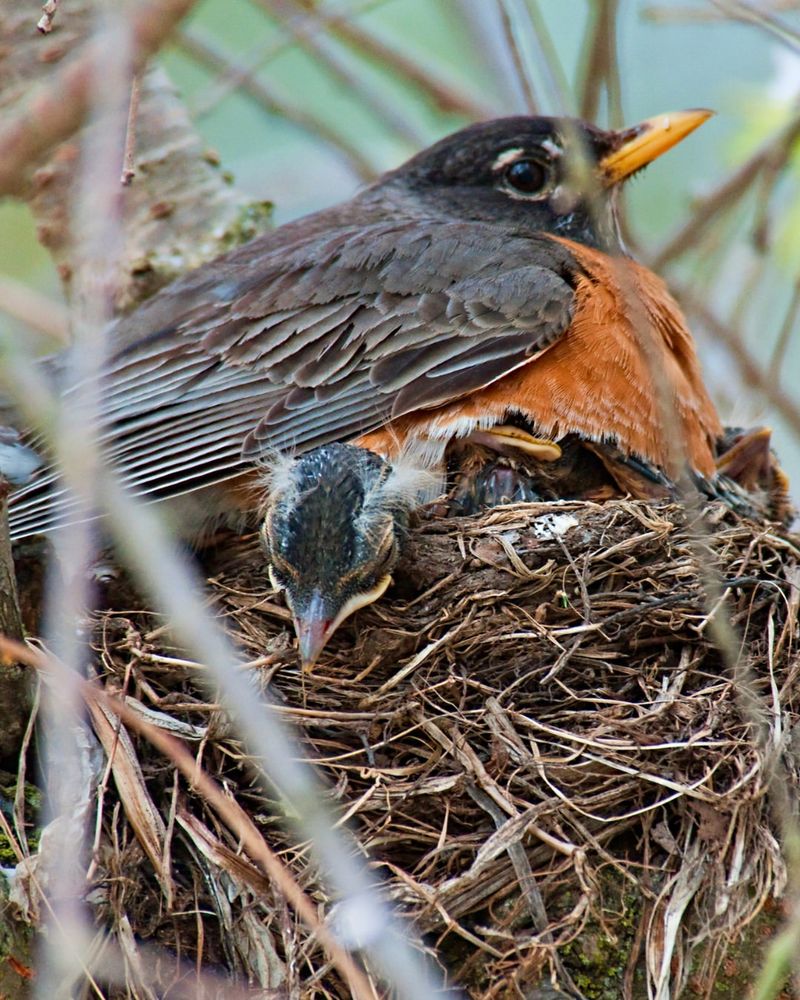
The Migratory Bird Treaty Act represents one of the oldest and most powerful wildlife protection laws in the United States, and it directly impacts Kentucky property owners who discover bird nests on their land. This federal legislation makes it illegal to disturb, remove, or destroy active nests containing eggs or chicks, regardless of where the nest is located.
Even if a robin builds her nest in an inconvenient spot on your porch or a sparrow family takes up residence in your gutter, you must wait until the nesting cycle completes naturally.
Understanding what constitutes an “active” nest helps homeowners navigate these regulations properly. A nest is considered active from the moment the first egg appears until the last baby bird leaves, which can span several weeks depending on the species.
Once all young birds have fledged and the nest sits empty, property owners can typically remove the structure to prevent reuse the following season.
Violating the Migratory Bird Treaty Act carries serious consequences, including fines up to $15,000 and potential criminal charges for intentional violations. Kentucky supports hundreds of migratory bird species that travel thousands of miles each year, and protecting their nesting sites ensures healthy populations for future generations.
Planning outdoor projects and home maintenance outside of nesting season, which typically runs from March through August, helps avoid conflicts with protected species.
3. Bald Eagles And Their Nests
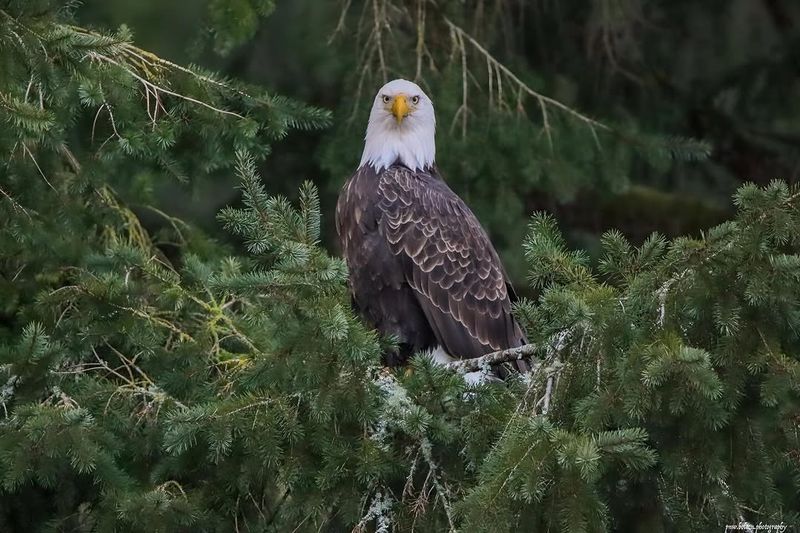
Few sights inspire more awe than a bald eagle soaring overhead or perched majestically near Kentucky’s waterways, and these magnificent raptors enjoy some of the strongest legal protections in the country. Both the Bald and Golden Eagle Protection Act and the Migratory Bird Treaty Act shield these birds from harassment, harm, or habitat disturbance.
Kentucky’s bald eagle population has made a remarkable comeback from near extinction, with nesting pairs now found along major rivers and lakes throughout the state.
Eagle nests, which can measure up to six feet across and weigh over a thousand pounds, receive special protection zones that extend 660 feet in all directions during nesting season. Property owners who discover an eagle nest on their land cannot approach, disturb, or alter the area without special permits from the U.S.
Fish and Wildlife Service. These restrictions apply even to tree trimming, construction projects, or land clearing that might disturb nesting eagles or their young.
The penalties for violating eagle protection laws are exceptionally severe, with fines reaching $100,000 and possible imprisonment for first offenses. Kentucky landowners lucky enough to host nesting eagles should consider it a privilege and an opportunity to observe these incredible birds from a respectful distance.
Working with state wildlife officials can help property owners develop management plans that protect eagles while allowing reasonable land use activities outside critical nesting periods.
4. Hawks, Falcons, And Other Birds Of Prey
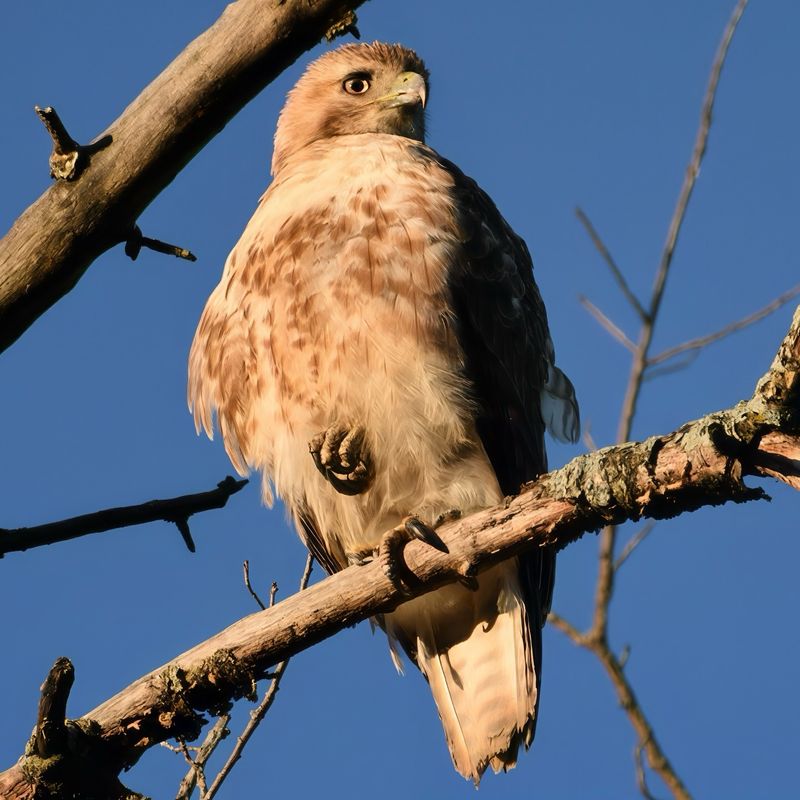
Kentucky’s skies host an impressive variety of raptors, from red-tailed hawks hunting over open fields to American kestrels perched on power lines scanning for prey. All birds of prey receive federal protection under the Migratory Bird Treaty Act, making it illegal for property owners to harm, capture, or disturb these skilled hunters.
Even if a hawk takes up residence in your favorite shade tree or a falcon nests on your barn, removal or relocation requires special permits that are rarely granted.
Raptors play a crucial role in controlling rodent populations, managing pest species, and maintaining ecological balance across Kentucky’s diverse landscapes. A single red-tailed hawk family can consume hundreds of mice, voles, and rats throughout a breeding season, providing natural pest control that benefits farmers and homeowners alike.
Their presence indicates a healthy ecosystem with adequate prey populations and suitable habitat.
Property owners sometimes worry about raptors threatening small pets or poultry, but simple management strategies can reduce conflicts without violating protection laws. Keeping small pets supervised outdoors, securing chicken coops with proper fencing and overhead netting, and removing attractants like exposed pet food helps minimize unwanted interactions.
If a raptor causes persistent problems, contacting Kentucky Fish and Wildlife Resources for guidance ensures you address the situation legally while respecting these magnificent predators’ protected status.
5. Owls Living In Trees, Barns, Or Structures
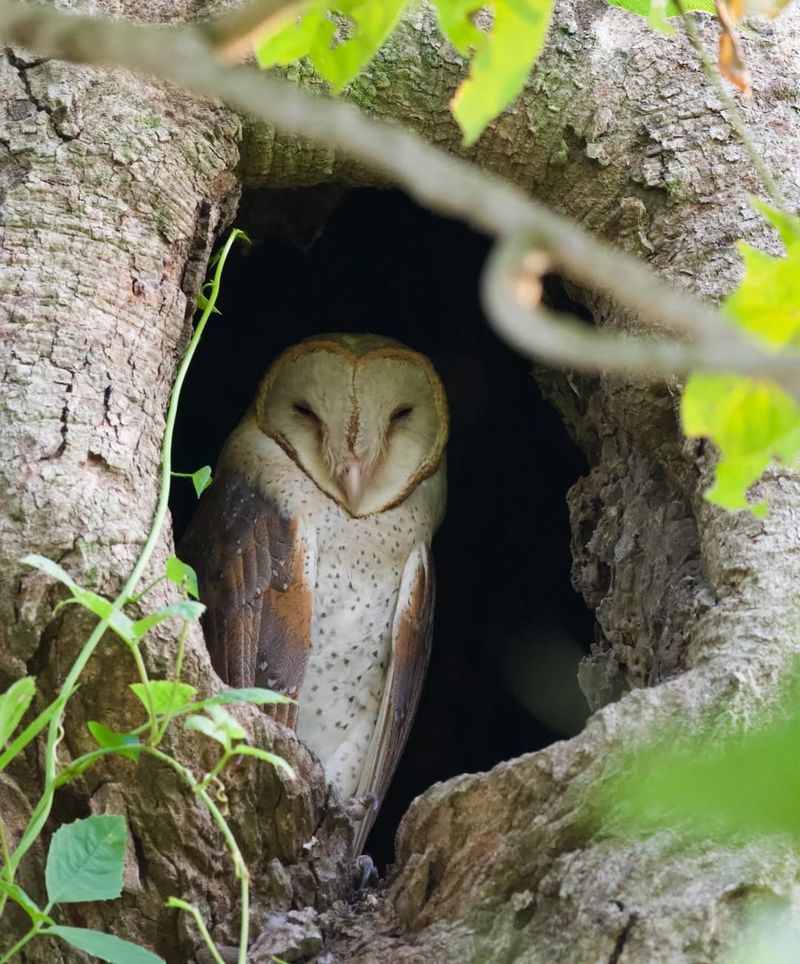
Owls hold a special place in Kentucky’s wildlife community, with species ranging from tiny screech owls to impressive great horned owls calling the state home. These nocturnal hunters enjoy complete protection under federal law, and removing them from your property without proper authorization can result in serious legal consequences.
Many Kentucky property owners consider themselves fortunate when owls choose their land for roosting or nesting, as these birds provide exceptional rodent control throughout the night.
Barn owls, which often nest in agricultural structures and abandoned buildings, have experienced population declines due to habitat loss and modern farming practices. When these ghostly white birds take up residence in your barn or outbuilding, Kentucky law requires you to let them stay and complete their nesting cycle.
The benefits typically outweigh any inconvenience, as a barn owl family can consume thousands of mice and rats in a single season, protecting stored grain and reducing pest populations naturally.
Great horned owls, barred owls, and eastern screech owls commonly nest in tree cavities, old hawk nests, or dense evergreens on residential properties. Their presence indicates a mature, healthy landscape with adequate food sources and nesting opportunities.
Property owners should appreciate these skilled hunters from a distance, as approaching too closely can cause stress and potentially trigger protective behaviors. Installing nest boxes in appropriate locations can encourage owls to nest where their presence is most welcome while supporting conservation efforts.
6. Eastern Box Turtles
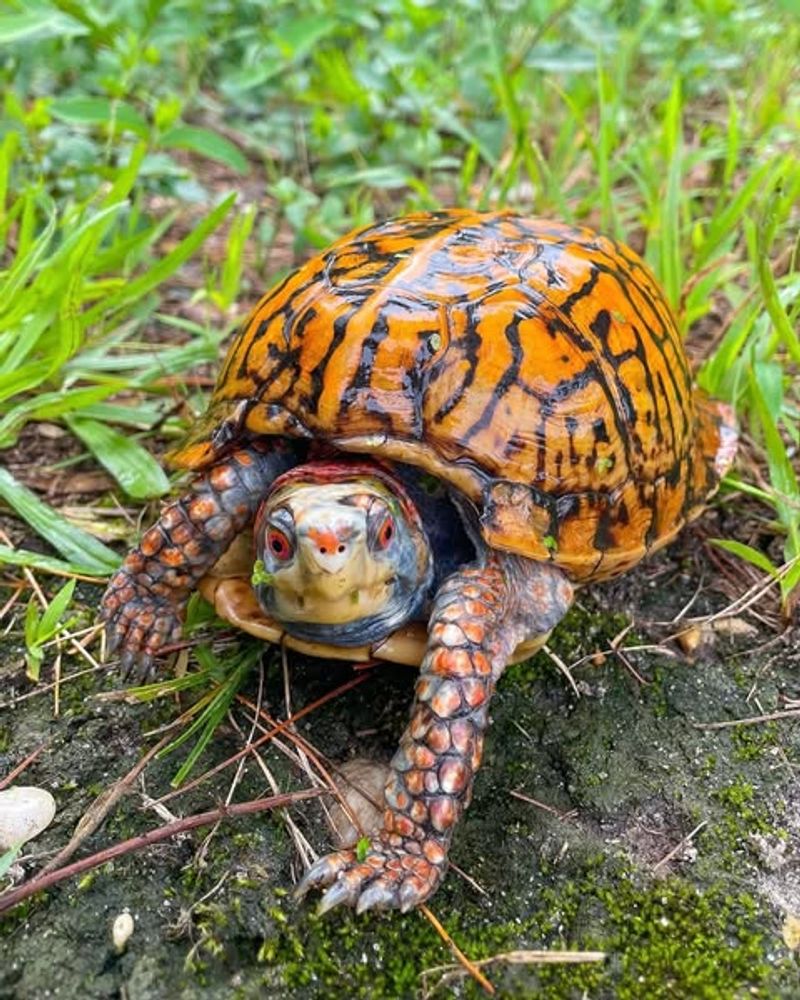
The charming eastern box turtle, with its distinctive domed shell and colorful markings, represents one of Kentucky’s most beloved reptiles and enjoys special protection under state wildlife regulations. These terrestrial turtles can live for over a century and maintain incredibly small home ranges, often spending their entire lives within just a few acres.
Removing a box turtle from your property, even with good intentions to relocate it to a “better” habitat, disrupts this lifelong connection and can prove harmful to the individual turtle.
Kentucky law prohibits collecting, possessing, or selling eastern box turtles without proper permits, recognizing that these slow-reproducing reptiles face numerous threats from habitat loss, vehicle strikes, and illegal pet trade. Box turtles reach sexual maturity slowly, often taking 15 to 20 years before they can reproduce, which means population recovery happens at a glacial pace.
Every turtle removed from the wild represents a significant loss to local breeding populations.
If you encounter a box turtle on your property, the best action involves leaving it exactly where you found it and appreciating the opportunity to observe this ancient species. Box turtles benefit Kentucky gardens by consuming insects, slugs, and overripe fruit while posing no threat to landscaping or structures.
Creating turtle-friendly habitat with brush piles, leaf litter, and shallow water sources encourages these gentle reptiles to stick around and continue their important ecological roles as omnivorous foragers.
7. Certain Native Snake Species
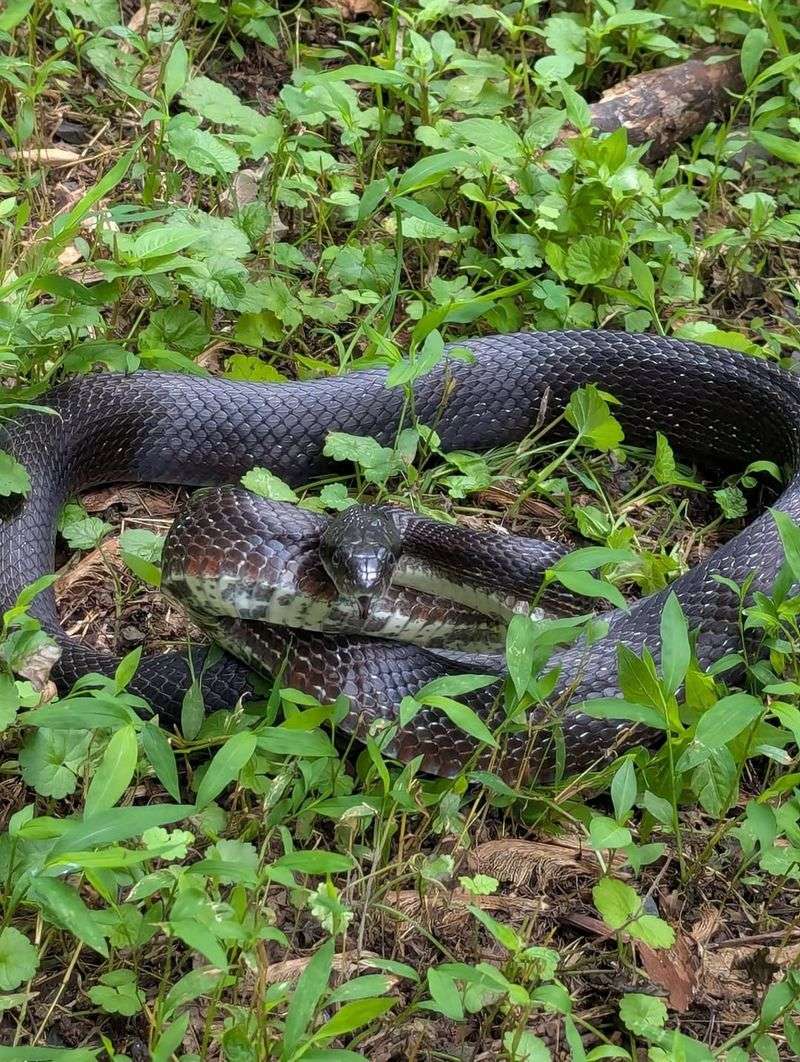
Kentucky’s diverse snake population includes numerous non-venomous species that receive protection under state wildlife regulations, challenging common misconceptions that all snakes pose threats to people or property. Black rat snakes, garter snakes, and many other harmless species play vital roles in controlling rodent populations, managing pest insects, and maintaining ecological balance.
Removing or harming protected snake species can result in violations of Kentucky wildlife laws, even when the snake appears on private property.
Many homeowners struggle to distinguish between protected species and the few venomous snakes found in Kentucky, leading to unnecessary conflicts and illegal removals. Learning basic identification skills helps property owners make informed decisions when encountering snakes.
Most snakes discovered around homes and gardens belong to harmless species that actually benefit property owners by reducing mice, rats, and insect populations naturally without chemicals or traps.
Kentucky Fish and Wildlife Resources maintains specific regulations about which snake species can be removed and under what circumstances, with many native snakes receiving full protection from collection, harassment, or harm. If a snake causes concern on your property, taking a photo and contacting local wildlife officials for identification and guidance ensures you handle the situation legally.
Creating habitat that supports natural predators while reducing rodent attractants like exposed pet food, bird seed, and accessible garbage helps maintain a balanced ecosystem where snakes and humans coexist peacefully.
8. Endangered Or Threatened Salamanders And Frogs

Kentucky’s rich amphibian diversity includes numerous salamander and frog species facing conservation challenges, with several receiving protection under state and federal endangered species laws. These moisture-loving creatures serve as important indicators of environmental health, as their permeable skin makes them particularly sensitive to pollution, habitat degradation, and climate changes.
Disturbing protected amphibians or their habitats on your property can trigger serious legal consequences, even when the disturbance happens unintentionally during routine land management activities.
Cave salamanders, green salamanders, and several frog species native to Kentucky face threats from habitat loss, disease, and environmental contamination. Property owners whose land includes streams, wetlands, caves, or forested areas may host these protected species without even realizing it.
Activities like stream channelization, wetland filling, cave exploration, or excessive pesticide use can violate protections and harm vulnerable populations that already face numerous survival challenges.
Maintaining amphibian-friendly habitat benefits not only protected species but also enhances overall property health and biodiversity. Preserving riparian buffers along streams, avoiding pesticide use near water features, protecting vernal pools, and maintaining leaf litter in wooded areas creates ideal conditions for amphibians while supporting countless other wildlife species.
If you discover unusual salamanders or frogs on your property, documenting them with photos and reporting sightings to Kentucky Fish and Wildlife Resources contributes valuable data to conservation efforts while ensuring you manage your land in compliance with protection laws.
9. Bees And Native Pollinators In Protected Situations
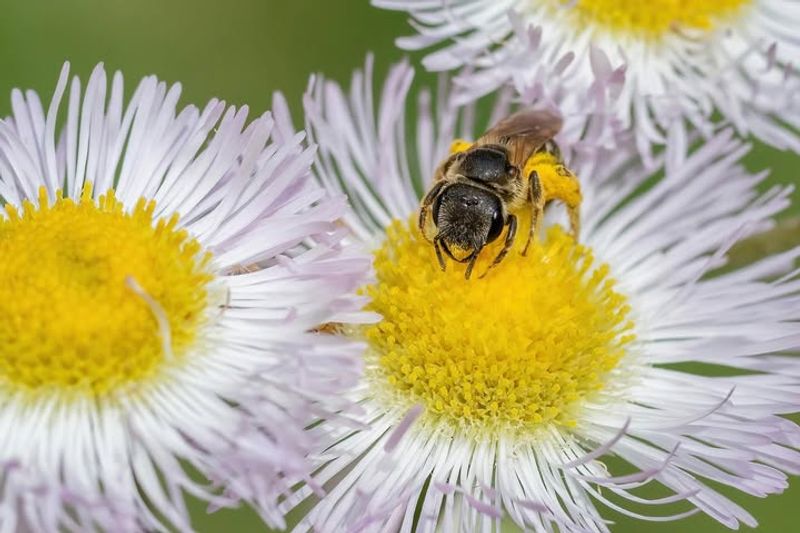
Honeybees, native bumblebees, and countless other pollinator species face unprecedented challenges from habitat loss, pesticide exposure, and disease, prompting increased legal protections in certain situations throughout Kentucky. While property owners generally have more flexibility managing bees than other protected wildlife, specific circumstances require professional relocation rather than extermination.
Understanding when bees receive protection helps homeowners make legal and environmentally responsible decisions when colonies appear in inconvenient locations.
Honeybee colonies discovered in wall voids, attics, or other structures often require live removal by licensed beekeepers rather than extermination, particularly in areas with local ordinances protecting these essential pollinators. Many Kentucky beekeepers gladly remove established colonies free of charge, relocating them to managed hives where they continue providing pollination services.
Native bee species, including various bumblebee species facing population declines, may receive protection under endangered species laws that prohibit harassment or habitat destruction.
Creating pollinator-friendly landscapes benefits both protected bee species and your garden’s productivity while reducing potential conflicts. Planting diverse native flowering plants, avoiding pesticide use during bloom periods, providing nesting habitat like bare ground patches and hollow stems, and maintaining water sources supports healthy pollinator populations.
If bees establish a colony in a problematic location, contacting local beekeeping associations or Kentucky Fish and Wildlife Resources before taking action ensures you address the situation legally while supporting these irreplaceable pollinators that agriculture and natural ecosystems desperately need.
10. Raccoons When Young Are Present
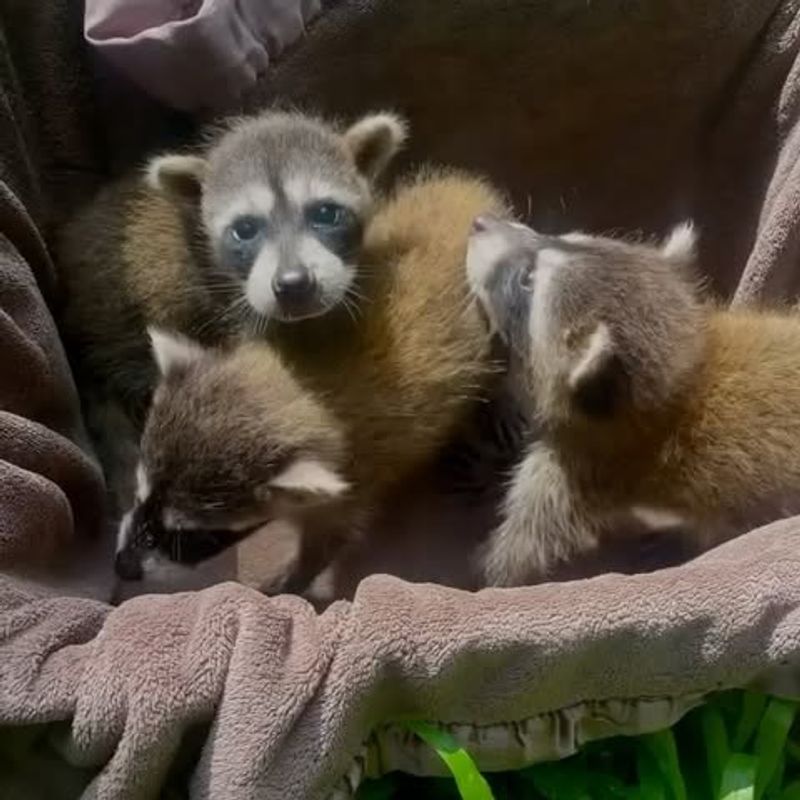
Raccoons rank among Kentucky’s most adaptable wildlife species, frequently establishing dens in attics, chimneys, and crawl spaces where they raise their young during spring and early summer. State wildlife regulations restrict removal of mother raccoons when dependent young are present, typically from February through August, recognizing that separating families results in orphaned babies who cannot survive independently.
Property owners who discover raccoon families must either wait until the young mature enough to leave on their own or hire licensed wildlife professionals who can legally relocate entire family groups together.
Mother raccoons choose denning sites based on security, warmth, and protection from predators, which explains why human structures often appeal to these intelligent mammals. A female raccoon typically gives birth to three to five kits who remain completely dependent on maternal care for their first eight to ten weeks of life.
Removing the mother during this critical period leaves helpless babies behind, creating both an ethical dilemma and a practical problem as the orphaned young eventually perish, causing odor and attracting other pests.
Preventing raccoon denning before family establishment proves far easier than dealing with established families. Inspecting and sealing potential entry points during fall and winter, securing chimney caps, installing exclusion devices on roof vents, and eliminating food attractants like unsecured garbage and pet food reduces the likelihood of raccoons moving in.
If a raccoon family already occupies your property, patience and professional assistance ensure legal compliance while addressing the situation humanely and effectively.
11. Skunks Actively Denning With Young
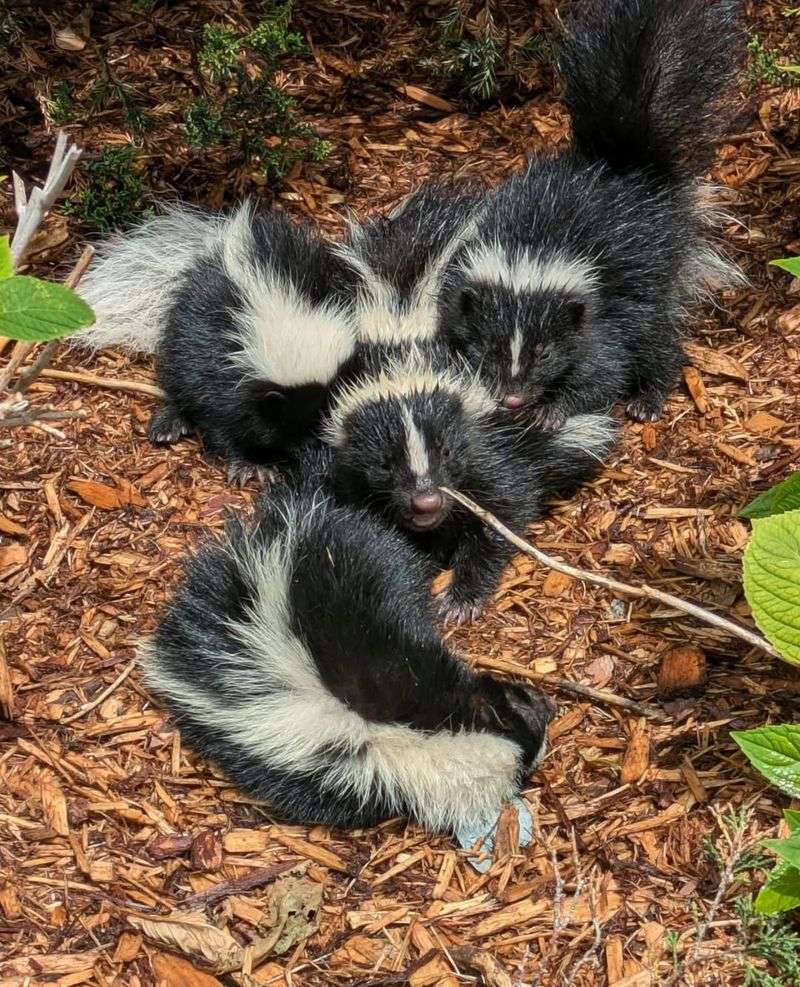
Striped skunks commonly establish dens beneath porches, sheds, and decks throughout Kentucky, and like raccoons, they receive seasonal protection when raising dependent young. Kentucky wildlife regulations restrict skunk removal during denning season, which typically runs from late winter through early summer when mother skunks give birth and nurse their kits.
Attempting to remove a mother skunk while young are present violates these protective regulations and risks leaving orphaned babies who cannot survive independently, creating additional problems for property owners.
Skunks provide valuable pest control services by consuming grubs, beetles, mice, and other garden pests, though their presence near homes understandably concerns property owners worried about potential spray incidents. Mother skunks with young generally avoid confrontation and spray only as a last resort when they feel directly threatened.
Giving these families space and time to mature naturally, usually six to eight weeks, allows the young to develop mobility and independence before the entire family vacates the den site.
Preventing skunk denning requires securing potential den sites before breeding season begins, typically by early winter. Installing hardware cloth barriers around deck perimeters, sealing crawl space openings, and eliminating food attractants like fallen fruit, accessible garbage, and outdoor pet food discourages skunks from establishing dens.
If skunks already occupy a space under your structure, waiting until the family naturally relocates after young mature ensures legal compliance. Licensed wildlife control operators can perform exclusions during appropriate seasons, using one-way doors that allow skunks to exit but prevent re-entry once babies can follow their mother.
12. Hellbender Salamander (Eastern Hellbender)
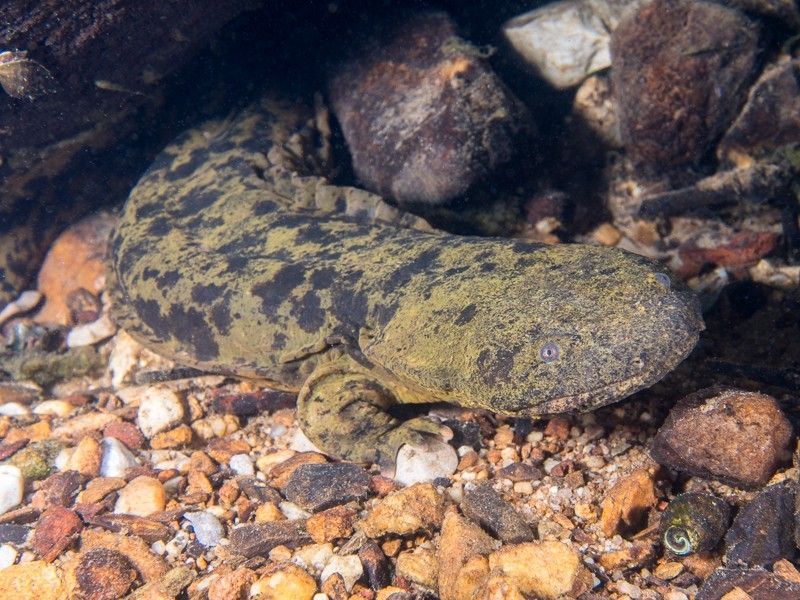
The eastern hellbender represents one of Kentucky’s most remarkable and heavily protected amphibians, with this giant salamander reaching lengths of up to two feet and living in clean, fast-flowing streams throughout the state. Listed as a species of special concern in Kentucky, hellbenders receive comprehensive legal protection that prohibits capturing, harming, harassing, or removing these ancient creatures from their aquatic habitats.
Even accidentally disturbing the large, flat rocks where hellbenders shelter can violate protection regulations and harm these sensitive salamanders that have remained virtually unchanged for millions of years.
Hellbenders serve as important indicators of stream health, as they require exceptionally clean, well-oxygenated water to survive and reproduce. Their presence on your property signals excellent water quality and a thriving aquatic ecosystem.
These completely aquatic salamanders spend their entire lives underwater, breathing through wrinkled skin folds and hunting crayfish, small fish, and aquatic insects along rocky stream bottoms. Despite their somewhat intimidating appearance and unfortunate name, hellbenders pose absolutely no threat to humans and rarely even make themselves visible during daylight hours.
Property owners whose land includes suitable hellbender habitat should consider themselves stewards of an increasingly rare species facing population declines throughout its range. Protecting streamside vegetation, preventing erosion and sedimentation, avoiding pesticide runoff, and leaving large rocks undisturbed in stream channels helps maintain critical hellbender habitat.
Reporting hellbender sightings to Kentucky Fish and Wildlife Resources contributes valuable data to conservation efforts while celebrating the presence of these fascinating living fossils on your property.