12 Creatures Ohio Homeowners Are Legally Forbidden To Relocate
Finding an unexpected animal in your Ohio yard can trigger an immediate reaction: move it along and reclaim your space.
But that instinct, however understandable, can quickly land homeowners on the wrong side of the law.
Ohio has strict wildlife regulations, and several common creatures are legally protected—even when they’re nesting under decks, roaming gardens, or sheltering near homes.
These laws exist to protect fragile ecosystems and prevent well-intentioned actions from causing unintended harm.
Relocating wildlife often leads to injury, death, or the spread of disease, which is why the state limits who can intervene and how.
Many homeowners are shocked to learn that even gently trapping and releasing an animal elsewhere can be illegal without proper permits.
Understanding which creatures are off-limits isn’t about letting your yard be overrun—it’s about responding responsibly.
In many cases, coexistence or professional assistance is the only lawful option.
Knowing the rules ahead of time can save Ohio homeowners from fines, penalties, and the regret that comes from trying to solve a wildlife problem the wrong way.
1. White-Tailed Deer (Odocoileus Virginianus)
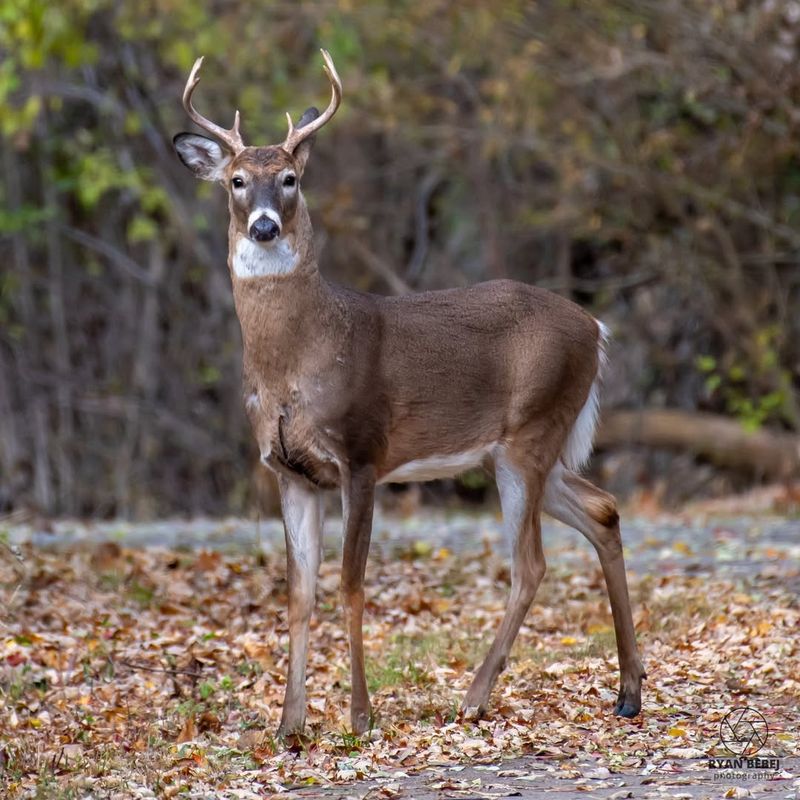
Those graceful creatures nibbling your hostas might seem like easy candidates for relocation, but Ohio law says otherwise.
White-tailed deer are classified as protected game animals under regulations enforced by the Ohio Department of Natural Resources (ODNR).
Homeowners cannot legally capture, trap, or relocate deer without explicit authorization from the state.
The reasoning behind this prohibition is multifaceted.
Relocating deer can spread chronic wasting disease, a serious neurological condition affecting deer populations across North America.
Moving deer also disrupts established herds and can cause territorial conflicts in new areas.
Additionally, relocated deer often experience high stress levels and may struggle to find food and shelter in unfamiliar territory.
ODNR manages deer populations through controlled hunting seasons rather than relocation programs.
If deer are causing significant property damage, homeowners should contact ODNR for guidance on legal deterrent methods.
Fencing, repellents, and landscape modifications offer lawful alternatives to relocation.
Violating deer relocation laws can result in substantial fines and potential criminal charges, so always consult wildlife officials before taking action.
Respecting these regulations helps maintain healthy deer populations throughout Ohio while protecting your legal standing as a property owner.
2. Eastern Wild Turkey (Meleagris Gallopavo)
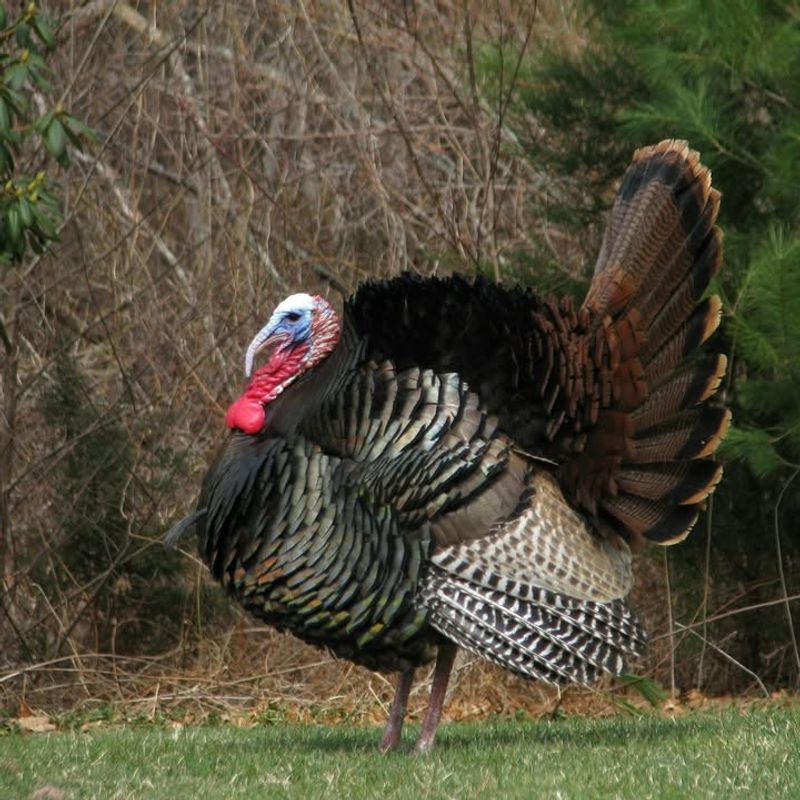
Wild turkeys have made a remarkable comeback in Ohio, and you might find a flock strutting through your property like they own the place.
These impressive birds are protected game animals under Ohio law, meaning private citizens cannot trap or relocate them without proper authorization.
Even when turkeys cause garden damage or become territorial during breeding season, homeowners must resist the temptation to move them elsewhere.
Ohio classifies wild turkeys as game birds managed through regulated hunting seasons.
The ODNR carefully monitors turkey populations to ensure sustainable numbers across the state.
Unauthorized trapping and relocation interferes with these management efforts and can introduce diseases to new areas.
Turkeys relocated by untrained individuals often fail to thrive in unfamiliar environments.
They may abandon their young, become disoriented, or fall victim to predators they would normally avoid.
When turkeys become problematic on your property, consider non-lethal deterrents like motion-activated sprinklers or noise makers.
Removing food sources such as spilled birdseed also discourages turkey visits.
For persistent problems, contact a licensed wildlife control operator who can legally address the situation within state regulations.
Remember that turkey populations fluctuate seasonally, and the birds causing issues today may naturally move on within weeks.
3. Raccoon (Procyon Lotor)
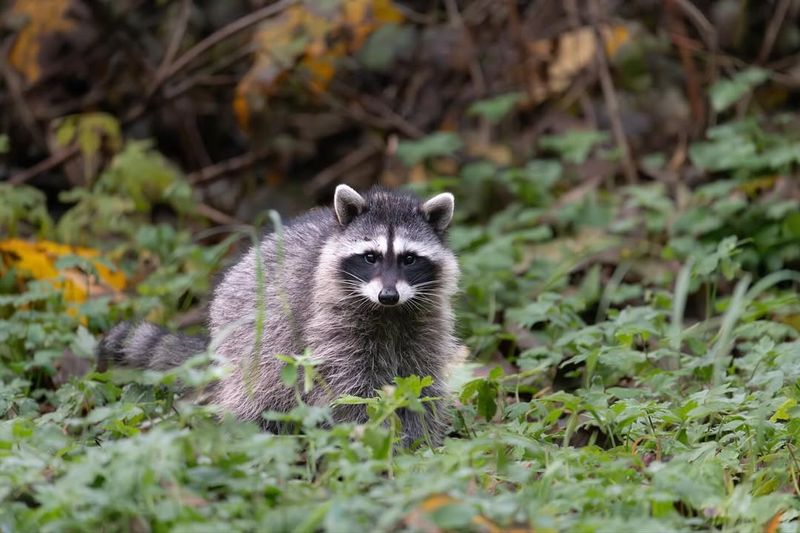
With their bandit masks and nimble paws, raccoons are notorious for raiding trash cans and exploring attics.
Despite being common nuisances, Ohio law strictly prohibits homeowners from trapping and relocating these masked mammals without proper licensing.
Raccoons are classified as furbearers and wildlife, placing them under state protection and management.
The relocation ban exists for compelling public health reasons.
Raccoons are primary carriers of rabies in Ohio, and moving them can spread this dangerous disease to new communities.
They also carry raccoon roundworm, a parasite that poses serious health risks to humans and pets.
When relocated, raccoons often experience extreme stress and may become aggressive.
They struggle to establish territories in unfamiliar areas and frequently attempt to return home, sometimes traveling dozens of miles.
Homeowners dealing with raccoon problems should secure trash cans with tight-fitting lids and remove outdoor pet food.
Sealing entry points to attics, chimneys, and crawl spaces prevents raccoons from establishing dens.
If a raccoon has already taken up residence, contact a licensed wildlife control professional who can legally remove and handle the animal according to state regulations.
Attempting DIY relocation not only violates Ohio law but also puts your family and neighbors at unnecessary risk.
4. Opossum (Didelphis Virginiana)
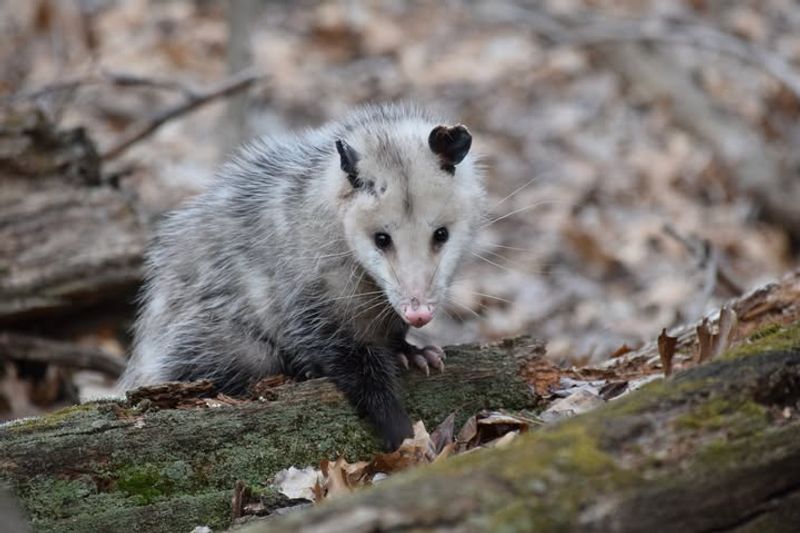
North America’s only marsupial might look unusual waddling through your yard at night, but opossums are actually beneficial creatures that consume ticks and other pests.
Despite their helpful nature, Ohio classifies opossums as nongame wildlife, which means homeowners cannot legally trap and relocate them.
Only licensed trappers possess the authority to handle and move these animals.
Opossums rarely cause significant property damage and typically move on within a few days.
They’re nomadic by nature, constantly searching for food rather than establishing permanent territories.
When people relocate opossums, they often separate mothers from dependent young, leaving babies to perish in hidden nests.
These gentle creatures are also poor at defending themselves in new environments.
Relocated opossums face immediate threats from established predators and may struggle to find adequate shelter and food sources.
If opossums are frequenting your property, simply wait them out—they’ll likely leave on their own.
Securing garbage cans and removing fallen fruit eliminates their food motivation.
Opossums are naturally resistant to rabies due to their lower body temperature, making them safer wildlife neighbors than many people realize.
For persistent situations, licensed professionals can assess your property and recommend legal solutions that comply with Ohio wildlife regulations while addressing your concerns.
5. Skunk (Mephitis Mephitis)
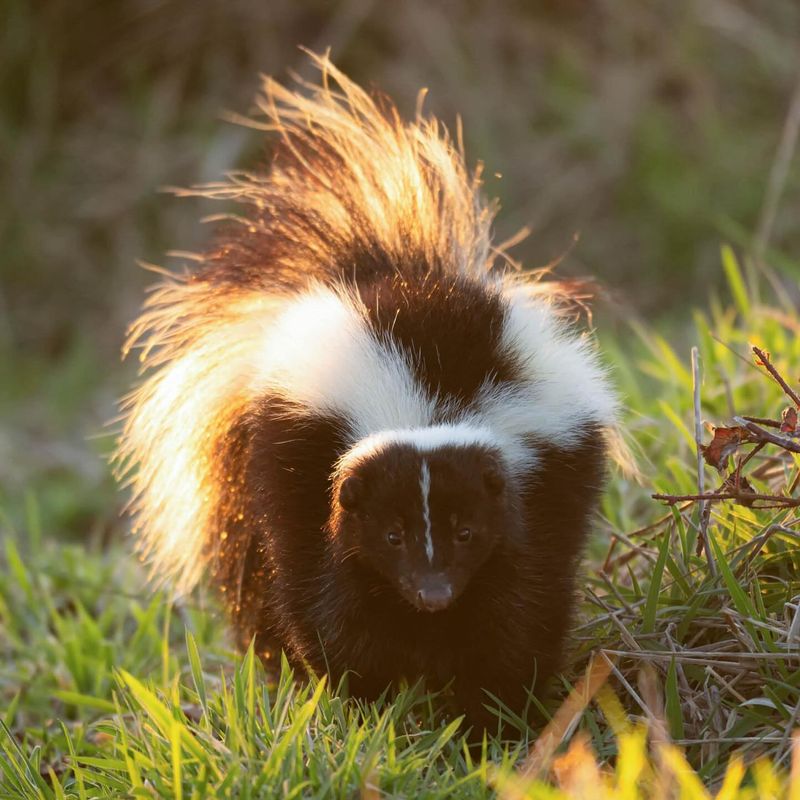
Nobody wants a close encounter with a skunk, especially near their home where that infamous spray could linger for weeks.
However, Ohio law protects skunks as wildlife, and homeowners cannot legally relocate them without professional assistance.
Legal relocation requires a licensed wildlife removal specialist rather than a do-it-yourself approach.
Skunks typically spray only when threatened, and they actually prefer to avoid confrontation.
They provide valuable pest control by consuming grubs, insects, and small rodents that damage lawns and gardens.
Relocating skunks disrupts these ecological benefits and often results in the animal’s struggle for survival in unfamiliar territory.
Skunks may also carry rabies, making improper handling extremely dangerous.
Unlicensed relocation attempts frequently result in spray incidents, bites, or disease transmission.
When skunks take up residence under porches or sheds, prevention proves more effective than relocation.
Install barriers around potential den sites and use motion-activated lights to discourage their presence.
Skunks are nocturnal, so removing nighttime food sources like pet dishes and unsecured garbage reduces their interest in your property.
If a skunk becomes truly problematic, contact a licensed wildlife control operator who has the proper equipment, training, and legal authority to handle the situation safely and within state regulations.
6. Coyote (Canis Latrans)
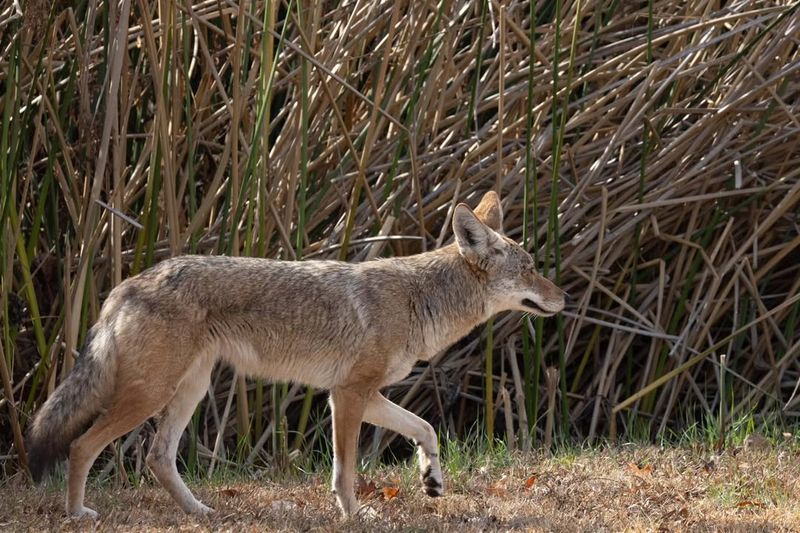
Coyote sightings have become increasingly common in Ohio suburbs as these adaptable predators expand their range.
Seeing one near your home can be unsettling, but homeowners are strictly prohibited from trapping and relocating coyotes without proper permits.
As a regulated furbearer, coyotes fall under specific wildlife management protocols enforced by ODNR.
Unauthorized relocation of coyotes creates multiple problems for wildlife populations and communities.
Coyotes are highly territorial, and moving them into established territories triggers aggressive conflicts between animals.
Relocated coyotes also carry diseases and parasites to new areas, potentially affecting local wildlife and domestic animals.
Furthermore, coyotes possess remarkable homing abilities and may travel great distances attempting to return to familiar territory.
This journey exposes them to vehicle strikes, starvation, and other hazards.
Coyotes naturally fear humans and typically avoid direct contact.
To discourage coyotes from your property, remove attractants like outdoor pet food, secure trash containers, and keep small pets supervised.
Hazing techniques—making loud noises and appearing large when you encounter a coyote—teach them to maintain their natural wariness of humans.
If coyotes pose a genuine threat to livestock or pets, consult ODNR about legal management options.
Licensed professionals can assess your situation and implement solutions that comply with furbearer regulations while addressing legitimate safety concerns.
7. Groundhogs (Woodchucks) (Marmota Monax)
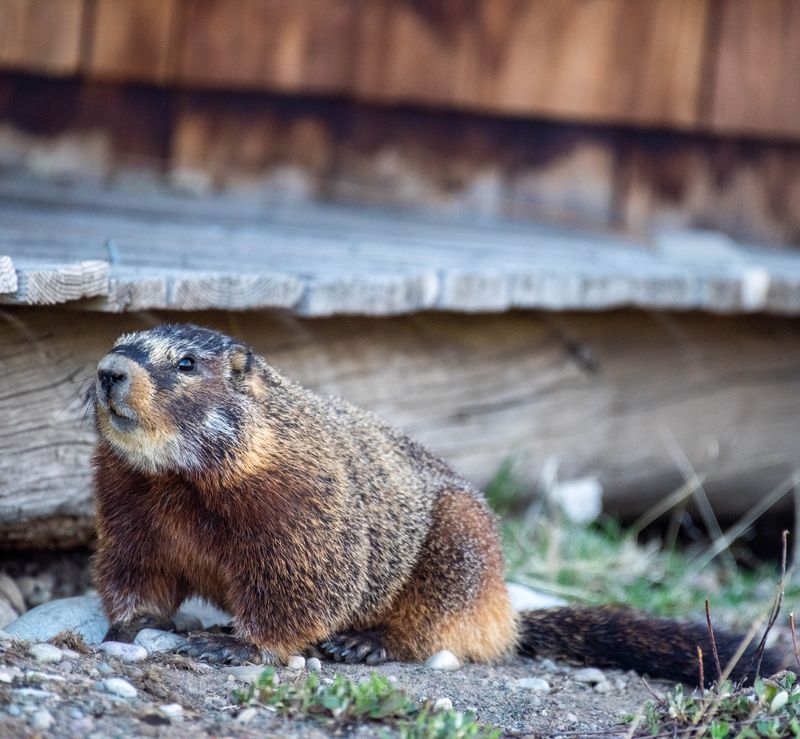
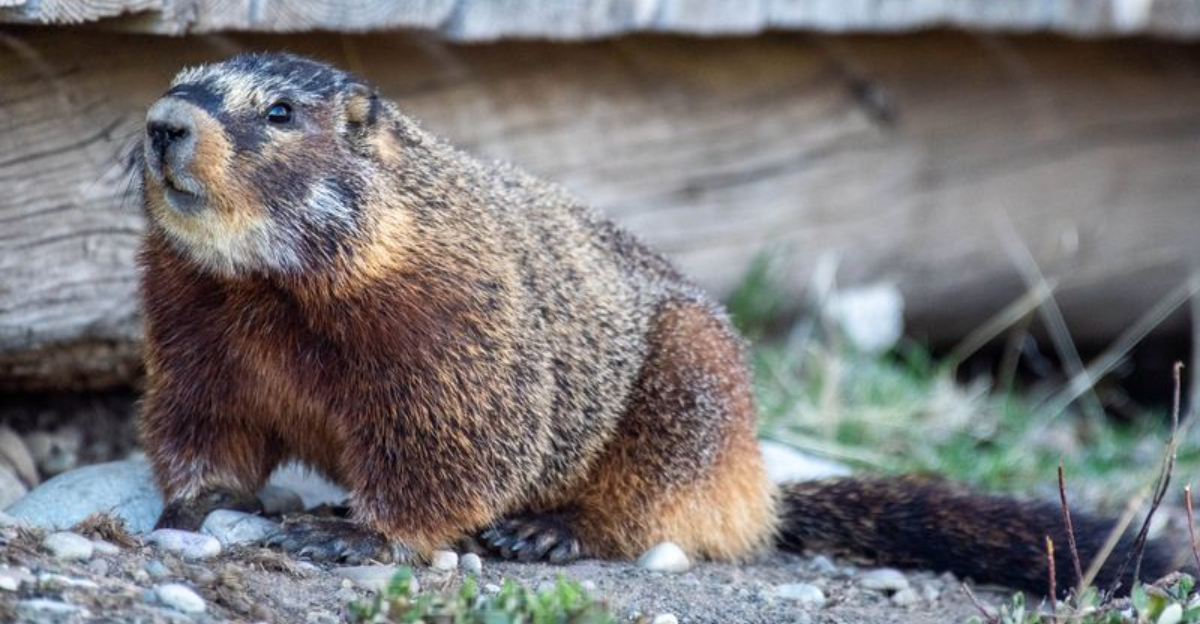
Groundhogs might be charming when they predict spring weather, but they’re far less endearing when they dig extensive burrows under your shed or decimate your vegetable garden.
These stocky rodents are classified as Ohio wildlife, and while homeowners may control them using proper methods, relocation by unlicensed individuals is not permitted under ODNR rules.
Groundhogs create complex tunnel systems that can undermine building foundations, patios, and walkways.
Their voracious appetites make them serious garden pests, capable of consuming entire crops overnight.
Despite these frustrations, relocating groundhogs without authorization violates state wildlife regulations.
Relocated groundhogs face poor survival odds in unfamiliar territory.
They must immediately compete for resources with established groundhogs and may lack adequate time to prepare burrows before winter.
Young groundhogs relocated away from their birth territories have particularly low survival rates.
Effective groundhog management focuses on exclusion rather than relocation.
Install buried fencing around gardens, extending at least twelve inches underground to prevent burrowing.
Fill abandoned burrows after ensuring they’re vacant to prevent reoccupation.
For active infestations, licensed wildlife control operators can legally remove groundhogs using approved methods.
They can also advise on long-term prevention strategies that keep your property groundhog-free without violating Ohio’s wildlife protection laws or compromising animal welfare.
8. Beaver (Castor Canadensis)
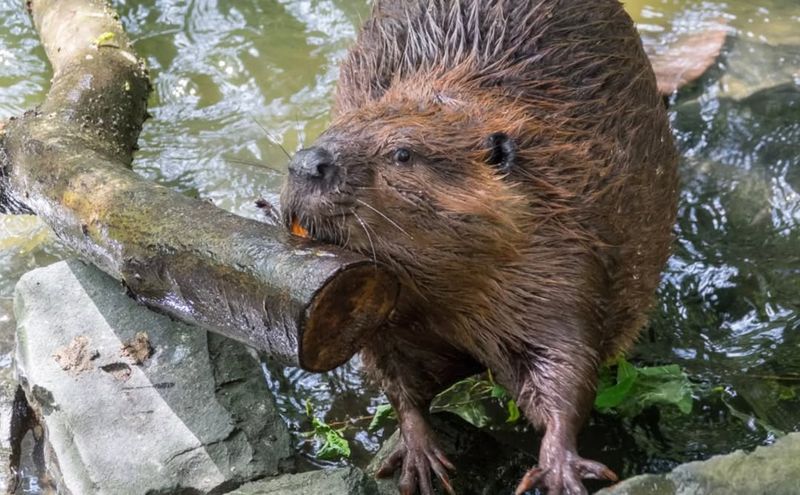
Beavers are nature’s engineers, but their dam-building activities can flood property, eliminate valuable trees, and alter waterways dramatically.
When a beaver family establishes residence near your land, the damage can escalate quickly.
However, beavers are regulated furbearers in Ohio, and relocation or removal must follow state permit requirements—homeowners cannot simply capture and move them.
Beaver relocation requires specialized knowledge because these animals are deeply tied to their aquatic environments.
Moving beavers to unsuitable locations results in their inability to establish functional territories.
They need specific water depths, food availability, and habitat characteristics to survive.
Unauthorized beaver removal also disrupts carefully managed furbearer populations that ODNR monitors for ecological balance.
Beavers play crucial roles in creating wetland habitats that support diverse wildlife species.
Property owners dealing with beaver damage have several legal options.
Tree protection devices like wire mesh prevent beavers from felling valuable specimens.
Flow devices can manage water levels in beaver ponds without removing the animals.
For situations requiring beaver removal, contact ODNR to obtain necessary permits or hire a licensed wildlife control operator.
These professionals understand beaver behavior, possess proper removal equipment, and know how to relocate beavers to appropriate habitats when authorized.
Attempting DIY beaver removal not only violates Ohio law but also typically proves ineffective without proper expertise.
9. Muskrat (Ondatra Zibethicus)
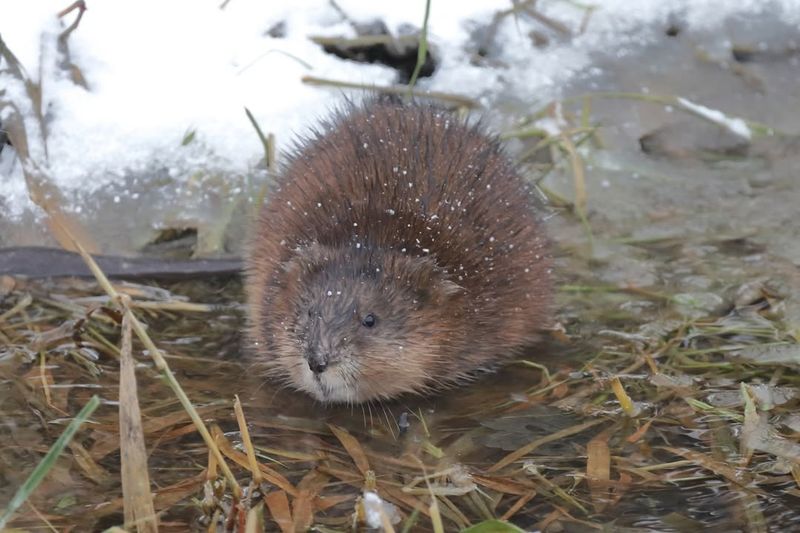
Muskrats are semi-aquatic rodents that inhabit Ohio’s ponds, streams, and wetlands, often going unnoticed until their burrowing damages pond banks or irrigation systems.
These industrious creatures are protected wildlife whose trapping and relocation require proper authorization from state authorities.
Unlicensed relocation by homeowners is prohibited under Ohio wildlife regulations.
Muskrats create extensive burrow systems in pond banks and levees, which can compromise structural integrity and cause erosion.
Their feeding habits may damage aquatic vegetation that property owners value for aesthetics or wildlife habitat.
Despite these conflicts, muskrats serve important ecological functions by maintaining open water areas in marshes.
Relocating muskrats presents unique challenges because they require specific aquatic habitats with adequate food sources.
Muskrats moved to unsuitable locations cannot establish territories and face immediate survival threats.
They’re also susceptible to various diseases that can spread through improper handling.
Homeowners with waterfront property should install riprap or other bank stabilization methods to prevent muskrat burrowing.
Excluding muskrats from specific areas proves more effective than attempting relocation.
When muskrat damage becomes severe, licensed trappers can legally address the problem using methods approved by ODNR.
These professionals understand muskrat behavior patterns and can implement solutions that protect your property while complying with state wildlife management regulations and ensuring humane treatment of these protected animals.
10. Bobcat (Lynx Rufus)
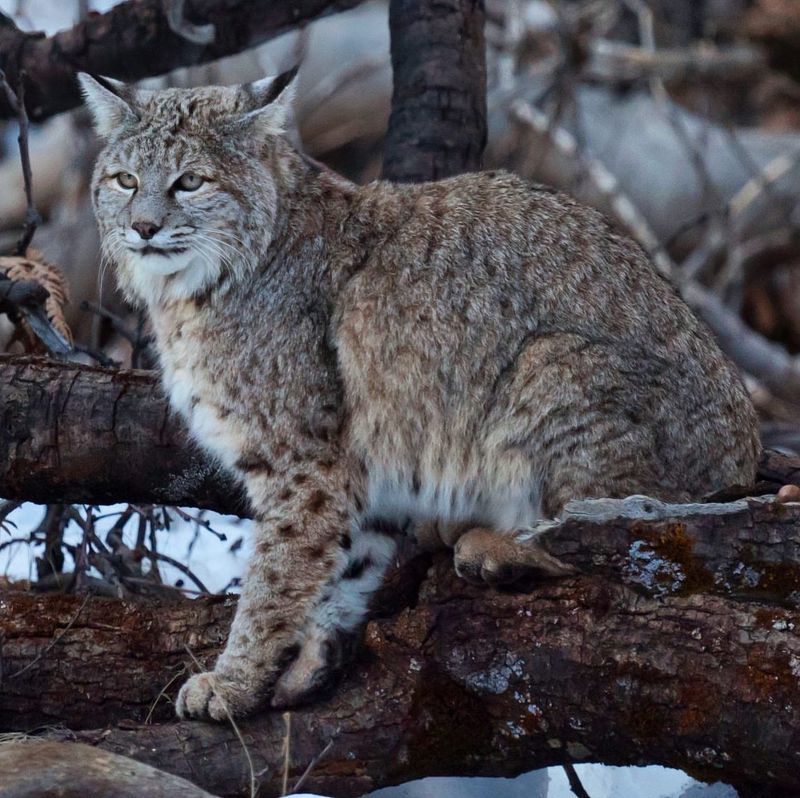
Spotting a bobcat in Ohio is a rare privilege, as these elusive wildcats typically avoid human contact.
Their tufted ears and spotted coats make them unmistakable, but their secretive nature means most Ohioans never encounter one.
Bobcats are protected under Ohio law as furbearers requiring regulated trapping, and homeowners may not trap and relocate them without special authorization from ODNR.
Bobcat populations in Ohio remain relatively small and localized, making proper management essential for species conservation.
These solitary predators maintain large territories and play important roles in controlling rodent and rabbit populations.
Unauthorized relocation interferes with territorial boundaries and can lead to increased conflicts between bobcats.
Bobcats pose minimal threat to humans and typically flee when encountered.
They may occasionally prey on domestic poultry or small pets, but such incidents are uncommon.
If a bobcat appears on your property, consider yourself fortunate to witness this magnificent predator.
Simply observe from a distance and allow the animal to move on naturally—bobcats rarely linger in residential areas.
Secure small pets and poultry in enclosed areas to prevent opportunistic predation.
For persistent bobcat presence near livestock, contact ODNR for guidance on legal deterrent methods.
Only licensed wildlife professionals with specific permits can handle bobcat removal, ensuring both human safety and compliance with strict state regulations protecting these remarkable furbearers.
11. Feral Swine / Wild Boar (Sus Scrofa)
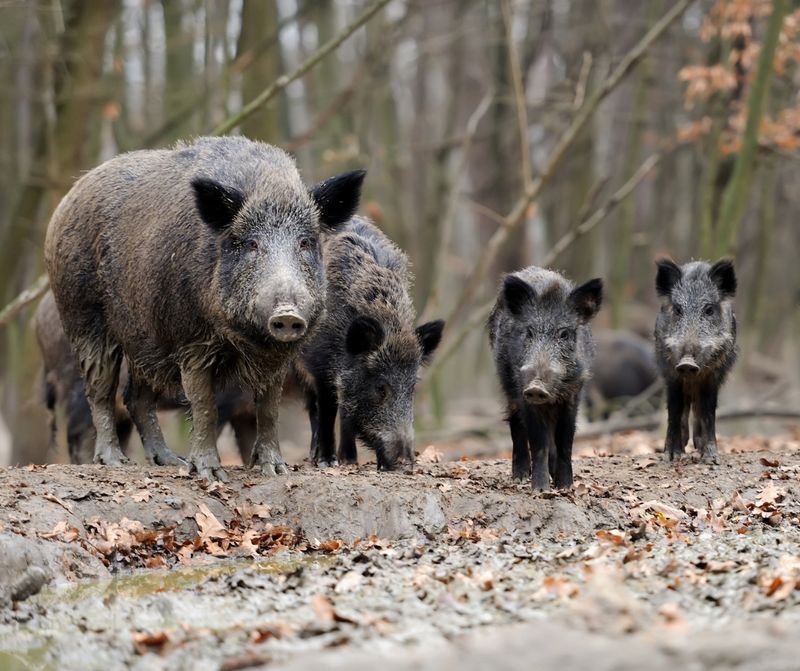
Feral swine represent one of the most destructive invasive species in North America, causing millions in agricultural damage annually.
These adaptable animals root up crops, destroy native habitats, and carry numerous diseases transmissible to livestock and humans.
Ohio has implemented specific state control programs for feral swine, and unmanaged relocation by homeowners is strictly illegal due to disease and ecological risks.
Feral swine are not native to Ohio and have no natural predators to control their populations.
They reproduce rapidly, with sows producing multiple litters annually.
Relocating feral swine establishes new populations in previously unaffected areas, compounding the invasive species problem exponentially.
These animals also carry pseudorabies, brucellosis, and numerous parasites that threaten domestic pigs and other livestock.
Human handling without proper precautions poses significant health risks.
Ohio actively works to prevent feral swine establishment through early detection and rapid response protocols.
If you encounter feral swine on your property, immediately report the sighting to ODNR.
State wildlife officials will coordinate appropriate removal efforts using trained personnel and approved methods.
Never attempt to trap, relocate, or manage feral swine independently—doing so violates state regulations designed to prevent their spread.
Your cooperation with official control programs helps protect Ohio’s agriculture, native wildlife, and public health from this dangerous invasive species.
12. Bald Eagle (Haliaeetus Leucocephalus) And Other Protected Birds
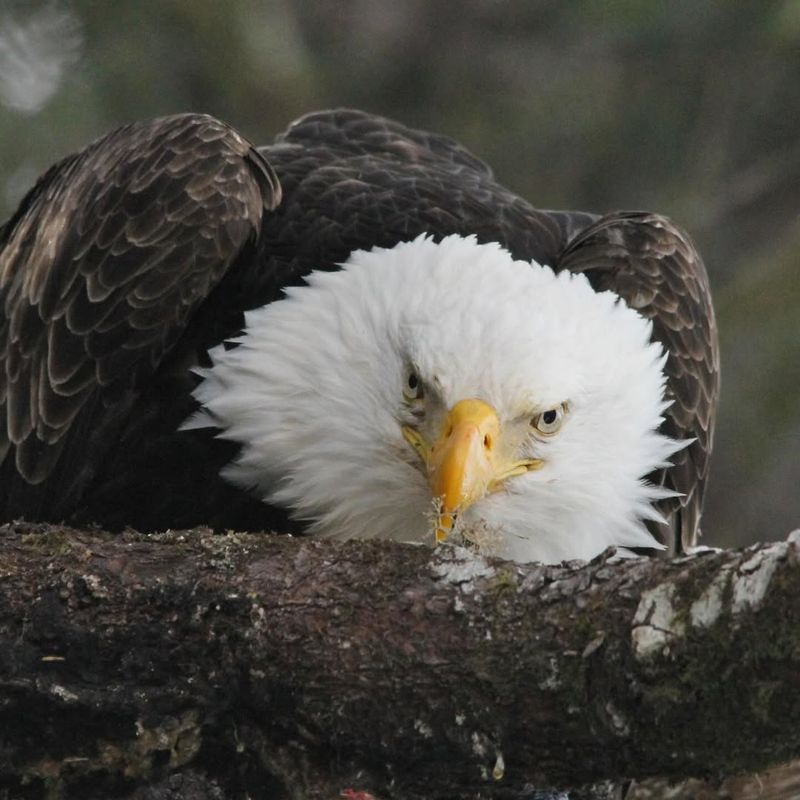
Witnessing a bald eagle soaring overhead or perched majestically near water represents a conservation success story—these iconic birds nearly vanished from Ohio before making a remarkable recovery.
Bald eagles and other federally protected birds including hawks, owls, and falcons cannot be captured or relocated by homeowners under the Migratory Bird Treaty Act.
Only licensed wildlife rehabilitators may legally handle these protected species.
Federal law provides strict protections for birds of prey and migratory species, with violations carrying substantial penalties including fines and imprisonment.
These protections exist because raptor populations faced severe declines from habitat loss, pesticides, and human persecution.
Even possessing feathers from protected birds without proper permits violates federal law.
Injured or orphaned protected birds require specialized care from trained rehabilitators who understand their dietary needs and rehabilitation requirements.
Well-meaning homeowners who attempt to help these birds often cause additional harm through improper handling or feeding.
If you find an injured bald eagle or other protected bird, maintain a safe distance and contact a licensed wildlife rehabilitator immediately.
Ohio has several rehabilitation centers staffed by experts authorized to handle federally protected species.
Nesting eagles should never be disturbed, as human activity near nests can cause abandonment.
Appreciate these magnificent birds from afar and report any concerns to wildlife authorities who can respond appropriately while ensuring both bird welfare and legal compliance.