12 Creatures Wisconsin Homeowners Are Legally Required To Leave Alone
I still remember the first time I spotted a fox casually trotting through my Wisconsin backyard. My first instinct was to shoo it away, but I quickly realized that some creatures in the state aren’t just unwelcome, they’re legally protected.
Many homeowners don’t realize that certain animals must be left alone, even if they dig holes, raid bird feeders, or make occasional noise.
From turtles and birds to small mammals, these protected species play vital roles in local ecosystems. Knowing which animals you cannot disturb helps you avoid fines, preserve wildlife, and enjoy your yard responsibly.
Learning the rules also gives you the chance to coexist safely without sacrificing your garden or peace of mind.
Understanding which creatures are untouchable could save you from one costly mistake you never saw coming.
1. Bald Eagles
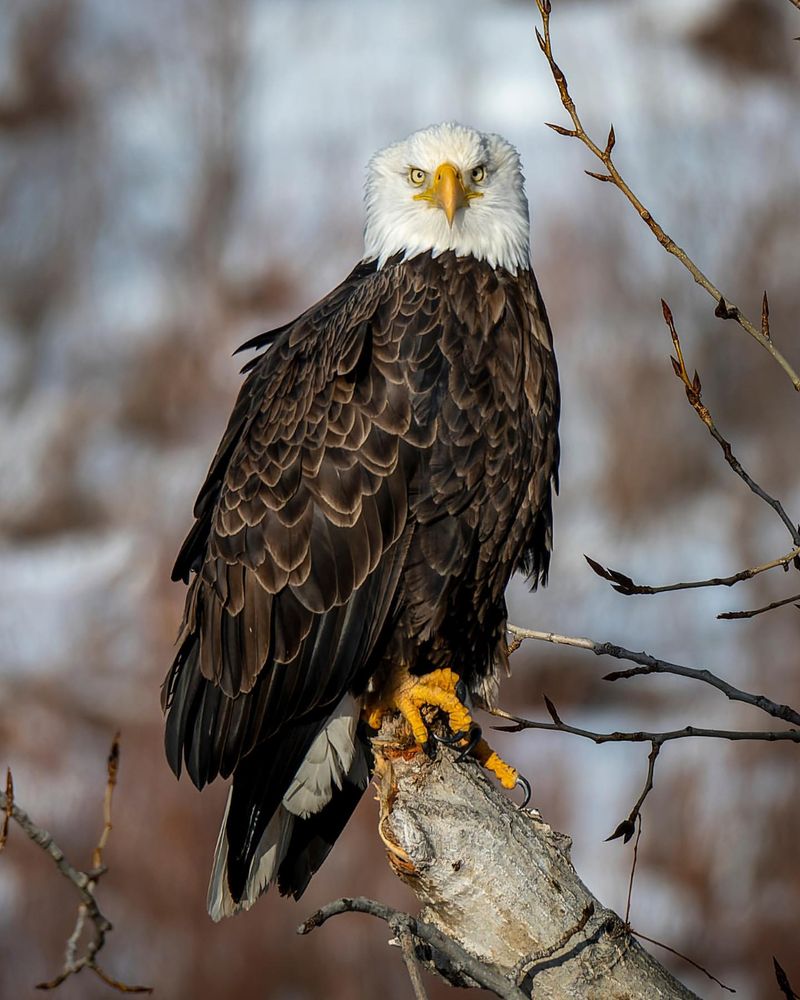
Bald eagles, America’s iconic national bird, are among the most strictly protected species in Wisconsin under both federal and state law. Once nearly extinct due to DDT exposure and habitat loss, their populations have rebounded thanks to decades of conservation work.
Homeowners who spot a bald eagle nesting on their property may feel a mixture of awe and concern, but it is critical to maintain a respectful distance. Disturbing nests, eggs, or adult birds is illegal and can result in significant fines or other penalties.
Wisconsin Department of Natural Resources (DNR) officials recommend observing eagles from a distance using binoculars or cameras without approaching the nest.
Beyond legal concerns, bald eagles provide ecological benefits, controlling fish populations in waterways and indicating healthy ecosystems.
Residents can also support these raptors by preserving tall trees near lakes, avoiding disturbance during nesting season, and reporting nest locations to the DNR to help monitor populations.
Sharing your enthusiasm with neighbors can promote community appreciation for wildlife and encourage compliance with conservation laws.
By respecting bald eagle habitats, Wisconsin homeowners contribute to the continued recovery of these magnificent birds and the ecological balance of local waterways.
2. Barn Owls
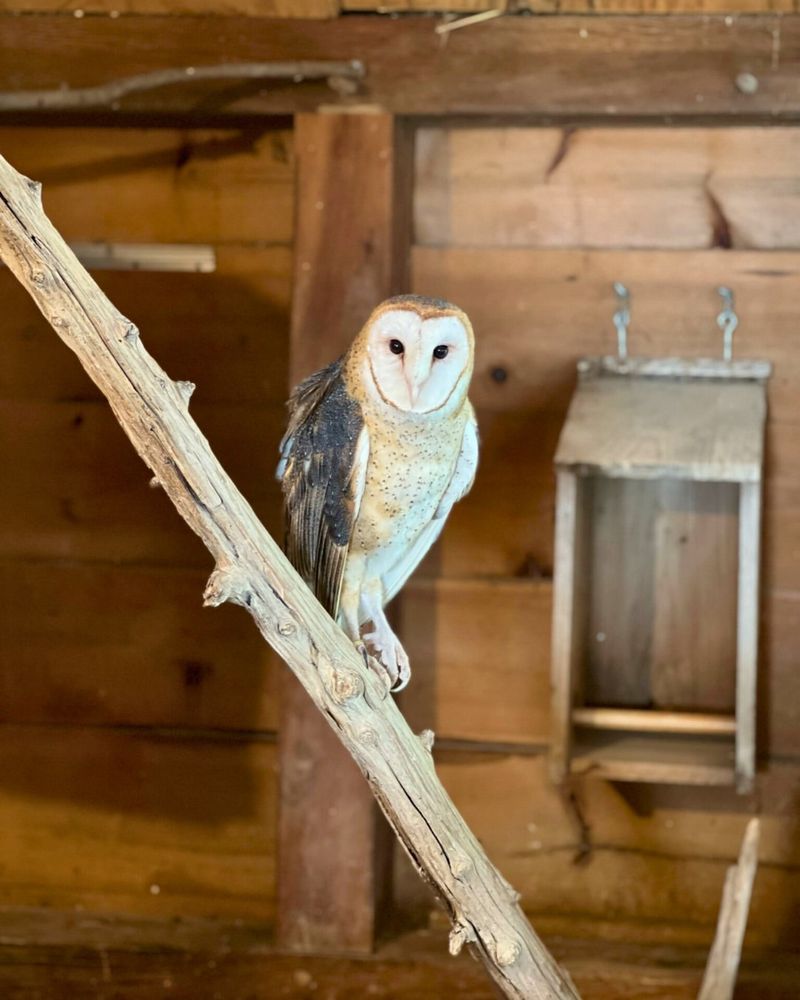
Barn owls are slender, ghostly-white predators that play a vital role in controlling rodent populations across Wisconsin.
With declining numbers due to habitat loss, pesticide exposure, and changes in agricultural practices, they now receive special protection under state law.
Homeowners often encounter these owls nesting in barns, sheds, or under eaves, creating an opportunity to observe these incredible hunters up close. However, disturbing them or attempting removal is illegal and can carry severe penalties.
Barn owls consume large numbers of mice, voles, and rats nightly, providing natural pest control that benefits gardens and farms alike. Protecting their roosting and nesting areas ensures continued rodent suppression while supporting the survival of this species.
Residents can enhance barn owl habitat by installing nest boxes in quiet, undisturbed areas and avoiding pesticides that reduce their prey base.
Educating neighbors about the ecological value of barn owls fosters community appreciation and reduces conflicts with property use.
By observing and coexisting safely, Wisconsin homeowners contribute to the conservation of barn owls while benefiting from their pest control services without harming the birds or violating the law.
3. Timber Rattlesnakes
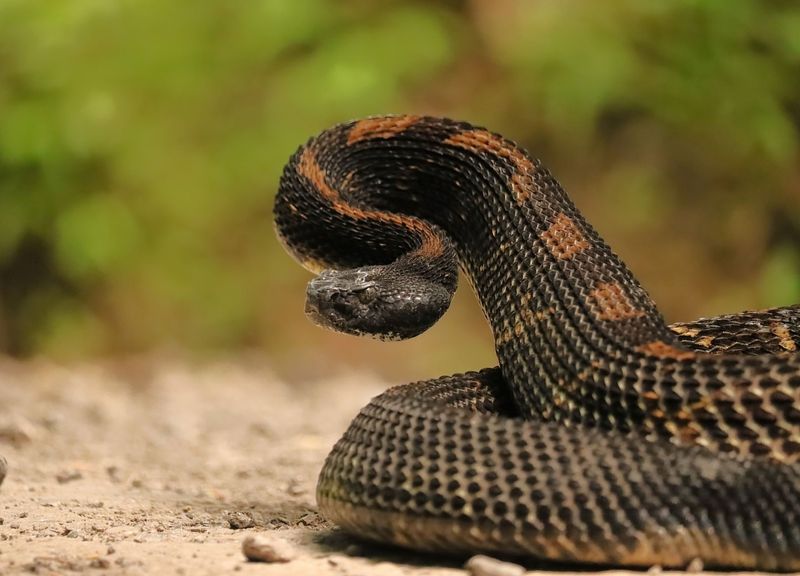
Timber rattlesnakes are large, venomous reptiles found primarily in southwestern Wisconsin. Despite their fearsome reputation, they are legally protected under state law because they are vital predators that help control rodent populations, maintaining ecological balance.
Many homeowners are surprised to learn that killing, capturing, or relocating these snakes without a special permit is illegal.
Timber rattlesnakes prefer remote woodlands, cliffs, and rocky outcrops, and encounters in residential areas are rare but possible during migration or when seeking warmth.
Understanding their behavior is key: rattlesnakes usually avoid humans and warn of danger with their characteristic rattle. Educating children and neighbors about identification, safe avoidance, and the benefits of these predators reduces unnecessary fear and supports conservation.
Residents should leave snakes undisturbed, secure compost and rodent attractants, and report sightings to the DNR if needed.
By allowing timber rattlesnakes to live safely in natural areas near their property, homeowners contribute to biodiversity, prevent rodent overpopulation, and help maintain Wisconsin’s native ecosystems while complying with legal protections.
4. Sandhill Cranes
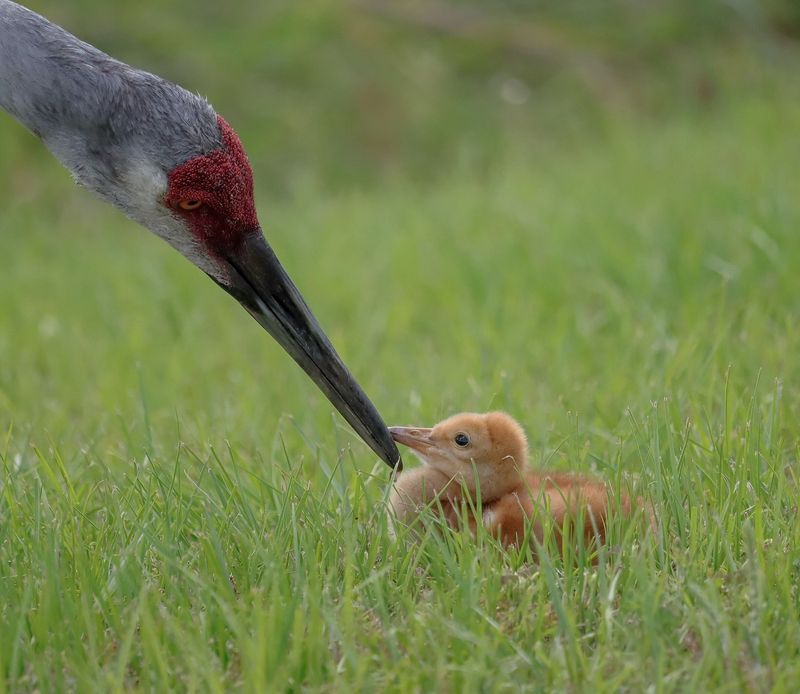
Sandhill cranes are among the most striking birds in Wisconsin, standing nearly four feet tall with gray plumage and a distinctive red crown on their heads.
Known for their haunting, prehistoric-sounding calls, these cranes migrate through wetlands, grasslands, and agricultural fields, often pausing to forage in newly planted crops.
Despite their frequent proximity to farmland, sandhill cranes are legally protected under both state and federal law, and it is illegal to harass, capture, or remove them from private property.
Homeowners may notice them in early mornings or evenings, particularly in marshy areas, and their feeding habits, while sometimes frustrating to gardeners, play a critical ecological role by controlling insects, small rodents, and plant seeds.
Supporting their habitat helps maintain the health of wetlands and prevents conflicts. Property owners should observe these birds from a distance, avoid disturbing their roosting areas, and refrain from attempts to scare them away with loud noises or deterrents that could disrupt local populations.
Educational signage or community awareness programs can encourage neighbors to protect wetlands and minimize disturbances.
By coexisting with sandhill cranes, Wisconsin residents contribute to the preservation of a species that has been part of the state’s ecosystem for thousands of years while enjoying the unique beauty these birds provide.
5. Butler’s Garter Snakes
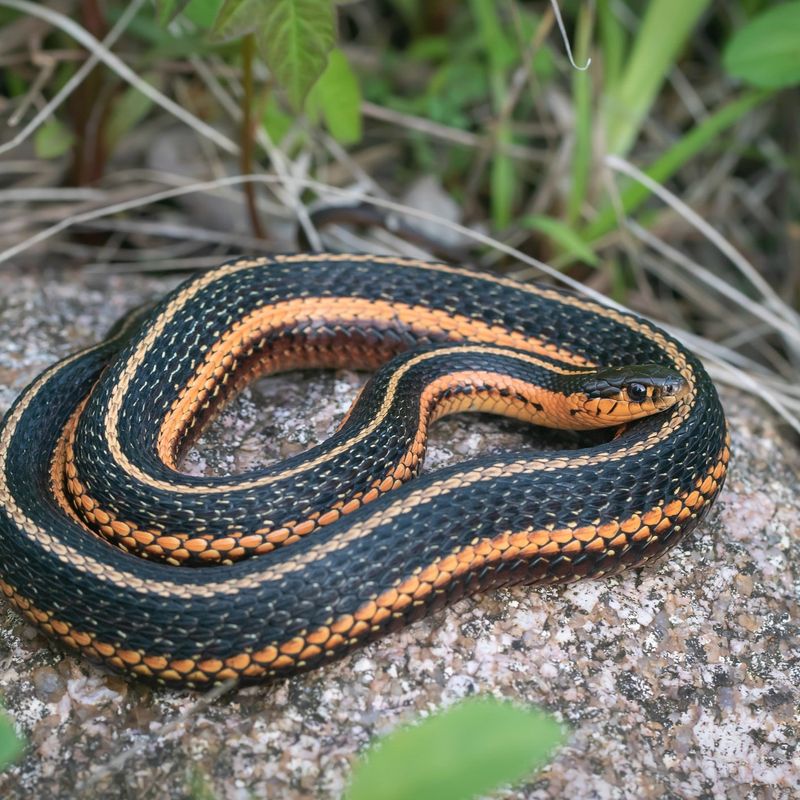
Butler’s garter snakes are small, slender, and relatively harmless reptiles that occupy wetlands, wet meadows, and open grassy areas in Wisconsin.
Unlike common garter snakes, Butler’s garters have a very limited geographic range and are considered a species of special concern due to habitat loss and fragmentation.
These snakes are protected under Wisconsin law, meaning homeowners cannot legally capture, harm, or relocate them without a permit.
Despite their small size and docile nature, they are beneficial predators, feeding on insects, slugs, and small amphibians that might otherwise damage gardens or spread disease.
Observing these snakes in yards or conservation areas offers a unique opportunity to appreciate their ecological role. Maintaining natural vegetation, leaving buffer zones around wetlands, and avoiding chemical pesticides or herbicides helps support their populations.
Homeowners are encouraged to educate neighbors about the importance of protecting these snakes and to create microhabitats with long grasses and undisturbed leaf litter where they can hunt safely.
By preserving Butler’s garter snakes in residential and community green spaces, Wisconsin residents help maintain biodiversity, healthy insect populations, and the ecological balance of these wetland-adjacent areas.
6. Eastern Bluebirds
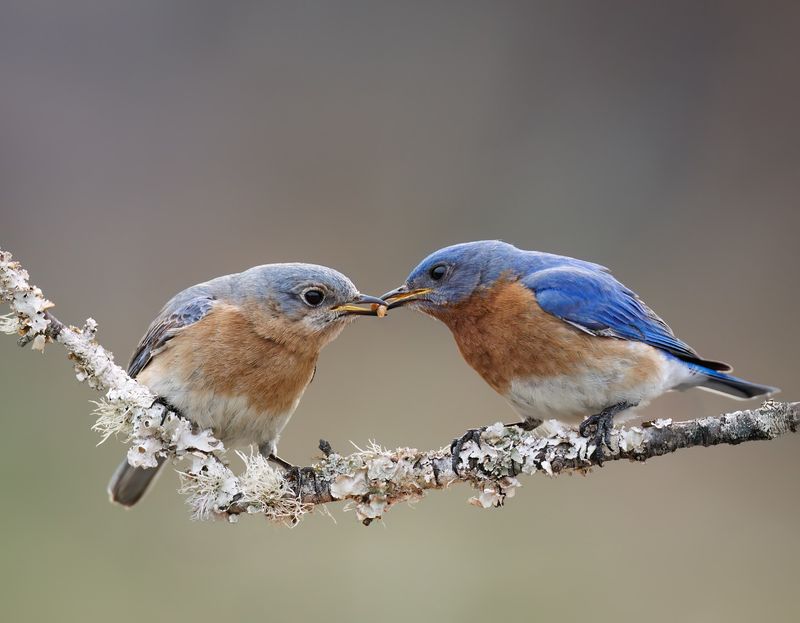
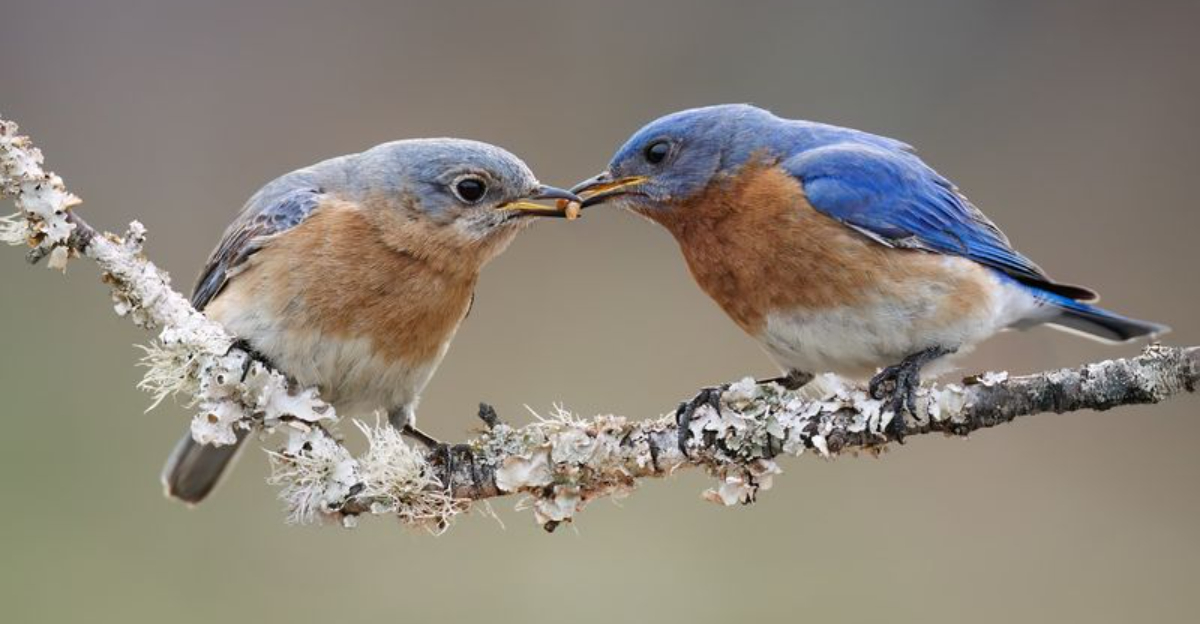
Eastern bluebirds, with their brilliant blue plumage and warm orange breast, are among Wisconsin’s most beloved songbirds. Protected under state wildlife regulations, their nests and eggs cannot be disturbed without permits.
Homeowners often encounter bluebirds nesting in backyard boxes, orchards, or open fields, and these birds provide essential ecological services by controlling insect populations, including beetles, caterpillars, and other crop pests.
Bluebird populations declined historically due to habitat loss and competition with invasive species like European starlings, but conservation efforts and nest box programs have facilitated population recovery.
Installing proper nest boxes and maintaining them each season can help attract these birds while ensuring their safety. Residents should avoid disturbing nesting activity, keep cats indoors, and refrain from removing boxes during the breeding season.
Educational outreach helps neighbors understand the benefits of bluebirds, promoting coordinated efforts in creating safe habitats across communities.
By supporting eastern bluebirds, Wisconsin homeowners not only enjoy the vibrant colors and cheerful songs that mark spring and summer but also contribute to integrated pest management, sustainable gardening practices, and the conservation of one of the state’s most iconic and visually striking bird species.
7. Northern Long-Eared Bats
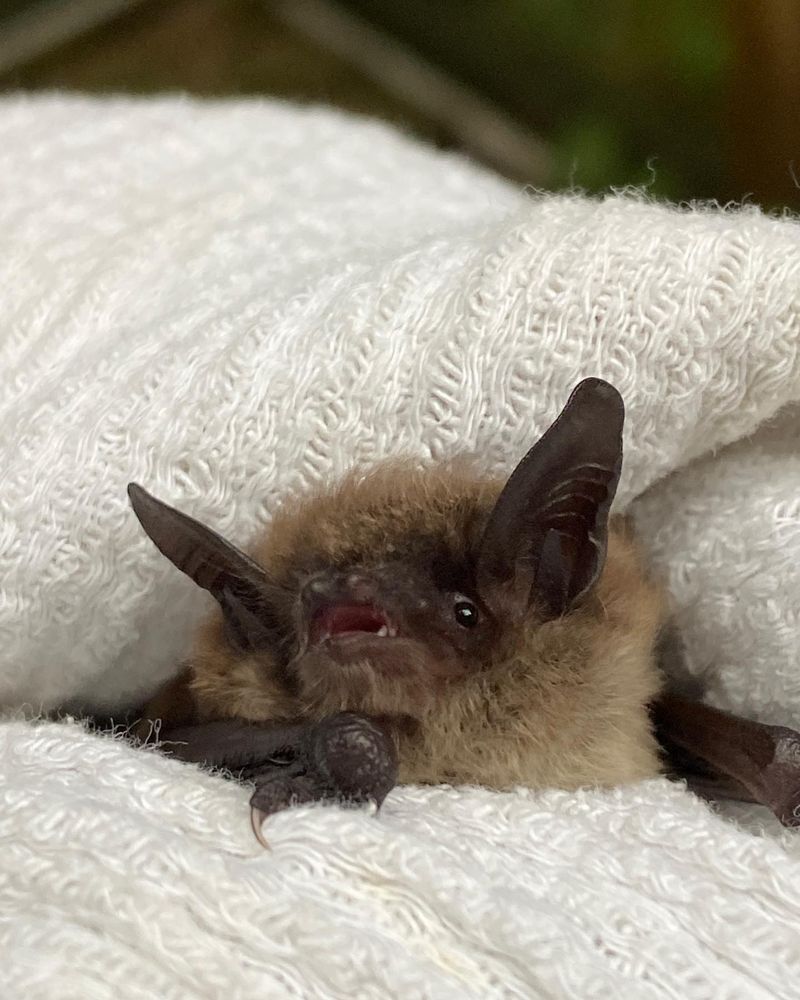
Northern long-eared bats are small, insectivorous mammals that play a vital role in Wisconsin’s ecosystems by consuming vast quantities of night-flying insects, including mosquitoes, moths, and beetles.
These bats are protected under both state and federal law due to severe population declines caused by white-nose syndrome, a fungal disease that has decimated colonies across the Midwest.
In Wisconsin, they typically roost in tree cavities, under loose bark, or occasionally in attics and barns during summer months.
Homeowners discovering a colony should avoid disturbing these bats, as handling or removal without proper permits is illegal and can stress the animals, potentially exacerbating disease impacts.
Creating and preserving suitable habitat, such as leaving dead trees standing and protecting forested areas, helps maintain local populations.
Installing bat houses can provide safe roosting alternatives away from human structures, reducing potential conflicts.
Northern long-eared bats are nocturnal and rarely seen during the day, but their presence provides natural pest control, reducing the need for chemical interventions in yards and farms.
Educational efforts to inform neighbors about the species’ ecological importance foster coexistence while ensuring legal compliance.
Protecting these bats supports biodiversity and strengthens the resilience of Wisconsin’s insect-eating wildlife community.
8. Blanchard’s Cricket Frogs
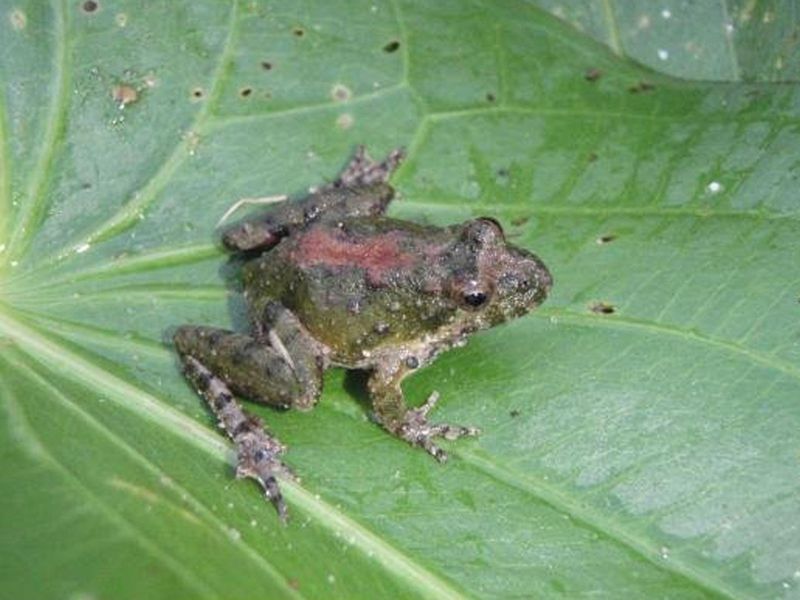
Blanchard’s cricket frogs are tiny amphibians, rarely larger than a quarter, that inhabit wetlands, ponds, and slow-moving streams in Wisconsin. Their distinctive “clicking” call resembles marbles colliding, making them easy to identify during spring and summer.
Critically endangered in the state, these frogs are legally protected, and disturbing their wetland habitats or handling individuals is strictly prohibited.
Despite their small size, they are vital for controlling insects and maintaining the ecological balance of aquatic ecosystems.
Residential ponds or decorative water features sometimes attract these frogs, providing opportunities for observation without interference.
Homeowners can support populations by minimizing pesticide and herbicide use, leaving natural vegetation along pond edges, and preserving leaf litter and shallow water areas.
Protecting Blanchard’s cricket frogs also benefits other wetland-dependent species, such as salamanders, dragonflies, and aquatic invertebrates.
Educational outreach encourages community-wide conservation efforts, helping residents understand that even small backyard modifications, like leaving buffer zones around wetlands, contribute significantly to species survival.
By coexisting with these tiny amphibians, Wisconsin residents not only help prevent local extinction but also maintain the natural symphony of wetland sounds that signal a healthy ecosystem.
9. Peregrine Falcons
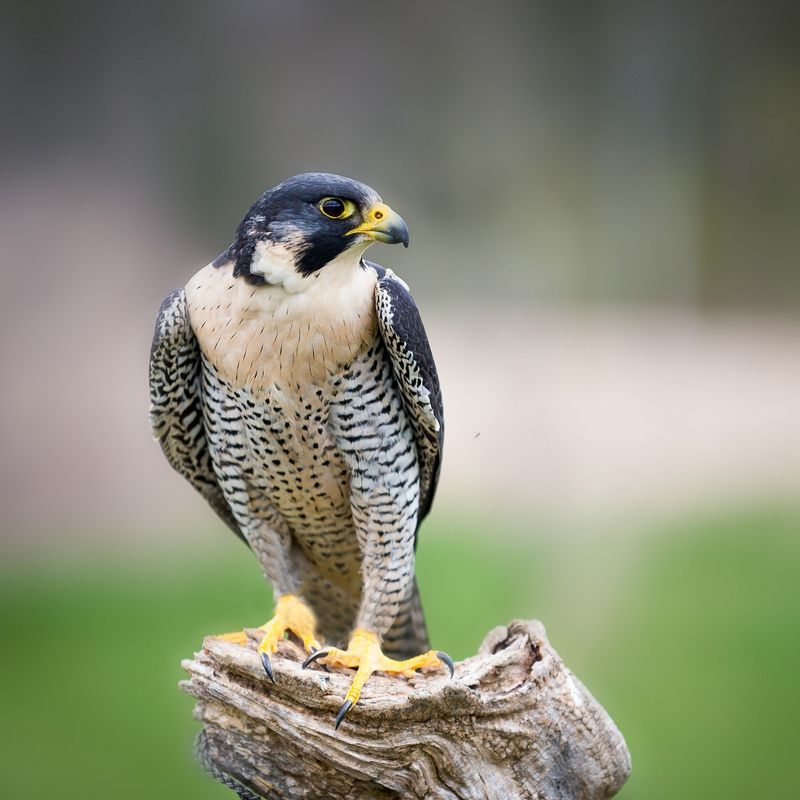
Peregrine falcons are among the fastest animals on Earth, capable of diving at speeds exceeding 200 miles per hour when hunting. In Wisconsin, these raptors are fully protected under state and federal law due to historical population declines from DDT exposure.
Today, they sometimes nest on urban high-rises, bridges, and cliffs, bringing them into close contact with residents. Despite their proximity, homeowners cannot disturb their nests or interfere with fledglings without permits.
Peregrines feed primarily on other birds, making them critical for controlling pigeon, starling, and dove populations in both urban and rural areas.
Installing nest boxes in safe locations has helped the species rebound while fostering public engagement in wildlife conservation.
Observing their hunting skills or nesting behavior provides an educational opportunity and a reminder of the importance of predator species in maintaining ecological balance.
Residents should avoid disrupting nesting sites, maintain a respectful distance, and report sightings to local conservation authorities.
Protecting peregrine falcons not only preserves biodiversity in Wisconsin’s skies but also supports the natural control of urban and agricultural bird populations, emphasizing the coexistence of humans and wildlife in developed areas.
10. Wood Turtles
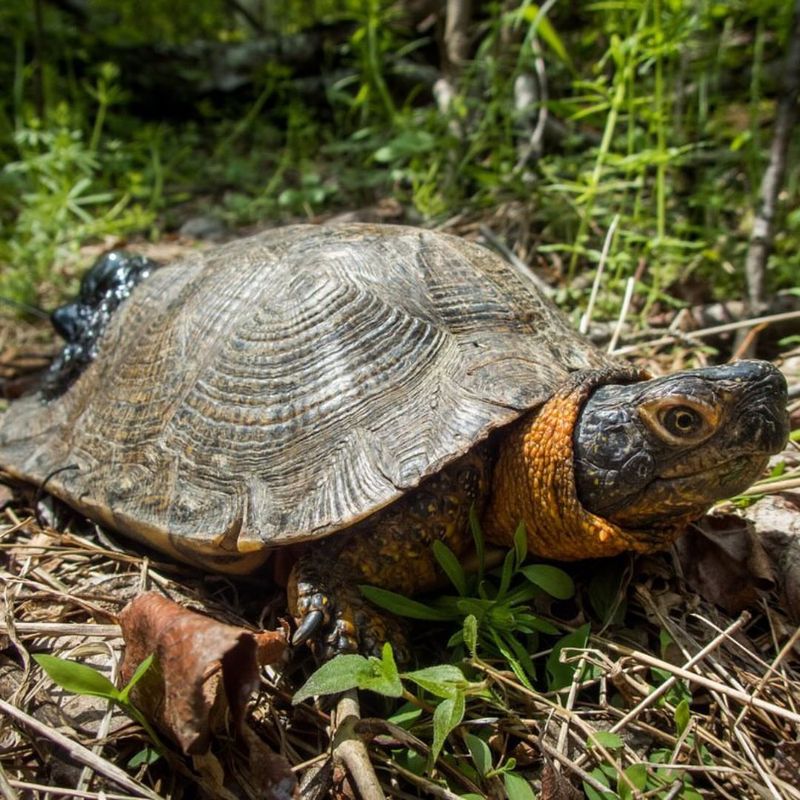
Wood turtles are semi-aquatic reptiles recognizable by their sculpted shells and vibrant orange-red markings on their legs and neck. In Wisconsin, these turtles are listed as threatened due to habitat loss, collection for the pet trade, and pollution.
Homeowners near rivers, streams, or forested wetlands may occasionally spot them crossing yards or nearby roads during warmer months.
State law prohibits removing, harming, or relocating wood turtles without proper permits, as each individual plays a crucial role in local ecosystems.
Wood turtles help maintain healthy insect populations, disperse seeds, and aerate soil while foraging along stream banks.
Protecting them requires preserving natural habitats, maintaining clean waterways, and minimizing artificial barriers like retaining walls or steep embankments.
Creating buffer zones along streams and avoiding chemical runoff from lawns and gardens supports these turtles’ survival. Observing them from a distance allows residents to enjoy these fascinating reptiles without causing harm.
Community education programs encourage responsible coexistence, emphasizing the ecological, aesthetic, and cultural value of wood turtles as one of Wisconsin’s most distinctive and intelligent reptile species.
11. Karner Blue Butterflies
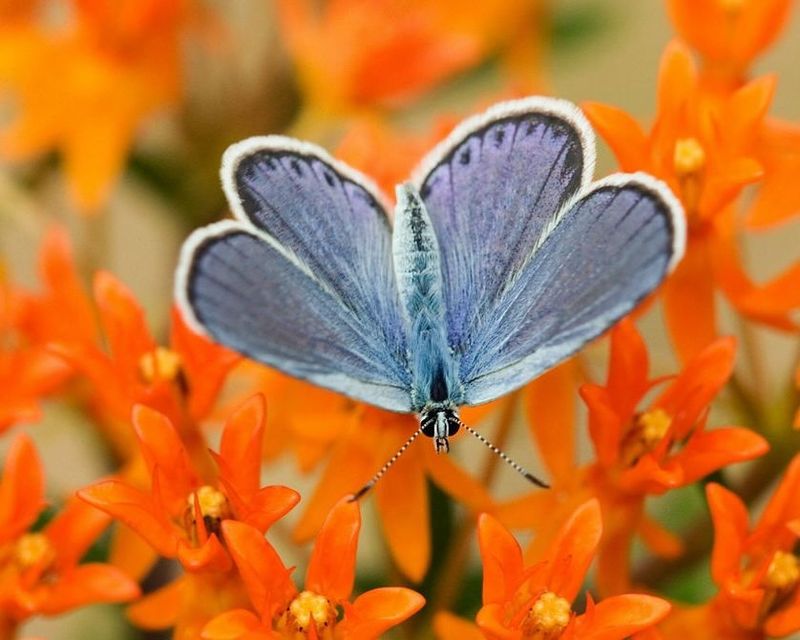
Karner blue butterflies are among the smallest and most delicate butterflies in Wisconsin, yet they carry immense ecological significance.
Measuring less than two inches across, these insects rely entirely on wild lupine plants for reproduction; their larvae feed exclusively on lupine leaves.
Habitat loss, fragmentation, and urban development have reduced their populations dramatically, making them federally and state-listed as endangered species.
In central Wisconsin, where some of the last remaining strongholds exist, homeowners and land managers may occasionally spot these tiny blue butterflies flitting through remnant prairies or restored habitats.
Any interference with their habitat, cutting wild lupine, removing natural debris, or spraying insecticides, can have severe consequences, as even small disruptions reduce survival and mating success.
Creating and preserving butterfly-friendly landscapes is crucial: planting native lupine, maintaining open sandy soils, and reducing chemical use encourages the species’ growth.
Citizen science programs, like monitoring adult sightings during June and July, allow communities to track populations and guide conservation strategies.
Protecting Karner blues also supports a range of pollinators and prairie species dependent on the same habitat.
By educating neighbors about the butterfly’s delicate life cycle and ensuring habitat continuity across parcels, Wisconsin residents contribute meaningfully to preserving this fragile species and the biodiversity of the state’s rare oak savannas and prairies.
12. American Badgers
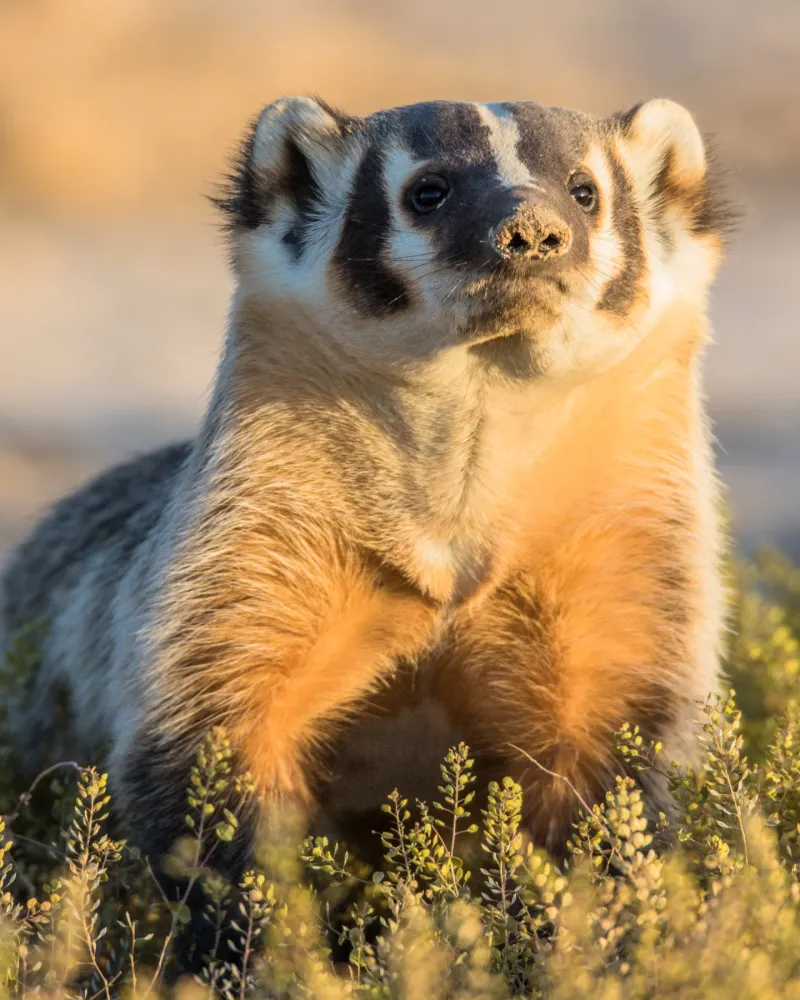
American badgers are iconic Wisconsin mammals known for their stocky bodies, powerful digging limbs, and striking white-striped faces.
While often associated with prairies and grasslands, they occasionally wander into suburban and rural properties while foraging for small mammals such as ground squirrels, voles, and mice.
Despite being the state animal, badgers are legally protected in Wisconsin, and property owners cannot remove, relocate, or harm them without contacting wildlife authorities.
Their burrowing behavior, although potentially alarming to homeowners, plays a critical ecological role: badger dens aerate soil, recycle nutrients, and provide shelter for other wildlife, including burrowing owls, snakes, and small mammals.
American badgers are primarily nocturnal and elusive, making encounters rare, but their presence signals a healthy ecosystem. Conservation efforts focus on preserving native grasslands, minimizing road mortality, and reducing human-wildlife conflicts.
Educating communities about safe coexistence, such as securing small pets, fencing vulnerable gardens, and reporting problem animals to the Department of Natural Resources, ensures both human safety and badger preservation.
Protecting these digging specialists maintains ecological balance, supports soil health, and preserves the legacy of Wisconsin’s prairies and grassland wildlife for future generations.