10 Creatures You Are Forbidden To Remove From North Carolina Homes And Gardens
North Carolina’s wildlife laws protect a surprising number of animals.
Many creatures commonly found in homes or gardens cannot be legally removed without authorization, even if they’re inconvenient or unsettling.
Birds, bats, reptiles, and certain mammals are protected under state or federal regulations.
These rules exist to preserve wildlife populations and ecosystems, but they often confuse homeowners.
Attempting removal without proper guidance can lead to fines or legal issues.
Understanding which creatures are protected—and what legal options homeowners have—makes wildlife encounters safer and less stressful.
Awareness helps homeowners coexist responsibly with North Carolina’s diverse wildlife.
1. Migratory Birds (Most Native Bird Species)
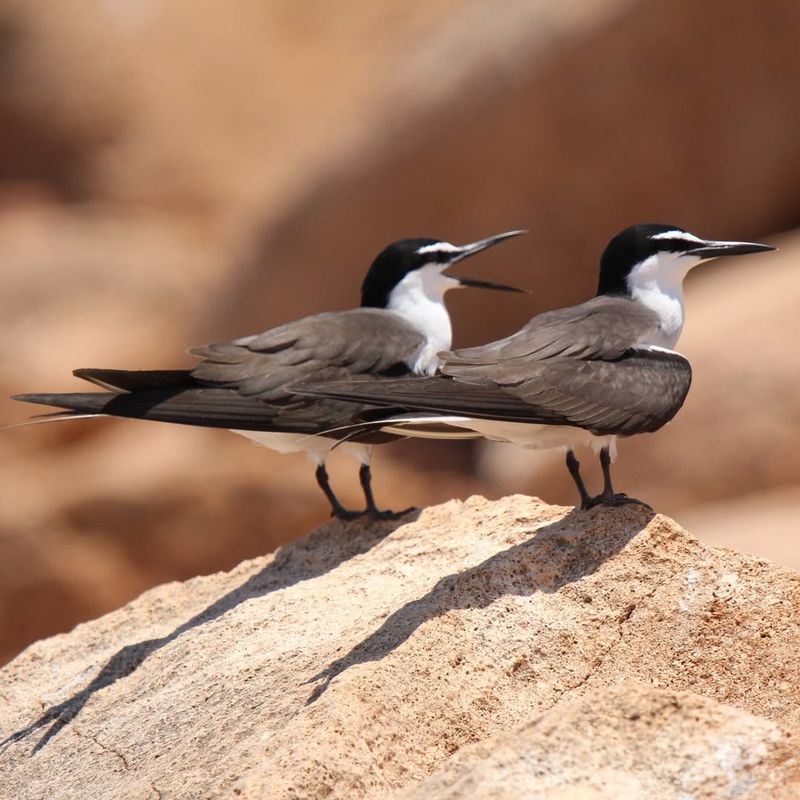
Federal law wraps a protective blanket around most birds you see fluttering through your North Carolina yard.
The Migratory Bird Treaty Act makes it illegal to harm, capture, or remove nearly all native bird species without special permits.
This includes robins, cardinals, wrens, sparrows, and hundreds of other feathered friends that call your garden home during nesting season.
Even if a bird builds its nest in an inconvenient spot like your mailbox or porch light, you must wait until the babies have flown away before removing it.
The law protects not just the birds themselves but also their eggs and active nests.
Violating these rules can result in fines reaching thousands of dollars per bird.
Why such strict protection?
Migratory birds play crucial roles in controlling insect populations, spreading seeds, and pollinating plants.
Many species travel thousands of miles between breeding and wintering grounds, facing countless dangers along the way.
If you discover a nest in an awkward location, your best option is patience.
Most songbirds raise their young quickly, with fledglings leaving the nest within two to three weeks.
Once the nest is empty and the season has passed, you can safely remove it and take preventive measures for next year.
2. Bird Nests With Eggs Or Young
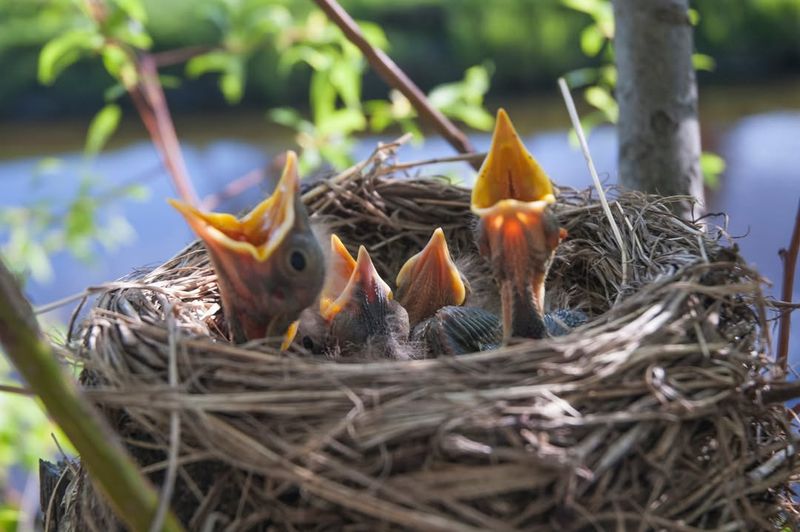
That nest tucked into your gutter or hanging basket might seem like a nuisance, but touching it could land you in legal trouble.
North Carolina law strictly prohibits removing any bird nest that contains eggs or young chicks, regardless of where it is located on your property.
This protection extends to nests built in gutters, vents, shrubs, and even wreaths hanging on your front door.
Active nests receive this protection because disturbing them during the breeding season can cause parent birds to abandon their offspring.
Even well-meaning attempts to relocate a nest usually result in the parents refusing to return.
The babies then face starvation, and you face potential legal consequences under both state and federal wildlife laws.
Homeowners often feel frustrated when birds choose inconvenient nesting spots, but remember that the situation is temporary.
Most common backyard birds complete their nesting cycle in just three to four weeks from egg-laying to fledging.
The best approach is to wait until the babies leave naturally, then remove the empty nest and install deterrents before the next breeding season.
Simple solutions like netting, spikes, or blocking access to favorite spots can prevent future nesting in problem areas.
Planning ahead saves you from legal headaches while respecting the important work these feathered parents are doing.
3. Bats
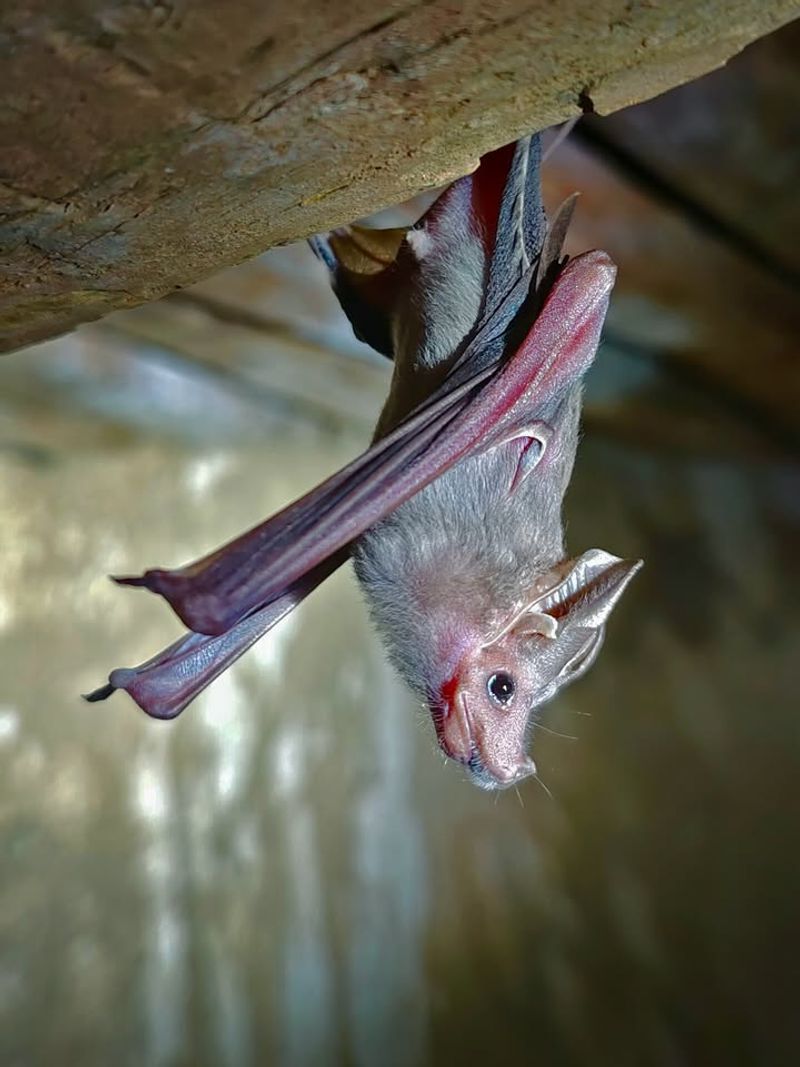
Discovering bats in your attic might startle you, but these flying mammals enjoy strong legal protections in North Carolina due to their incredible ecological value.
Bats consume thousands of mosquitoes and agricultural pests every single night, making them natural pest controllers worth their weight in gold.
Several bat species in the state face population declines, which has strengthened the laws surrounding their treatment.
You cannot trap, harm, or remove bats from your property using methods that might injure them.
Instead, North Carolina law requires homeowners to use exclusion techniques that allow bats to leave naturally but prevent them from returning.
These humane exclusion methods must be performed outside of maternity season when young pups are present, typically between May and July.
Professional wildlife control experts understand the timing and techniques required for legal bat exclusion.
They install one-way doors that let adult bats exit during their nightly feeding flights but block re-entry.
Once all bats have departed, the entry points get permanently sealed.
Why such careful treatment?
Beyond their pest control benefits, bats face serious threats from habitat loss and white-nose syndrome, a fungal disease that has eliminated millions.
Protecting existing bat populations helps maintain balanced ecosystems and reduces the need for chemical pesticides in agriculture and home gardens.
4. Bald Eagles
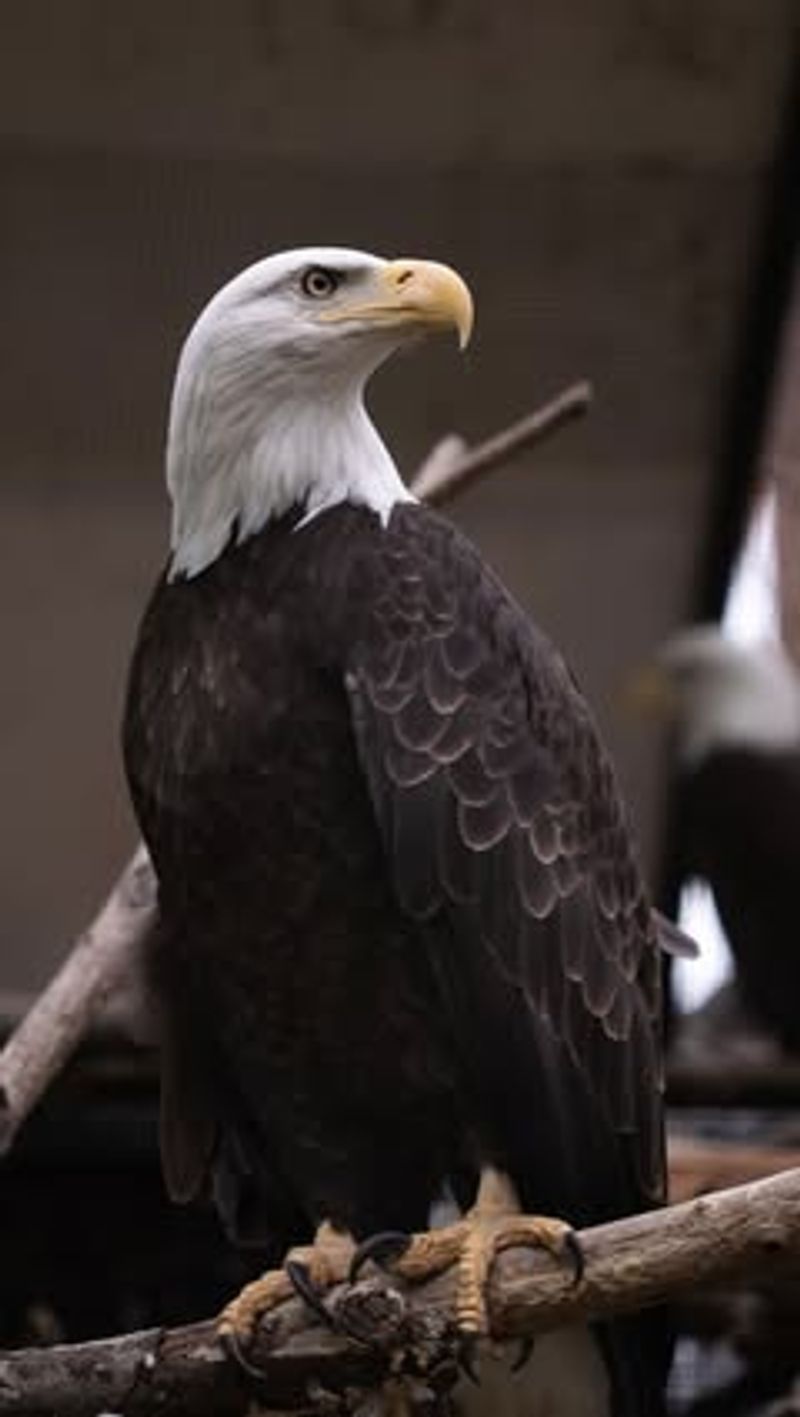
Spotting a bald eagle near your North Carolina home represents a remarkable conservation success story, but it also means you must follow extremely strict protection laws.
These magnificent raptors were once endangered and now receive protection under multiple laws, including the Bald and Golden Eagle Protection Act and the Migratory Bird Treaty Act.
Disturbing eagles or their nests carries penalties that can reach $100,000 in fines and even jail time for serious violations.
If an eagle builds its massive nest in a tree on your property, you cannot remove it, trim nearby branches, or engage in activities that might disturb the birds.
Buffer zones extend hundreds of feet around active nests, restricting construction, loud noises, and other human activities during nesting season.
Even after eagles leave a nest, it remains protected because these birds often return to the same nesting site year after year.
North Carolina has seen a wonderful increase in bald eagle populations, particularly near rivers, lakes, and coastal areas where they fish.
Property owners lucky enough to host nesting eagles should contact the U.S. Fish and Wildlife Service for guidance on any activities planned near the nest.
Officials can provide specific restrictions and timelines to ensure compliance.
Rather than viewing eagle protection as a burden, consider it a privilege to share your land with these national symbols.
Their presence indicates a healthy ecosystem and clean waterways, benefits that enhance property values and environmental quality for everyone.
5. Raptors (Owls, Hawks, Falcons)
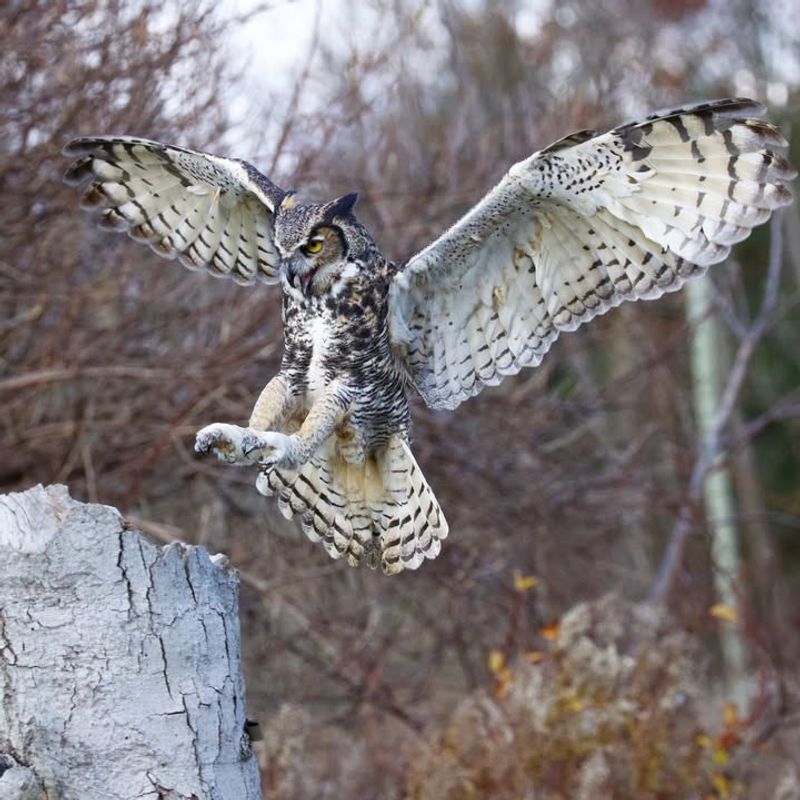
Birds of prey patrolling your North Carolina property provide free pest control that no chemical can match.
Hawks, owls, falcons, and other raptors are strictly protected under federal law, making it illegal for homeowners to capture, harm, relocate, or even possess these magnificent hunters without proper permits.
These protections apply whether the bird is healthy, injured, or simply resting in your yard.
Raptors face protection because of their critical position at the top of the food chain.
They control populations of rodents, rabbits, snakes, and other small animals that might otherwise become problematic.
A single owl family can consume hundreds of mice throughout a breeding season, significantly reducing the rodent population around homes and gardens.
If you find an injured raptor on your property, you cannot attempt to care for it yourself, even with good intentions.
Instead, contact a licensed wildlife rehabilitator who has the training, permits, and facilities to provide proper care.
Handling raptors without authorization violates federal law and can also be dangerous, as their sharp talons and beaks can cause serious injuries.
Homeowners worried about raptors threatening small pets should supervise animals during outdoor time rather than attempting to scare away or remove the birds.
These hunters were here long before our neighborhoods expanded into their habitat.
Learning to coexist with them means accepting our role as guests in their territory while taking reasonable precautions to protect vulnerable pets.
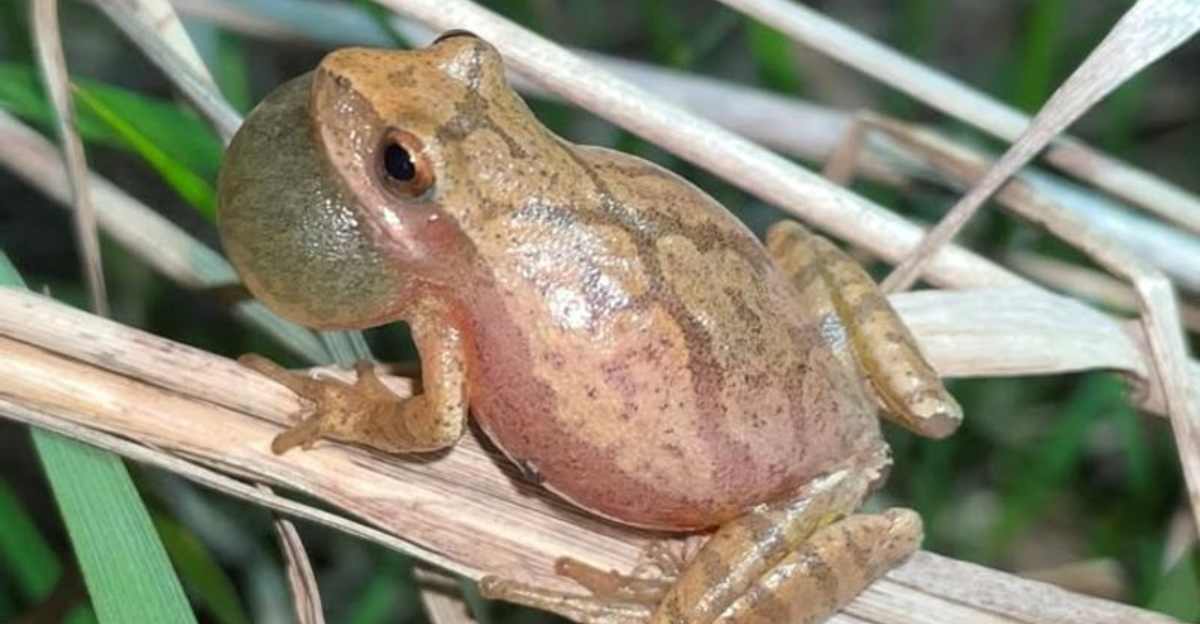
6. Native Frogs And Toads
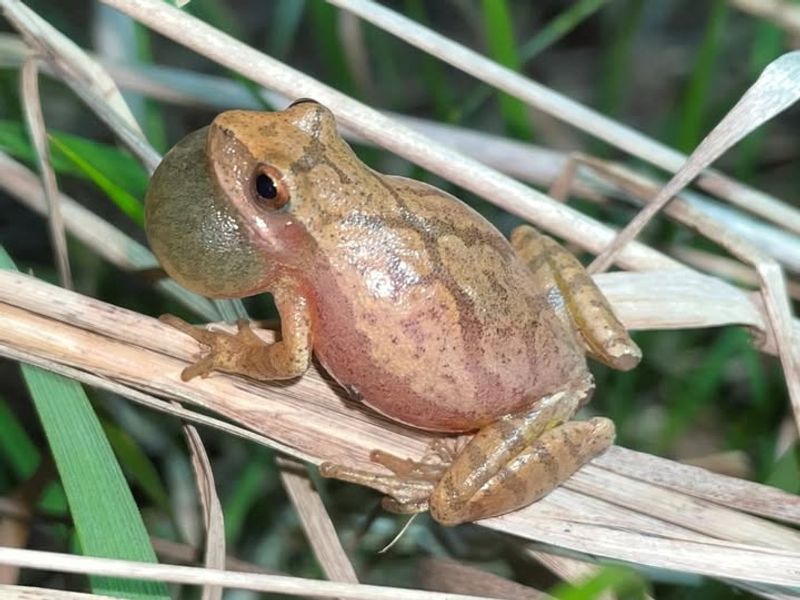
The cheerful chorus of frogs and toads filling your North Carolina evenings signals a healthy garden ecosystem.
These native amphibians enjoy legal protection from collection, relocation, and harm due to their declining populations and important ecological roles.
Habitat loss, pollution, and disease have made protecting remaining amphibian populations a priority for wildlife officials.
Frogs and toads serve as natural pest controllers, consuming enormous quantities of mosquitoes, flies, slugs, and other garden pests.
Their permeable skin makes them extremely sensitive to environmental toxins, so their presence indicates good water and soil quality.
Scientists often use amphibian populations as indicators of overall ecosystem health.
North Carolina law prohibits collecting native frogs and toads from the wild for pets or relocation, even if you find them in your garden.
Some species face specific protections due to vulnerable status, making any interference potentially illegal.
If you want to support amphibians in your yard, create habitat rather than capturing individuals.
Building a small water feature, maintaining moist areas under plants, and avoiding pesticides encourages frogs and toads to visit naturally.
These beneficial creatures will reward you by keeping insect populations under control without any chemical interventions.
If a toad takes up residence in your garden shed or under your porch, consider yourself fortunate to have such an effective pest management partner.
Their presence benefits your plants far more than any inconvenience they might cause.
7. Native Snakes (Non-Venomous Species)
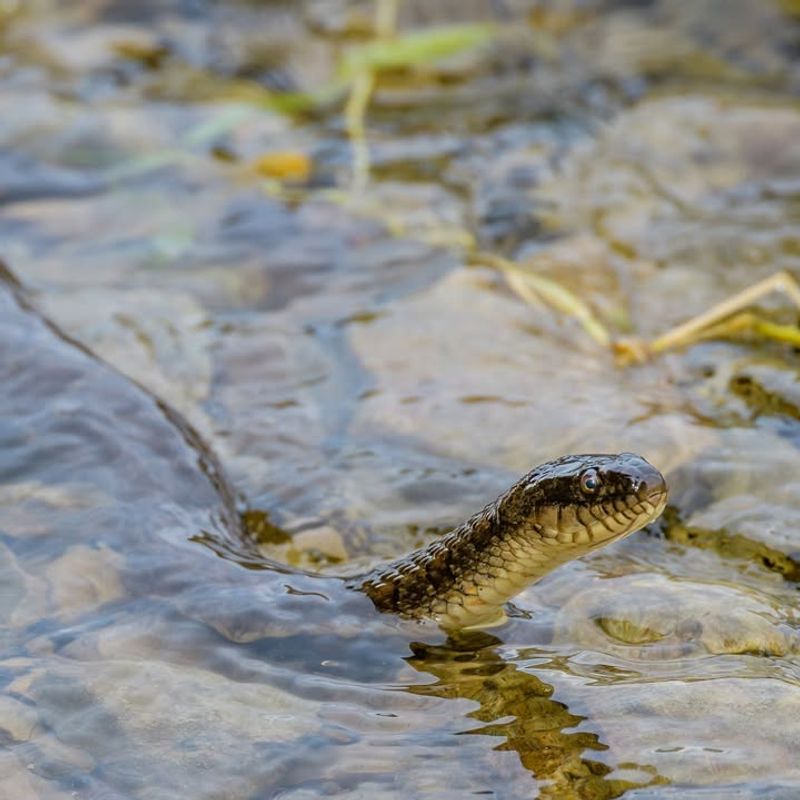
Most snakes slithering through North Carolina yards are completely harmless and legally protected from unnecessary harm or removal.
Species like black rat snakes, garter snakes, and corn snakes provide valuable pest control by consuming rodents, slugs, and insects that damage gardens and homes.
State law discourages harming or removing these beneficial reptiles, and some localities have specific protections in place.
Many homeowners react with fear when encountering snakes, but education reveals that most species pose no threat to people or pets.
Non-venomous snakes cannot inject venom and typically flee when they sense human presence.
They prefer to avoid confrontation and will only bite defensively if cornered or handled roughly.
North Carolina recognizes that native snakes face declining populations due to habitat loss, road mortality, and unnecessary persecution by humans.
Protecting these reptiles helps maintain balanced ecosystems where rodent populations stay naturally controlled.
A single rat snake can consume dozens of mice throughout a season, providing pest control that would otherwise require traps or poison.
If you encounter a snake on your property, the best response is to leave it alone and give it space to move on naturally.
Most snakes are just passing through while hunting or seeking shelter.
If a snake takes up residence under your deck or in your shed, exclusion methods similar to those used for other wildlife can encourage it to relocate without harm.
Learning to identify common species helps reduce unnecessary fear and promotes coexistence with these misunderstood reptiles.
8. Box Turtles
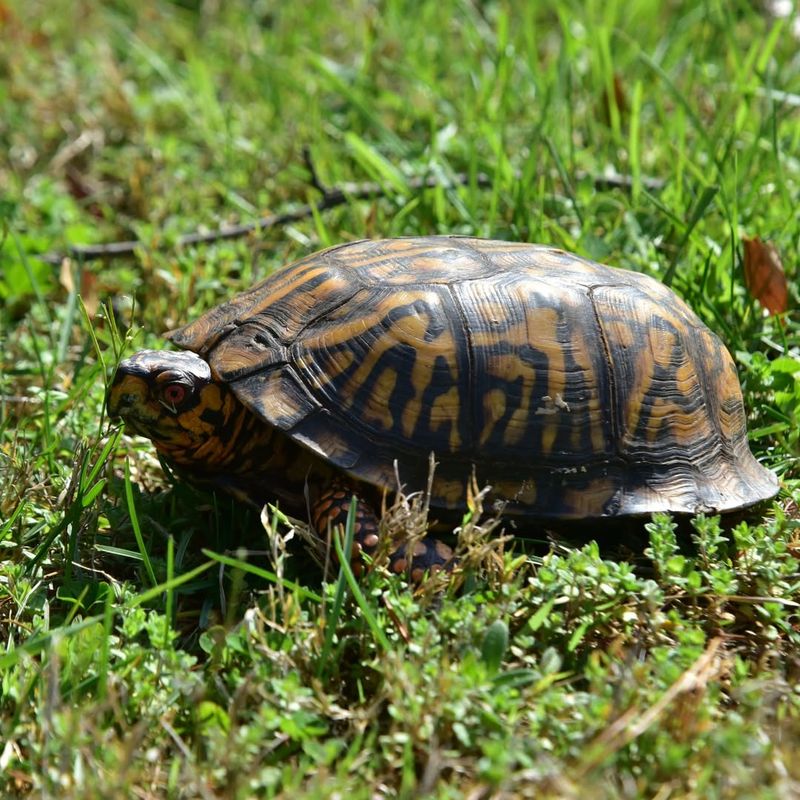
Eastern box turtles wandering through North Carolina gardens are treasured natives that receive strict legal protection from collection and relocation.
State law explicitly forbids removing box turtles from the wild or keeping them as pets, with violations resulting in significant fines.
These slow-moving reptiles have suffered dramatic population declines due to habitat loss, road mortality, and past collection for the pet trade.
Box turtles demonstrate incredible site fidelity, meaning they spend their entire lives within a relatively small home range.
Removing a box turtle from its territory often results in the animal spending the rest of its life trying to return, crossing dangerous roads and unfamiliar terrain.
This stress and displacement can severely impact their survival, which is why relocation is prohibited even with good intentions.
If you find a box turtle in your yard, consider yourself lucky to host such a remarkable creature.
These omnivores consume slugs, snails, insects, and fallen fruit, making them beneficial garden companions.
They can live for more than fifty years and may have been visiting your property longer than you have owned it.
The only acceptable intervention is helping a box turtle cross a road by moving it in the direction it was already heading, then immediately releasing it.
Never take a box turtle home, move it to a different location, or keep it as a pet.
Instead, create turtle-friendly habitat with brush piles, leaf litter, and shallow water sources to encourage these ancient reptiles to continue visiting your garden naturally.
9. Wild Mammals Taken Alive (Including Squirrels, Raccoons, Opossums)
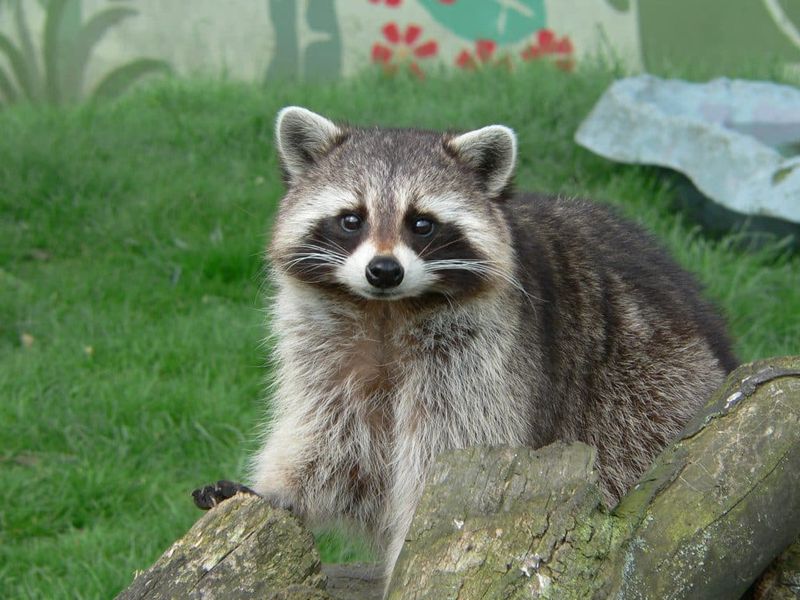
That raccoon raiding your garbage or the squirrel family in your attic cannot be legally trapped and relocated without proper authorization in North Carolina.
State wildlife laws prohibit homeowners from transporting live wild mammals away from their property, even when these animals cause nuisance problems.
This regulation exists to prevent the spread of diseases, protect animal welfare, and maintain healthy wildlife populations.
Relocating wild mammals sounds humane, but research shows it often amounts to a delayed sentence.
Animals moved to unfamiliar territory struggle to find food, water, and shelter while competing with established residents.
They also risk spreading diseases like rabies and distemper to new areas, creating public health concerns.
North Carolina requires homeowners dealing with nuisance wildlife to use exclusion methods that encourage animals to leave naturally or to hire licensed wildlife control operators who follow legal protocols.
These professionals understand proper handling techniques, disease risks, and legal requirements.
They can also identify and seal entry points to prevent future invasions.
For minor nuisance issues, simple deterrents often work effectively.
Securing garbage cans, removing food sources, and blocking access to attics and crawl spaces encourages wildlife to move along without requiring trapping.
Motion-activated lights and sprinklers can also discourage unwanted visitors.
If you must trap an animal, contact your local wildlife resources commission office for guidance on legal options, which may include on-site release or working with authorized rehabilitators.
10. State-Listed Threatened Or Endangered Species
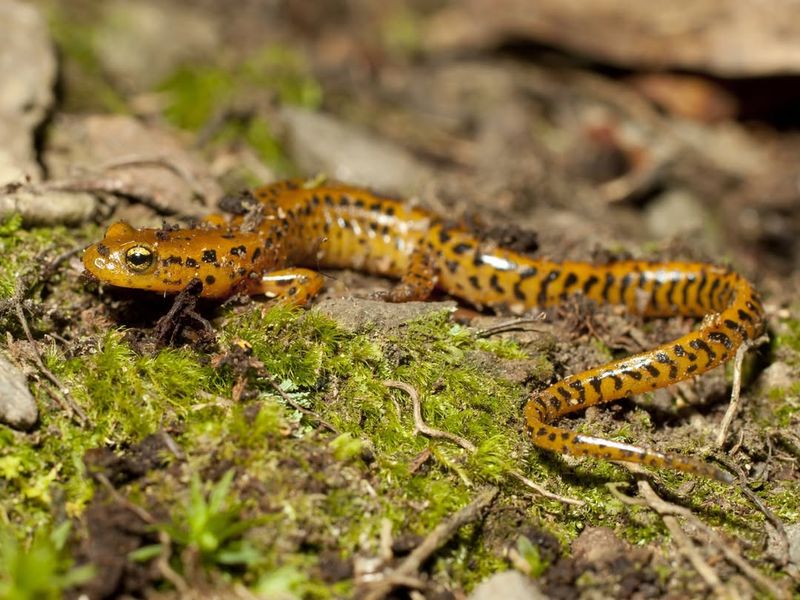
North Carolina maintains a comprehensive list of threatened and endangered species that receive the highest level of legal protection, affecting what homeowners can do on their own property.
Disturbing, harming, or removing any creature on this protected list can result in substantial fines, criminal charges, and required habitat restoration.
These protections apply whether you knowingly or unknowingly interfere with a protected species.
The state list includes various amphibians, reptiles, birds, mammals, insects, and even plants that face serious population declines or habitat threats.
Some species you might encounter in residential areas include certain salamander species, rare butterflies, specific turtle species, and uncommon plants.
Before undertaking major landscaping projects, clearing brush, or filling wetlands, homeowners should verify whether protected species inhabit their property.
Wildlife officials can conduct surveys and provide guidance on how to proceed legally if protected species are present.
Sometimes simple modifications to project timing or methods can allow work to continue while protecting vulnerable creatures.
Other situations may require permits, mitigation measures, or project redesigns.
Rather than viewing these protections as obstacles, consider them investments in North Carolina’s natural heritage.
Many protected species serve as indicators of environmental quality and ecosystem health.
Their presence on your property suggests you are stewarding land that supports biodiversity.
Working cooperatively with wildlife officials ensures your property improvements proceed legally while contributing to conservation efforts that benefit future generations of both wildlife and North Carolina residents.