12 Creatures You Are Not Allowed To Remove From Washington Homes And Yards
Washington is known for its rich wildlife, and many animals found in homes and yards are legally protected, even when they seem like nuisances.
State and federal laws prohibit homeowners from removing, harming, or relocating certain species without proper authorization.
Birds, mammals, reptiles, and amphibians may all fall under protection depending on the species and situation.
These laws exist to preserve ecosystems and prevent unnecessary harm, but they often catch homeowners off guard. Removing the wrong animal can result in fines or legal consequences.
Knowing which creatures are protected—and what you’re legally allowed to do instead—helps homeowners handle wildlife encounters responsibly and safely.
Awareness is key to avoiding costly mistakes while respecting Washington’s natural heritage.
1. Migratory Birds
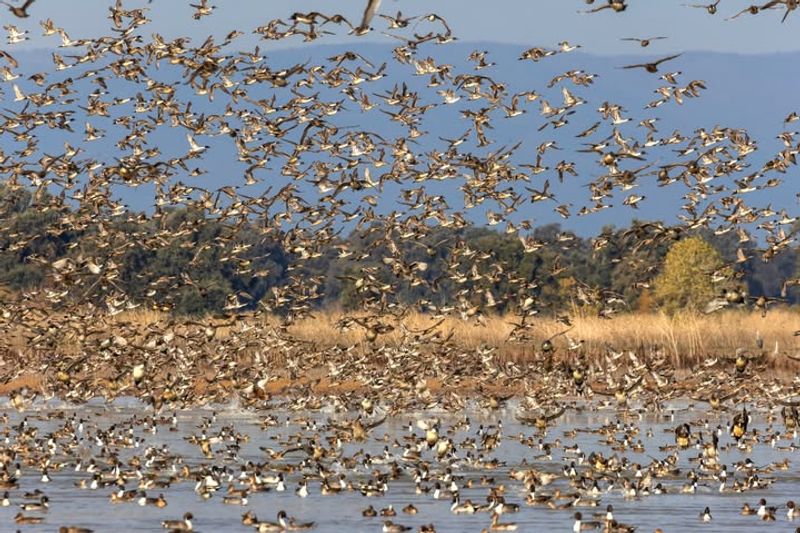
Every spring and fall, millions of migratory birds pass through Washington, and many choose local yards as nesting spots.
Under the Migratory Bird Treaty Act, a federal law passed in 1918, these travelers enjoy ironclad protection.
This means you cannot disturb, capture, or relocate them, even if they build a nest right above your front door.
The law covers more than 1,000 species, including robins, swallows, warblers, and hummingbirds.
Violating this act can lead to fines up to $15,000 and even jail time in serious cases.
If a migratory bird sets up shop on your property, your best bet is to wait until the babies fledge and the family moves on naturally.
You can take preventive steps before nesting season by installing bird deterrents or netting in problem areas.
Once eggs appear or chicks hatch, however, those measures are too late.
Patience is key, as most nesting periods last only a few weeks.
Enjoy the privilege of hosting these feathered guests and consider it a front-row seat to one of nature’s most remarkable journeys.
Remember, these birds play vital roles in controlling insects and pollinating plants across the continent.
2. Nestlings And Eggs Of Migratory Birds
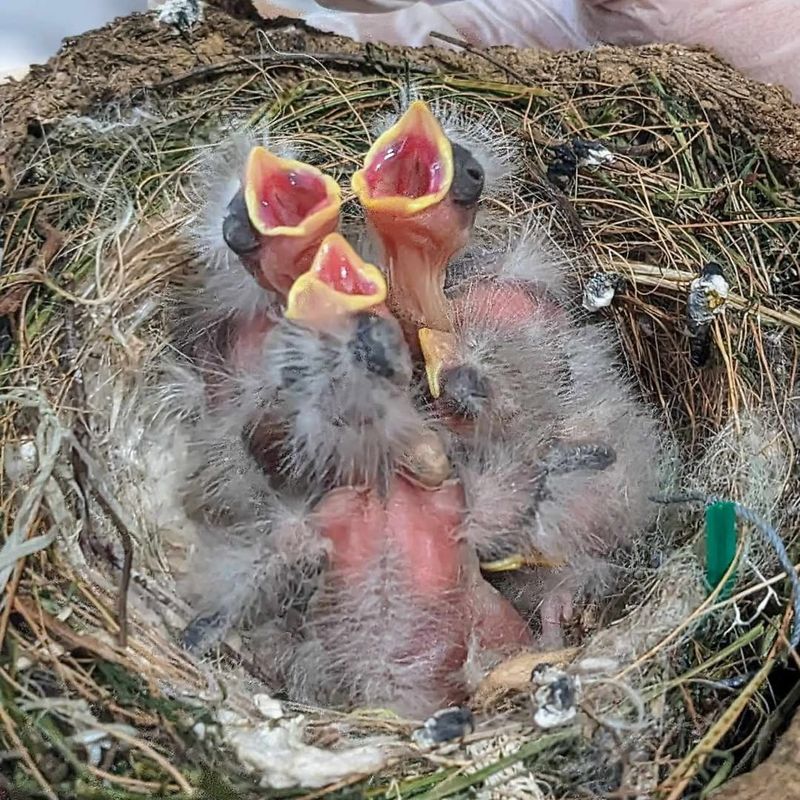
Finding a nest full of delicate eggs or tiny nestlings in your hedge or eaves can feel like a magical discovery.
Yet federal law treats these nests as strictly off-limits.
The Migratory Bird Treaty Act explicitly prohibits taking, possessing, or destroying nests and eggs of protected species.
Even moving an active nest a few feet to a more convenient location counts as a violation.
Homeowners sometimes worry about the mess or noise, but the law leaves no wiggle room.
If you stumble upon a nest, the safest course is to mark the area and avoid disturbance until the young birds leave.
Nesting cycles are surprisingly short for most species, often wrapping up in three to four weeks from egg-laying to fledging.
During this time, parent birds work tirelessly, making dozens of trips daily to feed their growing chicks.
Watching this process unfold can be a rewarding educational experience, especially for children.
If the nest poses a genuine safety hazard, contact your local wildlife agency for guidance before taking action.
In rare cases, permits may be issued, but only when no reasonable alternative exists.
Respecting these tiny lives ensures healthier bird populations for future generations.
3. Bald Eagles And Golden Eagles
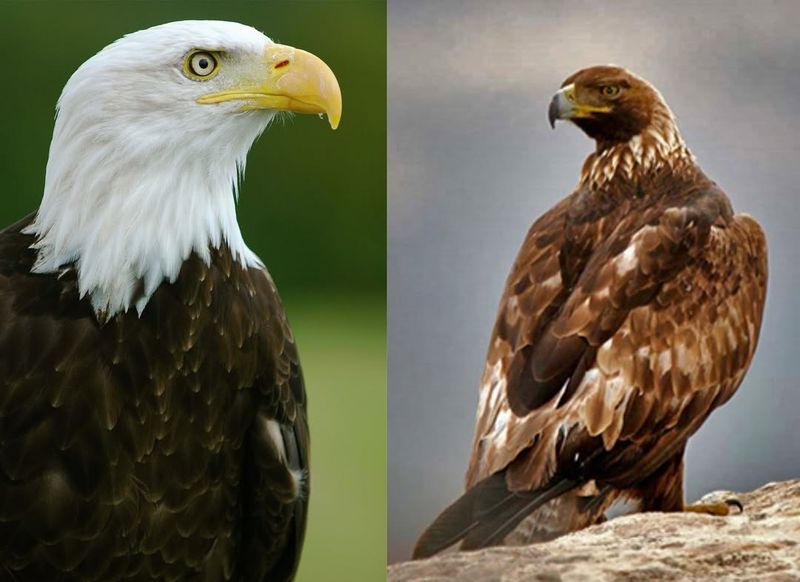
Spotting a bald eagle soaring over your Washington yard is breathtaking, but these iconic raptors carry extra layers of legal protection.
Both bald and golden eagles are safeguarded under the Bald and Golden Eagle Protection Act, in addition to the Migratory Bird Treaty Act.
This dual protection makes it a federal offense to disturb, harm, or possess eagles, their nests, or even a single feather without authorization.
Penalties can reach $100,000 in fines and a year in prison for individuals, with steeper consequences for repeat offenders or organizations.
Eagles often build massive nests in tall trees near water, and these structures can weigh hundreds of pounds and be reused for decades.
If an eagle decides to nest on your property, you may need to adjust your activities to avoid disturbing the site during breeding season.
This might mean postponing tree trimming or construction work until the eaglets have fledged.
Washington is home to a robust eagle population, especially along coastlines and near large rivers.
Landowners who find eagles nesting nearby should contact the U.S. Fish and Wildlife Service for guidance on coexistence.
Special permits are available for activities that might unintentionally affect eagles, but they require detailed applications and environmental reviews.
4. Washington Threatened Or Endangered Wildlife
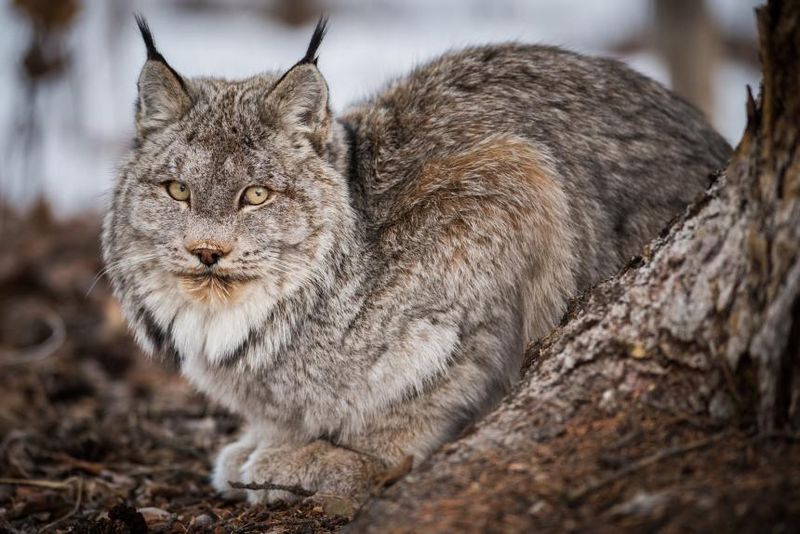
Washington’s diverse ecosystems are home to numerous species teetering on the edge of survival.
Creatures like the marbled murrelet, spotted owl, and certain runs of steelhead trout are listed as threatened or endangered under state and federal laws.
These listings make it illegal to harm, harass, or remove these animals from your property without explicit authorization.
Even inadvertently disturbing their habitat can trigger legal consequences.
The Endangered Species Act provides powerful protections, including habitat preservation requirements that can affect land use decisions.
If you discover a listed species on your land, you should report it to the Washington Department of Fish and Wildlife immediately.
Biologists can assess the situation and advise on how to proceed without violating regulations.
Sometimes, simple modifications to your landscaping or timing of yard work can make a huge difference.
For example, delaying tree removal until after nesting season might be all that’s needed.
Living alongside rare wildlife can actually boost property values and provide unique nature-watching opportunities.
Many homeowners take pride in knowing they’re contributing to conservation efforts simply by sharing their space.
Education and cooperation between agencies and landowners have helped several species begin the slow road to recovery.
5. Beavers Without A State Permit
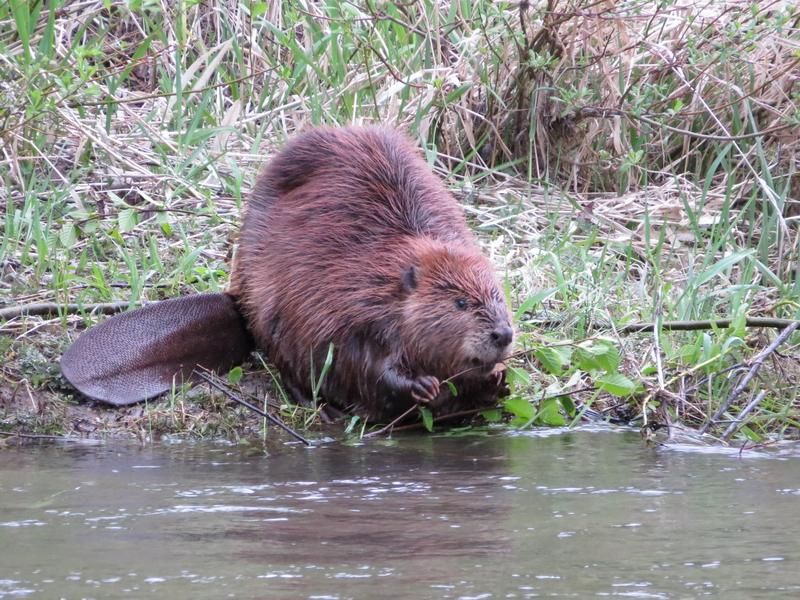
Beavers are nature’s engineers, but their dam-building habits can wreak havoc on yards, culverts, and drainage systems.
Despite the frustration they cause, Washington law prohibits homeowners from trapping or relocating beavers without obtaining a special permit from the Department of Fish and Wildlife.
These aquatic rodents are classified as game animals and furbearers, meaning their management is tightly regulated.
If a beaver family takes up residence near your property and starts flooding your land, you cannot simply trap and move them elsewhere.
Doing so without authorization can result in fines and legal action.
Instead, you must contact WDFW to apply for a beaver relocation permit or seek advice on nonlethal management strategies.
Options include installing flow devices that allow water to pass through dams without triggering the beavers’ repair instincts, or wrapping valuable trees with wire mesh.
Beavers play critical ecological roles by creating wetlands that support countless other species, so agencies prefer solutions that balance human needs with wildlife conservation.
In some cases, professional wildlife control operators with proper licensing can assist.
Patience and creativity often yield better long-term results than forcibly removing the animals.
Understanding beaver behavior helps you coexist peacefully with these industrious neighbors.
6. All Live Native Mammals As Wildlife Property
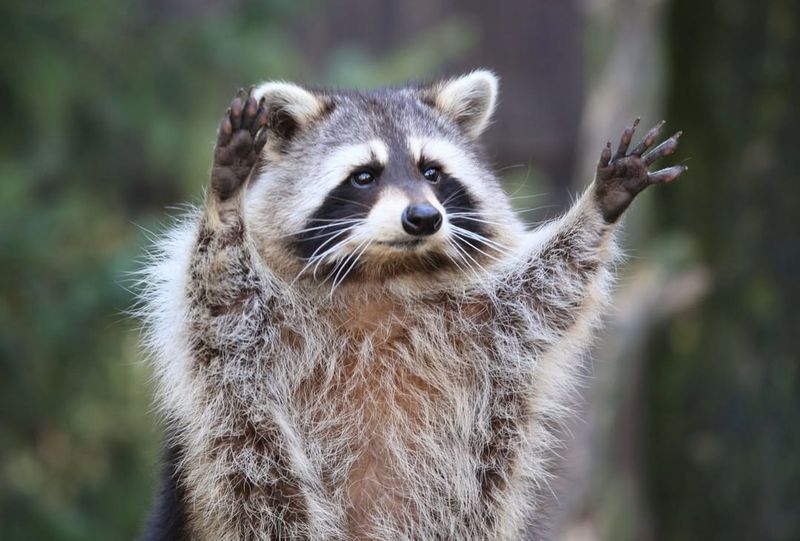
Raccoons rummaging through garbage, squirrels raiding bird feeders, and opossums waddling across patios are common sights in Washington neighborhoods.
Many homeowners assume they can trap these critters and release them in a nearby park or forest.
However, state law classifies all live native mammals as wildlife property of the state, making it unlawful to possess, transport, or relocate them without a permit.
This rule exists to prevent the spread of diseases, protect animal welfare, and maintain ecological balance.
Relocated animals often struggle to survive in unfamiliar territory, and moving them can introduce parasites or pathogens to new areas.
If wildlife becomes a nuisance, your first step should be securing attractants like trash cans, pet food, and compost bins.
Installing barriers and exclusion devices can prevent animals from denning under decks or in attics.
For persistent problems, hiring a licensed wildlife control operator is the legal route.
These professionals have the training and permits necessary to handle and relocate animals humanely and lawfully.
Attempting DIY removal not only risks legal trouble but can also endanger both you and the animal.
Native mammals are integral to Washington’s ecosystems, controlling insect populations and dispersing seeds.
Learning to coexist with them benefits everyone.
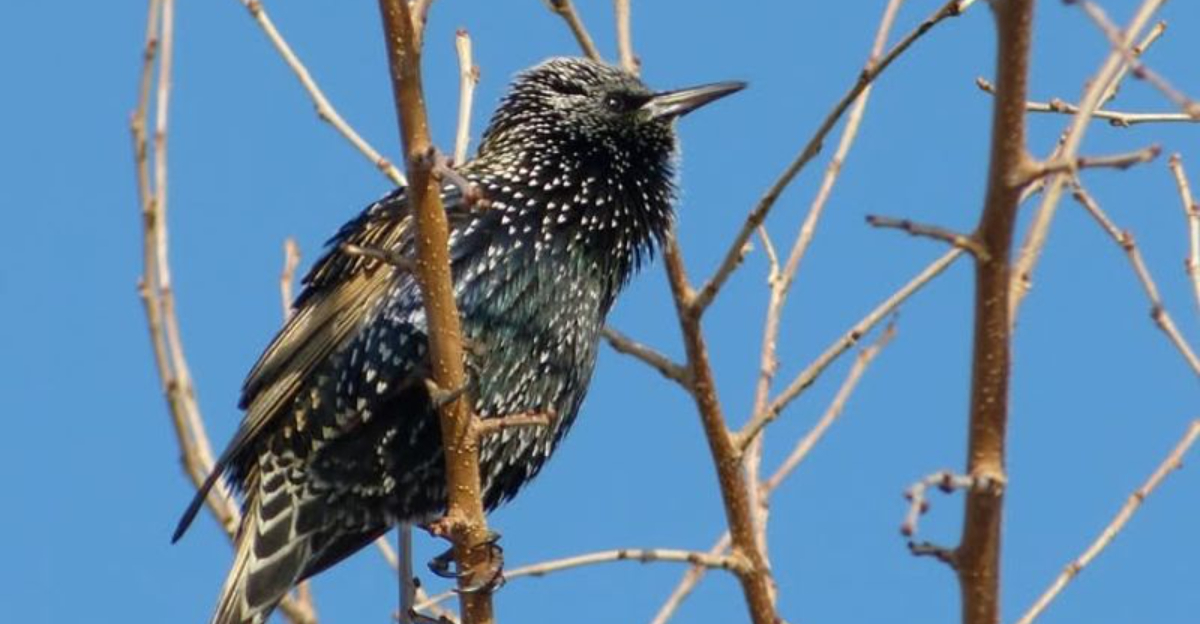
7. Live Wild Birds Except House Sparrows And Starlings
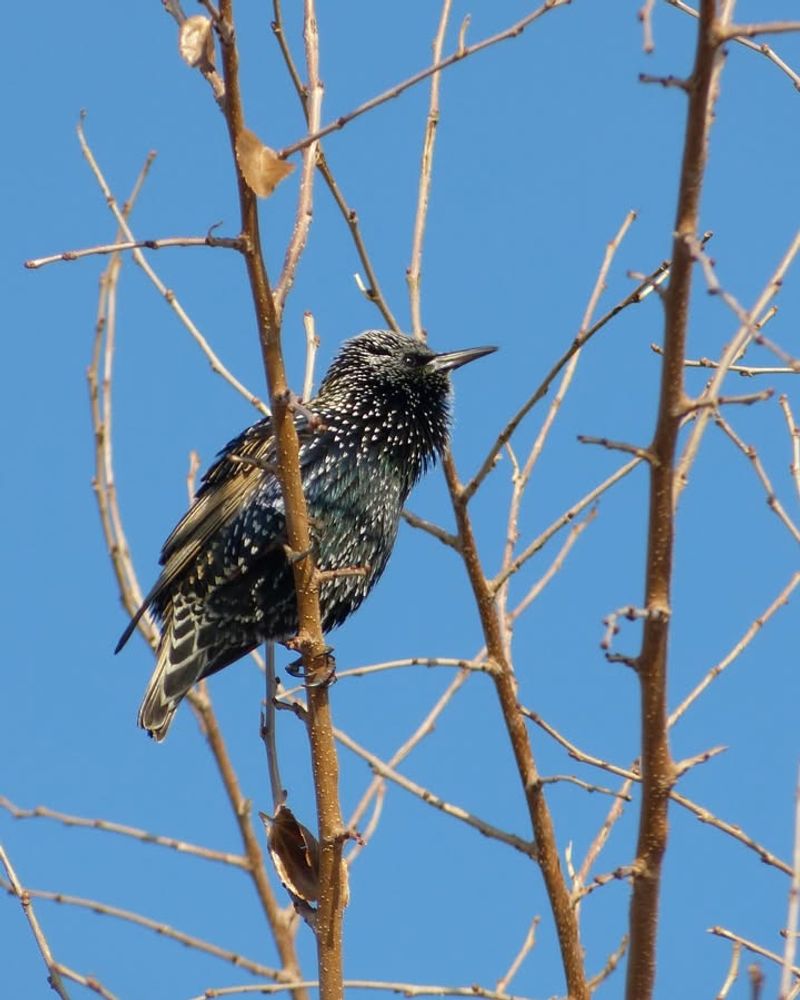
Washington’s skies and trees are alive with wild birds, from cheerful chickadees to striking jays.
State and federal regulations make it illegal to possess or transport any live wild bird you catch in your yard, with only two exceptions: house sparrows and European starlings.
These two species are non-native and not protected under the Migratory Bird Treaty Act.
Every other bird, whether common or rare, enjoys legal protection.
If you find an injured or orphaned wild bird, you cannot legally keep it, even temporarily, without proper permits.
Instead, contact a licensed wildlife rehabilitator who has the training and authorization to care for it.
Well-meaning rescues often do more harm than good, as wild birds have specialized dietary and care needs.
Baby birds that appear abandoned are usually being watched by nearby parents, so it’s best to leave them alone unless they’re clearly in danger.
Capturing wild birds for pets, even briefly, violates state and federal law and can result in significant fines.
The exceptions for house sparrows and starlings exist because these invasive species compete with native birds for nesting sites and food.
If you enjoy birdwatching, consider creating a bird-friendly habitat with native plants, water sources, and feeders.
This approach brings birds to you legally and ethically.
8. Wild Reptiles And Amphibians Held In The Wild
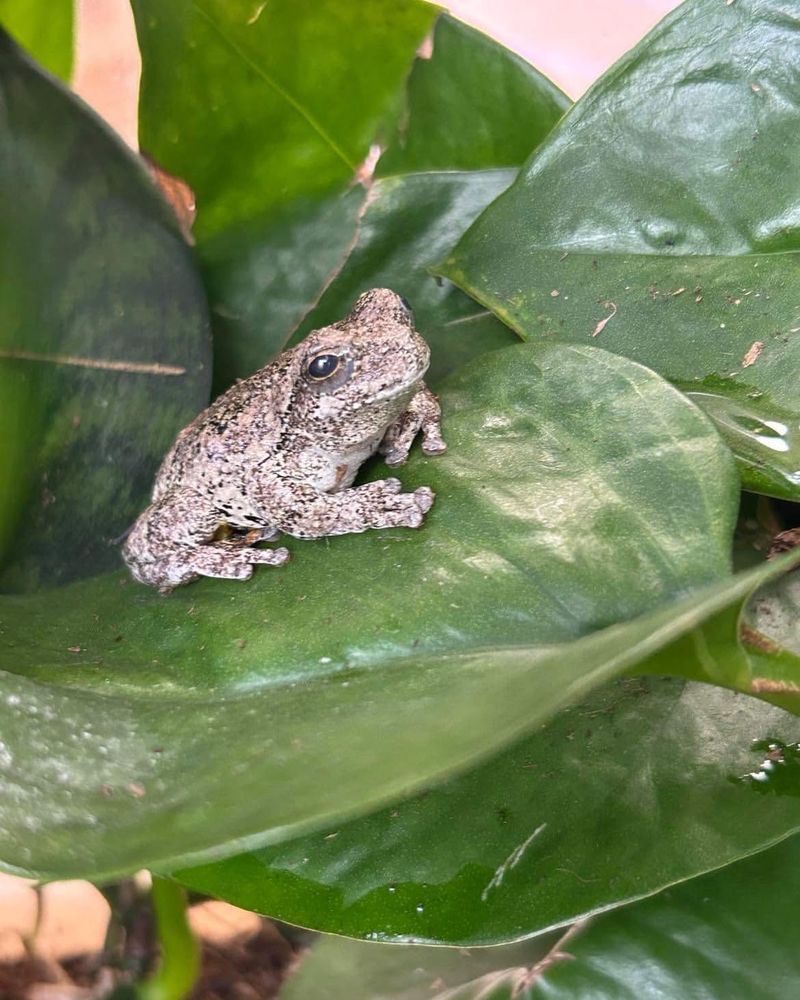
Garter snakes sunning on warm rocks and Pacific tree frogs calling from garden ponds add charm to Washington yards.
Yet state regulations prohibit keeping or relocating native reptiles and amphibians without proper authorization.
These creatures are protected under Washington Administrative Code, which broadly restricts possession and transport of live wildlife.
Snakes help control rodent and slug populations, while frogs and salamanders consume enormous quantities of insects.
Removing them disrupts local ecosystems and can harm their chances of survival.
Many amphibians have specific habitat requirements and won’t thrive if moved to unfamiliar locations.
If you encounter a snake in your yard and feel uncomfortable, simply giving it space usually solves the problem.
Most Washington snakes are harmless and will move along on their own.
For frogs and salamanders, maintaining healthy habitat with moisture and cover encourages them to stay and benefit your garden naturally.
Children often want to catch and keep these fascinating animals, but doing so is both illegal and harmful to the creatures.
Instead, encourage observation and photography as ways to appreciate wildlife without disturbing it.
If you’re concerned about a reptile or amphibian on your property, contact WDFW for advice.
Education about these misunderstood animals helps build appreciation for their ecological roles.
9. Protected Fish Species From Natural Waters
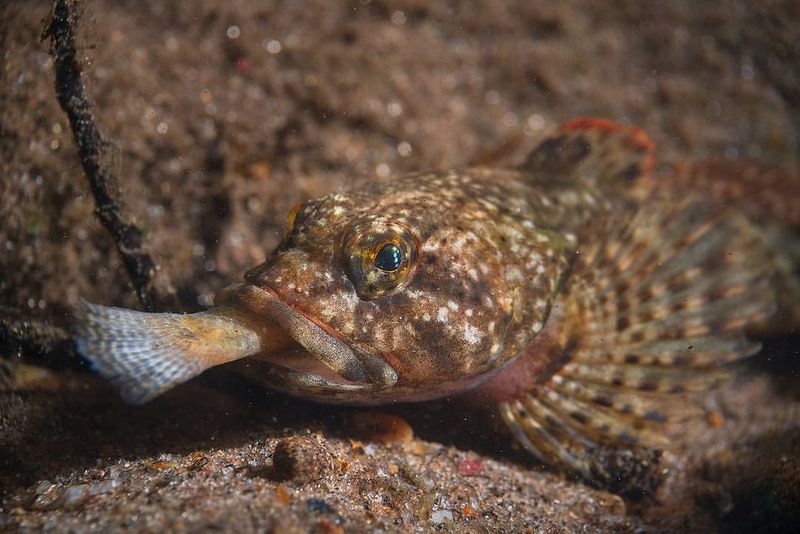
Some fortunate Washington homeowners have streams, ponds, or wetlands on their property that harbor native fish.
Species like cutthroat trout, sculpins, and certain salmon runs are protected by state and federal regulations.
You cannot legally remove, relocate, or keep these fish without appropriate permits, even if they swim through your backyard.
Fishing regulations are complex, varying by species, location, and season, so what’s legal in one context may be prohibited in another.
Native fish populations face numerous threats, including habitat loss, pollution, and competition from invasive species.
Protecting them wherever they occur is essential for maintaining healthy watersheds.
If you have fish-bearing waters on your land, you’re a steward of important aquatic habitat.
Activities like landscaping, construction, or water diversion near streams require careful planning to avoid violations.
Permits from WDFW and other agencies may be necessary before undertaking projects that could affect fish or their habitat.
Some landowners work with conservation groups to enhance fish habitat through stream restoration projects, which can provide tax benefits and improve property value.
Children fascinated by fish should be taught to observe rather than capture, fostering respect for wildlife and legal compliance.
Keeping natural waters healthy benefits not just fish but the entire web of life depending on these ecosystems.
10. Raptors Including Hawks Owls And Falcons
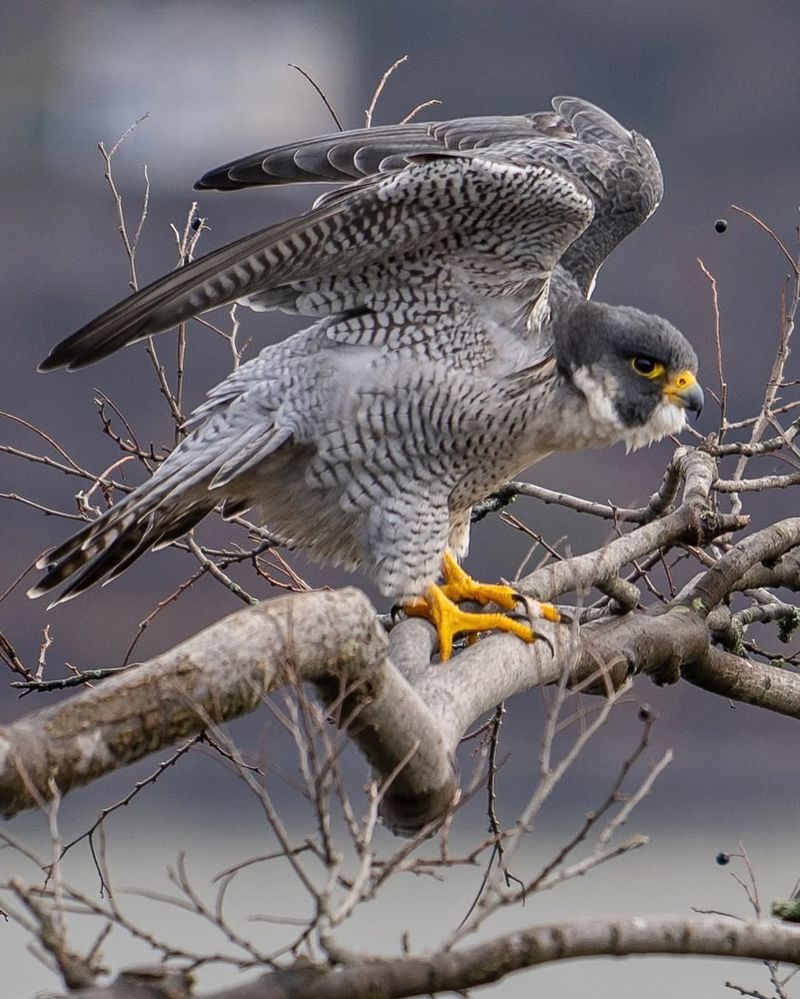
Hawks circling overhead, owls hooting at dusk, and falcons diving for prey are thrilling sights in Washington neighborhoods.
All raptors receive federal protection under the Migratory Bird Treaty Act, making it illegal to capture, harm, or possess them without special permits.
These birds of prey sit atop the food chain, controlling rodent and small mammal populations naturally.
A single hawk family can consume hundreds of mice and voles during a breeding season, providing free pest control.
If a raptor nests in your yard, you’re legally obligated to leave it undisturbed until the young have fledged.
Nesting season typically runs from early spring through summer, depending on the species.
Raptors are sensitive to disturbance, and too much human activity near a nest can cause parents to abandon their eggs or chicks.
If you need to work near a raptor nest, consult with WDFW or the U.S. Fish and Wildlife Service for guidance.
Special permits exist for falconers and wildlife rehabilitators, but these require extensive training, testing, and ongoing oversight.
Ordinary homeowners cannot legally handle raptors, even to help an injured bird.
Instead, contact a licensed rehabilitator who has the expertise and authorization to provide care.
Sharing your property with these magnificent predators is a privilege that comes with responsibility and legal obligations.
11. Federally Listed Threatened Salmonids When In Or Crossing Yards And Streams
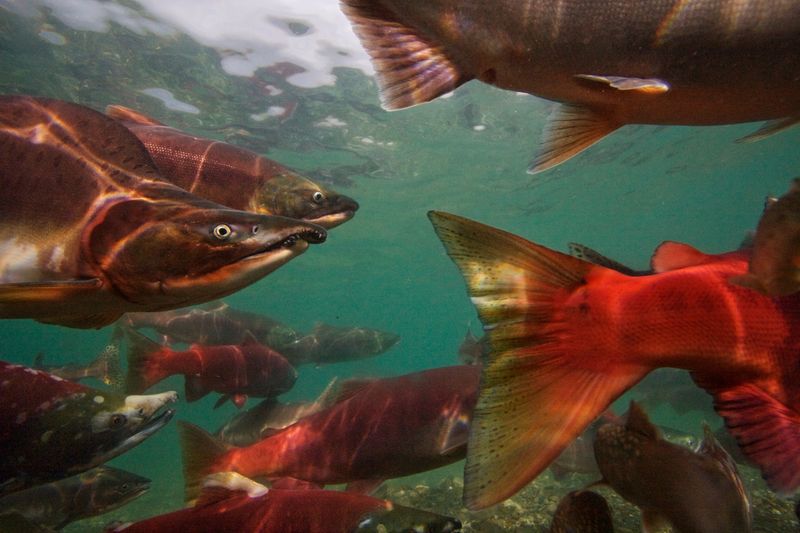
Salmon and steelhead are iconic symbols of the Pacific Northwest, and several populations are listed as threatened under the Endangered Species Act.
If your Washington property includes or borders streams where these fish spawn or migrate, federal law prohibits harassing, harming, or capturing them.
Even seemingly minor actions like wading in a stream during spawning season or moving rocks can violate regulations.
Salmonids require cold, clean water and intact stream habitat to complete their life cycles.
Streamside landowners play a crucial role in salmon recovery by maintaining riparian vegetation, preventing erosion, and avoiding pollutants.
Activities like mowing to the water’s edge, removing woody debris, or channelizing streams can degrade salmon habitat and trigger enforcement action.
Many counties offer technical assistance and cost-share programs to help landowners improve salmon habitat on their property.
These efforts not only benefit fish but also enhance property aesthetics and resilience against flooding.
Children growing up near salmon streams gain firsthand understanding of life cycles and conservation challenges.
Watching salmon return to spawn is a powerful reminder of nature’s persistence and fragility.
If you encounter salmon or steelhead on your land, give them space and avoid disturbing the water.
Report any suspicious activities like poaching to WDFW enforcement officers.
Protecting these fish ensures future generations can witness their remarkable journeys.
12. Certain Invertebrates Protected By Law
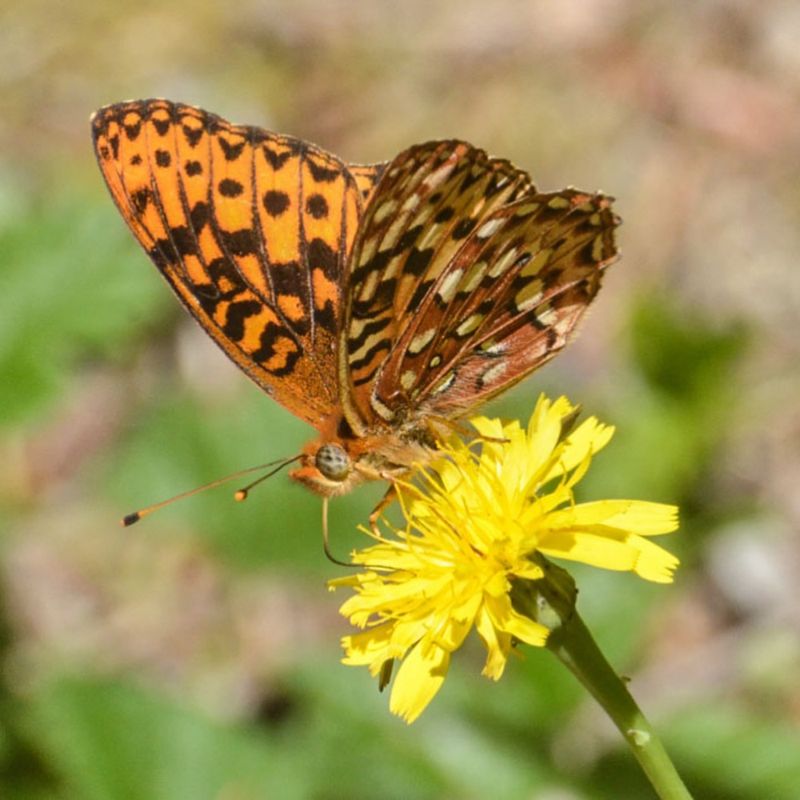
Most people don’t think twice about insects and other invertebrates in their yards, but some of these tiny creatures are legally protected.
Washington is home to rare butterflies, beetles, and other invertebrates listed under state and federal endangered species laws.
The Oregon silverspot butterfly and Taylor’s checkerspot butterfly, for example, are federally listed and found in specific Washington habitats.
Collecting, harming, or possessing these protected invertebrates without permits is illegal and can result in serious penalties.
These small animals often have highly specialized habitat needs, making them vulnerable to extinction.
Loss of native prairies and other ecosystems has pushed many invertebrate species to the brink.
Homeowners can support invertebrate conservation by planting native flowers and grasses, avoiding pesticides, and leaving some areas of their yards a bit wild.
Dry wood, leaf litter, and unmowed patches provide essential habitat for countless beneficial insects.
Before removing old logs or clearing brush, consider whether you might be destroying critical habitat for rare species.
If you spot an unusual insect, take a photo and report it to WDFW or a local naturalist group.
Your observation could contribute valuable data to conservation efforts.
Protecting invertebrates protects the entire food web, as these creatures pollinate plants, decompose organic matter, and feed countless other animals.