9 Crepe Myrtle Problems North Carolina Homeowners Should Watch For
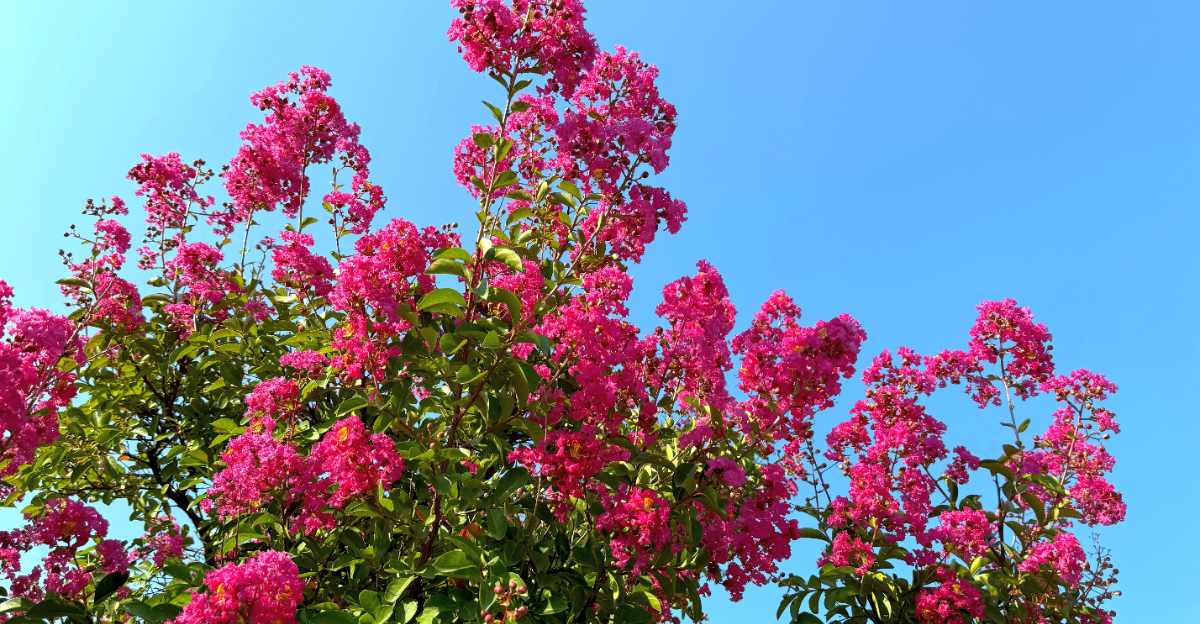
Crepe myrtles are a favorite in North Carolina, but they are not completely trouble free. While these trees are known for handling heat and humidity, they can still run into a range of issues that affect how they look and grow.
Some problems show up in the leaves, others in the bark or blooms, and a few can slowly weaken the tree over time if ignored. The tricky part is that many of these issues start small and are easy to miss at first.
North Carolina’s warm climate can also create the perfect conditions for certain pests and diseases to spread.
Knowing what to watch for can help you catch problems early and keep your trees looking their best.
With the right attention, most issues can be managed before they take a bigger toll on your landscape.
1. Crapemyrtle Bark Scale
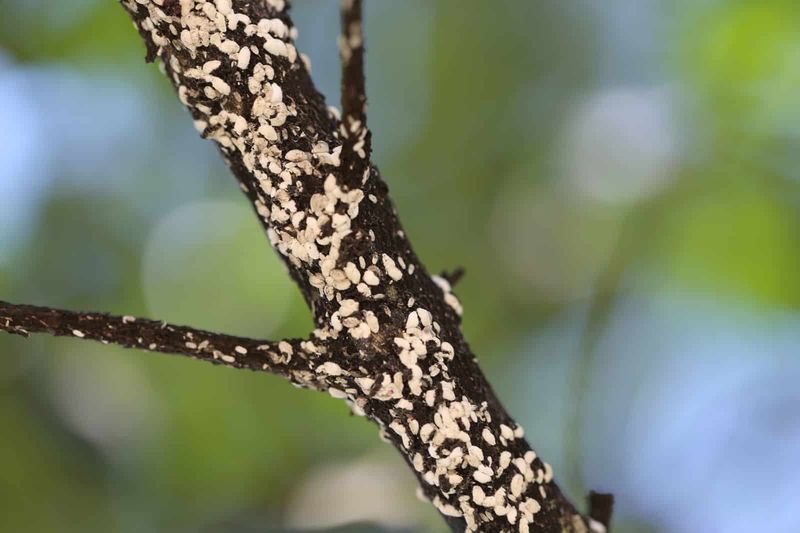
Tiny white specks on your crepe myrtle’s bark might not seem like a big deal at first, but crapemyrtle bark scale is one of the fastest-spreading pest problems hitting North Carolina trees right now.
These small, felt-like insects cluster along the bark and deep inside branch crotches, making them easy to miss until the infestation gets serious.
NC State confirms this pest has spread throughout the Southeast and is now firmly established across North Carolina.
One of the most telling signs is a heavy coating of black sooty mold that builds up as the scale insects feed and release a sticky waste called honeydew.
The mold turns branches and even nearby surfaces a dark, grimy color that looks alarming and blocks sunlight from reaching the bark.
Catching the scale early, before mold takes over, gives you a much better chance of getting things under control.
Horticultural oil applied during the dormant season can smother existing scale and protect new growth.
Some homeowners have also had success with systemic insecticides applied to the soil in spring, which the tree absorbs and carries throughout its system. Natural predators like lady beetles also help keep populations down.
Walk around your crepe myrtles every few weeks during the growing season, especially in warmer parts of North Carolina, and check the bark closely for any suspicious white buildup.
2. Aphids And Sticky Honeydew
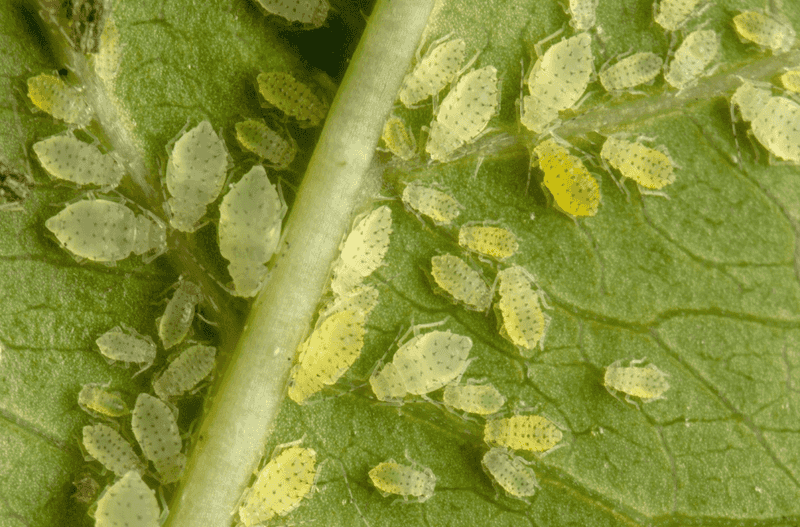
Every spring in North Carolina, crape myrtle aphids hatch and get right to work, and most homeowners do not even notice until the damage is already visible.
These tiny, pale green insects settle on the undersides of leaves and start feeding on plant sap, which causes leaves to curl, yellow, and look stressed.
NC State notes that aphid eggs hatch around April, so early spring is the perfect time to start checking your trees carefully.
As aphids feed, they release a sticky liquid called honeydew that drips onto everything below, including patios, outdoor furniture, and cars parked nearby.
That honeydew quickly becomes the perfect growing surface for black sooty mold, which makes the whole tree look dark and unhealthy.
A heavy aphid population can build up fast, especially during warm and humid stretches that North Carolina summers are famous for. The good news is that aphids are manageable if you act early.
A strong spray of water from a garden hose can knock large numbers off leaves without any chemicals at all.
Introducing or encouraging natural predators like ladybugs and lacewings is another smart, eco-friendly approach.
For more serious infestations, insecticidal soap or neem oil works well without harming the tree.
Check new growth and leaf undersides regularly, since young, soft tissue is exactly where aphids love to gather first.
3. Powdery Mildew On Leaves And New Growth
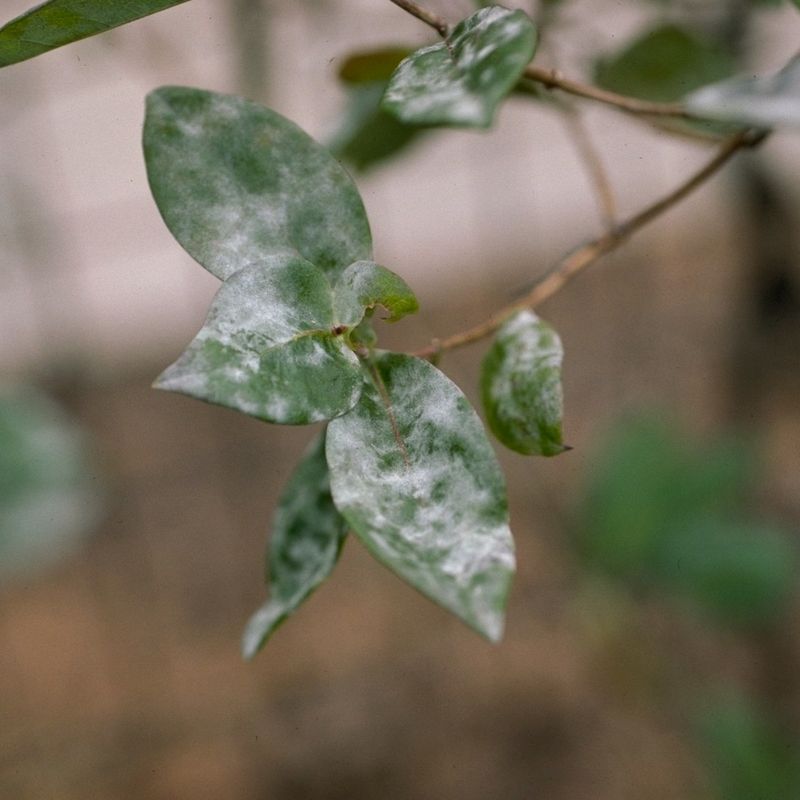
Walk past a crepe myrtle on a humid North Carolina morning and you might notice a dusty white coating on the leaves and new shoots that almost looks like someone dusted them with flour.
That is powdery mildew, and it is one of the most common fungal diseases affecting crepe myrtles across the state.
Unlike many other fungal problems, powdery mildew actually thrives in warm days combined with cool nights, which is a pattern North Carolina sees plenty of in spring and early summer.
New growth is the most vulnerable part of the tree, and mildew can distort young leaves and flower buds before they even fully open.
Heavy infections can reduce flowering noticeably, which is a real shame since the blooms are the whole reason most people plant crepe myrtles in the first place.
Shady spots with poor air movement make the problem significantly worse, so location really matters when it comes to this disease.
Choosing mildew-resistant cultivars is one of the best long-term solutions available to North Carolina homeowners.
Many newer varieties have been specifically bred to resist this disease while still producing gorgeous blooms.
If mildew does appear, removing infected growth and improving air circulation around the tree can slow its spread.
Fungicide sprays labeled for powdery mildew can also help when applied early, before the coating spreads across most of the canopy.
4. Fungal Leaf Spot
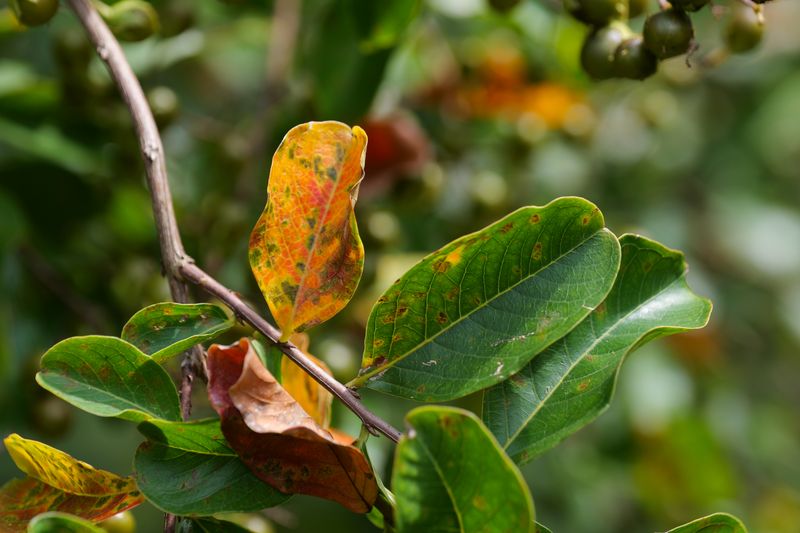
Spotty, discolored leaves on a crepe myrtle are often the first clue that fungal leaf spot has moved in, and it tends to show up right when summer is in full swing.
Caused by fungi like Cercospora, this disease creates yellow or brown blotches on the leaf surface that gradually grow larger and merge together.
North Carolina’s warm, wet summers create exactly the right conditions for these fungi to spread from leaf to leaf with very little encouragement.
One of the most frustrating things about leaf spot is that it causes early leaf drop, which strips the tree of its foliage weeks before it should naturally fall.
A crepe myrtle dropping leaves in August instead of October looks stressed and unhealthy, and repeated seasons of early defoliation can weaken the tree over time.
NC State specifically lists fungal leaf spot as a common crepe myrtle disease problem, so this is not something North Carolina homeowners can afford to ignore. Good sanitation makes a real difference in managing leaf spot.
Raking up and removing fallen leaves promptly reduces the amount of fungal spores sitting near the base of the tree.
Watering at the base rather than overhead also keeps foliage dry and less hospitable to fungal growth.
Resistant cultivars are your best long-term defense, but fungicide applications in early summer can help protect trees that have struggled with this problem in previous years.
5. Black Sooty Mold On Bark And Leaves
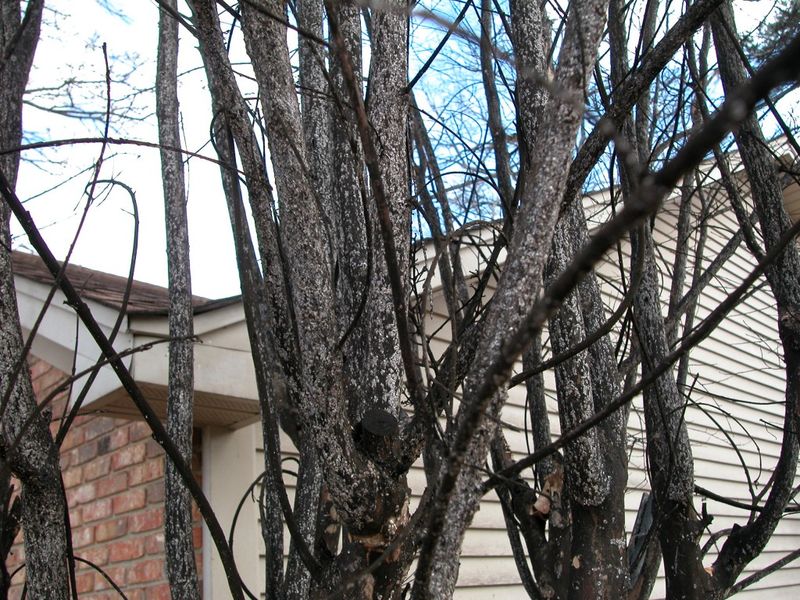
A crepe myrtle that suddenly looks like it has been covered in black soot is sending you a clear message, and that message is almost always about insects.
Black sooty mold is a fungus that grows on top of honeydew, the sticky waste produced by sap-sucking pests like aphids and crapemyrtle bark scale.
The mold itself does not directly attack the tree’s tissue, but it is a strong signal that something else is causing serious trouble underneath.
When sooty mold covers large portions of bark and leaves, it blocks sunlight and reduces the tree’s ability to photosynthesize properly.
Over time, this weakens the tree and makes it look terrible, which is a real problem for North Carolina homeowners who planted crepe myrtles specifically for their curb appeal.
NC State notes that crapemyrtle bark scale is often first discovered when a tree suddenly becomes covered in this dark, grimy coating.
Treating sooty mold means treating the insect problem causing it, not just wiping off the mold itself.
Once aphids or scale insects are under control, the mold gradually fades and washes away with rain.
You can speed up the process by gently washing bark and leaves with a mild soap and water solution.
Keeping your crepe myrtles in full sun with good airflow also makes them less attractive to the pests that start this whole chain reaction in the first place.
6. Yellow Leaves From Alkaline Soil
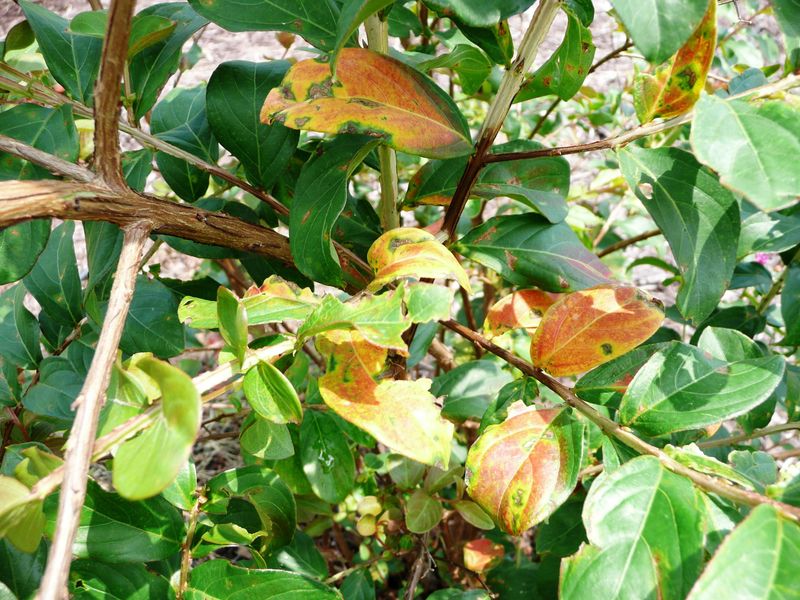
Bright yellow leaves on a crepe myrtle can be confusing, especially when you have been fertilizing regularly and cannot figure out what is going wrong. The culprit is often the soil itself rather than a lack of nutrients.
When soil pH climbs too high and becomes alkaline, crepe myrtles struggle to absorb iron and other key nutrients even when those nutrients are physically present in the ground around them.
This condition is called chlorosis, and it shows up as yellowing between the leaf veins while the veins themselves stay green. NC State notes that crepe myrtles planted in alkaline soils are prone to this exact symptom.
North Carolina soils vary quite a bit across the state, and some areas, particularly near construction sites where lime and concrete debris can raise soil pH, are more likely to cause this problem.
Getting a soil test is the smartest first step, and the NC Cooperative Extension makes this easy and affordable for homeowners across the state.
If your soil is too alkaline, sulfur amendments can gradually lower the pH to a more suitable range of around 5.0 to 6.5.
Chelated iron supplements can also help provide a more plant-available form of iron in the short term.
Fixing the underlying soil chemistry is always the better long-term solution compared to repeatedly treating symptoms without addressing the real cause.
7. Winter Injury In Colder Parts Of The State
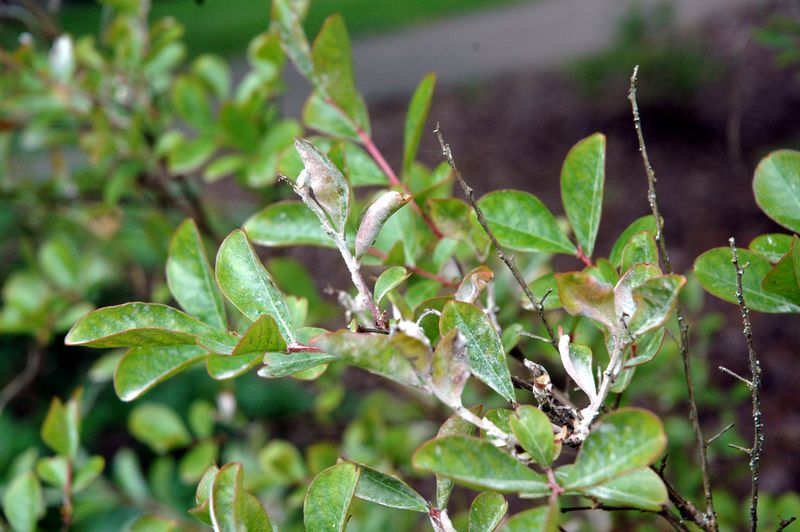
Crepe myrtles are tough trees, but North Carolina is a state with a wide range of climates, and in colder areas like the mountains and upper Piedmont, hard freezes can catch these trees off guard.
When temperatures drop sharply in late fall or during a winter cold snap, the upper portions of the tree can suffer damage that shows up clearly once spring arrives.
Branches that were full of life the previous summer may look brown, brittle, and slow to wake up.
NC State confirms that crepe myrtle top growth is susceptible to winter injury in colder hardiness zones, and this is something homeowners in western North Carolina especially need to plan for.
The good news is that even a tree with significant top damage can bounce back strongly from its root system and lower wood.
Patience is key, since it can take several extra weeks for a cold-damaged tree to push out new leaves compared to one in a milder location.
Waiting until late spring before pruning away any damaged wood is wise, since removing material too early can stress the tree further if another cold snap follows.
Mulching around the base of the tree before winter helps protect the root zone and gives the tree a stronger foundation for recovery.
Choosing cold-hardy cultivars suited to your specific part of North Carolina is the most reliable way to reduce winter injury risk over the long run.
8. Bad Pruning That Ruins Structure
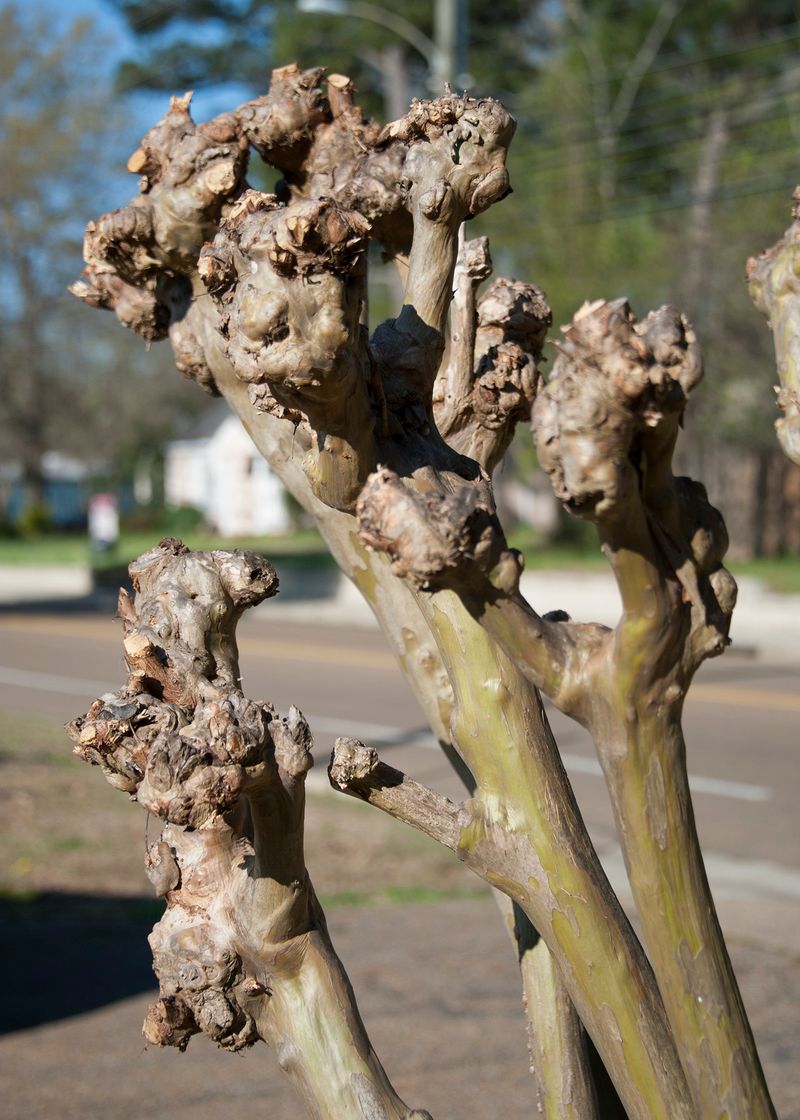
Somewhere along the way, a bad habit called crape murder took hold across North Carolina neighborhoods, and it is still happening every winter in yards all over the state.
Crape murder is the practice of cutting crepe myrtles back to thick, ugly stubs year after year in the mistaken belief that it helps the tree bloom better.
In reality, it does the opposite, creating a tangle of weak, crowded shoots that are more prone to pest problems and look far worse than a properly shaped tree ever would.
Crepe myrtles bloom on new wood that grows each season, which means they do not need aggressive topping to produce flowers.
A tree that is left to grow naturally with only light, selective pruning will produce just as many blooms, if not more, while also developing the gorgeous layered bark structure that makes mature crepe myrtles so beautiful.
NC State recommends removing only crossing branches, suckers, and dry wood rather than cutting the tops off entirely.
If you have inherited a tree that has already been topped repeatedly, the best move is to stop the cycle now and let it recover.
Over several seasons, you can gradually reshape the canopy by selecting the strongest new shoots and removing the weaker ones.
North Carolina homeowners who make this switch are almost always amazed at how much better their trees look within just a few years of proper, gentle care.
9. Wrong Plant In The Wrong Place
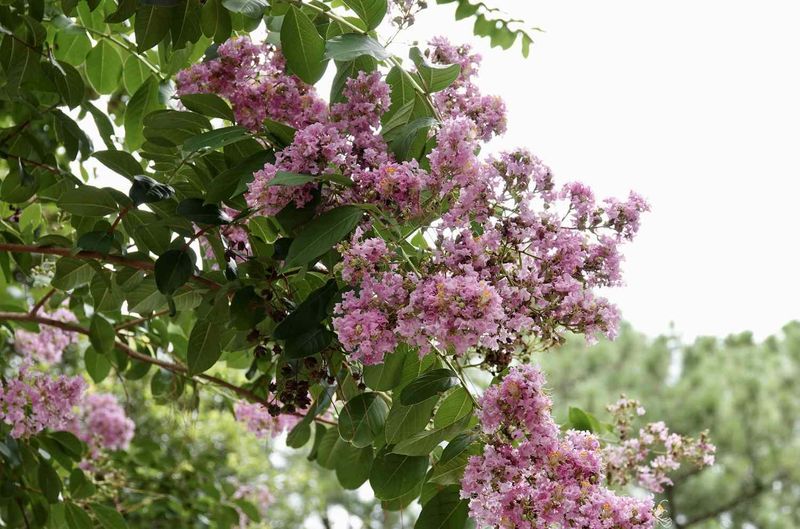
Many of the most frustrating crepe myrtle problems in North Carolina yards trace back to one simple mistake made on planting day: choosing the wrong spot or the wrong size cultivar for the space.
Crepe myrtles are sun-loving trees that need at least six hours of direct sunlight each day to perform their best.
Plant one in a shady corner or too close to a fence or building, and you are setting yourself up for a long list of headaches that will follow the tree for years.
Low light and poor air circulation are the two biggest triggers for powdery mildew and leaf spot, both of which are already common enough in North Carolina’s humid climate.
On top of that, a tree planted in a space that is too small for its mature size will eventually need to be pruned back hard just to fit, which leads right back to the crape murder problem.
NC State emphasizes full sun as the foundation of good crepe myrtle health and recommends choosing cultivars that naturally fit the space you have available.
Before you plant, check the mature height and spread of the cultivar on the label and make sure it matches your location.
Dwarf varieties work beautifully in smaller yards, while larger cultivars need room to spread out and breathe.
Getting this decision right from the start is honestly the single best thing a North Carolina homeowner can do for their crepe myrtle’s long-term health and appearance.