9 Crops Michigan Gardeners Need To Prune For Better Harvests
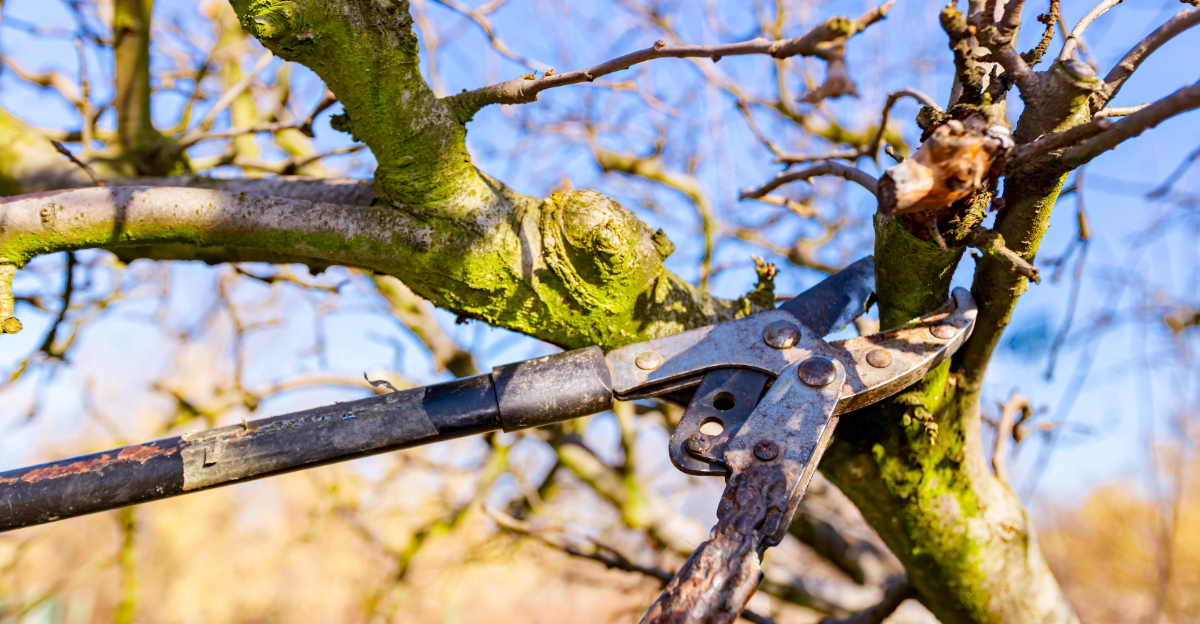
Stronger harvests often come from knowing what to trim, not just what to plant. Across Michigan, gardeners who prune the right crops at the right time usually see healthier growth and more productive yields.
Careful pruning helps plants direct energy toward fruit instead of excess foliage, while also improving airflow and light exposure, which matters in a climate where moisture and temperature swings can affect plant health.
Some crops respond well when side shoots are controlled, while others produce more once damaged or crowded growth is removed.
The goal is not heavy cutting, but thoughtful shaping that keeps plants balanced and easier to manage through the season. Proper pruning can also help reduce disease pressure and keep growth steady from spring through harvest.
Understanding which crops benefit from pruning helps turn an average garden into one that produces cleaner, stronger, and more satisfying harvests year after year.
1. Apple Tree
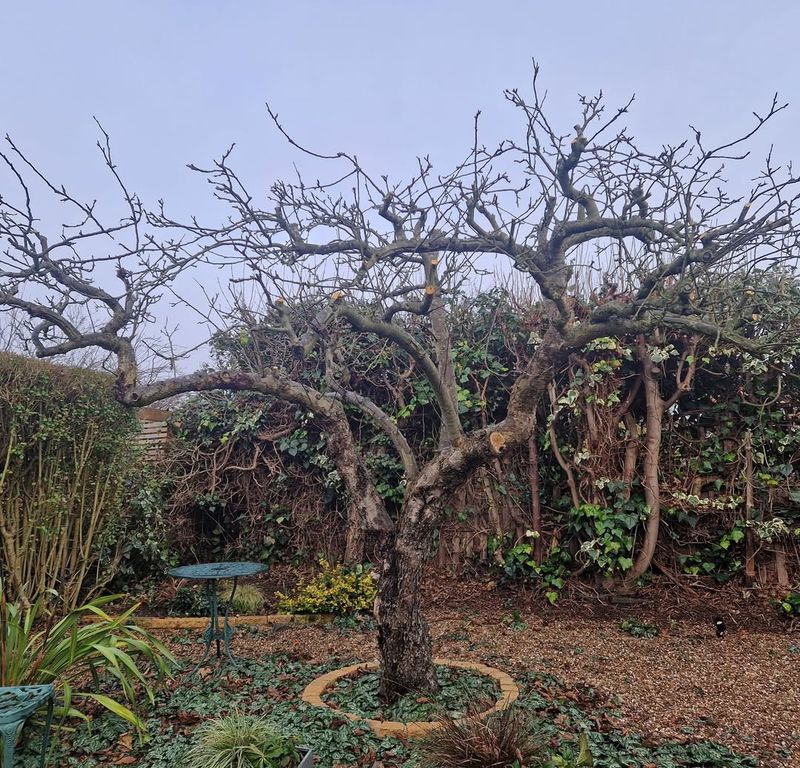
Late winter is when Michigan apple trees get their most important haircut of the year. Before buds start swelling and leaves emerge, gardeners head out with sharp pruning shears. This timing matters because trees are resting and won’t bleed sap or stress from cuts.
Removing crowded branches opens up the canopy so sunlight reaches every apple. Better light means sweeter fruit and more even ripening throughout the tree.
Air moves freely through pruned branches, which keeps leaves dry and reduces fungal problems that thrive in Michigan’s humid springs.
Focus on cutting out branches that cross or rub against each other. These create wounds that invite pests and disease. Water sprouts growing straight up from main limbs should go too since they rarely produce quality fruit.
Michigan State University Extension experts recommend creating a strong scaffold of well-spaced branches.
This framework supports heavy fruit loads without breaking. Young trees need shaping to establish good structure, while mature trees benefit from thinning cuts that maintain their form.
The payoff shows up at harvest when you’re picking larger, healthier apples. Consistent annual pruning keeps your tree producing reliably year after year. Your apple tree will reward your winter efforts with baskets full of crisp, delicious fruit come fall.
2. Peach Tree
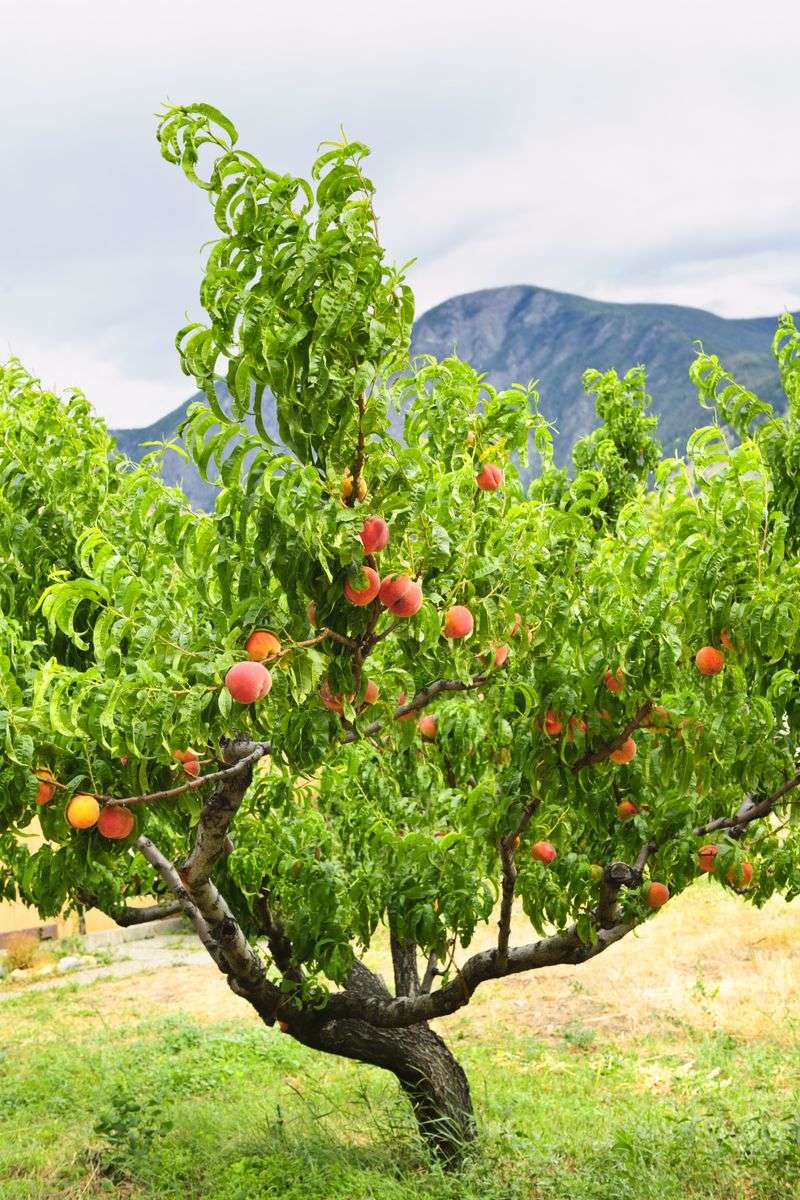
Peach trees demand yearly attention with pruning shears, and skipping a season shows in your harvest.
These trees bear fruit only on wood that grew the previous summer. Old branches stop producing, which means you need fresh growth constantly emerging to keep peaches coming.
An open-center shape works best for peaches in Michigan. Imagine a vase with the middle hollowed out and branches spreading outward. This design lets sunshine bathe every peach, developing that gorgeous blush and sweet flavor we all crave.
Prune while trees are still dormant, ideally in late March. You’ll be cutting away more wood than seems comfortable at first. Removing up to forty percent of last year’s growth isn’t unusual for mature peach trees.
Crowded branches produce small, disappointing fruit because they compete for nutrients and light. Thinning cuts give remaining peaches room to size up properly. You want peaches spaced several inches apart on branches for best results.
Watch for branches growing inward toward the tree’s center. These need removal since they block airflow and create damp conditions where diseases flourish. Michigan’s summer humidity already challenges peach growers, so good pruning reduces those risks.
Your reward comes in July and August when you’re biting into juicy, sun-ripened peaches. Proper pruning transforms average harvests into abundant ones that make all that cutting worthwhile.
3. Cherry Tree (Sweet And Tart)
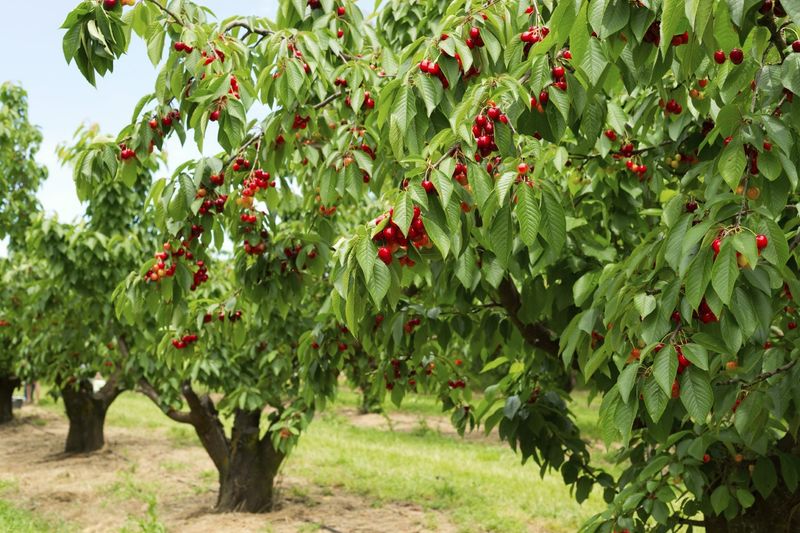
Cherry trees bring springtime beauty and summer sweetness to Michigan gardens. Both sweet and tart varieties benefit enormously from thoughtful pruning during their dormant period.
The key difference between these trees and other fruits is their susceptibility to bacterial and fungal issues in our climate.
Structural pruning while trees sleep reduces infection risk dramatically. Making cuts when sap isn’t flowing prevents pathogens from entering fresh wounds. Late winter, just before buds swell, offers the ideal window for cherry tree maintenance.
Opening up the canopy allows breezes to sweep through branches after rain. This drying effect matters tremendously for cherries since wet leaves and stems invite brown rot and leaf spot.
These diseases can devastate an unpruned tree but struggle to establish in well-maintained ones.
Remove any branches that grow downward or hang too low. They’ll drag on the ground when loaded with fruit, inviting soil-borne diseases. Upward and outward growth creates the healthiest cherry trees.
Tart cherries like Montmorency handle Michigan weather beautifully and respond well to annual pruning. Sweet cherries need extra attention to structure since they grow larger. Both types reward you with better fruit when properly maintained.
Your summer cherry harvest depends heavily on those winter pruning sessions. Clusters of glossy cherries hanging from healthy branches make the cold-weather work feel completely worth it.
4. Blueberry (Mature Bushes)
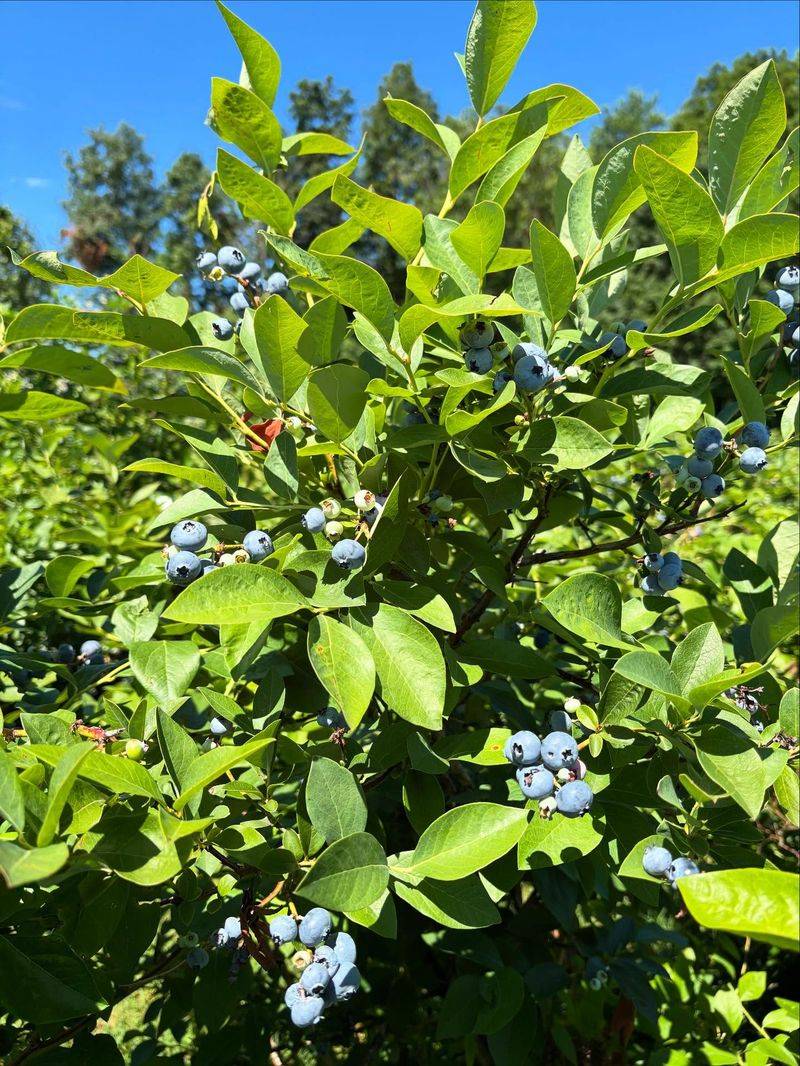
Blueberry bushes older than three years start showing their age in production. Those thick, gnarled canes that seem so sturdy actually produce fewer and smaller berries than younger wood.
Michigan’s naturally acidic soils make blueberries thrive here, but even happy bushes need regular renewal pruning.
Late winter or very early spring works perfectly for blueberry maintenance. You’ll be looking for canes thicker than your thumb that have dark, rough bark. These older stems should be cut right down to ground level, making room for vigorous new shoots.
Each mature bush can support about six to eight productive canes. Removing a couple of the oldest ones annually keeps the plant constantly refreshed. New canes emerge from the base each year, and these young stems will become your best fruit producers.
The difference in berry size surprises most gardeners. Berries on young canes can be noticeably plumper than those on ancient wood. You’ll also see more berries per cluster on renewed bushes.
Michigan State University research shows that properly pruned blueberry bushes maintain productivity for decades. Neglected bushes gradually decline until they’re barely worth harvesting.
The annual pruning routine takes maybe twenty minutes per bush but extends productive life dramatically.
Your summer blueberry bounty depends on this simple maintenance. Those handfuls of fat, sweet berries that stain your fingers blue come from bushes that got proper winter attention.
5. Grapevine
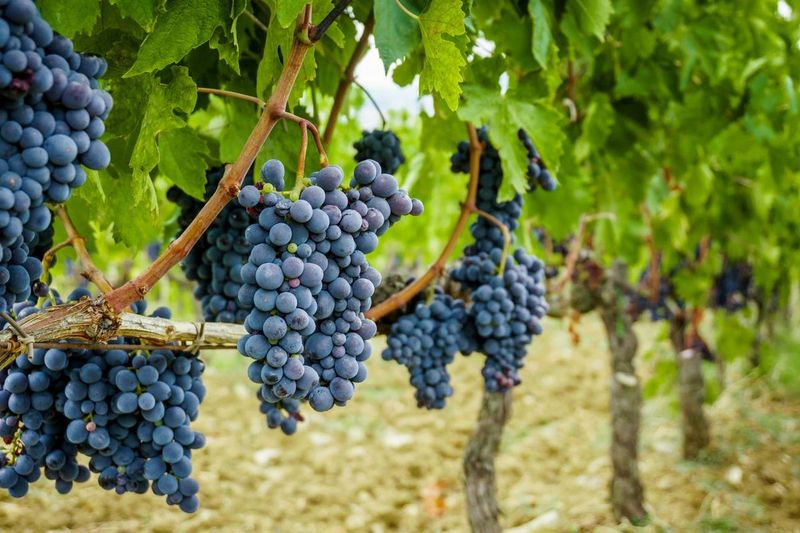
Grapevines left unpruned turn into tangled jungles that produce tiny, sparse grape clusters. These vigorous plants need firm annual pruning to channel energy into fruit rather than endless leaf growth.
Michigan’s climate suits several grape varieties beautifully, but all require the same basic pruning approach.
Dormant season pruning happens in late winter before buds break. You’ll be removing most of last year’s growth, which sounds extreme but matches how commercial vineyards operate.
Grapes fruit on shoots that emerge from one-year-old wood, making this renewal essential. Identify your main trunk and permanent arms, then focus on the canes growing from those structures.
Most home gardeners use a simple four-cane system, keeping four healthy canes and removing everything else. Each kept cane should have eight to twelve buds.
This severe pruning balances the vine’s natural vigor with fruit production. Too much leaf growth shades developing grape clusters and reduces sugar content. Properly pruned vines direct energy into fewer, better clusters.
Summer pruning also helps by removing excess foliage around fruit. This allows sunshine to reach ripening grapes and improves air circulation. Michigan’s humid summers can cause fungal problems, but good airflow from pruning reduces those risks.
Your September grape harvest reflects February’s pruning decisions. Those heavy, sweet clusters hanging in perfect bunches come from vines that received proper dormant-season attention and summer maintenance.
6. Tomato (Indeterminate Varieties)
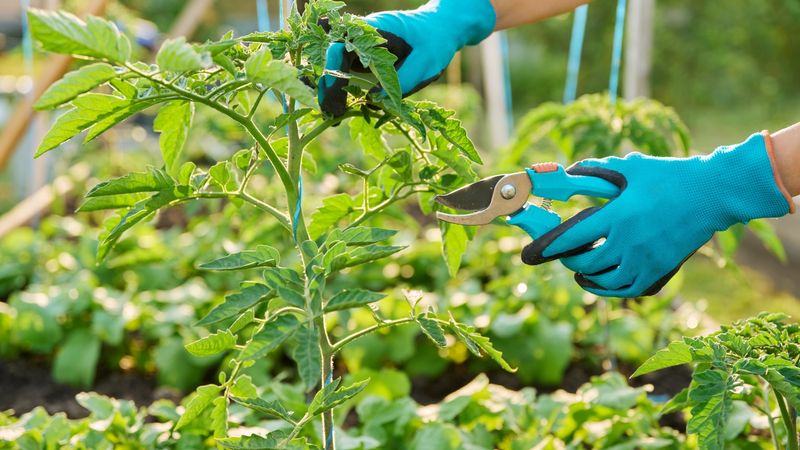
Indeterminate tomatoes keep growing taller throughout Michigan’s summer, producing fruit continuously until frost arrives.
Without pruning, these plants become massive tangles of stems and leaves that produce disappointing tomatoes. Strategic pruning transforms them into focused fruit-producing machines.
Suckers emerge where leaf stems meet the main stalk, and they’ll grow into full stems if left alone.
Removing most suckers concentrates plant energy into fewer stems that produce larger, earlier tomatoes. Pinch out suckers when they’re small and tender for easiest removal.
Keep one or two main stems depending on your support system. Single-stem plants work well on stakes, while two stems suit cage-grown tomatoes. Additional stems dilute fruit production and create dense foliage that traps moisture.
Michigan’s humid summers encourage fungal diseases like early blight and septoria leaf spot. Dense, unpruned tomato plants create perfect conditions for these problems. Pruned plants dry quickly after rain and allow better airflow around developing fruit.
Remove lower leaves once plants start setting fruit. This improves air circulation at ground level where fungal spores lurk. Keep removing leaves up to the first fruit cluster as plants grow taller.
Late summer pruning also helps by topping plants about a month before expected frost. This stops new flower production and directs energy into ripening existing tomatoes.
Your harvest improves dramatically with these simple pruning practices throughout the growing season.
7. Raspberry (Summer-Bearing Types)
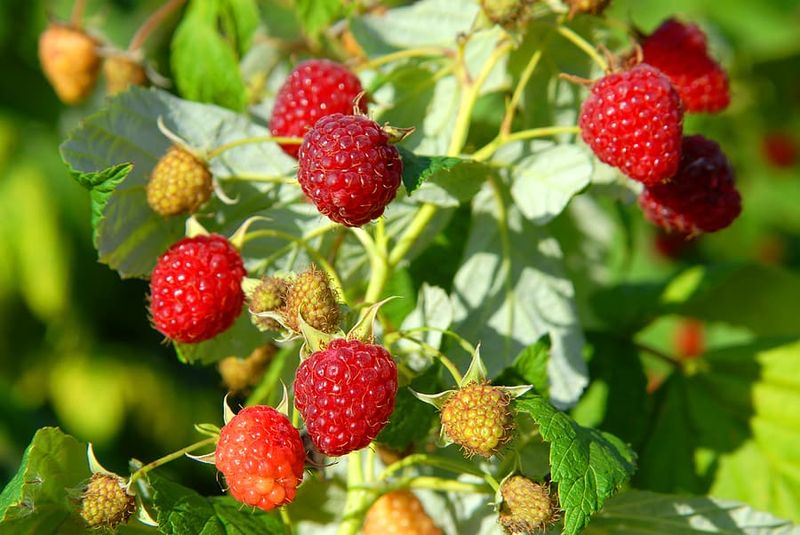
Summer-bearing raspberries operate on a two-year cycle that confuses new gardeners. Understanding this pattern makes pruning simple and dramatically improves your berry harvest.
First-year canes called primocanes grow tall and leafy but produce no fruit that season. Those primocanes overwinter and become floricanes the following year.
These second-year canes flower and fruit in early summer, then their job is finished. Cutting them out right after harvest prevents crowding and directs plant energy where it matters.
You can easily spot spent floricanes because they look brown and woody compared to green primocanes. Remove these old canes at ground level anytime after harvest through late fall. Don’t wait until spring since that delays the benefits.
Thinning primocanes also matters for next year’s crop. Each plant should have about five to seven strong canes spaced a few inches apart. Remove weak, spindly growth and canes that emerge far from the main plant.
This pruning routine prevents the dense thicket that develops in neglected raspberry patches. Crowded canes compete for light and nutrients, producing smaller berries. They also trap moisture, encouraging fungal diseases common in Michigan’s climate.
Your reward comes when summer rolls around again. Those remaining primocanes, now mature floricanes, will be loaded with plump, flavorful raspberries. The simple act of removing old wood transforms mediocre patches into productive berry factories.
8. Blackberry (Floricane-Fruiting Types)
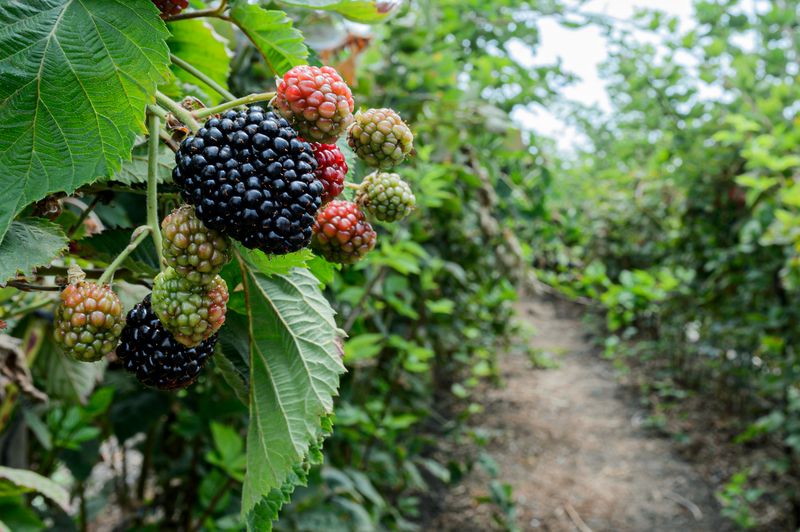
Blackberries follow the same two-year fruiting pattern as their raspberry cousins but grow more aggressively. These vigorous plants need confident pruning to stay manageable and productive.
Michigan gardeners often battle blackberry patches that spread beyond their intended space, making regular maintenance crucial. Floricane-fruiting blackberries produce fruit on second-year canes during summer.
Once those canes finish fruiting, they become useless passengers stealing resources from productive growth. Remove spent floricanes immediately after harvest by cutting them to ground level.
New primocanes emerge throughout summer and need room to develop. These canes will fruit next year, so protecting them matters. Thinning to four or five strong canes per plant prevents overcrowding and improves air circulation.
Michigan’s humidity creates perfect conditions for fungal diseases in dense blackberry thickets.
Proper pruning opens up the canopy, allowing breezes to dry leaves quickly after rain or dew. This simple airflow improvement prevents many common blackberry problems.
Consider tipping primocanes in summer when they reach five feet tall. Cutting off the top few inches encourages branching, which increases fruiting sites for next year. This technique works especially well for erect blackberry varieties.
Your summer blackberry harvest depends entirely on last year’s pruning decisions. Those heavy clusters of glossy berries come from canes that had room to develop properly without competition from exhausted old wood.
9. Currant And Gooseberry
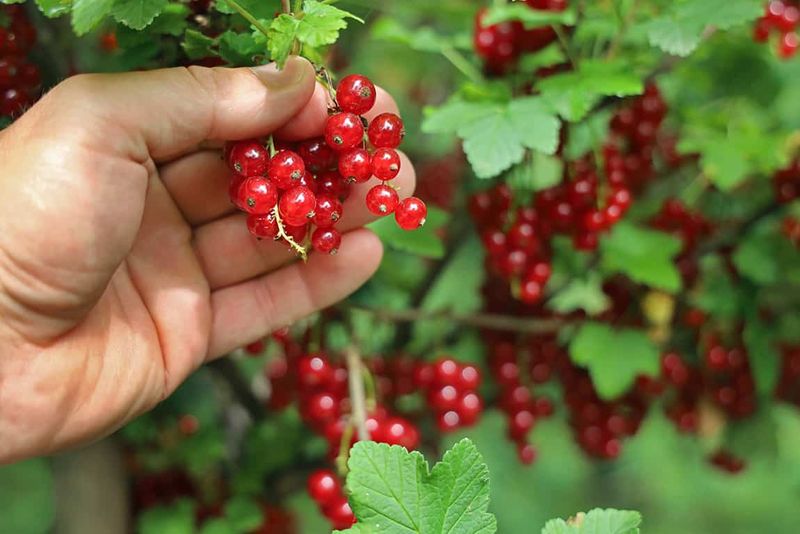
Currants and gooseberries deserve more attention in Michigan gardens since they thrive in our climate.
These productive shrubs fruit best on wood that’s one to three years old. Older stems gradually decline in productivity, making regular pruning essential for maintaining good harvests.
Late winter or early spring offers the best pruning window while bushes remain dormant. Look for stems darker and thicker than younger wood. These older branches should be cut to ground level, making room for vigorous new growth.
Each mature bush supports about nine to twelve stems of varying ages. Remove three or four of the oldest stems annually, which keeps the bush constantly renewed. New shoots emerge from the base each year to replace removed old wood.
This rotation system maintains peak productivity indefinitely. Bushes pruned this way produce larger berries in greater quantities than neglected plants. The difference becomes obvious at harvest when properly maintained bushes yield several quarts of fruit.
Thinning also improves air circulation through the bush center. Michigan’s humid conditions can encourage powdery mildew on currants and gooseberries. Good airflow from pruning reduces disease pressure significantly.
Your summer harvest of tart, flavorful berries depends on winter pruning sessions. These underappreciated fruits make excellent jams and pies, and proper pruning ensures you’ll have plenty for preserving.
The annual maintenance takes minimal time but dramatically extends productive bush life.