8 Crops You Should Plant In Arizona During The Waxing Moon
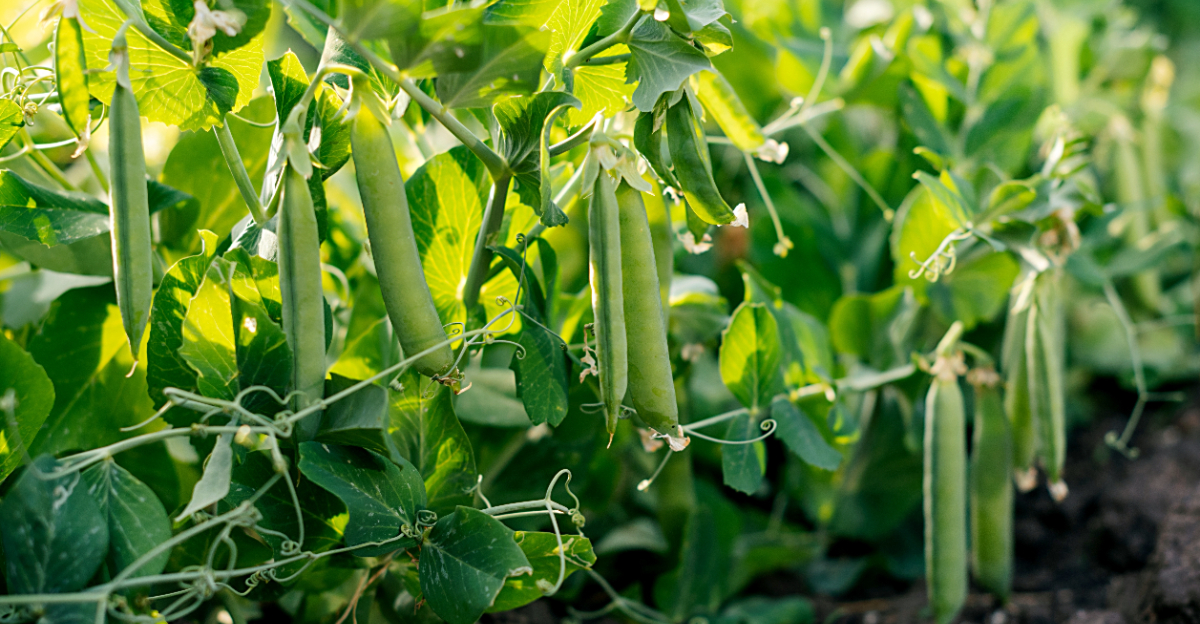
Planting by the moon is not about superstition in Arizona, it is about timing growth when conditions already work in your favor.
The waxing moon lines up perfectly with the way many crops push leaf growth, making it a smart window to plant when desert soil is warming and days are getting brighter.
Arizona’s climate rewards gardeners who pay attention to small advantages, and lunar timing is one of them. When seeds go into the ground during the waxing moon, roots establish faster and above-ground growth often looks stronger early on.
When timing, temperature, and moisture align, your garden responds with steadier growth and fewer setbacks.
Lunar planting is a traditional gardening practice rather than proven science, but many Arizona gardeners notice that waxing moon periods often line up naturally with warming soil and early growth conditions that favor strong plant establishment.
1. Leafy Greens Respond Well To Early Above-Ground Growth
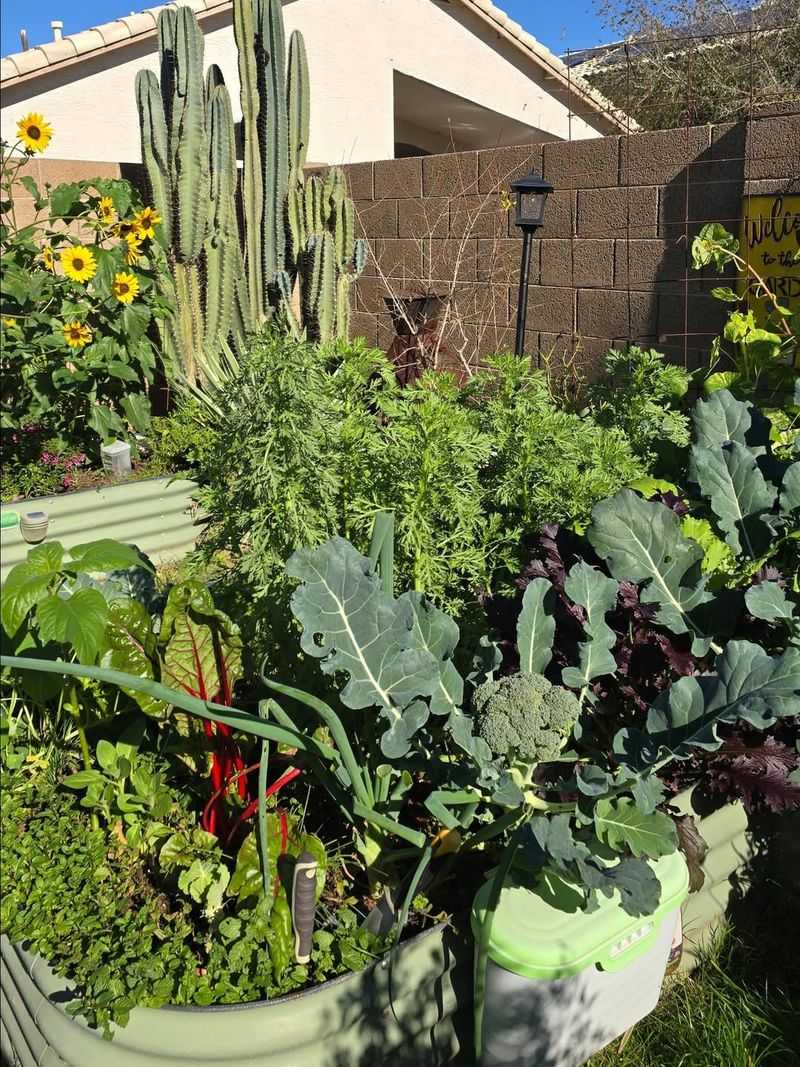
Lettuce, spinach, and kale flourish when you plant them as the moon begins its journey toward fullness. Arizona gardeners in Maricopa County and beyond have noticed that these greens establish faster and develop stronger leaf structures during this lunar phase.
The increased moisture pull from the waxing moon helps seeds break dormancy quickly, often sprouting within just three to five days.
Temperature timing matters tremendously for leafy greens in Arizona’s climate. Plant during the cooler months between October and March, when daytime temperatures stay below 85 degrees.
The waxing moon period gives these crops the push they need to develop robust root systems before heat stress becomes a concern.
Your greens will channel energy into producing tender, flavorful leaves rather than bolting to seed. This makes them perfect candidates for lunar planting strategies.
The combination of favorable moon phase and Arizona’s intense sunlight creates ideal conditions for photosynthesis, resulting in darker green coloration and better nutrient density.
Space your lettuce plants about six inches apart in well-draining soil amended with compost. Water consistently in the early morning to prevent leaf scorch.
Many Tucson gardeners report that greens planted during the waxing moon reach harvest size seven to ten days faster than those planted during other lunar phases, giving you fresh salad ingredients sooner than expected.
2. Beans Take Advantage Of Faster Germination Timing
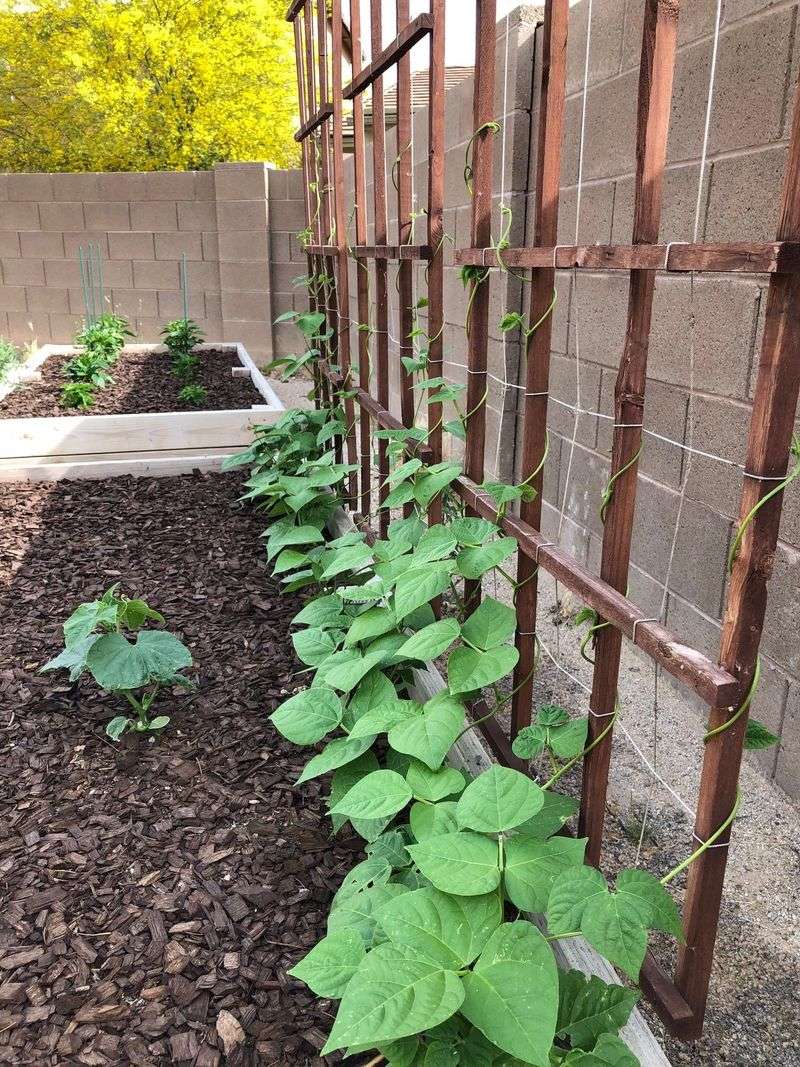
Bush beans and pole varieties both benefit dramatically from waxing moon planting schedules in Arizona gardens. This rapid start gives beans a competitive advantage in Arizona’s short spring growing window before summer heat arrives.
Plant your beans after the last frost date in your area, typically mid-March in lower desert regions like Phoenix and Yuma. The soil should feel warm to the touch, ideally reaching 60 degrees or higher.
Beans planted during the waxing moon develop stronger stems that can better support heavy pod production later in the season.
Direct sowing works best for beans since they dislike transplanting. Push seeds about one inch deep and space them three inches apart in rows.
Arizona’s alkaline soil benefits from sulfur amendments, which beans particularly appreciate. The increased sap flow during the waxing moon helps young plants establish quickly and begin flowering earlier.
Pole beans planted during this lunar phase will climb their supports more vigorously, often reaching the top of six-foot trellises within five weeks.
Bush varieties stay more compact but produce heavier yields when their early growth coincides with the waxing moon’s energy.
Many Flagstaff gardeners with shorter seasons rely on this timing to maximize their bean harvest before fall frost returns.
3. Corn Benefits From Strong Early Vertical Growth
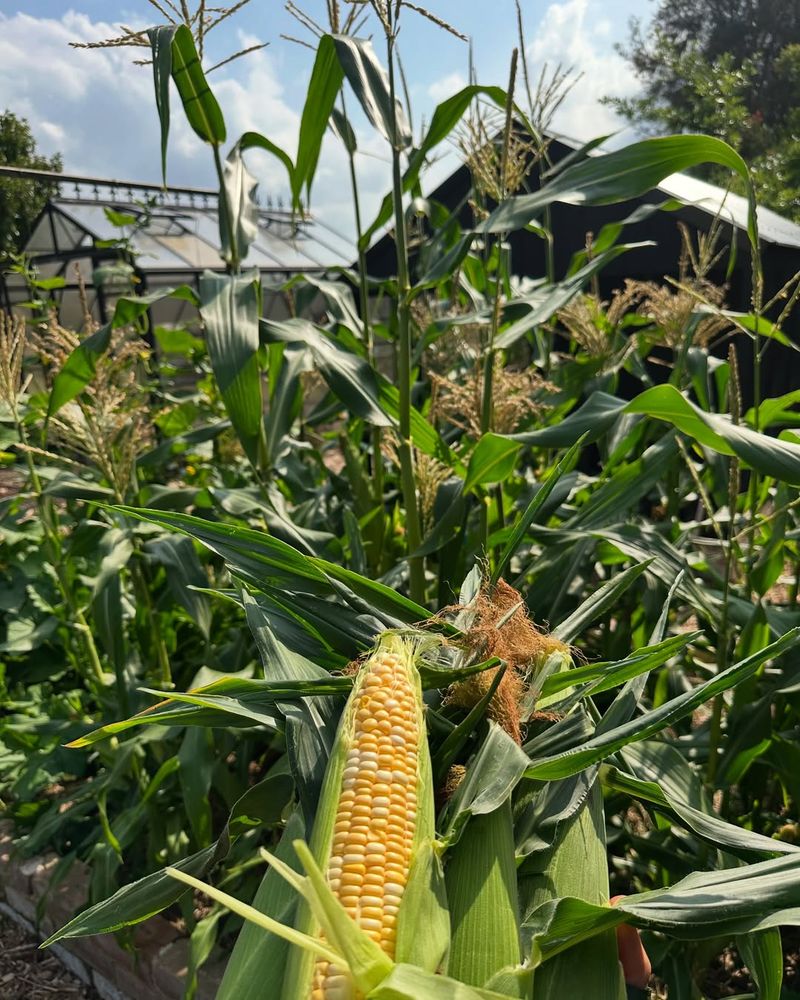
Corn stands tall as one of the most responsive crops to waxing moon planting in Arizona.
Native American farmers in the Southwest have followed lunar cycles for corn planting for centuries, recognizing that this grain thrives when given the upward momentum that comes with increasing moonlight.
The plant’s natural tendency toward vertical growth gets amplified during this phase, resulting in sturdier stalks that can withstand Arizona’s strong spring winds.
Wait until nighttime temperatures consistently stay above 55 degrees before planting corn in Arizona. For most regions, this means late March through early May.
The waxing moon period encourages rapid germination, and you’ll see shoots breaking through the soil within five to seven days when conditions align properly.
Corn requires more water than many desert-adapted crops, but the waxing moon’s influence on soil moisture helps reduce irrigation needs during the critical establishment period. Plant seeds in blocks rather than single rows to ensure proper pollination later.
Space seeds about eight inches apart and thin to twelve inches once seedlings reach four inches tall.
Arizona’s intense sunlight combines beautifully with the growth energy of the waxing moon phase. Corn planted during this time develops deeper green coloring in its leaves, indicating higher chlorophyll content and more efficient photosynthesis.
Gardeners in Casa Grande and other agricultural areas report that corn planted during the waxing moon produces ears with fuller kernel development and sweeter flavor.
4. Cucumbers Push Out Vines Quickly During Warm Phases
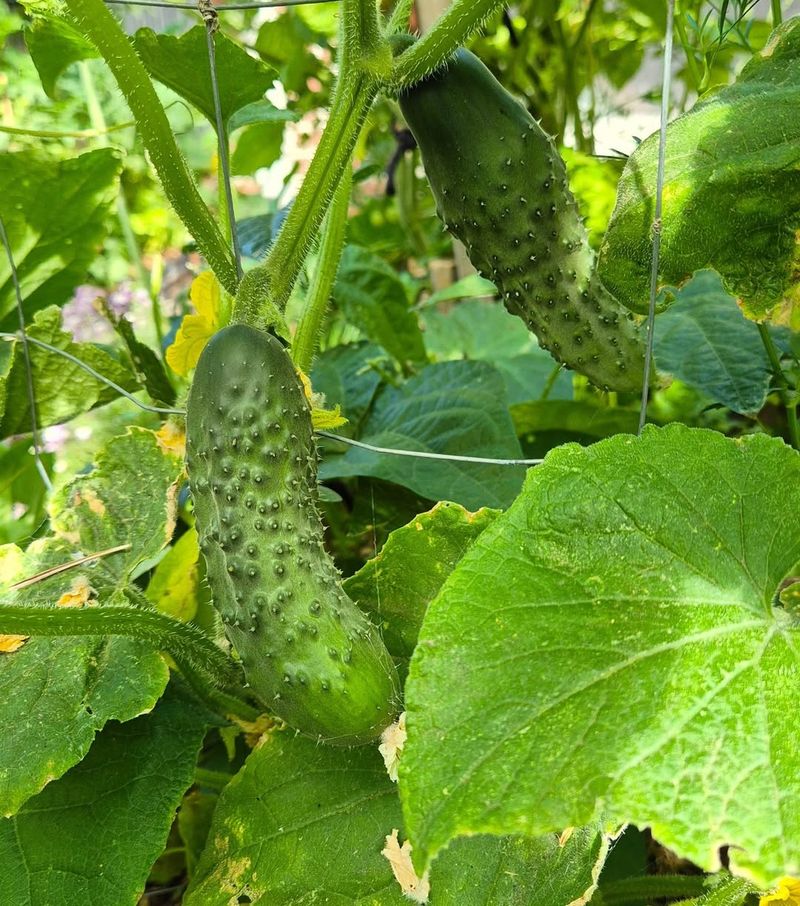
Few crops demonstrate the waxing moon’s influence quite like cucumbers. These vigorous vines seem to grow visibly faster when planted as the moon increases, sending out runners and tendrils with remarkable speed.
Arizona gardeners can take advantage of this accelerated growth by timing cucumber planting to coincide with the waxing phase during the spring season.
Soil temperature drives cucumber success in Arizona more than almost any other factor. Wait until the ground reaches at least 70 degrees before planting, which typically occurs in late March for southern Arizona and mid-April for higher elevations.
The waxing moon enhances the plant’s ability to establish quickly and begin flowering within three weeks of germination.
Cucumbers planted during this lunar phase develop more extensive root systems, which proves crucial for surviving Arizona’s dry conditions.
The increased sap flow characteristic of waxing moon periods helps these plants transport water and nutrients more efficiently from roots to rapidly expanding vines.
This means less transplant shock and faster establishment.
Create mounds or raised rows for cucumber planting to improve drainage and warm the soil faster. Plant three seeds per mound and thin to the strongest seedling.
Mesa and Chandler gardeners often train cucumbers onto vertical trellises, and vines planted during the waxing moon reach the top support within four weeks.
The combination of lunar timing and Arizona’s long daylight hours produces heavy yields of crisp, flavorful cucumbers throughout the late spring and early summer months.
5. Squash Establishes Faster When Planted For Leaf Growth
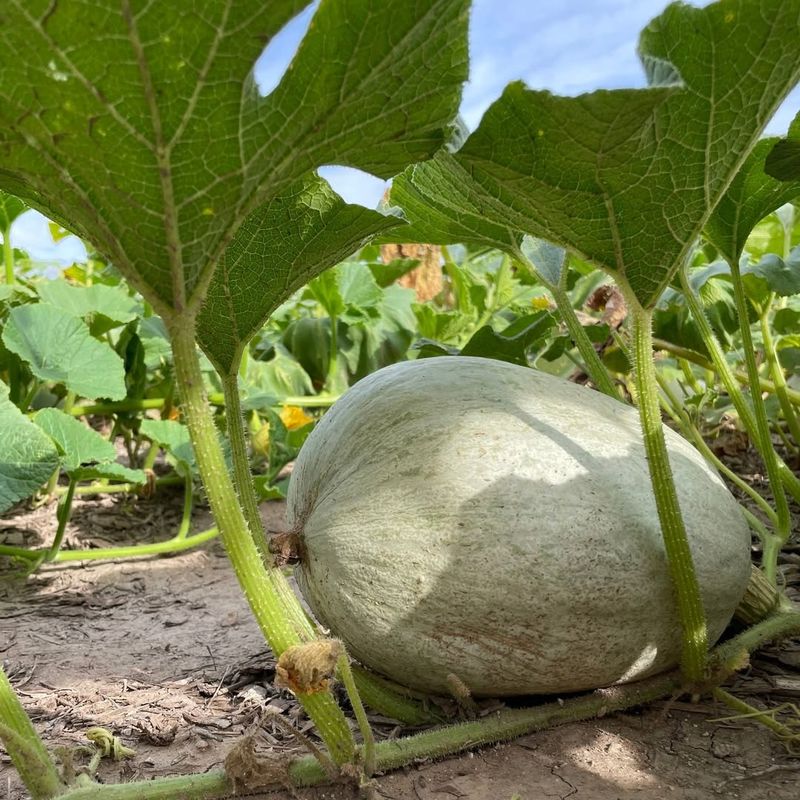
Summer squash varieties including zucchini and yellow crookneck respond enthusiastically to waxing moon planting in Arizona gardens. The rapid leaf development that characterizes this lunar phase perfectly matches squash plants’ natural growth pattern.
These heavy feeders channel the increased nutrient flow during the waxing moon into producing the large leaf canopy they need for successful fruit production.
Timing matters critically for squash in Arizona’s climate zones. Plant after all frost danger passes but before temperatures regularly exceed 95 degrees.
For most areas, this creates a window from mid-March through April. Seeds planted during the waxing moon germinate within four to six days, compared to seven to ten days during other lunar phases.
Squash plants develop their characteristic large, scratchy leaves more quickly when planted with the increasing moon. This early leaf development provides crucial shade for developing fruits and helps the plant withstand Arizona’s intense solar radiation.
The expanded leaf surface area also means more photosynthesis and faster fruit production.
Prepare planting areas with plenty of compost and ensure good drainage. Squash plants need consistent moisture but will suffer in waterlogged soil.
Space plants about three feet apart to allow for their spreading growth habit. This spacing improves air circulation and helps each plant handle Arizona heat without competing for water or nutrients.
6. Melons Use The Waxing Phase To Build Vining Strength
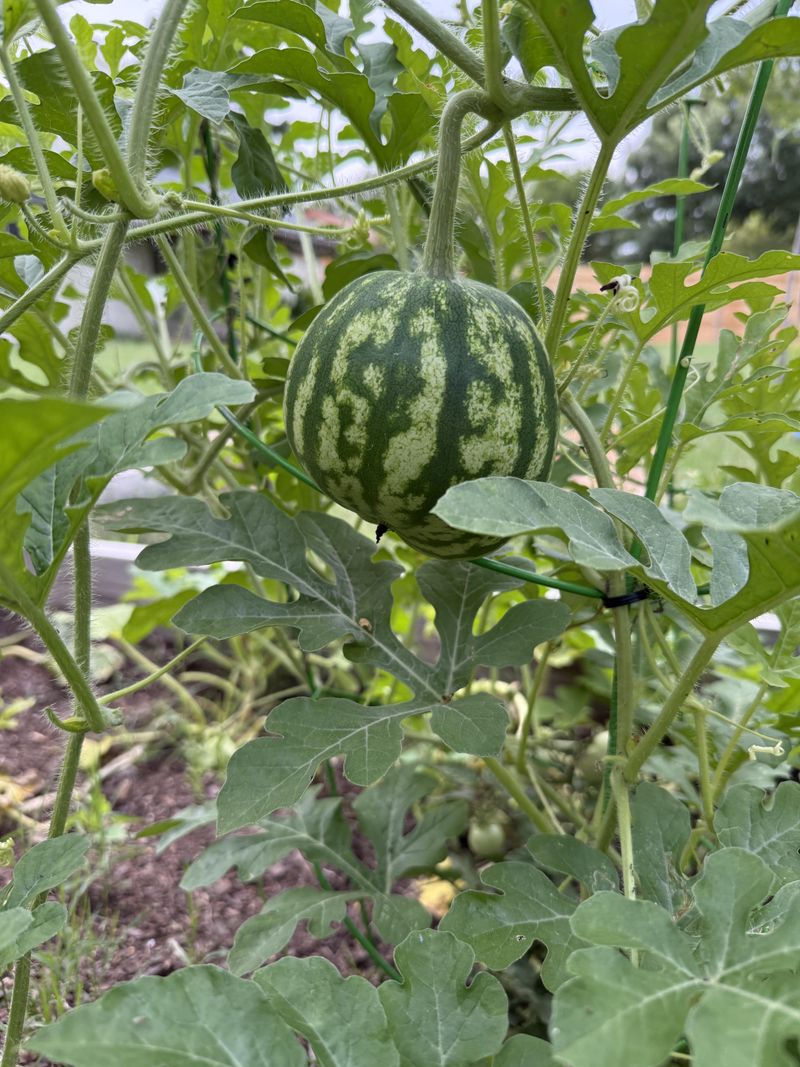
Watermelons, cantaloupes, and honeydew melons all demonstrate impressive growth responses when planted during Arizona’s waxing moon periods.
Arizona’s long, hot summers provide ideal conditions for melons, but getting them started properly makes all the difference.
Wait for consistently warm soil before planting melons in Arizona, ideally when ground temperature reaches 75 degrees or higher. This usually occurs in April for southern regions and May for northern areas.
The waxing moon phase accelerates germination, and you’ll see seedlings emerge within five to eight days when conditions align favorably.
Melons planted during this lunar phase develop more vigorous vines that cover ground quickly, shading the soil and reducing moisture loss through evaporation. This self-mulching effect proves particularly valuable in Arizona’s arid climate.
The increased sap flow during the waxing moon also helps young plants recover more quickly from the stress of transplanting if you start with seedlings.
Create hills or mounds about six feet apart for melon planting, adding plenty of aged manure or compost. Melons are heavy feeders that appreciate rich soil.
Gardeners in Goodyear and Avondale find that melons planted during the waxing moon produce larger fruits with better sugar content, likely because the strong early vine growth supports more efficient nutrient transport to developing melons later in the season.
7. Peppers Set Roots While Focusing On Top Growth
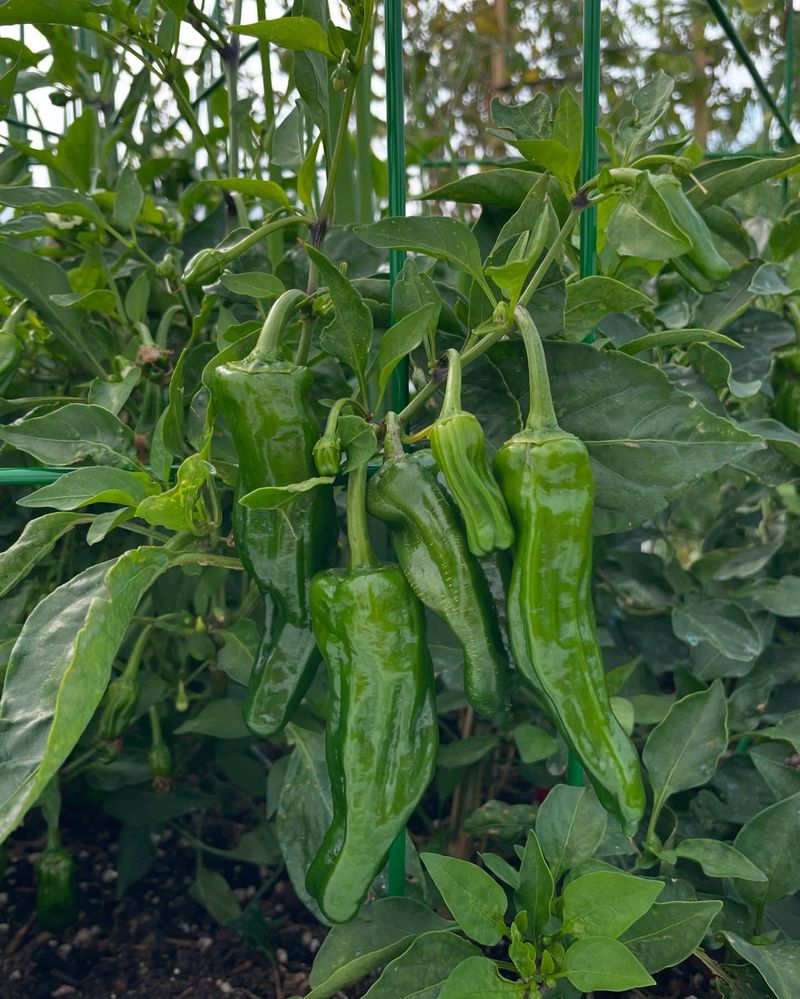
Bell peppers, jalapeños, and other pepper varieties exhibit interesting growth patterns when planted during the waxing moon in Arizona. While peppers eventually produce fruits, their initial growth phase focuses heavily on developing stems and foliage.
The waxing moon’s influence on above-ground growth aligns perfectly with this early developmental stage, helping pepper plants establish the strong framework they need for later fruit production.
Arizona’s extended growing season allows for two pepper plantings annually in many areas. Spring planting should occur after nighttime temperatures stay consistently above 55 degrees, typically late March through April.
The waxing moon period gives transplanted peppers the boost they need to overcome transplant shock and begin active growth within days rather than weeks.
Peppers planted during this lunar phase develop thicker stems and more branching, which translates to more flowering sites and ultimately heavier fruit production.
The increased nutrient flow characteristic of waxing moon periods helps these plants build the cellular structure necessary to support heavy pepper loads without stems breaking or bending.
Choose a planting site with full sun exposure and amend Arizona’s alkaline soil with sulfur and compost. Space pepper plants eighteen inches apart in rows.
Many Peoria and Glendale gardeners start peppers indoors six weeks before the last frost, then transplant during the waxing moon for optimal establishment.
Peppers planted with favorable lunar timing often begin flowering two weeks earlier and produce their first harvestable fruits about ten days ahead of peppers planted during other moon phases.
8. Tomatoes Channel Energy Into Stems And Leaves First
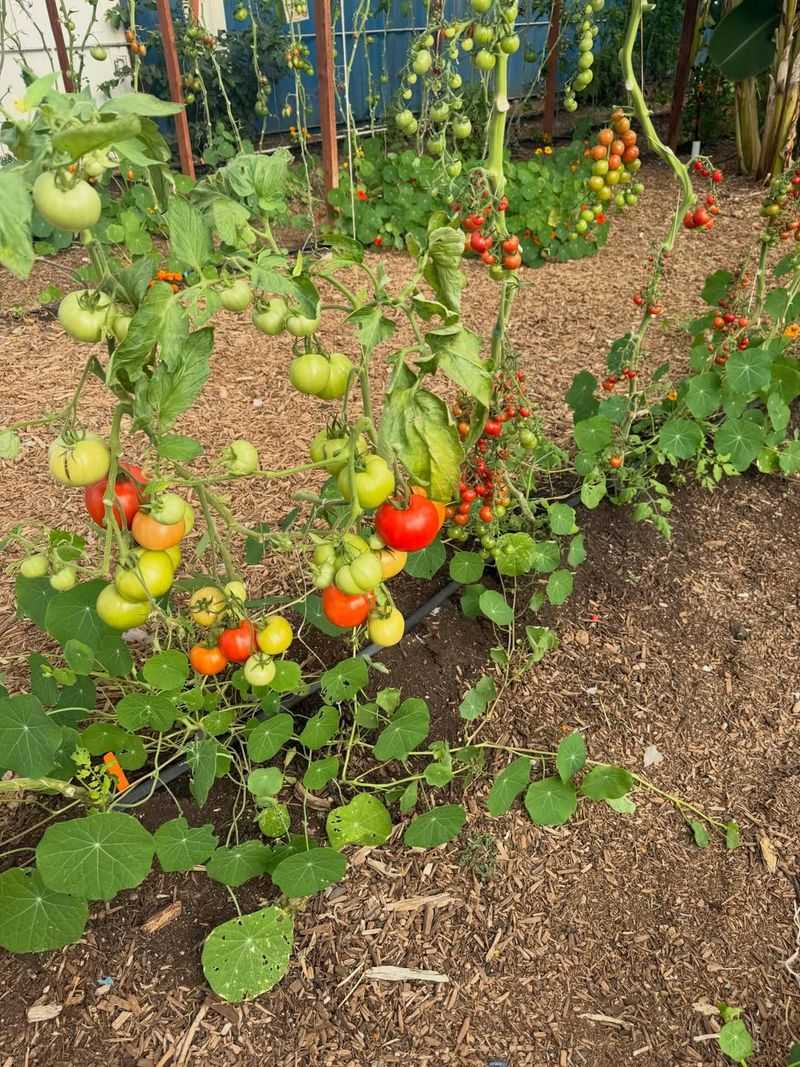
Tomatoes rank among Arizona gardeners’ favorite crops, especially in spring planting season. Planting them during the waxing moon supports strong early growth that helps plants perform better once flowering begins.
This vegetative growth phase matches perfectly with the waxing moon’s influence on above-ground plant parts, creating ideal conditions for establishing robust tomato plants.
Spring tomato planting in Arizona should happen after frost danger passes completely, usually mid-March for low desert areas and late April for higher elevations.
The waxing moon period encourages rapid establishment of transplants, with new growth visible within three to four days of planting.
This quick start helps tomatoes develop the root and stem structure needed before Arizona’s intense heat arrives.
Tomatoes planted during the waxing moon develop stockier stems with shorter distances between leaf nodes, creating stronger plants less prone to lodging or breaking.
The increased sap flow during this phase helps transplants overcome the stress of moving from containers to garden beds, reducing the typical wilting and slow growth that often follows transplanting.
Dig deep holes and plant tomatoes so that only the top few leaves show above ground. Buried stem portions will develop additional roots, anchoring plants firmly.
Arizona gardeners in Tempe and Apache Junction report that tomatoes planted during the waxing moon begin setting fruit about one week earlier.
These plants also produce more tomatoes over the season because their early growth builds a stronger, more productive framework.