Cut Down Ticks In Your Ohio Yard With These Simple Fixes
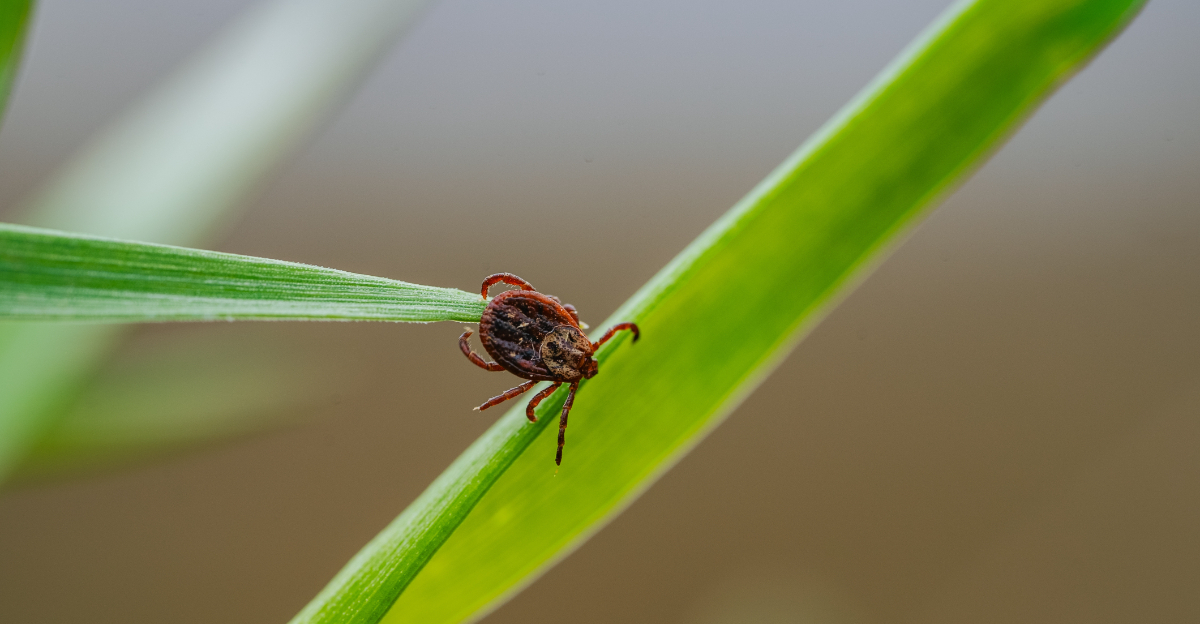
Ticks don’t just show up out of nowhere. They settle in where conditions are just right.
And in many Ohio yards, those conditions are easier to create than most people realize. What looks like a normal, well-kept backyard can quietly become the perfect place for ticks to hide, wait, and hitch a ride on people, pets, or passing wildlife.
That is what makes yard prevention so important. You may not be able to keep every tick away, but you can make your property much harder for them to use.
A few targeted changes can cut down their hiding spots, reduce risky yard edges, and help you feel a lot more comfortable spending time outside.
1. Clear Out Tick Hiding Spots Fast
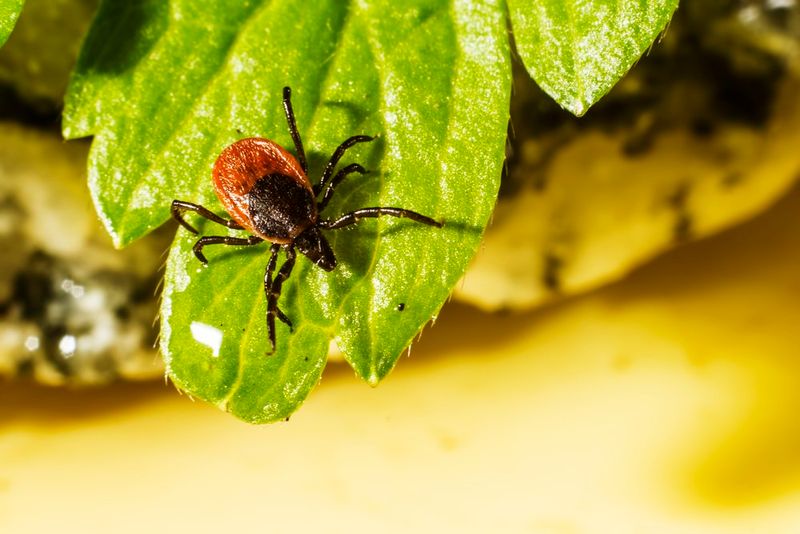
Walk around your yard right now and you might be surprised by how many cozy hiding spots ticks have already claimed. Brush piles, overgrown corners, tangled weeds, and dense ground cover are exactly the kinds of places ticks love most.
They are not fans of open, sunny spaces. According to the CDC, ticks thrive in shaded, humid environments with plenty of leaf cover and vegetation to shelter in.
Ohio State University Extension points out that the edges where your lawn meets wooded or brushy areas are especially high-risk zones. These transitional spaces stay moist longer and offer ticks the protective cover they need to survive and wait for a passing host.
Clearing out that overgrowth along fence lines, behind sheds, and near tree lines is one of the most direct ways to reduce tick-friendly habitat on your property.
Start by removing old brush piles you may have left over from yard cleanup. Bag up fallen sticks and woody debris that has been sitting in corners for weeks or months.
Pull back any dense ground cover plants that create a thick, shaded layer close to the soil. Ticks cannot tolerate dry, sunny conditions for long, so exposing these areas to more light and airflow naturally makes them less suitable for tick survival.
You do not need to tear up your entire landscaping plan. Even small improvements, like clearing a neglected side yard or opening up a shaded garden bed, can meaningfully reduce the places where ticks can hide and wait.
Consistency matters more than perfection here, so make this part of your regular yard routine each spring and summer.
2. Keep Your Grass Short And Dry
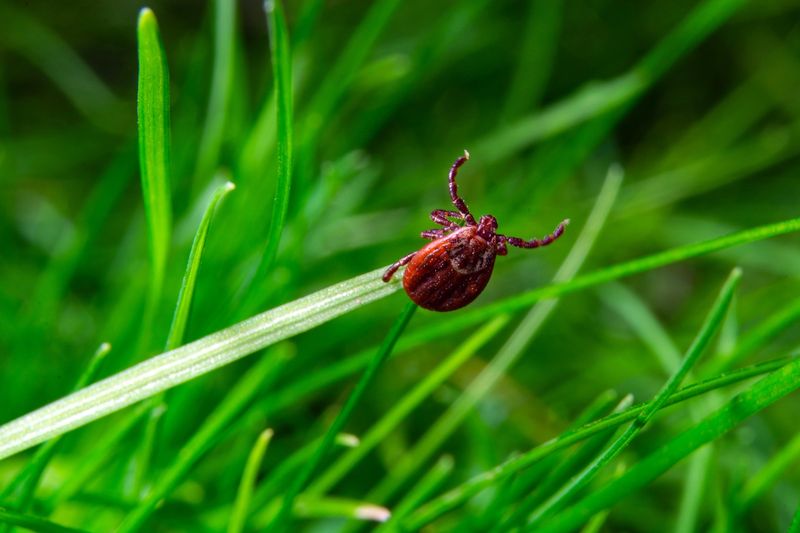
There is a reason tick experts consistently point to tall grass as a major problem. When your lawn gets shaggy, the blades trap moisture close to the ground and create a cool, humid microclimate that ticks find very comfortable.
Keeping your grass trimmed to around two to three inches is one of the simplest habits you can build to make your yard less tick-friendly throughout the warm months.
The CDC recommends mowing regularly as a core part of any tick habitat reduction strategy. Short grass dries out faster after rain, gets more direct sunlight, and offers far less shelter for ticks looking for a place to rest between hosts.
Your Ohio Garden Changes Every Week. Your Plan Should Too.
Gardening in Ohio changes quickly throughout the season. Every Friday you’ll receive a simple weekly plan showing exactly what to plant, prune, fertilize, harvest, and protect so you never miss the right timing.
Ohio summers can be humid, so giving ticks fewer places to stay cool and moist is a meaningful step in the right direction.
Try to mow on a consistent schedule rather than letting the lawn go for two or three weeks between cuts. A routine weekly or biweekly mow during peak growing season keeps the grass from ever getting tall enough to become a problem.
Pay extra attention to areas near the edges of your yard, along fence lines, and around garden beds where grass tends to grow faster and stay shaded longer.
Watering habits also play a role here. Overwatering your lawn keeps the ground soggy and humid, which benefits ticks more than your grass.
Water deeply but less frequently to encourage strong root growth while allowing the soil surface to dry between sessions. Combining smart mowing with thoughtful watering gives you a drier, less hospitable yard without a lot of extra effort.
3. Create A Barrier Between Lawn And Woods

If your backyard backs up to woods, a field, or even a heavily shrubby area, ticks have a natural highway right into your lawn. One of the most well-supported strategies from the CDC involves creating a physical barrier that interrupts that path.
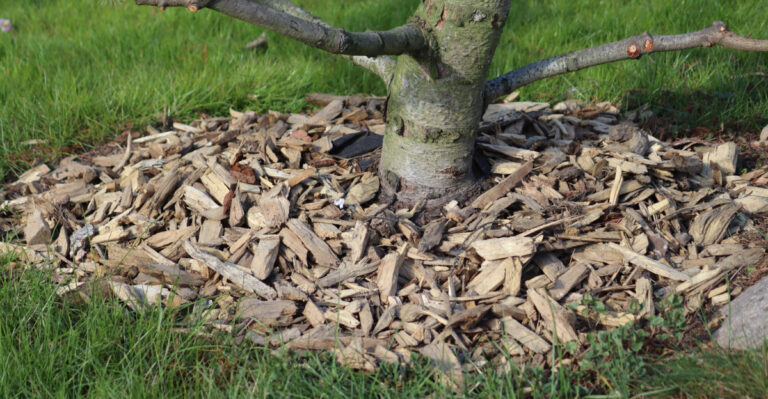
A three-foot-wide strip of wood chips, mulch, or gravel placed along the boundary between your mowed lawn and any wild or wooded area can significantly slow tick movement into your yard.
Ticks are not great travelers on their own. They move by latching onto passing hosts or slowly crawling through vegetation.
When they encounter a wide, dry, open strip of gravel or wood chips, they tend to stay put rather than cross it. This kind of barrier works because it removes the moist, shaded cover that ticks depend on when moving from one area to another.
Harvard Medical School’s Lyme Disease Research Center also highlights this barrier approach as a practical and low-cost yard modification. You can install a wood chip border yourself over a weekend with materials from any garden supply store.
Lay it thick enough, at least three to four inches deep, to keep the ground underneath dry and inhospitable.
Gravel works especially well along fence lines and wooded edges because it drains quickly and stays dry between rain events. Decorative stone can serve the same function while also improving the visual appeal of your yard.
Keep the barrier clear of leaf litter and debris throughout the season so it stays effective. Refreshing the mulch or wood chips once a year helps maintain the barrier’s ability to deter tick movement over time.
4. Cut Back Overgrown Edges And Shrubs
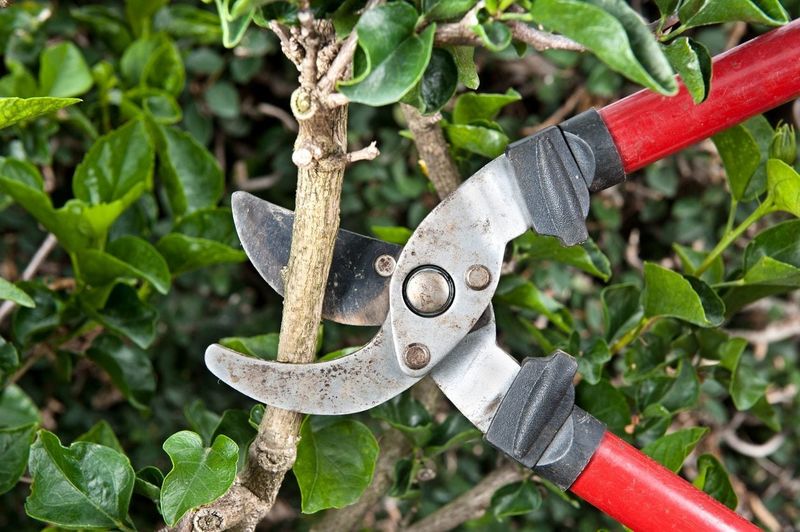
Shrubs and hedges are a great part of any Ohio yard, but when they get overgrown, they create a dense, shaded environment that stays damp long after rain. Ticks are drawn to exactly these kinds of spots.
Branches that hang low to the ground, thick hedges that block airflow, and untrimmed edges along garden beds all contribute to the kind of humid microclimate ticks prefer.
Pruning your shrubs and hedges regularly does more than keep your yard looking neat. It opens up airflow through the plants, allows more sunlight to reach the soil beneath them, and speeds up drying time after wet weather.
Ohio State University Extension guidance on tick habitat reduction supports trimming vegetation as a way to make your landscape less suitable for tick activity without removing plants entirely.
Focus your trimming efforts on the lower portions of shrubs first. Cutting back the bottom branches allows sunlight and air to reach the ground level, which is where ticks spend most of their time.
Thick hedges along property lines, ornamental shrubs near patios, and foundation plantings close to the house are all worth checking and trimming back during spring and again mid-summer.
While you are at it, look for any spots where plants have grown into each other and created a thick tangle. Those overlapping areas stay especially dark and damp.
Separating and thinning out crowded plants improves the overall health of your landscaping and removes the shaded cover ticks need.
A pair of good-quality pruning shears and a consistent seasonal schedule are really all it takes to keep this strategy working well throughout the year.
5. Remove Leaf Litter And Yard Debris
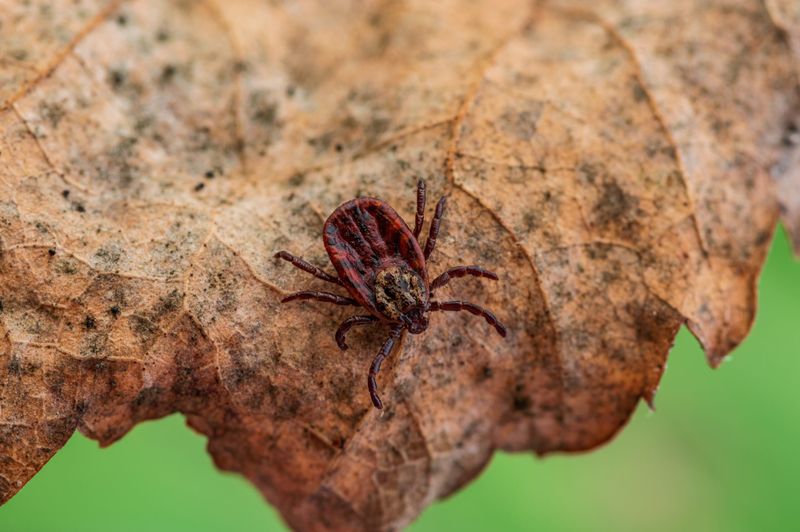
Autumn in Ohio is beautiful, but those piles of fallen leaves sitting in your yard are doing ticks a real favor. Leaf litter is one of the top tick habitats identified by the CDC.
A thick layer of decomposing leaves holds moisture, stays cool, and provides exactly the kind of protective cover that ticks need to survive through the season and into the following spring.
It is not just leaves either. Fallen branches, old mulch that has broken down into a soggy mat, scattered wood scraps, and garden debris left over from the previous season all contribute to the same problem.
Any organic material that piles up and stays damp becomes potential tick habitat. The more of it you clear out, the fewer suitable hiding spots remain.
Raking and bagging leaves promptly after they fall is the most straightforward approach. Waiting until all the leaves have dropped and then doing one big cleanup is better than letting them sit for weeks.
If you have a lot of trees, consider doing two or three rounds of raking through the fall rather than one massive end-of-season effort. Bagged leaves should be removed from the property or composted away from high-use yard areas.
Spring cleanup matters just as much as fall. Any debris that accumulated over winter, including matted leaves, declined plant material, and scattered branches, should be cleared out before tick season really gets going.
In Ohio, nymphal ticks become active in May and June, so getting your yard cleaned up in early spring puts you ahead of the most active part of the tick season.
Staying on top of debris removal throughout the year is one of the most consistent things you can do to lower tick habitat around your home.
6. Discourage Wildlife That Carry Ticks
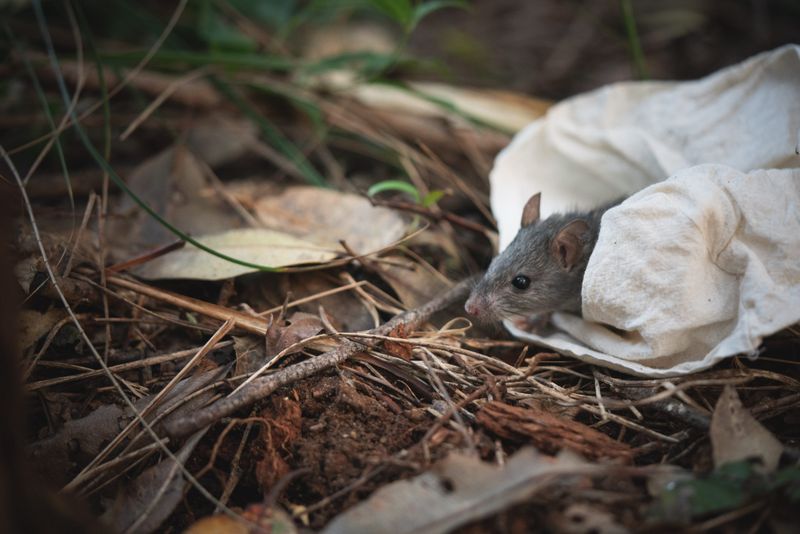
Deer, mice, chipmunks, and other wildlife are not just visitors to your yard. They are also tick taxis.
These animals carry ticks from wooded areas directly into your lawn, dropping them off as they move through your property.
According to the University of Rhode Island’s TickEncounter Resource Center, white-footed mice are actually the primary reservoir host for Lyme disease-causing bacteria, making rodent management a genuinely useful part of any tick reduction strategy.
Deer are another major contributor. A single deer can carry hundreds of ticks, and if deer are regularly moving through your yard, they are consistently introducing new ticks into your space.
Reducing deer access does not have to mean installing a full fence around your entire property.
Deer-resistant plants, motion-activated sprinklers, and commercial deer repellent sprays applied around the yard perimeter can all help reduce how often deer wander in.
Rodent management focuses more on removing the things that attract mice and chipmunks in the first place. Birdfeeders are a big one.
Seeds that fall to the ground attract rodents, and rodents carry ticks. Moving feeders away from your main yard area or switching to feeders that minimize spill can help.
Storing firewood in a neat, elevated stack away from the house also removes a common rodent shelter spot.
Securing trash cans, covering compost bins, and avoiding leaving pet food outside overnight all reduce the food sources that bring wildlife close to your home.
None of these steps will completely stop wildlife from passing through, but cutting down on what attracts them means fewer animals and fewer ticks making their way into your yard on a regular basis.
7. Use Targeted Treatments The Right Way
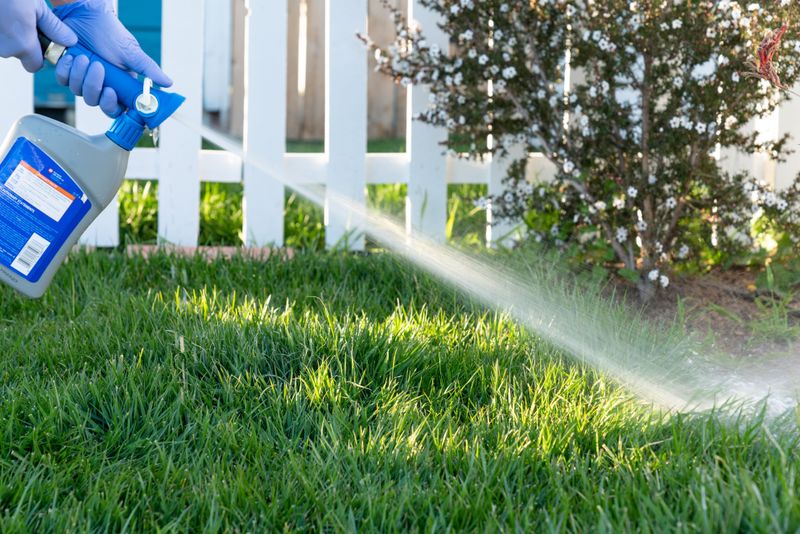
Sometimes yard maintenance alone is not enough, and that is where targeted tick control treatments come in.
The CDC recognizes the use of acaricides, which are pesticides specifically formulated to reduce tick populations, as part of a broader yard management approach.
When used correctly and at the right time of year, these treatments can be a meaningful part of lowering tick activity in high-risk areas of your property.
Timing matters a lot with these applications.
Ohio State University Extension and CDC guidance both suggest that a single well-timed treatment in May or early June can be especially effective because it targets nymphal ticks, which are the most active stage during late spring and early summer and the stage most associated with disease transmission.
Applying treatments too early or too late in the season reduces their effectiveness considerably.
You do not need to spray your entire yard. Targeted application along the edges where your lawn meets wooded or brushy areas is where tick activity is highest.
Treating those transition zones rather than the whole lawn is both more practical and more responsible from an environmental standpoint.
Many professional pest control companies offer tick-targeted yard treatments and can help you identify the highest-risk zones on your specific property.
Tick tubes are another option worth knowing about. These are cardboard tubes filled with permethrin-treated cotton that mice collect for nesting material.
The permethrin then affects ticks that feed on those mice, targeting the problem at the rodent host level.
Whatever treatment method you consider, always read product labels carefully, follow all safety instructions, and consult your local cooperative extension office if you have questions about what is appropriate for your yard and situation.