10 Cyclamen Care Tips California Gardeners Need For Beautiful Winter Blooms
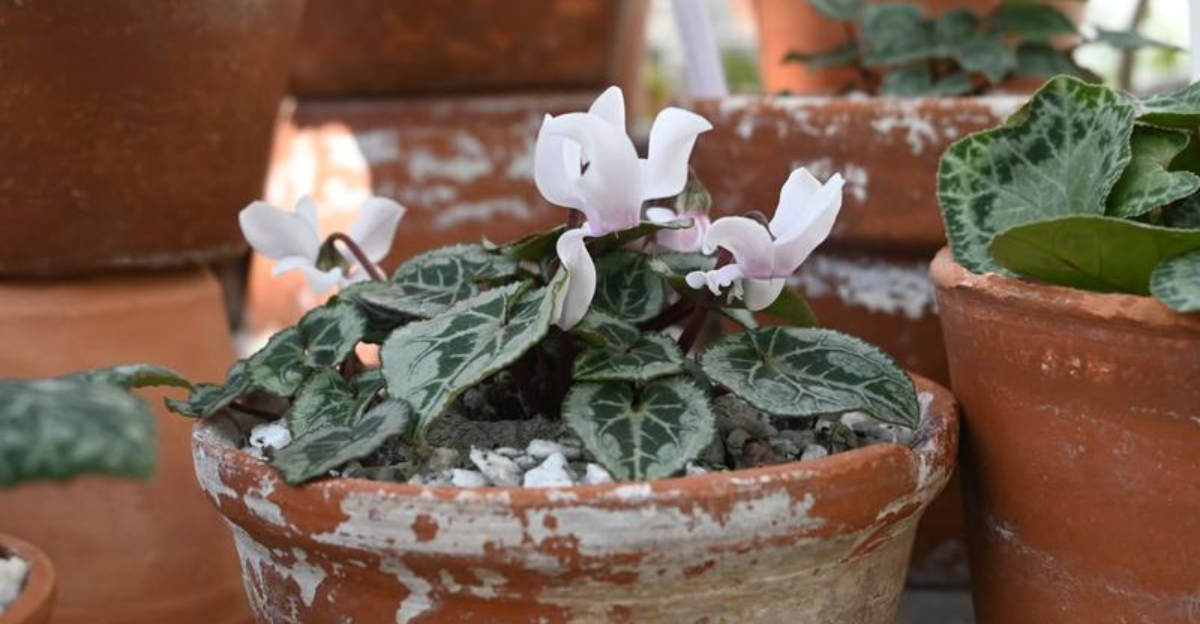
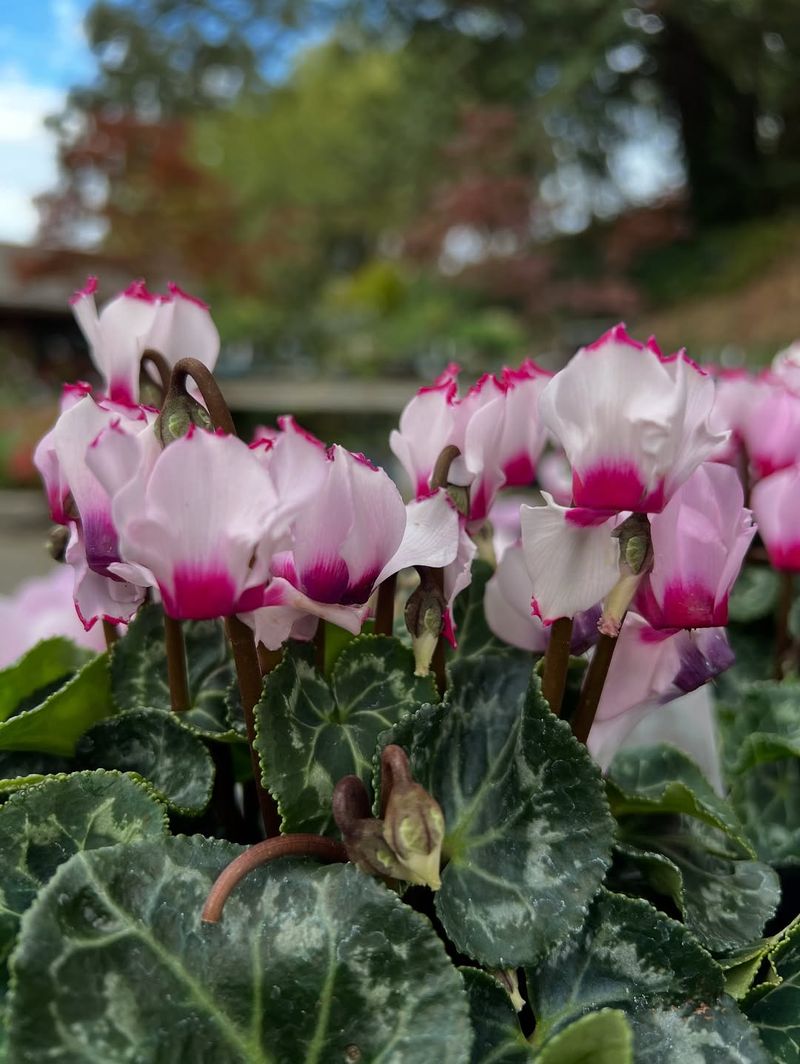
California gardeners are turning to cyclamen for bright winter color, and many are looking for simple tips that keep those blooms steady through cooler months.
Each plant reacts differently to changes in light and moisture, creating small moments of surprise as homeowners adjust their care routines day by day.
The growing interest shows how much joy people find in watching these delicate flowers stay vibrant when the rest of the garden feels quiet.
1. Choose the Right Location with Filtered Sunlight
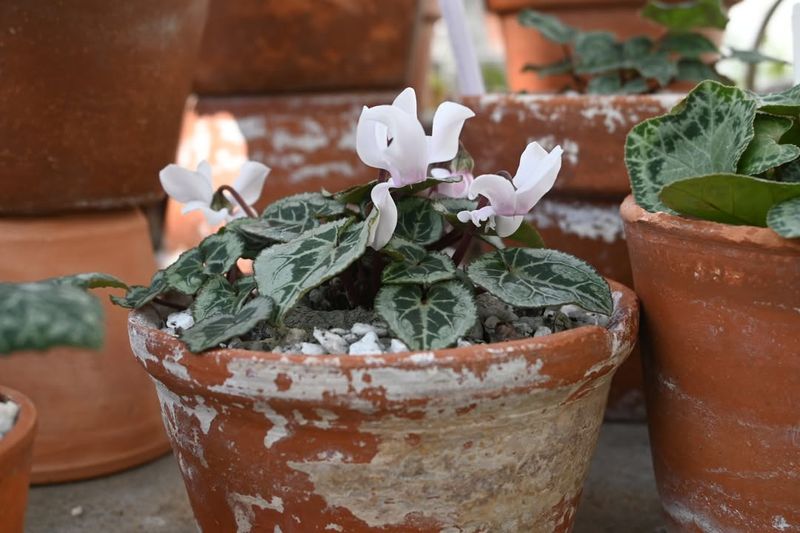
Finding the perfect spot for your cyclamen makes all the difference in how well they perform throughout winter in California gardens.
Morning sun combined with afternoon shade creates ideal conditions for these delicate beauties to flourish without stress.
Too much direct sunlight can scorch the leaves and fade those gorgeous petals faster than you would like to see happen.
Placing them under trees or on a covered patio gives them protection while still allowing enough light to reach the foliage.
California gardeners often succeed by positioning cyclamen near east-facing walls where gentle morning rays provide warmth without intensity.
Avoid placing them in full shade because insufficient light leads to weak stems and fewer blooms over the winter season.
Experiment with different spots in your yard to discover which location helps your cyclamen produce the most vibrant and long-lasting flowers throughout the months ahead.
2. Water Carefully to Prevent Root Problems
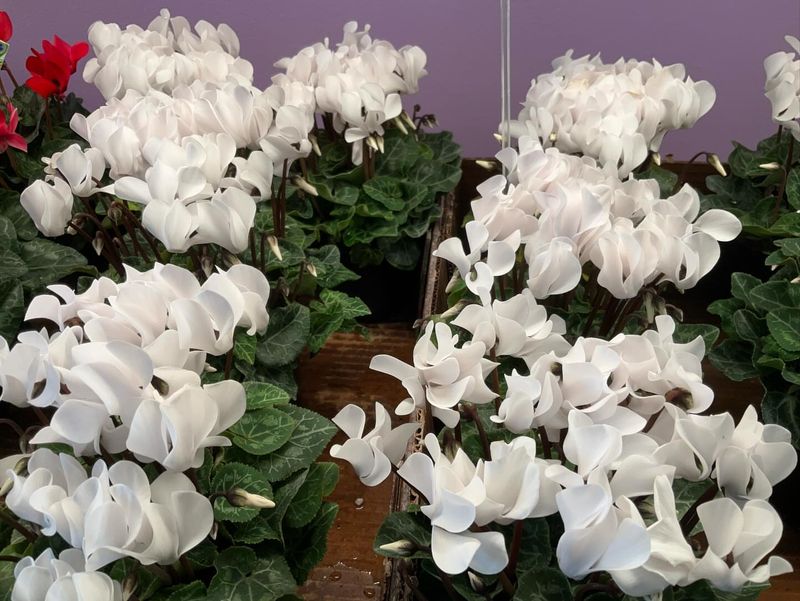
Watering cyclamen requires a gentle touch and careful attention to avoid common mistakes that harm these temperamental plants in California.
Always water at the soil level rather than from above to keep moisture away from the crown and delicate leaves.
Soggy soil creates conditions where roots struggle to breathe and can develop rot that weakens the entire plant quickly.
Allow the top inch of soil to dry out between waterings, checking with your finger before adding more moisture.
California gardeners should water more frequently during warmer winter days and less often when temperatures drop or rain arrives naturally.
Using a watering can with a narrow spout helps direct water precisely where it belongs without splashing onto sensitive plant parts.
Remember that cyclamen prefer consistent moisture levels rather than extreme swings between bone-dry and waterlogged conditions throughout the growing season.
3. Use Well-Draining Soil for Healthy Roots
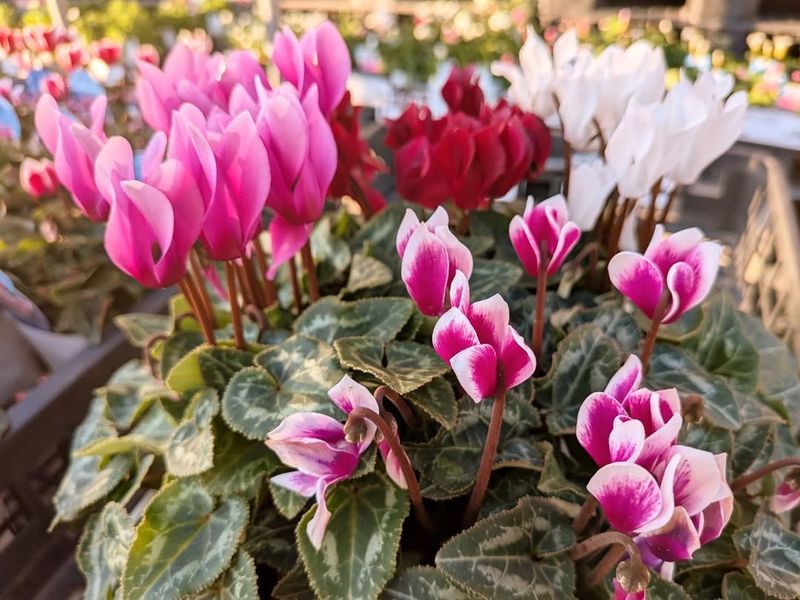
Soil composition plays a crucial role in cyclamen health because these plants absolutely hate sitting in heavy, compacted earth.
Mixing regular potting soil with perlite or coarse sand creates the light, airy texture that cyclamen roots need to thrive.
Good drainage prevents water from pooling around the tuber, which can lead to serious problems that weaken your plants.
California gardeners benefit from adding compost to improve soil structure while providing gentle nutrition throughout the winter growing season.
Container-grown cyclamen need drainage holes at the bottom to allow excess water to escape freely after each watering session.
Testing your soil by squeezing a handful can tell you if it drains well—it should crumble apart rather than form a tight ball.
Refreshing the soil annually ensures your cyclamen always have access to the best possible growing medium for producing spectacular winter blooms year after year.
4. Maintain Cool Temperatures for Longer Blooms
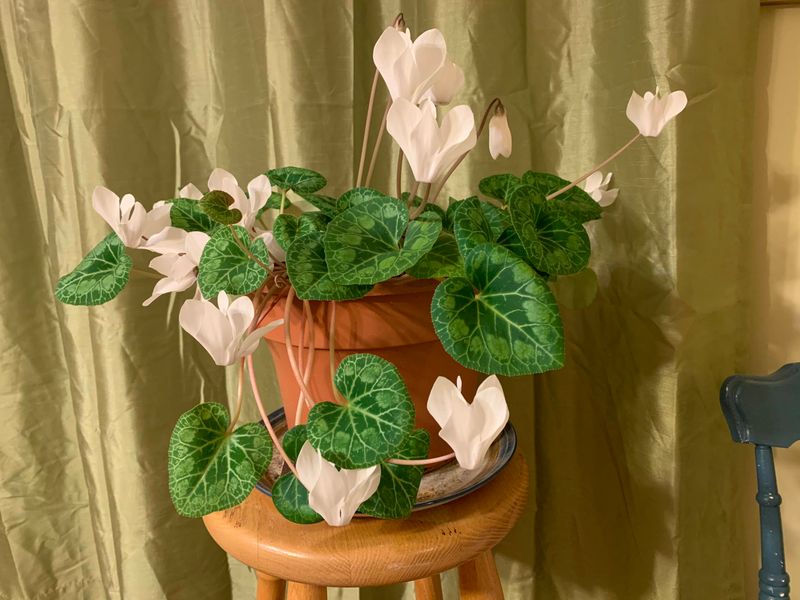
Temperature control matters tremendously when growing cyclamen because these cool-season lovers perform best in moderate winter conditions found throughout California.
Ideal temperatures range between fifty and sixty-five degrees Fahrenheit, which matches perfectly with California’s mild winter climate in many regions.
Heat causes cyclamen to slow down their blooming and may push them into early dormancy before you get to enjoy their full display.
Keeping plants away from heating vents, fireplaces, and sunny windows indoors helps maintain those cooler temperatures they naturally prefer.
California coastal gardeners have an advantage because ocean breezes keep temperatures naturally moderate throughout most of the winter season.
Inland gardeners can move container plants to shadier, cooler spots during unexpected warm spells that occasionally occur in the state.
Monitoring temperature fluctuations and adjusting plant placement accordingly ensures your cyclamen stay comfortable and continue producing beautiful flowers for many weeks.
5. Fertilize Lightly During Active Growth
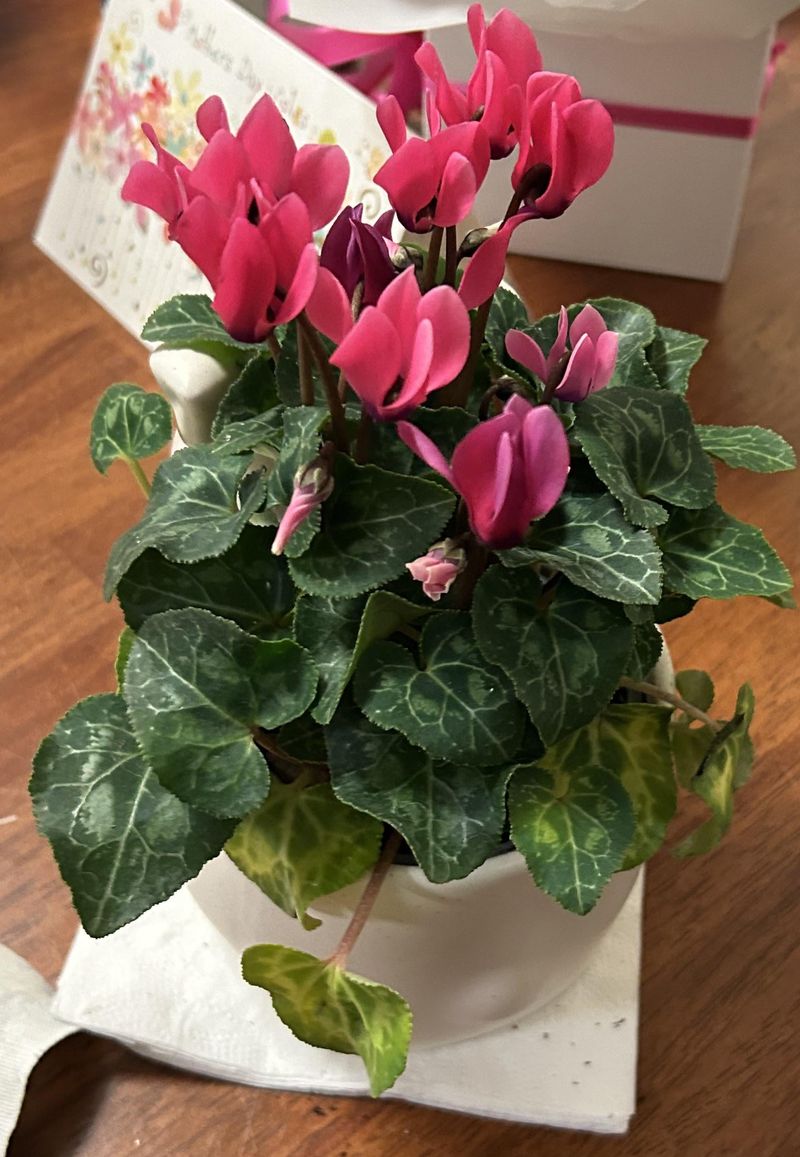
Feeding cyclamen properly supports their energy needs without overwhelming these modest feeders that prefer a lighter approach to nutrition in California gardens.
A diluted liquid fertilizer applied every two to three weeks during the blooming period gives plants just enough nutrients to perform well.
Choose a balanced formula or one slightly higher in phosphorus to encourage more flowers rather than excessive leafy growth.
Over-fertilizing can actually harm cyclamen by causing salt buildup in the soil and burning the tender roots beneath the surface.
California gardeners should reduce feeding frequency if they notice leaves turning yellow or developing brown edges around the margins.
Stop fertilizing completely once blooming slows down and the plant begins its natural rest period after winter ends.
Always water plants before applying fertilizer to prevent root damage and ensure nutrients distribute evenly throughout the soil for best results.
6. Remove Spent Flowers to Encourage More Blooms
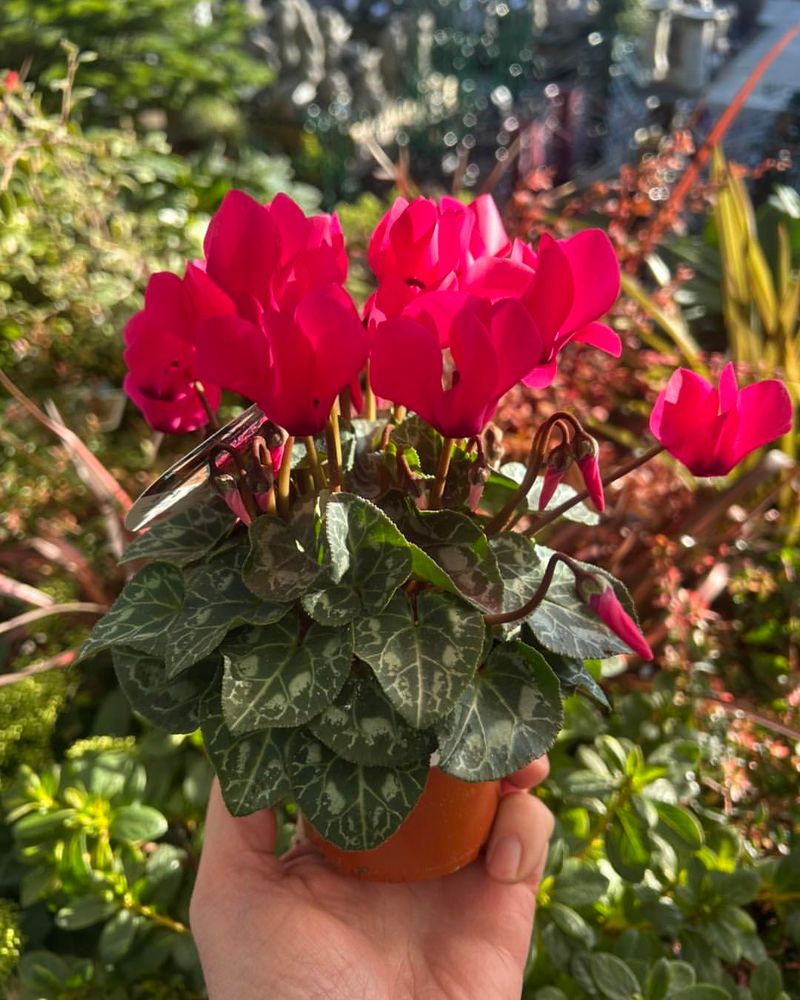
Deadheading cyclamen regularly keeps plants looking tidy while redirecting energy toward producing fresh flowers instead of forming seeds in California gardens.
Gently twist the entire flower stem at the base rather than cutting it to prevent leaving stubs that might rot later.
This simple maintenance task takes only a few minutes each week but makes a noticeable difference in overall bloom production.
California gardeners who deadhead consistently often enjoy flowering periods that extend several weeks longer than those who skip this step.
Check your plants every few days because cyclamen can produce new flowers quickly during their peak blooming season throughout winter.
Removing yellowing leaves at the same time helps improve air circulation around the crown and prevents potential problems from developing.
Making deadheading part of your regular garden routine ensures your cyclamen always look their absolute best and continue delighting you with fresh blooms constantly.
7. Protect from Frost in Colder California Regions
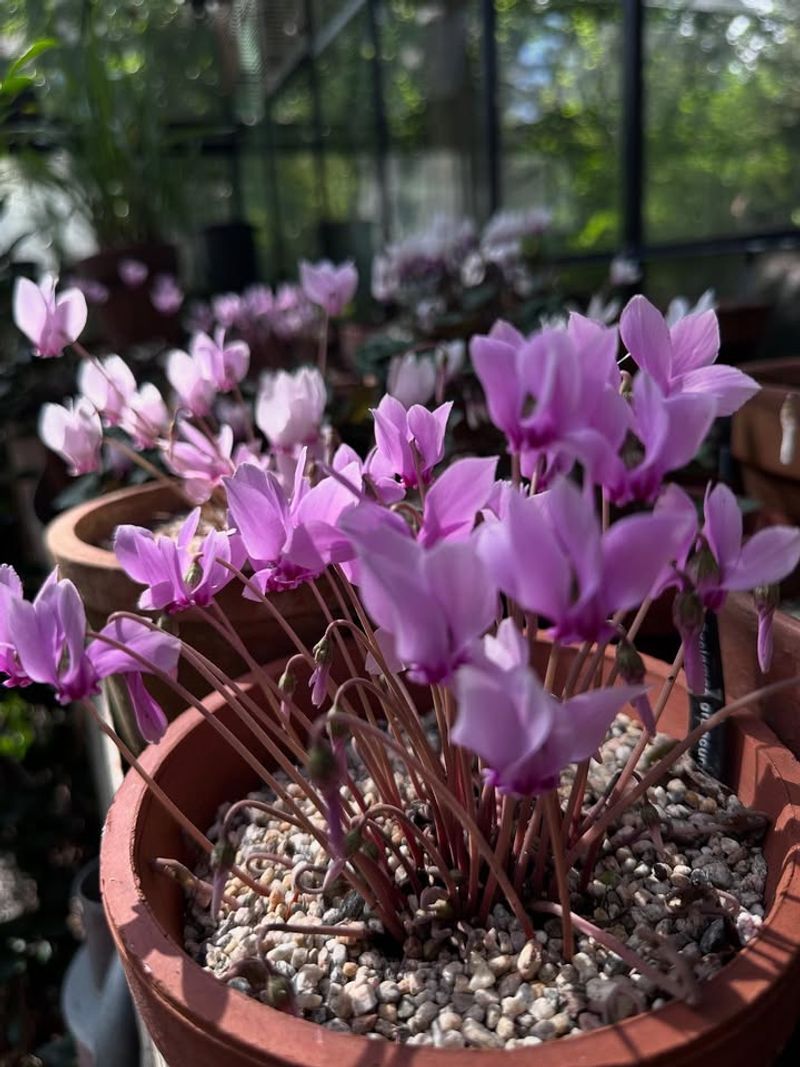
While California winters stay relatively mild compared to other states, some inland and mountain areas still experience occasional frost that threatens cyclamen.
Covering plants with frost cloth on cold nights provides essential protection without trapping too much moisture against the foliage.
Moving container-grown cyclamen under eaves, into garages, or onto covered porches offers quick shelter when freezing temperatures arrive unexpectedly.
California gardeners in frost-prone zones should monitor weather forecasts closely during winter months to anticipate protective measures needed.
Even light frost can damage tender cyclamen leaves and flowers, causing them to wilt and turn brown within hours.
Mulching around the base of garden-planted cyclamen helps insulate the tuber and roots from sudden temperature drops overnight.
Remember to remove frost protection during the day so plants receive adequate light and air circulation for healthy growth throughout the season.
8. Watch for Common Pests and Address Quickly
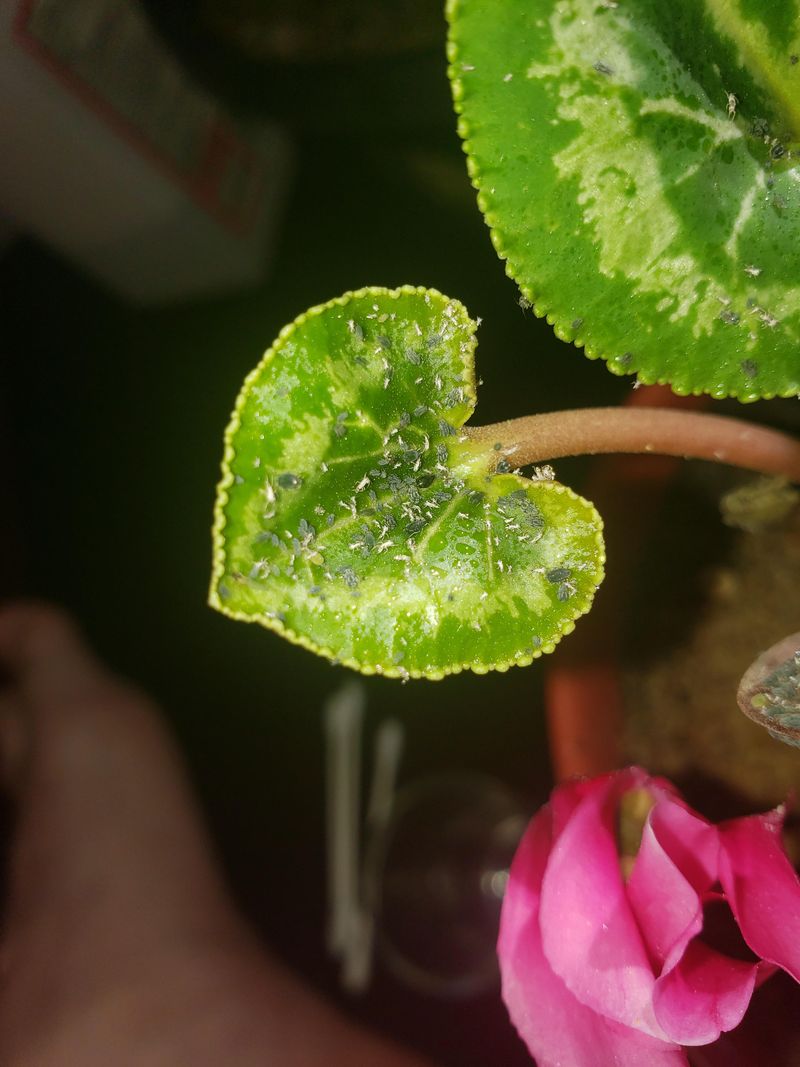
Cyclamen occasionally attract unwanted visitors like aphids, spider mites, and fungus gnats that can damage plants if left unchecked in California gardens.
Inspecting the undersides of leaves weekly helps catch pest problems early before populations explode and cause serious harm.
Aphids appear as tiny green or black insects clustering on new growth and buds, sucking sap from tender plant tissues.
Spider mites create fine webbing between leaves and cause stippling or yellowing that weakens the plant over time.
California gardeners can often control minor infestations by spraying plants with a strong stream of water to dislodge pests naturally.
Insecticidal soap or neem oil provides effective treatment for persistent problems without harsh chemicals that might harm beneficial insects nearby.
Keeping plants healthy through proper care makes them naturally more resistant to pest attacks and better able to recover quickly from any damage.
9. Provide Good Air Circulation Around Plants
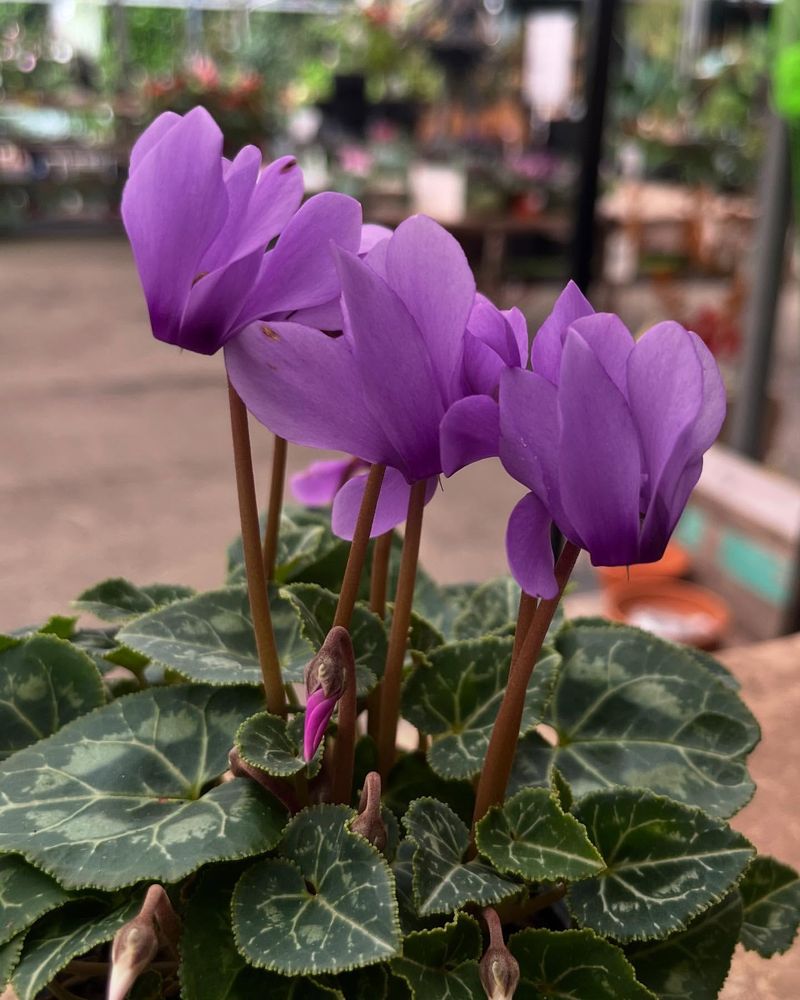
Air movement around cyclamen prevents moisture buildup on leaves and reduces the likelihood of fungal issues developing during California’s sometimes humid winter weather.
Spacing plants several inches apart when grouping them together allows air to flow freely between the foliage and stems.
Crowding cyclamen too closely creates a damp microclimate where problems can develop quickly and spread from plant to plant.
California gardeners growing cyclamen indoors should avoid placing them in corners or against walls where air becomes stagnant and still.
A small fan running on low speed nearby can improve circulation without creating strong drafts that stress the plants.
Pruning away any yellowing or damaged leaves promptly opens up the plant structure and improves airflow around the crown.
Good ventilation combined with proper watering practices creates the ideal environment for cyclamen to thrive beautifully throughout the entire winter season.
10. Plan for Summer Dormancy Ahead of Time
Understanding that cyclamen naturally rest during summer helps California gardeners prepare for this normal part of the plant’s yearly cycle.
As spring temperatures rise and days lengthen, cyclamen gradually stop blooming and their leaves begin yellowing and withering away naturally.
Reduce watering frequency as the plant enters dormancy, giving just enough moisture to keep the tuber from completely drying out.
California gardeners can move dormant cyclamen containers to a cool, shaded location where they will rest undisturbed until fall arrives.
Stop fertilizing completely once flowering ends because the dormant tuber does not need extra nutrients during its rest period.
Some growers prefer leaving the tuber in its pot while others carefully store it in barely moist peat moss or sand.
When cooler weather returns in autumn, resume regular watering and watch for new growth emerging from the tuber, signaling another beautiful blooming season ahead.