11 Dangerous Creatures Arizona Homeowners Should Know About

Living in Arizona means sharing your surroundings with a wide range of wildlife, and some of it can pose real dangers to people and pets around the home.
From venomous snakes and spiders to stinging insects and toxic amphibians, these creatures are more common than many homeowners realize—especially during warmer months and in desert or suburban areas near open land.
While most encounters are avoidable, knowing which animals to watch for and how to recognize them can help homeowners take smart precautions, reduce risks, and respond appropriately if one turns up on their property.
1. Western Diamondback Rattlesnake
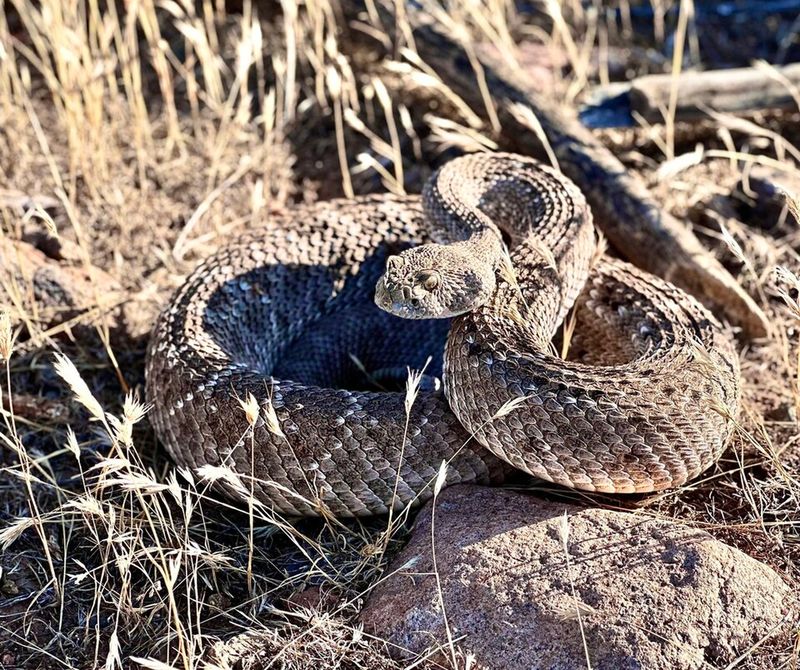
Spotting a rattlesnake in your yard can send chills down your spine, especially when you realize how common they are across Arizona.
This reptile grows up to seven feet long and displays beautiful diamond-shaped markings along its muscular body that help it blend perfectly into surroundings.
The distinctive rattle at the tail end serves as nature’s warning system, alerting anyone nearby to back away before things escalate dangerously.
Homeowners often encounter these snakes during warm months when they hunt for rodents, lizards, and other small prey around residential properties statewide.
Their venom contains powerful toxins that damage tissue and affect blood clotting, making bites extremely serious medical emergencies requiring immediate professional treatment.
Keep yards clear of debris piles, seal foundation cracks, and always watch where you step when walking outdoors during evening hours.
Children and pets should never approach any snake, even if it appears inactive or uninterested in human presence nearby.
If bitten, remain calm, remove jewelry from the affected limb, and get to a hospital as quickly as possible for antivenom administration.
Respect their space, and they will usually move along without causing any trouble for you or your loved ones at home.
2. Mojave Rattlesnake
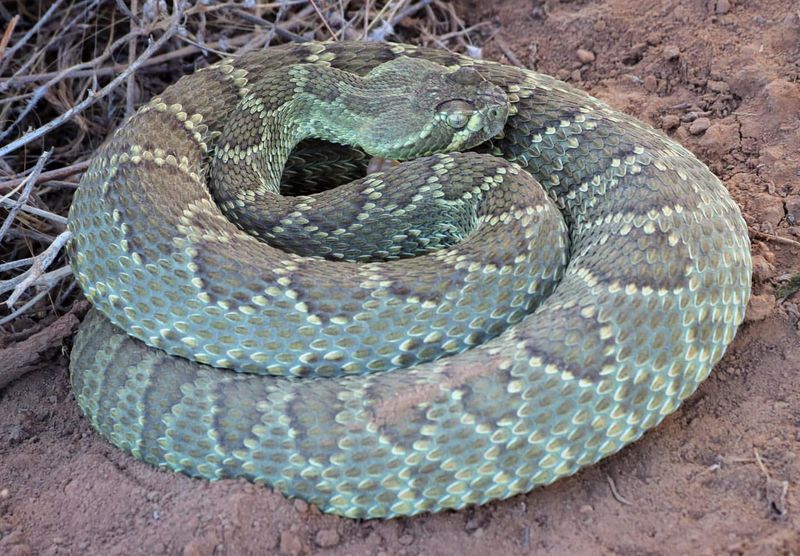
Many experts consider this particular rattlesnake species the most dangerous venomous snake living anywhere throughout the entire state of Arizona currently.
Mojave rattlesnakes possess a unique venom that combines neurotoxic and hemotoxic properties, attacking both the nervous system and blood cells simultaneously.
Victims often experience difficulty breathing, vision problems, and severe pain that spreads rapidly from the bite location to other body areas.
These snakes prefer open desert terrain with sparse vegetation, sandy washes, and rocky hillsides where they hunt primarily during cooler hours.
Their coloring ranges from greenish-gray to brownish-tan, helping them disappear into desert backgrounds where unsuspecting hikers might accidentally step too close.
The tail features distinctive black and white bands that appear more pronounced than other rattlesnake species found in similar Arizona habitats.
Homeowners living near undeveloped desert areas should exercise extreme caution when working in gardens, moving firewood, or checking outdoor storage spaces.
Always wear closed-toe boots and long pants when hiking or working outside in areas where these snakes commonly live and hunt.
Teaching children to recognize the warning signs and sounds can prevent tragic accidents that require emergency medical intervention and hospitalization.
3. Black Widow Spider
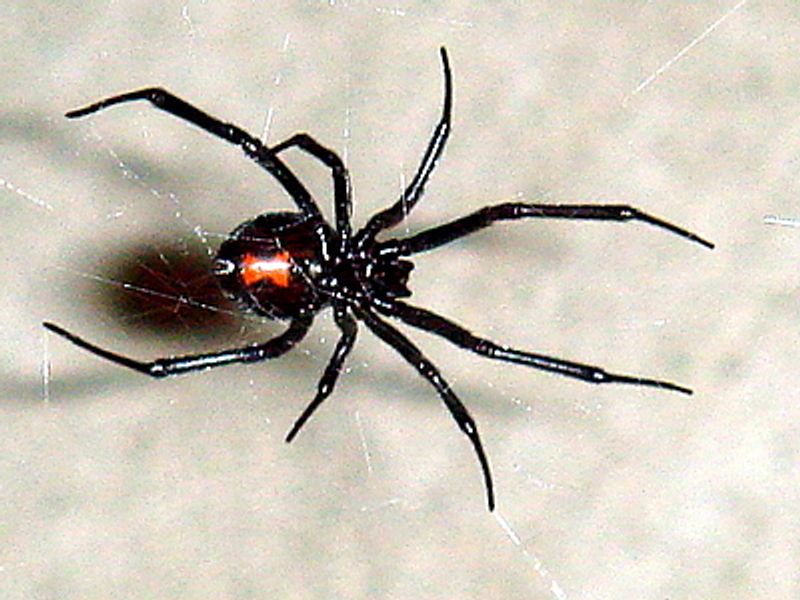
Finding a shiny black spider with a red hourglass marking underneath means you have discovered one of Arizona’s most infamous arachnid residents.
Female black widows produce venom fifteen times more potent than rattlesnake venom, though they inject much smaller amounts during defensive bites.
Their neurotoxic venom causes muscle cramps, abdominal pain, sweating, and elevated heart rate that can last for several days without treatment.
These spiders prefer dark, undisturbed spaces like garages, sheds, woodpiles, and outdoor furniture where they build irregular, tangled webs for catching prey.
Males and immature spiders appear much smaller and lighter in color, posing little threat compared to adult females guarding egg sacs.
Homeowners should wear gloves when reaching into storage areas, shake out shoes before wearing them, and regularly clear away spider webs.
Bites typically occur when people accidentally press against the spider while reaching into dark corners or putting on clothing stored outdoors.
Seek medical attention promptly if bitten, especially for children, elderly individuals, or anyone with compromised immune systems or heart conditions.
Cleaning up clutter and sealing entry points helps reduce black widow populations around homes and keeps families safer year-round.
4. Arizona Bark Scorpion
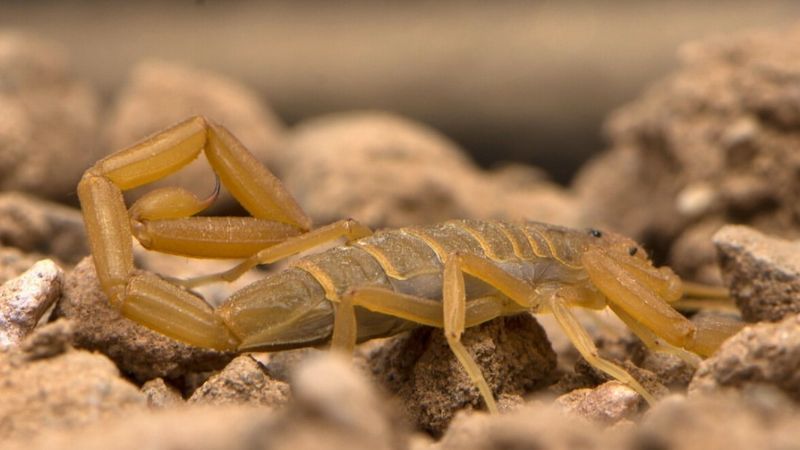
Among more than thirty scorpion species living in Arizona, only one poses a genuine medical threat to humans and household pets.
The bark scorpion measures about three inches long, displays a slender pale yellow or tan body, and climbs walls with surprising ease.
Its venom contains neurotoxins that cause severe pain, numbness, tingling sensations, difficulty swallowing, and muscle twitching that lasts for hours.
Young children and elderly adults face the highest risk of serious complications from stings, sometimes requiring hospitalization and antivenom treatment.
These nocturnal hunters hide during daylight hours under rocks, inside shoes, within folded towels, and behind wall hangings throughout residential areas.
Homeowners can use ultraviolet flashlights at night to spot scorpions, which glow bright green under UV light for easy identification.
Sealing cracks around doors and windows, removing debris from yards, and eliminating other insects that scorpions eat helps control populations naturally.
Always shake out clothing, bedding, and shoes before use, especially items stored in garages or closets for extended periods of time.
If stung, apply ice to reduce pain and swelling while monitoring for severe symptoms that require immediate emergency medical care.
5. Gila Monster
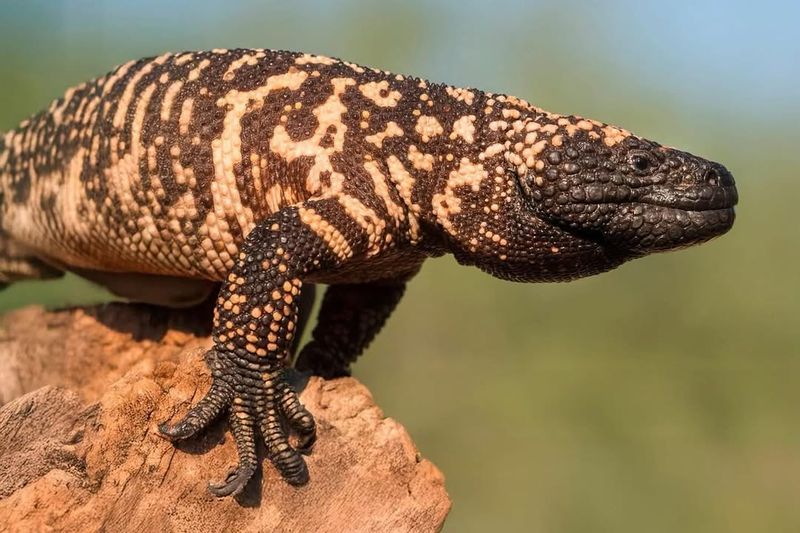
As one of only two venomous lizard species in North America, the Gila monster commands respect and fascination from Arizona residents.
This slow-moving reptile grows up to two feet long and displays striking black and orange beaded patterns that warn predators away.
Their venom glands sit in the lower jaw, and they must chew on victims to inject toxins through grooved teeth.
Bites cause intense burning pain, swelling, weakness, and nausea that can persist for hours, though fatalities remain extremely rare in modern times.
Gila monsters spend most of their time underground in burrows, emerging primarily during spring and early summer to hunt and mate.
They move slowly and prefer to avoid confrontation, making bites almost always the result of humans handling or harassing the lizards.
Homeowners should never attempt to catch, relocate, or interact with these protected creatures, as doing so violates state wildlife laws.
If you spot one on your property, keep pets and children away while giving the lizard space to leave on its own.
Their sluggish nature makes them easy to avoid, and they pose minimal threat to people who simply observe from a safe distance.
6. Brown Recluse Spider
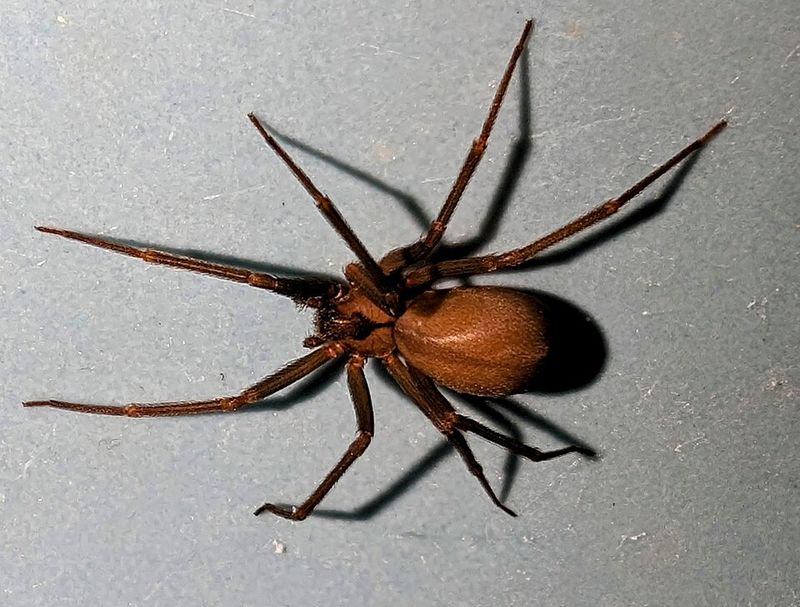
Though less common in Arizona than in other states, brown recluse spiders do establish populations in some residential areas and buildings.
These spiders measure about the size of a quarter including legs and feature a distinctive violin-shaped marking on their back.
Their venom contains enzymes that destroy skin tissue, sometimes creating wounds that take months to heal completely and may require surgery.
Brown recluses prefer undisturbed indoor spaces like closets, attics, basements, and storage boxes where they rarely encounter humans during normal activities.
Most bites happen when people unknowingly trap the spider against skin while dressing, sleeping, or moving stored items around homes.
The bite itself often goes unnoticed initially, with symptoms developing over several hours as the venom begins destroying surrounding tissue.
Look for a red, white, and blue target-like appearance around the bite site, along with pain, itching, and potential fever.
Medical evaluation becomes important when bites show signs of tissue damage or infection that could lead to serious complications over time.
Reduce spider habitats by decluttering storage areas, sealing cracks, and regularly vacuuming corners where webs might form throughout your residence.
7. Coral Snake
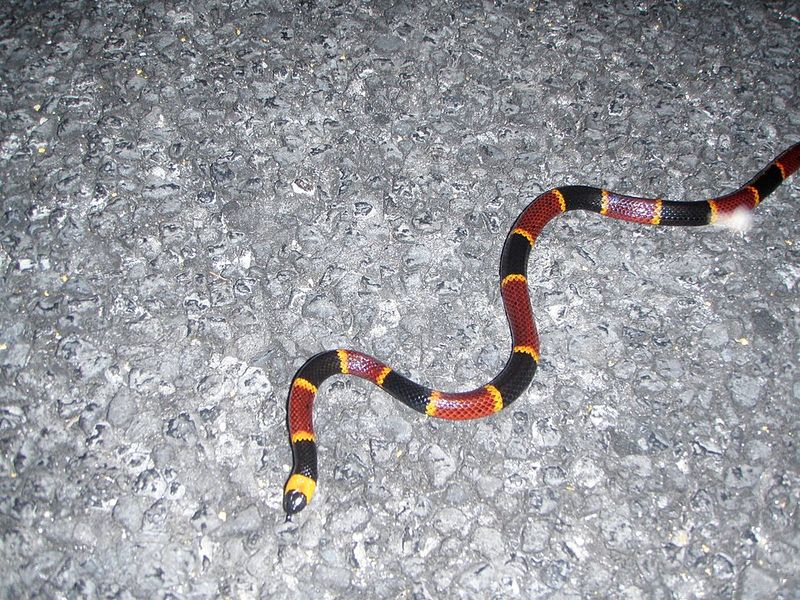
Bright bands of red, yellow, and black make the coral snake one of the most visually striking venomous reptiles in Arizona.
The memorable rhyme helps identification: red touches yellow means danger, while red touches black indicates a harmless mimic like the kingsnake.
Coral snakes possess extremely potent neurotoxic venom that affects breathing and muscle control, though they rarely bite humans due to shy behavior.
These small snakes typically measure less than two feet long and spend most of their time underground or hiding beneath rocks.
Their small mouths and short fangs make it difficult for them to bite effectively, requiring them to chew to inject venom.
Most bites occur when people attempt to handle or capture the snake, mistaking it for a harmless species or testing its identity.
Symptoms may not appear immediately but can progress rapidly to include slurred speech, drooping eyelids, and respiratory difficulty requiring ventilation.
If bitten, seek emergency medical treatment immediately, as antivenom must be administered before severe symptoms develop and become life-threatening situations.
Leaving these beautiful but dangerous snakes alone ensures everyone stays safe while allowing them to control rodent and lizard populations naturally.
8. Africanized Honey Bee
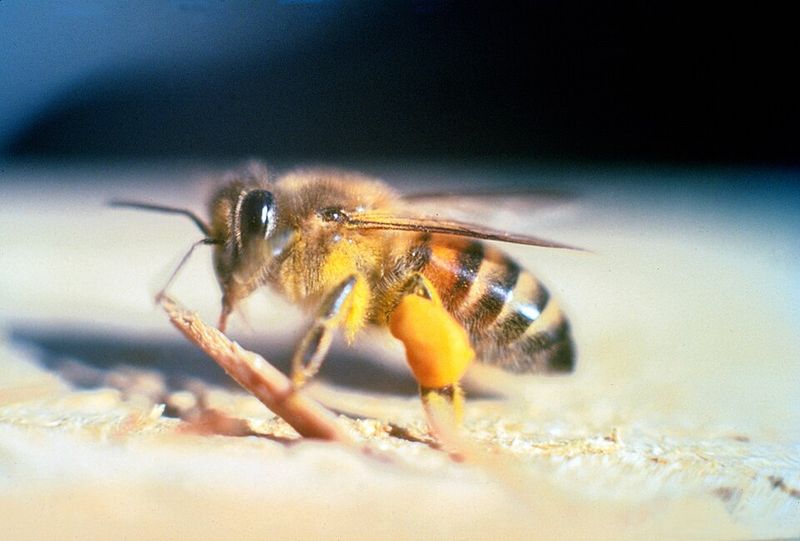
Africanized honey bees look nearly identical to regular European honey bees under casual observation.
The major difference lies in their aggressive defensive behavior when they perceive threats to their colony or nesting area nearby.
These bees attack in large numbers, pursue intruders for greater distances, and remain agitated for longer periods than their European cousins.
Individual stings contain the same venom as regular honey bees, but receiving dozens or hundreds of stings overwhelms the body’s systems.
Victims should run away quickly in a straight line, covering their face and eyes while seeking shelter indoors or inside vehicles.
Never jump into water, as the bees will wait above the surface for you to emerge and continue their attack.
Homeowners should regularly inspect properties for hives in water meters, empty containers, old tires, and wall voids where colonies establish homes.
Professional pest control experts should handle all bee removal, as disturbing hives without proper equipment and training triggers massive defensive responses.
Keep pets indoors during bee activity, and teach children to walk away calmly rather than swatting at bees buzzing nearby.
9. Desert Centipede
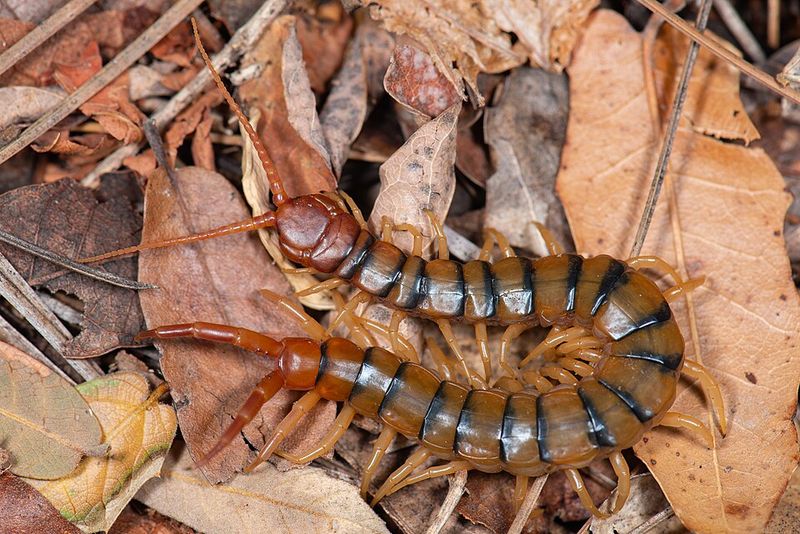
Growing up to eight inches long, the desert centipede represents one of the largest and most intimidating arthropods found in Arizona.
These nocturnal predators feature numerous legs, a flattened body, and modified front legs that inject venom into prey like insects and spiders.
Their venom causes intense localized pain, swelling, redness, and numbness that typically resolves within a few hours without medical intervention.
Some individuals experience more severe reactions including nausea, dizziness, and rapid heartbeat that warrant medical evaluation and supportive treatment options.
Centipedes prefer moist environments and often enter homes seeking water, hiding under sinks, in bathrooms, and near air conditioning units.
They move incredibly fast when disturbed, making them difficult to catch or avoid once they appear inside living spaces unexpectedly.
Homeowners should seal gaps around pipes, repair leaky faucets, and reduce moisture levels to make properties less attractive to centipedes.
If bitten, wash the area thoroughly with soap and water, apply ice to reduce pain and swelling, and monitor for allergic reactions.
These creatures provide valuable pest control by eating other insects, making them beneficial despite their frightening appearance and painful defensive capabilities.
10. Colorado River Toad
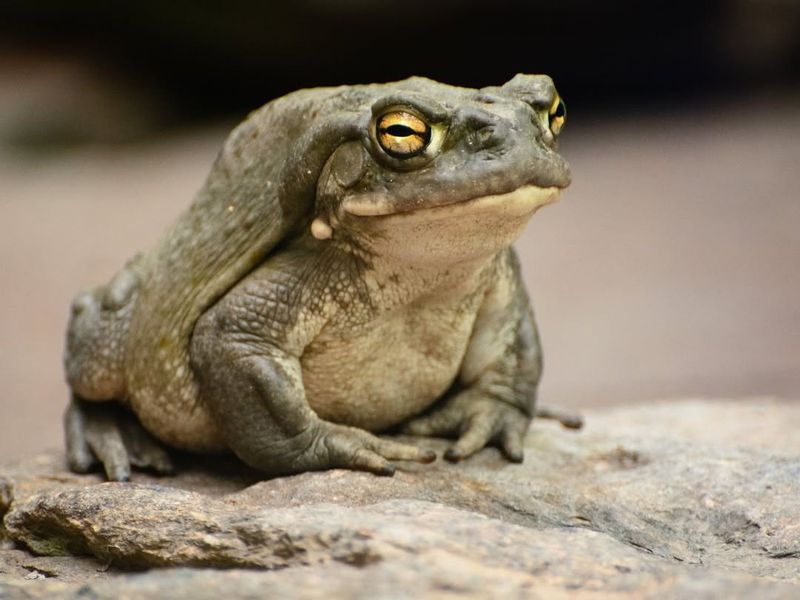
This massive amphibian can grow larger than a softball and produces powerful toxins from glands located behind its eyes and head.
The Colorado River toad secretes bufotoxins that cause severe reactions in pets who mouth or bite them, including excessive drooling and seizures.
Dogs and cats face serious danger when they encounter these toads during evening hours when the amphibians emerge to hunt.
Humans who handle toads and then touch their eyes, nose, or mouth can experience burning sensations, nausea, and temporary vision problems.
These toads appear olive-brown to greenish-gray with smooth skin and prominent parotoid glands that distinguish them from harmless species.
They prefer areas near water sources, including swimming pools, pet water bowls, and irrigation systems where they gather during Arizona’s monsoon season.
Homeowners should keep pets on leashes during evening walks and immediately rinse their mouths if toad contact occurs accidentally.
Remove standing water from yards, turn off outdoor lights that attract insects the toads eat, and fence pool areas to discourage visits.
Teaching children never to touch or play with any toad or frog protects them from toxin exposure and potential harm.
11. Arizona Blond Tarantula
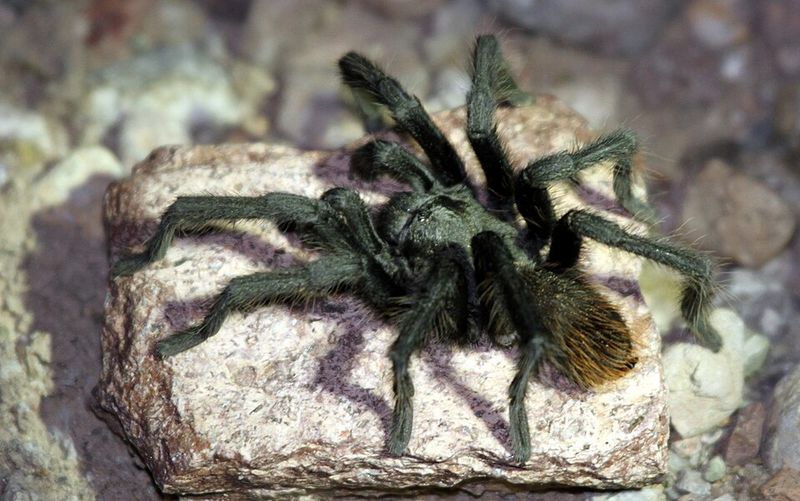
Despite their intimidating size and hairy appearance, Arizona blond tarantulas pose minimal danger to humans compared to other creatures on this list.
Males wander during late summer and fall searching for mates, sometimes entering yards and garages where homeowners encounter them unexpectedly at night.
Their venom resembles a bee sting in intensity, causing localized pain, redness, and mild swelling that resolves quickly without treatment.
The greater concern involves urticating hairs on their abdomen that they flick toward threats, causing skin irritation and eye problems.
These hairs contain barbs that embed in skin and mucous membranes, creating itching and discomfort lasting several days after contact.
Tarantulas prefer to flee rather than fight, biting only when cornered or handled roughly by curious individuals who underestimate their speed.
Homeowners should simply relocate wandering tarantulas outdoors using a container and piece of cardboard rather than harming beneficial predators.
They control insect populations naturally and rarely enter homes unless attracted by prey or seeking shelter during extreme weather conditions outside.
Observing these fascinating arachnids from a respectful distance allows everyone to appreciate their role in Arizona’s desert ecosystem safely.