12 Dangerous Creatures Every Indiana Resident Should Be Able To Recognize
Indiana is home to a wide range of wildlife, and while most animals pose little risk, there are several creatures in the state that can be genuinely dangerous due to venom, disease, or aggressive behavior when threatened.
Knowing which species fall into this category is an important part of staying safe outdoors, whether you’re gardening, hiking, or simply spending time in your yard.
Some of these creatures are native and protected, others are common around homes, and a few are rarely seen but still present in certain regions.
Many injuries happen not because the animals are aggressive, but because people don’t recognize them or don’t realize the risk they pose.
Learning to identify dangerous creatures helps residents avoid accidental encounters, respond calmly, and know when professional help is needed.
Awareness also reduces fear, replacing panic with practical knowledge.
By understanding which animals deserve extra caution, Indiana residents can enjoy outdoor spaces more confidently while keeping themselves, their families, and their pets safe.
1. Eastern Copperhead Snake
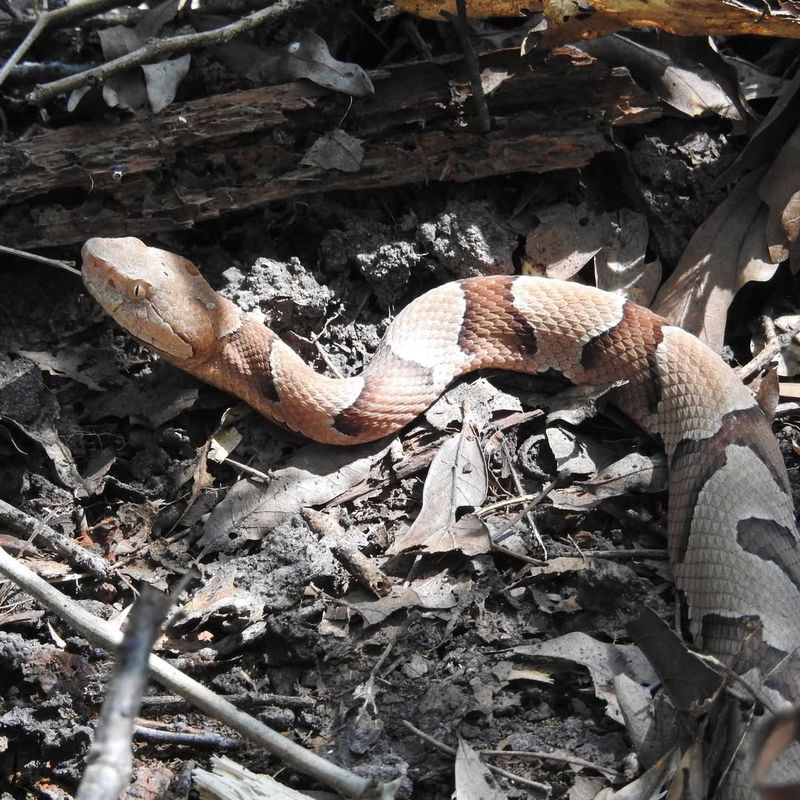
Copperheads rank as the most frequently encountered venomous snake across Indiana, making them a real concern for hikers and homeowners alike.
Their copper-colored heads and distinctive hourglass patterns make them easier to spot once you know what to look for.
These snakes prefer rocky hillsides, wooded areas, and stone walls where they can blend perfectly with fallen leaves.
Most people stumble upon copperheads while working in gardens, moving firewood, or walking through brushy trails during warmer months.
They rarely act aggressively unless stepped on or cornered, but their venom can cause serious pain and swelling.
Wearing boots and gloves during outdoor work significantly reduces your chances of an accidental bite.
If you spot one near your home, keep a safe distance and contact wildlife control rather than attempting removal yourself.
Copperheads play an important role controlling rodent populations, so they deserve respect rather than unnecessary harm.
Learning their appearance and habits helps you coexist safely with these fascinating reptiles while enjoying Indiana’s natural spaces.
2. Timber Rattlesnake
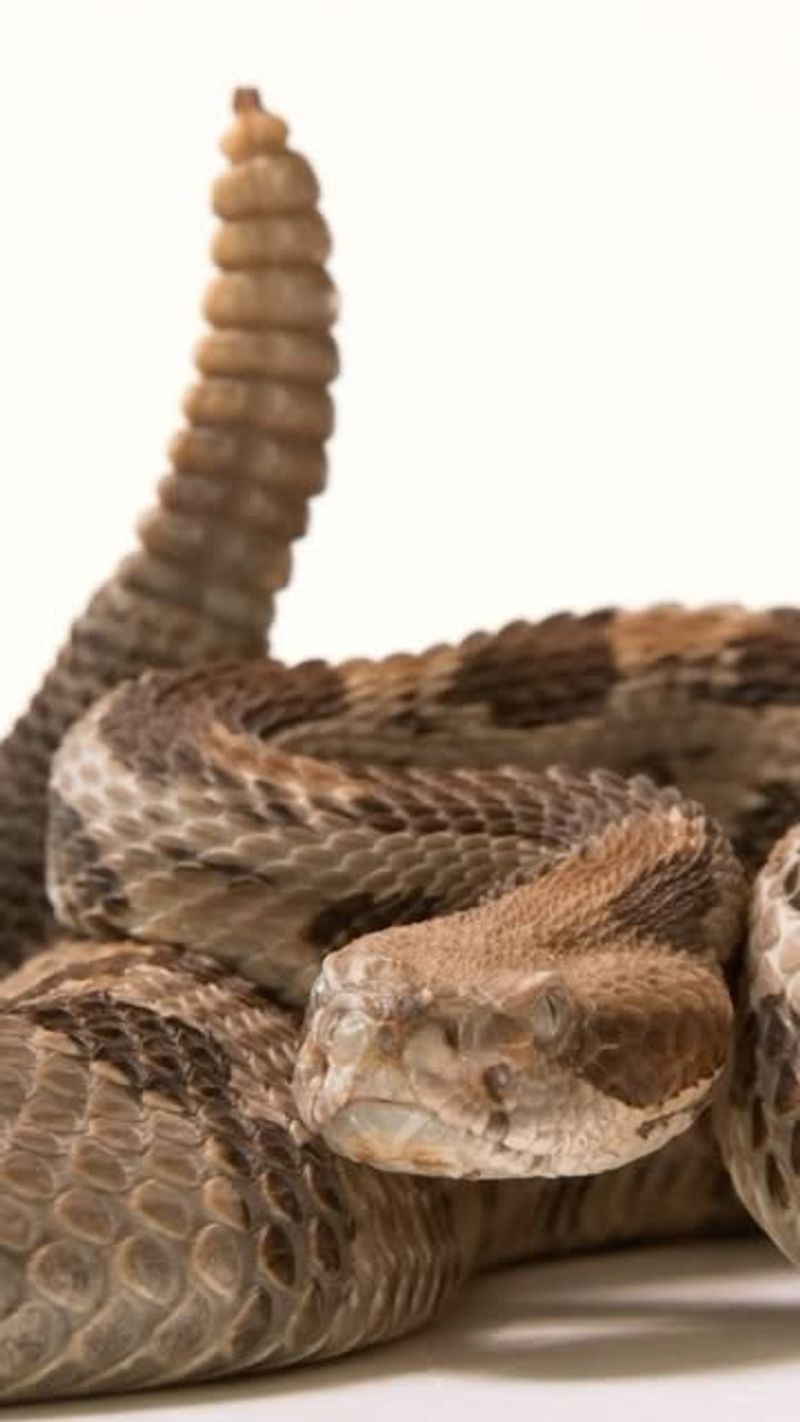
Southern Indiana’s forests and rocky bluffs provide perfect homes for timber rattlesnakes, one of the state’s most impressive yet dangerous reptiles.
These large snakes can grow over four feet long and display beautiful patterns of dark bands across tan or gray bodies.
Their signature rattle serves as nature’s warning system, alerting you to their presence before you get too close.
Timber rattlers prefer undisturbed areas with plenty of rock crevices for shelter and sunny spots for basking.
Hikers exploring state parks and nature preserves in southern counties have the highest likelihood of encountering these snakes.
They typically avoid human contact and will rattle vigorously when they sense vibrations from approaching footsteps.
Never attempt to handle or provoke a rattlesnake, as their venom can cause severe tissue damage and requires immediate medical treatment.
Staying on marked trails and watching where you place your hands while climbing rocks helps prevent surprise encounters.
These magnificent serpents face population pressures, so observing them from a respectful distance allows future generations to appreciate their presence in Indiana’s wilderness areas.
3. Cottonmouth Water Moccasin
Water moccasins remain extremely rare in Indiana, with confirmed sightings limited to the state’s southernmost regions near major waterways.
Many reported cottonmouth encounters turn out to be harmless water snakes that people mistake for their venomous cousins.
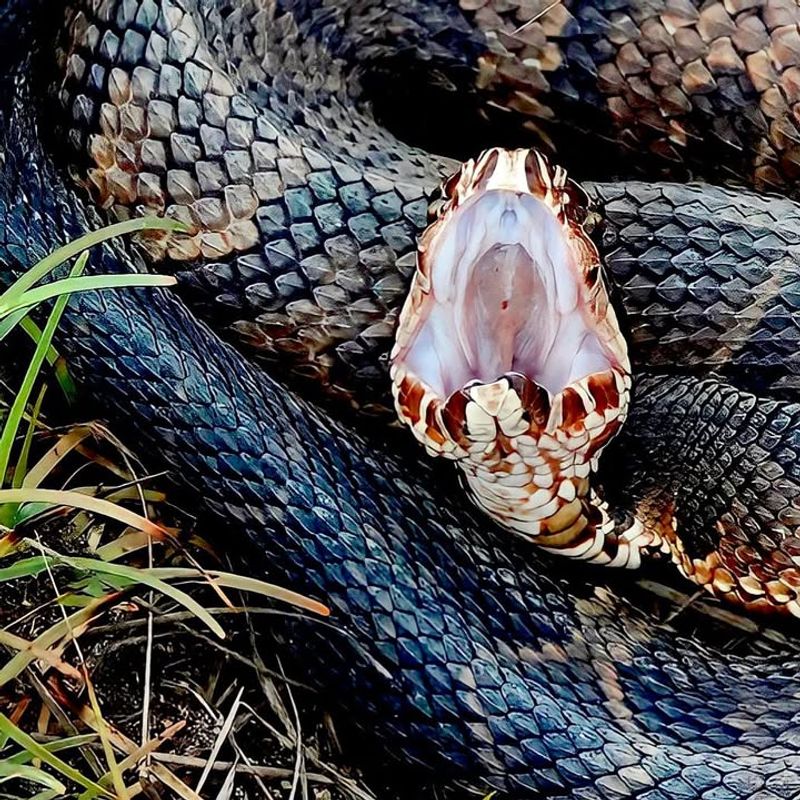
The confusion happens because both species swim and live near water, but true cottonmouths display thick bodies and distinctive white mouth linings when threatened.
Genuine water moccasins prefer swamps, marshes, and slow-moving streams where they hunt fish and amphibians.
They tend to stand their ground rather than fleeing, often opening their mouths wide to reveal the cotton-white interior that gives them their name.
This defensive posture serves as a clear warning that you should back away immediately.
Most Indiana residents will never encounter a true cottonmouth, but learning to distinguish them from harmless water snakes prevents unnecessary panic.
Non-venomous water snakes have slender bodies, round pupils, and narrow heads, while cottonmouths appear much heavier with vertical pupils.
If you spend time near southern Indiana wetlands, taking a moment to study snake identification guides can save you considerable worry during your outdoor adventures.
4. Black Widow Spider
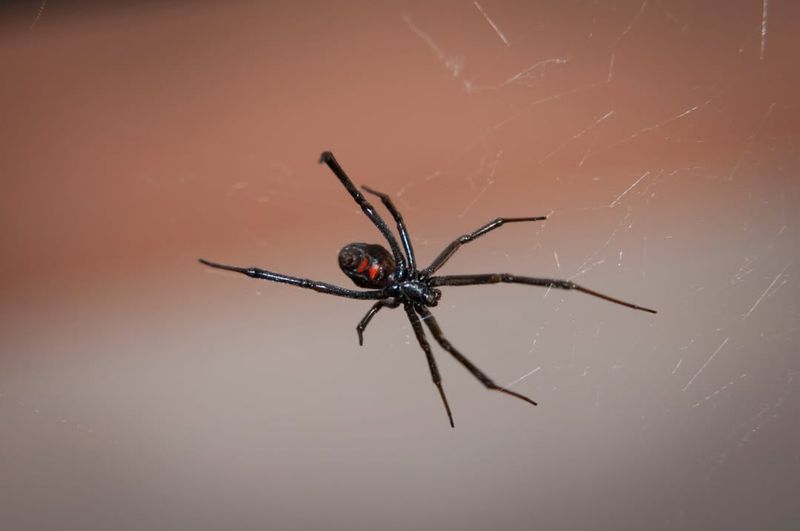
Black widows hide in the dark, undisturbed spaces around Indiana homes, from garages and basements to woodpiles and outdoor sheds.
Females sport the famous glossy black bodies with bright red hourglass markings underneath, making them relatively easy to identify if you know where to look.
These spiders prefer quiet corners where they can build irregular, tangled webs to catch prey.
Their venom packs a powerful punch that affects the nervous system, causing muscle cramps, pain, and other symptoms requiring prompt medical attention.
Most bites happen when people accidentally disturb a spider while reaching into storage areas or putting on shoes that have been sitting unused.
Wearing gloves when handling stored items and shaking out clothing before wearing reduces your risk substantially.
Regular cleaning and decluttering of potential hiding spots discourages black widows from settling near your living spaces.
These spiders rarely venture into well-lit, frequently used areas, preferring solitude over human interaction.
Respecting their space and taking simple precautions allows you to coexist safely while maintaining awareness of their presence around your property throughout the warmer months.
5. Brown Recluse Spider
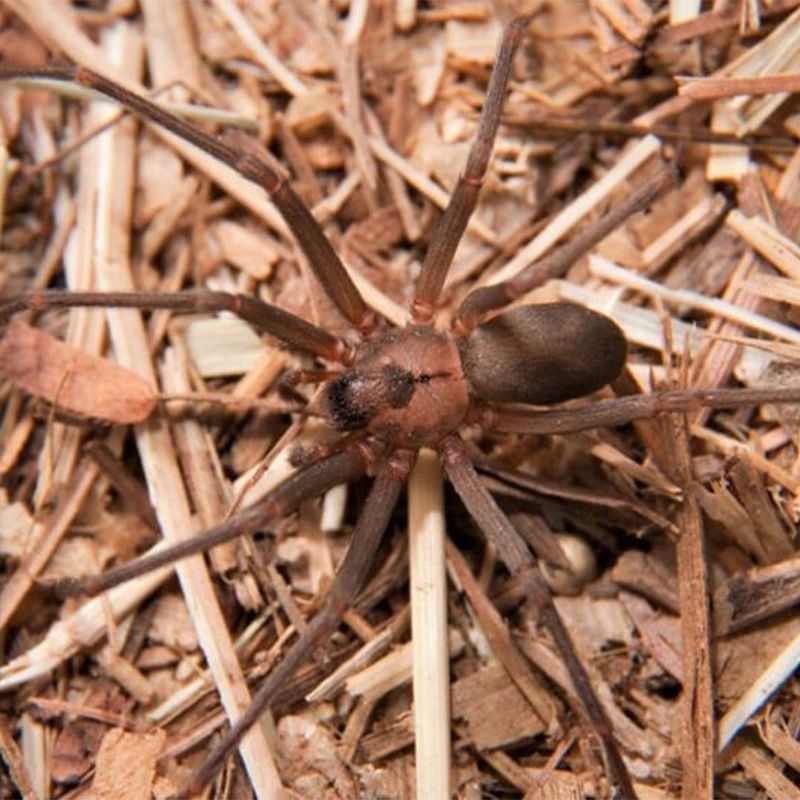
Brown recluse spiders earn their name through their shy behavior, preferring to hide in seldom-disturbed indoor locations throughout Indiana homes.
Their violin-shaped marking on the back helps with identification, though their light brown color and small size often allow them to go unnoticed.
Closets, attics, boxes, and behind furniture create ideal environments for these secretive arachnids.
Bites from brown recluses can cause tissue damage that develops slowly over several days, sometimes creating painful wounds that take weeks to heal properly.
Most bites occur during sleep or when people put on clothing where a spider has taken shelter.
Storing seasonal clothing in sealed plastic containers and regularly vacuuming hidden areas significantly reduces the chances of unwanted encounters.
Despite their reputation, brown recluses rarely bite unless trapped against skin, and many suspected bites turn out to be other skin conditions.
Seeing a spider with the characteristic violin marking should prompt caution rather than panic, as these creatures actively avoid human contact.
Maintaining a clean home environment and carefully inspecting items from storage before use provides excellent protection against accidental contact with these misunderstood spiders.
6. Ticks (Blacklegged And American Dog Tick)
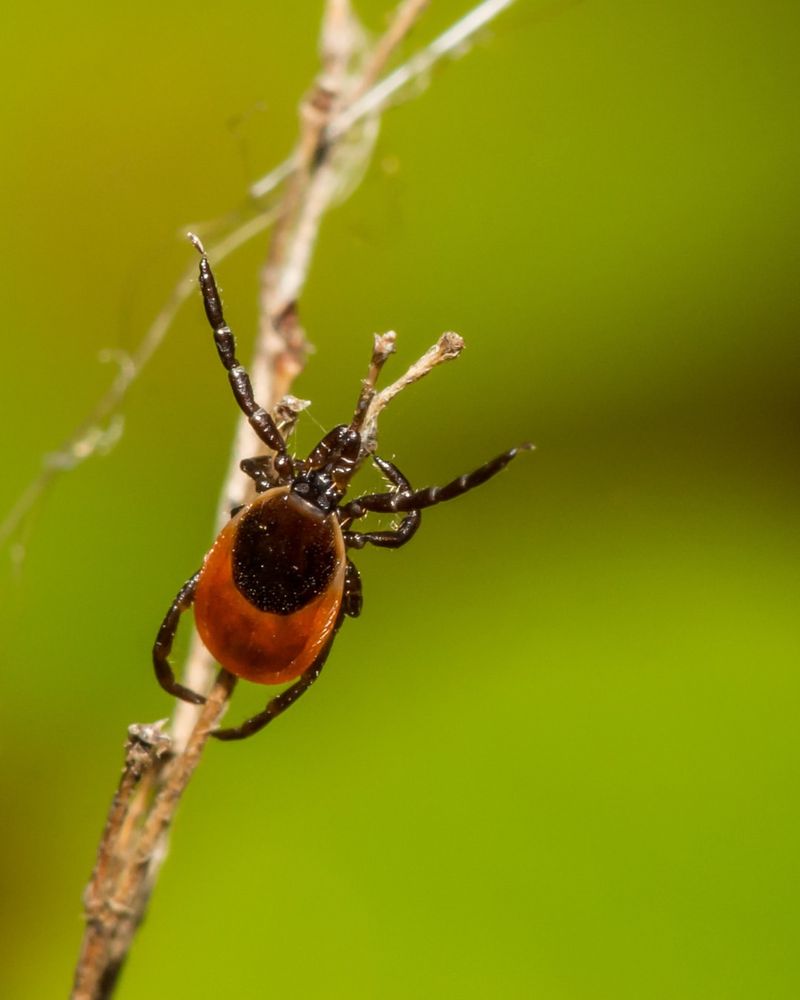
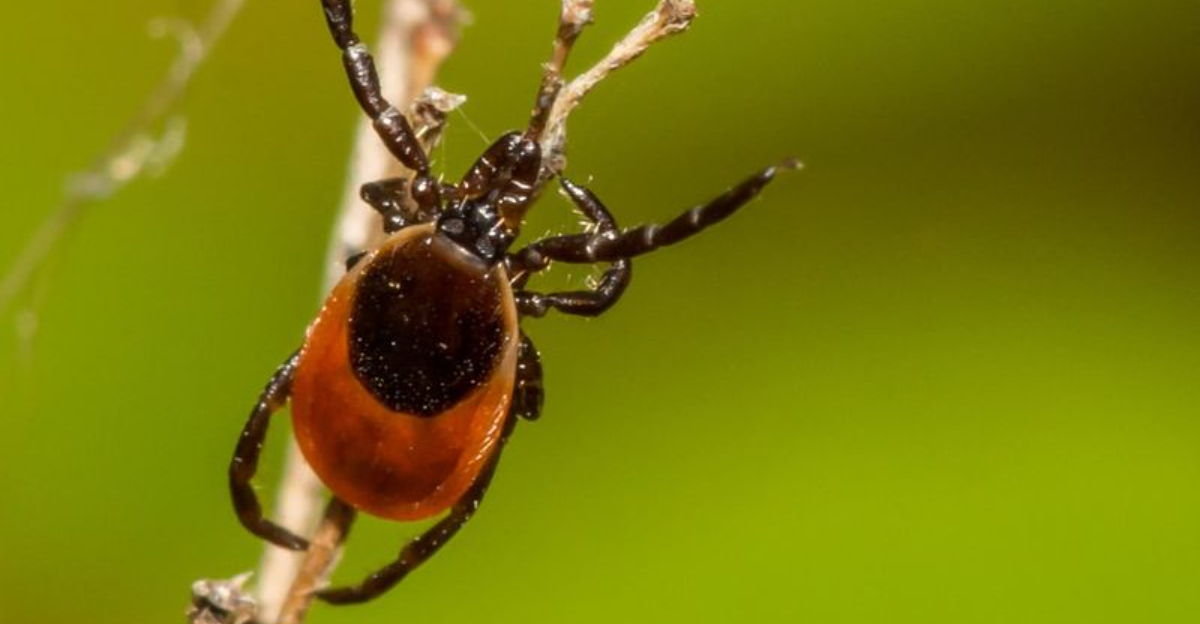
Ticks pose serious health risks across Indiana, with blacklegged ticks spreading Lyme disease and American dog ticks transmitting Rocky Mountain spotted fever.
These tiny parasites wait on grass and brush for passing hosts, latching onto skin to feed on blood for several days if left undisturbed.
Their small size makes them easy to miss, especially in their nymphal stages when they appear no bigger than poppy seeds.
Wooded trails, tall grass, and leaf litter create perfect habitats where ticks thrive during warmer months throughout the state.
Checking your entire body after outdoor activities and showering within two hours significantly reduces infection risks.
Wearing light-colored clothing makes spotting ticks easier, while tucking pants into socks creates a physical barrier against these persistent pests.
Prompt removal using fine-tipped tweezers prevents disease transmission, as most illnesses require ticks to feed for many hours before bacteria transfers.
Pets also need regular tick checks and preventive treatments since they bring these parasites into homes.
Understanding tick behavior and taking consistent preventive measures allows you to enjoy Indiana’s beautiful outdoors while minimizing health risks from these common yet dangerous creatures.
7. Eastern Massasauga Rattlesnake
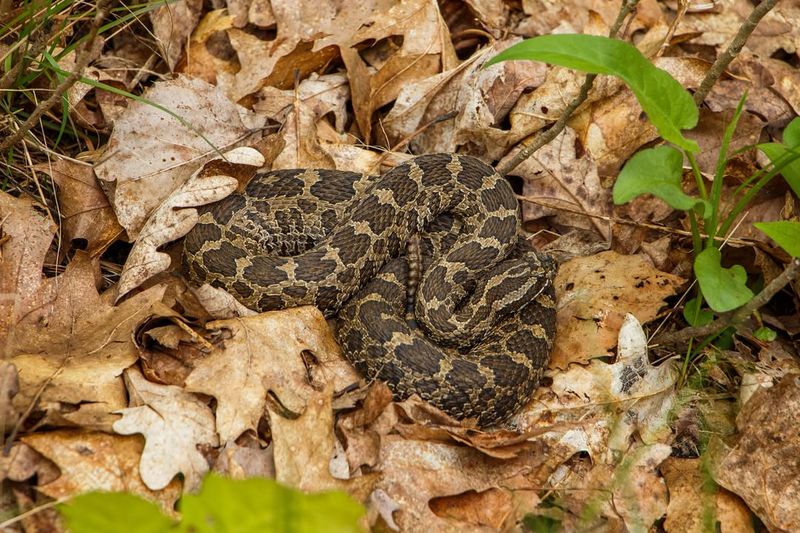
Eastern massasaugas represent Indiana’s rarest venomous snake, with protected status due to declining populations across their limited wetland habitats.
These small rattlesnakes grow only two to three feet long and display dark blotches along gray or brown bodies.
Their preference for wet prairies and marshes means most Indiana residents will never cross paths with one during their lifetime.
Finding a massasauga should be considered a special wildlife observation rather than a threat, as they face extinction pressures from habitat loss.
They use their small rattles to warn potential threats, though the sound seems quieter and higher-pitched than larger rattlesnake species.
These shy serpents spend much of their time hidden in vegetation, hunting small rodents and avoiding human contact whenever possible.
Anyone fortunate enough to spot a massasauga should observe from a distance and report the sighting to Indiana wildlife officials.
Their venom can cause significant medical issues, but bites remain extremely rare given their secretive nature and limited range.
Protecting wetland habitats ensures these remarkable snakes continue playing their ecological role while maintaining their precarious foothold in Indiana’s natural heritage for future generations to appreciate.
8. Coyotes
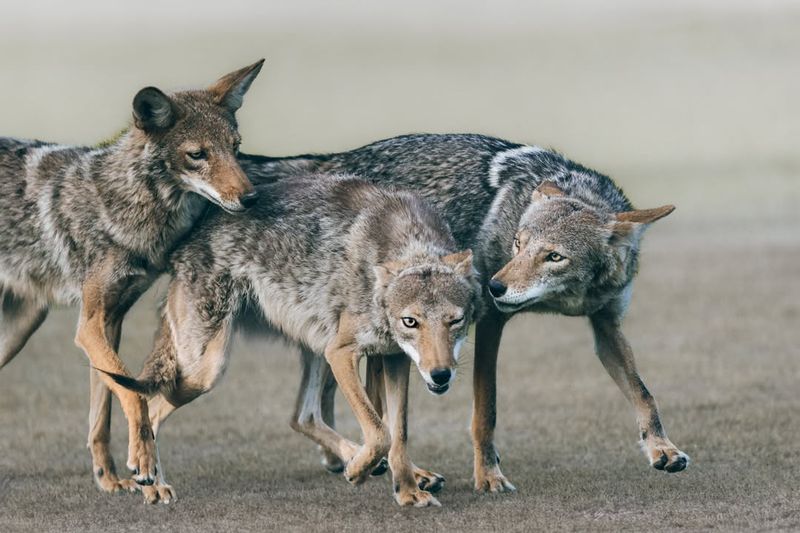
Coyotes have adapted remarkably well to Indiana’s changing landscapes, now appearing in suburban neighborhoods as frequently as rural farmlands.
These clever canines pose particular risks to small pets, especially cats and small dogs left unattended outdoors during dawn and dusk hours.
Their opportunistic nature leads them to explore yards, parks, and even urban areas while searching for food sources ranging from rodents to garbage.
Most coyotes avoid direct confrontation with humans, but they show less fear around people than their wild ancestors did decades ago.
Keeping pets leashed during walks and supervising them in fenced yards prevents tragic encounters with these skilled predators.
Removing attractants like pet food, fallen fruit, and unsecured trash makes your property less appealing to curious coyotes.
Despite their reputation, coyotes provide valuable ecosystem services by controlling rodent and rabbit populations throughout Indiana.
Respecting their space and taking reasonable precautions allows safe coexistence without unnecessary conflict.
If a coyote appears too comfortable around people or acts aggressively, contacting local wildlife authorities helps address potential problems before they escalate into dangerous situations for both humans and animals.
9. Rabid Raccoons
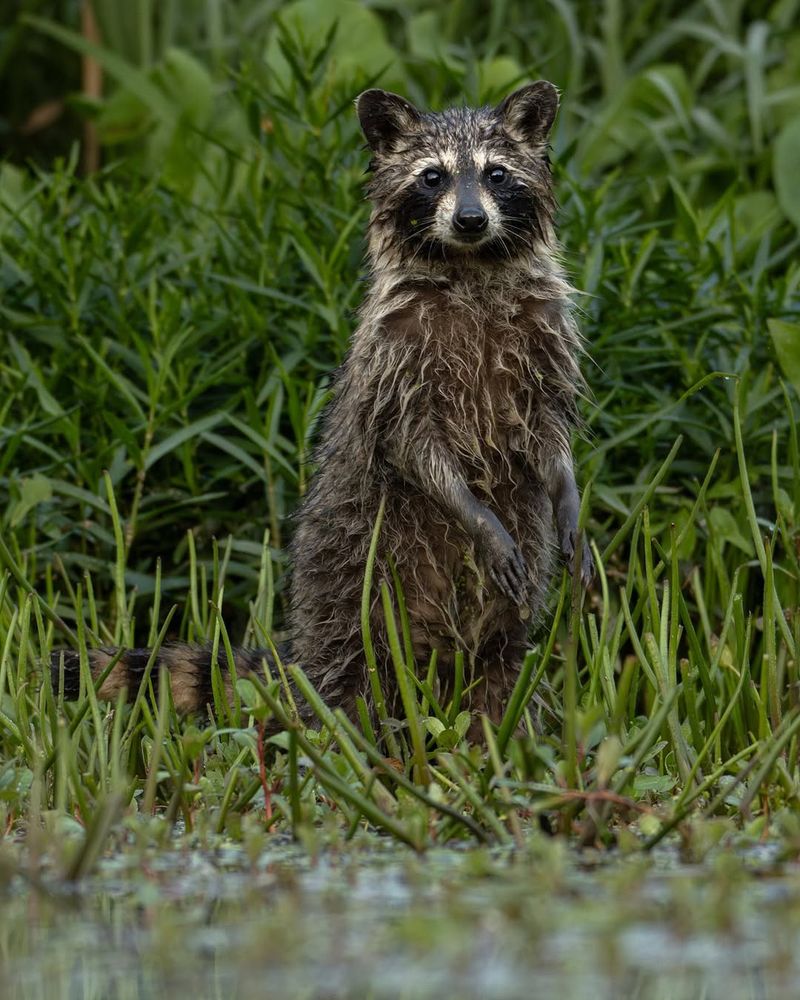
Raccoons infected with rabies present serious public health concerns across Indiana, as this virus affects the nervous system and spreads through bites or scratches.
Normal raccoons avoid daytime activity and human contact, so seeing one stumbling around during daylight hours often signals illness.
Other warning signs include excessive drooling, difficulty walking, unusual aggression, or appearing disoriented and confused.
Rabies remains almost always fatal once symptoms appear, making prevention through caution absolutely essential for everyone.
Never approach, feed, or attempt to handle raccoons regardless of how cute or helpless they might appear.
Teaching children to admire wildlife from safe distances and never touching wild animals creates lifelong safety habits.
Vaccinating pets against rabies provides crucial protection since they might encounter infected wildlife before you notice any danger.
Securing garbage cans and eliminating food sources discourages raccoons from frequenting your property.
If you spot a raccoon acting strangely, contact animal control immediately rather than attempting to deal with the situation yourself, as trained professionals have proper equipment and protocols for handling potentially rabid animals safely.
10. Venomous Stinging Wasps And Hornets
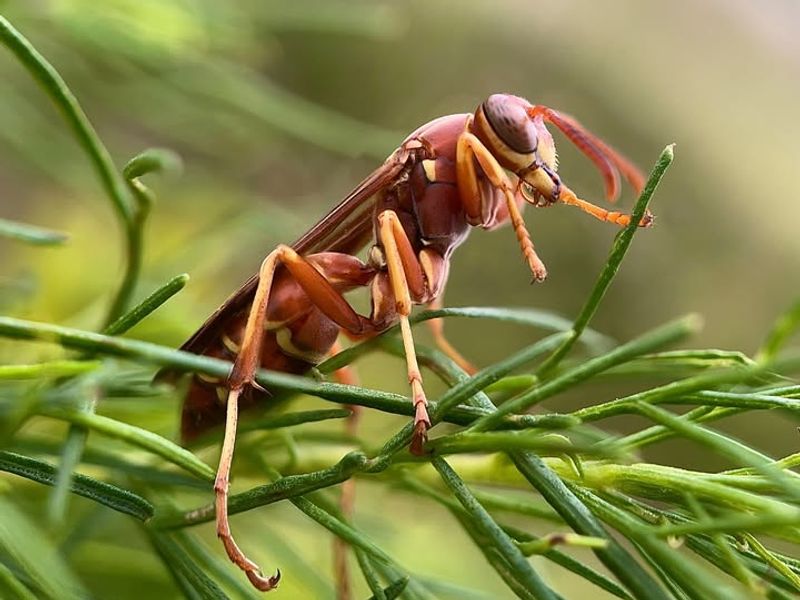
Wasps and hornets build impressive nests around Indiana homes, creating dangerous situations especially for people with allergies to their venom.
Unlike honeybees that sting once, these aggressive insects can sting repeatedly when defending their colonies.
Nests often appear in eaves, attics, tree branches, and underground burrows, sometimes growing to basketball size before anyone notices their presence.
Disturbing a nest accidentally while mowing, trimming bushes, or doing outdoor maintenance can trigger mass attacks from dozens of angry defenders.
For individuals with severe allergies, even a single sting can cause life-threatening reactions requiring immediate emergency medical treatment.
Carrying an epinephrine auto-injector and knowing how to use it becomes essential for anyone with documented venom allergies.
Early spring offers the best time to watch for queen wasps starting new nests when removal remains simpler and safer.
Professional pest control services have specialized equipment and protective gear for removing established nests without putting homeowners at risk.
Staying calm and moving away slowly if wasps start buzzing around you prevents triggering their defensive instincts, while swatting and running often escalates the situation unnecessarily.
11. Wild Boar Feral Hogs
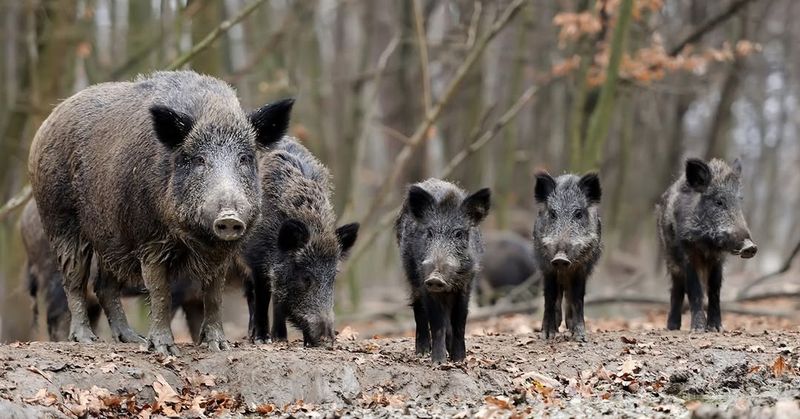
Feral hogs have established populations in southern Indiana after escaping from hunting preserves or being released by irresponsible owners.
These powerful animals can weigh over 200 pounds and possess sharp tusks capable of inflicting serious injuries when they feel threatened or cornered.
Their aggressive nature when protecting young or defending territory makes them genuinely dangerous to hikers, farmers, and anyone who encounters them unexpectedly.
Beyond safety concerns, feral hogs cause extensive agricultural damage by rooting through crops, destroying pastures, and competing with native wildlife for resources.
They reproduce rapidly, with females producing multiple litters annually, allowing populations to explode without active management efforts.
Property owners discovering hog damage should contact wildlife officials rather than attempting to handle these unpredictable animals alone.
Feral hogs carry various diseases transmissible to humans, livestock, and pets, adding another layer of concern beyond their physical threat.
Avoiding areas with fresh rooting damage and staying alert in rural southern Indiana reduces chances of surprise encounters.
These invasive animals represent a growing challenge requiring coordinated management strategies to protect both people and Indiana’s agricultural heritage from their destructive impacts.
12. Poisonous Caterpillars And Spiny Insects
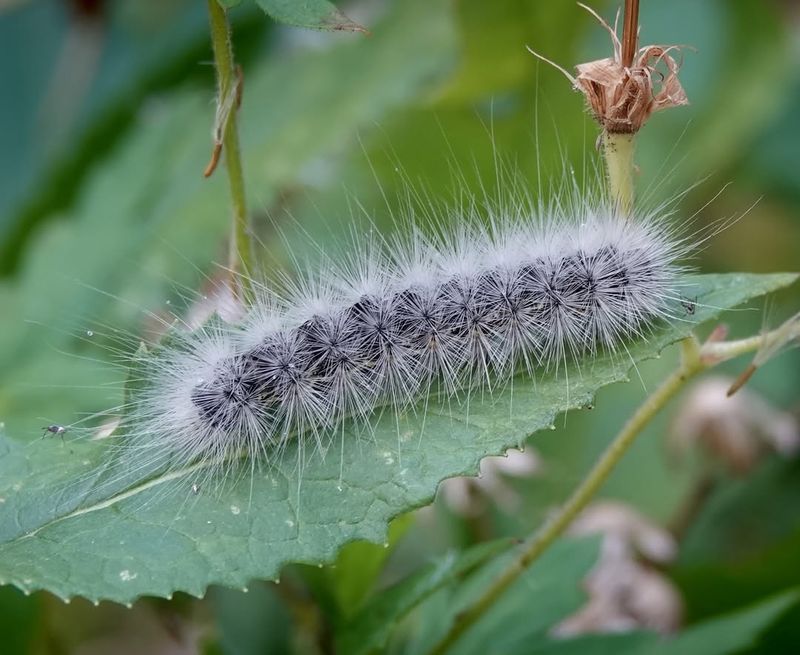
Several caterpillar species found in Indiana possess venomous spines that deliver painful stings when touched, catching unsuspecting gardeners and children by surprise.
The saddleback caterpillar sports a distinctive green saddle marking on its brown body, while the puss caterpillar resembles a tiny, fuzzy toupee.
These deceiving appearances hide hollow spines connected to venom glands that cause immediate burning sensations, swelling, and sometimes nausea.
Children naturally curious about colorful, fuzzy caterpillars face the highest risk of accidental contact while playing outdoors or examining plants.
Teaching kids the simple rule of never touching caterpillars with bare hands prevents most painful encounters.
Gardeners should wear gloves when pruning shrubs and inspect plants carefully before reaching into dense foliage where these creatures hide.
Most stings resolve within a few hours using ice packs and over-the-counter pain relievers, though severe reactions occasionally require medical evaluation.
Removing any embedded spines with tape rather than rubbing the affected area prevents spreading venom further.
Recognizing these caterpillars allows you to appreciate their unusual defenses from a safe distance while enjoying Indiana’s diverse insect life during the growing season without unnecessary painful surprises.