11 Dangerous Insects Wisconsin Homeowners Should Eliminate Immediately
In Wisconsin, sharing your yard with nature is part of the deal—but some insects cross the line from harmless neighbor to serious threat.
While many bugs play an important role in the ecosystem, others can sting, bite, spread disease, or quietly cause damage before you even know they’re there.
And once they get a foothold, they don’t leave without a fight.
From insects that pose risks to pets and children to those that can undermine your home’s structure, these unwelcome guests aren’t just a nuisance—they’re a ticking time bomb.
Wisconsin’s mix of wetlands, forests, and seasonal weather creates the perfect breeding ground for certain dangerous species, especially during warmer months and mild winters.
Knowing which insects demand immediate action can save you time, money, and more than a little peace of mind.
The key is recognizing the warning signs early and understanding which ones should never be ignored.
When it comes to these pests, waiting it out isn’t an option—because by the time they make themselves obvious, the damage may already be done.
1. Mosquitoes
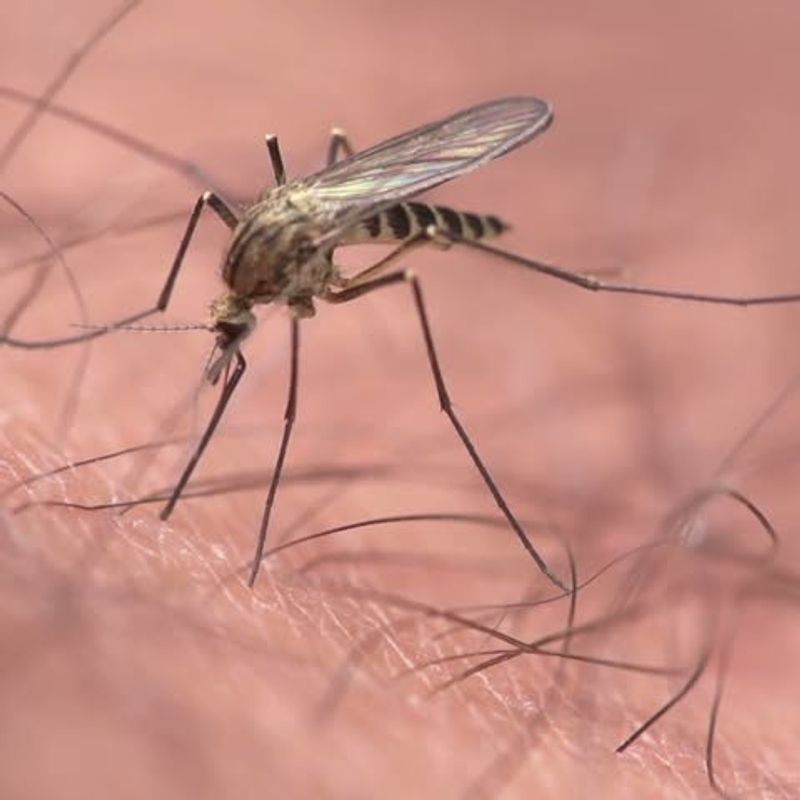
Wisconsin’s warm summers create perfect breeding grounds for mosquitoes, turning backyard gatherings into itchy ordeals.
But beyond the annoying bites, these tiny insects carry serious health threats, including West Nile virus, which has been documented in multiple Wisconsin counties.
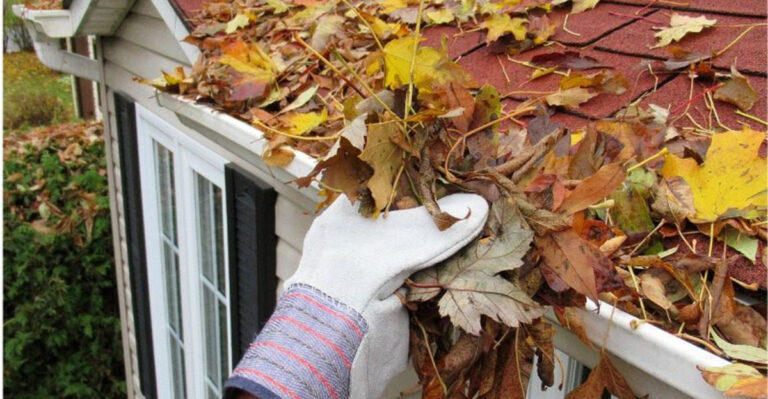
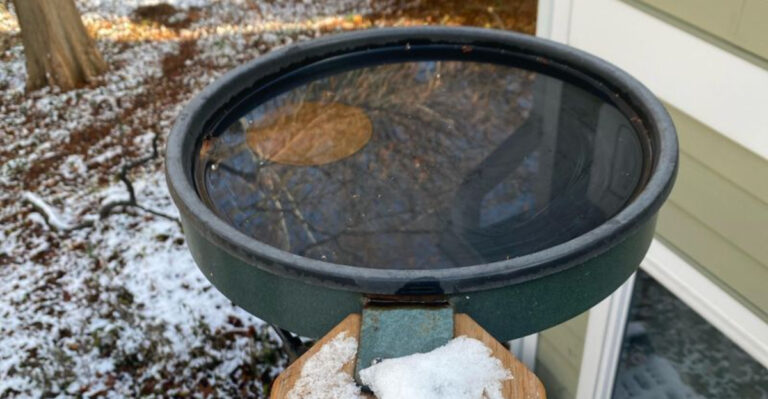
Public health data shows that standing water near homes—like clogged gutters, birdbaths, and untended flower pots—provides ideal mosquito nurseries.
Female mosquitoes lay eggs in stagnant water, and larvae can mature in as little as seven days during peak season.
Research from the CDC emphasizes eliminating standing water as the most effective prevention method.
Homeowners should inspect their properties weekly, emptying containers and ensuring proper drainage.
Window and door screens should remain intact and tightly fitted to prevent indoor entry.
During peak activity hours at dawn and dusk, wearing long sleeves and using EPA-registered repellents containing DEET or picaridin offers additional protection.
Larvicides can be applied to water features that cannot be drained, such as ornamental ponds.
Professional mosquito control services may be warranted for severe infestations, particularly in wooded or wetland-adjacent properties.
Taking these steps significantly reduces mosquito populations and minimizes disease transmission risks throughout the warmer months.
2. Ticks (Blacklegged / Deer Ticks)
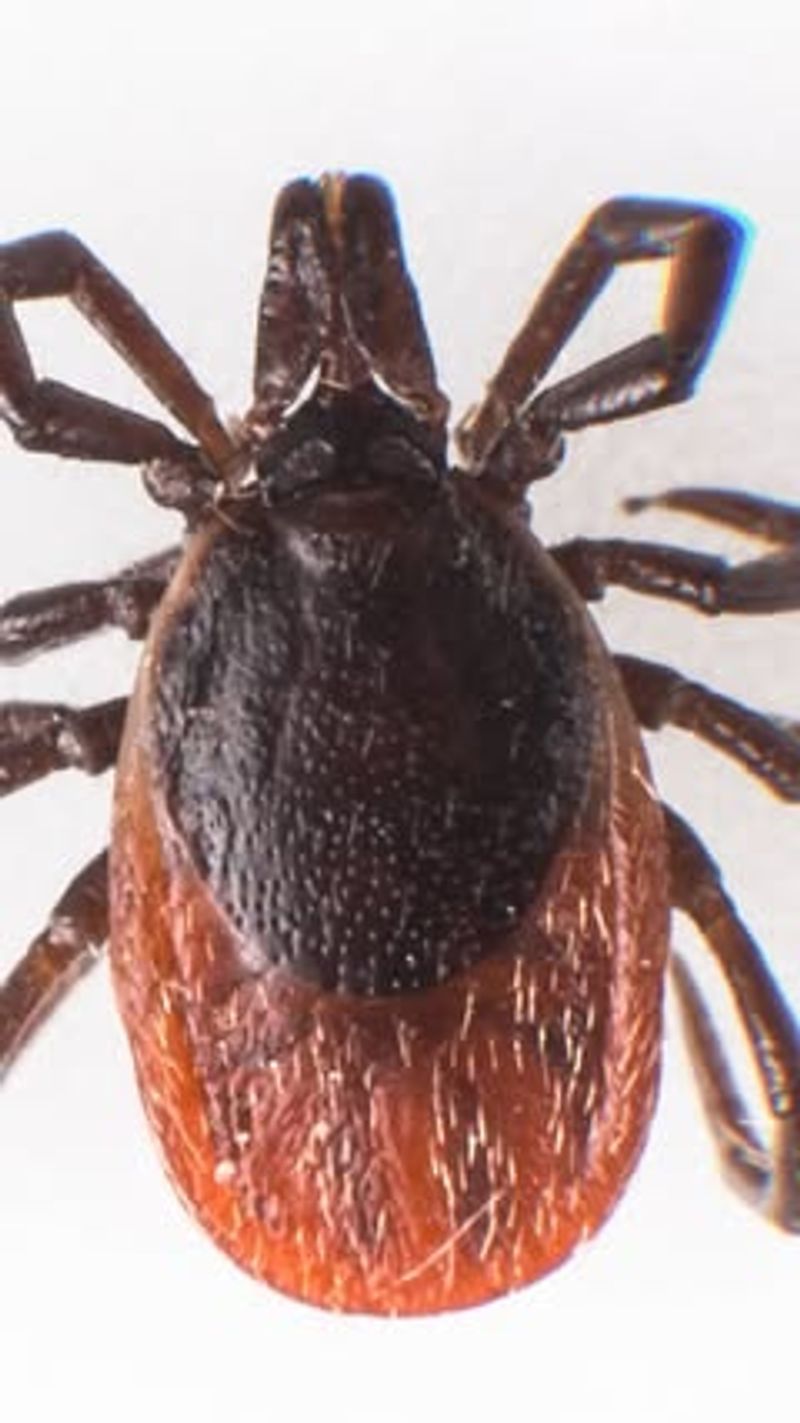
Blacklegged ticks, commonly called deer ticks, represent one of Wisconsin’s most serious health threats due to their role in transmitting Lyme disease.
The state ranks among the highest nationally for Lyme disease cases, with thousands reported annually.
These tiny arachnids thrive in wooded areas, tall grasses, and leaf litter commonly found around Wisconsin homes.
Ticks don’t jump or fly; instead, they wait on vegetation for hosts to brush past, a behavior called questing.
Once attached, they feed for several days, and disease transmission typically occurs after 24-36 hours of attachment.
The CDC recommends creating tick-safe zones by maintaining mowed lawns, removing leaf litter, and establishing wood chip or gravel barriers between wooded areas and yards.
Homeowners should conduct daily tick checks after outdoor activities, paying special attention to hidden areas like underarms, behind knees, and along the hairline.
Protective clothing, such as long pants tucked into socks and light-colored fabrics that make ticks easier to spot, provides additional defense.
Permethrin-treated clothing and EPA-approved repellents offer further protection.
Pets should be checked regularly and kept on veterinarian-recommended tick preventatives.
If you find an attached tick, remove it promptly using fine-tipped tweezers, grasping close to the skin and pulling straight out without twisting.
3. Wasps
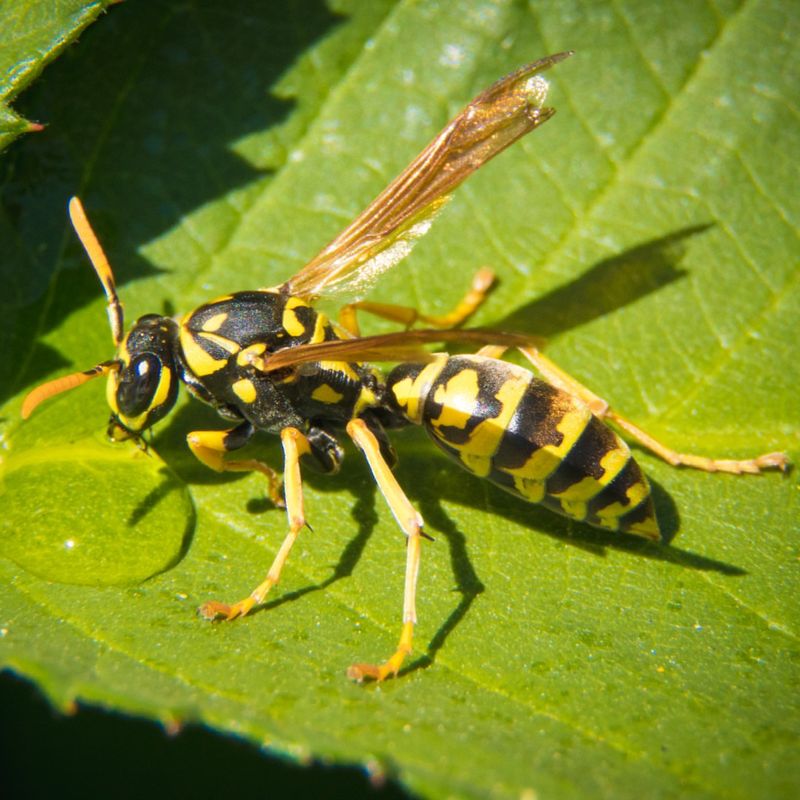
Paper wasps and yellowjackets are common around Wisconsin homes, building nests in eaves, attics, garages, and underground cavities.
Unlike honeybees, wasps can sting repeatedly, and they become increasingly aggressive when defending their nests, especially in late summer when colonies reach peak size.
For individuals with allergies, wasp stings can trigger anaphylaxis, a potentially life-threatening reaction requiring immediate medical attention.
Even for those without allergies, multiple stings can cause significant pain, swelling, and discomfort.
Wasps are attracted to sugary substances and proteins, making outdoor dining areas and garbage bins prime targets.
Prevention starts with regular property inspections in spring when queens begin establishing nests.
Early detection makes removal far safer and simpler.
Seal cracks and crevices in home exteriors, repair damaged screens, and keep trash bins tightly covered.
If you discover a nest, assess its location and size before taking action.
Small, accessible nests can sometimes be addressed with commercial wasp sprays applied at night when wasps are less active.
However, large nests, especially those in wall voids or underground, require professional pest control services equipped with proper protective gear and specialized treatments.
Never attempt to remove a nest during daylight hours or without appropriate precautions, as disturbed colonies will swarm and attack aggressively.
4. Hornets
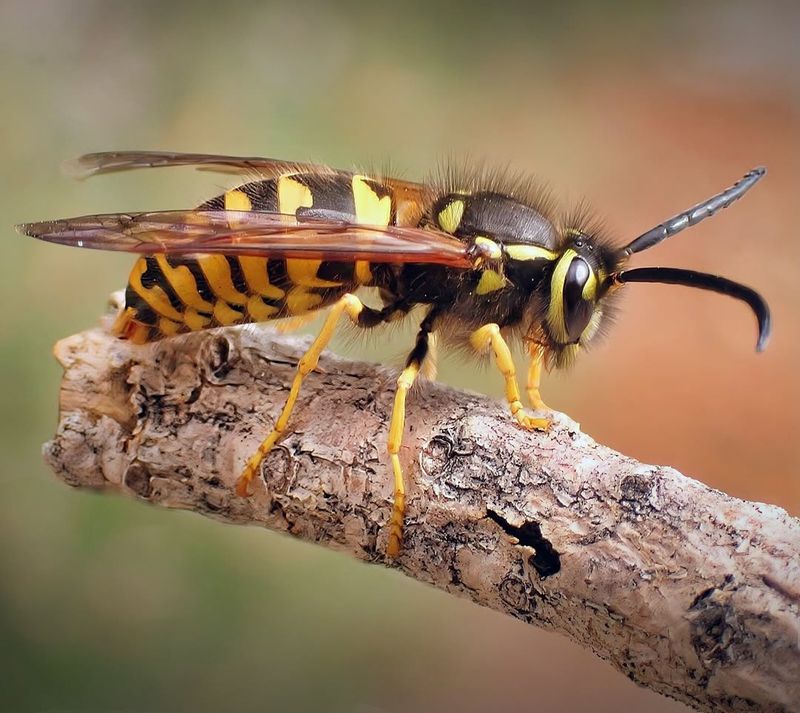
Bald-faced hornets, actually a type of yellowjacket, construct distinctive gray, paper-like nests that can reach basketball size in trees, shrubs, and building overhangs.
These insects are notably more aggressive than standard wasps, defending their territory with remarkable intensity.
Their venom is more potent, and their stings cause considerable pain and swelling.
Hornets can recognize perceived threats and will pursue intruders for significant distances from their nest.
This territorial behavior makes them particularly dangerous around homes where children and pets play.
Entomological research indicates that hornet colonies can contain several hundred workers by late summer, increasing the risk of mass stinging incidents.
Homeowners should never approach or disturb hornet nests.
Even vibrations from lawn mowing or power tools can trigger defensive responses.
Professional removal is strongly recommended, as pest control experts use specialized equipment and treatments that neutralize colonies safely.
Attempting DIY removal often results in multiple stings and incomplete nest elimination, leading to continued problems.
Prevention involves trimming vegetation away from structures and monitoring property perimeters in spring when queens search for nesting sites.
If you encounter hornets, move away calmly and avoid swatting, which releases alarm pheromones that signal other colony members to attack.
Keep outdoor food covered and maintain clean eating areas to avoid attracting foraging hornets.
5. Carpenter Ants
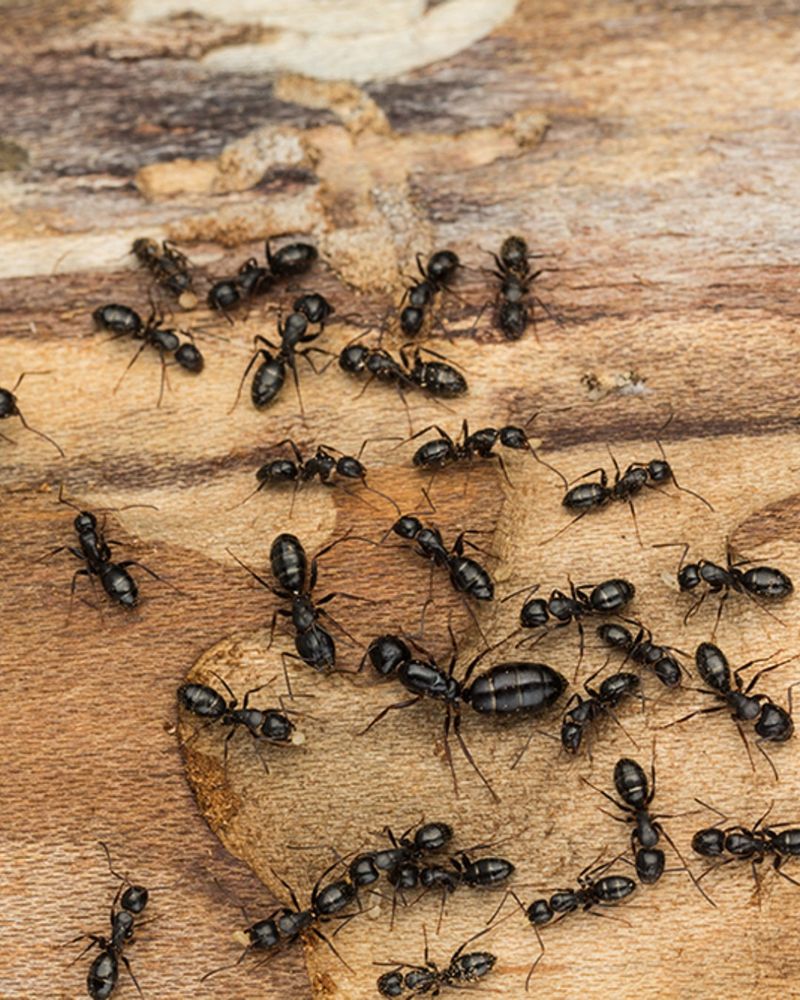
Unlike termites that consume wood, carpenter ants excavate smooth tunnels and galleries to create nesting sites, causing significant structural damage over time.
Wisconsin’s abundant forests and wooden structures provide ideal conditions for these large black or reddish ants.
Colonies can contain thousands of workers, and established infestations may have satellite nests throughout a property.
Homeowners often first notice carpenter ants as individual foragers searching for food, particularly sweets and proteins.
However, the real concern lies in the hidden damage occurring within walls, floor joists, and support beams.
Telltale signs include piles of sawdust-like material called frass near wooden structures, faint rustling sounds within walls, and the presence of winged reproductive ants, especially in spring.
Moisture-damaged wood is particularly vulnerable, so addressing leaks, improving ventilation, and repairing water damage are critical prevention steps.
Store firewood away from the house and eliminate wood-to-soil contact around foundations.
Treatment typically requires professional intervention, as effective control demands locating and treating both parent and satellite colonies.
Pest control professionals use specialized products that workers carry back to nests, eliminating entire colonies.
Baiting systems prove more effective than surface sprays, which only address visible ants.
Regular inspections, particularly in moisture-prone areas like basements and crawl spaces, help catch infestations early before extensive damage occurs.
6. Brown Recluse Spiders
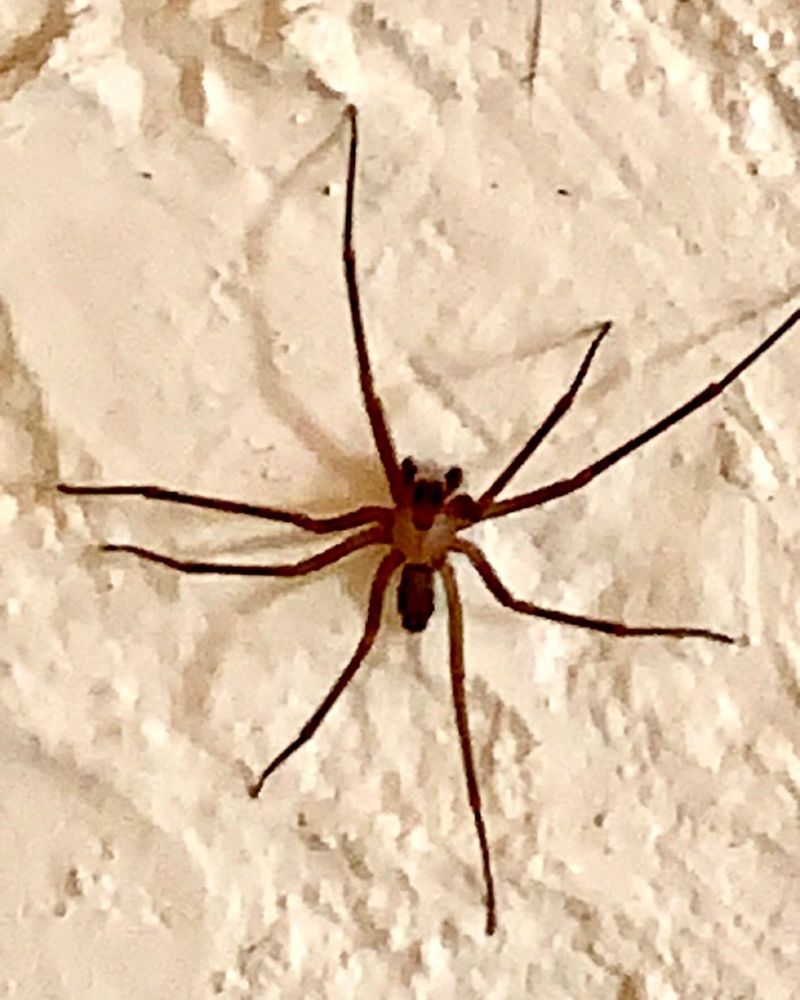
Brown recluse spiders generate considerable concern, though their established presence in Wisconsin remains debated among entomologists.
While not native to the state, occasional specimens arrive via transported goods from endemic regions further south.
The medical significance of brown recluse bites is well-documented, with venom causing necrotic lesions in some cases.
These spiders are reclusive by nature, hiding in undisturbed areas like closets, attics, basements, and storage boxes.
Most bites occur when spiders are accidentally trapped against skin, such as when putting on clothing or shoes where they’ve taken shelter.
Identification is crucial, as many spider bites are incorrectly attributed to brown recluses.
True brown recluses have a distinctive violin-shaped marking on their cephalothorax and six eyes arranged in three pairs, unlike most spiders’ eight eyes.
If you suspect brown recluse presence, reduce clutter that provides hiding spots, seal cracks and gaps where spiders might enter, and shake out stored clothing and shoes before use.
Sticky traps placed along baseboards can monitor spider activity and aid identification.
Medical experts recommend preserving any spider that bites for proper identification, as treatment approaches vary.
Most brown recluse bites heal without intervention, though some develop serious complications requiring medical care.
Professional pest control can assess your home and implement targeted treatments if brown recluses are confirmed.
Maintaining clean, clutter-free spaces remains the most effective prevention strategy.
7. Black Widow Spiders
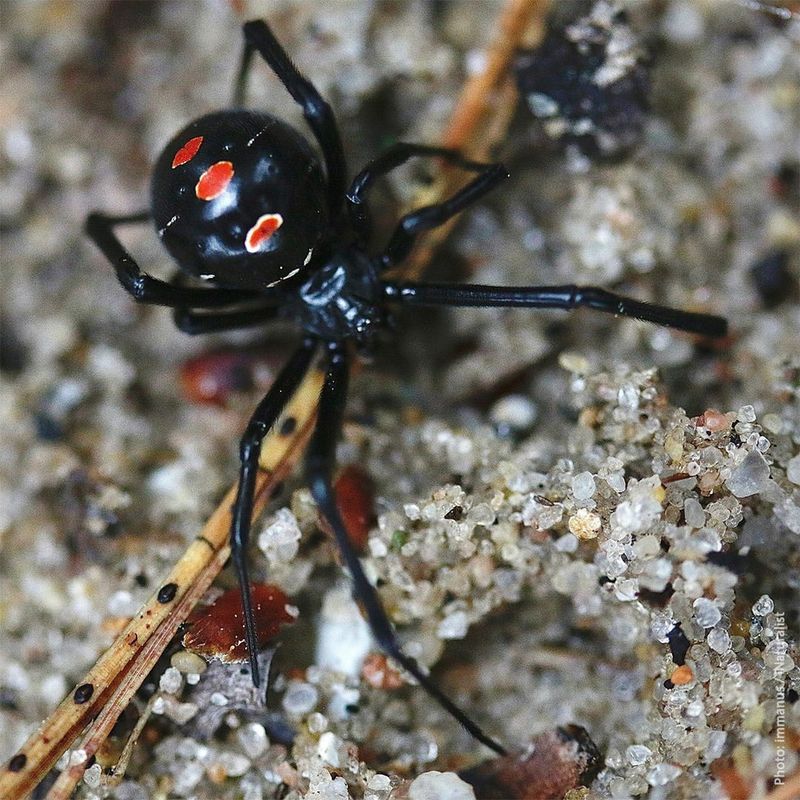
Black widow spiders are medically significant and present in Wisconsin, though encounters remain relatively uncommon.
Female black widows are easily identified by their glossy black bodies and distinctive red hourglass marking on the underside of the abdomen.
Their venom is neurotoxic, and bites can cause severe muscle pain, cramping, nausea, and other systemic symptoms requiring medical evaluation.
Fortunately, black widows are not aggressive and bite only when threatened or accidentally pressed against skin.
These spiders prefer dark, undisturbed locations such as woodpiles, garages, sheds, crawl spaces, and outdoor furniture that hasn’t been moved recently.
They construct irregular, sticky webs close to ground level where they wait for prey.
Homeowners can reduce black widow encounters by wearing gloves when handling stored items or working in areas where spiders might hide.
Store firewood away from the house and off the ground, and inspect outdoor furniture before use, especially after extended periods of storage.
Regular cleaning of basements, garages, and storage areas disrupts web-building and discourages spider habitation.
Seal cracks and gaps in foundations and around utility entry points to prevent spider access.
If you find black widows on your property, carefully vacuum them and their webs, or use a stick to relocate them far from living areas.
Professional pest control services can provide targeted treatments for persistent problems, creating barriers that prevent spider establishment near homes.
8. Bed Bugs
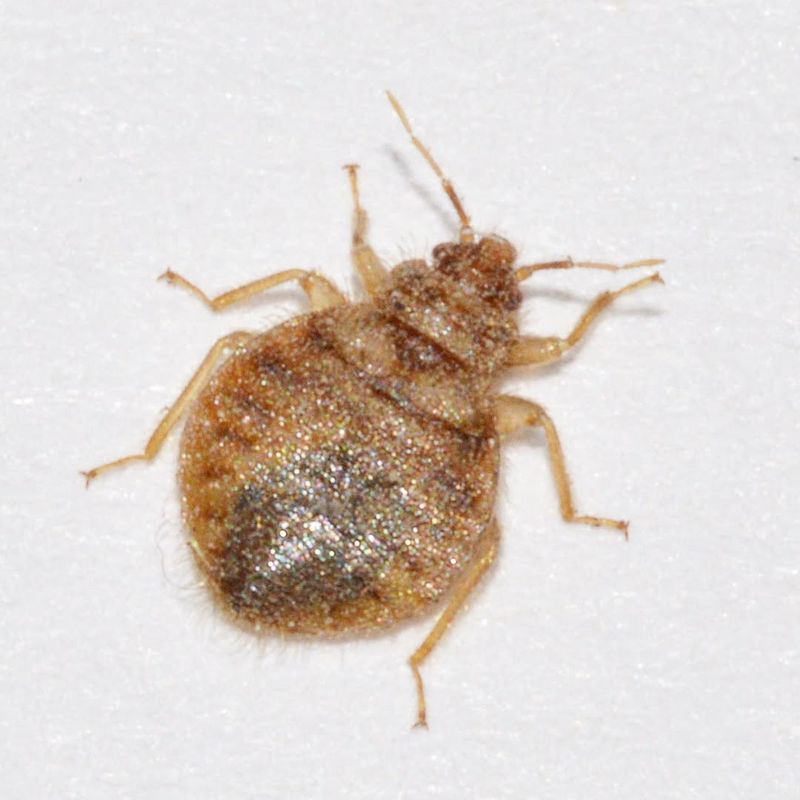
Bed bugs have resurged dramatically across the United States, including Wisconsin, creating significant challenges for homeowners, hotels, and apartment dwellers.
These tiny, reddish-brown insects feed exclusively on blood, typically at night while people sleep.
While they don’t transmit diseases, their bites cause itchy welts, and infestations create considerable psychological distress, sleep disruption, and financial burden.
Bed bugs are expert hitchhikers, traveling in luggage, used furniture, clothing, and other personal belongings.
They hide in mattress seams, box springs, bed frames, headboards, and cracks in walls and furniture.
Early detection is crucial, as small infestations are far easier to address than established populations.
Look for rusty spots on bedding from crushed bugs, tiny dark fecal spots, shed skins, and the bugs themselves, which are about the size of an apple seed.
If you suspect bed bugs, immediately launder bedding and clothing in hot water and dry on high heat for at least 30 minutes.
Vacuum thoroughly, focusing on seams, crevices, and cracks, then dispose of the vacuum bag in a sealed plastic bag outdoors.
Professional pest control is typically necessary for effective elimination, as bed bugs have developed resistance to many over-the-counter products.
Integrated pest management approaches combining heat treatments, specialized pesticides, and monitoring devices yield the best results.
Prevention includes inspecting secondhand furniture before bringing it home and checking hotel rooms before unpacking during travel.
9. Stink Bugs (Brown Marmorated Stink Bug)
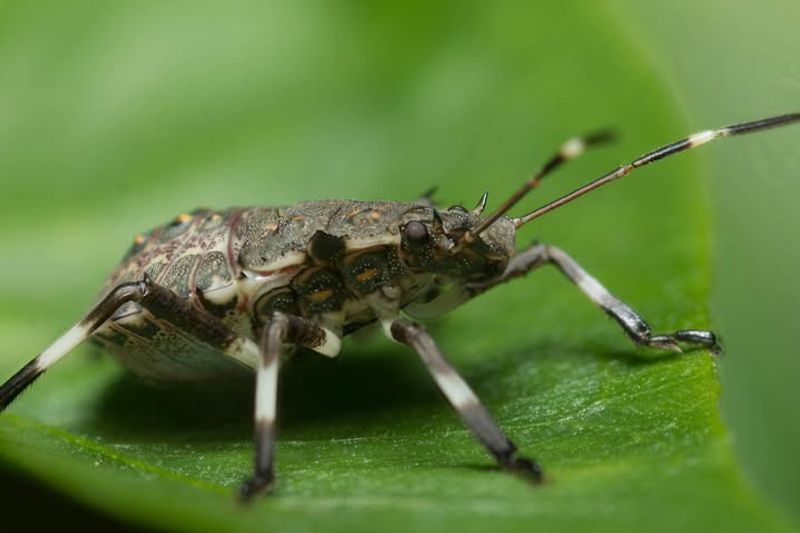
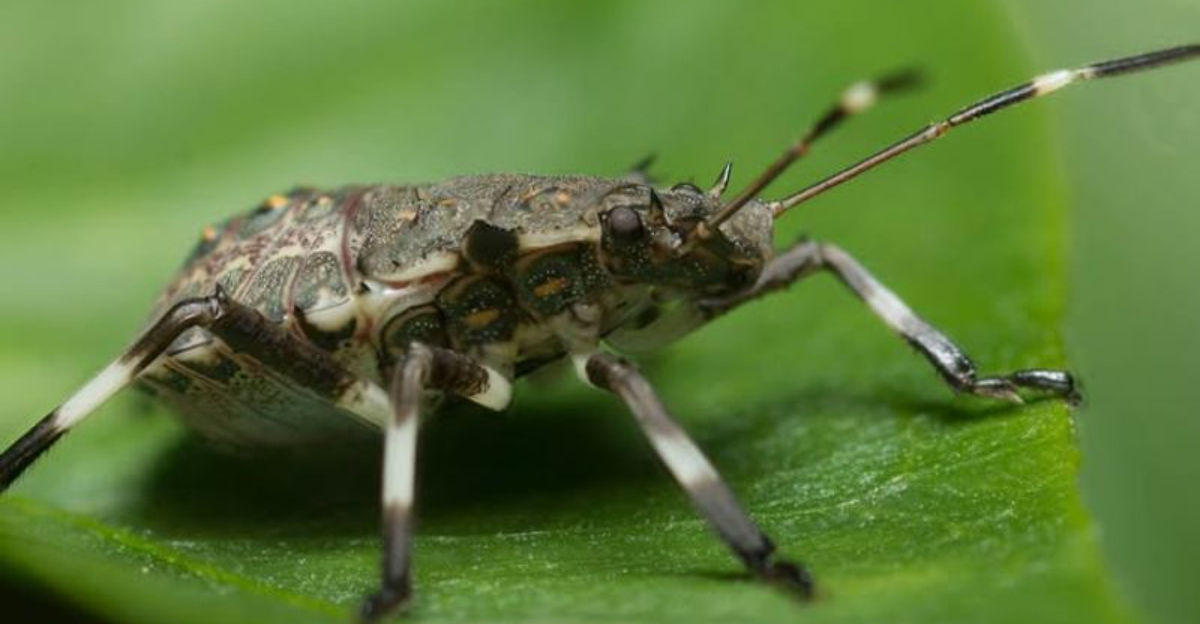
Brown marmorated stink bugs, an invasive species from Asia, have become increasingly problematic for Wisconsin homeowners in recent years.
These shield-shaped insects earned their name from the pungent odor they release when threatened or crushed.
While they don’t bite or cause structural damage, they invade homes in large numbers during fall, seeking warm overwintering sites.
Homeowners may find dozens or even hundreds clustering on sunny exterior walls before finding entry points through cracks, gaps, and openings.
Once inside, they congregate in attics, wall voids, and other protected spaces, emerging on warm winter days and becoming nuisances throughout the season.
The odor they produce when disturbed or accidentally crushed is unpleasant and persistent, creating discomfort for residents.
Prevention focuses on exclusion before fall migration begins, typically in September.
Seal cracks around windows, doors, siding, utility pipes, and chimneys using caulk or weather stripping.
Repair damaged screens and install door sweeps.
If stink bugs enter your home, vacuum them up carefully, disposing of the bag immediately to prevent odor release inside.
Avoid crushing them whenever possible.
For severe infestations, pest control professionals can apply barrier treatments to exterior walls before migration season.
While stink bugs pose no health threats, their sheer numbers and unpleasant odor make prevention worthwhile.
Research continues into biological control methods, but currently, exclusion remains the most effective homeowner strategy for managing these persistent invaders.
10. Fleas
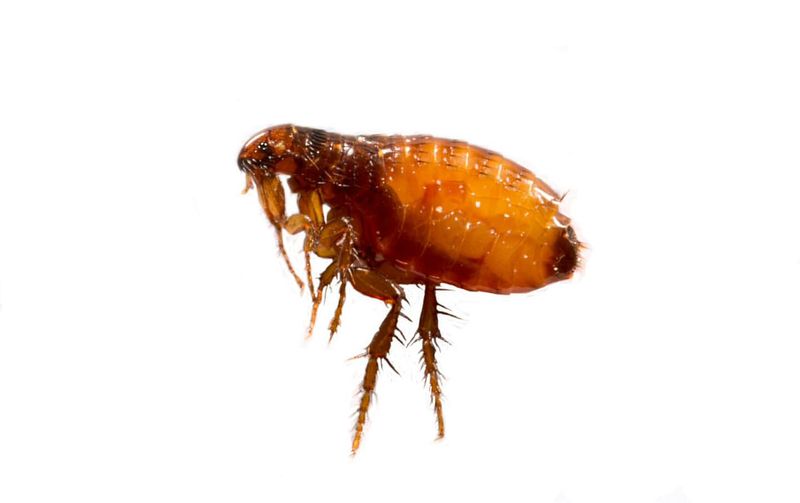
Fleas are more than just irritating pests that make pets scratch—they pose legitimate health risks to both animals and humans.
These tiny, wingless parasites feed on blood and can transmit diseases including murine typhus and, historically, plague.
They also serve as intermediate hosts for tapeworms that can infect pets and occasionally humans.
Flea infestations often begin when pets acquire them outdoors or from contact with infested animals.
Female fleas lay eggs on hosts, but the eggs fall off into carpeting, bedding, furniture, and cracks in flooring where they develop through larval and pupal stages.
A single flea can lay hundreds of eggs, leading to rapid population growth.
Adult fleas can survive months without feeding, making infestations persistent and challenging.
Effective flea control requires treating both pets and environments simultaneously.
Veterinarians recommend year-round preventative medications for pets, even in Wisconsin’s colder climate where fleas can survive indoors.
Vacuum frequently, especially in areas where pets rest, and immediately dispose of vacuum bags or empty canisters outdoors.
Wash pet bedding weekly in hot water.
For established infestations, professional pest control treatments targeting all life stages prove most effective.
Insect growth regulators disrupt flea development, preventing larvae from maturing into breeding adults.
Outdoor treatment may be necessary in severe cases, focusing on shaded areas where pets rest.
Consistent prevention through pet medication remains the most reliable strategy for keeping homes flea-free year-round.
11. Asian Giant Hornet (Rare But High Risk)
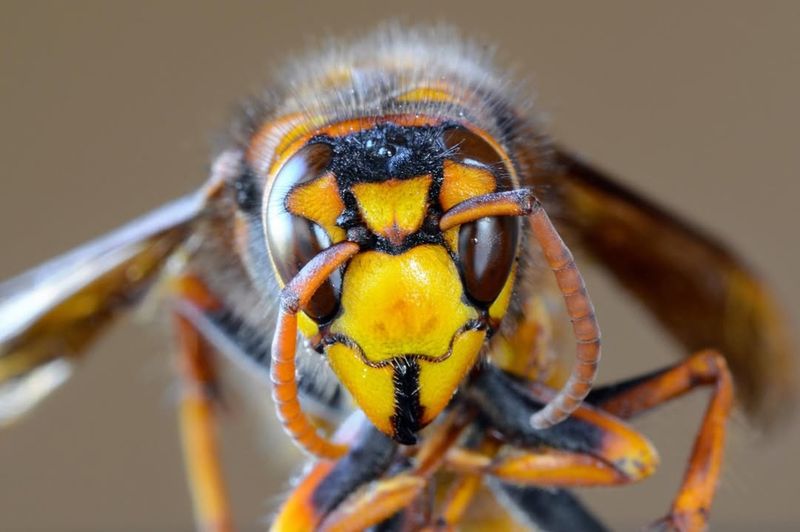
Asian giant hornets, sometimes called “murder hornets,” generated significant media attention following their discovery in the Pacific Northwest.
While no established populations exist in Wisconsin, understanding this species remains important due to its extreme danger if it spreads.
These hornets are the world’s largest, measuring up to two inches long with a wingspan exceeding three inches.
Their venom is more toxic than native species, and their larger bodies deliver greater venom quantities per sting.
Multiple stings can be life-threatening even to individuals without allergies.
Perhaps most concerning is their behavior toward honeybee colonies, which they attack in groups, decapitating bees and feeding the remains to their larvae.
Such attacks devastate bee populations critical for agriculture and ecosystems.
Currently, Wisconsin residents face minimal risk, but vigilance helps prevent establishment.
The USDA and state agricultural departments request reports of any suspected Asian giant hornet sightings with photos if possible.
These hornets prefer forested areas near water and nest underground or in tree cavities.
If you believe you’ve encountered one, do not approach or attempt to capture it.
Professional entomologists and agricultural officials have protocols for verification and response.
Early detection and rapid response proved successful in eradicating initial Pacific Northwest populations, demonstrating the importance of public awareness.
While the immediate threat to Wisconsin remains low, staying informed and reporting unusual large hornets helps protect both human safety and vital pollinator populations across the region.