11 Dangerous Insects You Should Remove From Pennsylvania Yards Immediately
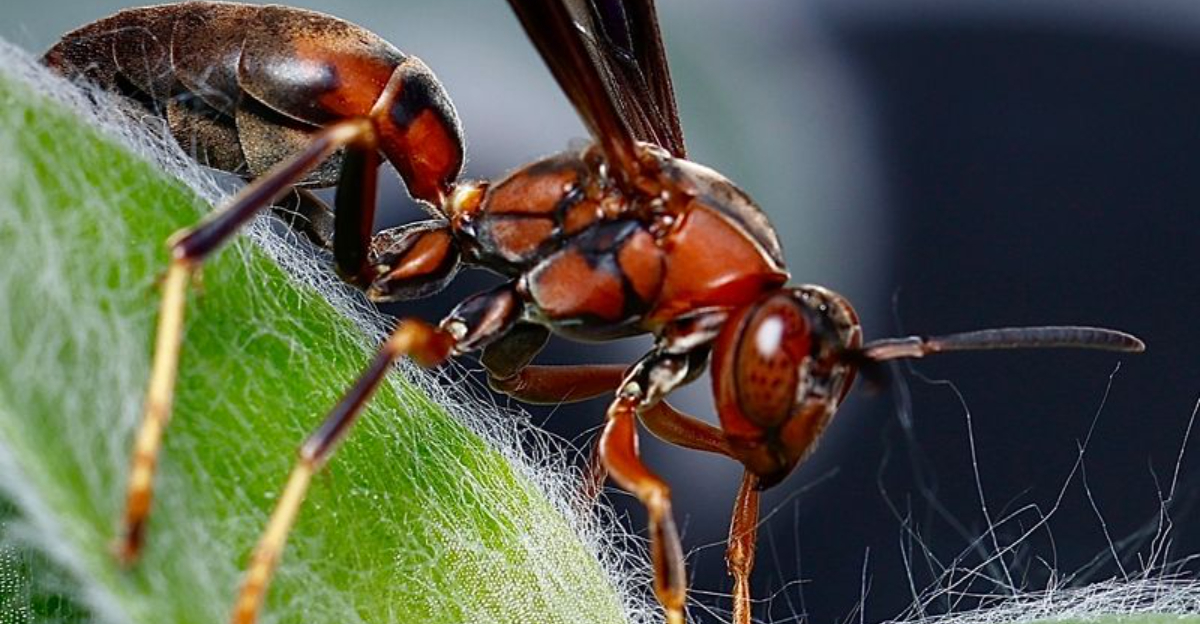
I’ll never forget the first time I found a large, buzzing insect in my Pennsylvania yard and froze, unsure if it was dangerous. Many common garden insects can actually pose serious risks to people, pets, or plants, and removing them promptly is essential.
Some insects in your yard are more than just a nuisance, they can be hazardous.
These eleven insects include wasps, hornets, certain spiders, and stinging caterpillars. Quick identification and safe removal reduce the risk of painful bites, allergic reactions, and plant damage.
Using protective gear and following safe handling techniques ensures you stay safe while protecting your garden. Acting fast prevents injuries and keeps your yard safe for everyone.
Pennsylvania homeowners who remove these dangerous insects promptly enjoy a safer, healthier outdoor space for their family and pets. Identify, remove, and protect your yard from harmful insects today.
1. Black Widow Spider
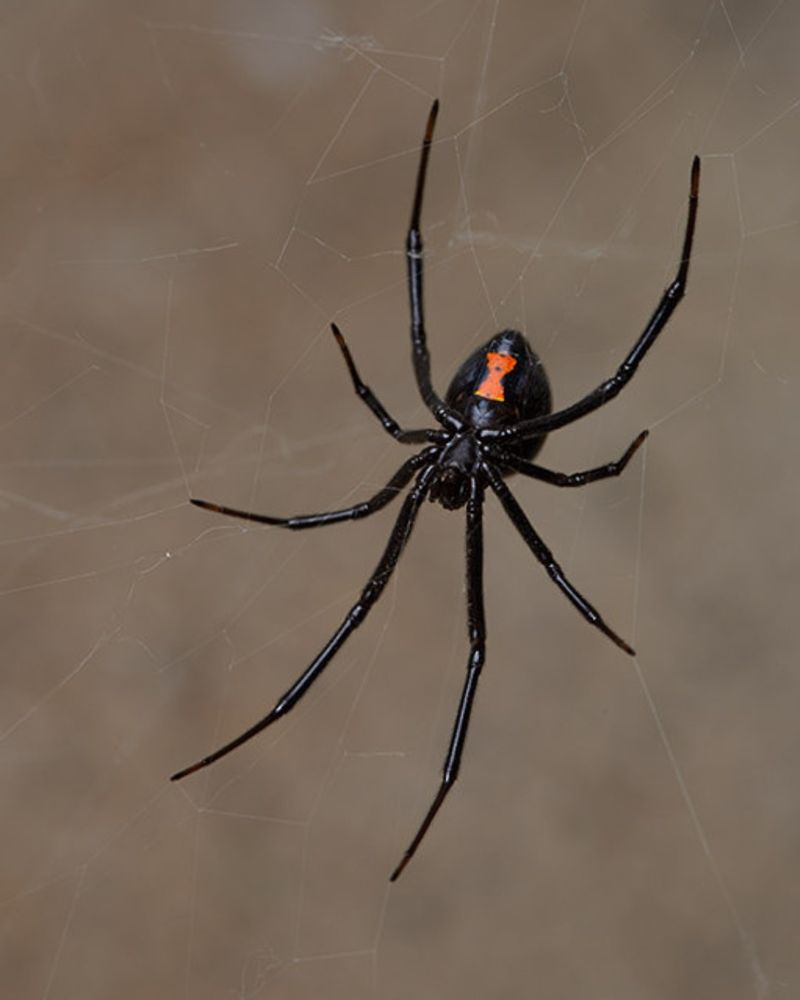
Black widow spiders are among Pennsylvania’s most notorious arachnids. Their glossy black bodies and distinctive red hourglass markings make them unmistakable.
These spiders are often found in woodpiles, sheds, garages, and other quiet, undisturbed areas where they can build irregular, sticky webs. Despite their small size, black widows pack a venomous bite that is neurotoxic.
A bite can cause intense pain, muscle cramps, nausea, and in rare cases, more severe symptoms requiring medical attention. Most bites occur when humans accidentally disturb a spider while handling objects in dark corners.
If you spot black widow webs on your property, it is important to call professional pest control rather than attempting removal on your own. Maintaining clean and organized storage areas can reduce the likelihood of black widows taking up residence.
Wearing gloves when handling wood, boxes, or gardening supplies is another preventive measure. While these spiders are dangerous, they also serve an ecological role, controlling populations of flies, mosquitoes, and other small insects.
Observing a black widow from a safe distance can be educational, but homeowners should always prioritize safety and professional intervention to manage infestations effectively.
2. Brown Recluse Spider
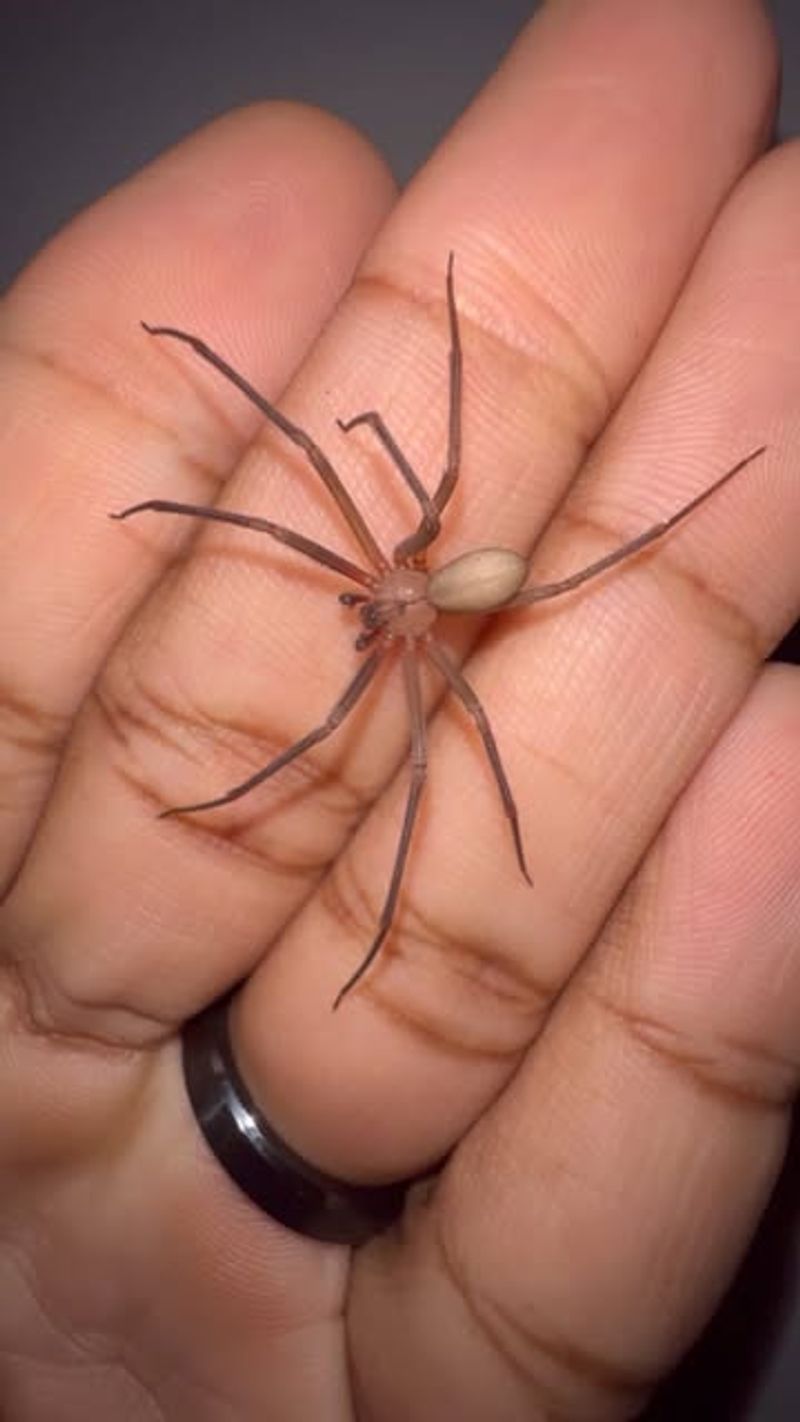
Brown recluse spiders are less common in Pennsylvania than in southern states, but they occasionally appear in homes, often hitchhiking on boxes, clothing, or furniture. They are small, tan-colored spiders distinguished by a violin-shaped marking on their back and six eyes arranged in pairs rather than the typical eight.
Their bites can be painful and slow to heal, sometimes causing necrotic lesions where tissue dies around the bite site. These spiders typically prefer quiet, undisturbed spaces such as basements, closets, attics, or storage areas.
Immediate removal by a professional is advised if a brown recluse is identified. Preventing infestations involves reducing clutter, sealing cracks and gaps, and inspecting second-hand items before bringing them indoors.
While these spiders can pose a health risk, they also play a beneficial role by controlling insects in and around homes. Awareness is key.
Recognizing the spider’s appearance and typical hiding spots allows homeowners to take proactive measures without creating unnecessary panic. With careful observation, professional intervention, and preventive practices, brown recluse encounters can be minimized safely and effectively in Pennsylvania residences.
3. Deer Tick
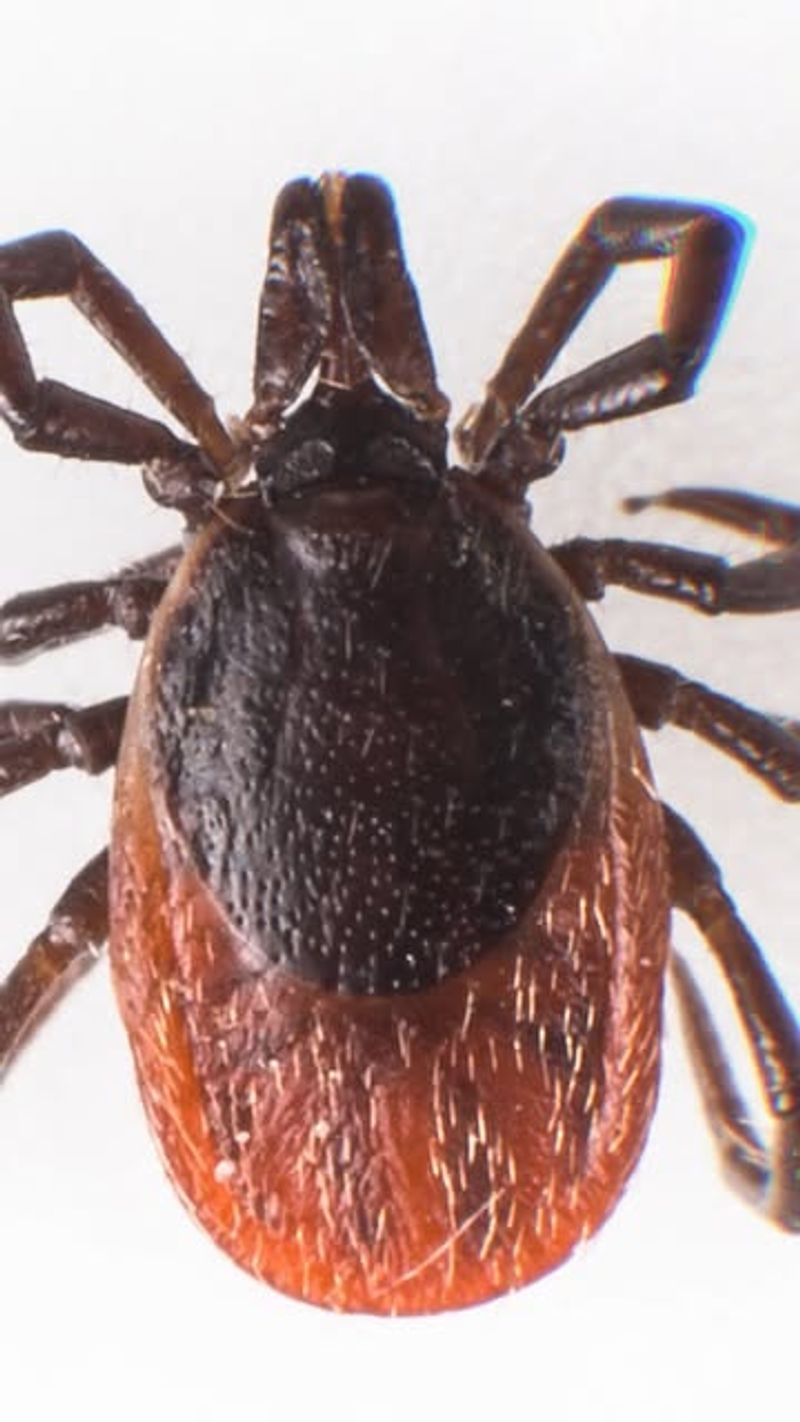
Deer ticks, also known as black-legged ticks, are tiny arachnids about the size of a sesame seed, yet they pose serious health risks. They are common in Pennsylvania’s wooded areas, tall grasses, and brushy zones.
Their bites often go unnoticed because of their small size and painless puncture, making early detection critical. Deer ticks are notorious carriers of Lyme disease, which can cause fever, fatigue, joint pain, and other severe symptoms if untreated.
Pennsylvania residents who hike, camp, or work outdoors should check themselves, pets, and clothing for ticks after exposure to natural habitats. Proper tick removal, using fine-tipped tweezers to grasp the tick close to the skin, reduces the risk of disease transmission significantly.
Wearing long sleeves, tucking pants into socks, and using insect repellents are effective preventive measures. Keeping yards trimmed and clearing leaf litter can also reduce tick populations near homes.
While tiny, deer ticks are formidable threats, but vigilance, education, and preventive practices allow Pennsylvanians to enjoy outdoor spaces safely. Knowing how to identify, remove, and prevent ticks is essential for protecting family health and reducing Lyme disease risk.
4. Yellow Jackets
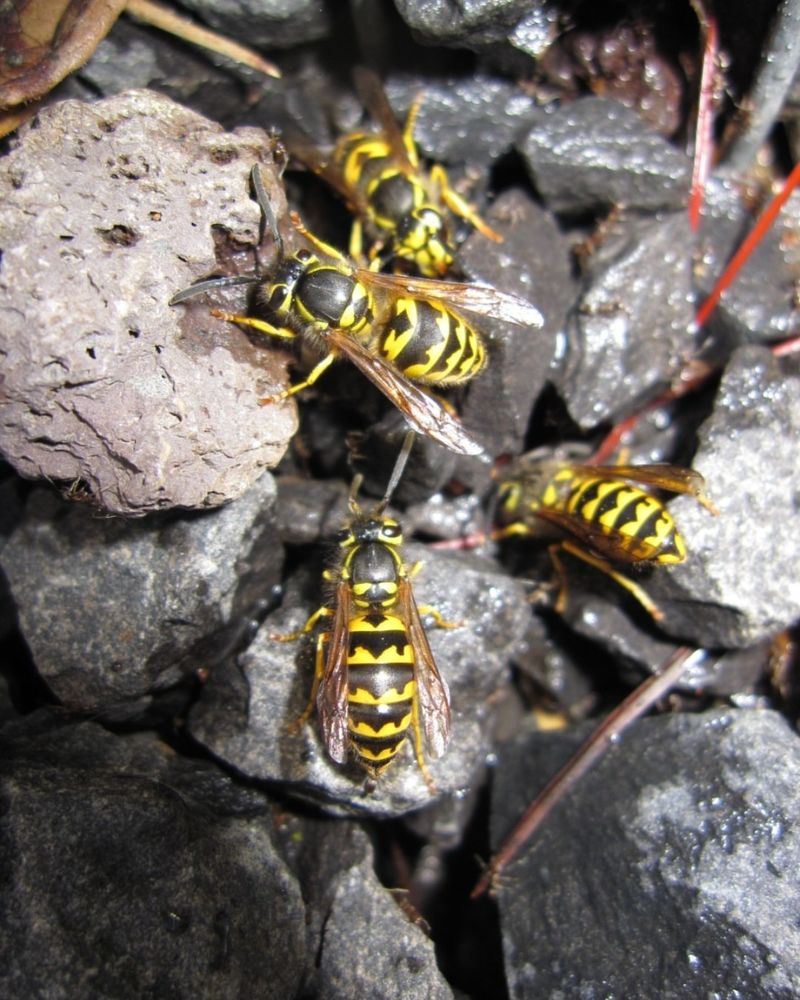
Yellow jackets are aggressive, black-and-yellow wasps frequently encountered during Pennsylvania’s summer months. Unlike honeybees, they can sting multiple times without dying, making them particularly dangerous for people with allergies.
These wasps are attracted to sweet drinks, picnic foods, and exposed garbage, which explains why summer barbecues often attract unwanted attention. Yellow jackets commonly nest underground in lawns, gardens, and other hidden spaces, increasing the likelihood of accidental encounters while mowing, gardening, or playing outdoors.
Multiple stings can result in severe allergic reactions, sometimes requiring urgent medical attention. Homeowners who locate a yellow jacket nest should never attempt DIY removal, as disturbing the colony may provoke mass attacks.
Professional pest control services are the safest way to remove nests. Maintaining cleanliness in outdoor areas, covering food and drinks, and monitoring yard activity can reduce risk.
Despite their aggressive reputation, yellow jackets contribute to local ecosystems by controlling insect populations. Awareness and preventive measures are key to coexistence.
Understanding their nesting habits and behavior helps Pennsylvanians stay safe while appreciating the role these wasps play in balancing local insect communities.
5. Carpenter Ants
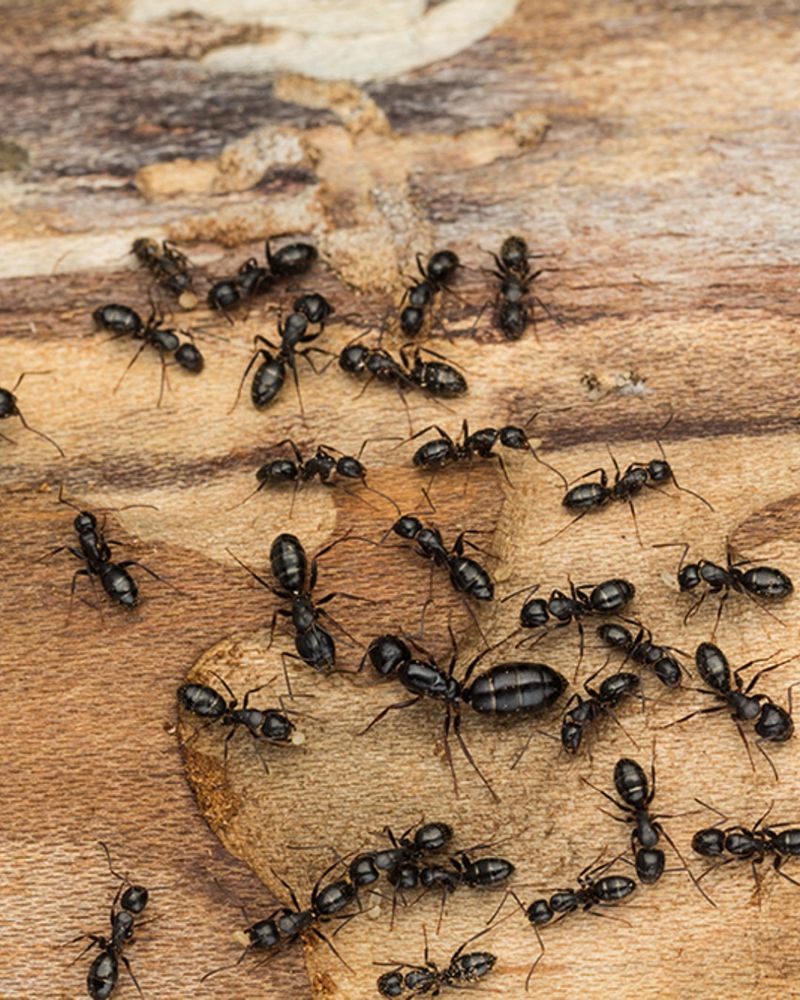
Carpenter ants are large, black ants that silently cause structural damage throughout Pennsylvania homes. They do not eat wood like termites.
Instead, they excavate tunnels to build nests inside wooden structures, gradually weakening beams, joists, and other supports. Infestations often go unnoticed until significant damage has occurred.
Homeowners should watch for signs such as sawdust-like debris near walls, hollow-sounding wood, or visible ants inside walls or around windowsills. Prompt intervention by pest control experts is essential to prevent thousands of dollars in repairs.
Carpenter ants are most active at night and prefer moist wood, so eliminating leaks and moisture sources is crucial. These ants also feed on small insects and sugary substances outdoors, so maintaining cleanliness can reduce attraction.
While they are not typically aggressive toward humans, their potential to damage homes makes early detection critical. Regular inspections and preventive maintenance can keep carpenter ant activity under control.
Awareness of their habits, combined with professional removal when necessary, ensures that these silent structural threats are managed effectively while protecting the home’s integrity.
6. Kissing Bugs
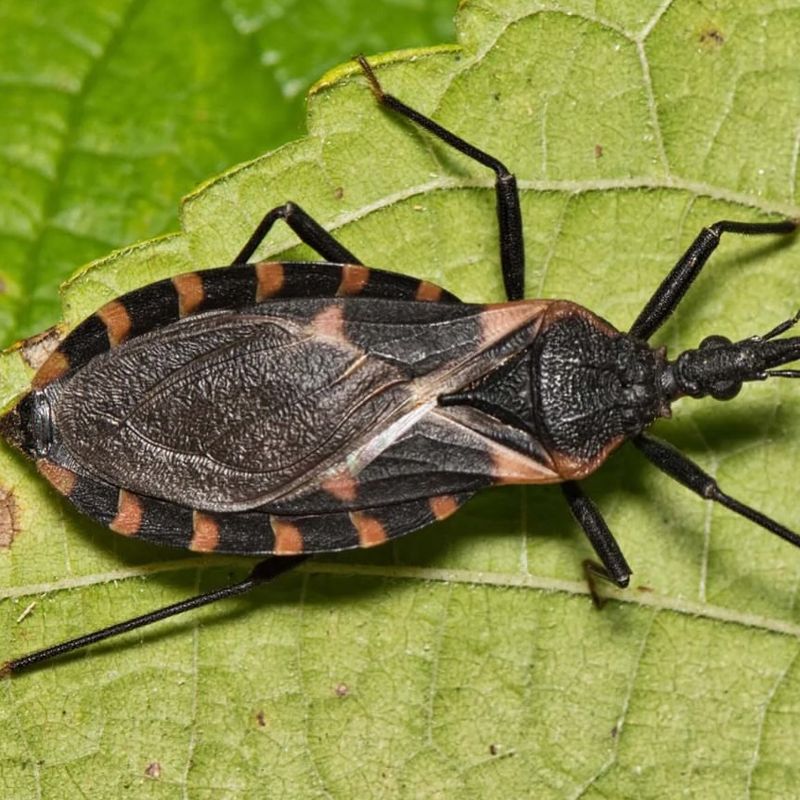
Kissing bugs, named for their tendency to bite humans around the mouth while they sleep, have recently expanded into parts of Pennsylvania due to changing climates. Although encounters remain rare, these bloodsucking insects can transmit Chagas disease, which affects the heart and digestive system.
Kissing bugs are nocturnal and often enter homes through small cracks and gaps near windows, doors, or roofs. Sealing entry points and maintaining tight screens are crucial preventive measures.
Recognizing their flat, elongated bodies and distinctive markings can help homeowners identify them before bites occur. Pennsylvania health officials recommend avoiding direct contact with these insects and contacting professionals for removal if they are discovered indoors.
While the overall risk remains low, awareness and vigilance are key. Kissing bugs’ expansion northward underscores the importance of monitoring changes in local insect populations.
Homeowners can reduce risk by maintaining clean yards, removing debris where these insects might hide, and keeping pets indoors at night. Understanding these insects helps residents take responsible steps to protect family health while coexisting safely with local wildlife.
7. German Yellowjackets
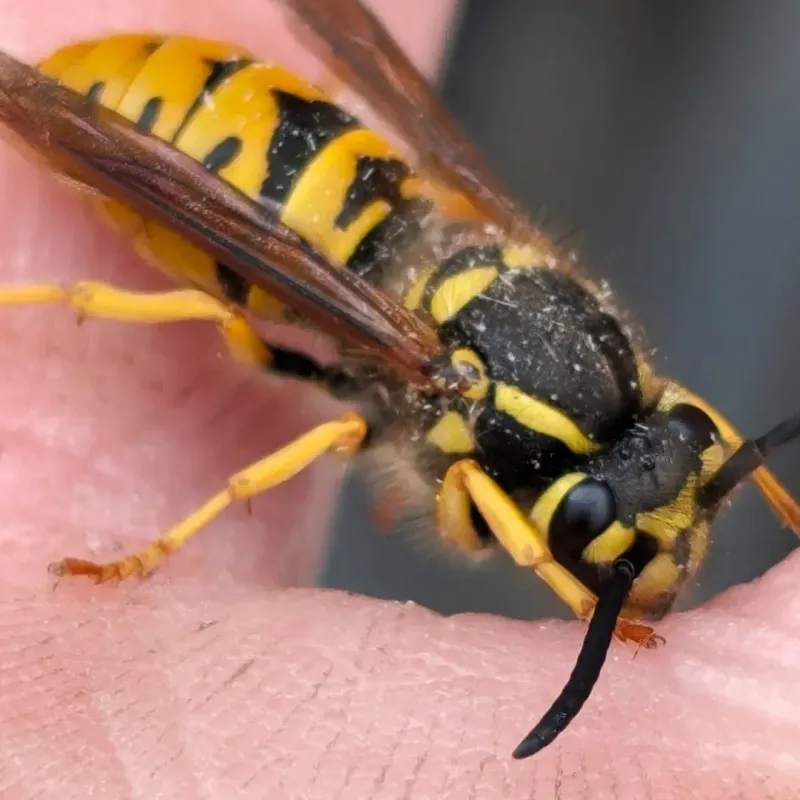
German yellowjackets are social wasps often confused with honeybees. Unlike their ground-nesting cousins, they prefer building massive paper nests in attics, wall voids, or other protected areas in Pennsylvania homes.
A single colony may contain thousands of aggressive individuals ready to sting at the slightest disturbance. These wasps are particularly dangerous because they defend their nests vigorously and can sting repeatedly.
Professional removal is strongly recommended to prevent mass attacks, which can result in painful and sometimes serious reactions. Homeowners should avoid disturbing any suspected nest and maintain clean indoor areas to minimize attraction.
German yellowjackets play a role in controlling insect populations, but their proximity to humans increases risk. Understanding their nesting habits and the importance of safe removal helps Pennsylvanians manage encounters effectively.
Preventive measures include sealing cracks, monitoring attics and eaves, and calling licensed pest control services. With careful attention, the risks posed by these aggressive wasps can be minimized without harming local ecosystems.
8. House Centipedes
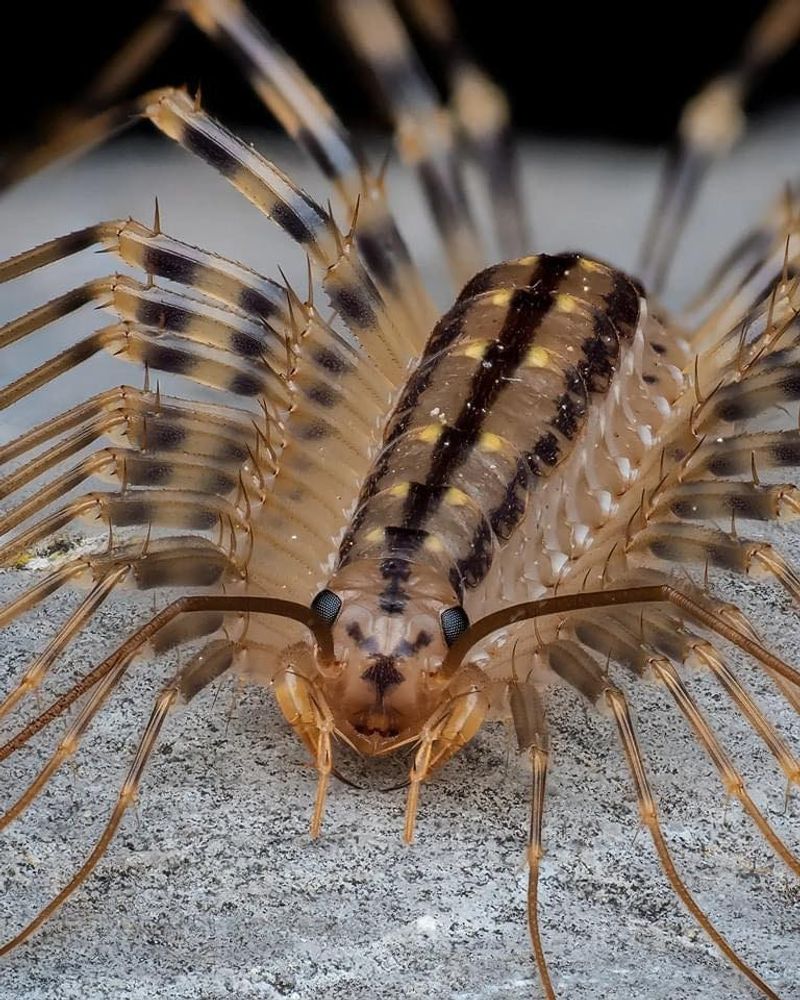
House centipedes are many-legged, fast-moving predators that hunt other insects inside Pennsylvania homes. Their alien appearance often terrifies residents, but their bite is not dangerous to humans, causing only temporary pain or swelling.
An excessive number of centipedes, however, indicates underlying issues such as moisture problems or other pest infestations. They thrive in damp areas like basements, bathrooms, or crawl spaces, feeding on spiders, silverfish, and small insects.
Addressing the root causes, such as leaks or humidity, is essential to managing populations. House centipedes contribute positively to controlling household pests, but a balance must be maintained to prevent infestations.
Homeowners should inspect and repair moisture-prone areas while using preventive measures such as dehumidifiers, sealing entry points, and regular cleaning. Observing house centipedes can also provide insight into other insect activity within a home.
While unsettling, these arthropods are valuable allies in natural pest control. With proper home maintenance, Pennsylvania residents can coexist with house centipedes safely while enjoying the benefits they provide by reducing populations of other unwanted insects.
9. Bed Bugs
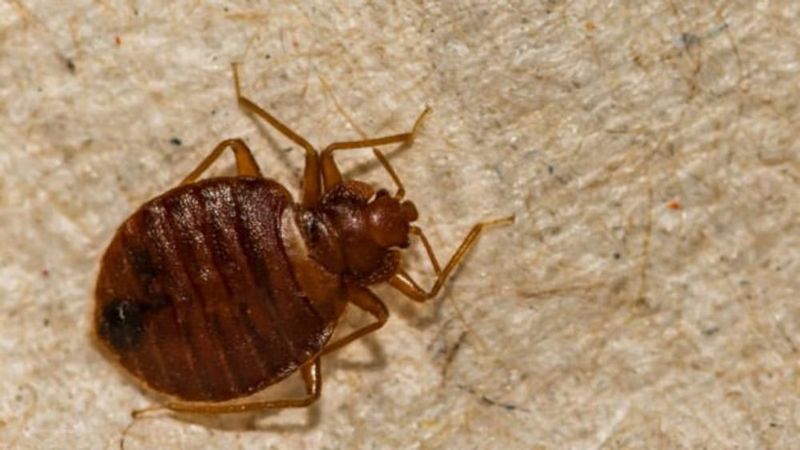
Bed bugs have made a notable comeback in Pennsylvania, appearing in hotels, apartments, and private homes. These nocturnal pests hide in mattress seams, headboards, furniture cracks, and baseboards during the day.
They feed on human blood at night, causing itchy welts and significant psychological distress. DIY treatments often fail because bed bugs reproduce quickly and can develop resistance to over-the-counter pesticides.
Infestations can grow unnoticed for weeks, making early detection critical. Effective control usually requires professional pest management to eliminate both adults and eggs.
Preventive measures include inspecting second-hand furniture, encasing mattresses in protective covers, and reducing clutter where bed bugs can hide. Bed bugs are not a sign of poor hygiene but rather a resilient pest that can infest any environment.
Regular monitoring, early intervention, and professional treatment are essential to prevent infestations from spreading. Understanding their habits, hiding places, and reproductive cycle empowers homeowners to protect living spaces.
By combining vigilance, sanitation, and expert intervention, Pennsylvania residents can minimize the risk and impact of bed bugs in their homes.
10. Spotted Lanternfly
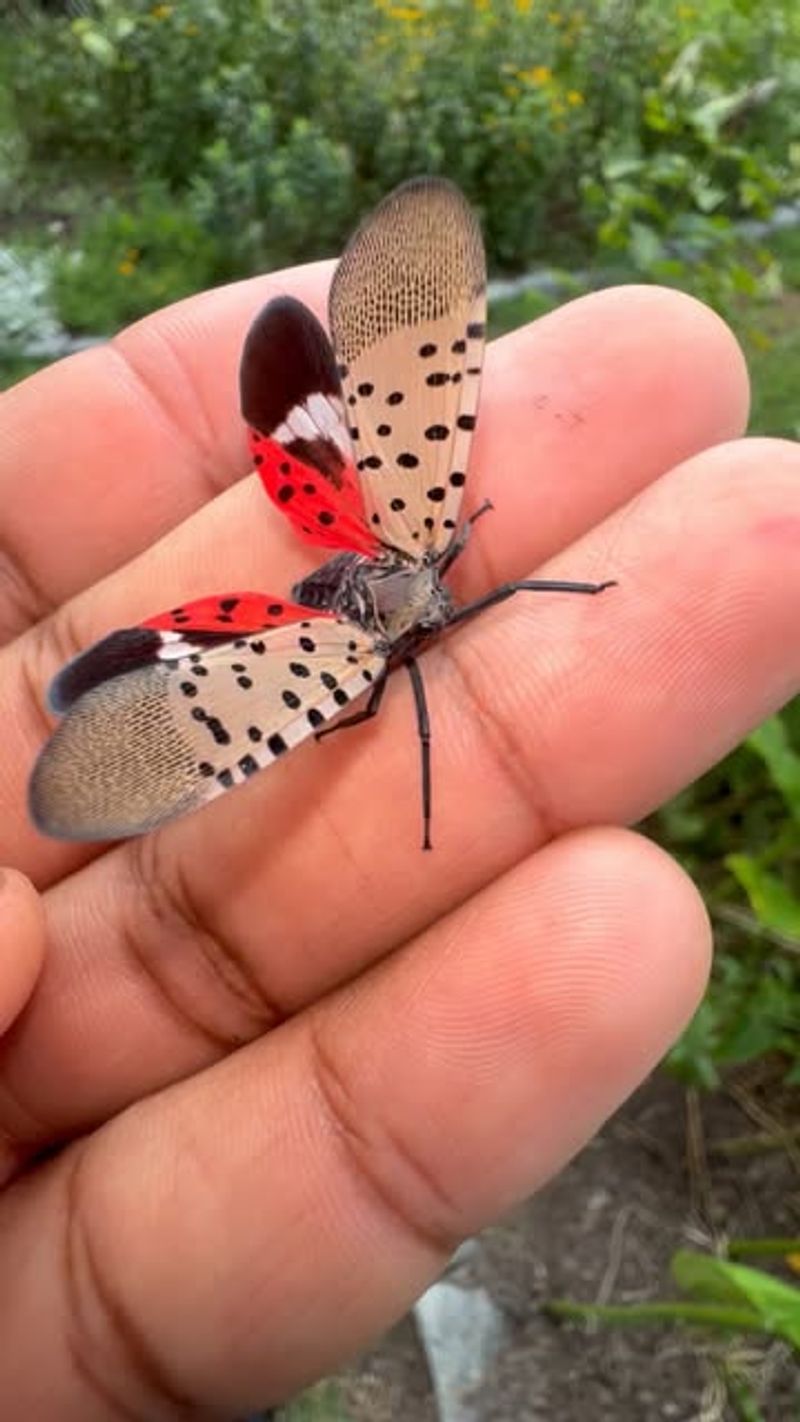
The spotted lanternfly is an invasive insect first detected in Pennsylvania in 2014. It has quickly become a major threat to agriculture and the environment.
This pest feeds on fruit trees, grapevines, and hardwood trees, causing significant damage and economic losses. Adults are easy to identify with their spotted wings and bright red underwings visible in flight.
Pennsylvania residents are urged to report sightings immediately to the Department of Agriculture. Early detection and removal prevent the spread of this invasive species.
They lay egg masses on trees, vehicles, and outdoor objects, so careful inspection and destruction of eggs is essential. Spotted lanternflies can stress plants, reduce yields, and make trees more susceptible to disease.
Public awareness and community cooperation are critical in managing this threat. Homeowners, gardeners, and farmers all play a role in monitoring, reporting, and controlling these insects to protect Pennsylvania’s natural landscapes and agricultural resources.
With prompt action, the impact of spotted lanternflies can be mitigated effectively.
11. Paper Wasps
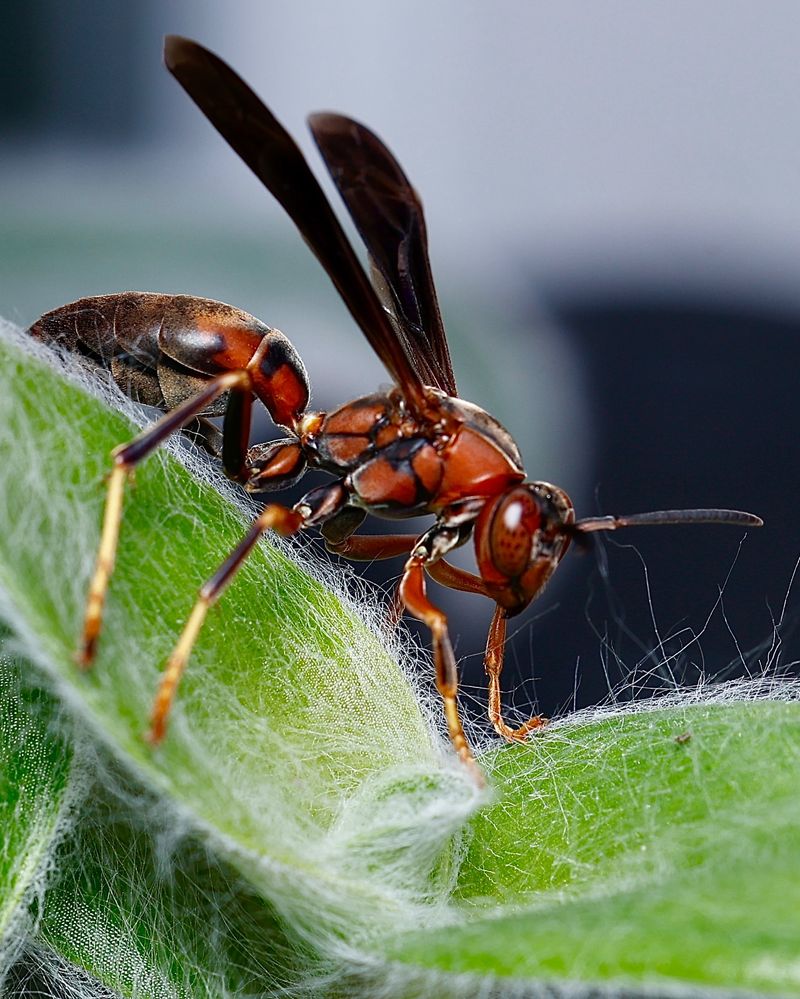
Paper wasps are slender, graceful wasps that build umbrella-shaped nests under eaves, porch ceilings, and other sheltered locations in Pennsylvania. Unlike yellowjackets, they are less aggressive but will defend their nests vigorously if disturbed.
Their nests are open-celled, and adults can sting repeatedly, making them a concern for homeowners, especially those with allergies. Removing small nests in spring is possible with protective clothing, but larger colonies should be handled by professionals.
Paper wasps help control pest populations by feeding on caterpillars and other insects. Their presence is a natural form of pest management, though proximity to human activity increases the risk of stings.
Preventive measures include monitoring for new nests, sealing cracks, and avoiding unnecessary disturbances near existing colonies. Understanding their behavior and life cycle allows homeowners to balance safety with ecological benefits, appreciating their role in local ecosystems while protecting family members from potential harm.