December Garden Checklist For New York Before The Hard Freeze
December may feel like the quietest month in the New York garden, but behind the stillness lies a crucial window for winter preparation.
Once the hard freeze hits, missed tasks can leave plants vulnerable, tools damaged, and spring growth delayed.
Savvy gardeners know that early December is the final chance to protect roses, wrap shrubs, mulch beds, clean debris, and secure outdoor plumbing before temperatures take their steep seasonal dive.
It’s also the perfect time to care for tools, containers, and leftover bulbs before snow and ice make everything harder to reach.
Whether you garden upstate, along the coast, or in NYC’s microclimates, a smart checklist ensures everything survives winter intact.
Think of December as your garden’s “shutdown mode”—a moment where a bit of planning pays off beautifully come April.
Here’s the essential to-do list every New Yorker should tackle before the hard freeze arrives.
Secure Tender Perennials Before The Deep Freeze Hits
Certain perennials simply can’t handle New York’s brutal winter temperatures without a helping hand from gardeners who care.
Plants like hostas, daylilies, and astilbes have shallow root systems that can suffer serious damage when soil freezes and thaws repeatedly.
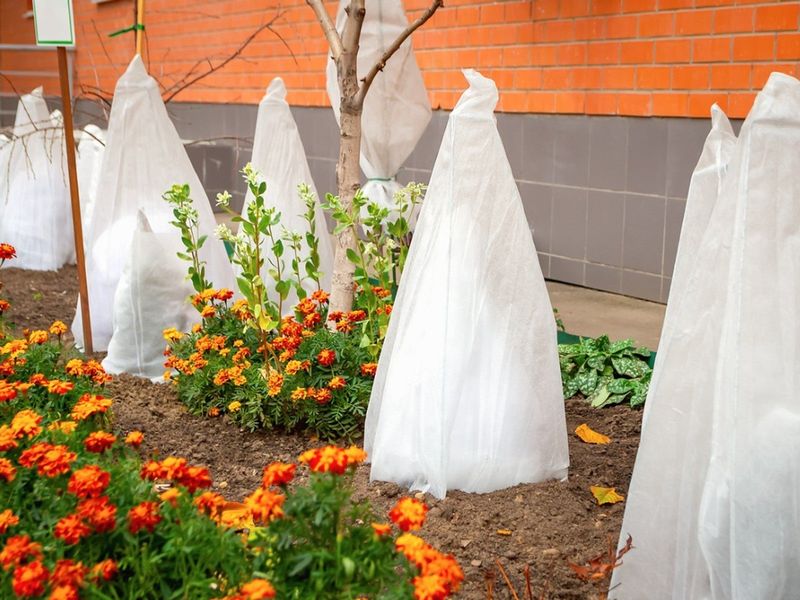
Wrapping the base of vulnerable plants with burlap or applying a thick layer of straw mulch creates an insulating barrier that keeps roots cozy.
For extremely tender varieties such as dahlias, cannas, or begonias, lifting the tubers or rhizomes and storing them indoors is the safest bet.
Dig them up carefully before the ground hardens, shake off excess soil, and let them dry for a day or two in a sheltered spot.
Store them in boxes filled with peat moss or sawdust in a cool, dry basement where temperatures stay above freezing but below sixty degrees.
Even hardy perennials benefit from a final mulch layer applied after the first hard frost, which prevents roots from heaving out of the soil during freeze-thaw cycles.
Check your garden for any late bloomers or plants that still show green growth, as these are often the most vulnerable to sudden cold snaps.
Taking these steps now ensures your perennials return strong and vibrant when warmer weather rolls around again.
A little effort in December pays off big time come springtime.
Protect Shrubs And Evergreens From Winter Burn
Evergreens face a sneaky threat during New York winters that many gardeners overlook until it’s too late.
Winter burn happens when dry winds and bright winter sun pull moisture from needles and leaves faster than frozen roots can replace it.
The result is brown, crispy foliage that looks terrible and weakens the plant for the growing season ahead.
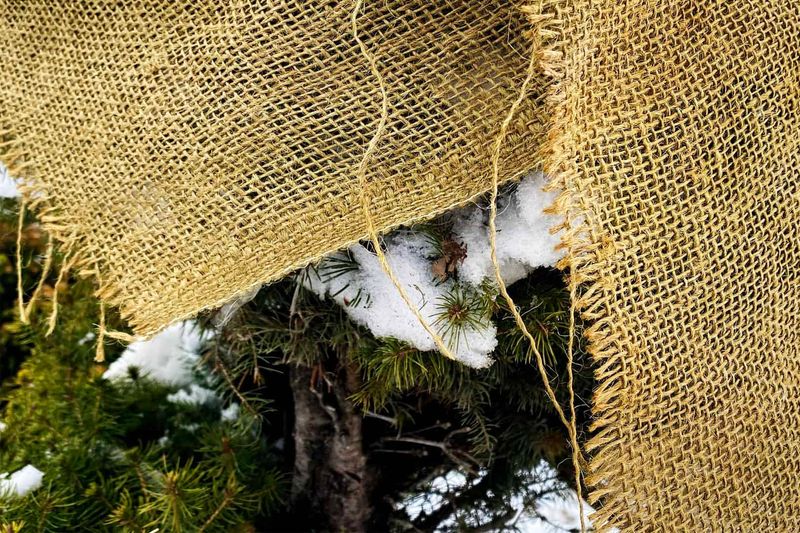
Wrapping vulnerable evergreens like boxwoods, arborvitae, and rhododendrons in burlap creates a windbreak that reduces moisture loss dramatically.
Leave the top open for air circulation and make sure the fabric doesn’t touch the foliage directly to prevent rubbing damage.
Anti-desiccant sprays offer another layer of protection by coating leaves with a waxy film that slows water evaporation.
Apply these sprays on a calm day when temperatures are above forty degrees, following label directions carefully for best results.
For shrubs planted on the south or west side of your property, consider installing temporary wind barriers using stakes and landscape fabric.
Young evergreens and newly planted specimens need extra attention since their root systems haven’t fully established yet.
Watering evergreens deeply before the ground freezes gives them a moisture reserve to draw from during dry winter months.
These protective measures keep your evergreens looking fresh and green all winter long.
Clean Up Fallen Debris To Reduce Winter Pests And Disease
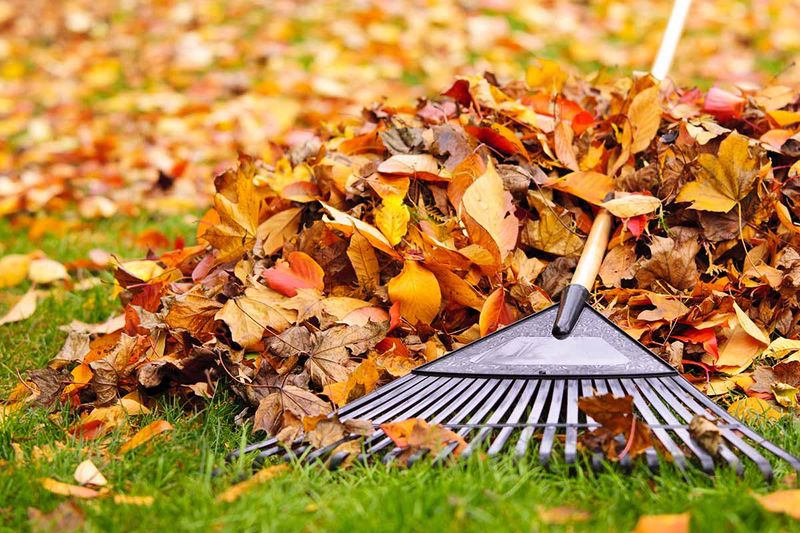
Your garden might look peaceful under a blanket of fallen leaves, but that cozy layer is actually a five-star hotel for pests and diseases.
Insects like aphids, slugs, and Japanese beetles love to overwinter in leaf litter, emerging hungry and ready to munch come spring.
Fungal spores from black spot, powdery mildew, and blight also survive winter by hiding in plant debris scattered across your beds.
Raking up leaves, removing spent annuals, and cutting back diseased perennials eliminates these hiding spots before they become a springtime nightmare.
Pay special attention to areas under roses, tomatoes, and fruit trees where disease problems tend to concentrate year after year.
Compost healthy plant material in your compost pile, but bag up and dispose of anything showing signs of disease to prevent spreading problems.
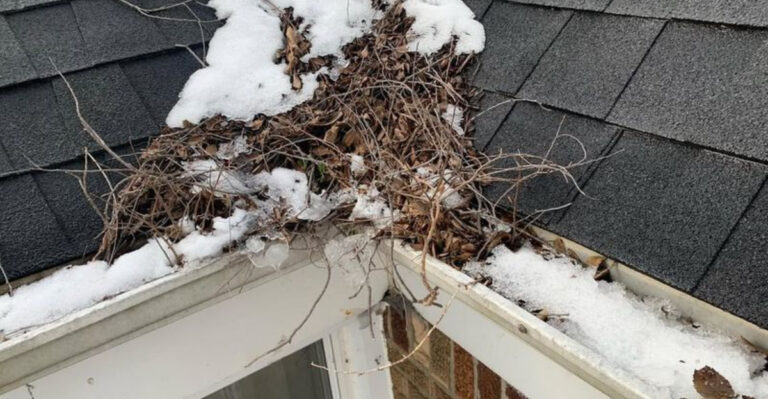
Don’t forget to clear out gutters and drainage areas where soggy debris can harbor mosquito larvae and fungus gnats.
A thorough December cleanup reduces pest populations by up to seventy percent according to university extension research.
This simple task takes just an afternoon but saves countless hours of pest management and disease control next season.
Plus, a tidy garden looks better and makes spring planting so much easier when you’re not working around last year’s mess.
Grab your rake and gloves, and give your garden a fresh start.
Winterize Garden Beds With Proper Mulching
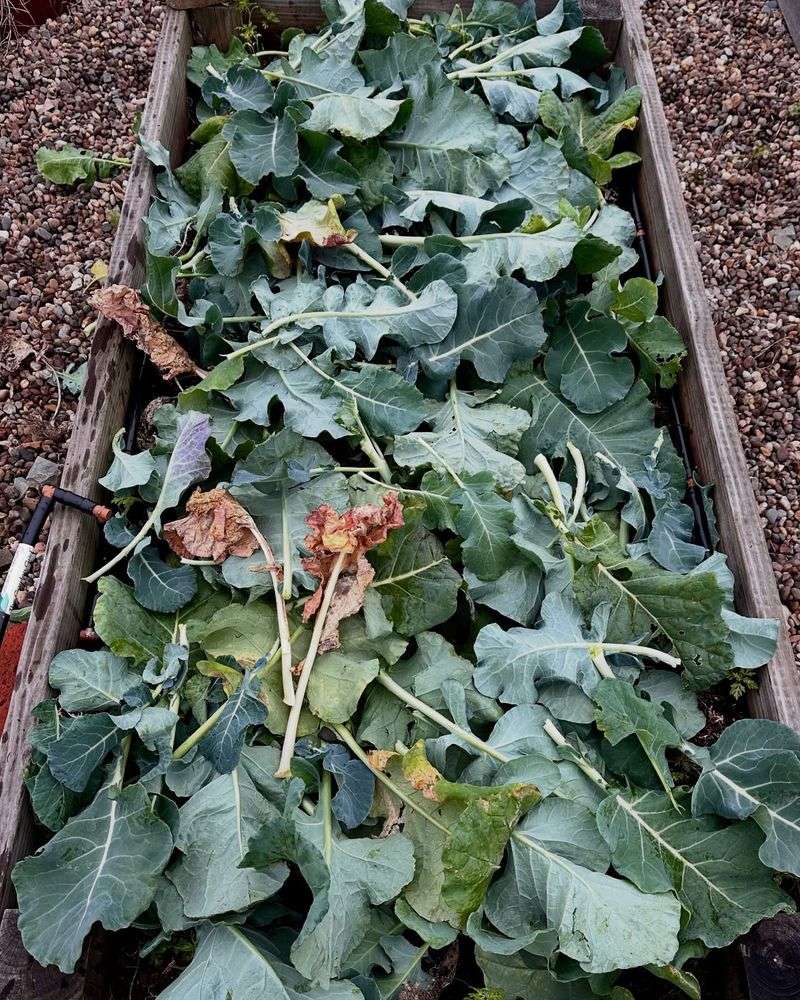
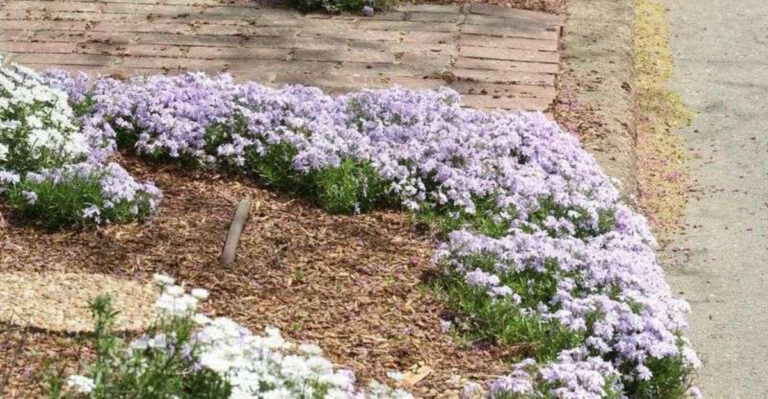
Mulch acts like a cozy blanket for your garden beds, keeping soil temperatures steady even when the weather swings wildly.
New York winters are notorious for freeze-thaw cycles that can push plant roots right out of the ground, leaving them exposed and vulnerable.
Applying a three to four inch layer of organic mulch after the first hard frost locks in soil moisture and prevents this damaging heaving.
Choose materials like shredded leaves, straw, pine needles, or aged wood chips that break down slowly and add nutrients as they decompose.
Spread mulch evenly around perennials, shrubs, and trees, keeping it a few inches away from stems and trunks to prevent rot.
For vegetable beds that will sit empty until spring, a thick mulch layer suppresses weeds and protects soil structure from erosion.
Mulching before the ground freezes completely also helps beneficial earthworms and microorganisms survive winter in better condition.
Avoid piling mulch too early in fall when soil is still warm, as this can encourage rodents to nest and delay plants entering proper dormancy.
December is the sweet spot for final mulching, right after temperatures have dropped consistently below freezing at night.
This protective layer moderates soil temperature swings by up to fifteen degrees, creating a stable environment for dormant roots.
Your plants will thank you with stronger growth when spring sunshine returns.
Inspect And Protect Outdoor Plumbing And Irrigation Lines
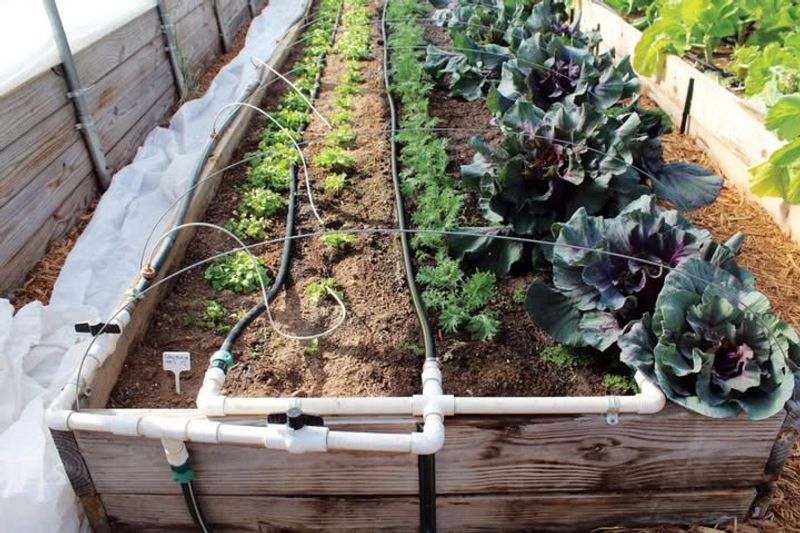
Frozen pipes and burst irrigation lines can turn into expensive headaches if you don’t take action before temperatures plummet.
Water expands when it freezes, creating enough pressure to crack pipes, split hose bibs, and rupture drip irrigation systems.
Start by disconnecting all garden hoses from outdoor faucets and draining them completely before storing them in a shed or garage.
Turn off the water supply to outdoor faucets from inside your home, then open the exterior valve to let any remaining water drain out.
Insulated faucet covers from your local hardware store provide an extra layer of protection for exposed spigots.
If you have an in-ground irrigation system, schedule a professional blowout service or use an air compressor to clear all water from the lines.
Even small amounts of trapped water can cause major damage when temperatures drop below freezing for extended periods.
Check rain barrels too, emptying them completely and storing them upside down or indoors to prevent cracking.
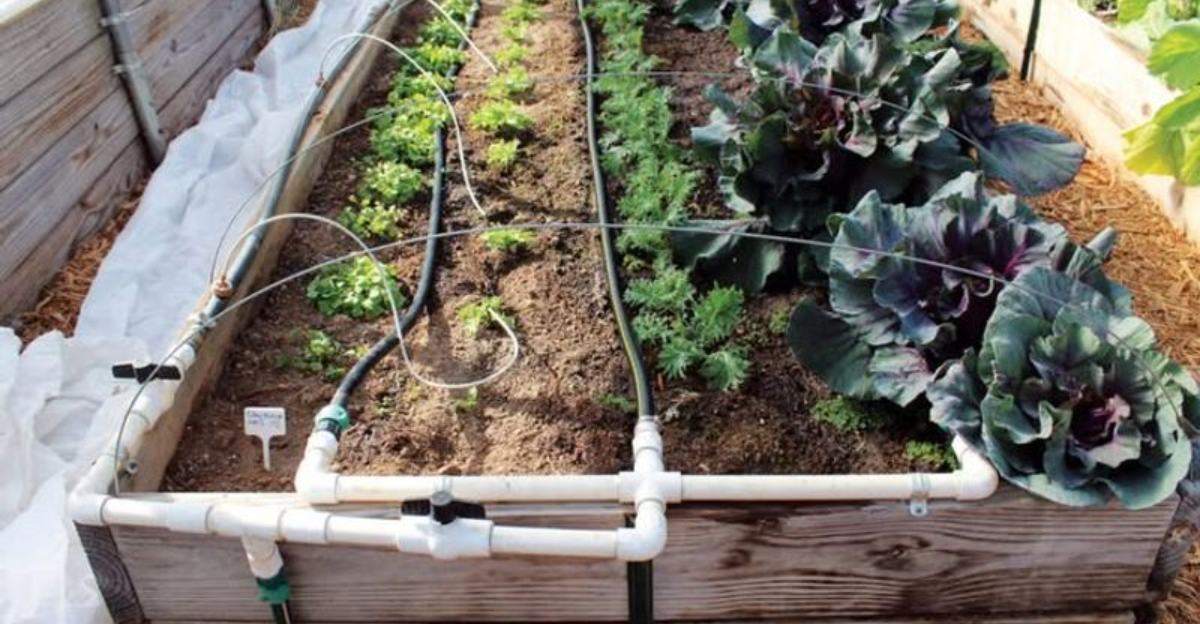
For drip irrigation systems, disconnect the timer, drain all tubing, and store components in a protected area until spring.
Mark the location of buried irrigation valves and lines so you don’t accidentally damage them during winter yard work.
Spending an hour on these tasks now prevents costly repairs and ensures your watering system is ready to go when gardening season returns.
Prepare Trees For Snow Load And Ice Damage
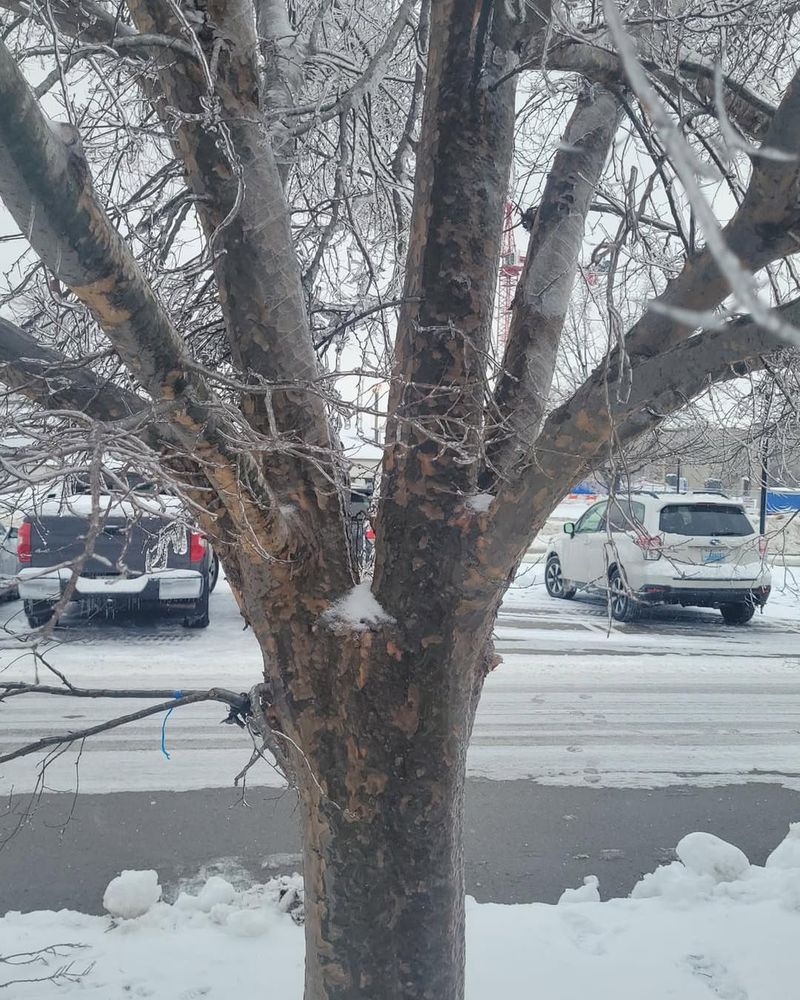
Heavy snow and ice storms can transform beautiful trees into broken, mangled messes if they’re not properly prepared for winter’s worst.
Weak branches and narrow crotch angles become liability zones when ice accumulates, adding hundreds of pounds of weight to the canopy.
December is the perfect time to prune out these problem areas before snow flies, focusing on branches that cross, rub, or grow at awkward angles.
Make clean cuts just outside the branch collar using sharp pruning tools, and avoid leaving stubs that invite disease and decay.
Young trees benefit from flexible stakes that allow some movement while preventing them from bending too far under snow load.
Use soft ties or tree straps rather than wire, which can cut into bark and cause permanent damage as the tree grows.
Tree guards or plastic spirals wrapped around trunks protect against hungry rabbits, mice, and voles that gnaw bark when other food sources disappear.
For evergreens with upright growth habits like arborvitae, gently tie branches together with soft twine to prevent snow from splaying them apart.
Avoid shaking snow off branches, as this can cause more harm than good by breaking frozen limbs.
Inspect trees after major storms and carefully brush off heavy accumulations from lower branches using a soft broom.
Proper preparation keeps your trees healthy and beautiful through even the toughest New York winter.
Tidy Up Containers, Tools, And Garden Structures
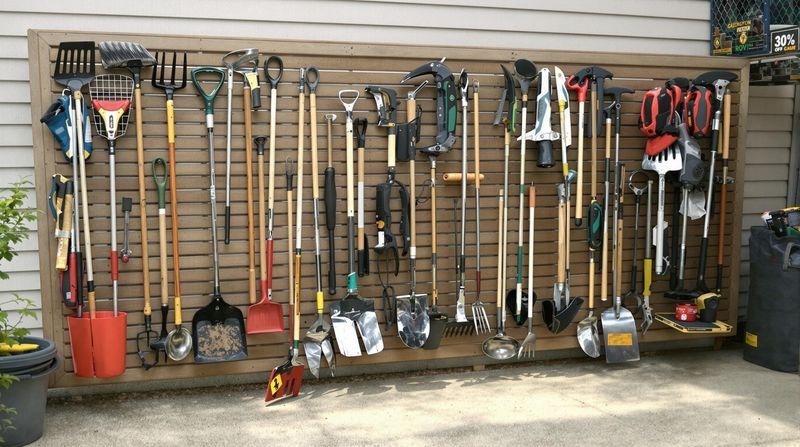
Garden containers, tools, and structures take a beating during freeze-thaw cycles if you leave them exposed to the elements all winter long.
Terracotta and ceramic pots are especially vulnerable to cracking when water absorbed in their porous walls freezes and expands.
Empty all containers completely, scrub them with a mild bleach solution to remove disease spores, and store them upside down in a shed or garage.
If you must leave containers outside, elevate them on pot feet or bricks to prevent them from sitting in frozen puddles.
Clean and sharpen all garden tools before storing them for winter, wiping metal parts with an oily rag to prevent rust.
Wooden handles benefit from a light sanding and a coat of linseed oil, which prevents cracking and extends their lifespan significantly.
Check raised beds and trellises for loose boards, wobbly posts, or rusted hardware that could worsen during winter weather.
Tighten screws, replace damaged pieces, and apply a fresh coat of sealant to wooden structures before snow and ice arrive.
Fold up or store tomato cages, plant supports, and netting to prevent them from becoming twisted, rusted messes by spring.
A well-organized shed or storage area makes spring gardening so much more enjoyable when you can find exactly what you need.
Spending a few hours on organization now saves frustration and money on replacements later.
Plant Or Relocate Spring Bulbs Before The Ground Locks Up
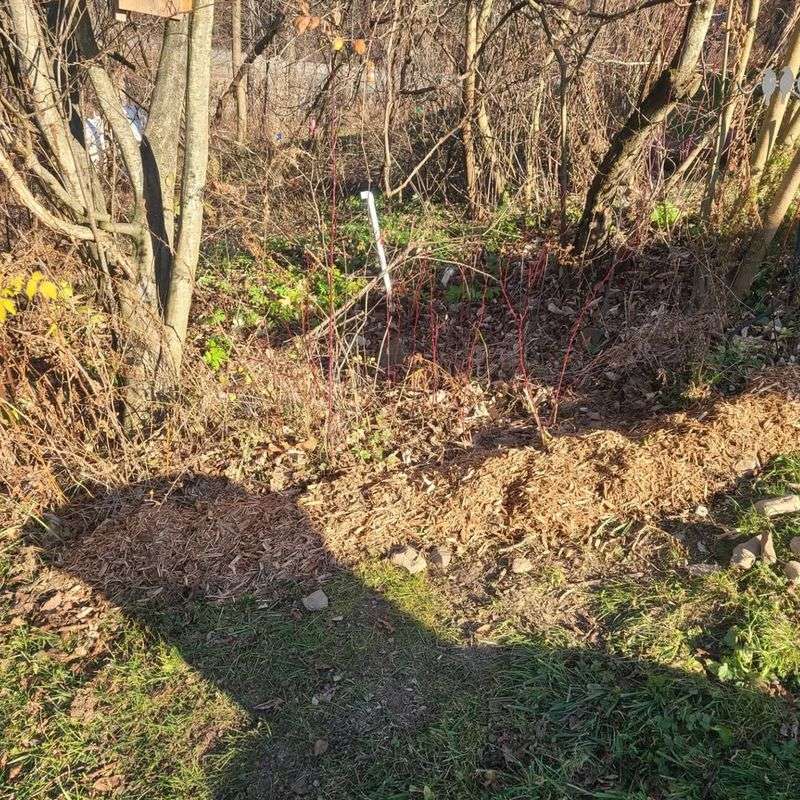
Early December offers one last window of opportunity to get spring bulbs into the ground before soil becomes too hard to dig.
Tulips, daffodils, crocuses, and hyacinths need several weeks of cold temperatures to develop properly, making December planting perfectly acceptable.
Choose a day when the ground is still workable, not frozen solid or saturated with water from recent rain or snow.
Plant bulbs at a depth roughly three times their height, pointed end up, in well-draining soil enriched with a bit of compost.
Group bulbs in clusters or natural drifts rather than straight lines for a more appealing display when they bloom next spring.
If you’re relocating overcrowded clumps of daffodils or other naturalized bulbs, dig them carefully with plenty of soil attached to the roots.
Replant them immediately at the same depth they were growing before, water them in well, and mark the spot so you remember where they are.
Bulbs planted in December may bloom a week or two later than fall-planted ones, but they’ll still put on a beautiful show.
Add a layer of mulch after planting to insulate bulbs and prevent them from heaving out during freeze-thaw cycles.
Avoid planting bulbs in low spots where water pools, as sitting in soggy soil can cause them to rot before they ever sprout.
This quick project brings vibrant color and joy to your garden when you need it most after a long winter.
Feed The Soil Now For A Better Spring Start
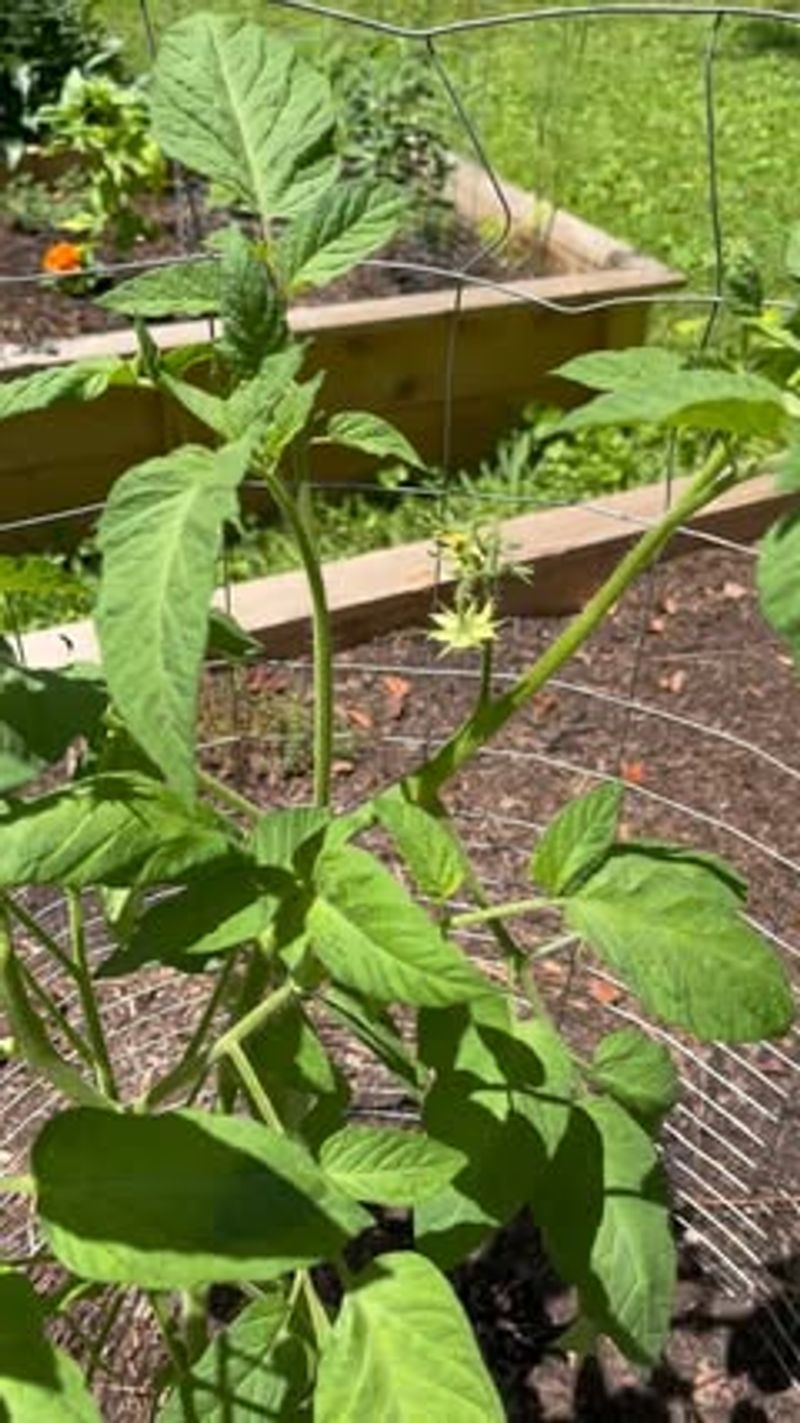
Healthy soil is the foundation of every successful garden, and late fall is an ideal time to boost its fertility for the season ahead.
Adding compost, aged manure, or other organic matter now gives these materials all winter to break down and integrate into your soil structure.
Spread a two to three inch layer over empty vegetable beds, perennial borders, and around shrubs and trees before the ground freezes solid.
Microorganisms will continue working at a slow pace even in cold soil, releasing nutrients that will be readily available when spring planting begins.
Slow-release organic fertilizers like bone meal, rock phosphate, or greensand can also be applied now without risk of nutrient leaching.
These amendments dissolve gradually over winter, enriching the soil without the rapid nutrient flush that can harm dormant plants.
For beds that struggle with heavy clay or poor drainage, mixing in finished compost improves soil structure and helps prevent compaction.
Sandy soils benefit enormously from organic matter, which increases water retention and provides a reservoir of nutrients for hungry plants.
A simple soil test from your local extension office reveals exactly which nutrients your garden needs, taking the guesswork out of amendments.
Turn amendments into the top few inches of soil if it’s still workable, or simply spread them on the surface and let winter weather do the mixing.
Come spring, your soil will be rich, crumbly, and ready to support vigorous plant growth from day one.