Deciduous Or Coniferous? A Smart Guide For Pennsylvania Gardeners Choosing The Right Trees
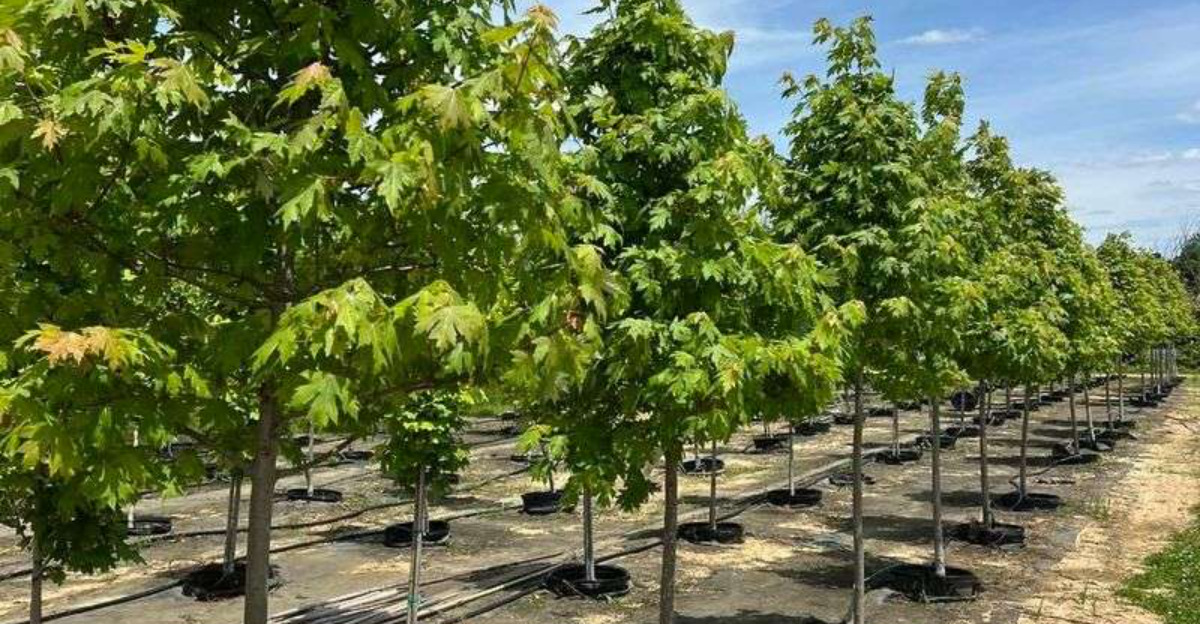
Choosing a tree isn’t just about looks—it’s about commitment.
In Pennsylvania, where seasons swing dramatically, the choice between deciduous and coniferous trees shapes your landscape for decades.
Each type brings strengths and trade-offs.
Deciduous trees offer shade and seasonal color, while conifers provide year-round structure and privacy.
The smartest choice depends on space, purpose, and how you want your yard to function through the year.
This guide helps Pennsylvania gardeners cut through confusion and choose trees that truly fit their needs.
When trees are selected with intention, they become assets—not regrets—that grow more valuable with time.
Understanding The Difference Between Deciduous And Coniferous Trees
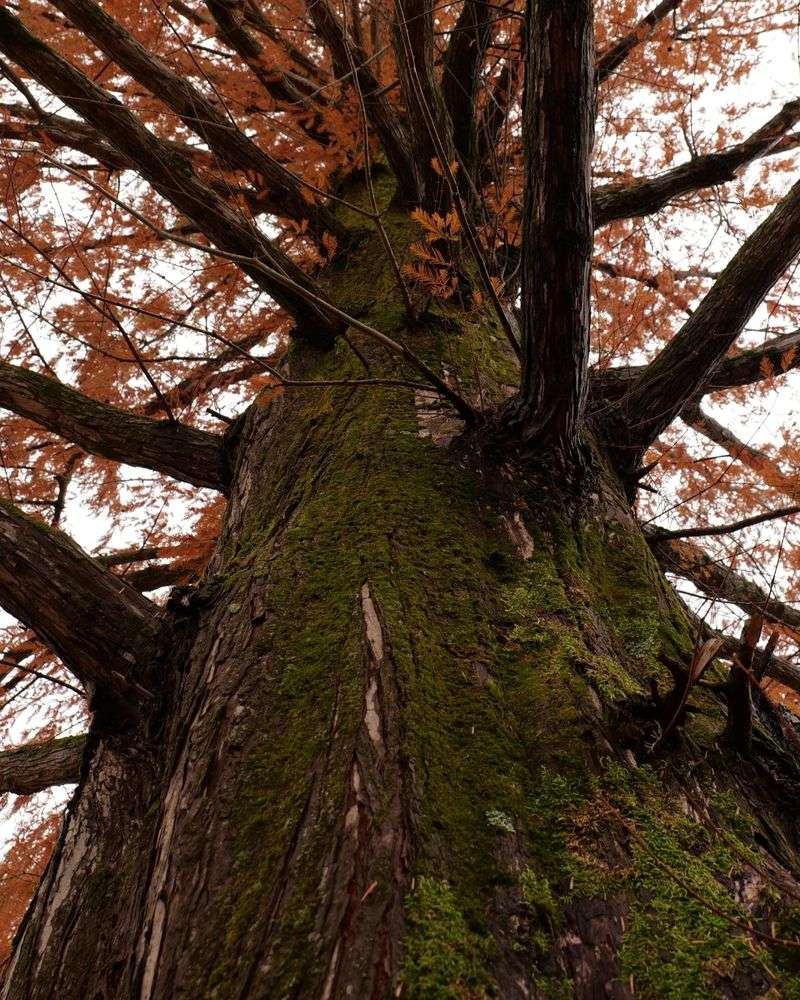
Deciduous trees are the ones that put on a colorful show each autumn before dropping their leaves for winter.
Oaks, maples, and birches all belong to this category, and they spend the cold months bare-branched and dormant.
When spring arrives, fresh leaves emerge and provide shade throughout the growing season.
Coniferous trees take a different approach to survival.
Most keep their needle-like or scale-like leaves all year, which is why people often call them evergreens.
Pines, spruces, and firs fall into this group, maintaining their green appearance even when snow blankets Pennsylvania yards.
The distinction matters because each tree type serves different purposes in your landscape.
Deciduous trees offer seasonal variety and allow winter sunlight to reach your home and garden beds.
Coniferous trees provide consistent privacy screening and wind protection throughout the year.
Pennsylvania gardeners benefit from understanding these differences because our state experiences dramatic seasonal changes.
Choosing the right tree type for specific spots in your yard can improve your comfort, reduce energy bills, and create habitats that support local wildlife.
Both categories include species well-suited to Pennsylvania’s USDA hardiness zones, which range from 5b to 7a depending on your location.
How Pennsylvania’s Climate Affects Tree Performance
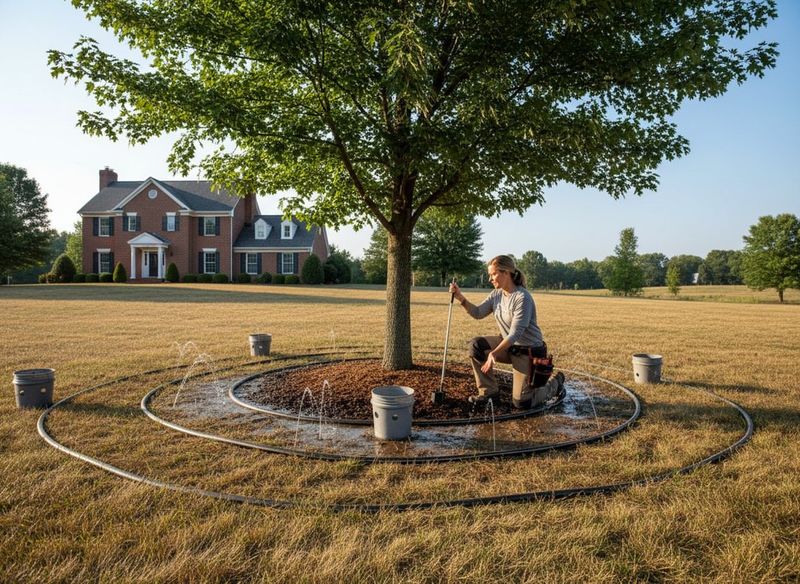
Pennsylvania sits in a climate zone where trees must handle cold winters with temperatures that can plunge below zero in northern counties.
Our humid summers bring plenty of rainfall, but occasional droughts test tree resilience.
This combination of conditions favors species that have evolved to handle temperature swings and moisture fluctuations.
Deciduous trees native to the region have adapted perfectly to these patterns.
They use the cold dormant period to conserve energy, then burst into growth when warmth returns.
Species like sugar maples and red oaks thrive because their internal clocks match Pennsylvania’s seasonal rhythm.
Coniferous trees face different challenges in our climate.
Heavy wet snow can break branches on some species, while others handle the load without trouble.
Eastern white pines and hemlocks have grown in Pennsylvania forests for thousands of years, proving their ability to weather our conditions.
When selecting trees for your property, consider your specific microclimate.
Urban areas tend to be warmer than rural locations, and valleys collect cold air while hilltops stay milder.
Southern-facing slopes warm up faster in spring, which affects when trees break dormancy.
Matching tree species to your exact location increases success rates and reduces maintenance headaches down the road.
Benefits Of Deciduous Trees In Pennsylvania Landscapes

Deciduous trees bring a rhythm to your landscape that mirrors Pennsylvania’s changing seasons.
Their leafy canopy provides welcome shade during hot July afternoons, reducing air conditioning costs significantly.
Research shows that strategically placed shade trees can cut cooling expenses by twenty to fifty percent.
Come autumn, these trees transform your yard into a spectacular display of reds, oranges, and yellows.
Sugar maples, red maples, and white oaks deliver some of the most stunning fall color shows in Pennsylvania.
Tulip poplars add golden hues, while sourwood trees contribute deep crimson tones.
After leaves drop, winter sunlight streams through bare branches to warm your home naturally.
This passive solar heating helps lower winter energy bills, creating a year-round efficiency benefit.
The bare winter silhouette also allows more light into garden beds, which can extend growing seasons for cool-weather vegetables.
Many deciduous trees produce nuts or seeds that feed squirrels, chipmunks, and birds throughout winter.
Oaks support hundreds of caterpillar species, which become essential food for nesting songbirds each spring.
Black cherry and serviceberry trees offer fruit that wildlife devours eagerly.
Pennsylvania gardeners who plant deciduous trees invest in dynamic landscapes that shift with the seasons while supporting local ecosystems in ways that evergreens cannot match.
Advantages Of Coniferous Trees For Year-Round Structure
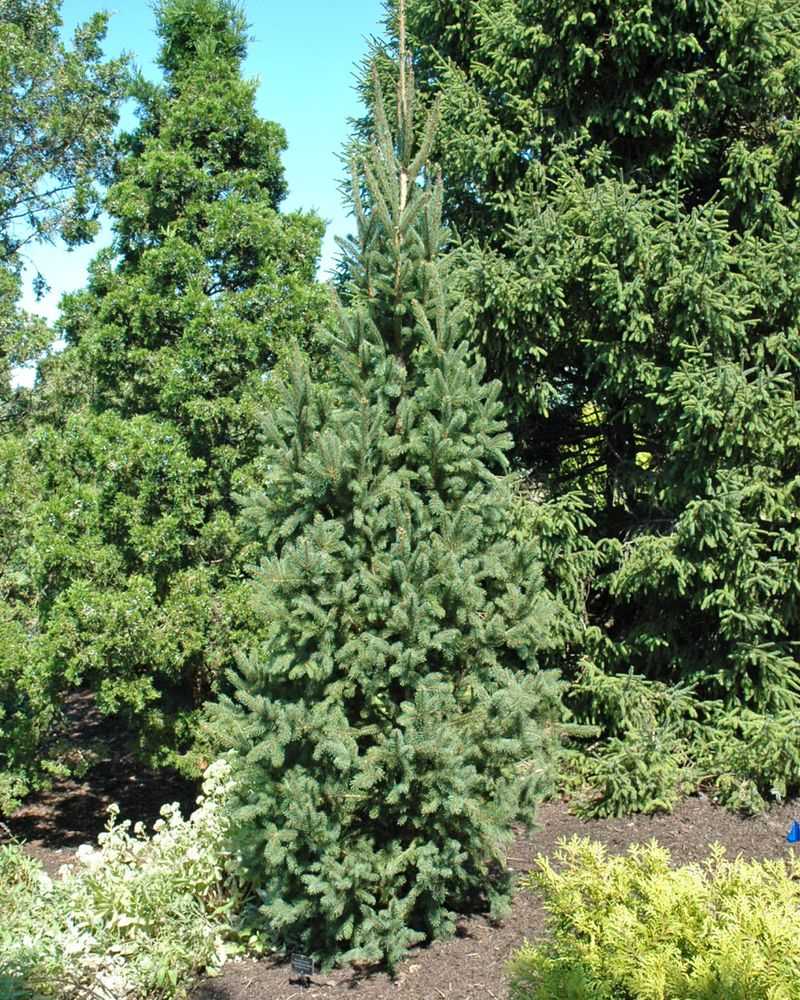
Evergreen conifers give your landscape bones that remain visible throughout every season.
When winter strips deciduous trees bare, these steadfast sentinels maintain their green presence.
This consistency makes them invaluable for creating privacy screens that work just as well in January as they do in June.
Eastern white pines grow quickly and develop soft, feathery needles that create dense barriers.
Norway spruces offer a more formal appearance with their layered branches and darker green color.
Both species adapt well to Pennsylvania conditions and provide excellent windbreaks.
Speaking of wind protection, coniferous trees planted on the north and west sides of your property can reduce heating costs substantially.
They deflect cold winter winds away from your home, creating a calmer microclimate in your yard.
Studies indicate that properly placed evergreen windbreaks can lower heating bills by ten to twenty-five percent.
Coniferous trees also offer wildlife benefits that differ from deciduous species.
Their dense branches provide crucial winter shelter for birds and small mammals.
Crossbills, siskins, and nuthatches feed on conifer seeds throughout cold months when other food sources become scarce.
For Pennsylvania gardeners seeking structure, privacy, and winter interest, coniferous trees deliver consistent performance that deciduous varieties simply cannot provide during the dormant season.
Shade, Sun, And Energy Efficiency Considerations
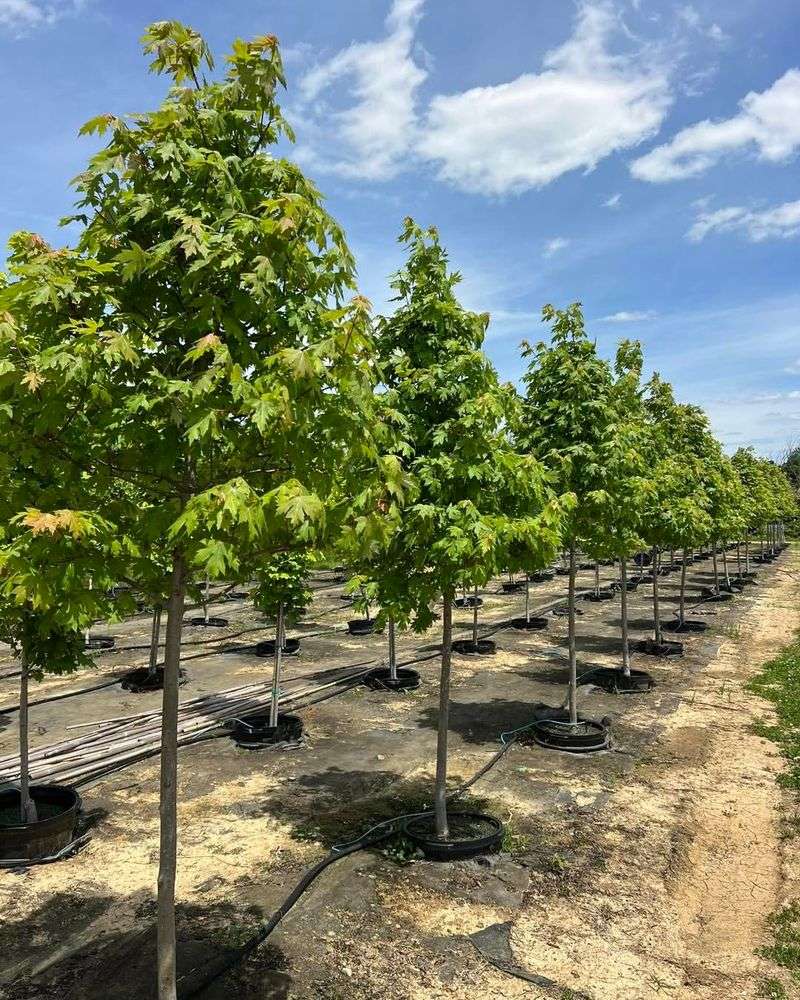
Strategic tree placement transforms your property into an energy-efficient haven that works with Pennsylvania’s seasonal temperature swings.
The key lies in understanding how sunlight angles change throughout the year and how different tree types interact with those patterns.
Deciduous trees planted on your home’s south and west sides create natural air conditioning during summer.
Their broad leaves block intense afternoon sun from heating your walls and windows.
As temperatures soar into the eighties and nineties, this shade can reduce surface temperatures by twenty to forty degrees.
When autumn arrives and leaves drop, those same trees allow low-angled winter sun to reach your home.
This free solar heating warms your living spaces naturally, reducing furnace use during Pennsylvania’s long cold season.
The timing works perfectly because trees lose leaves just as heating season begins.
Coniferous trees excel when planted as windbreaks on the north and northwest sides of your property.
Their year-round foliage deflects frigid winds that would otherwise strip heat from your home.
This wind protection extends to outdoor living spaces, making patios and decks more comfortable during shoulder seasons.
Combining both tree types creates a landscape that actively manages your property’s microclimate.
Pennsylvania gardeners who plan tree placement with energy efficiency in mind often see noticeable reductions in utility bills while enjoying more comfortable outdoor spaces throughout the year.
Wildlife Benefits: Which Trees Support More Local Species
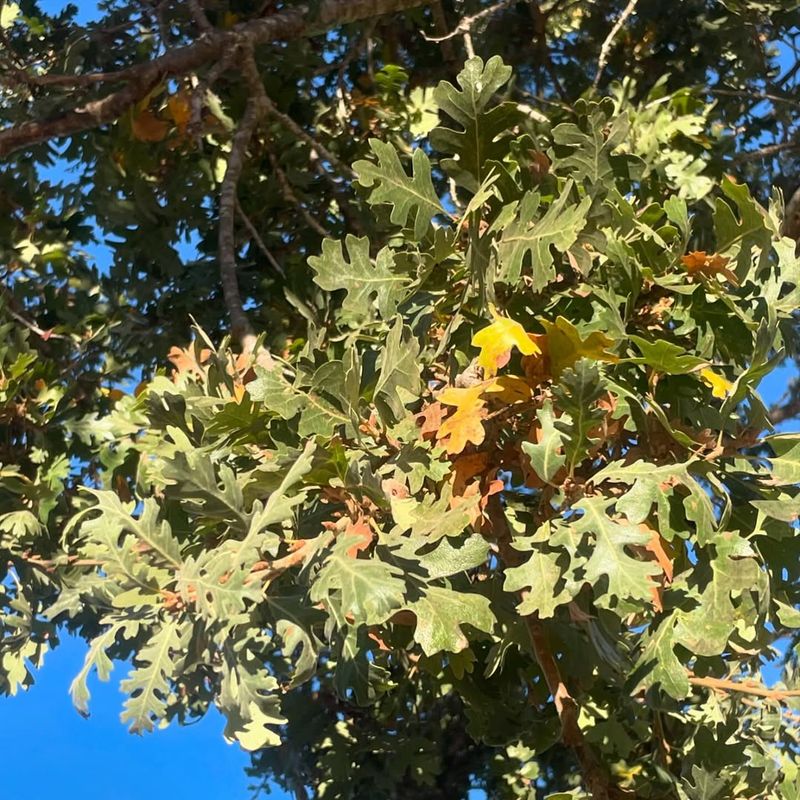
Your tree choices directly influence which wildlife species will visit and inhabit your Pennsylvania property.
Both deciduous and coniferous trees support animals, but they do so in wonderfully different ways.
Deciduous trees, particularly native oaks, serve as wildlife powerhouses.
A single mature oak can host over five hundred species of caterpillars, which become essential protein sources for baby birds.
Chickadees, warblers, and bluebirds time their nesting to coincide with caterpillar abundance.
Acorns feed deer, turkeys, jays, and countless small mammals through fall and winter.
Maples, birches, and cherries attract different insect communities, creating diverse feeding opportunities.
Their spring flowers provide nectar for early-emerging bees and butterflies when few other food sources exist.
Coniferous trees offer critical winter shelter that deciduous species cannot match.
Dense evergreen branches protect birds from harsh weather and predators during Pennsylvania’s coldest months.
Cardinals, juncos, and mourning doves roost in conifers on frigid nights.
Pine and spruce seeds feed specialized birds like crossbills and pine siskins throughout winter.
Red squirrels harvest conifer cones, creating food caches that sustain them when other resources disappear.
For maximum wildlife support, Pennsylvania gardeners should include both tree types in their landscapes, creating year-round habitat that meets the changing needs of local species across all seasons.
Maintenance And Cleanup Differences Homeowners Should Know
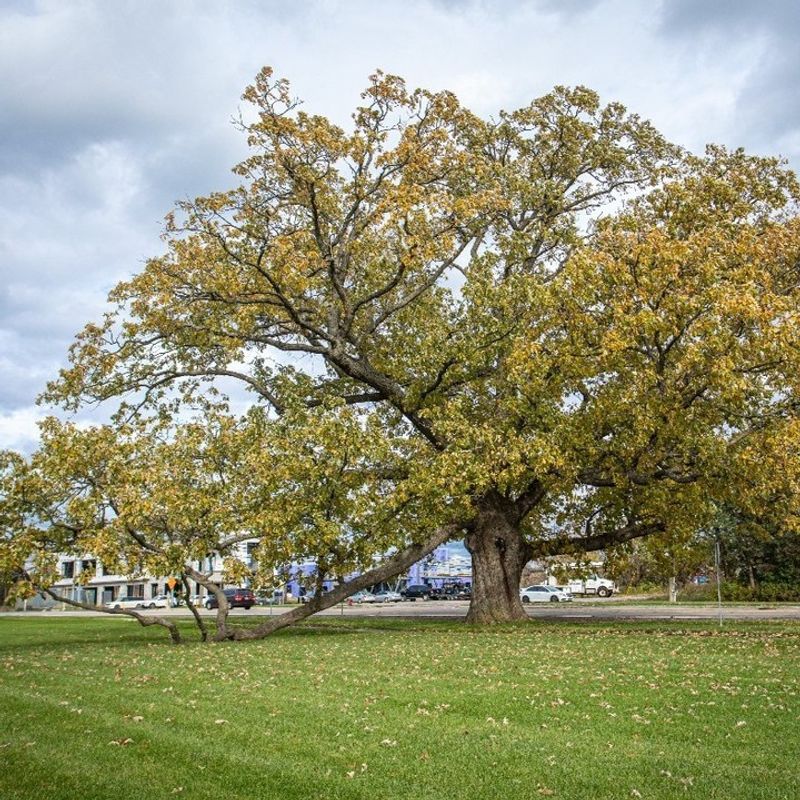
Maintenance requirements vary dramatically between deciduous and coniferous trees, affecting your time investment and landscape care budget.
Understanding these differences helps set realistic expectations before you plant.
Deciduous trees demand the most attention during autumn when leaves blanket lawns, gardens, and gutters.
A mature oak or maple can drop thousands of pounds of leaves each fall.
While this organic matter makes excellent compost or mulch, it requires regular raking or blowing to prevent smothering grass.
Gutters clogged with leaves can cause water damage if not cleaned promptly.
Some deciduous species also drop twigs, seed pods, or fruit that adds to cleanup tasks.
Sweetgum balls and walnut hulls can be particularly troublesome in high-traffic areas.
Coniferous trees shed needles gradually throughout the year rather than all at once.
This continuous light drop rarely requires intensive cleanup sessions.
Needles decompose slowly and create acidic mulch beneath trees, which suppresses weeds naturally.
However, some conifers drop sap that can stick to cars, patio furniture, and sidewalks.
Storm damage patterns differ too.
Heavy wet snow can break conifer branches, while ice storms sometimes damage deciduous trees during winter.
Pennsylvania gardeners should budget for occasional pruning to remove damaged limbs and maintain healthy structure regardless of tree type.
Regular inspection and preventive care reduce long-term maintenance costs for both categories.
Space, Root Systems, And Property Size Considerations
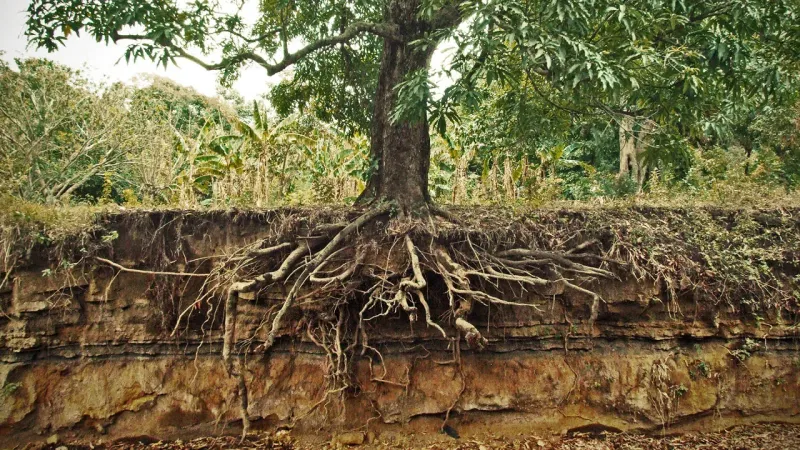
Mature tree size often catches homeowners by surprise because that cute nursery sapling eventually becomes a towering presence.
Planning for adult dimensions prevents future headaches involving foundations, utilities, and neighbor disputes.
Deciduous trees vary wildly in mature size.
Red maples can reach sixty feet tall with forty-foot spreads, while flowering dogwoods stay under twenty-five feet.
Their root systems generally spread one and a half to three times wider than their canopy.
These roots seek water and nutrients aggressively, sometimes invading garden beds or cracking sidewalks.
Plant large deciduous trees at least fifteen to twenty feet from structures and underground utilities.
Smaller ornamental varieties can go closer, around ten feet, but check mature dimensions for your specific species.
Coniferous trees often grow taller than wide, making them suitable for narrower spaces.
Eastern white pines can tower over eighty feet, while dwarf cultivars stay under ten feet.
Their root systems tend to be shallower than deciduous trees, which makes them more vulnerable to wind damage on exposed sites.
Space conifers according to their mature width, allowing branches to develop fully without crowding.
For privacy screens, overlap canopies slightly, but avoid planting so close that trees compete for resources.
Pennsylvania gardeners with small yards should prioritize compact cultivars and slower-growing species that match their available space rather than choosing trees that will eventually overwhelm their property.
Mixing Deciduous And Coniferous Trees For Balanced Landscapes
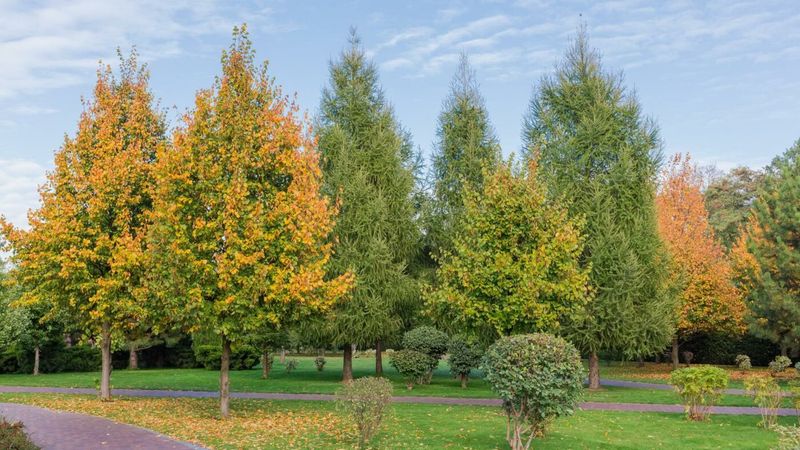
The most successful Pennsylvania landscapes blend deciduous and coniferous trees into cohesive designs that deliver year-round beauty.
This mixed approach combines the strengths of both tree types while minimizing their individual weaknesses.
Start by establishing evergreen conifers as your landscape’s structural backbone.
Place them where you need consistent privacy screening, wind protection, or winter interest.
These trees create permanent visual anchors that remain attractive when everything else goes dormant.
Layer deciduous trees into this evergreen framework to add seasonal drama and variety.
Their spring flowers, summer shade, and autumn color create dynamic changes that keep your landscape interesting throughout the year.
Mixing different deciduous species extends the color show, as some peak early while others turn later.
Consider grouping trees in odd numbers for more natural-looking arrangements.
Three conifers planted in a staggered triangle create better screening than a straight line.
A single specimen deciduous tree can serve as a focal point, while clusters provide massed impact.
Vary tree heights to add visual depth and accommodate different wildlife species.
Tall canopy trees, mid-sized understory specimens, and smaller ornamentals create layered habitats.
This vertical diversity supports more birds, insects, and mammals.
Pennsylvania gardeners who thoughtfully combine both tree types create landscapes with greater resilience, beauty, and ecological value than single-type plantings could ever achieve.
How To Choose The Right Tree For Your Pennsylvania Garden Goals
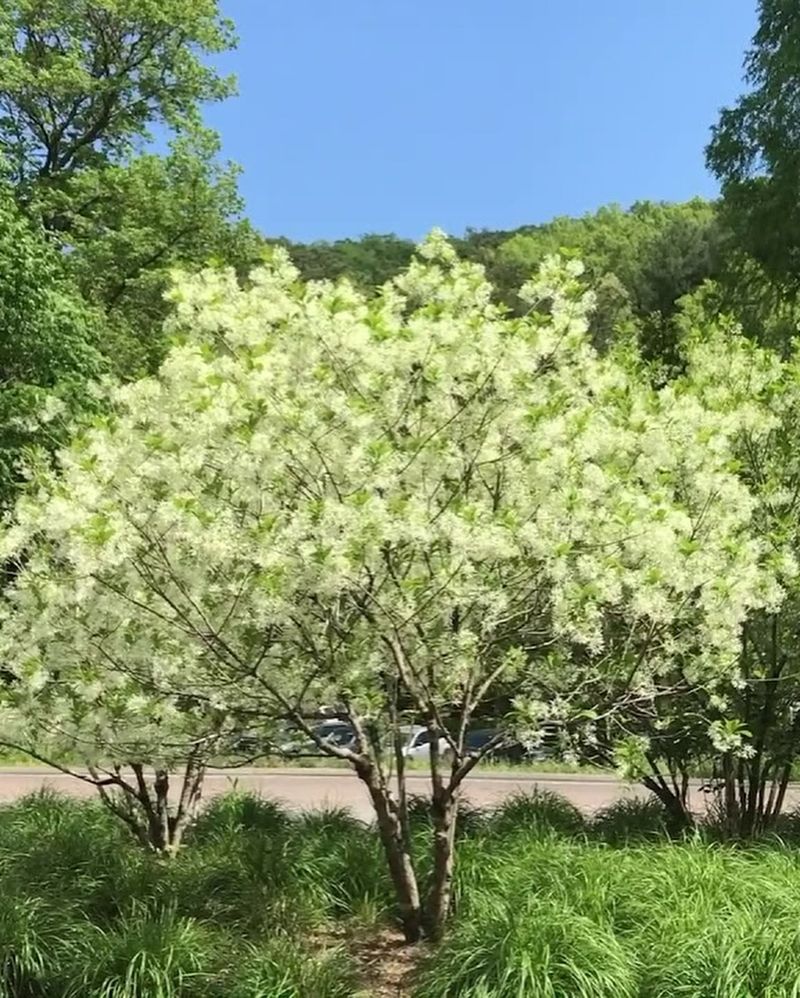
Your final tree selection should align with your specific priorities, property conditions, and long-term vision for your landscape.
Begin by identifying your primary goals.
If summer shade tops your list, focus on fast-growing deciduous trees with broad canopies like red maples or tulip poplars.
For year-round privacy, prioritize dense conifers such as Norway spruce or arborvitae.
Wildlife enthusiasts should emphasize native species that support local ecosystems most effectively.
Assess your available space honestly, measuring distances to structures, utilities, and property lines.
Match tree mature sizes to your actual dimensions rather than wishful thinking.
Dwarf and compact cultivars work wonderfully in smaller yards without sacrificing beauty or function.
Consider your maintenance tolerance too.
If you dislike fall cleanup, choose conifers or small-leaved deciduous species that create less debris.
Gardeners who enjoy seasonal tasks might prefer large deciduous trees that provide abundant mulch material.
Evaluate your site conditions carefully.
Wet areas favor species like river birch or bald cypress, while dry slopes suit drought-tolerant oaks or pines.
Full sun locations offer more choices than shaded spots.
Think long-term because trees outlive most landscape features.
The decisions you make today will shape your property for decades.
Pennsylvania gardeners who invest time in thoughtful selection enjoy beautiful, functional landscapes that improve with age while supporting local wildlife and reducing environmental impact.