8 Deep-Rooted Ohio Plants That Break Up Clay Naturally
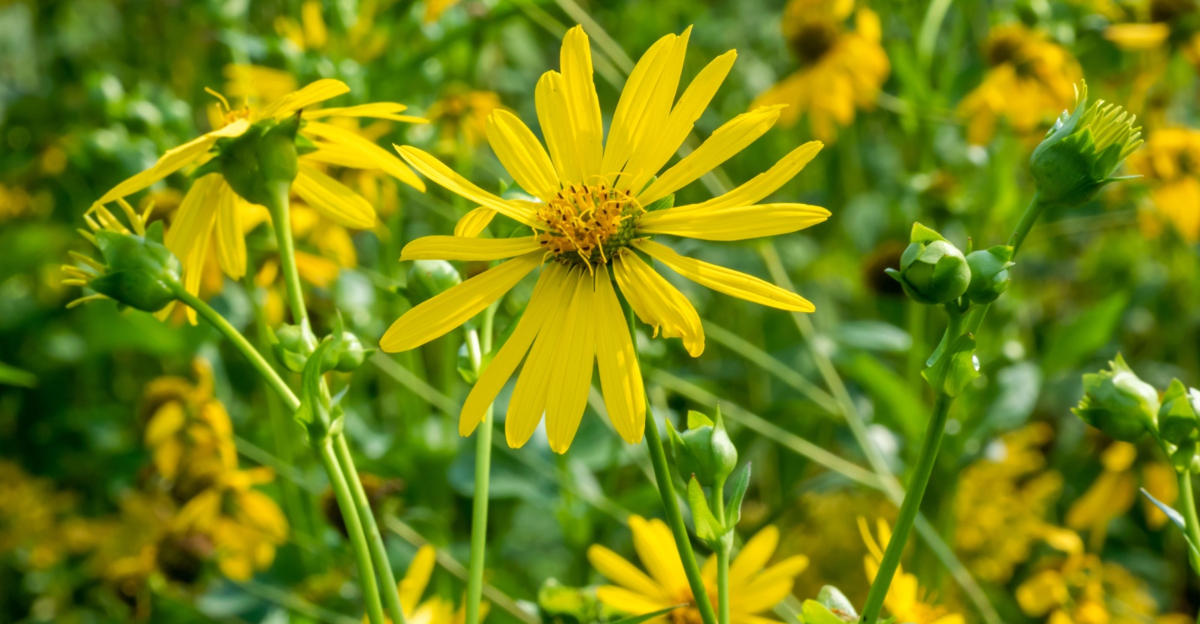
Clay soil can feel like the enemy of many Ohio gardens. After heavy rain it turns dense and sticky.
During dry spells it hardens like brick. Roots struggle to push through, water drains slowly, and plants often fail before they truly establish.
Yet nature has its own solution. Certain plants send powerful roots deep into the ground, slowly loosening tight clay and opening channels for air and water.
Over time the soil begins to breathe again, becoming softer, healthier, and easier for other plants to grow. Ohio landscapes already hold several of these natural soil improvers.
Their deep roots work quietly below the surface while their leaves and flowers bring life above it. The right choices can transform stubborn clay without heavy digging or constant amendments.
1. Purple Coneflowers With Strong Roots That Loosen Tough Soil
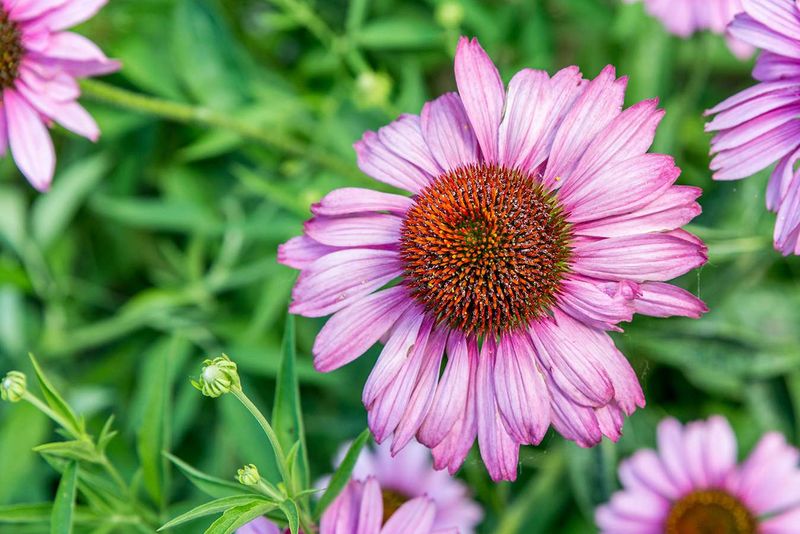
Few plants earn their place in an Ohio garden as completely as purple coneflower, known botanically as Echinacea purpurea. Beyond its cheerful pink-purple blooms and spiky orange centers, this native wildflower develops a surprisingly strong, branching root system that reaches well below the surface over time.
Its deep fibrous roots help improve soil structure over time by adding organic matter and creating small channels that allow water and air to move more easily through heavy soil.
Ohio State University Extension lists purple coneflower among the top native perennials for challenging Midwestern soil conditions. It handles both summer drought and the heavy, slow-draining soils common across central and western Ohio without much complaint.
Once established, it rarely needs extra watering or fertilizing, making it one of the most low-maintenance perennials available to Ohio gardeners.
For best results, plant coneflowers in a sunny spot and loosen the top few inches of soil at planting time to help young roots get started. Over two to three seasons, the root mass expands significantly, steadily improving the soil structure around it.
Pollinators, especially native bees and monarch butterflies, absolutely love the blooms from midsummer through early fall, so adding coneflowers means helping local wildlife while quietly improving your clay soil from below.
2. Compass Plant That Sends Roots Deep Into Clay
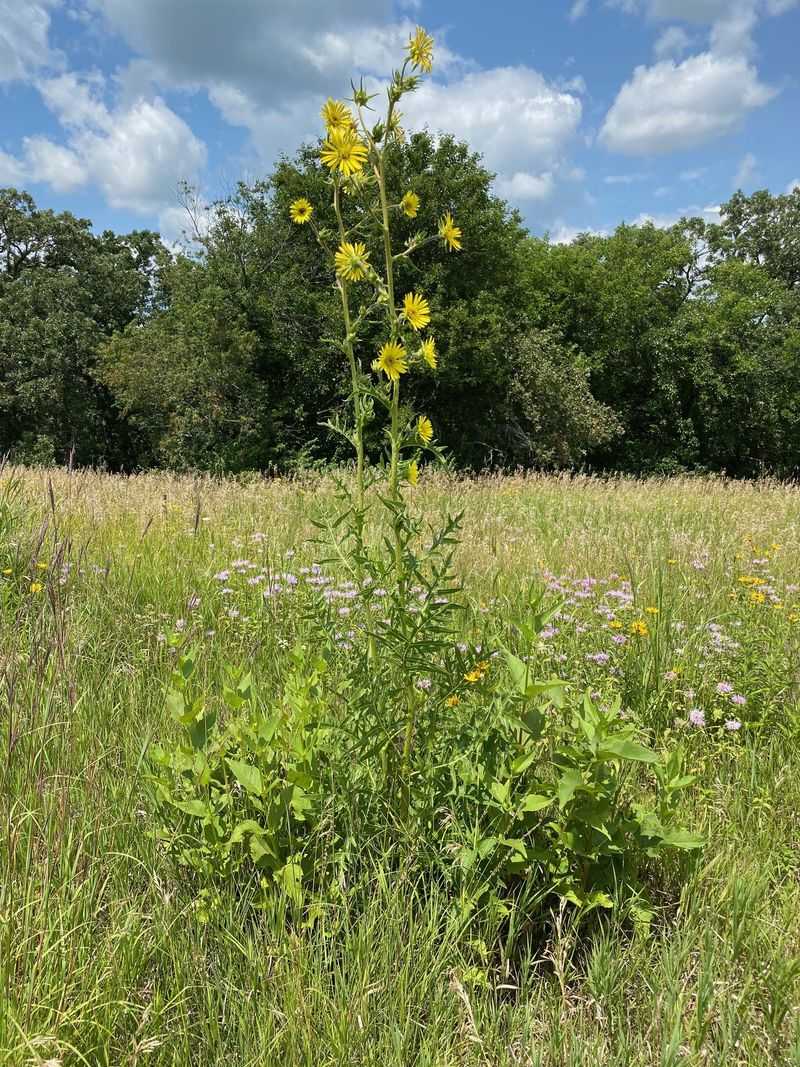
There is something almost legendary about the compass plant’s root system. Native to Ohio’s original tallgrass prairies, Silphium laciniatum can send a single taproot straight down six feet or more into the ground, making it one of the deepest-rooting wildflowers found in the entire Midwest.
That extraordinary reach is exactly what makes it such a powerful natural tool for breaking through compacted clay layers that other plants simply cannot touch.
Prairie plants like compass plant evolved over thousands of years in heavy, dense Midwestern soils, so Ohio clay is practically home turf for them. The deep taproot physically fractures tight clay layers as it grows, and when older roots eventually decompose, they leave behind long vertical channels that dramatically improve drainage and aeration.
This process happens slowly but builds lasting improvements that no bag of soil amendment can fully replicate.
Compass plant grows best in full sun and takes a few seasons to fully establish since most of its early energy goes underground rather than into above-ground growth. Once it settles in, though, it can reach six to eight feet tall with striking yellow flowers that pollinators adore.
Plant it toward the back of a border or in a rain garden where its deep roots can work their soil-improving magic undisturbed for years.
3. Blazing Star That Helps Improve Dense Garden Soil
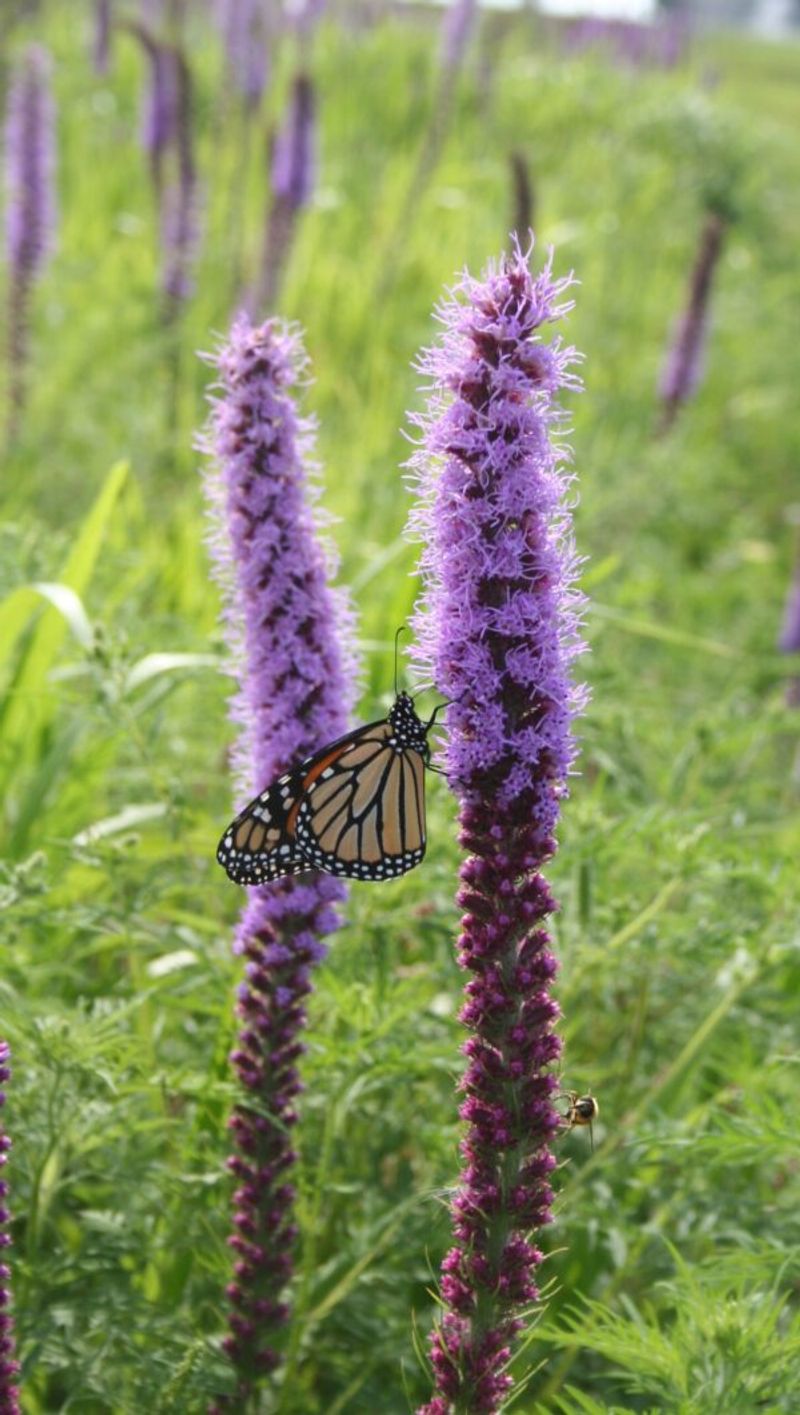
Walk through a late-summer Ohio meadow and you will almost certainly spot blazing star, also called liatris, sending up its tall, feathery purple spikes above the surrounding grasses. What most gardeners do not realize is that below those showy blooms lies a dense, fibrous root system attached to a thick corm that anchors the plant firmly in even the heaviest clay soil.
Those roots spread outward and downward season after season, slowly loosening the compacted ground around them.
Liatris spicata is one of the most reliable native perennials recommended by Ohio horticulture programs for clay-heavy landscapes. It tolerates wet clay in spring and dry, baked clay in summer, which covers just about every scenario an Ohio gardener might face.
The roots improve soil structure by creating small pockets of organic matter as they grow and eventually break down, feeding soil microbes that further condition the clay over time.
Planting blazing star is straightforward. Set the corms about two to three inches deep in a sunny bed, spacing them roughly twelve to eighteen inches apart.
They need minimal care once established and reward patient gardeners with reliable blooms every August and September. Monarch butterflies and bumblebees are especially drawn to the flowers, turning any patch of blazing star into a buzzing, fluttering hub of pollinator activity during the height of Ohio summer.
4. Switchgrass That Builds Healthier Soil Over Time
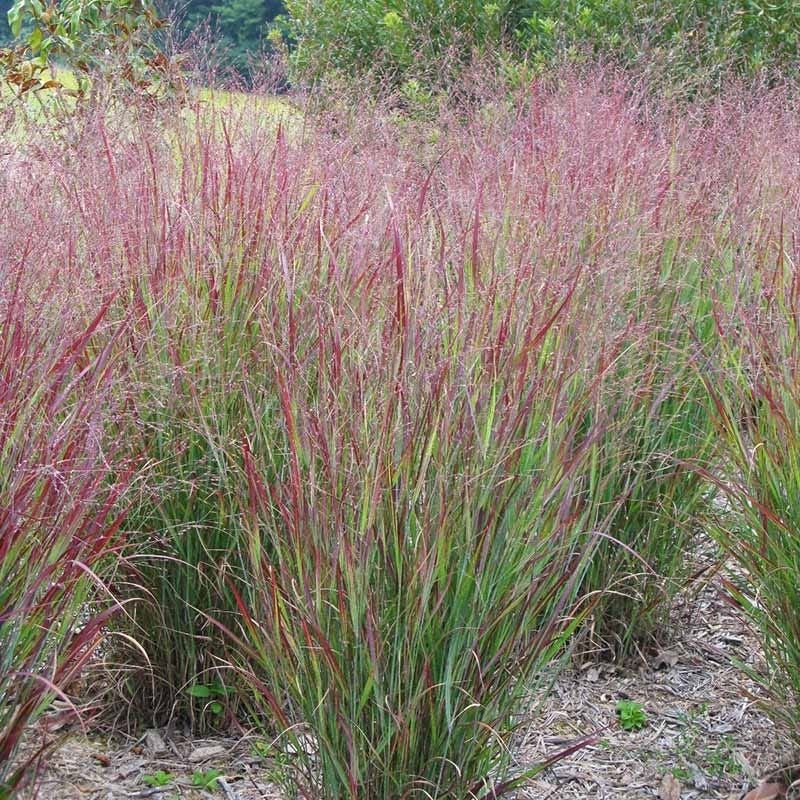
Switchgrass might not have the flashy flowers of coneflower or blazing star, but what it lacks in bloom power it more than makes up for underground. Panicum virgatum, a warm-season native grass originally found across Ohio’s historic prairies, grows an extraordinarily dense network of fibrous roots that can reach five to eight feet deep in established plants.
That root mass is one of the most effective natural tools available for breaking apart and conditioning heavy clay soil.
Research from OSU Extension and other Midwest university programs highlights switchgrass as a top choice for improving soil structure in challenging Ohio landscapes. The roots penetrate deep clay layers while the dense top growth reduces surface compaction caused by heavy rainfall, which is a common problem in Ohio’s spring and early summer seasons.
As older roots naturally decay each year, they leave behind organic channels that improve both drainage and the overall biological activity of the soil.
Switchgrass grows best in full sun but tolerates partial shade better than most native grasses. Plant it in spring or early fall, spacing clumps about two to three feet apart for a natural prairie look.
It takes one full season to establish but grows vigorously afterward with very little maintenance needed. The feathery seed heads turn golden and burgundy in autumn, adding genuine four-season beauty to Ohio yards while the roots keep quietly working below the surface.
5. Joe Pye Weed With Deep Roots That Thrive In Heavy Soil
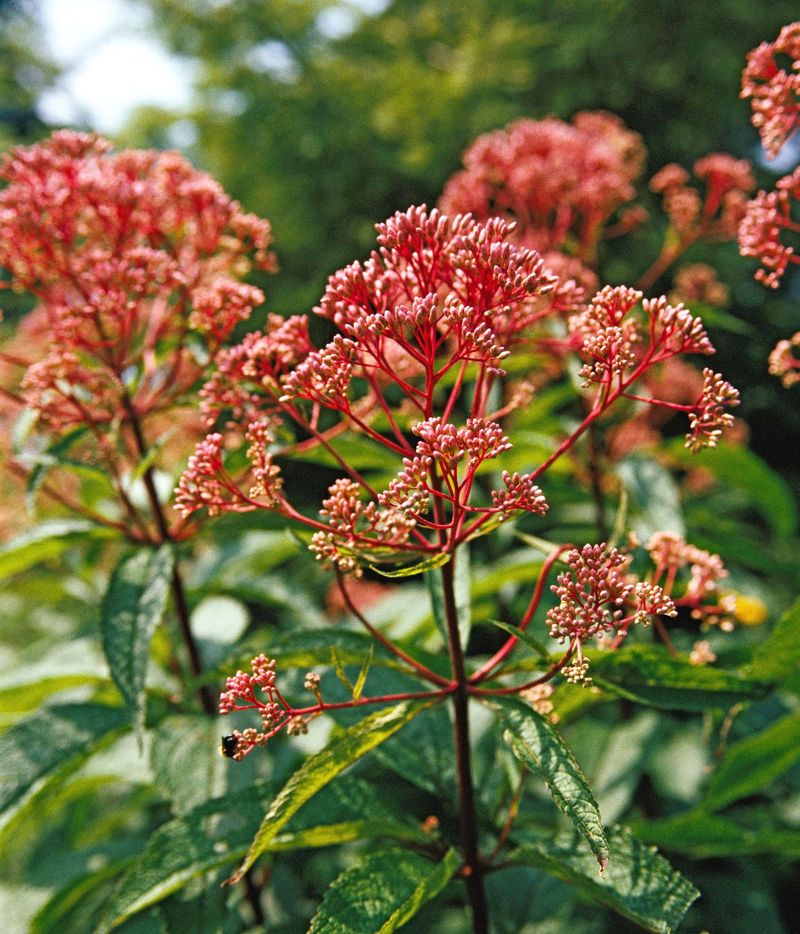
Tall, bold, and unmistakably native, Joe Pye weed is one of those plants that looks like it was made specifically for the wet, heavy clay soils found in low-lying Ohio yards and rain gardens. Eutrochium purpureum can grow six to eight feet tall, and beneath that impressive height is an equally impressive root system that digs deep into dense clay, gradually opening up the soil structure with every passing season.
What makes Joe Pye weed especially valuable in Ohio landscapes is its love of moisture. Many clay-heavy yards stay soggy well into May and June, which frustrates most ornamental plants.
Joe Pye weed handles those conditions without skipping a beat, actually using excess moisture to fuel rapid root growth that pushes deeper into the clay. Over time, this process creates natural drainage pathways that benefit every other plant growing nearby.
Plant Joe Pye weed in a spot that receives at least four to six hours of sun daily and has consistently moist or heavy soil. It pairs beautifully with switchgrass, blazing star, and native asters in a naturalistic Ohio garden design.
The large, dusty pink flower clusters that appear in August are absolutely irresistible to tiger swallowtails and bumblebees, making this one of the most ecologically valuable natives you can add to a heavy-soil garden.
6. Prairie Dock That Naturally Breaks Through Hard Clay
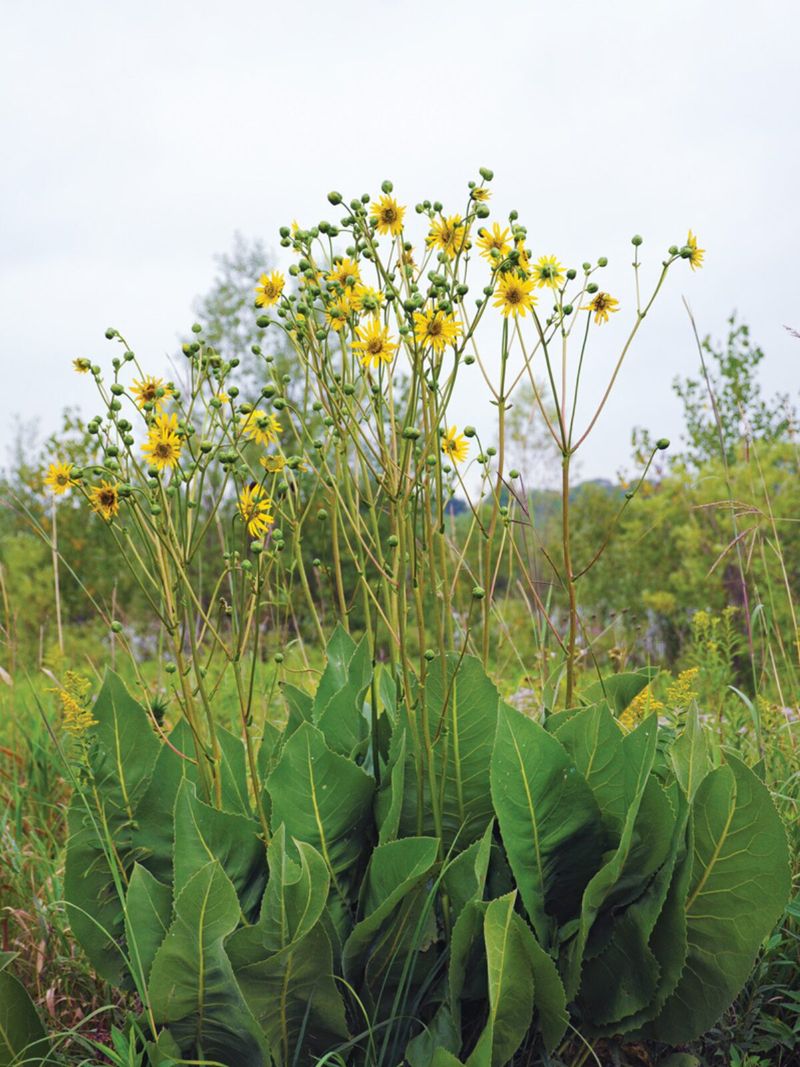
Among all the deep-rooted natives suited for Ohio gardens, prairie dock stands in a category of its own when it comes to sheer root power. Silphium terebinthinaceum develops one of the most remarkable taproots in the native plant world, driving straight down through compacted clay to depths that can exceed ten feet in mature specimens.
That is not a typo. Ten feet of root growth means this plant reaches moisture and nutrients that almost nothing else can access while physically fracturing the clay layers it passes through.
Prairie dock is a close relative of the compass plant and shares the same tough-as-nails prairie heritage that makes it so well adapted to Ohio’s heavy Midwestern soils. The large, paddle-shaped basal leaves can span twelve to eighteen inches and create a bold, tropical-looking ground presence, while tall flower stalks shoot up four to eight feet each summer carrying clusters of small yellow blooms that bees and beetles love.
Because so much of the plant’s early energy goes into root development, prairie dock can look modest above ground during its first two seasons. Patience is genuinely rewarded here.
By year three or four, the plant establishes itself as a permanent, self-sustaining fixture that improves soil structure year after year. Full sun and minimal disturbance after planting are the two most important factors for long-term success in Ohio clay gardens.
7. Wild Bergamot That Improves Soil While Attracting Pollinators
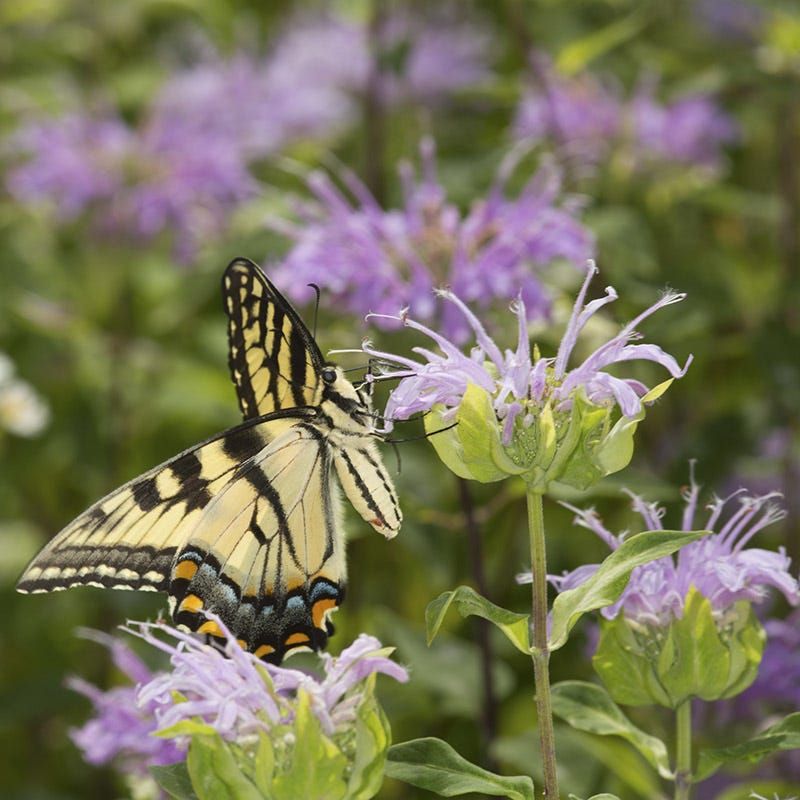
There is a fresh, almost minty fragrance that drifts through an Ohio meadow wherever wild bergamot is blooming, and it is a scent that both gardeners and pollinators find completely irresistible. Monarda fistulosa is a native mint-family perennial that spreads through a combination of rhizomatous roots and self-seeding, creating a gradually expanding root network that loosens and aerates clay soil from multiple directions at once.
Unlike some deep-rooted natives that go straight down, wild bergamot spreads its roots both horizontally and vertically, which means it improves a broader area of clay soil over time. OSU Extension highlights wild bergamot as a resilient native well-suited to Ohio’s variable growing conditions, from the sandy loam of the eastern counties to the dense glacial clay of the western and central parts of the state.
It handles drought once established and bounces back quickly after hard winters.
Plant wild bergamot in full sun to light shade and give it room to spread naturally, about eighteen to twenty-four inches between plants. It blooms from late June through August with lavender-pink flower heads that attract an almost ridiculous variety of native bees, hummingbirds, and butterflies.
Deadheading spent blooms encourages reblooming and keeps the plant tidy, though leaving some seed heads standing through winter provides food for birds and adds texture to the Ohio winter garden.
8. Black Eyed Susans That Grow Strong Even In Clay
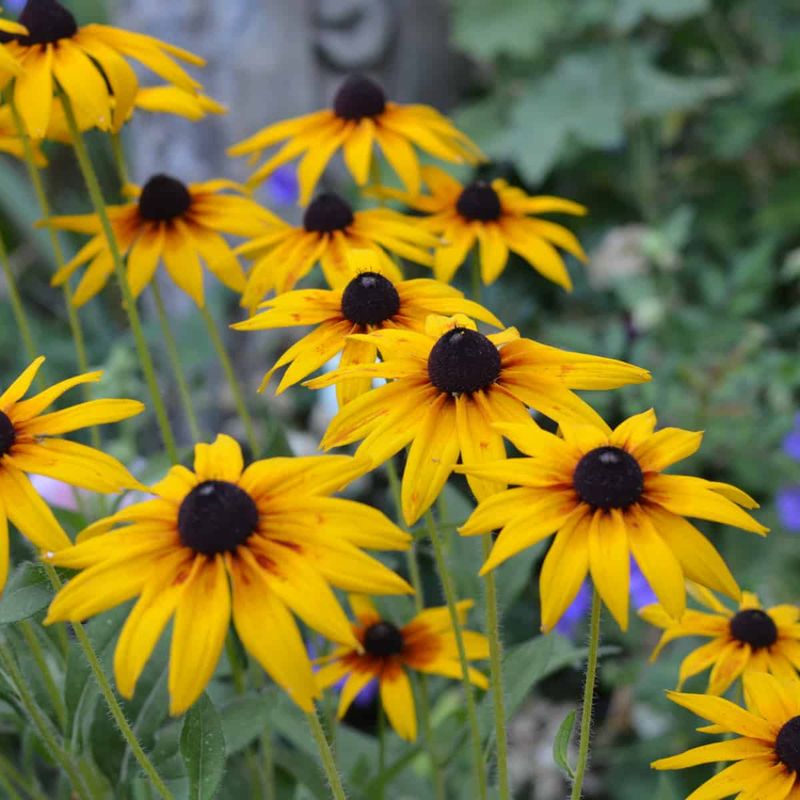
Bright, cheerful, and almost impossible to discourage, black-eyed Susans are one of the most recognized wildflowers growing across Ohio roadsides, meadows, and home gardens. Rudbeckia hirta develops a strong taproot system that anchors the plant firmly in clay while creating vertical channels through dense soil layers that gradually improve drainage and root penetration for neighboring plants.
It is one of those workhorses that improves the garden in ways you cannot always see but will eventually feel when the soil starts loosening up.
Black-eyed Susans thrive in the exact conditions that frustrate many ornamental plants, namely full sun, minimal water, and heavy Ohio clay soil. Their roots are tough enough to push through compacted ground and fibrous enough to add organic matter back into the soil as they naturally turn over each season.
OSU Extension recommends them regularly as a low-maintenance native that delivers high ecological value with almost no special care required.
Scatter seeds or plant transplants in a sunny spot in early spring or late fall for best germination results. They spread modestly by self-seeding each year, gradually filling in bare patches and continuing to improve the soil structure across a wider area.
The golden yellow blooms last from July through September and attract goldfinches, native bees, and butterflies, giving Ohio gardens a long season of color and wildlife activity without demanding anything complicated in return.