Deer Wont Touch These 9 Winter Plants That Survive Virginia Gardens
Winter can leave Virginia gardens looking vulnerable, especially when food becomes scarce and deer start paying closer attention to backyard plants.
As temperatures drop, deer often wander farther and browse more aggressively, turning once-ignored gardens into easy targets.
Many gardeners discover that winter damage has less to do with cold and more to do with hungry wildlife passing through.
Certain plants seem to stand their ground during these months, remaining intact while others disappear almost overnight.
These tougher choices help maintain structure and interest in the garden even when growth slows and landscapes feel bare.
Virginia’s winters create a unique test for plants, balancing cooler weather with persistent wildlife pressure.
Gardeners who plan with deer behavior in mind often notice fewer losses and more consistency from year to year.
Selecting plants that deer tend to avoid can quietly protect beds without constant intervention or temporary solutions.
The right winter plants make it possible to enjoy outdoor spaces without worrying about overnight damage.
In deer-heavy areas of Virginia, these reliable plants help gardens hold their shape until spring returns.
1. Hellebores (Lenten Rose)
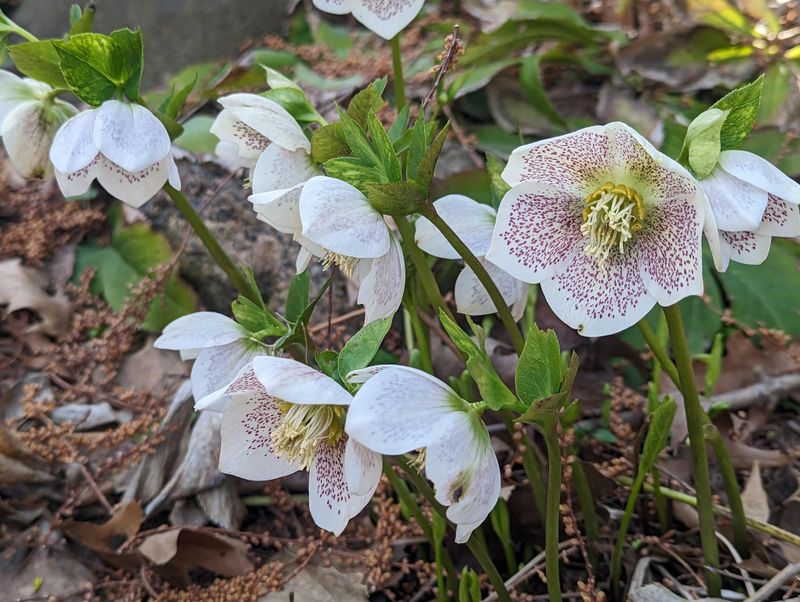
Late winter feels less bleak when unexpected blooms bring soft white, pink, purple, and green tones to Virginia garden beds.
Deer typically avoid these plants because their leaves and stems contain toxic compounds that taste bitter and cause discomfort when eaten by wildlife.
Virginia gardeners love hellebores for their evergreen foliage, which stays attractive throughout the coldest months and requires very little maintenance or special care.
These perennials thrive in partial shade and well-drained soil, making them perfect for woodland gardens or shaded borders around homes and patios.
Their flowers appear early, sometimes even pushing through snow, providing much-needed color when most other plants remain dormant and brown.
Hellebores spread slowly over time, creating lovely clumps that increase in size and beauty with each passing year without becoming invasive or messy.
Planting hellebores near walkways or entryways allows you to enjoy their delicate blooms up close during chilly Virginia mornings and evenings.
Pair them with ferns, hostas, or other shade-loving plants for a layered, textured look that stays interesting across all four seasons.
Once established, hellebores handle drought, cold snaps, and neglect remarkably well, making them ideal for busy gardeners who want low-effort beauty.
2. Boxwood Shrubs
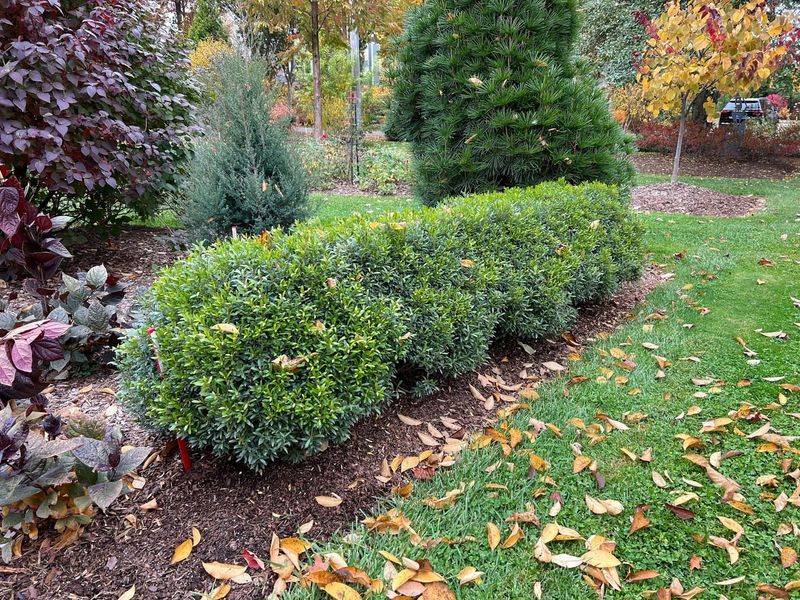
Few shrubs feel as timeless in Virginia gardens as those neat, evergreen shapes that quietly anchor landscapes through every season.
Deer generally steer clear of boxwoods because the leaves have a strong, pungent scent and bitter taste that make them unappetizing to most browsing animals.
These shrubs maintain their rich green color all winter long, providing structure and year-round interest in gardens that might otherwise look bare and lifeless.
Virginia’s climate suits boxwoods perfectly, as they tolerate both cold winters and hot summers with minimal fuss or special watering schedules.
Gardeners can plant them as foundation shrubs, border hedges, or accent plants in formal and informal garden designs that need reliable greenery.
Boxwoods grow slowly but steadily, which means they won’t quickly outgrow their space or require constant trimming and pruning to stay neat.
Regular light pruning in spring helps boxwoods keep their shape and encourages thick, bushy growth that looks polished and professional without much effort.
These shrubs prefer well-drained soil and can handle full sun to partial shade, making them versatile for various garden spots and conditions.
Boxwoods also serve as excellent backdrops for colorful flowering plants, allowing brighter blooms to stand out against their dark, glossy green foliage.
3. Ornamental Grasses
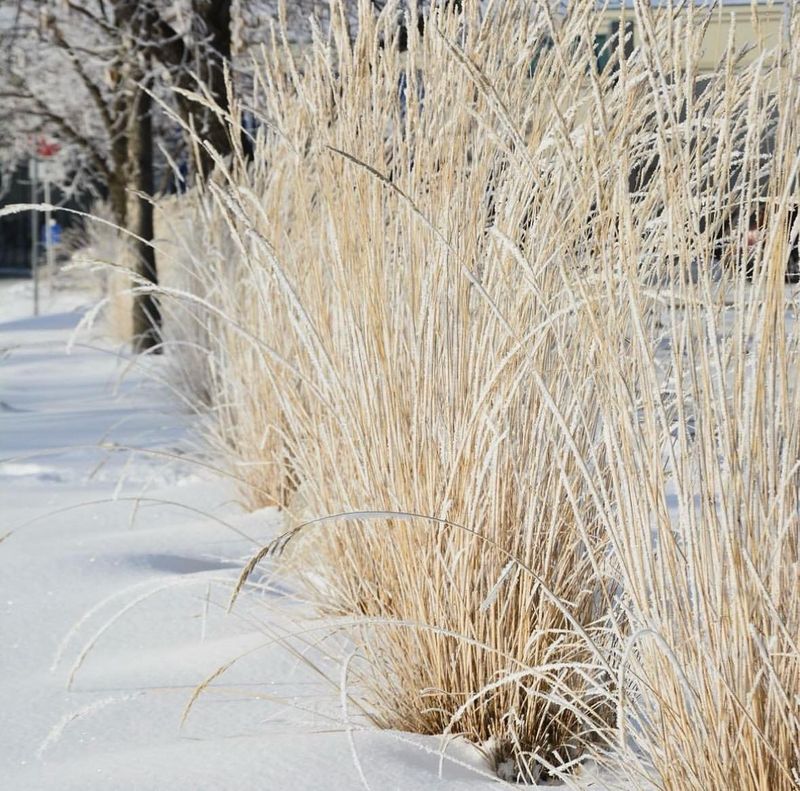
Winter gardens feel more alive when tall, feathery plumes sway with every breeze and catch frost in the early morning light across Virginia landscapes.
Their stiff, fibrous blades are unappealing to browsing wildlife, which helps these graceful accents remain untouched while softer plants disappear.
Popular varieties like switchgrass, fountain grass, and blue fescue remain standing through winter, providing structure and beauty when many other plants have faded away.
Virginia gardeners appreciate ornamental grasses for their low-maintenance nature, as they require minimal watering, fertilizing, or pest control once they’re established in the ground.
These grasses thrive in full sun and well-drained soil, making them perfect for open areas, borders, or mass plantings that need reliable year-round presence.
Their seed heads and dried foliage create stunning silhouettes against snow and winter skies, adding drama and elegance to otherwise dormant garden spaces.
Cutting back ornamental grasses in late winter or early spring allows fresh new growth to emerge cleanly without old, dead material cluttering the base.
Planting them in groups or drifts creates a naturalistic look that feels wild and free, contrasting nicely with more formal, structured garden elements.
Ornamental grasses also provide habitat and food for birds, making them an eco-friendly choice that supports local wildlife while resisting deer damage.
They also move beautifully in winter light and wind, giving Virginia gardens motion and texture at a time when most plants feel still and flat.
4. Winterberry Holly
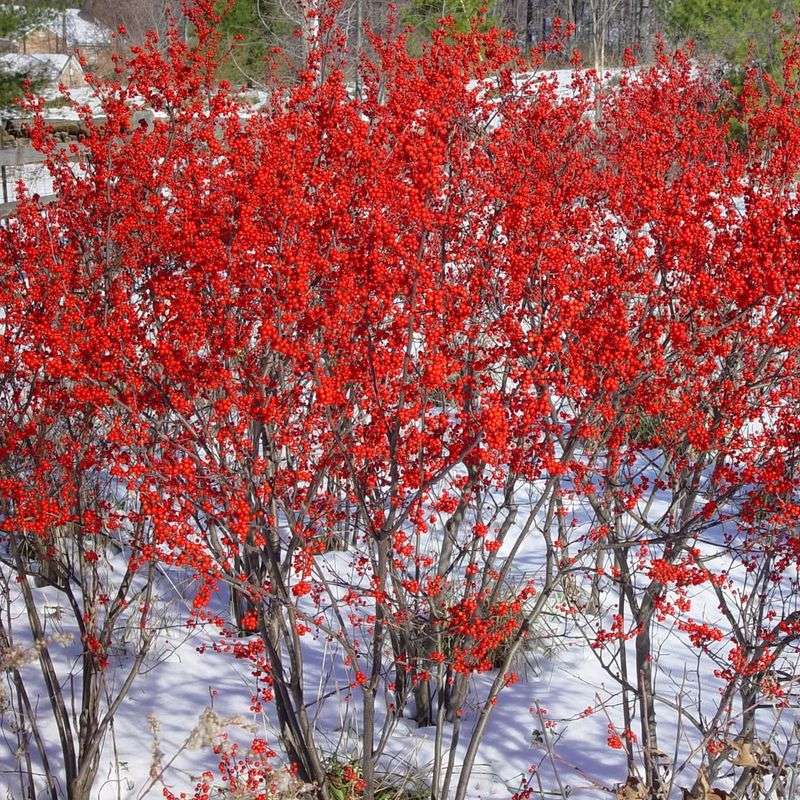
Bare winter branches feel far less dull when they’re dotted with bright red or orange berries that hold on long after leaves have fallen across Virginia gardens.
That bold winter color comes from a shrub that shrugs off browsing pressure, keeping its branches loaded with berries while nearby plants are picked clean.
This deciduous holly loses its leaves in fall, but the bright berries remain through winter, providing food and shelter for birds and other wildlife.
Virginia’s moist, acidic soils suit winterberry holly perfectly, especially in low-lying areas or near ponds and streams where other plants might struggle to thrive.
Female plants produce the showy berries, but you’ll need a male pollinator nearby to ensure good fruit set and maximum berry production each season.
Winterberry holly grows as a multi-stemmed shrub, reaching heights of four to eight feet, making it ideal for hedges, borders, or naturalized woodland gardens.
Planting winterberry holly in groupings creates a stunning visual impact, with clusters of red berries glowing against gray winter skies and snow-covered landscapes.
These shrubs prefer full sun to partial shade and need consistent moisture, so avoid planting them in dry, sandy spots that don’t retain water well.
Winterberry holly’s berries attract songbirds, adding lively movement and cheerful sounds to your garden during the quiet, cold months when activity is scarce.
5. Rosemary
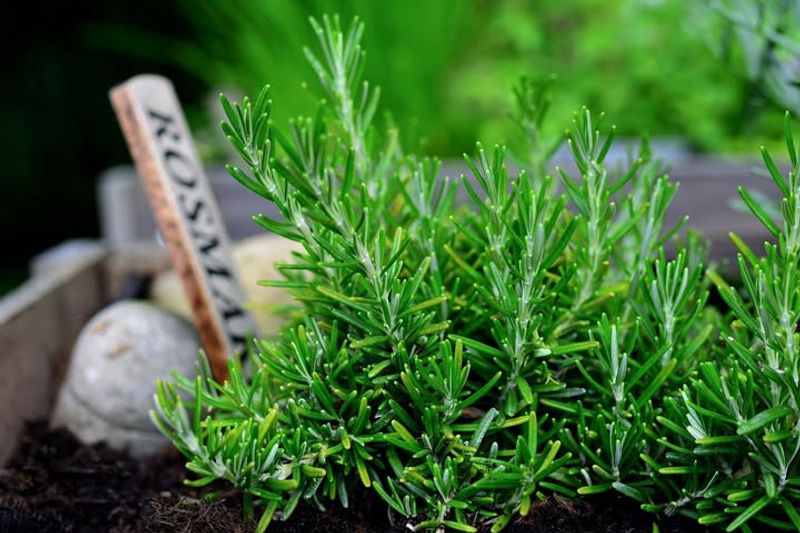
Cold-season gardens feel more inviting when a familiar kitchen staple continues growing outdoors, quietly offering fresh sprigs even as other plants slow down.
Its bold character and hardy nature help it stay intact through winter, holding its place while less resilient choices struggle.
This Mediterranean herb thrives in Virginia’s milder winter regions, especially when planted in well-drained soil and sheltered spots that protect it from harsh winds.
Gardeners in Virginia can grow rosemary as a perennial in warmer areas or treat it as an annual, bringing potted plants indoors during freezing spells.
Its upright or trailing forms make it versatile for herb gardens, container plantings, or edging along pathways where you can brush against it and release fragrance.
Rosemary produces small blue, pink, or white flowers in late winter or early spring, adding delicate blooms to your garden before most other plants wake up.
Harvesting fresh rosemary sprigs for cooking is a delightful bonus, allowing you to enjoy homegrown flavor in soups, roasts, and breads throughout the cold season.
Planting rosemary near outdoor seating areas or kitchen doors makes it easy to snip a few stems whenever you need them for recipes or garnishes.
This herb prefers full sun and dislikes wet, soggy soil, so ensure good drainage and avoid overwatering during Virginia’s wetter winter months.
6. Daffodils
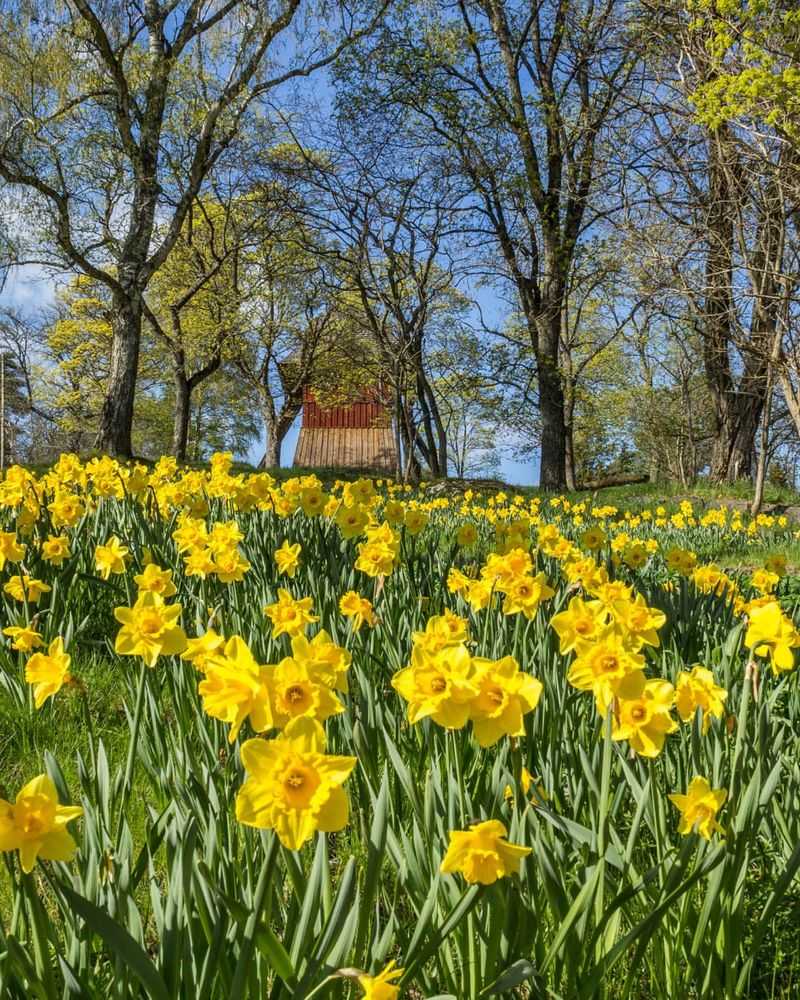
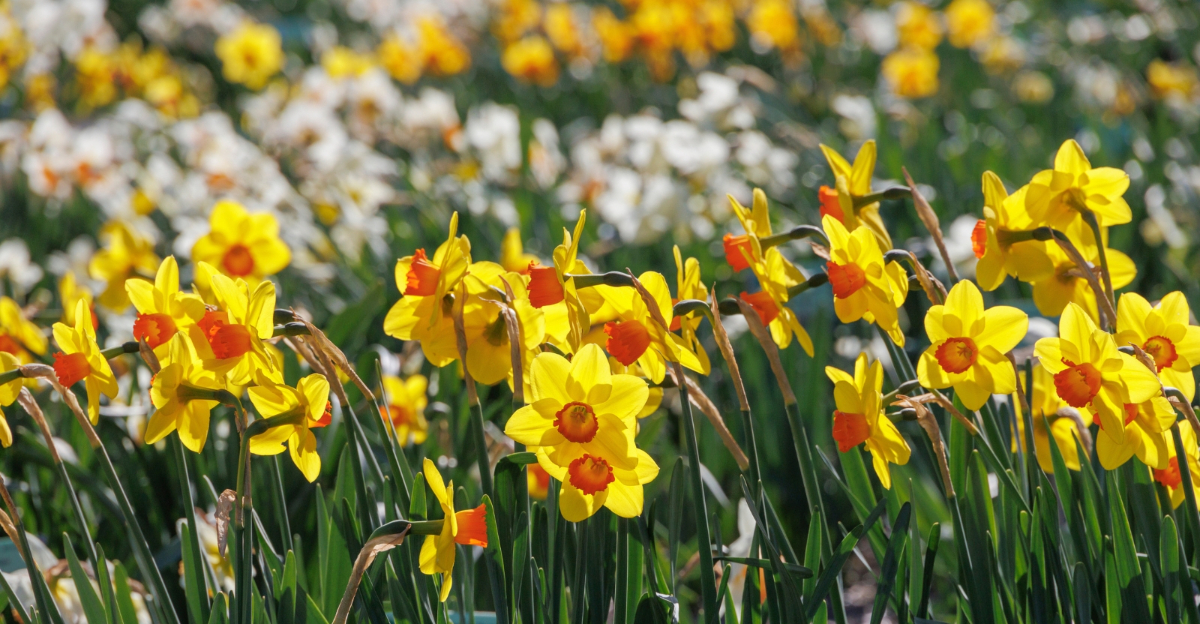
Late winter suddenly feels more hopeful when bright blooms push through cold soil, hinting that spring is close and color is about to return to Virginia gardens.
These early flowers reliably show up year after year, staying intact while nearby plants often disappear overnight.
Planting daffodil bulbs in fall ensures a burst of color in late winter and early spring, when Virginia gardens desperately need brightness and cheer.
These hardy bulbs naturalize easily, meaning they multiply and spread over time, creating larger, more impressive displays with each passing year without extra work.
Daffodils thrive in full sun to partial shade and well-drained soil, making them adaptable to various garden locations, from open lawns to wooded edges.
Their blooms last for weeks, providing long-lasting color and beauty that outlasts many other early-flowering plants in Virginia’s unpredictable spring weather.
Planting daffodils in drifts or clusters creates a naturalistic look that mimics wildflower meadows, adding charm and whimsy to your winter and spring landscape.
After blooming, daffodil foliage must remain in place to feed the bulbs for next year’s flowers, so avoid cutting or braiding leaves prematurely.
Pairing daffodils with other deer-resistant plants like hellebores or ornamental grasses creates a layered, dynamic garden that stays beautiful and protected from browsing wildlife.
7. Juniper
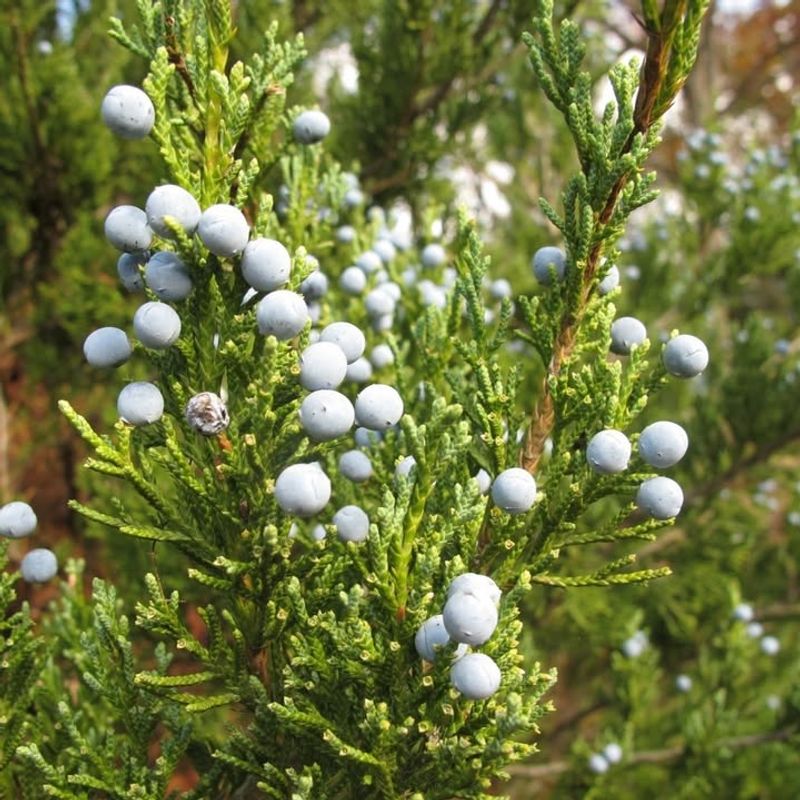
Year-round greenery matters most when winter strips color from the landscape, and tough evergreens quietly keep Virginia gardens from looking empty or worn.
Deer generally dislike juniper because its foliage has a strong, resinous scent and prickly texture that make it uncomfortable and unappetizing to browse on.
Virginia gardeners rely on juniper for its drought tolerance, cold hardiness, and ability to thrive in poor soils where other plants might struggle or fail.
These versatile plants work well as foundation plantings, ground covers, or accent shrubs, providing structure and greenery throughout winter when deciduous plants look bare.
Juniper’s blue-green, silvery, or golden foliage adds color variation to garden beds, creating visual interest and contrast against darker greens and browns.
Many juniper varieties produce small, berry-like cones that attract birds, adding wildlife value to your garden while remaining uneaten by deer.
Planting juniper in full sun and well-drained soil ensures healthy growth and vibrant foliage color that stays attractive through all four seasons in Virginia.
These shrubs require minimal pruning and maintenance, making them ideal for busy gardeners or low-maintenance landscapes that still need year-round beauty.
Juniper’s ability to handle salt, pollution, and urban conditions makes it perfect for roadside plantings or gardens near driveways and sidewalks in Virginia neighborhoods.
Once established, juniper quietly does its job year after year, holding shape and color through winter without demanding attention or protection from deer.
8. Lavender
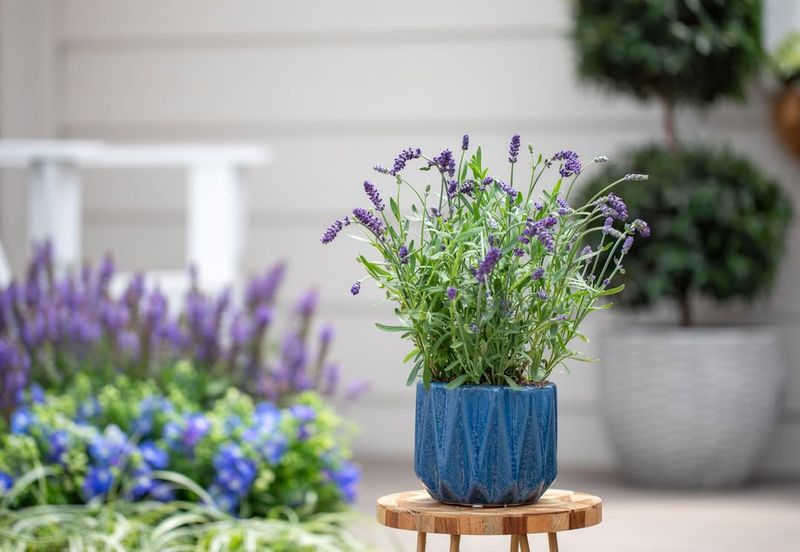
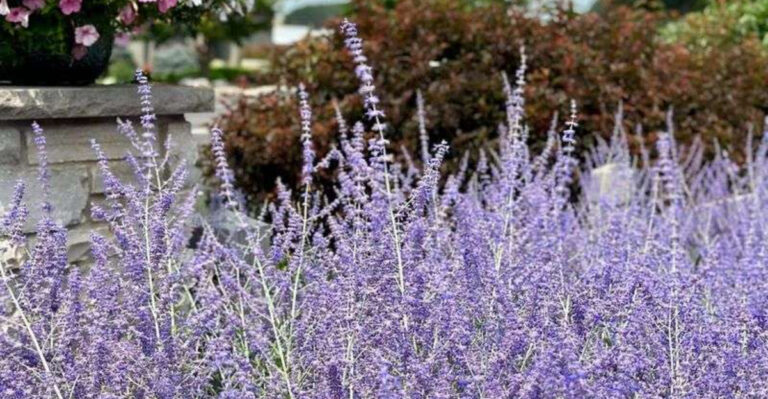
Even during quieter Virginia winters, gardens benefit from lavender’s calming fragrance and silvery foliage, while deer tend to pass it by without interest.
Virginia’s winters can be tough on lavender, so choose cold-hardy varieties like English lavender and plant them in well-drained, slightly alkaline soil for best results.
Gardeners in Virginia should position lavender in full sun and sheltered spots that protect it from harsh winter winds and excessive moisture that can damage roots.
This Mediterranean herb dislikes wet, soggy conditions, so amending heavy clay soil with sand or gravel improves drainage and helps lavender survive cold, wet winters.
Lavender’s compact, mounding form makes it perfect for borders, herb gardens, or container plantings near patios where you can enjoy its scent up close.
Pruning lavender lightly after flowering encourages bushy growth and prevents the plant from becoming woody and sparse over time, keeping it looking fresh and full.
Harvesting lavender blooms for sachets, teas, or dried arrangements is a delightful bonus that lets you enjoy its fragrance indoors throughout winter months.
Pairing lavender with other aromatic, deer-resistant plants like rosemary, sage, or thyme creates a sensory garden that smells wonderful and stays safe from wildlife damage.
9. Yew Shrubs
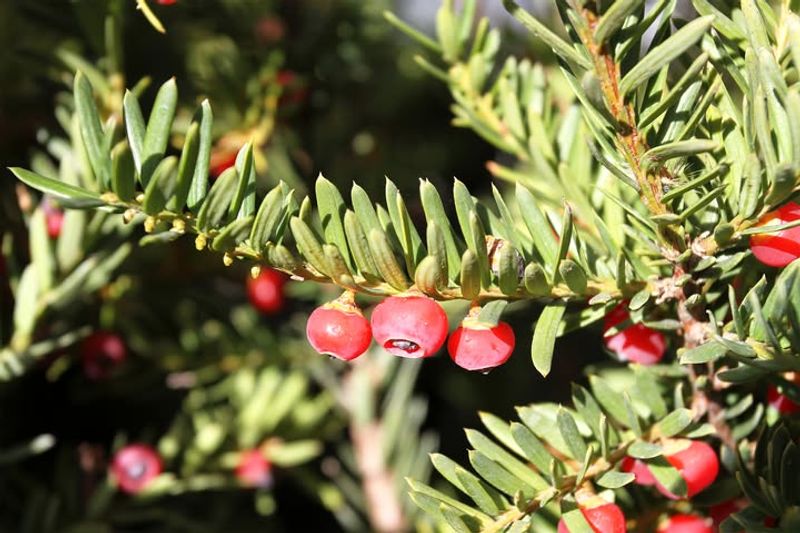
Long before spring arrives, dependable evergreen shapes quietly anchor Virginia gardens, holding deep green color and structure when most landscapes feel open and exposed.
These slow-growing shrubs maintain their color and structure throughout winter, providing reliable greenery and privacy screening when deciduous plants lose their leaves and expose bare branches.
Virginia’s climate suits yews well, as they handle cold winters and hot summers with minimal stress, thriving in both sun and shade conditions.
Gardeners can use yews as foundation plantings, hedges, or specimen shrubs, shaping them into formal designs or allowing them to grow naturally for softer looks.
Yews prefer well-drained soil and dislike waterlogged conditions, so avoid planting them in low-lying areas where water pools after heavy rains or snowmelt.
Pruning yews in late winter or early spring keeps them tidy and encourages dense, bushy growth that looks polished and professional throughout the year.
These shrubs grow slowly, which means they won’t quickly outgrow their space or require constant trimming and maintenance to stay attractive and manageable.
Pairing yews with colorful flowering plants or ornamental grasses creates beautiful contrasts, allowing the dark green foliage to serve as a backdrop that highlights brighter colors.