10 Delicious Microgreens New Yorkers Can Grow Indoors Quickly
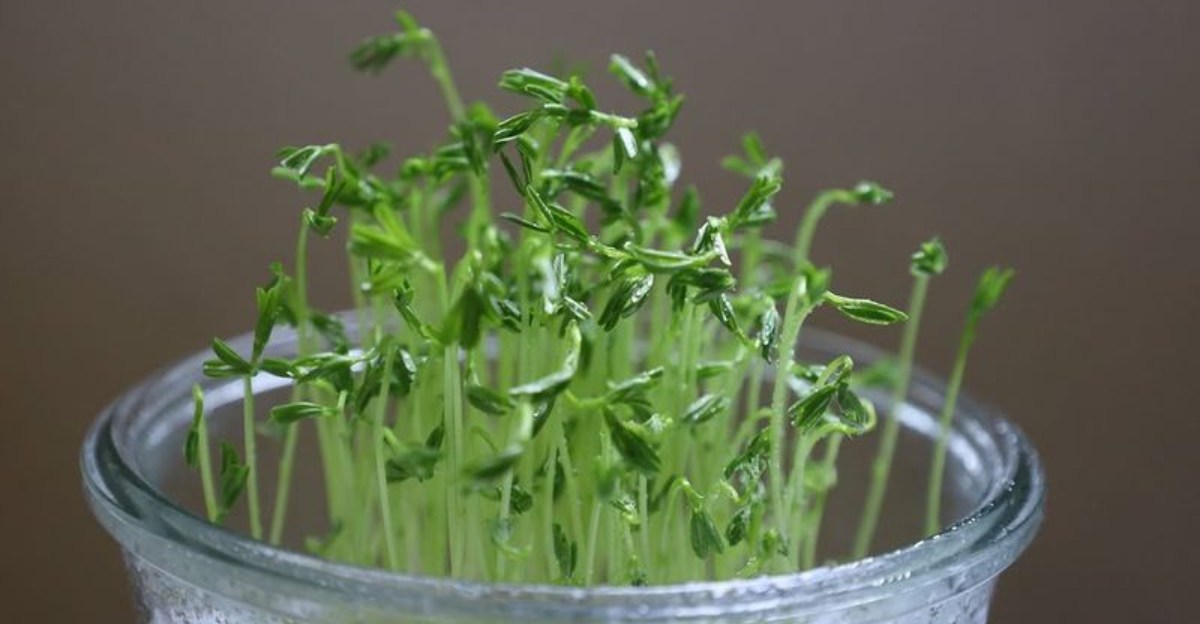
Winter in New York can feel long and gray, and homegrown greens are a perfect way to bring life and flavor indoors.
Microgreens are small but mighty, packing bright taste, vibrant color, and a punch of nutrition into tiny leaves.
For city dwellers with limited space, they are a dream come true, quick to grow, easy to manage, and perfect for adding a fresh touch to meals without taking over a kitchen.
Microgreens thrive in small containers on windowsills or under simple grow lights.
They grow fast, often ready to harvest in just a couple of weeks, turning even a compact apartment into a mini indoor farm.
From spicy radish greens to sweet basil sprouts, each variety offers a unique flavor that elevates salads, sandwiches, and smoothies.
Growing microgreens indoors is like having a garden on speed dial.
They bring the outdoors inside, brighten meals, and make healthy eating feel effortless.
For New Yorkers looking to add greenery, flavor, and a bit of fun to winter cooking, microgreens provide instant rewards and endless possibilities.
Small leaves, big impact, and a fresh touch for every dish.
1. Radish Microgreens
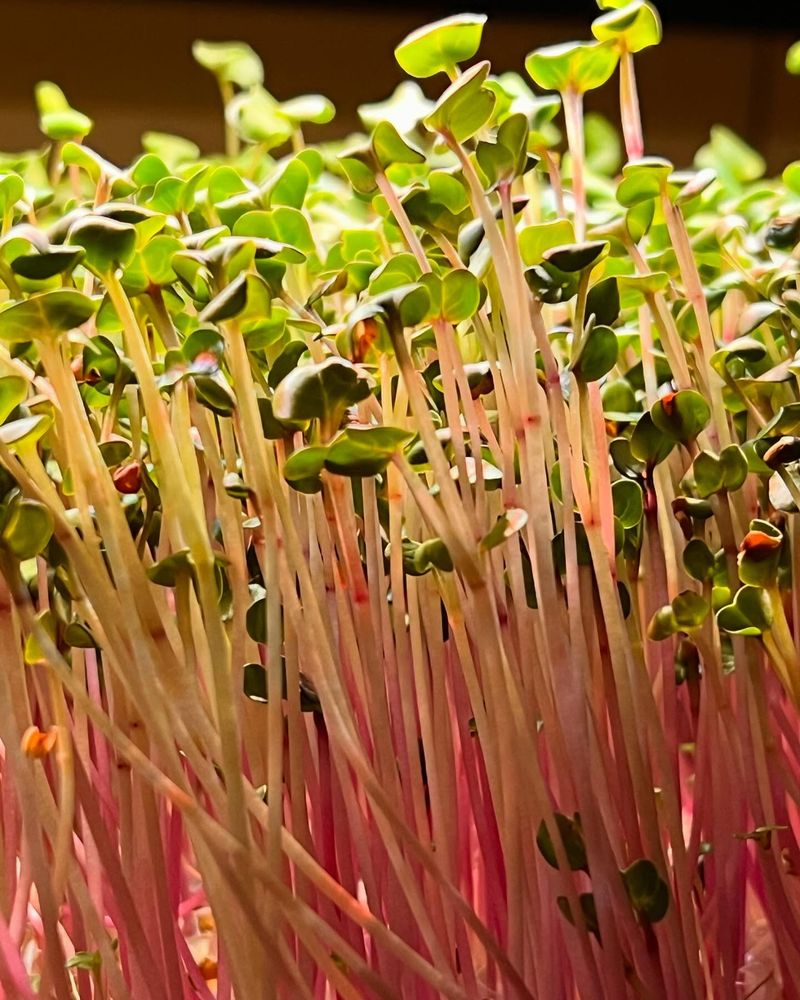
Spicy and crunchy, radish microgreens deliver a peppery punch that wakes up any salad or sandwich.
Growing them in your New York apartment takes only five to seven days from seed to harvest, making them one of the fastest options available.
Their bright pink and purple stems add beautiful color to your plate while their flavor brings an exciting kick similar to mature radishes but milder and fresher.
You can scatter seeds densely in a shallow tray filled with potting soil, mist them daily, and watch them shoot up toward your window.
New Yorkers love radish microgreens because they thrive in cooler indoor temperatures common during winter months when heating systems run constantly.
These greens need just four to six hours of natural light or a simple grow light to flourish.
Harvest them when the first true leaves appear by cutting just above the soil line with clean scissors.
Toss them into tacos, layer them on avocado toast, or use them as a zesty garnish for soups and grain bowls.
Their crisp texture and bold taste make every bite more interesting.
Storage is simple too since they stay fresh in the refrigerator for up to five days when kept in a sealed container with a damp paper towel.
2. Sunflower Microgreens
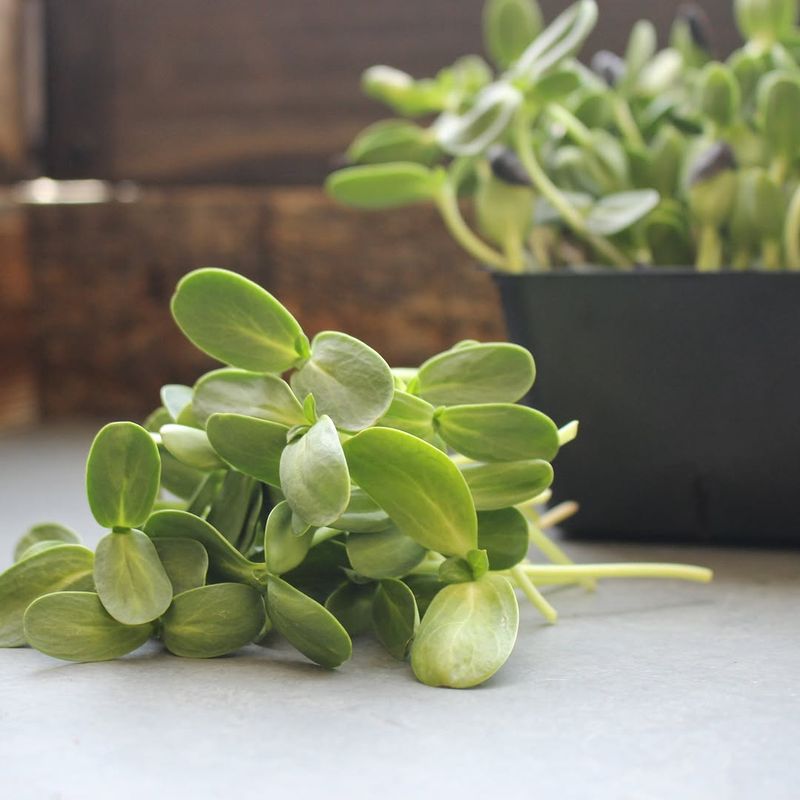
Crunchy, nutty, and surprisingly filling, sunflower microgreens offer a satisfying texture that stands out from other delicate greens.
Their thick stems and large leaves make them hearty enough to serve as the main component of a salad rather than just a garnish.
Growing sunflower shoots in your New York home takes about ten to fourteen days, and they require slightly more attention than smaller varieties.
Start by soaking the seeds overnight before planting them in a deeper tray with at least two inches of soil.
These greens need consistent moisture and good air circulation to prevent mold, which can be tricky in humid New York summers but manageable with a small fan.
Once they reach three to four inches tall with their first leaves fully open, snip them at the base and enjoy their mild, slightly sweet flavor.
Sunflower microgreens work wonderfully in wraps, sandwiches, smoothies, and stir-fries because they hold up well to heat and blending.
Many New Yorkers appreciate their high protein and vitamin content, making them a nutritious addition to plant-based diets.
Store harvested shoots in the fridge for up to a week, keeping them crisp and ready to add substance to any meal throughout your busy week.
3. Pea Shoots
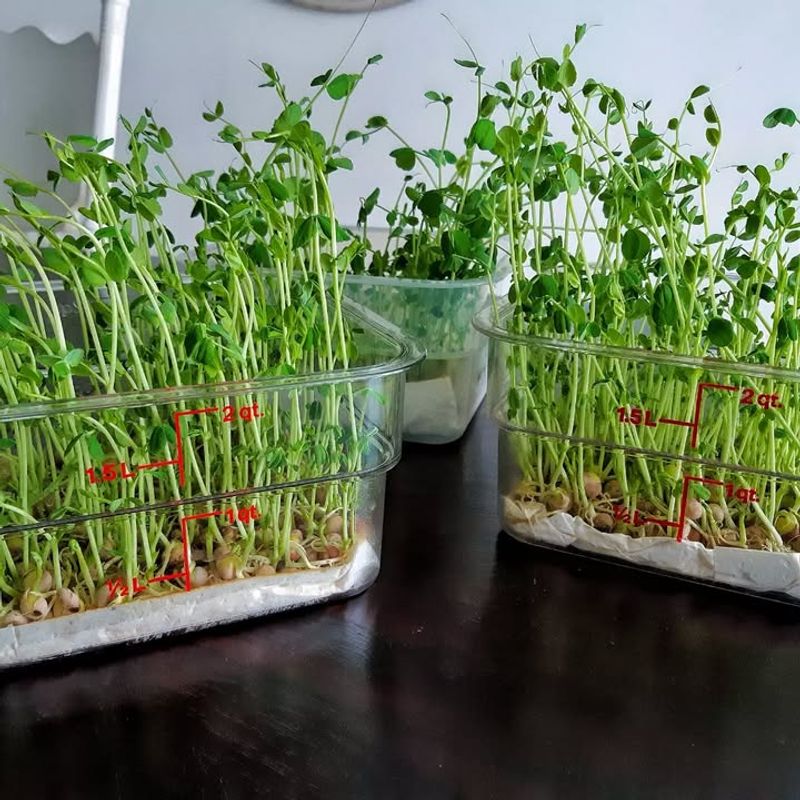
Sweet and tender with a flavor that tastes exactly like fresh garden peas, pea shoots bring springtime to your New York kitchen any month of the year.
Their delicate curling tendrils and bright green leaves create an elegant presentation that impresses dinner guests.
Growing pea shoots takes about two to three weeks, slightly longer than some microgreens but worth the wait for their unique taste and texture.
Use regular garden pea seeds rather than treated ones, and soak them overnight before planting in moist soil.
These greens appreciate cooler temperatures, making them perfect for New York apartments during fall and winter when indoor heating keeps spaces comfortable but not too warm.
Position your tray near a window with indirect light or under a grow lamp for best results.
Harvest when the shoots reach four to six inches tall and have developed several sets of leaves and tendrils.
Pea shoots taste fantastic raw in salads, lightly sautéed with garlic as a side dish, or added to pasta and rice bowls for a pop of color and sweetness.
Their mild flavor appeals to picky eaters and children, making them a family-friendly choice.
Store them carefully in the refrigerator wrapped in damp paper towels inside a container, where they stay fresh for about five days.
4. Broccoli Microgreens
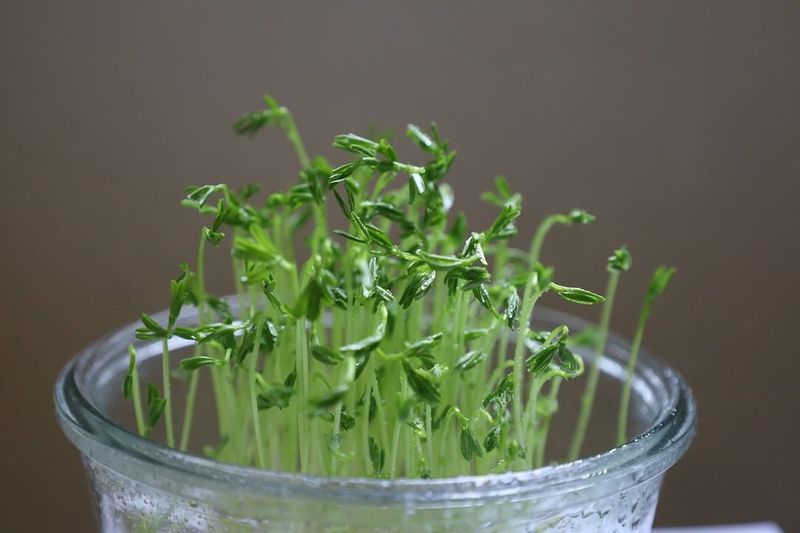
Packed with nutrients and offering a mild cabbage-like flavor, broccoli microgreens rank among the healthiest options you can grow indoors.
Research shows these tiny greens contain concentrated amounts of vitamins and beneficial compounds found in mature broccoli.
Growing them in your New York home takes about ten to twelve days from planting to harvest, and they require minimal space or equipment.
Scatter seeds evenly across moist soil in a shallow container, cover them lightly, and keep them in darkness for the first few days to encourage strong stem growth.
Once sprouts appear, move the tray to a bright location near a window or under artificial lighting.
Broccoli microgreens tolerate varying light conditions well, making them forgiving for New Yorkers still learning about indoor gardening.
Their slightly peppery taste works beautifully in smoothies, where the flavor blends seamlessly with fruits and other vegetables.
You can also sprinkle them over pizza, mix them into omelets, or layer them on sandwiches for added nutrition without overwhelming other flavors.
Harvest when the first true leaves develop by cutting just above the soil line with sharp scissors.
These greens store well in the refrigerator for up to a week when kept dry in a sealed container, giving you plenty of time to incorporate them into various meals.
5. Arugula Microgreens
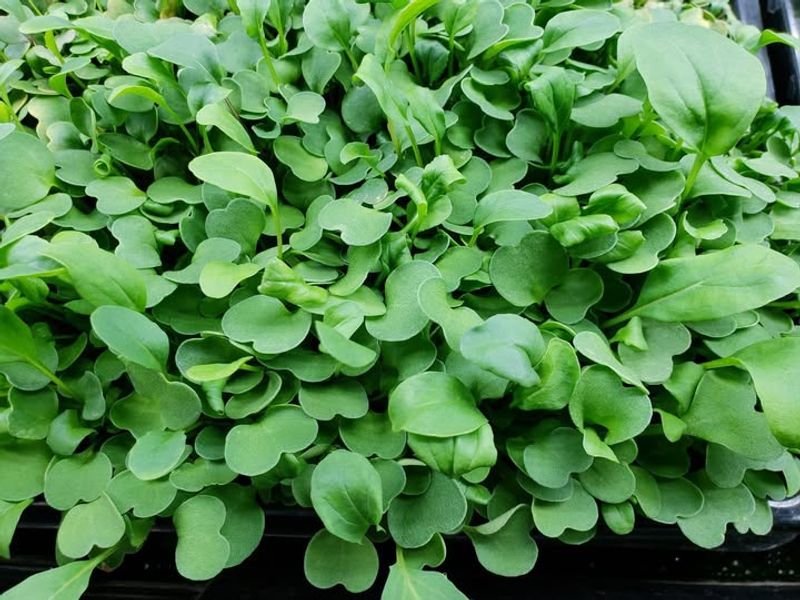
Bold and peppery with a sophisticated bite, arugula microgreens deliver grown-up flavor that elevates simple dishes into something special.
Their distinctive taste mimics mature arugula but with even more intensity packed into each tiny leaf.
New Yorkers who enjoy Mediterranean and Italian cuisine find these microgreens essential for authentic flavor profiles.
Growing arugula microgreens takes just seven to ten days, making them one of the quicker varieties to produce.
Plant seeds densely in a shallow tray, keep the soil consistently moist but not waterlogged, and provide adequate light from a south-facing window or grow lamp.
These greens tolerate cooler indoor temperatures well, thriving even when New York apartments feel chilly during winter months.
Harvest when leaves reach one to two inches tall and show their characteristic jagged edges.
Arugula microgreens shine in simple preparations that highlight their flavor, such as topping homemade pizzas after baking, mixing into pasta dishes, or creating elegant salads with lemon vinaigrette.
Their spicy kick also complements rich foods like cheese, eggs, and roasted vegetables beautifully.
Store harvested greens in the refrigerator in a sealed container lined with paper towels to absorb excess moisture, keeping them fresh and crisp for up to five days after cutting.
6. Basil Microgreens
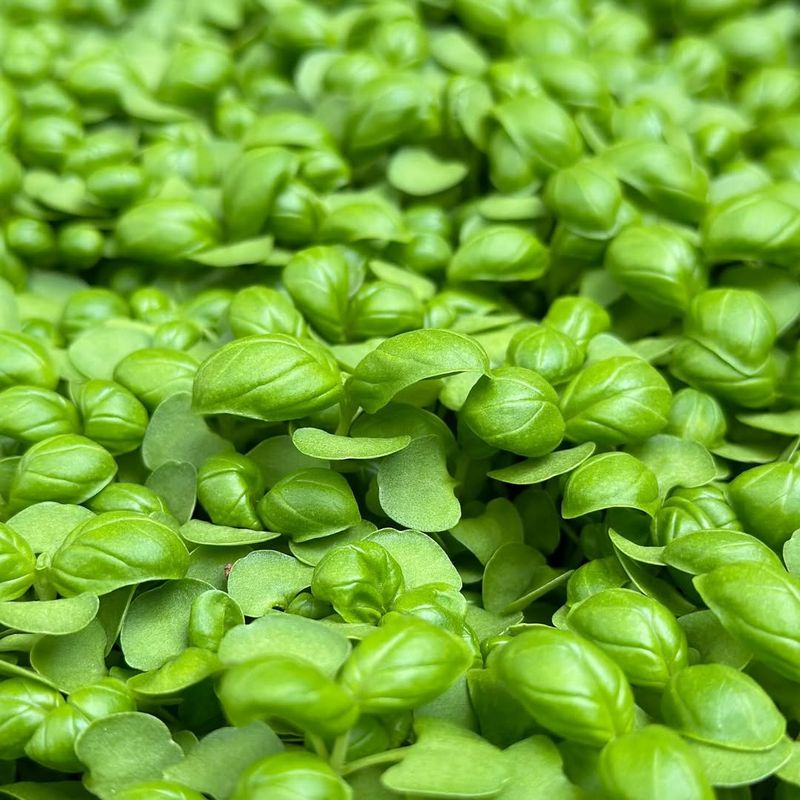
Fragrant and flavorful with an unmistakable aroma, basil microgreens bring Italian cooking right to your New York kitchen counter.
Even a small handful releases enough scent to fill your apartment with the promise of fresh pesto and caprese salads.
Growing basil microgreens takes about two weeks, and they need slightly warmer conditions than some other varieties to thrive.
Keep your tray in a warm spot away from cold drafts, which can be challenging in older New York buildings with drafty windows.
Basil seeds develop a gel-like coating when wet, so avoid overwatering and ensure good air circulation to prevent mold issues.
Provide plenty of light for stocky growth and the best flavor development.
Harvest when the first true leaves appear, cutting carefully above the soil line to keep your scissors clean.
These microgreens taste incredible scattered over pasta, blended into dressings, mixed into bruschetta, or layered on sandwiches and wraps.
Their concentrated basil flavor means you need less than you would with mature leaves to achieve the same taste impact.
Many New Yorkers grow basil microgreens year-round since fresh basil from stores can be expensive and often wilts quickly.
Store harvested greens gently in the refrigerator, handling them carefully since their delicate leaves bruise easily, and use them within three to four days for peak flavor and aroma.
7. Mustard Microgreens

Spicy and vibrant with colors ranging from deep purple to bright green, mustard microgreens add visual drama and bold flavor to any plate.
Their heat level varies by variety, with some offering mild warmth and others delivering serious kick that rivals hot sauce.
Growing mustard microgreens in your New York apartment takes only six to nine days, making them incredibly fast and rewarding for impatient gardeners.
Scatter seeds across moist soil, keep them lightly covered for the first few days, then expose them to light once sprouts emerge.
These hardy greens tolerate less-than-perfect conditions better than many microgreens, succeeding even with limited natural light or inconsistent watering.
New Yorkers appreciate their forgiving nature since busy schedules sometimes interfere with daily plant care.
Harvest mustard microgreens when they reach one to two inches tall with their first true leaves showing.
Use them to add excitement to bland foods like rice, noodles, and steamed vegetables, or mix them into Asian-inspired dishes where their spicy flavor feels right at home.
They also make excellent additions to breakfast scrambles and avocado toast when you want morning meals with more personality.
Store harvested greens in a sealed container in the refrigerator, where they maintain their crisp texture and spicy bite for up to a week after cutting.
8. Kale Microgreens
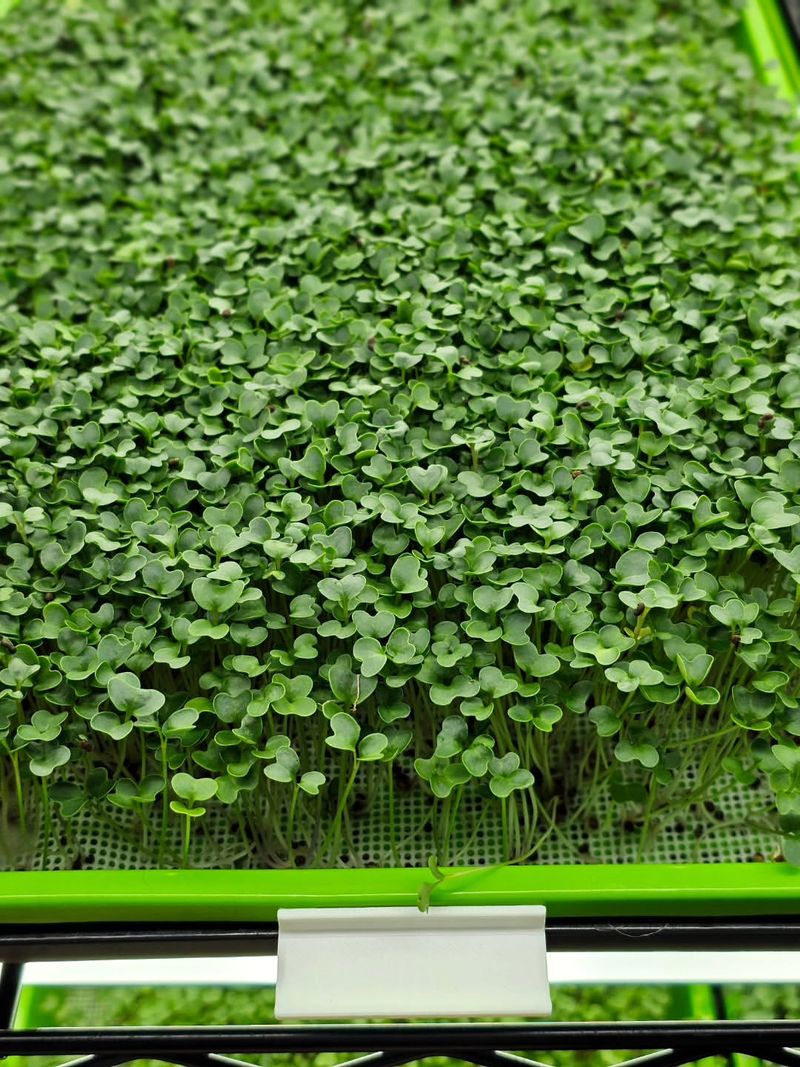
Nutritious and surprisingly mild, kale microgreens offer all the health benefits of their full-grown counterparts without the tough texture or bitter taste.
Their tender leaves make them much more appealing to people who normally avoid kale in its mature form.
Growing kale microgreens in your New York home takes about ten to fourteen days, and they develop beautiful ruffled leaves that look decorative even while growing.
Plant seeds in moist soil, keep them evenly watered, and provide moderate light from a window or grow lamp.
These greens tolerate cooler temperatures well, thriving during New York winters when apartments stay comfortable but not overly warm.
Harvest when leaves reach two to three inches tall and show their characteristic texture.
Kale microgreens work wonderfully in smoothies, where their mild flavor disappears completely while their nutrients remain.
You can also add them to soups, stews, grain bowls, and salads without worrying about overwhelming other ingredients.
Many New Yorkers juice them along with other microgreens for concentrated nutrition in a single glass.
Their versatility makes them valuable for meal prep since they complement almost any cuisine or cooking style.
Store harvested kale microgreens in the refrigerator in a container with good airflow, keeping them fresh and ready to use for up to a week after cutting them from the soil.
9. Cilantro Microgreens
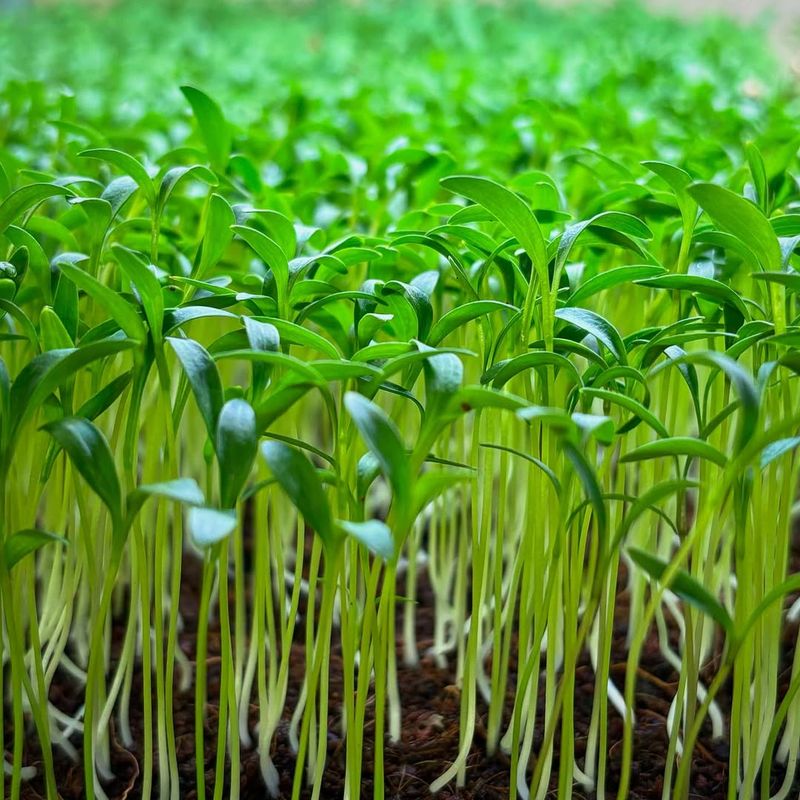
Fresh and citrusy with that distinctive cilantro flavor people either love or hate, these microgreens bring authentic taste to Mexican, Thai, and Indian dishes.
Growing cilantro microgreens in your New York apartment takes about two to three weeks, slightly longer than faster varieties but still much quicker than growing mature cilantro plants.
Cilantro seeds are actually dried coriander fruits containing two seeds each, so you might want to gently crush them before planting to improve germination rates.
Plant them in moist soil, keep them consistently watered, and provide moderate light for healthy growth.
These microgreens prefer cooler temperatures, making them perfect for New York apartments during spring and fall when indoor conditions stay mild.
Harvest when the first true leaves develop their characteristic shape, cutting carefully above the soil line.
Cilantro microgreens taste incredible in tacos, pho, curries, and salsas, where their fresh flavor brightens rich and spicy foods.
They also make beautiful garnishes that add both visual appeal and authentic taste to finished dishes.
Many New Yorkers grow cilantro microgreens because fresh cilantro from grocery stores often wilts within days of purchase, while homegrown microgreens stay fresh longer.
Store harvested greens gently in the refrigerator in a sealed container, handling them carefully since their delicate leaves bruise easily, and plan to use them within four to five days for best flavor.
10. Beet Microgreens
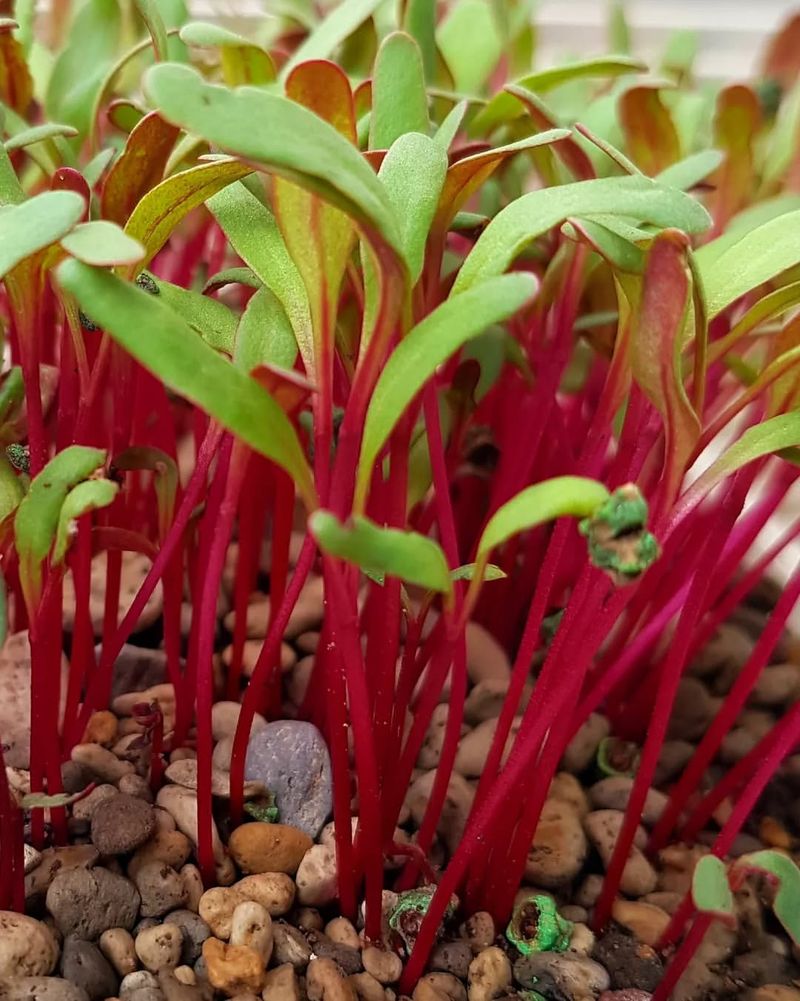
Colorful and earthy with stunning red and magenta stems, beet microgreens turn ordinary meals into Instagram-worthy creations.
Their mild, slightly sweet flavor tastes nothing like the strong earthiness of cooked beets, making them appealing even to beet skeptics.
Growing beet microgreens in your New York apartment takes about twelve to fifteen days, and watching their vibrant colors develop provides daily entertainment.
Soak seeds overnight before planting since their hard coating can slow germination otherwise.
Plant them in moist soil, keep the tray evenly watered, and provide good light to encourage the brightest stem colors.
These greens tolerate varying indoor conditions well, succeeding even in New York apartments with less-than-ideal lighting or temperature fluctuations.
Harvest when leaves reach two to three inches tall and their colors look most vibrant.
Beet microgreens shine as salad ingredients where their beautiful appearance creates visual interest, or as garnishes that make simple dishes look restaurant-quality.
Their mild flavor pairs well with goat cheese, nuts, citrus dressings, and roasted vegetables.
Many New Yorkers appreciate how these microgreens add nutrition and beauty simultaneously, making healthy eating feel more exciting and less like a chore.
Store harvested greens in the refrigerator in a sealed container, where they stay fresh and colorful for up to a week after cutting.