9 Desert Adapted Plants That Thrive In Arizona’s Tough Heat
Heat in Arizona is not gentle, and once summer settles in, it tests every plant in the yard. Long days of direct sun, reflected warmth from gravel, and dry air push weaker varieties to their limit.
That is why plants that already belong in desert conditions perform so differently from those that struggle to adjust.
Desert adapted species are built for intense light, minimal rainfall, and soil that drains fast. They store water efficiently, protect their foliage from sun stress, and continue growing even when temperatures stay high for weeks.
Instead of constantly recovering from damage, they hold their shape and color through the harshest stretch of the season.
Filling your landscape with plants suited for Arizona’s extreme heat creates a yard that looks strong and steady rather than stressed and exhausted.
1. Texas Sage Brings Silver Foliage And Monsoon Purple Blooms
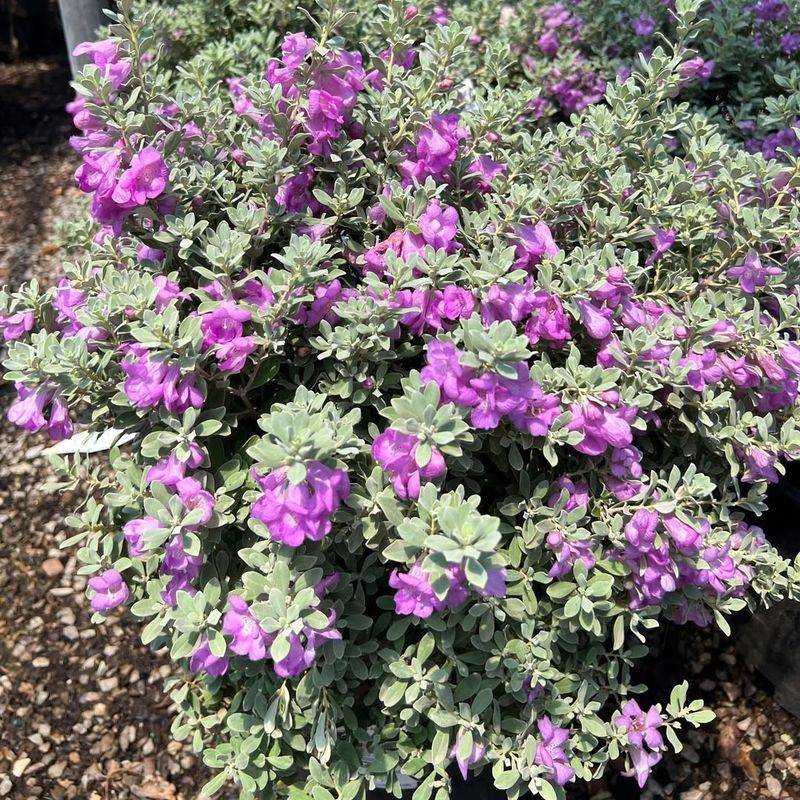
Silver leaves act like tiny mirrors in Arizona’s relentless sun. Texas Sage covers itself in fuzzy, pale foliage that bounces back harsh rays instead of absorbing them, keeping the plant cool when pavement temperatures hit 140 degrees.
This shrub waits patiently through dry months, then explodes with purple flowers when monsoon humidity arrives. You don’t even need rain for blooms to appear.
High moisture in the air triggers the plant to cover itself in tubular purple flowers that hummingbirds visit constantly.
Plant it where you need a rounded shape about four feet tall and wide. Texas Sage handles reflected heat from walls and pavement better than almost anything else.
The silvery color makes a perfect backdrop for darker green plants or red rock mulch.
Watering once every two weeks during summer keeps it looking full. In winter, you can ignore it completely.
Pruning in early spring maintains a tidy shape, but this plant naturally grows into a pleasant dome without much help.
Phoenix gardeners plant Texas Sage along driveways and property lines. Tucson residents use it near swimming pools where chlorine spray would damage fussier plants.
The combination of year-round silver foliage and sudden purple blooms makes Arizona summers feel less brutal.
2. Red Yucca Sends Up Coral Flower Spikes All Summer
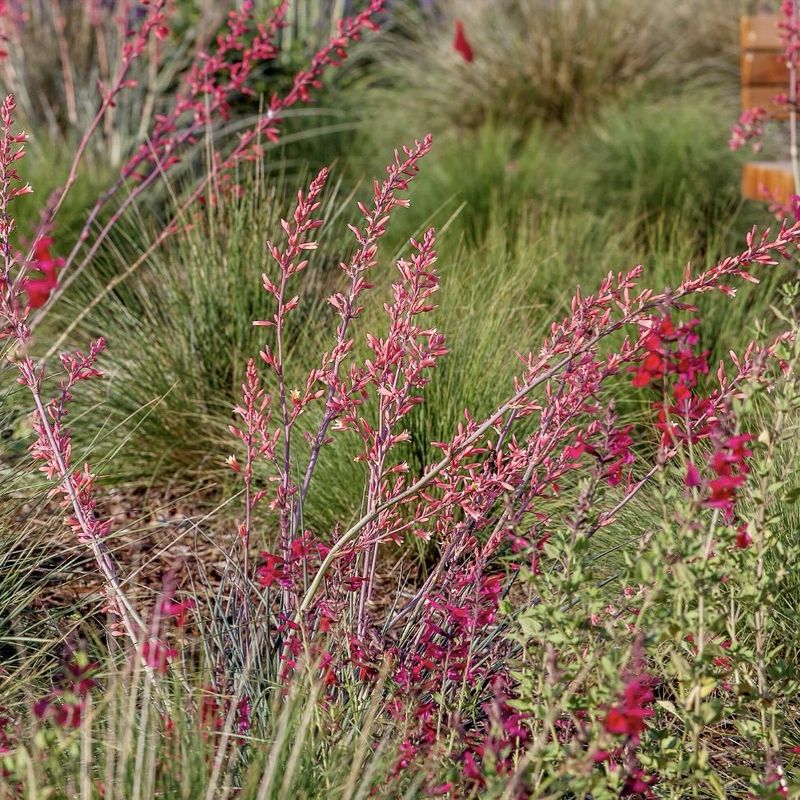
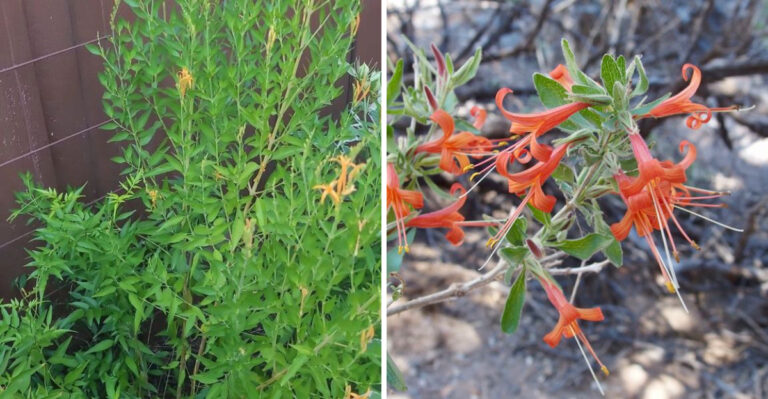
Grass-like leaves fountain out in all directions from a central crown. Red Yucca isn’t actually a yucca at all, but it borrowed the name because of its tough, sword-shaped foliage that stays green through Arizona’s worst heat waves.
Coral-colored flower spikes shoot up three to five feet tall starting in April. They keep coming until October, creating a constant display when most desert plants take a break.
Hummingbirds treat these tubular blooms like their personal fuel stations, visiting dozens of times each day.
The plant spreads slowly into a clump about three feet wide. Individual leaves arch gracefully, giving Red Yucca a softer appearance than spiky agaves or rigid cacti.
This makes it perfect for planting near walkways where you want texture without danger.
Full sun and terrible soil don’t bother this plant at all. Red Yucca actually grows better in caliche-heavy ground than in rich garden soil.
Water it every ten days during summer heat, and it rewards you with thicker foliage and more flower stalks.
Albuquerque to Phoenix, this plant performs beautifully across different Arizona climates. Cutting off finished flower stalks encourages new ones to form.
The combination of evergreen foliage and months of coral blooms brings reliable color when everything else looks tired.
3. Desert Marigold Covers Dry Soil In Bright Yellow Color
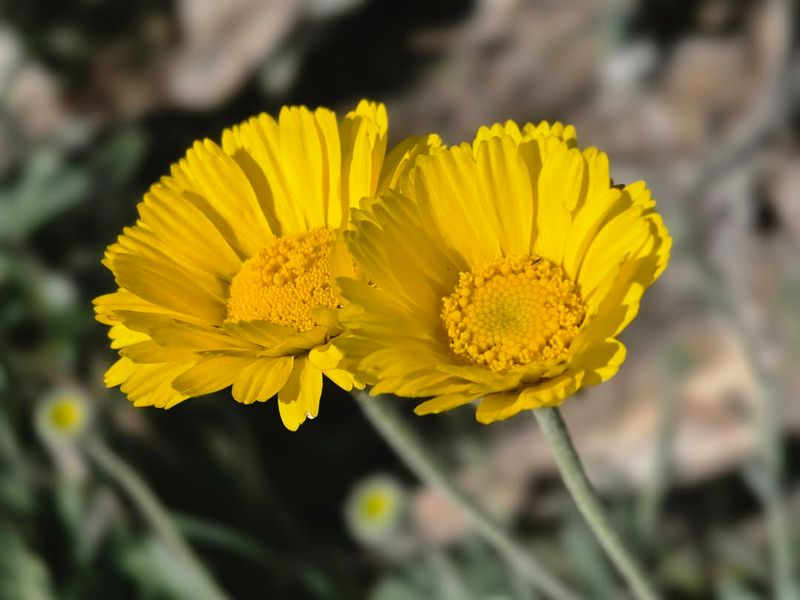
Bright yellow daisies pop up faster than you’d expect after winter rains. Desert Marigold starts blooming in March and often continues into November, creating golden patches that look cheerful even when temperatures make you want to stay indoors.
This low-growing plant spreads into a mound about a foot tall and eighteen inches wide. Gray-green leaves stay small and fuzzy, helping the plant conserve water.
The flowers keep coming in waves, with the heaviest bloom periods following any moisture.
Plant Desert Marigold where you need bright color in terrible conditions. It thrives in decomposed granite, sand, or rocky soil that other flowering plants refuse to tolerate.
The roots stay shallow, so the plant grabs water quickly when rain finally arrives.
Butterflies and native bees visit these flowers constantly during daylight hours. You’ll see painted ladies, sulfurs, and various small bees working the blooms from sunrise until the heat drives them to shade.
The plant reseeds itself freely, creating natural-looking drifts over time.
Water every five to seven days during Phoenix summers for continuous blooms. In Tucson’s slightly cooler temperatures, you can stretch watering to ten days.
Shearing the plant back by half in late summer encourages a fresh flush of flowers for fall. Desert Marigold brings the kind of reliable yellow color that makes Arizona gardens feel intentionally designed rather than accidentally surviving.
4. Baja Fairy Duster Handles Blazing Sun With Soft Pink Blooms
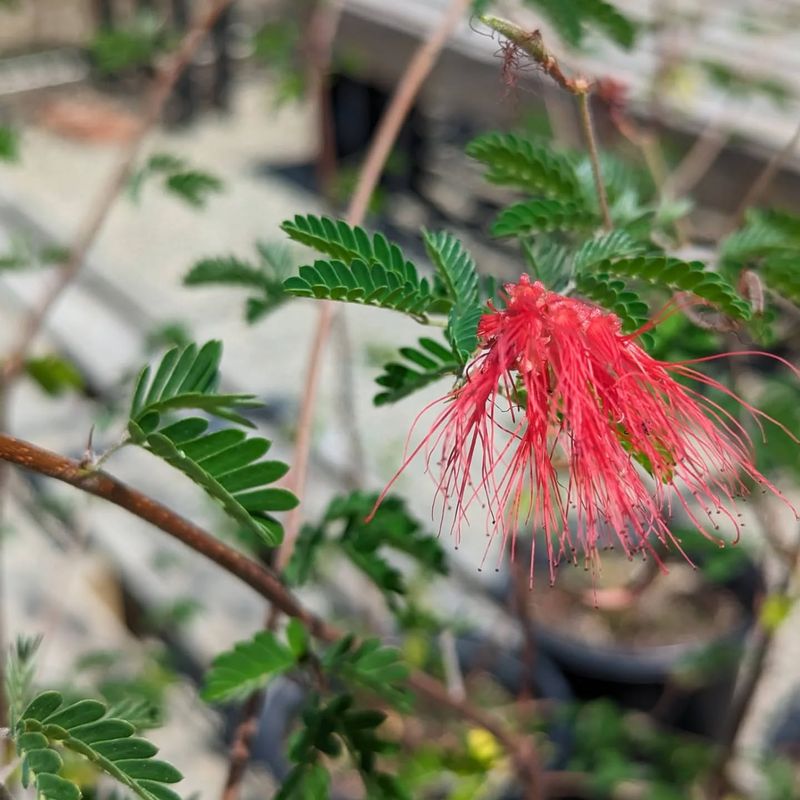
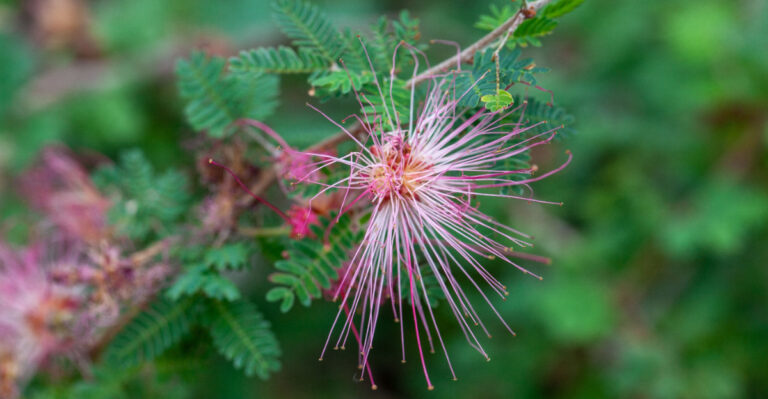
Fuzzy pink puffballs appear almost year-round on this delicate-looking shrub. Baja Fairy
Duster produces flowers that resemble tiny bottlebrushes, with stamens extending outward to create soft, touchable blooms that seem too gentle for Arizona’s harsh climate.
The plant grows into an airy shape about five feet tall and equally wide. Fine, feathery leaves give it a soft texture that contrasts beautifully with bold agaves or chunky barrel cacti.
Despite its delicate appearance, this shrub laughs at 115-degree days.
Hummingbirds hover around the pink blooms constantly. You’ll also see carpenter bees and various butterflies working the flowers throughout the day.
The plant blooms heaviest in spring and fall but produces scattered flowers even during the hottest months.
Plant Baja Fairy Duster where afternoon sun hits hardest. It actually performs better in full, blazing exposure than in partial shade.
The roots establish quickly in well-draining soil, and the plant starts blooming within its first year.
Water twice weekly during summer for maximum flower production. Once monthly in winter keeps the plant healthy without encouraging unnecessary growth.
Prune lightly after heavy bloom periods to maintain shape.
Flagstaff’s elevation makes this plant marginal, but Phoenix and Tucson gardeners find it perfect. The combination of constant pink blooms and fine-textured foliage creates visual softness in landscapes that often feel harsh and geometric.
5. Parry’s Agave Adds Bold Structure And Extreme Heat Tolerance
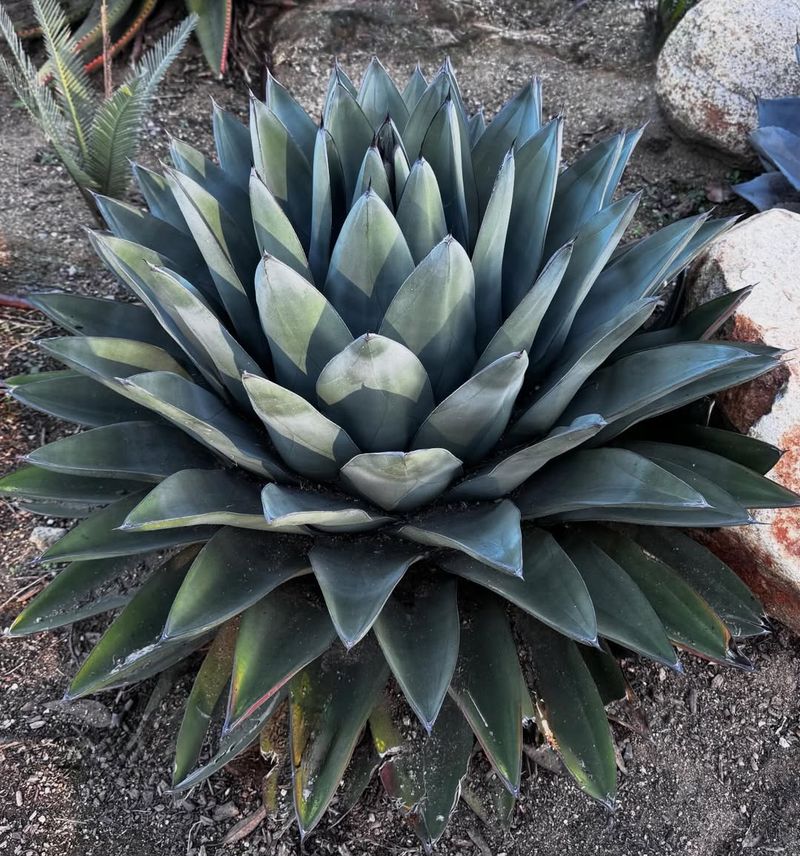
Blue-gray leaves form a perfect rosette that looks like nature’s sculpture. Parry’s Agave grows slowly into a stunning focal point about two feet tall and three feet wide, with each leaf curving gracefully and ending in a sharp terminal spine.
This plant stores water in thick leaves covered with a waxy coating. The blue color comes from that protective layer, which reflects intense sunlight and prevents moisture loss.
Even when summer temperatures stay above 100 degrees for weeks, Parry’s Agave looks exactly the same.
Plant it where you need dramatic form. This agave works beautifully as a corner accent, a driveway marker, or a centerpiece surrounded by lower groundcovers.
The symmetrical shape draws the eye and anchors plantings that might otherwise feel scattered.
Zero summer water works fine once established. If you want faster growth, water monthly during the hottest months.
The plant grows so slowly that you’ll barely notice changes from year to year, but that stability means you never need to replace or resize it.
Parry’s Agave eventually sends up a flower stalk that can reach fifteen feet tall. The plant expires after blooming, but it produces offsets that continue the show.
This agave handles cold better than many desert plants, making it reliable from Sedona to Phoenix.
The bold architectural form creates instant drama in Arizona landscapes. Pair it with fine-textured grasses or flowering perennials for maximum contrast.
6. Globe Mallow Delivers Fiery Orange Color In Harsh Conditions
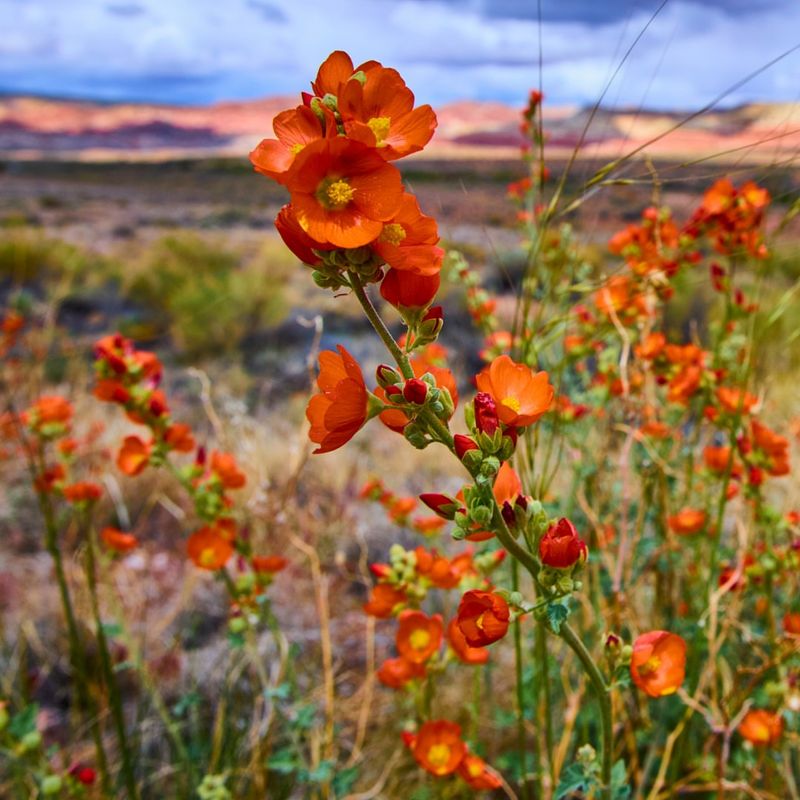
Orange blooms glow like embers against Arizona’s pale desert soil. Globe Mallow produces flowers in shades ranging from pale apricot to deep tangerine, creating vertical color spikes that reach two to three feet tall when the plant is happy.
Fuzzy gray-green leaves cover upright stems that emerge from a spreading root system. The plant grows quickly, often blooming within months of planting.
It spreads by underground roots, forming colonies that expand gradually without becoming aggressive.
Bloom time starts in March and continues through June, with scattered flowers appearing into fall after monsoon rains. Native bees absolutely swarm Globe Mallow, with dozens of individuals working a single plant simultaneously.
The flowers provide crucial early-season nectar when desert insects emerge hungry from winter.
Plant Globe Mallow in full sun where soil drains quickly. It tolerates caliche, sand, decomposed granite, and rocky ground without complaint.
The plant actually struggles in rich, amended soil that holds too much moisture.
Water weekly during the hottest months for continuous blooms. In winter, natural rainfall usually provides enough moisture.
Cut the plant back to six inches tall in late fall to encourage fresh growth in spring.
Prescott to Yuma, Globe Mallow adapts to different Arizona elevations and temperatures. The fiery orange color provides a warm contrast to purple sage or yellow brittlebush.
This native wildflower brings authentic Sonoran Desert character to residential landscapes while supporting local pollinators.
7. Yellow Bells Produces Trumpet Flowers Through Intense Heat
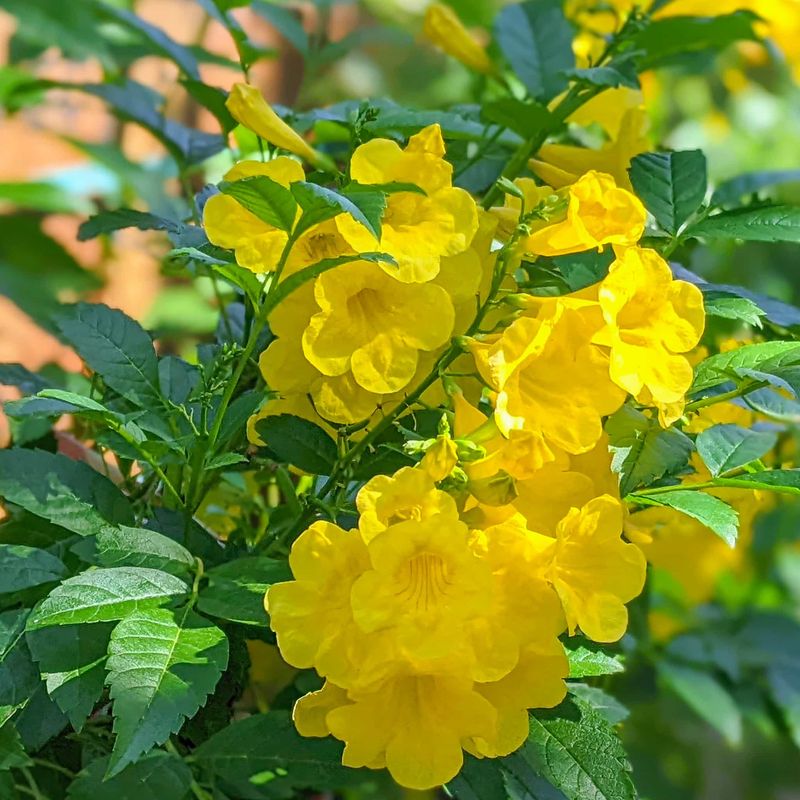
Golden trumpets keep opening even when your car’s steering wheel is too hot to touch. Yellow Bells blooms hardest during the absolute peak of Arizona summer, producing clusters of bright yellow flowers that seem to celebrate heat instead of merely tolerating it.
The shrub grows into a rounded shape four to six feet tall and equally wide. Dark green leaves create a lush backdrop for the brilliant yellow blooms.
New growth emerges with a bronze tint that adds extra color interest.
Hummingbirds visit Yellow Bells constantly throughout the day. The trumpet-shaped flowers are perfectly designed for their long beaks, and the plant produces enough nectar to support multiple birds simultaneously.
You’ll also see various butterflies and occasional sphinx moths working the blooms.
Plant this shrub where it receives full sun and reflected heat from walls or pavement. Yellow Bells actually blooms more prolifically in the hottest spots in your yard.
It needs well-draining soil but isn’t picky about soil type.
Water three times weekly during Phoenix summers for maximum flower production. In Tucson, twice weekly usually suffices.
The plant can survive on much less water but won’t bloom as heavily.
Prune Yellow Bells in early spring before new growth starts. You can shape it into a formal hedge or let it grow naturally into a loose, flowering mound.
The combination of heat tolerance and constant summer blooms makes this plant invaluable in Arizona landscapes where most flowering shrubs take a break during the hottest months.
8. Desert Ruellia Blooms Even When Temperatures Climb
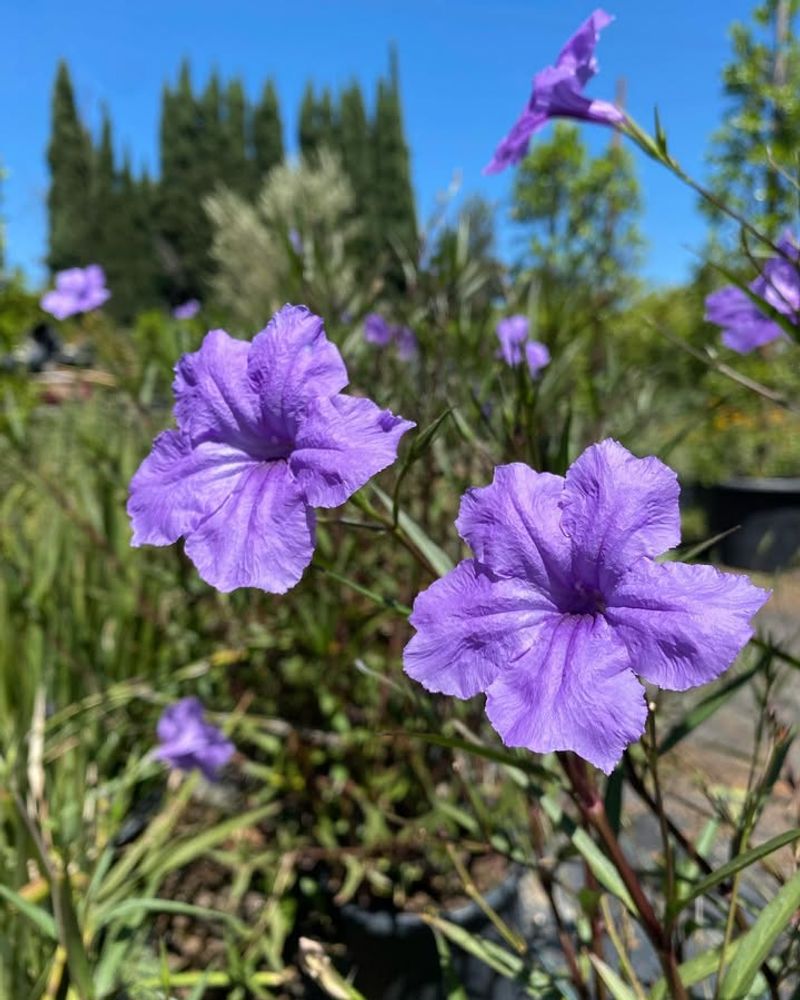
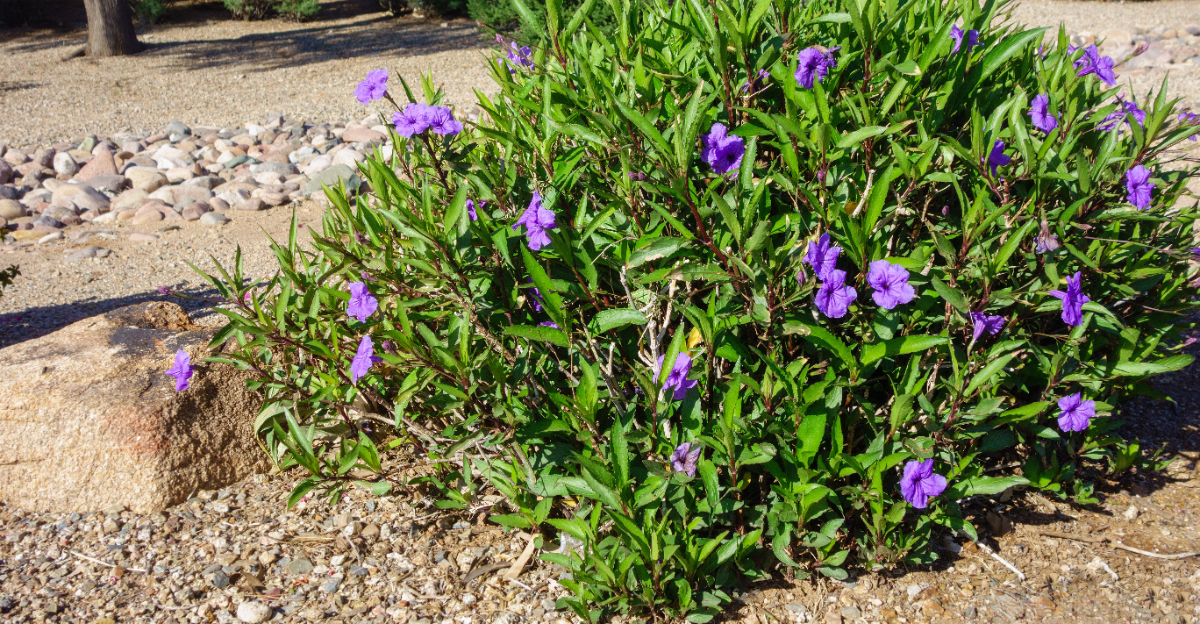
Purple flowers appear daily throughout summer, opening in the morning and closing by afternoon. Desert Ruellia produces blooms that look like small petunias, creating a carpet of color that refreshes itself constantly even during the hottest weeks.
This groundcover grows about a foot tall and spreads gradually through underground stems. Lance-shaped green leaves stay attractive year-round, providing texture even when flowers aren’t present.
The plant forms a dense mat that helps suppress weeds once established.
Bloom season runs from April through October, with peak flowering during monsoon season. The purple color provides a cool contrast to hot yellows and oranges common in desert landscapes.
Butterflies and small bees visit the flowers regularly throughout the morning hours.
Plant Desert Ruellia in full sun or light afternoon shade. It handles reflected heat reasonably well but appreciates some relief during the absolute hottest part of the day.
The plant adapts to various soil types as long as drainage is adequate.
Water twice weekly during summer for best flowering. The plant can survive on less but won’t bloom as prolifically.
In winter, monthly watering keeps foliage looking fresh.
Desert Ruellia works beautifully as an edging plant along walkways or as a flowering groundcover under taller shrubs. It stays compact enough for small spaces but spreads reliably to fill larger areas.
Phoenix and Tucson gardeners appreciate how this plant brings consistent purple color throughout Arizona’s longest, hottest season.
9. Hop Bush Stays Evergreen And Strong In Triple Digit Weather
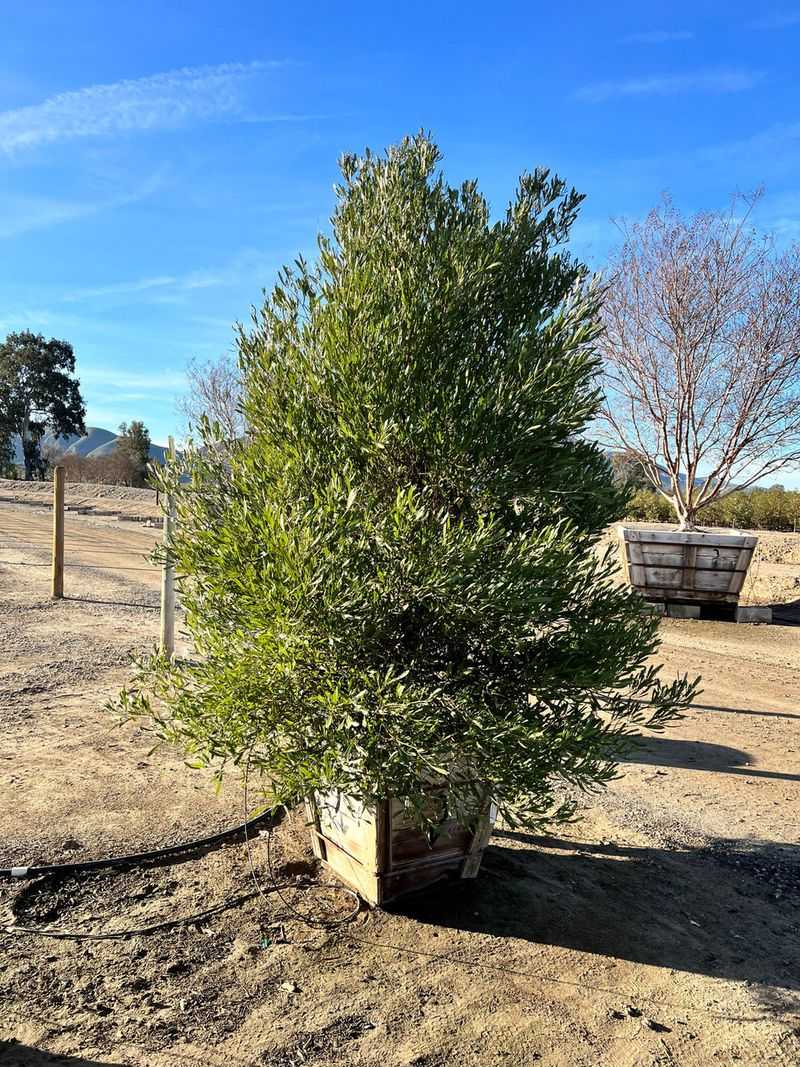
Green leaves stay glossy and healthy when everything around them looks crispy. Hop Bush maintains its appearance through the worst heat Arizona can deliver, providing reliable evergreen screening and structure when most plants look stressed.
This versatile shrub grows quickly into an upright form that can reach twelve feet tall if left unpruned. Narrow, willow-like leaves create fine texture and gentle movement in the breeze.
The plant naturally grows into a vase shape with multiple stems rising from the base.
Female plants produce papery seed pods that start green and mature to pink or burgundy, adding unexpected color in late summer and fall. These decorative pods persist for weeks, creating interest beyond the basic green foliage.
Plant Hop Bush as a hedge, screen, or background shrub. It handles full sun and reflected heat without complaint, making it perfect for property lines and walls.
The plant establishes quickly and starts providing screening within its first year.
Water weekly during the hottest months for fastest growth. Established plants can stretch to every ten days without showing stress.
Prune anytime to control size or shape, though the natural form is attractive without intervention.
From Kingman to Tucson, Hop Bush performs reliably across Arizona’s diverse climates. The combination of heat tolerance, evergreen foliage, and fast growth makes it a workhorse plant that solves practical problems while looking good.
When temperatures hit 115 degrees and stay there, Hop Bush just keeps growing.