Desert Modernism Is Quickly Becoming Arizona’s Go-To Garden Design
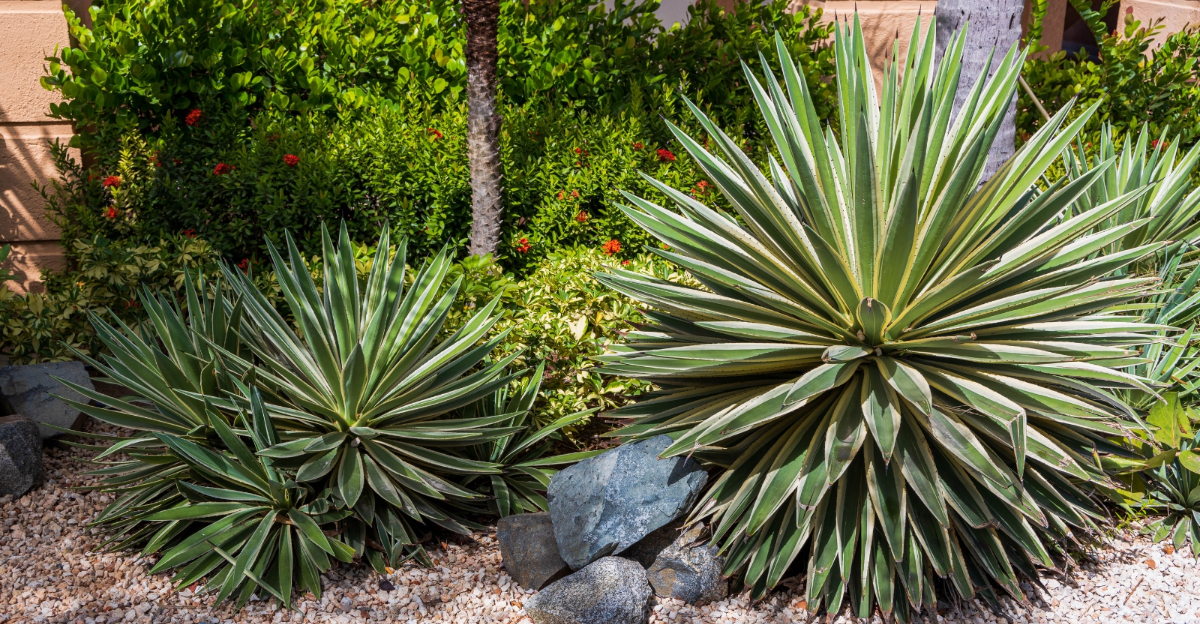
Arizona landscapes are shifting fast, and Desert Modernism is suddenly the style showing up everywhere from new builds to older homes getting a refresh.
Instead of lush, thirsty looks, this design leans into clean lines, sculptural plants, and materials that feel intentional under bright desert light.
Homeowners are trading cluttered beds for bold shapes, open ground planes, and a calmer layout that still feels high-end.
Gravel, boulders, and large-scale containers stop looking like filler and start acting like design features with real purpose. Even the negative space feels planned, not empty.
Crisp paths, sharp edges, and repeat plant groupings create a yard that looks finished even on the hottest weeks of the year.
The appeal is practical too, because this style pairs well with heat reality and tighter water habits without sacrificing curb appeal.
Arizona sun makes contrast pop, so silvery foliage, deep green forms, and warm stone tones read as dramatic without needing constant color.
Desert Modernism also photographs beautifully, which helps explain why it keeps spreading across neighborhoods and design feeds.
Once you see how strong a yard can look with fewer plants and more structure, the older busy style starts feeling hard to return to.
1. Why Desert Modernism Fits Arizona’s Climate So Well
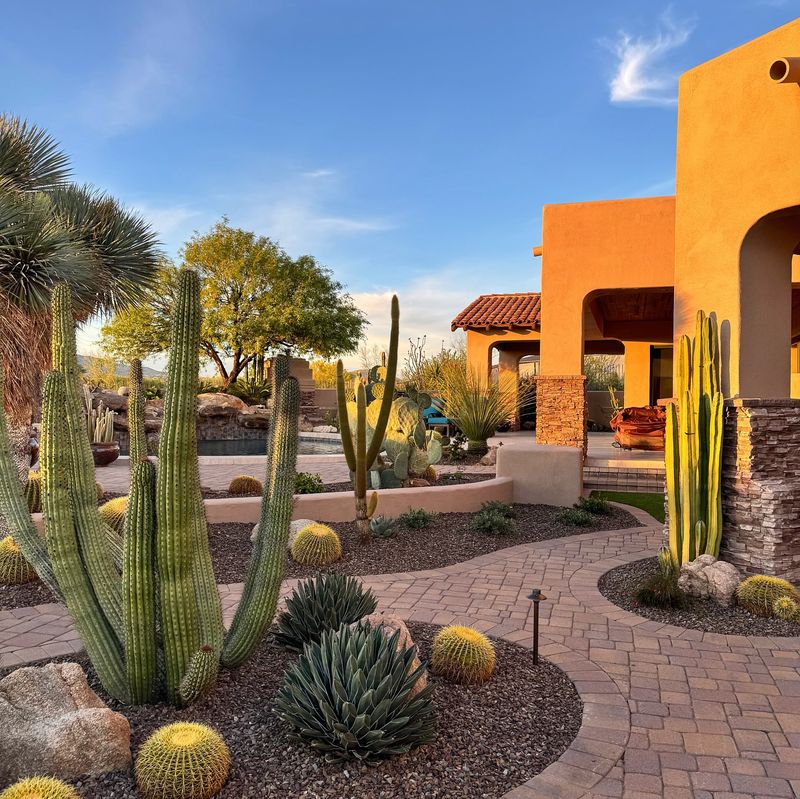
Arizona’s intense sun and limited rainfall create conditions that challenge traditional landscaping methods. Gardens designed with desert modernism respond naturally to these challenges by prioritizing materials and plants that thrive without constant intervention.
Instead of battling the environment, this style works alongside it, reducing stress on both the landscape and the homeowner.
In many parts of Arizona, temperatures regularly exceed 100 degrees in summer, making water conservation a necessity rather than a preference.
Desert modernism addresses this by eliminating thirsty lawns and replacing them with drought-tolerant alternatives that still look polished and intentional. The design philosophy recognizes that beauty doesn’t require constant irrigation or high maintenance.
Local soil conditions also play a role in why this style succeeds. Arizona’s alkaline, rocky soil supports native plants far better than imported species that demand amendments and fertilizers.
Desert modernism leans into these natural advantages, creating gardens that feel rooted in place.
Homeowners appreciate how this approach reduces long-term costs. Less water, fewer replacements, and minimal upkeep mean savings add up over time.
Arizona’s climate becomes an asset rather than an obstacle when gardens are designed with modernism in mind.
Desert modernism also creates cleaner outdoor spaces that stay visually calm even when plants go dormant or summer heat peaks.
By focusing on strong lines, shade, and durable textures, Arizona gardens can look finished year-round without relying on constant planting and replanting.
2. Simple Plant Palettes Replace Crowded Garden Beds
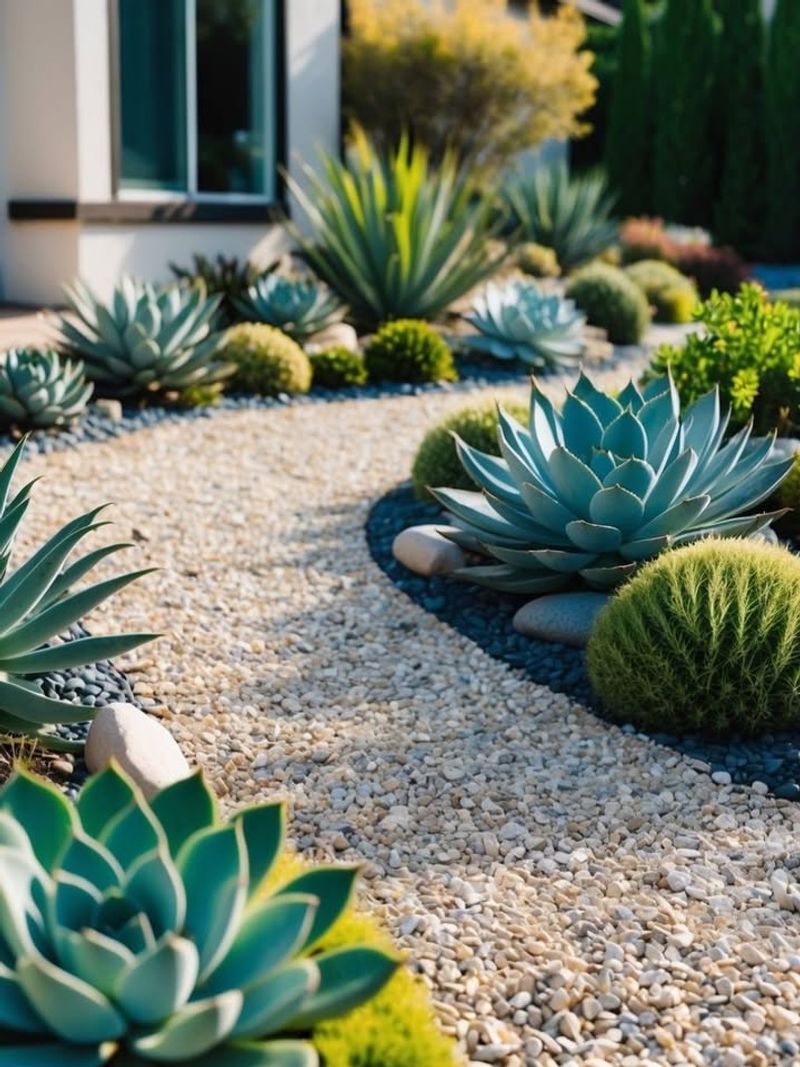
Crowded garden beds filled with dozens of plant varieties can feel chaotic and overwhelming. Desert modernism takes a different route by using fewer plant types arranged with purpose and space between them.
This simplicity creates visual calm and allows each plant to stand out as a distinct element in the design.
Arizona landscapes benefit from this restrained approach because it highlights the unique shapes and textures of desert plants. A single agave or barrel cactus becomes a focal point when given room to breathe.
Repetition of a few key species creates rhythm and unity without cluttering the space.
Maintenance becomes easier when plant palettes are simplified. Homeowners don’t need to remember care instructions for thirty different species or worry about incompatible watering needs.
A curated selection means less guesswork and more confidence in keeping the garden healthy.
This style also reduces competition among plants for nutrients and water. When species are thoughtfully spaced, each one gets what it needs without interference.
Arizona’s dry soil supports this approach well, as desert plants naturally grow with distance between them in the wild.
It also makes problems easier to spot early, since stressed plants stand out instead of blending into a crowded mix.
In Arizona yards, that clarity helps homeowners adjust watering or placement before small issues turn into expensive replacements.
3. Native And Desert-Adapted Plants Take Center Stage
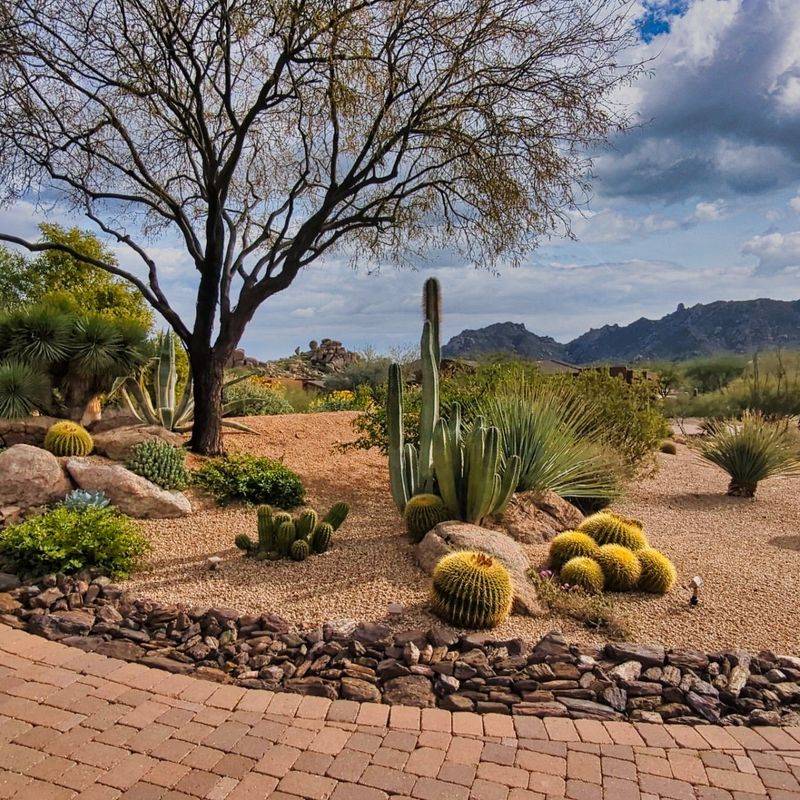
Plants that evolved in Arizona’s desert environment naturally handle the heat, sun, and limited water without struggling. Desert modernism showcases these species as the foundation of the garden, celebrating their unique forms and resilience.
From palo verde trees to ocotillo and prickly pear, native plants bring authenticity and character.
Choosing native species also supports local wildlife, including pollinators like bees and hummingbirds that depend on these plants for food and habitat. Arizona gardens designed with natives become small ecosystems that contribute to the health of the surrounding environment.
This connection to place adds meaning beyond aesthetics.
Desert-adapted plants require far less intervention than non-native varieties. They don’t need regular feeding, frequent watering, or protection from the sun.
Homeowners find that these plants thrive with minimal effort, making them ideal for busy lifestyles or those seeking low-maintenance landscapes.
The visual impact of native plants fits perfectly with modern design principles. Their sculptural shapes, bold textures, and muted colors create striking compositions that feel both contemporary and timeless.
Arizona’s natural beauty becomes the inspiration and the material for these gardens.
4. Gravel, Stone, And Hardscape Do More Than Grass Ever Did
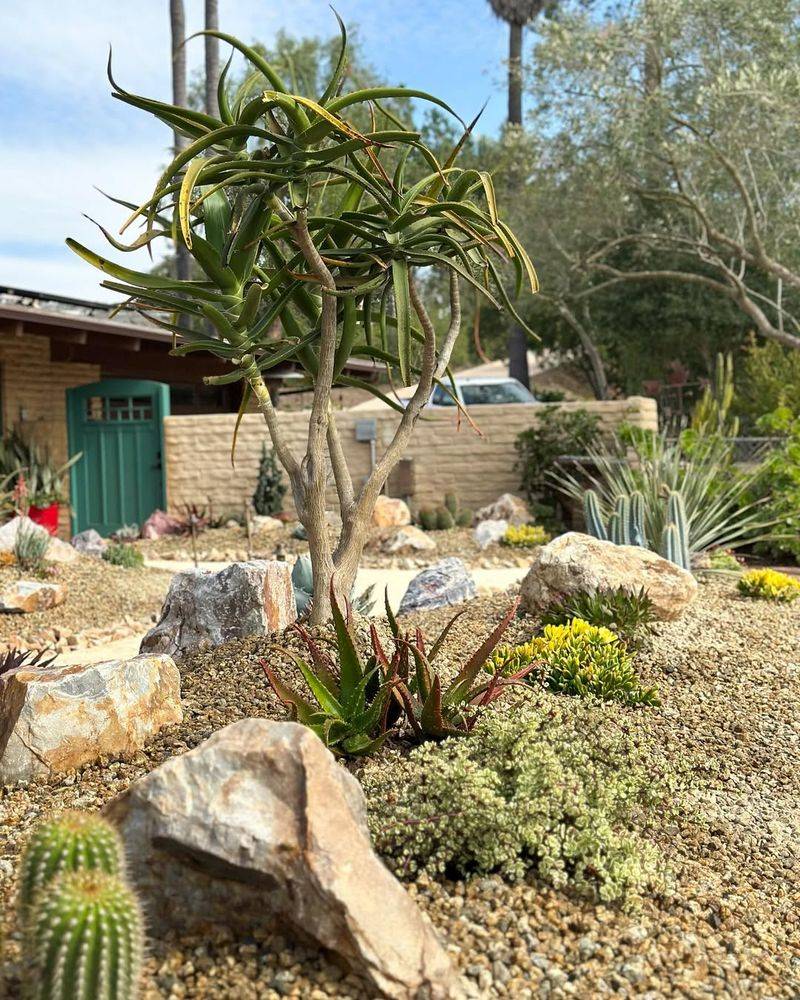
Grass lawns demand enormous amounts of water, fertilizer, and weekly mowing to stay green in Arizona. Desert modernism replaces turf with gravel, stone, and hardscape elements that serve multiple functions while using zero water.
These materials define spaces, create pathways, and add texture without the constant upkeep grass requires.
Decomposed granite and crushed stone come in various colors that complement the desert palette. Warm tans, soft grays, and reddish tones blend seamlessly with native plants and modern architecture.
These surfaces can feel less harsh than large concrete slabs, especially when they’re shaded or paired with planting.
Hardscape features like stone patios, raised planters, and retaining walls add structure and usability to the garden. They create defined areas for seating, cooking, or entertaining while maintaining the clean lines central to modern design.
Arizona homeowners find these elements far more functional than traditional lawns.
Maintenance is minimal compared to grass. An occasional rake or sweep keeps gravel looking fresh, and stone surfaces require little more than occasional rinsing.
The time and money saved on lawn care can be redirected toward enjoying the outdoor space instead of working on it.
Hardscape also holds up better during Arizona’s windy dust storms, since there’s no turf to tear up or patch afterward.
When paired with a few well-placed plants, gravel and stone can still feel inviting while keeping the whole yard practical.
5. Low-Water Design Becomes A Long-Term Advantage
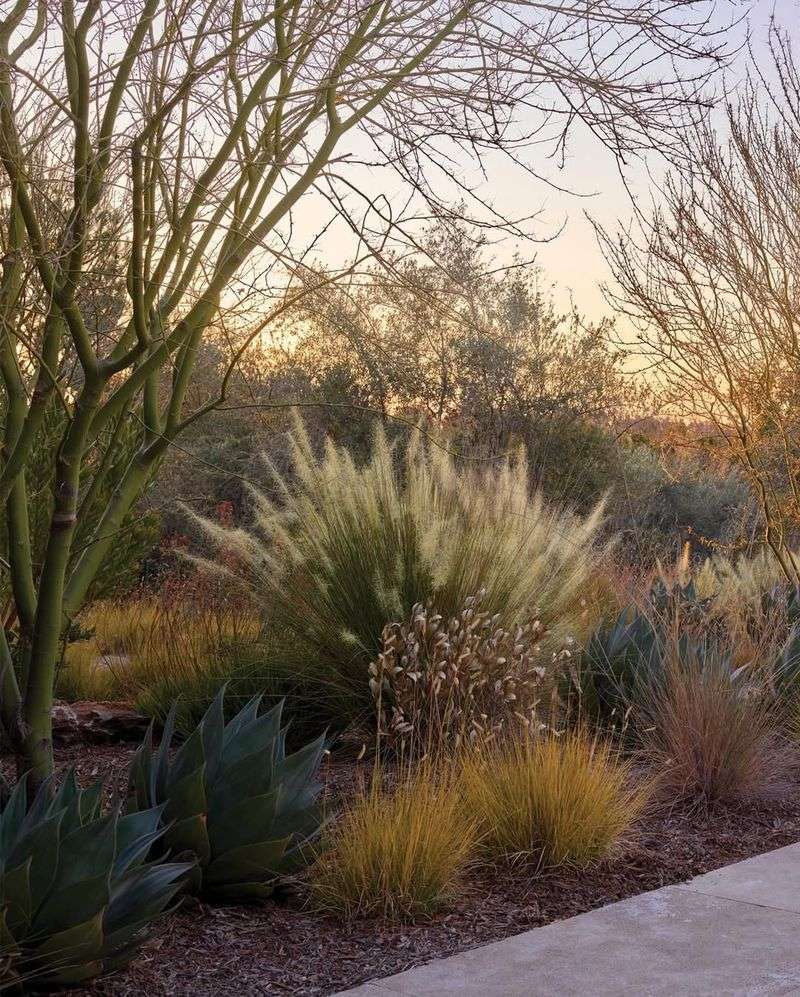
Water scarcity is a growing concern across Arizona, with drought conditions affecting availability and costs. Desert modernism addresses this reality by designing landscapes that use minimal irrigation from the start.
Drip systems, rainwater harvesting, and strategic plant placement all contribute to dramatically reduced water consumption.
Homeowners see immediate savings on utility bills when they transition to low-water gardens. The difference can be substantial, especially during summer when traditional landscapes demand daily watering.
Over time, these savings add up to thousands of dollars, making the initial investment in desert modernism worthwhile.
Low-water design also increases property resilience during water restrictions or shortages. When municipalities impose limits on outdoor watering, desert modern gardens continue to thrive without intervention.
Arizona residents gain peace of mind knowing their landscapes won’t suffer during dry spells.
Environmental benefits extend beyond individual properties. Reduced water use helps preserve aquifers and rivers that supply communities across the state.
Choosing low-water design becomes an act of stewardship, contributing to the long-term health of Arizona’s ecosystems and resources for future generations.
6. Clean Lines And Open Space Shape The Overall Look
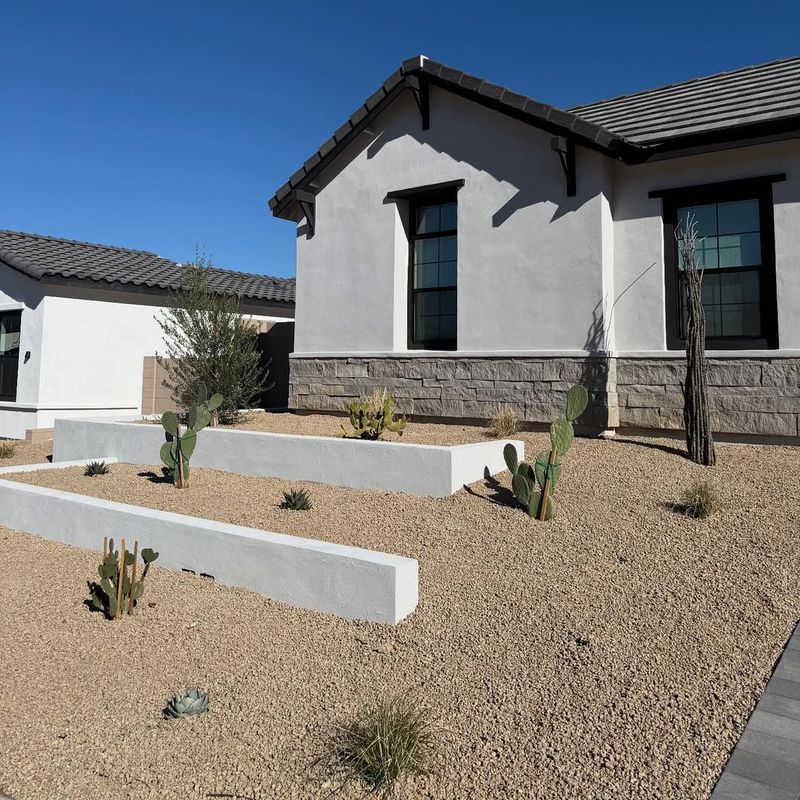
Modern design principles emphasize simplicity, geometry, and intentional use of empty space. Desert modernism applies these concepts to Arizona gardens by creating layouts with clear edges, defined zones, and plenty of breathing room.
The result feels organized and peaceful rather than cluttered or chaotic.
Straight pathways, rectangular planters, and geometric patterns bring order to outdoor spaces. These elements contrast beautifully with the organic shapes of desert plants, creating visual interest through the interplay of structure and nature.
Arizona landscapes gain sophistication when design elements are thoughtfully arranged.
Open space is just as important as planted areas in desert modernism. Empty zones allow the eye to rest and highlight the beauty of individual plants or features.
This restraint prevents the garden from feeling overwhelming and makes each element more impactful.
Homeowners often find that open, minimalist designs make small yards feel larger. By avoiding overcrowding and maintaining clear sightlines, even compact Arizona properties can achieve a sense of spaciousness.
The design creates flow and connection between indoor and outdoor living areas.
Minimal layouts also make it easier to plan irrigation, since plants can be grouped by similar water needs instead of scattered randomly.
In Arizona, that kind of control keeps the garden looking sharp while avoiding wasted water.
7. Shade Structures Matter More Than Decorative Features
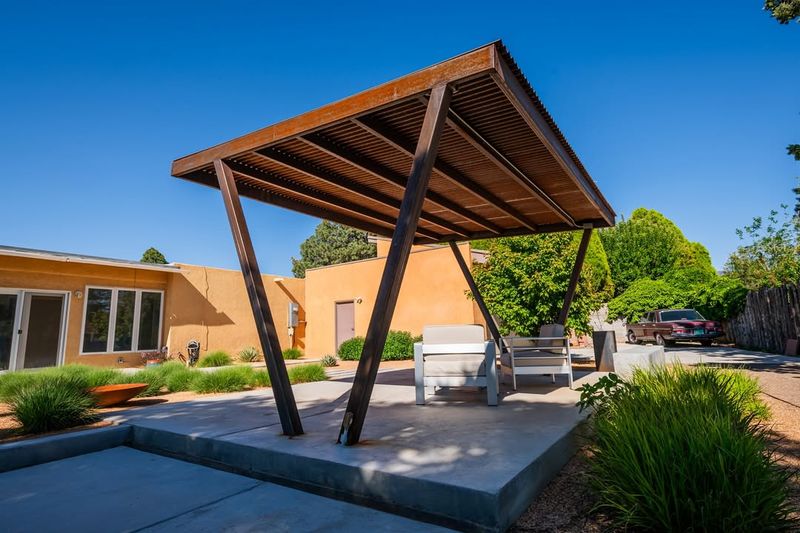
Arizona’s intense sun makes shade a practical necessity rather than a luxury. Desert modernism prioritizes functional shade structures like pergolas, ramadas, and shade sails over purely decorative elements.
These features extend the usability of outdoor spaces by creating comfortable zones during the hottest parts of the day.
Well-designed shade structures also contribute to the modern aesthetic with clean lines and simple materials. Steel beams, wood slats, and fabric canopies can all be incorporated in ways that complement the overall design.
Arizona homeowners appreciate that these elements serve dual purposes: beauty and function.
Placement of shade structures requires careful consideration of sun angles and seasonal changes. Structures positioned to block afternoon sun in summer might allow warming light in winter.
This strategic thinking makes Arizona gardens more livable year-round and demonstrates the thoughtful approach central to desert modernism.
Shade also protects certain plants that prefer filtered light, expanding the range of species that can be included in the garden. With the right structures in place, homeowners can create microclimates that support a greater variety of textures and colors while maintaining the low-water principles of desert modernism.
8. Heat-Tolerant Trees Are Used With More Intention
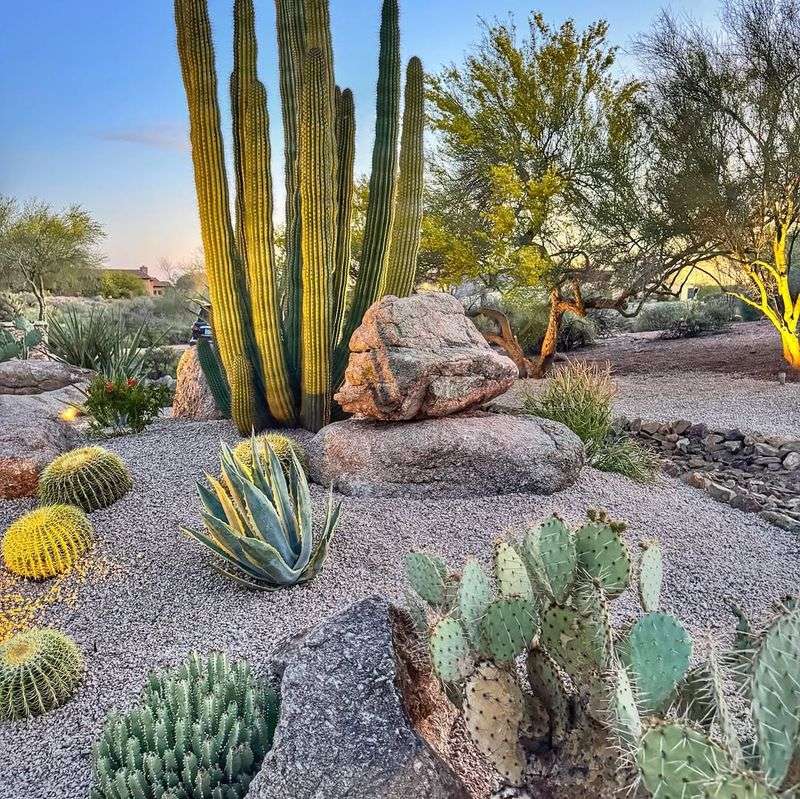
Trees in desert modern gardens serve specific purposes rather than being scattered randomly across the property. Arizona landscapes benefit from strategic tree placement that provides shade where needed, frames views, or creates vertical interest.
Species like mesquite, acacia, and ironwood are chosen for their ability to handle extreme heat while maintaining attractive forms.
Intentional placement means considering mature size, root systems, and water needs before planting. Trees positioned near patios or windows offer cooling shade that reduces indoor temperatures and energy costs.
Arizona homeowners see real benefits from thoughtful tree placement beyond just aesthetics.
The sculptural quality of desert trees adds drama to modern landscapes. Twisted branches, interesting bark, and filtered shade create visual complexity without cluttering the space.
A single well-placed tree can become the defining feature of an entire garden area.
Maintenance requirements for heat-tolerant trees are minimal compared to traditional shade trees. They don’t drop excessive leaves, resist pests, and require little supplemental water once established.
Arizona’s climate supports these species naturally, making them reliable choices for long-term landscape success in desert modern designs.
They also cast patterned shade that cools the ground without blocking all the light, which keeps nearby desert plants happier.
With the right spacing, trees can guide how people move through the yard, creating comfortable “stops” without adding extra structures.
9. Why Arizona Homeowners Are Moving Away From Traditional Lawns
Traditional grass lawns feel increasingly out of place in Arizona’s desert environment. The amount of water required to keep turf green year-round conflicts with both environmental realities and practical concerns about rising utility costs.
Homeowners are recognizing that lawns demand resources the state simply doesn’t have in abundance.
Maintenance time is another factor driving the shift away from grass. Weekly mowing, edging, fertilizing, and aerating consume hours that could be spent enjoying outdoor spaces instead.
Arizona residents with busy lives appreciate landscapes that look great without constant labor.
Cultural attitudes toward lawns are changing as well. What once symbolized success and care now often appears wasteful or outdated.
Desert modernism offers an alternative that feels contemporary, responsible, and better suited to the region’s character and challenges.
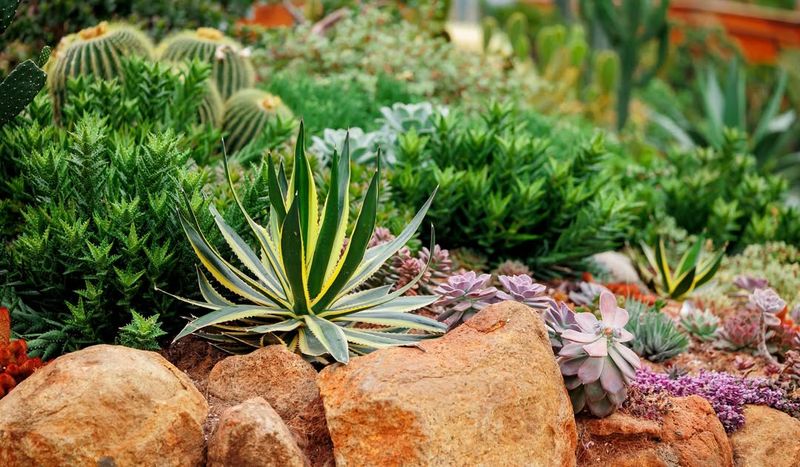
The visual appeal of desert modern landscapes also plays a role in this transition. Many homeowners discover they prefer the texture, color, and uniqueness of native gardens over uniform green grass.
Arizona’s natural beauty becomes the inspiration for yards that feel distinctive and connected to place rather than generic and imported from wetter climates.