8 Desert Native Plants That Actually Thrive In Arizona Pots
Arizona pots can be harsh places for plants. The sun beats down relentlessly, temperatures swing dramatically, and water evaporates faster than you expect, yet some desert natives flourish despite it all.
Watching a container full of color, texture, and shape thrive in such conditions is incredibly satisfying.
Choosing species adapted to the desert means plants stay upright, leaves remain vibrant, and flowers bloom without constant fuss.
These hardy natives bring depth and dimension to any patio, balcony, or entryway, turning simple containers into small desert showcases.
Maintaining pots is easier when the right plants are chosen. Each container can stand out, creating a sculptural display that handles Arizona’s extremes and feels alive year round.
1. Desert Marigold Shines With Year-Round Yellow Blooms
Bright sunshine seems to follow this cheerful plant wherever it grows.
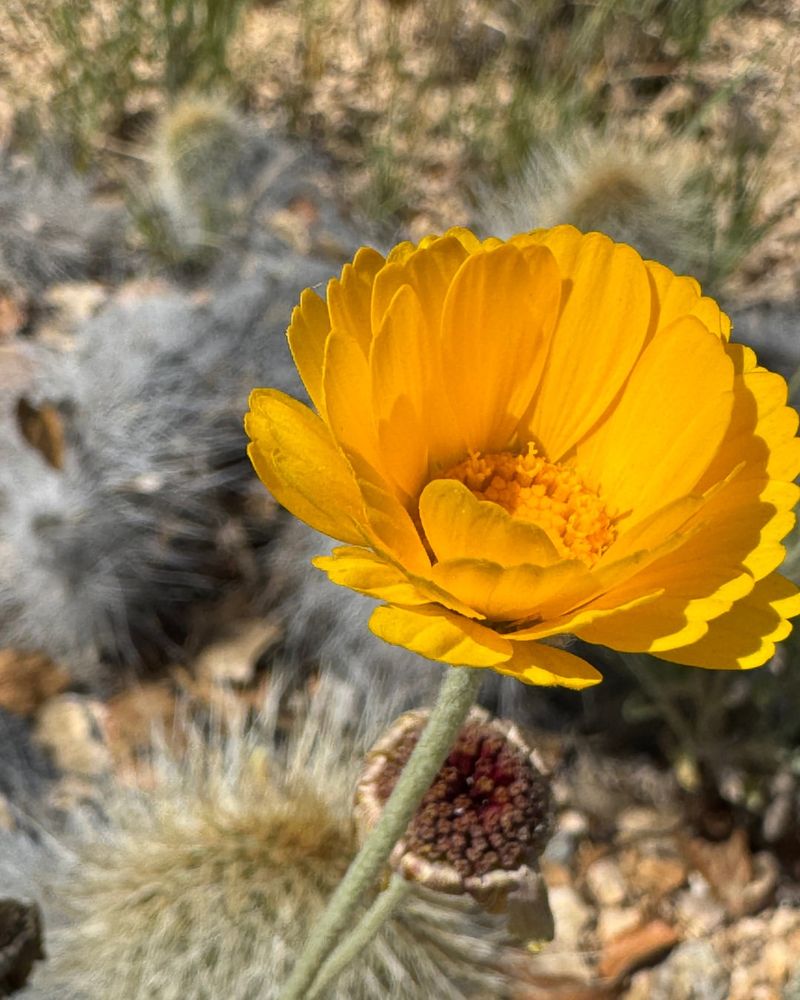
Desert Marigold produces golden yellow flowers that look like miniature suns scattered across silvery green leaves, bringing constant color to your Arizona porch or patio from spring through fall and sometimes even winter.
Container growing suits this native perfectly because you control the drainage it absolutely requires.
Use a pot at least 12 inches wide with multiple drainage holes, fill it with cactus mix or regular potting soil mixed half-and-half with pumice, and watch this beauty settle in quickly.
Water deeply once weekly during hot months, then cut back to every two weeks when temperatures drop.
Full sun makes Desert Marigold happiest, though it tolerates light afternoon shade during brutal Arizona summers. The plant stays compact at around 12 inches tall, making it perfect for grouping several pots together for maximum visual impact.
Deadheading spent blooms encourages fresh flowers to keep coming.
Butterflies and native bees visit these cheerful yellow faces constantly, turning your container garden into a pollinator paradise. Desert Marigold reseeds itself readily, so you might find volunteer seedlings popping up in nearby pots.
This generous bloomer asks very little while giving tremendous beauty month after month across the Arizona landscape.
Even during extreme heat, its silvery foliage helps reflect sunlight and reduce stress. It rarely struggles with pests or disease in Arizona’s dry climate, making maintenance simple.
Once established, this tough native handles neglect better than most flowering container plants.
2. Blackfoot Daisy Covers Pots With White Cheerful Flowers
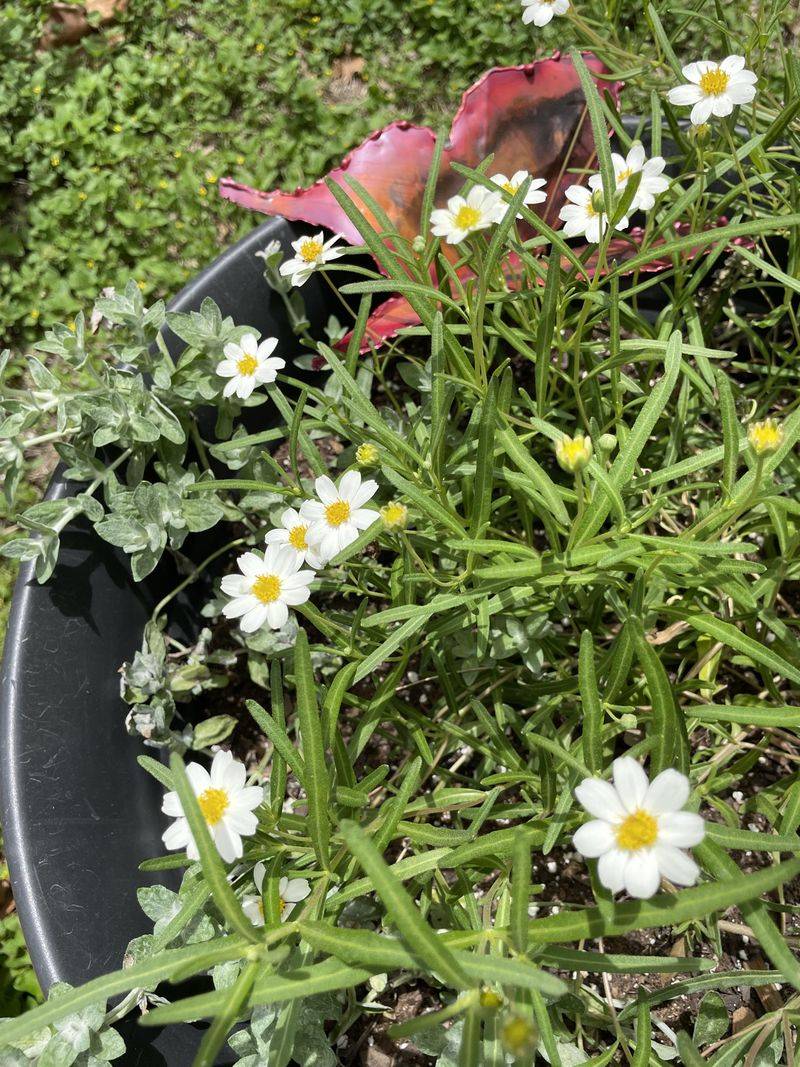
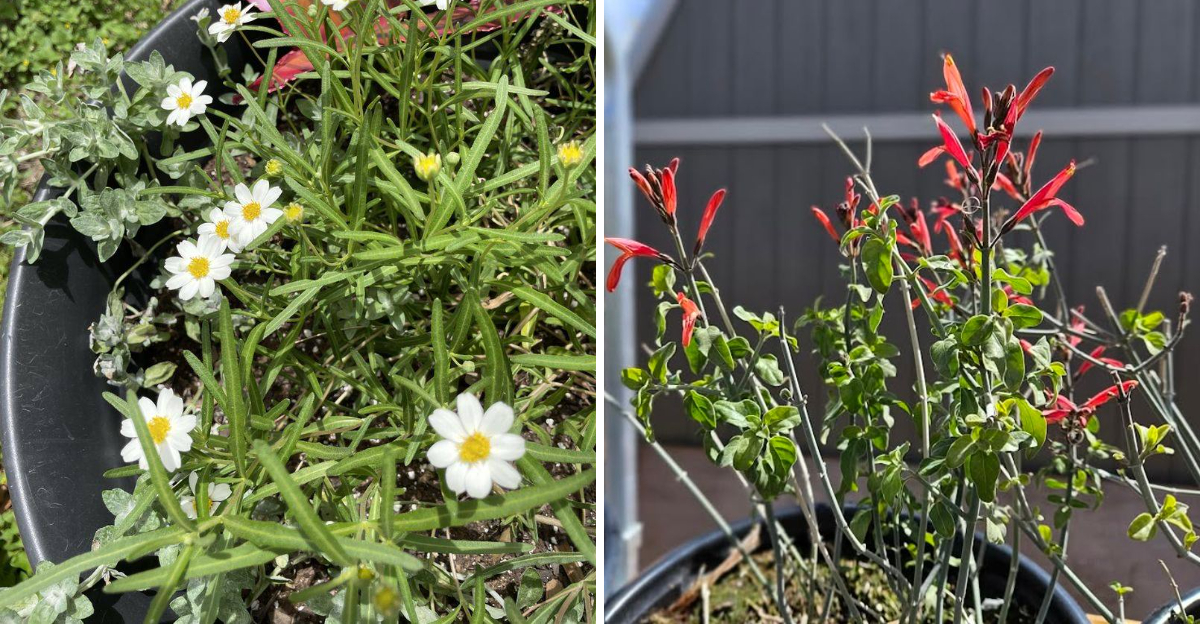
Cascading waves of white petals with sunny yellow centers make Blackfoot Daisy a container star throughout Arizona.
This low-growing native spreads gracefully across pot rims, creating soft clouds of blooms from March through November when temperatures cooperate.
Shallow roots mean this daisy adapts beautifully to container life without needing massive pots. A container 10 to 14 inches across provides plenty of room for healthy growth.
Mix standard potting soil with extra perlite or coarse sand to ensure water drains quickly, preventing root problems that plague many potted plants.
Place your Blackfoot Daisy where it receives morning sun and light afternoon shade, especially during Phoenix or Tucson summers when temperatures climb relentlessly.
Water when the top two inches of soil feel dry, usually twice weekly in summer heat and once weekly during cooler months. This native tolerates brief dry spells remarkably well once established.
Trimming back leggy stems in late summer encourages bushier growth and fresh flower production. Blackfoot Daisy stays under 12 inches tall but can spread 18 inches wide, so give it space to show off its natural form.
The delicate white blooms attract small butterflies and native bees, adding movement and life to your potted garden throughout the growing season in Arizona.
It also performs exceptionally well in gritty, fast-draining mixes that mimic its native desert soil. Avoid overfertilizing, since too much rich feed can reduce flowering and cause floppy growth.
With minimal care, this tough Arizona native keeps containers bright and lively for months on end.
3. Chuparosa Fills Pots With Red Nectar-Rich Blooms
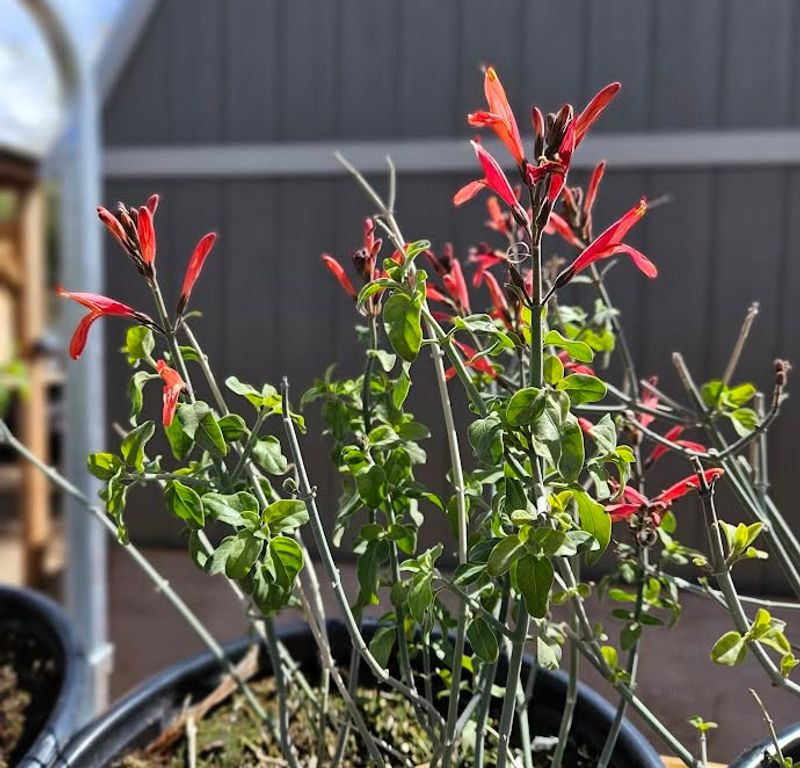
Hummingbirds can’t resist the tubular red flowers that cover Chuparosa’s arching branches from late winter through spring.
This Arizona native produces waves of nectar-rich blooms that act like hummingbird magnets, bringing constant action and entertainment to container gardens across the state’s warmest regions.
Large containers work best because Chuparosa grows vigorously, reaching 36 to 48 inches tall and equally wide when happy. Select pots at least 20 inches in diameter with excellent drainage holes.
Standard potting mix works fine, though adding some extra pumice improves drainage and prevents waterlogged soil during Arizona’s occasional winter rains.
Full sun produces the heaviest flowering, but plants tolerate partial shade reasonably well in low-desert areas. Water regularly during bloom time and active growth, allowing the top few inches of soil to dry between waterings.
Chuparosa naturally drops leaves during cold snaps, looking sparse until warmth returns.
Bright green stems remain attractive even when leafless, providing winter interest through their distinctive color. This native blooms most heavily in spring but often produces scattered flowers throughout the year in frost-free Arizona locations.
Prune lightly after main flowering to shape plants and remove any frost-damaged stems. Butterflies join hummingbirds at the flowers, making Chuparosa a pollinator powerhouse that brings your container garden to life.
4. Globe Mallow Brightens Containers With Orange-Red Flowers
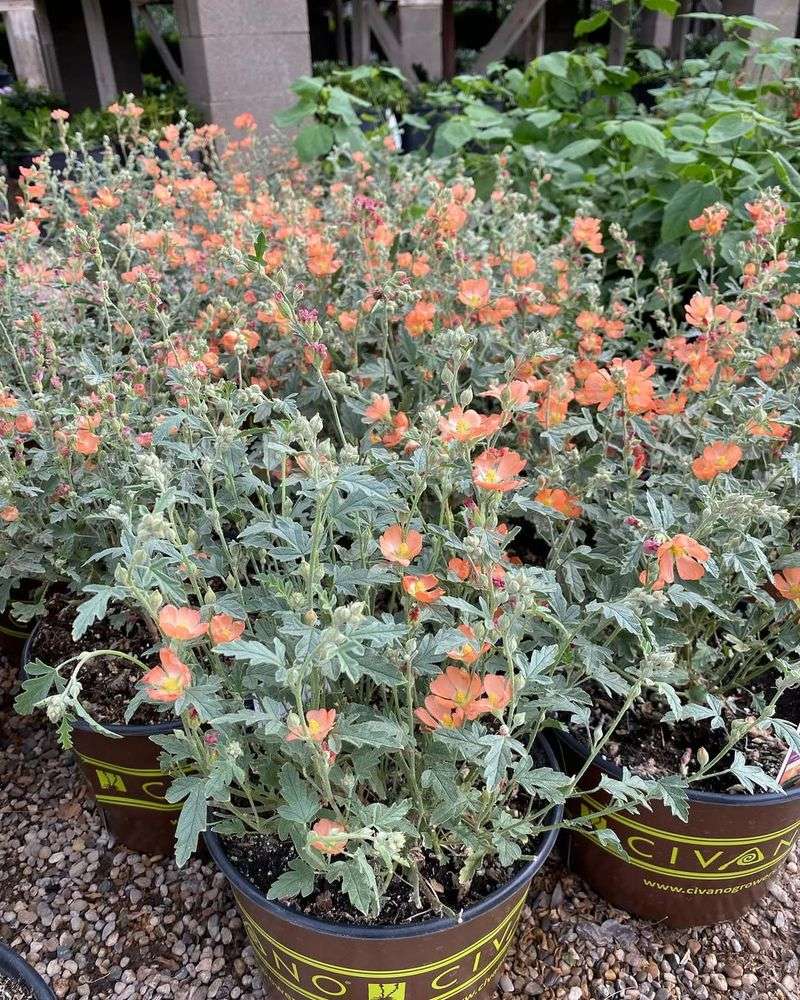
Few natives match the electric orange glow of Globe Mallow when spring sunshine coaxes open its papery flowers.
This Arizona favorite produces clusters of brilliant orange to reddish-orange blooms that seem to capture desert sunsets in their petals, creating eye-catching displays from February through May and sometimes beyond.
Container culture works wonderfully for Globe Mallow because you can move pots to showcase the spectacular spring bloom, then tuck them into less prominent spots during summer dormancy. Use pots 14 to 18 inches wide with fast-draining soil, as soggy roots spell trouble for this drought-adapted native.
The plant grows 24 to 36 inches tall with an equally wide spread.
Blazing sun brings out the best flowering, making Globe Mallow perfect for hot Arizona patios where other plants struggle. Water moderately during active growth in spring, then reduce watering significantly in summer when plants naturally slow down.
Don’t worry if foliage looks tired by July because that’s normal behavior for this native.
Fuzzy gray-green leaves add interesting texture even when flowers fade. Native bees absolutely love Globe Mallow blooms, visiting constantly throughout the day.
Cut plants back by half after flowering finishes to maintain compact shape and encourage potential fall rebloom when temperatures cool across Arizona’s valleys and deserts.
Despite its bold color, Globe Mallow asks for very little attention once established in a container. Avoid heavy fertilizing, since lean soil actually supports stronger stems and better flowering.
With the right drainage and full sun, this Arizona native rewards you with a fiery spring show that few potted plants can match.
5. Baja Fairy Duster Brings Soft Red Blooms And Hummingbirds
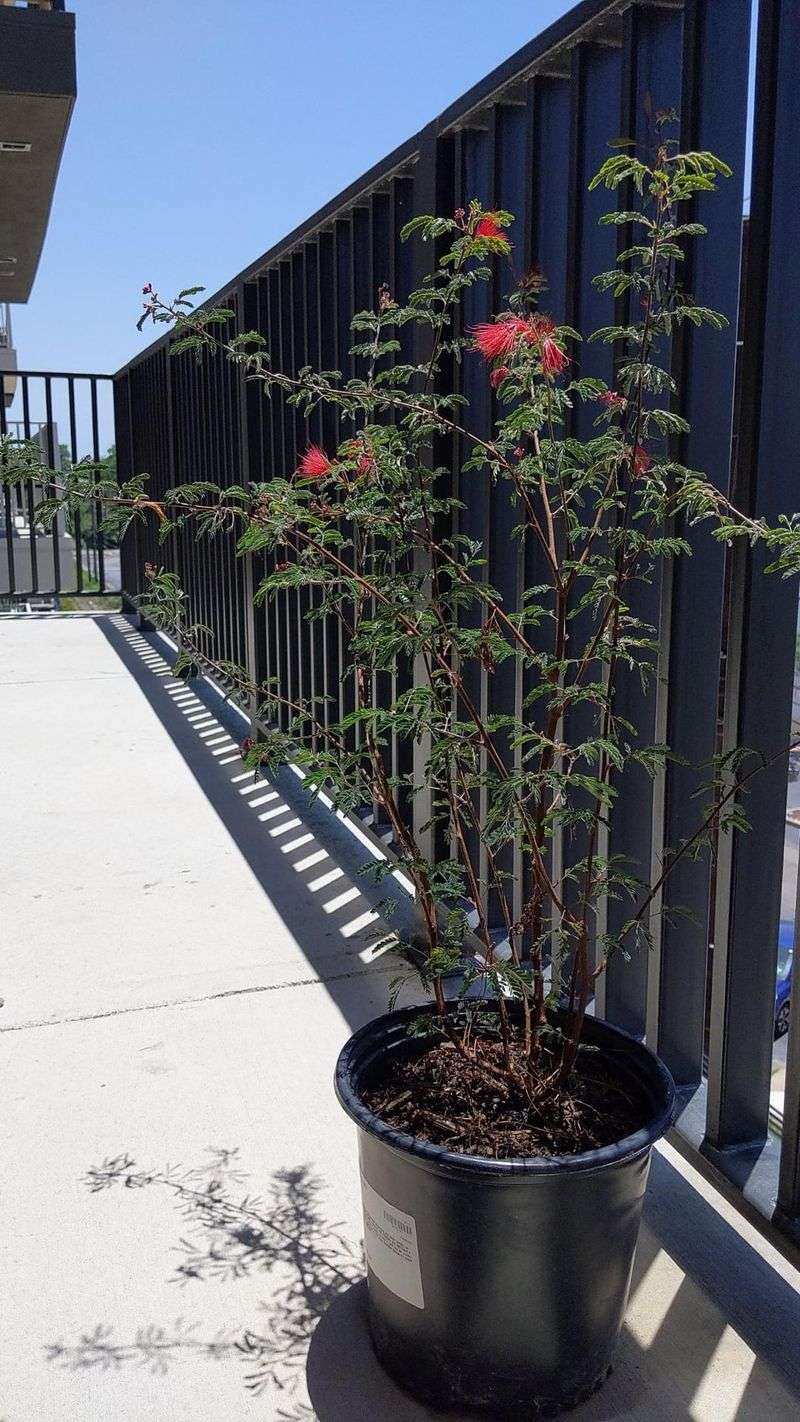
Baja Fairy Duster stands out as one of the most reliable desert natives for Arizona container gardens.
Its soft, feathery red blooms look like tiny powder puffs floating above delicate green foliage, adding movement and texture that feels light but still dramatic.
The flowers appear in heavy waves from spring through fall, and in warmer parts of Arizona they can continue blooming even longer. Hummingbirds are strongly attracted to the nectar-rich blossoms, often visiting daily once the plant begins flowering.
That constant activity adds energy to patios, entryways, and balconies without requiring complicated care.
This Sonoran Desert native is naturally adapted to intense sun, reflected heat, and dry air, which makes it far more dependable in pots than many non-native ornamentals.
It performs best in a container at least 18 to 24 inches wide, giving the roots enough space to establish properly.
Use a fast-draining soil mix such as cactus blend or regular potting soil amended heavily with pumice or coarse sand. Excellent drainage is essential because this plant dislikes soggy roots.
Full sun encourages the heaviest bloom production, though light afternoon shade can help during extreme heat waves. Water deeply but allow the soil to dry before watering again.
Light pruning after a major bloom cycle helps maintain a compact shape and encourages fresh growth.
Once established, Baja Fairy Duster thrives with minimal attention while delivering steady color and dependable pollinator support throughout Arizona’s long growing season.
6. Brittlebush Adds Silvery Foliage And Late Spring Flowers
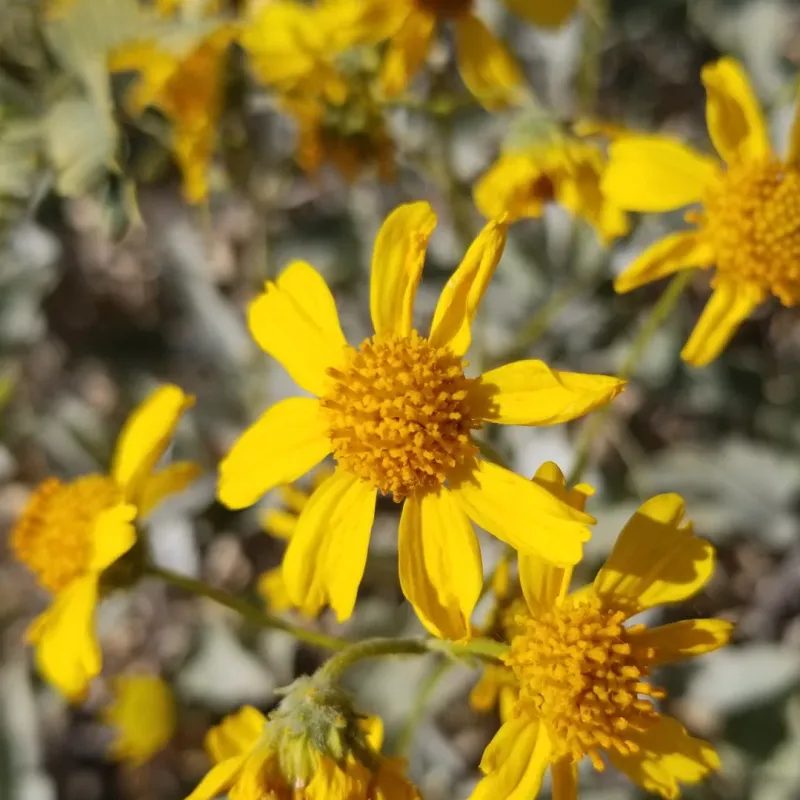
Silvery leaves catch sunlight like tiny mirrors, making Brittlebush shine even before its cheerful yellow flowers appear.
This iconic Arizona native creates stunning foliage interest year-round, then explodes with masses of golden daisy-like blooms on tall stems from March through May, putting on a show that stops traffic.
Containers need generous size because mature Brittlebush reaches 36 inches tall and wide, creating substantial presence wherever placed.
Choose pots 24 inches across minimum, using extremely well-draining cactus mix or heavily amended potting soil.
This native absolutely refuses to tolerate wet feet, so extra drainage holes help prevent problems.
Blazing sun makes Brittlebush happiest, and plants actually struggle in shade. Water sparingly even during summer because this native evolved to handle extreme drought.
Overwatering causes more problems than underwatering, so err on the dry side. The aromatic foliage releases pleasant fragrance when brushed or after rain.
After flowering finishes, cut back spent flower stalks to keep plants looking tidy. Brittlebush naturally goes semi-dormant during summer heat, losing some lower leaves but bouncing back when fall arrives.
This native handles container culture beautifully in Phoenix, Tucson, and throughout Arizona’s lower elevations.
The silvery foliage provides cool-toned contrast against darker containers or surrounding plants, creating sophisticated color combinations that elevate your entire patio design.
7. Ocotillo Sends Up Dramatic Spikes In Small Containers
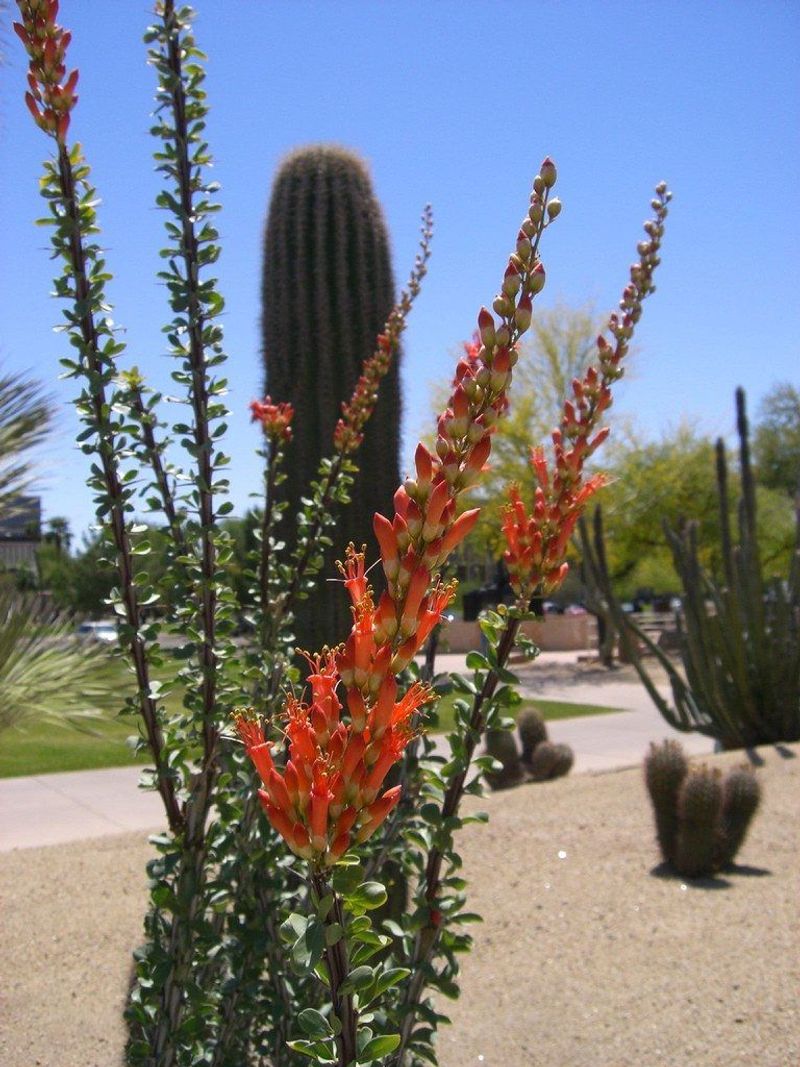
Architectural drama defines Ocotillo with its tall, spiny stems that shoot skyward like natural sculptures.
While wild Ocotillos grow massive, young plants thrive in containers for years, providing vertical interest and stunning red-orange flower clusters at stem tips during spring when conditions trigger blooming across Arizona.
Start with smaller Ocotillos in 16 to 20 inch pots, planning to transplant as plants mature. Use extremely gritty, fast-draining mix because Ocotillo roots rot quickly in heavy soil.
Cactus mix amended with extra pumice creates ideal conditions. These natives handle container life surprisingly well despite their eventual size, especially when root-bound slightly.
Full blazing sun suits Ocotillo perfectly, making it ideal for hot Arizona patios. Water sparingly, allowing soil to dry completely between waterings.
Ocotillo naturally drops leaves during drought, appearing bare until moisture returns and triggers fresh leaf growth. This seasonal leaf cycle fascinates observers and demonstrates perfect desert adaptation.
Bright green leaves appear along stems after watering, creating sudden transformation from bare sticks to lush green wands. Hummingbirds visit the tubular red flowers enthusiastically when blooms appear.
Ocotillo’s upright form provides dramatic vertical accent in container groupings, contrasting beautifully with mounding or spreading plants.
Handle carefully because spines are seriously sharp, but the unique presence this native brings to Arizona container gardens makes it worth the extra caution.
8. Desert Senna Brings Golden Flowers And Hardy Growth
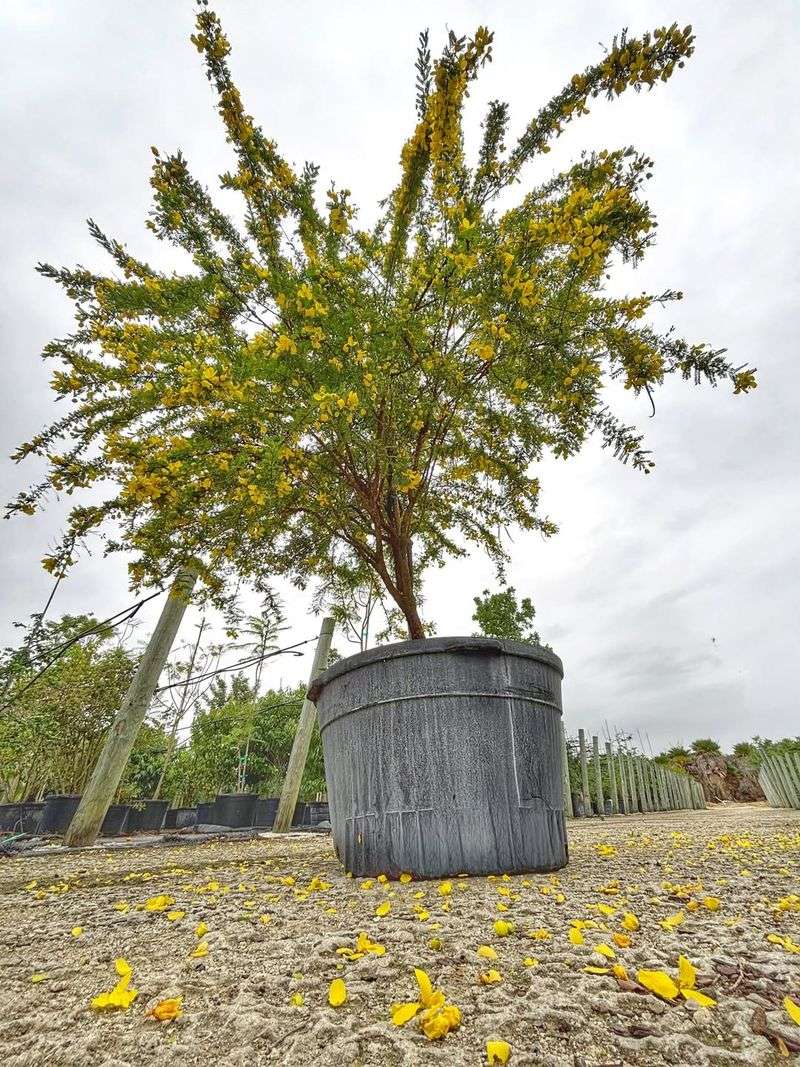
Golden flower clusters light up Desert Senna like tiny lanterns, bringing cheerful color to Arizona containers from spring through fall.
This tough native produces abundant bright yellow blooms that attract butterflies and bees constantly, creating a pollinator hub right on your patio while asking remarkably little care in return.
Containers 18 to 24 inches wide accommodate Desert Senna’s spreading habit, which reaches 36 to 48 inches tall and wide at maturity. Well-draining soil prevents root issues, so mix standard potting soil with coarse sand or pumice.
This native handles container culture exceptionally well, adapting quickly and growing vigorously once established.
Full sun produces the heaviest flowering, though plants tolerate light shade in hottest Arizona locations. Water regularly during active growth and blooming, allowing soil to dry somewhat between waterings.
Desert Senna naturally drops leaves during cold weather, regrowing quickly when spring warmth returns to the region.
Feathery compound leaves add fine texture that contrasts nicely with bold-leaved companions in mixed container plantings. Prune plants lightly in late winter to maintain compact shape and remove any cold-damaged stems.
Desert Senna blooms reliably year after year, becoming more floriferous as plants mature.
The extended flowering season provides nectar sources when many other natives finish blooming, supporting pollinators throughout Arizona’s long growing season with consistent golden beauty.