8 Desert Plants To Plant In April In Arizona That Won’t Struggle In Extreme Heat
Arizona heat does not wait, and neither should planting plans that actually hold up once it settles in.
April is that short window where the right choices take off fast instead of falling behind the moment conditions turn harsh.
Pick the wrong plant, and it shows almost immediately with stress, stalled growth, or constant watering that never feels like enough. Pick the right ones, and the whole setup starts to feel easier, more stable, and far less demanding.
This is where smart plant selection makes a real difference, especially in a place where heat is not just a phase but a defining factor. Some plants handle it without constant attention, while others struggle no matter how much effort goes into care.
The difference often comes down to knowing what actually works here. A few well chosen options can completely change how everything holds up through the toughest stretch.
1. Lantana Keeps Blooming Even During Intense Heat
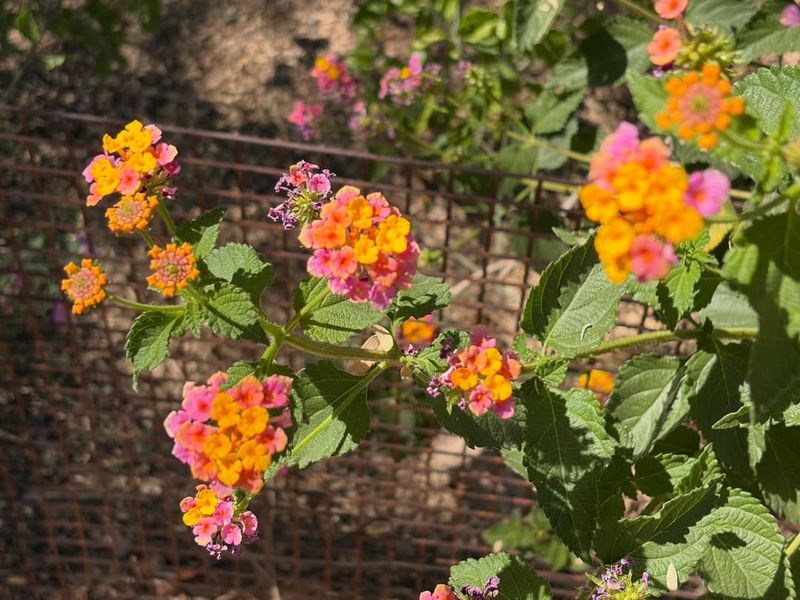
Few flowering plants hold up in Arizona’s summer heat the way lantana does. When most flowers are wilting by mid-morning, lantana keeps pushing out fresh blooms in shades of orange, yellow, red, and pink.
It’s one of those plants that actually seems to get more aggressive as temperatures climb.
Planting in April gives lantana time to spread its roots before the heat really locks in around June. Give it a spot with full sun — at least six hours a day — and well-draining soil.
Avoid planting it in low spots where water pools after monsoon rains, since soggy roots are about the only thing that will set it back.
Water it deeply once or twice a week right after planting, then back off as it settles in. Established lantana in Arizona can handle surprisingly long gaps between watering.
It also attracts butterflies, which is a bonus if you want some movement and life in the yard.
One thing worth knowing: lantana can spread aggressively if left unchecked. Trim it back occasionally to keep the shape manageable and to encourage fresh flower production.
Sterile varieties are available if you’re worried about it spreading beyond your intended area. In Phoenix or Tucson landscapes, lantana is a reliable, no-fuss color plant that performs well through the toughest stretch of summer.
2. Bougainvillea Thrives In Full Sun With Minimal Water Once Established
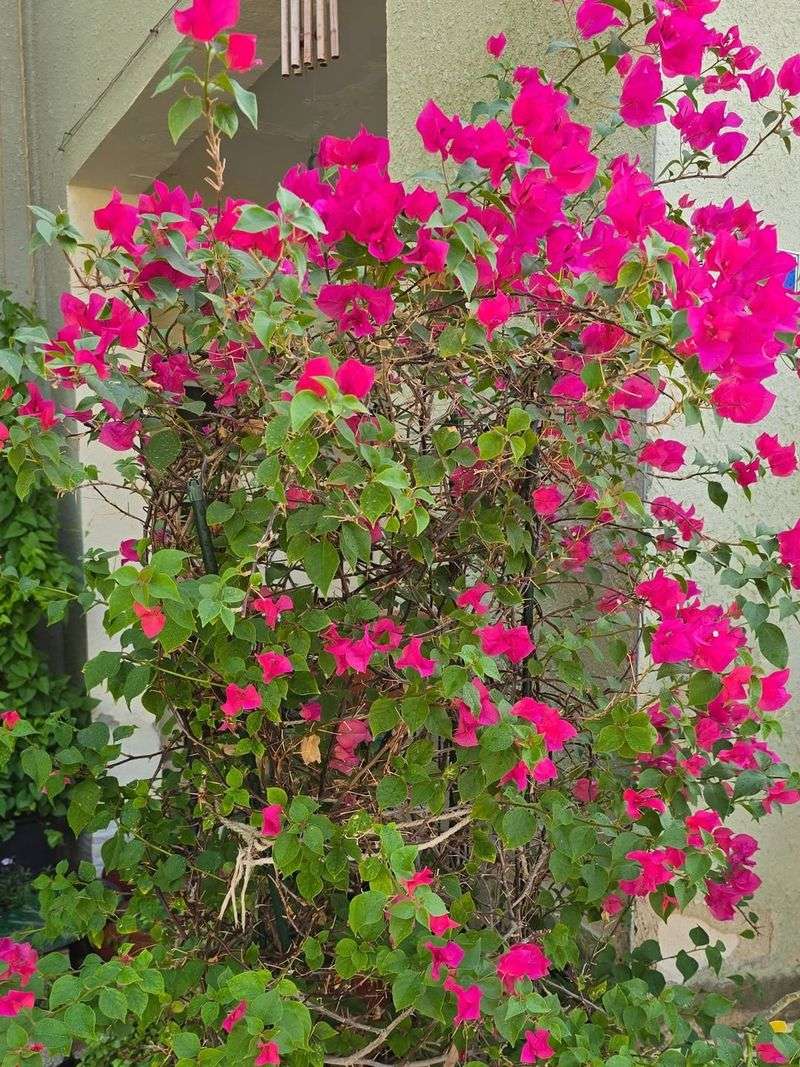
Bougainvillea is practically synonymous with Arizona landscaping, and for good reason. The color payoff is enormous — those bright magenta, orange, and red bracts are hard to miss — and it handles full desert sun without complaint.
April planting sets it up well before the intense heat of late June arrives.
Young bougainvillea needs regular watering for the first several weeks after planting. Once roots get a grip in the soil, you can start stretching out the time between waterings.
Interestingly, slightly stressing the plant by reducing water after establishment tends to push heavier blooming — overwatering often produces more leaves and fewer bracts.
Plant it in a south or west-facing spot where it gets maximum sun exposure. Bougainvillea planted along a wall or fence in a Phoenix or Scottsdale yard can grow into a serious statement piece within a couple of seasons.
It also works well in large containers if you want to move it around or protect it during unusually cold winters.
Keep in mind that bougainvillea has thorns, so placement matters — away from high-traffic walkways is usually the smarter call. Prune after bloom cycles to shape it and encourage the next flush of color.
In Arizona’s desert climate, few plants deliver this much visual impact with this level of heat tolerance.
3. Desert Marigold Handles Dry Soil And Strong Sun Exposure
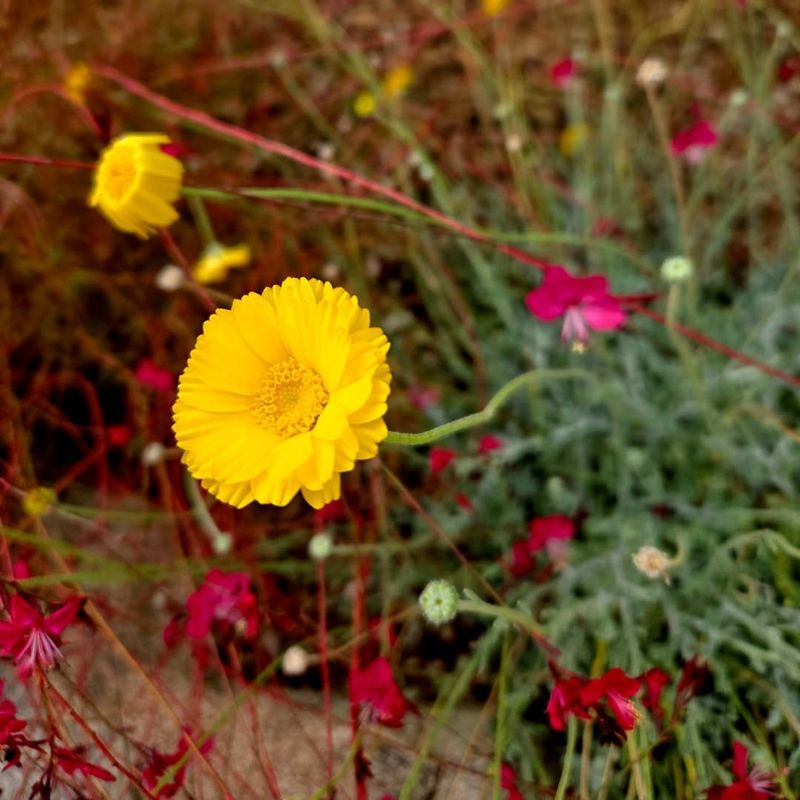
Bright yellow flowers on silver-gray stems — desert marigold has a look that’s hard to confuse with anything else growing in an Arizona yard.
It’s a native perennial that blooms from spring well into fall, which makes it genuinely useful for keeping color going through the hottest months of the year.
Rocky, poor soil is where this plant feels at home. You don’t need to amend the ground or add fertilizer — in fact, overly rich soil can cause it to flop over or produce more foliage than flowers.
Plant it in April in a sunny spot, water it in well, and let the soil dry out between waterings as the season progresses.
One thing that surprises some gardeners is how drought-tolerant desert marigold becomes after a few weeks in the ground. Rainfall during Arizona’s monsoon season is usually enough to keep it going without much supplemental irrigation.
It also reseeds itself fairly readily, so over time you may find new plants popping up nearby.
Butterflies are frequent visitors when it’s in bloom, which adds some life to the garden. Deadheading spent flowers can extend the bloom period, though it’s not strictly necessary.
In Tucson and other parts of southern Arizona, desert marigold is a dependable native that earns its place without demanding much in return.
4. Texas Sage Responds Well To Heat And Occasional Rain
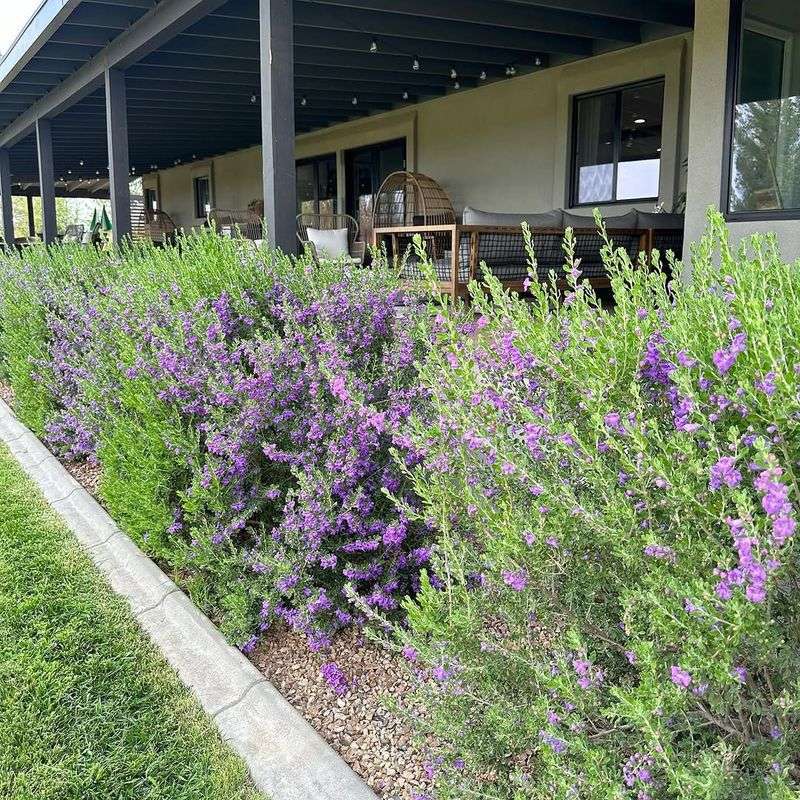
Texas sage has a reputation in Arizona as a reliable, tough shrub — and it earns that reputation every summer. The silvery foliage looks attractive even when it’s not blooming, but the real show happens when monsoon moisture triggers a flush of purple or lavender flowers.
Locals sometimes call it the “barometer bush” because it tends to bloom right before or after rain.
Planting in April gives the shrub time to root before summer heat peaks. Choose a spot with full sun and good drainage.
Texas sage handles reflected heat well, which makes it a solid choice for planting near walls, driveways, or south-facing slopes in Phoenix or Tucson yards.
Watering needs are low compared to most flowering shrubs. Deep, infrequent watering works better than frequent shallow sessions.
Once it’s been in the ground through one Arizona summer, it usually needs very little supplemental water beyond what monsoon rains provide.
Pruning is something you’ll want to do thoughtfully. Heavy shearing into a tight ball shape is common in commercial landscapes but tends to reduce blooming and stresses the plant over time.
A lighter hand — removing old wood and shaping loosely — keeps it healthier and more attractive. For a low-water, heat-tolerant shrub with seasonal flowering, Texas sage is a practical and visually appealing addition to any Arizona desert garden.
5. Red Yucca Produces Long Lasting Blooms In Hot Conditions
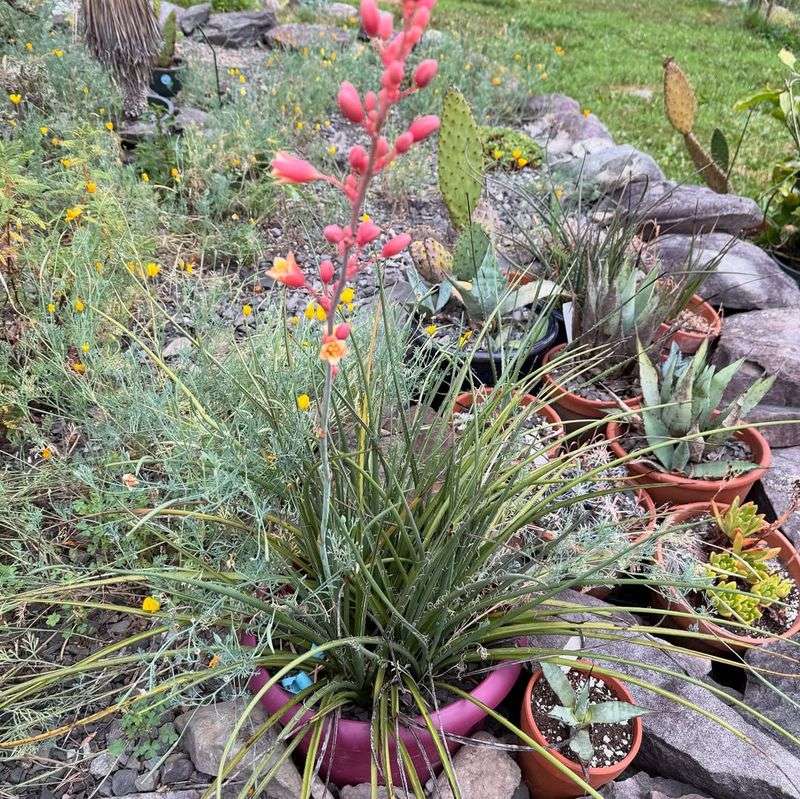
Red yucca sends up flower spikes that can reach four to five feet tall, topped with tubular coral-pink blooms that hummingbirds visit constantly.
Despite the name, it’s actually a member of the agave family rather than a true yucca — and it behaves more like an ornamental grass in terms of its overall form and feel in the landscape.
April is a great time to get red yucca in the ground across Arizona. The plant prefers full sun and well-draining soil, and it handles reflected heat from walls and pavement without much trouble.
In Phoenix and Tucson, it fits naturally into desert-style landscaping alongside gravel, boulders, and other drought-tolerant plants.
Water it regularly for the first month after planting, then start pulling back. Overwatering is a more common problem than underwatering with this plant — soggy soil leads to root rot, which is hard to reverse.
Once it’s been through a season, rainfall during Arizona’s monsoon months is usually sufficient to keep it looking healthy.
Bloom spikes typically appear in spring and can persist into summer, giving you several weeks of color and hummingbird activity. After blooming, the spent stalks can be cut back at the base to keep the plant tidy.
Red yucca works well as a focal point, a border plant, or grouped in clusters for a more dramatic effect in Arizona desert gardens.
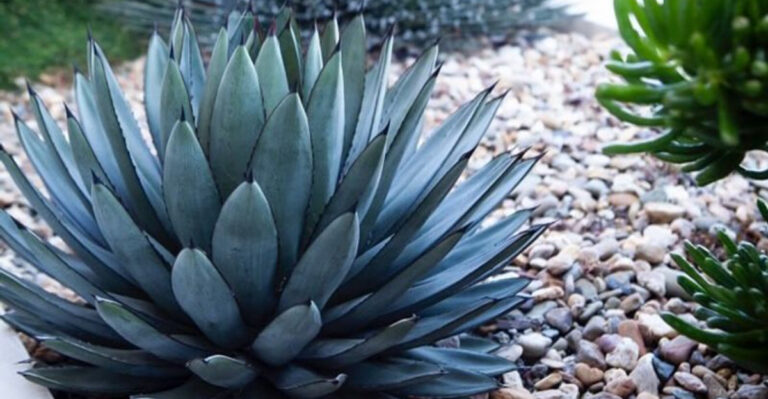
6. Agave Stores Water And Tolerates Extended Dry Periods
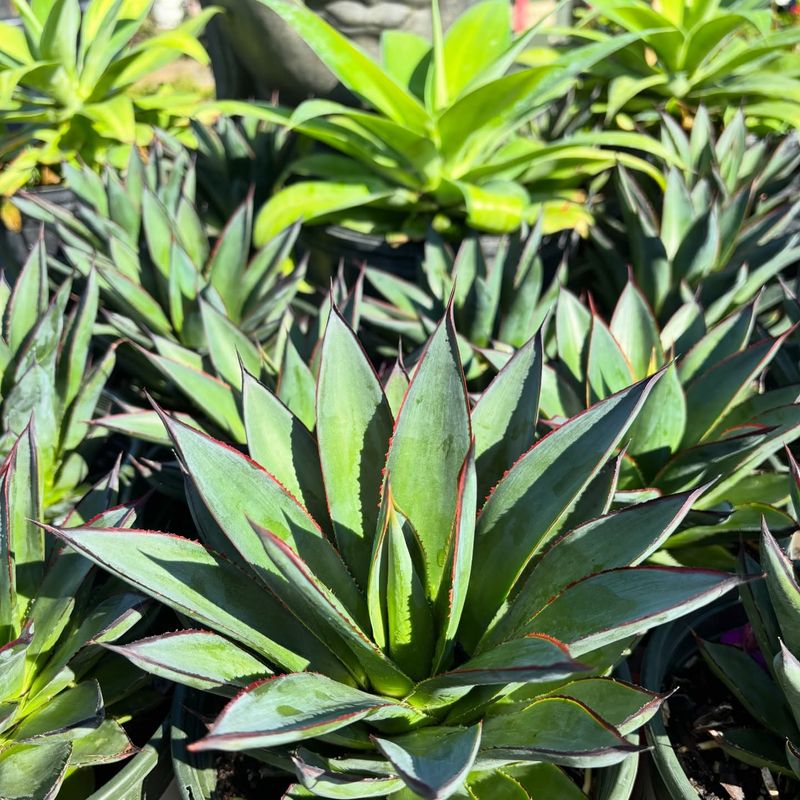
Agave is built for exactly the kind of climate Arizona delivers. Thick, fleshy leaves store water internally, which is why these plants can sit through weeks of no rain and still look completely unfazed.
Planting in April lets the roots settle before summer heat arrives in full force.
Sizes vary dramatically across agave species, so it’s worth choosing one that fits your space before you plant. Century plant varieties can grow enormous — eight feet wide or more — while smaller options like Agave parryi stay compact and manageable.
Either way, give it plenty of sun and soil that drains quickly. Standing water around the base is one of the few things that can cause real problems for agave.
Once it’s in the ground and watered in, agave needs very little from you. An occasional deep watering during extended dry periods between monsoon seasons is usually enough.
Skip fertilizer — agave in rich soil tends to grow faster but often loses the tight, architectural form that makes it visually interesting.
Sharp leaf tips are worth keeping in mind when choosing a location. Planting agave near walkways or play areas can lead to painful run-ins.
In Arizona landscapes — particularly in Phoenix, Scottsdale, and the surrounding desert communities — agave is a structural standout that holds its shape and its ground through even the most punishing summer stretches.
7. Palo Verde Grows Well In Desert Soil And High Temperatures
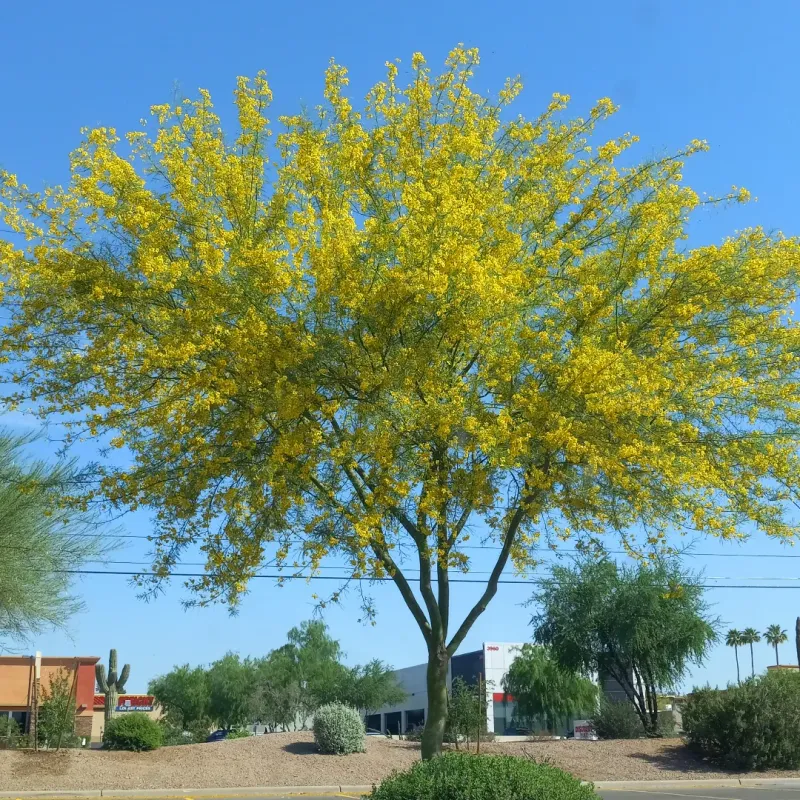
Palo verde is Arizona’s state tree, and spending five minutes in the desert during its spring bloom period makes it easy to understand why.
The entire canopy turns yellow with small flowers, and the green bark continues photosynthesizing even when the tree drops its tiny leaves during dry spells — a clever adaptation that sets it apart from most other trees.
Planting in April works well because the tree gets a few weeks of moderate temperatures before summer heat builds. Young palo verde trees need regular watering for the first growing season to help roots push deep into the soil.
After that first year, deep but infrequent watering is usually sufficient, especially in areas that receive decent monsoon rainfall.
Soil quality isn’t a major concern with palo verde — it handles rocky, low-nutrient desert soil without complaint. It does need full sun and good drainage, though.
Planting in a low spot where water pools after rain is worth avoiding.
Mature palo verde trees provide dappled shade, which is genuinely valuable in an Arizona yard. The canopy isn’t dense, but it filters enough sun to make sitting underneath it more comfortable during summer afternoons.
In Phoenix and Tucson landscapes, palo verde is commonly used as a shade tree, a focal point, or a naturalistic screen. It grows at a moderate pace and tends to look better with minimal heavy pruning.
8. Brittlebush Adapts To Harsh Conditions With Low Water Needs
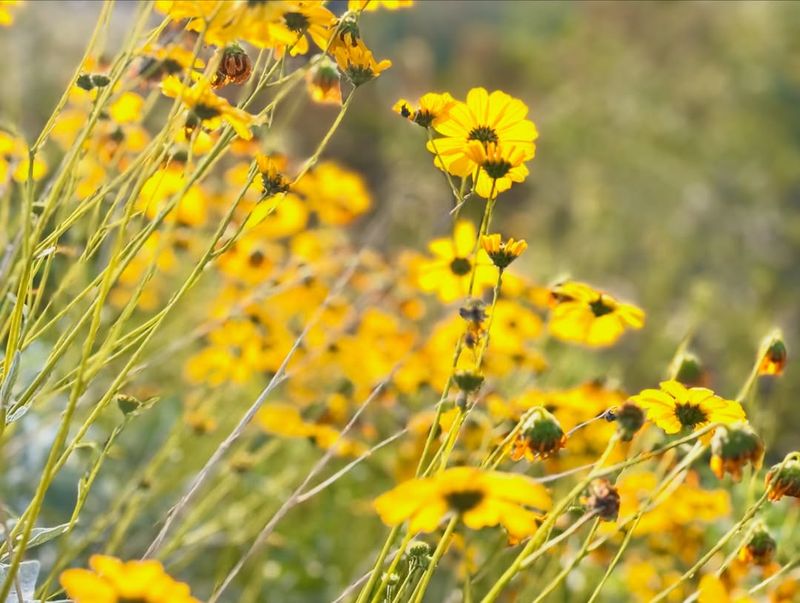
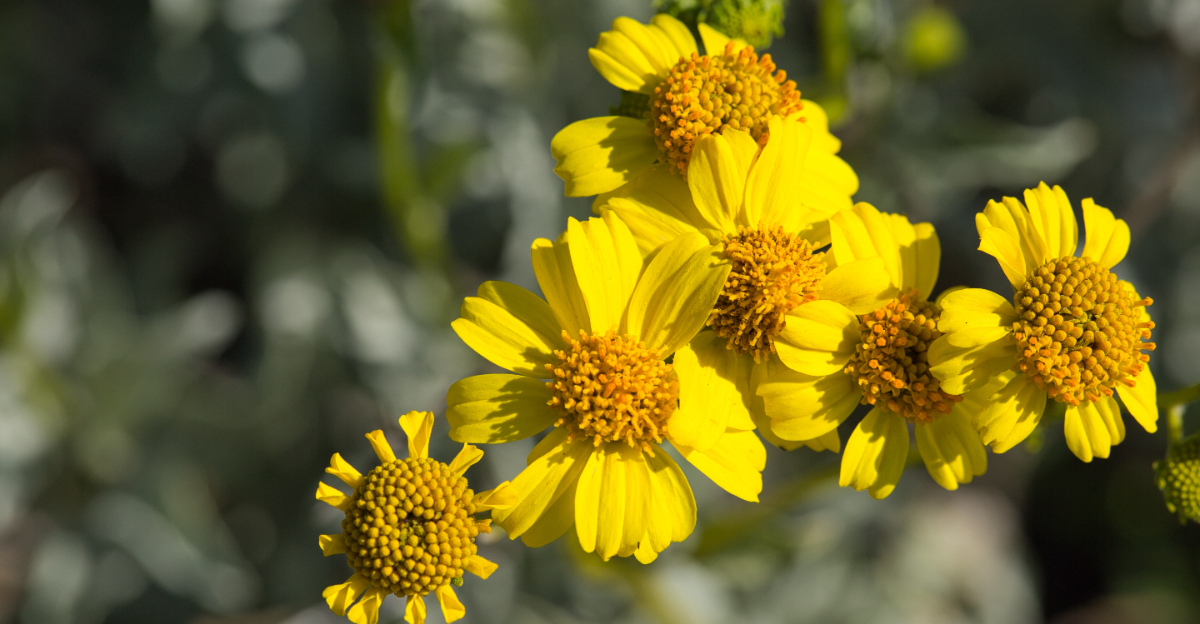
Brittlebush is one of those plants that looks almost too cheerful for the harsh conditions it grows in. Bright yellow, daisy-like flowers rise above mounds of silver-gray foliage, and the whole plant glows in afternoon light.
Drive through the Arizona desert in spring and you’ll spot it covering hillsides and roadsides in wide drifts of yellow.
Planting in April gives brittlebush a solid start. It’s a fast grower and can put on noticeable size within a single growing season.
Full sun is non-negotiable — shade or partial sun tends to make the plant leggy and reduces flowering significantly. Well-draining soil matters too, since brittlebush is prone to root problems in wet conditions.
Water it in well after planting, then ease back as it settles in. In most Arizona locations, brittlebush can get by on natural rainfall once it’s been in the ground a few months.
It actually goes semi-dormant during extended dry periods, dropping leaves to conserve moisture, then bounces back when rain returns.
Plan for a lifespan of around five to seven years with brittlebush — it’s not an indefinite perennial. That said, it reseeds readily, and new plants tend to pop up around the parent plant without much effort on your part.
For a native Arizona plant that delivers seasonal color with almost no maintenance demands, brittlebush is a smart, dependable choice for desert gardens across the state.