8 Desert Plants Your Arizona Containers Can Handle With Ease
Container gardening in Arizona can feel risky once the heat settles in and everything in a pot starts drying out twice as fast. Some plants look great at the nursery, then collapse under reflected sun and warm nights that never seem to cool down.
That is why choosing the right desert plants matters more than anything else.
These desert plants are built for intense light, dry air, and fast-draining soil, which makes them perfectly suited for Arizona containers. They do not demand constant watering or babying to survive in a pot.
With the right picks, your containers stay full, structured, and colorful instead of stressed and struggling.
A few smart choices turn high maintenance pots into tough, reliable displays that actually thrive through Arizona’s long, hot season.
1. Lantana Handles Blazing Sun Without Slowing Down
Lantana laughs at heat. Seriously, the hotter it gets in Arizona, the more this plant seems to enjoy itself.
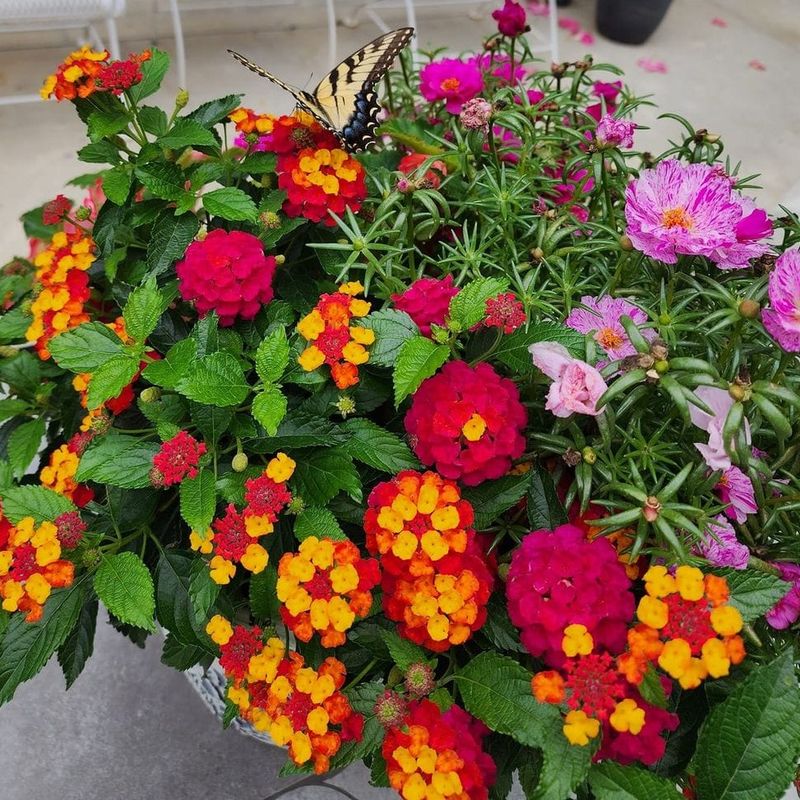
While other container plants start wilting by noon, lantana just keeps pushing out clusters of tiny flowers in orange, yellow, red, and pink. It thrives in full sun and handles reflected heat off concrete patios better than almost anything else you can put in a pot.
Watering is simple — let the soil dry out between sessions, then give it a deep drink. Soggy roots are the one thing lantana cannot stand.
In Tucson and Phoenix, watering twice a week during summer is usually plenty. Use a well-draining potting mix, and skip the saucer underneath if you can.
Butterflies absolutely swarm lantana, which makes it a fun container addition near seating areas. Hummingbirds stop by too, especially with the red and orange varieties.
Trim it back lightly every few weeks to keep new blooms coming. Left alone too long, it gets leggy and the flower production slows.
A quick trim takes five minutes and keeps it looking full all season long in your Arizona garden.
Fertilizer is rarely needed, especially in Arizona’s native soils where too much feeding can actually reduce flowering. If a plant starts looking tired in late summer, a light trim and a deep watering usually bring it right back.
Once established, lantana handles dust, wind, and long stretches of dry heat without losing its color or momentum.
2. Angelita Daisy Keeps Blooming Through Long Heat Waves
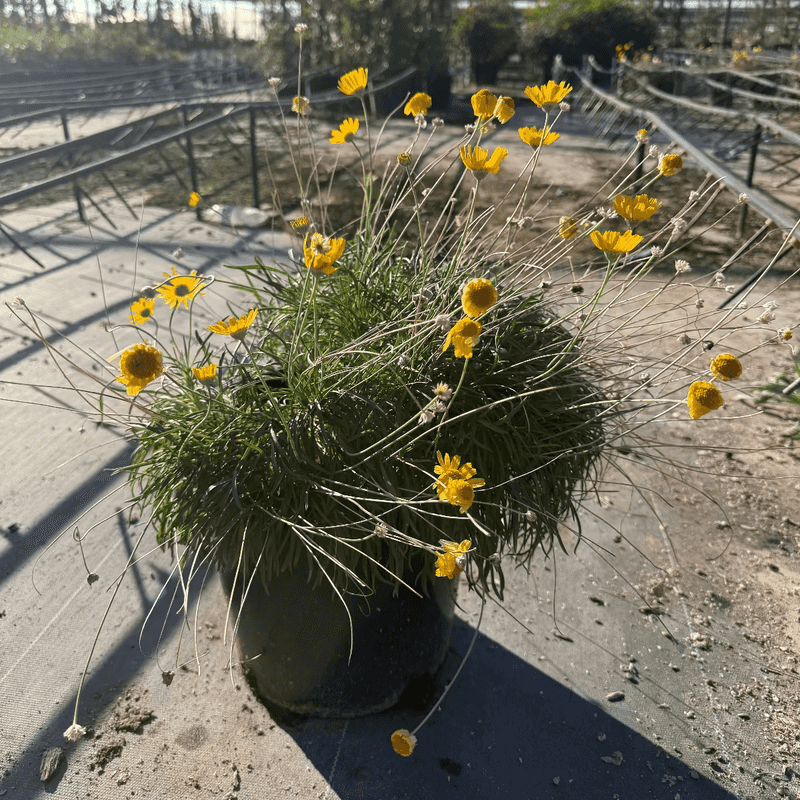
Not many plants will look cheerful after two weeks of 110-degree Arizona heat, but Angelita daisy is one of them. Those bright yellow flowers keep popping up even when everything else around them looks stressed.
It is a compact, low-growing plant that fits perfectly in smaller containers, making it ideal for balconies or tight patio corners.
Roots need room to breathe, so choose a pot with solid drainage holes and fill it with a cactus or sandy mix. Angelita daisy does not want rich soil — in fact, too much fertilizer can actually reduce how many flowers it produces.
A light feeding in early spring is more than enough for the whole growing season.
Water it sparingly. In Arizona, that might mean once every five to seven days during summer, and even less in cooler months.
Overwatering is the most common mistake container gardeners make with this plant. If the leaves start looking a little pale or yellow, pull back on the water before adding anything else.
Deadheading spent blooms encourages fresh flowers, though even without it, Angelita daisy tends to self-clean reasonably well. Arizona gardeners who try it once almost always find space for it again the following year.
3. Red Yucca Thrives With Very Little Water
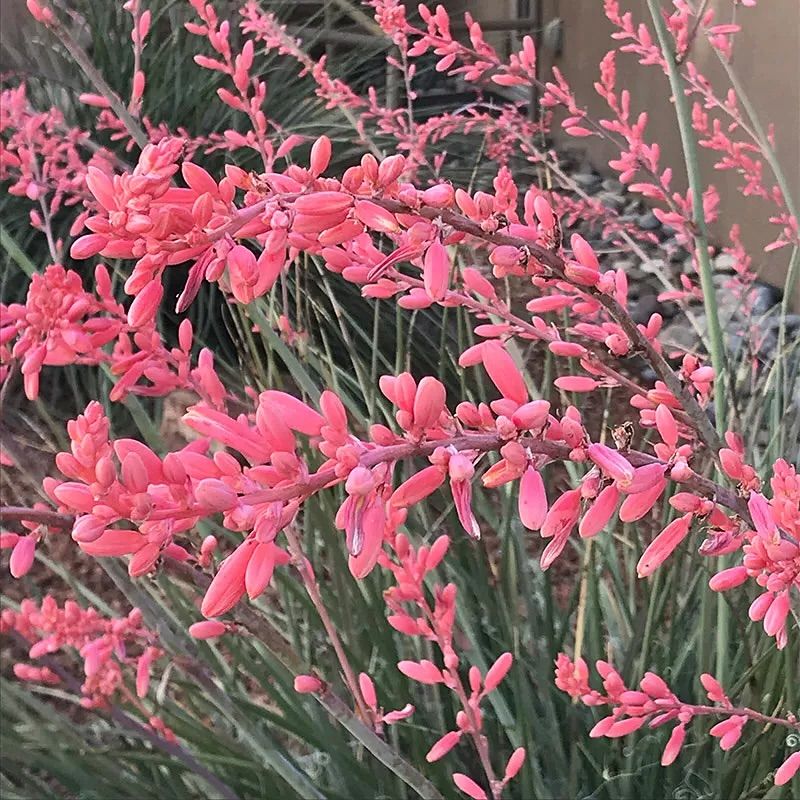
Red yucca is not actually a true yucca, but that name stuck because of its similar look. What sets it apart is those tall, arching flower spikes covered in coral-red tubular blooms that shoot up in late spring and stick around well into summer.
In a container, it becomes a real focal point — architectural, bold, and completely unbothered by Arizona heat.
Pick a large, heavy pot because red yucca has a substantial root system and the flower spikes get tall. Clay or ceramic pots work well since they breathe and help prevent root rot.
Fill with a sandy, fast-draining mix. Once it settles in, you can water it deeply but infrequently — every ten days or so during peak summer heat is usually right.
Hummingbirds are drawn to those long red flowers like a magnet, and watching them feed from a patio chair is genuinely one of the better perks of growing this plant.
Do not crowd it with other plants in the same container — it needs good airflow around the base.
Old flower stalks can be cut back after blooming ends. Red yucca handles the dry Arizona winters without any extra protection, which makes it a reliable year-round container plant in most parts of the state.
It performs best in full, direct sun and will bloom less if placed in partial shade. Avoid rich, moisture-retentive soils, since overly soft growth can flop or rot at the crown.
With the right drainage and space, red yucca stays clean, structured, and striking through Arizona’s toughest seasons.
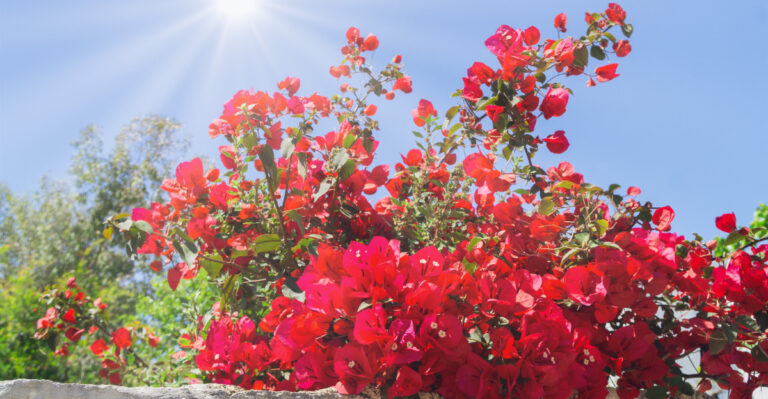
4. Bougainvillea Loves Intense Light And Warm Nights
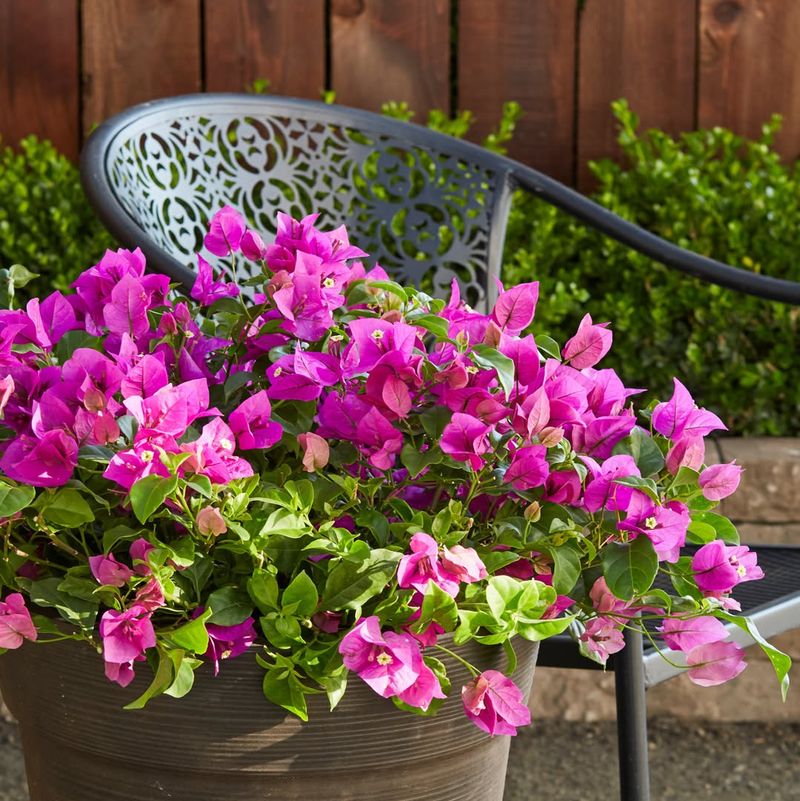
Few plants put on a show quite like bougainvillea. In Arizona, where the sun is relentless and the nights stay warm for months, this plant absolutely goes wild.
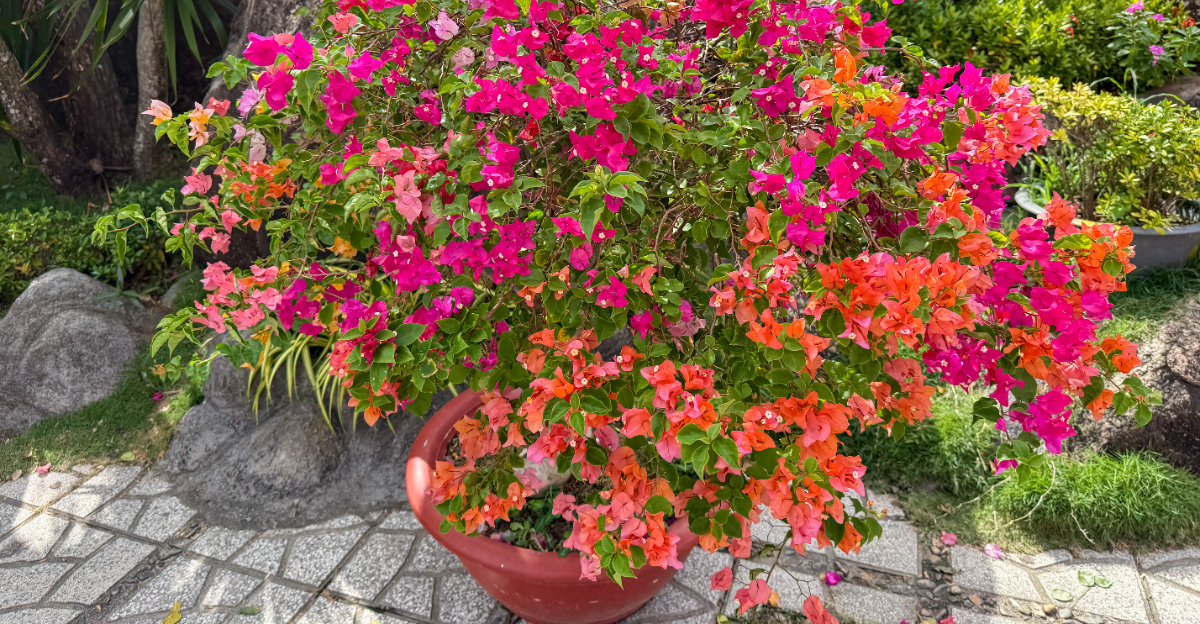
Those papery bracts — the colorful parts people mistake for petals — come in magenta, orange, red, white, and purple. A single container-grown bougainvillea in full bloom can stop foot traffic.
One key thing to know: bougainvillea blooms best when it is slightly stressed. That means you actually want to hold back on water during the growing season.
Letting the soil get fairly dry before watering triggers more flower production. In Scottsdale and Phoenix, gardeners often water deeply once a week during summer and cut back significantly in winter.
Choose a container large enough to give roots room but not so massive that excess soil stays wet for too long. Bougainvillea roots prefer to be a little snug.
Full sun — at least six to eight hours — is non-negotiable. Shade will reduce blooming fast.
Fertilize with a low-nitrogen, high-phosphorus blend to encourage flowers over leafy growth. Wear gloves when handling it since the thorns are sharp and catch you off guard.
Prune after a bloom cycle ends to shape it and encourage the next round of color across your Arizona patio or garden space.
5. Desert Marigold Shines In Fast Draining Soil
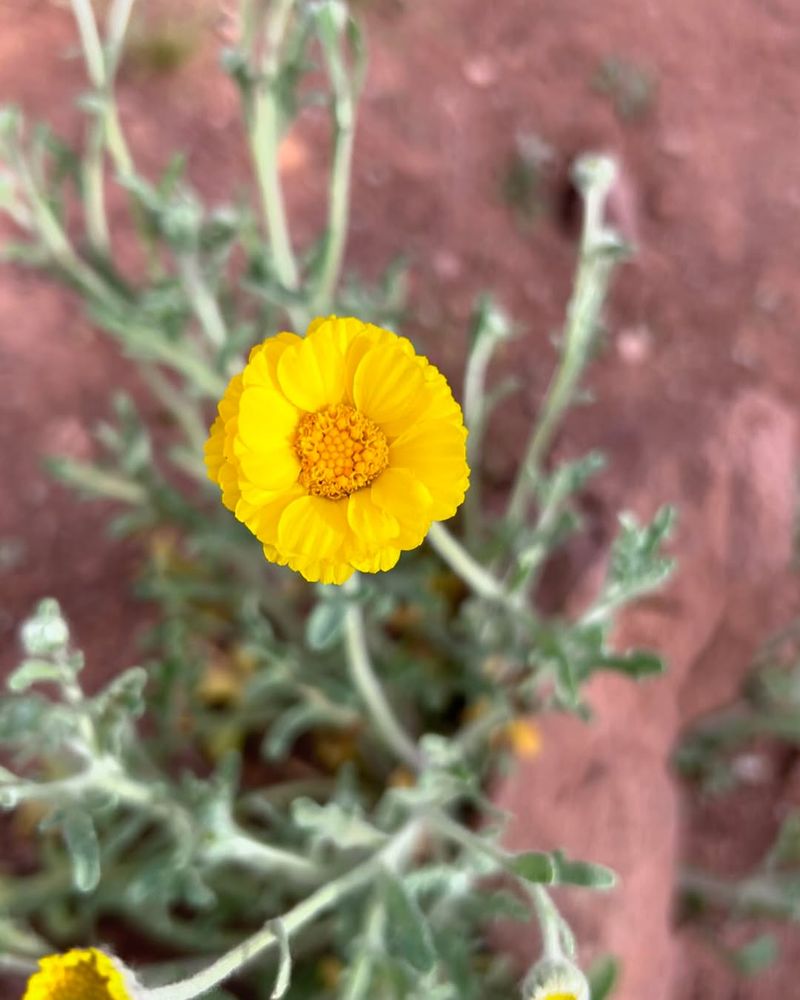
Desert marigold is one of those plants that looks like it belongs in a watercolor painting of the Southwest. Bright yellow, daisy-like flowers sit on top of silver-gray foliage, and the contrast is genuinely striking.
In containers across Arizona, it blooms from spring all the way through fall, which is a long run for any plant in that climate.
Soil drainage is everything with this one. Plant it in a cactus mix or blend your own with regular potting soil and coarse perlite.
A pot without drainage holes will cause problems fast. Desert marigold is adapted to rocky, dry ground in the wild, and it expects similar conditions in a container.
Rich, moisture-retaining soil is the wrong direction entirely.
Fertilizer is rarely needed and can actually cause the plant to produce more leaves than flowers. Water it when the top inch of soil feels completely dry — in Tucson summers, that might be every four or five days.
Deadhead the spent flowers regularly and you will get a much longer bloom season. Birds occasionally visit for seeds once flowering slows.
It handles cold snaps reasonably well and comes back strong in spring. Container gardeners in Arizona often use it as a centerpiece surrounded by lower-growing plants at the pot’s edge for a layered look.
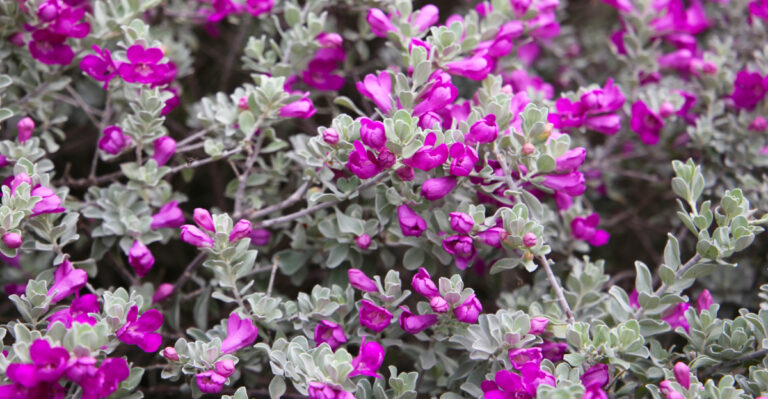
6. Texas Sage Waits For Humidity Then Steals The Show
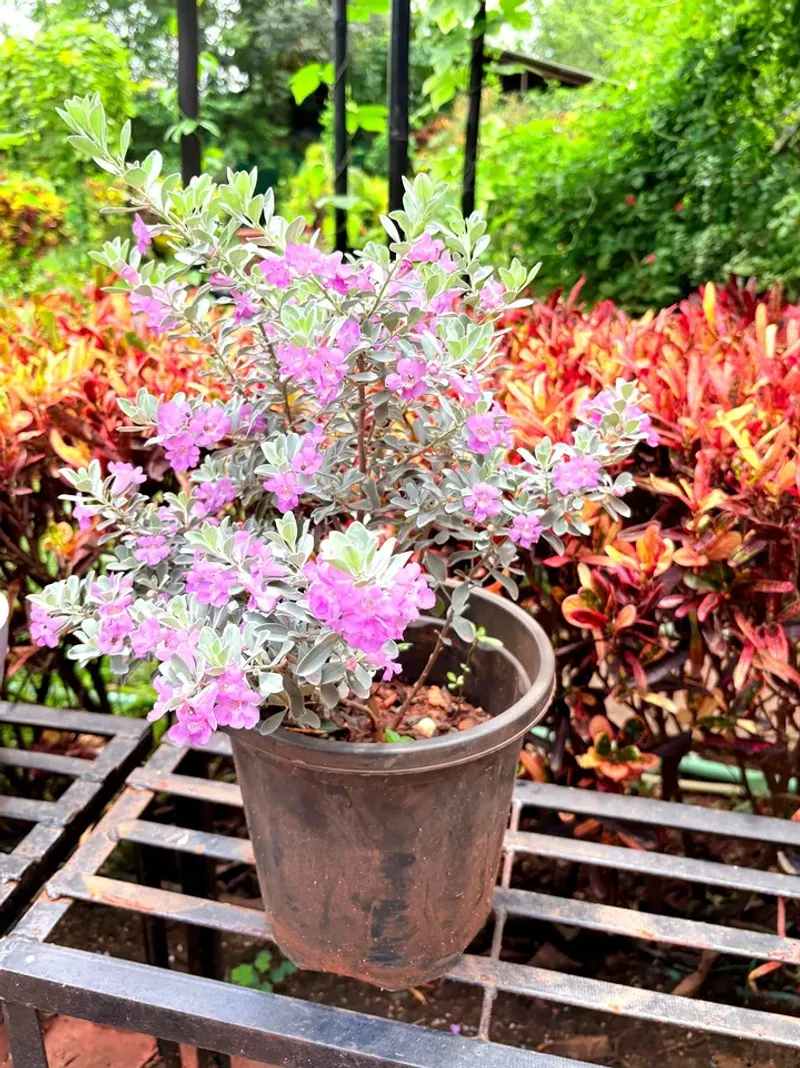
Arizona gardeners who grow Texas sage in containers quickly learn to read the weather differently. Right before a monsoon storm rolls in and humidity spikes, this plant erupts in purple flowers almost overnight.
It earned the nickname “barometer bush” for exactly that reason — it senses moisture in the air and responds before the rain even arrives.
In a container, Texas sage stays more compact than it would in the ground, which is actually an advantage on smaller patios. Use a well-draining mix and a pot with good airflow around the roots.
This plant is extremely sensitive to overwatering — more so than most desert natives. Water only when the soil has been dry for several days, and never let it sit in standing water.
Full sun is where it performs best. Partial shade will keep it alive but the flowering drops off significantly.
Prune lightly after each bloom cycle to maintain shape and prevent the center from getting woody too fast. No heavy fertilizing — a slow-release granule in early spring is enough.
Texas sage is well-suited to the hot, dry conditions found in Phoenix, Tucson, and Yuma, and it handles reflected heat from walls and pavement without complaint. Silver-green leaves look attractive even between bloom periods, so the container never looks bare or neglected.
Place the container where it gets intense afternoon sun, since that’s when Texas sage really shows its toughness. Avoid frequent light watering, which encourages weak, shallow roots instead of the deep structure that keeps it stable in desert heat.
With sharp drainage and full exposure, it keeps its dense shape and signature silver tone year round in Arizona.
7. Firecracker Penstemon Attracts Hummingbirds In Spring
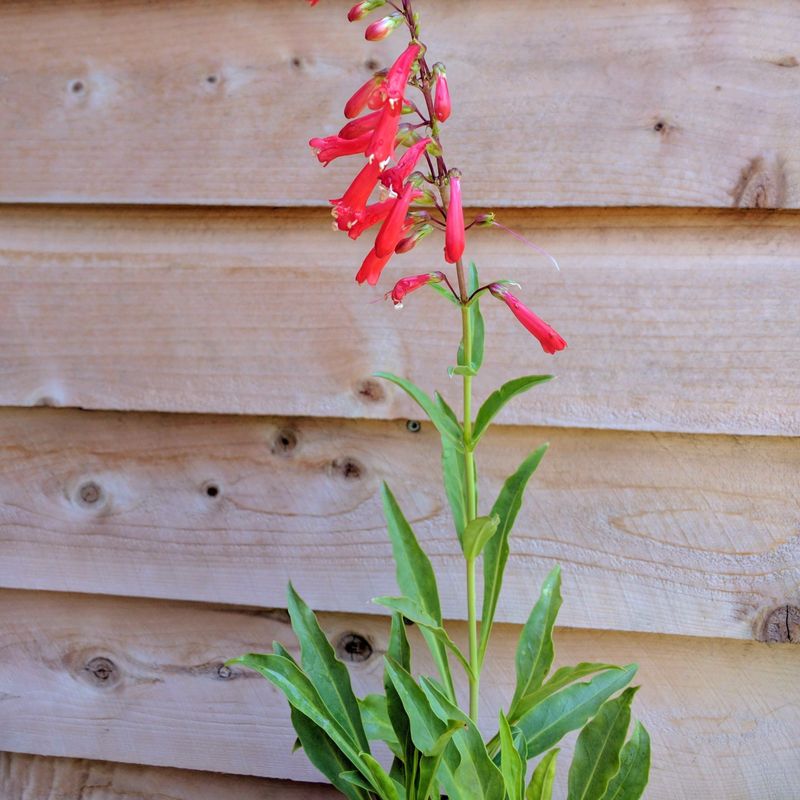
Bright red tubes of firecracker penstemon are basically a hummingbird landing strip.
In Arizona, the spring migration brings these birds through in waves, and a blooming penstemon in a container near a window or seating area turns any patio into a front-row nature show.
The flowers are long, narrow, and intensely red — built exactly for hummingbird beaks.
Container culture suits penstemon well if you respect its need for sharp drainage. A gritty, sandy mix keeps the roots from sitting in moisture.
Penstemon planted in dense potting soil tends to struggle and rot at the base — something that happens more in Arizona’s monsoon season when containers can get waterlogged during heavy rains. Elevate pots on pot feet to help water escape quickly.
It blooms hardest in spring, then takes a break during the most intense summer heat before sometimes reblooming in fall. Cut the flower stalks back after the first bloom wave to encourage a second round.
Avoid heavy feeding — a light application of balanced fertilizer in late winter before the bloom season begins is more than enough. Penstemon pairs well visually with Angelita daisy or desert marigold in neighboring pots, creating a layered desert-inspired display.
In Sedona and Tucson, where hummingbirds are especially active, firecracker penstemon containers are a genuinely rewarding seasonal addition to any outdoor space.
8. Aloe Vera Handles Sunny Patios With Minimal Fuss
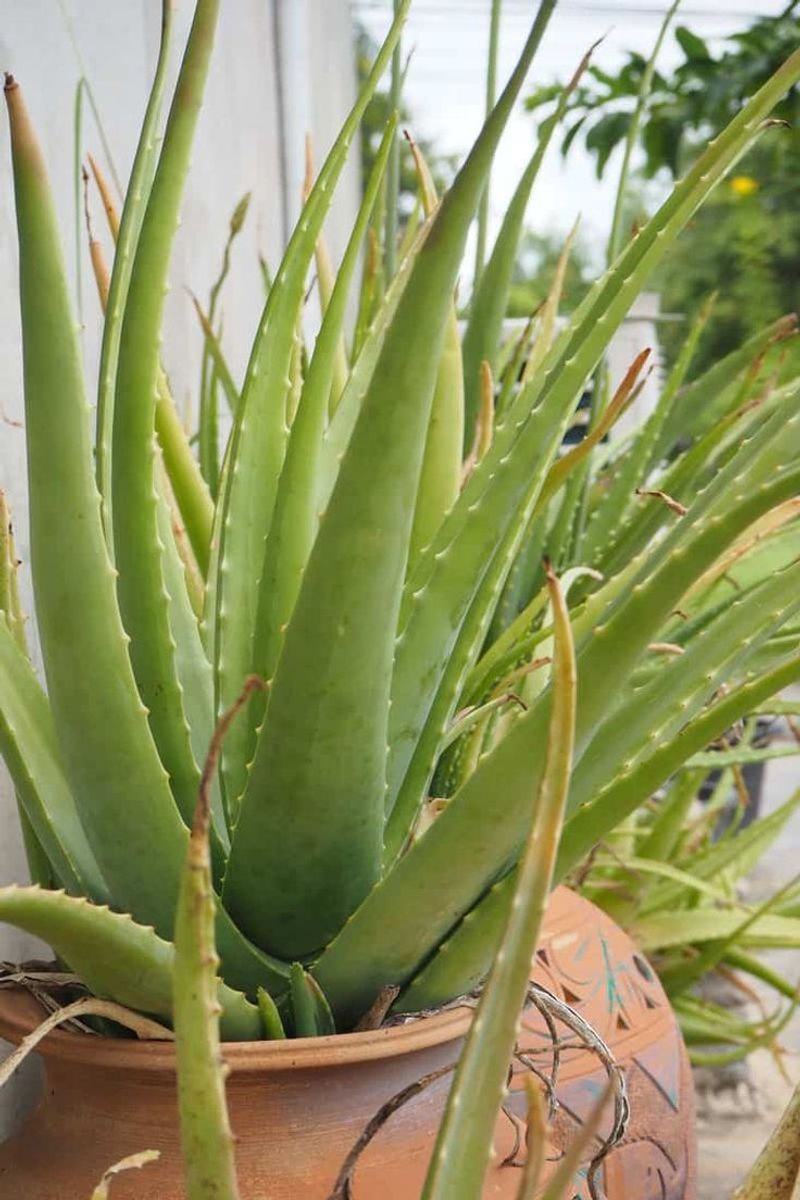
Aloe vera is the plant that basically takes care of itself while you are busy with everything else. In Arizona, where patios can feel like ovens by July, aloe sits there looking completely unbothered.
It stores water in its thick, fleshy leaves and draws on those reserves during dry stretches, which means you can go on a two-week vacation and come back to a plant that looks exactly the same as when you left.
Wide, shallow containers work better than deep, narrow ones for aloe because the roots spread outward rather than downward. A cactus or succulent mix is the right call — regular potting soil holds too much moisture and causes root problems over time.
Make sure the pot has drainage holes, and place it somewhere that gets direct morning sun with some afternoon shade if possible, especially in the low desert zones around Phoenix and Yuma where summer afternoons are extreme.
Water every two to three weeks during summer and even less in winter — once a month is often enough when temperatures drop. Aloe produces offsets, or pups, around the base of the main plant.
You can leave them or separate and repot them into new containers.
Beyond its toughness, aloe has practical value — the gel inside the leaves soothes minor burns and skin irritation, which makes it a genuinely useful plant to keep on an Arizona patio all year long.