Detroit Gardeners Share Tips For Thriving Indoor Orchids In February In Michigan
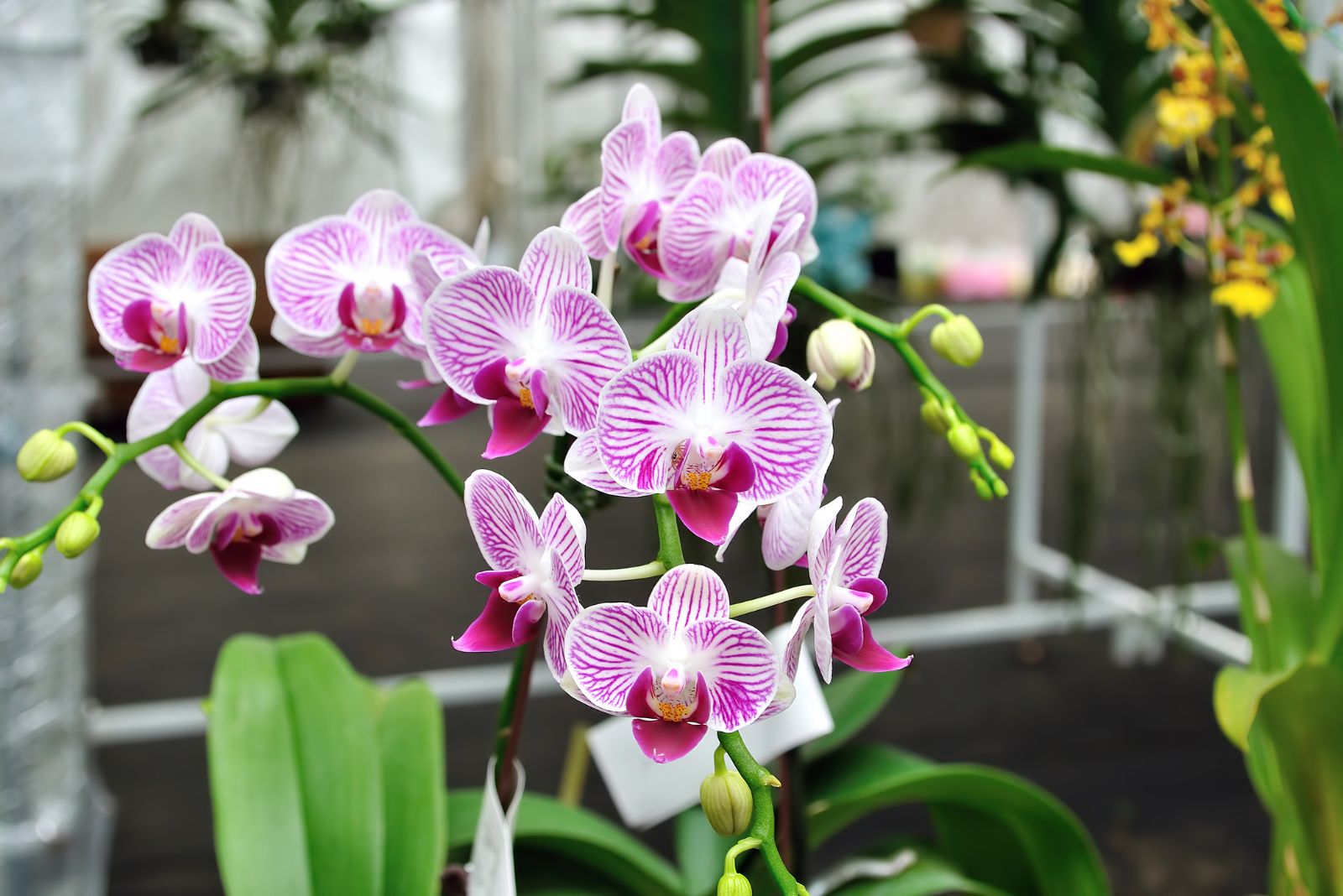
February can feel tough on indoor plants. Short daylight hours and dry indoor air push orchids out of their comfort zone. Many Detroit gardeners have learned that small changes during this month can lead to healthier leaves and stronger blooms later.
Simple adjustments to light placement can improve growth. Better humidity routines can keep roots happy. Smarter watering habits can prevent stress.
Indoor orchids respond quickly when their environment feels balanced. Homes across Michigan face similar winter challenges, especially with heating systems running nonstop. The good news is that orchids do not need complicated care to stay strong.
Consistent routines make a big difference. Healthy plants bring color and calm into the home. Curious what Detroit gardeners actually do to keep orchids thriving through February in Michigan homes?
Keep reading because a few easy tips could transform your orchid care this winter.
Keep Orchids Away From Cold Drafts
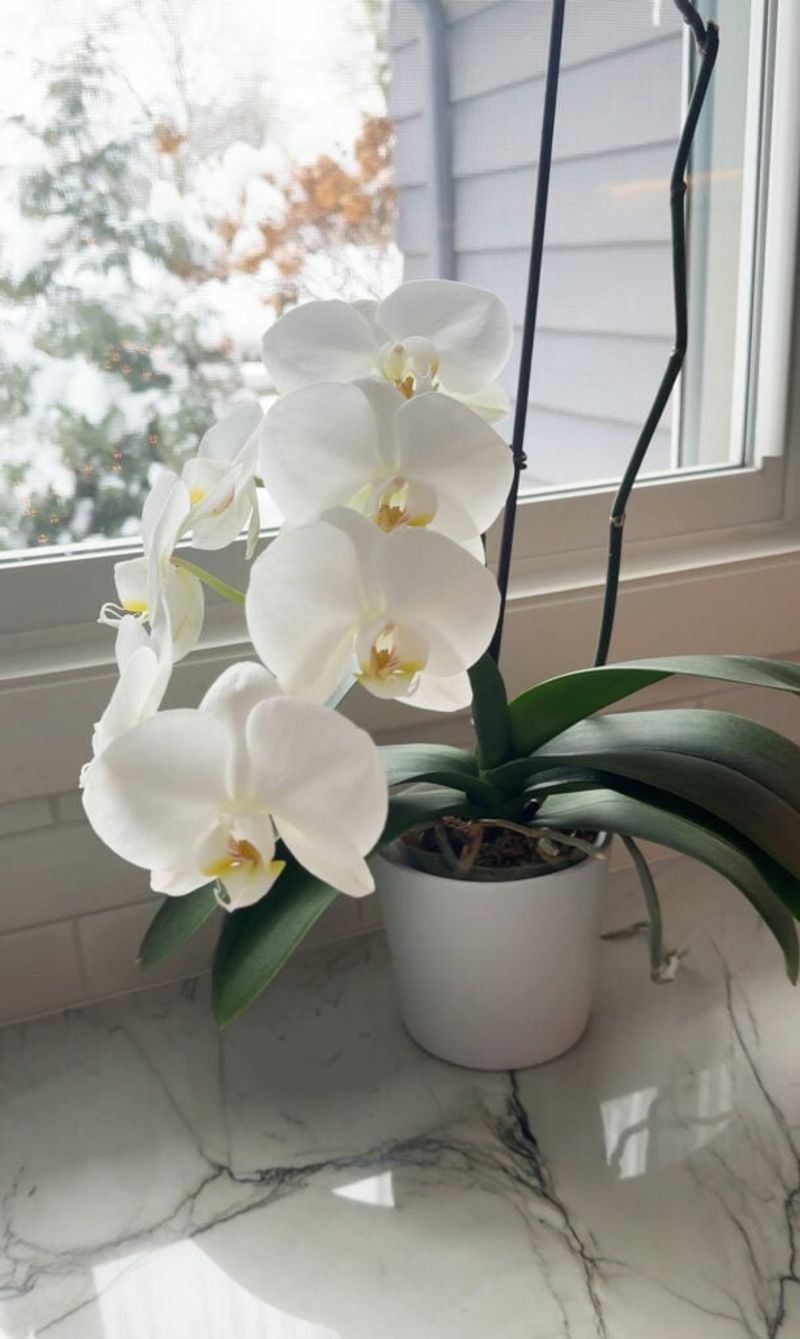
Cold air sneaking through windows can damage your orchids faster than you think. February winds in Michigan are harsh and unforgiving to tropical plants. Anne, a Detroit gardener for twenty years, always checks for drafts first.
She places her hand near windows to feel any cold air. Orchids evolved in warm, stable environments where temperatures never drop suddenly like here. When cold air hits their leaves, the plant goes into shock mode.
The delicate root system struggles to absorb water and nutrients properly. Buds may drop off before they ever open into flowers. Move your orchids at least three feet away from exterior walls and windows.
Interior rooms or sheltered corners work much better for placement during winter. You can also use heavy curtains to block drafts at night. Consider placing plants on tables rather than directly on cold windowsills.
Anne recommends checking your orchid placement every few weeks as temperatures shift. A spot that worked in January might become too drafty by February. Your orchids will reward careful placement with healthy leaves and vibrant blooms.
Protection from cold drafts is your first line of defense this month.
Provide Bright, Indirect Light
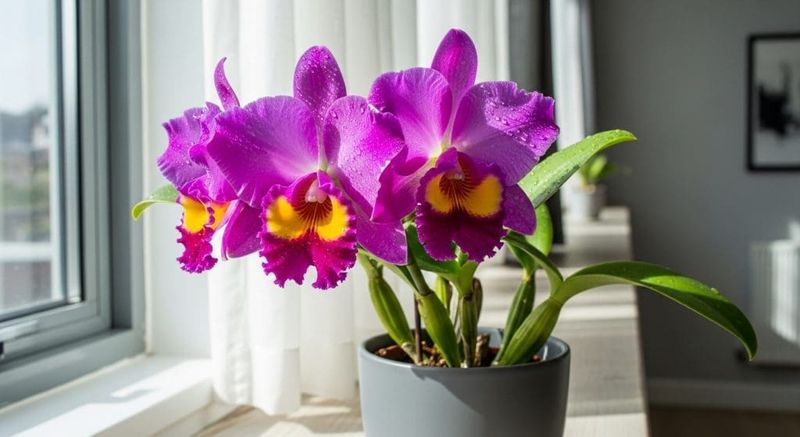
Orchids crave light but direct sun can scorch their tender leaves quickly. February sun in Michigan may seem weak but it intensifies through glass. Anne discovered this lesson the hard way when her prized orchid developed brown spots.
Now she uses sheer curtains to filter the light beautifully. Most orchids need about twelve to fourteen hours of bright light daily. East or west-facing windows provide the gentlest exposure for these sensitive plants.
South-facing windows work too if you add a sheer barrier. North-facing windows usually don’t provide enough light for blooming. Watch your orchid leaves for signs of improper lighting throughout the month.
Dark green leaves often mean the plant needs more light exposure. Reddish or yellowish leaves suggest too much direct sun is hitting them. Healthy orchid leaves should be a medium green color overall.
You can supplement natural light with grow lights if your home is dark. Position artificial lights about twelve inches above the orchid for best results. Anne uses a timer to ensure consistent lighting every single day.
Proper lighting keeps your orchids blooming through Michigan’s darkest winter month.
Maintain Moderate Indoor Temperatures
Temperature consistency matters more than you might realize for orchid health this month. Most orchids prefer daytime temperatures between sixty-five and seventy-five degrees Fahrenheit. Nighttime temperatures can drop slightly to around sixty to sixty-five degrees.
Anne keeps a small thermometer near her orchids to monitor conditions. Michigan homes often experience temperature swings during February as furnaces cycle on and off. Avoid placing orchids near heating vents where hot air blasts them directly.
The sudden heat dries out the potting medium and stresses the plant. Radiators and space heaters create similar problems for sensitive tropical plants. A ten-degree difference between day and night temperatures actually encourages blooming in many orchids.
This mimics their natural environment where nights cool down in the tropics. However, avoid letting temperatures drop below fifty-five degrees or rise above eighty-five. Extreme temperatures can cause buds to drop or roots to rot.
Anne suggests grouping orchids together to create a more stable microclimate around them. The collective humidity and temperature they generate benefits all the plants nearby. Monitor your home thermostat and adjust orchid placement as needed this month.
Stable temperatures lead to happy, blooming orchids all winter long.
Reduce Watering Frequency
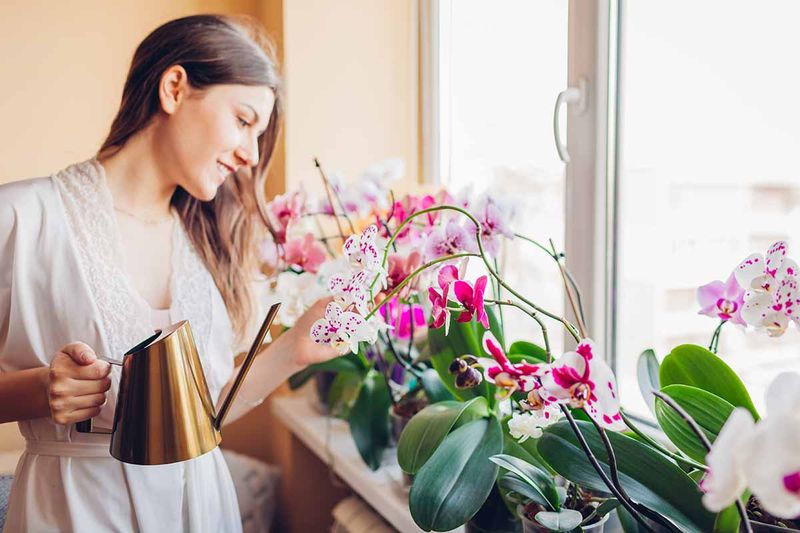
Overwatering kills more orchids than any other mistake gardeners make during winter. February’s shorter days and cooler temperatures slow down plant growth significantly. Anne learned to water her orchids only when the potting medium feels dry.
She sticks her finger about an inch deep to check moisture levels. Most orchids need watering only once every seven to ten days in February. This is much less frequent than summer watering schedules require.
The reduced light and cooler air mean orchids simply don’t use water as quickly. Roots sitting in soggy medium will rot within a few weeks. Always water orchids in the morning so excess moisture evaporates during the day.
Use room-temperature water to avoid shocking the sensitive root system with cold. Let water drain completely through the pot before returning it to its saucer. Never let orchids sit in standing water for extended periods.
Anne tests each orchid individually rather than watering them all on the same schedule. Different pot sizes and locations dry out at varying rates throughout your home. Yellow leaves or mushy roots signal overwatering problems that need immediate attention.
Patience with watering keeps your orchids healthy through Michigan’s coldest month.
Increase Humidity
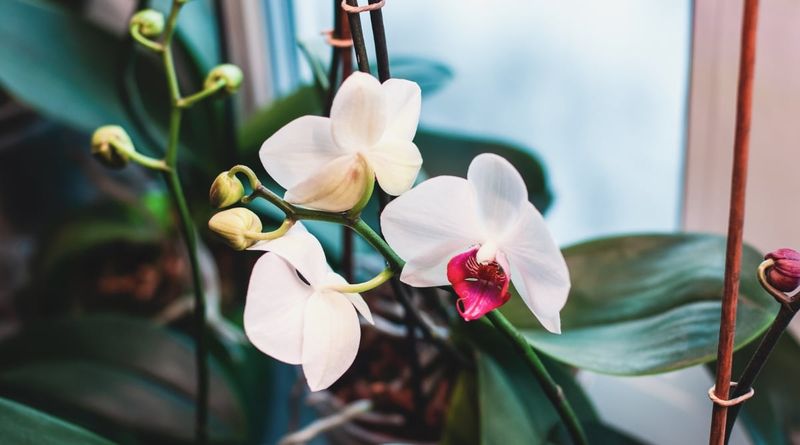
Michigan winters turn homes into deserts with humidity levels dropping dangerously low. Furnaces running constantly strip moisture from the air that orchids desperately need. Anne noticed her orchid leaves wrinkling before she started boosting humidity levels.
Tropical plants evolved in environments with sixty to eighty percent humidity. Grouping orchids together creates a mini humid zone through their collective transpiration. You can also place pots on trays filled with pebbles and water.
The water evaporates upward around the plants without touching the pot bottoms. Anne refills her humidity trays twice weekly during February. Room humidifiers work wonderfully for orchids and also benefit your skin and sinuses.
Place a small humidifier near your orchid collection for best results. Misting orchids provides only temporary relief and can encourage fungal problems. The water droplets evaporate too quickly to make a lasting difference.
Bathrooms naturally have higher humidity from showers and make excellent orchid locations. Just ensure they still receive adequate light through windows or grow lights. Anne keeps her most finicky orchids in her guest bathroom all winter.
Proper humidity prevents shriveled leaves and encourages robust blooming throughout the cold months.
Fertilize Sparingly
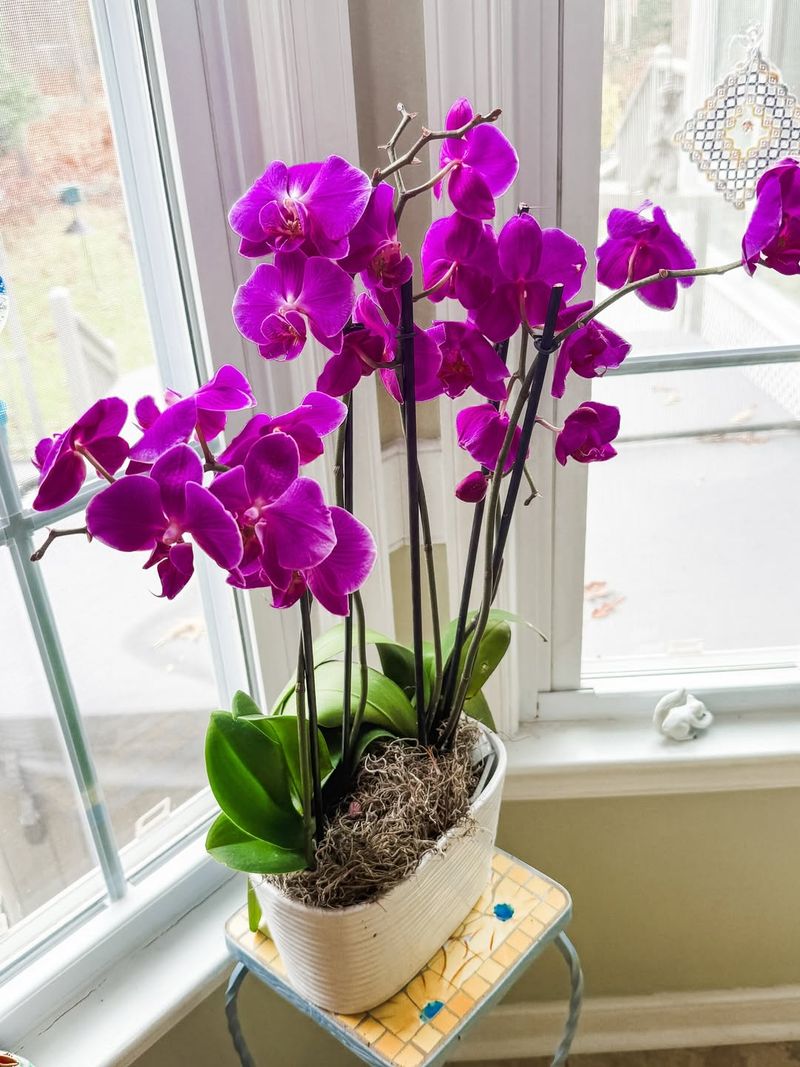
Orchids enter a semi-dormant state during Michigan’s dark February days and weeks. Their growth slows dramatically compared to spring and summer growing seasons. Anne fertilizes her orchids only once monthly during winter instead of weekly.
Too much fertilizer can actually burn the roots and damage the plant. Use a balanced orchid fertilizer diluted to half or quarter strength this month. The formula should contain equal parts nitrogen, phosphorus, and potassium for best results.
Apply fertilizer only to moist potting medium, never to completely dry roots. Water the orchid first, then add diluted fertilizer thirty minutes later. Some Detroit gardeners skip fertilizing entirely during February with excellent results too.
Orchids can survive several months without supplemental nutrients if needed. However, a light feeding helps maintain the plant’s strength for spring blooming. Anne prefers a gentle approach rather than stopping fertilizer completely.
Watch for salt buildup around the pot rim which indicates over-fertilization problems. White crusty deposits mean you should flush the potting medium with plain water. Run water through the pot for several minutes to remove accumulated salts.
Less fertilizer is always better than too much during winter months.
Ensure Proper Air Circulation
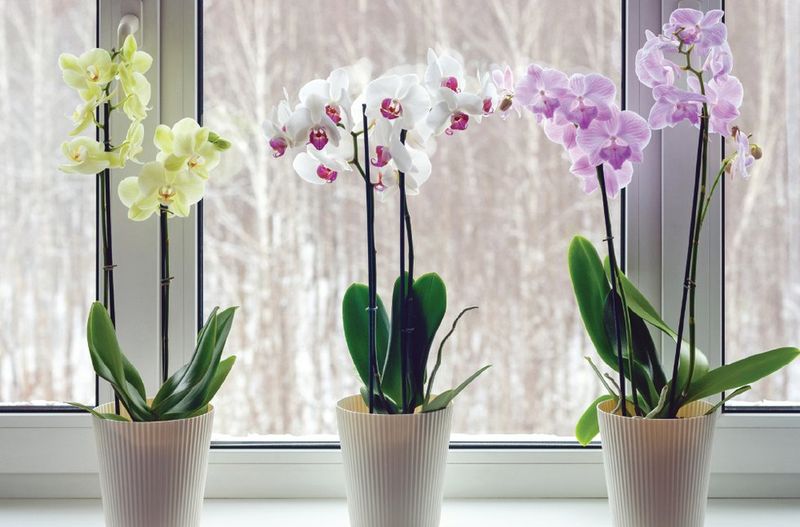
Stagnant air around orchids creates perfect conditions for fungal diseases and pest problems. February’s closed windows trap air inside Michigan homes for weeks at a time. Anne runs a small oscillating fan near her orchids on low speed.
The gentle breeze mimics natural air movement in tropical environments. Good air circulation strengthens orchid stems and helps prevent bacterial and fungal infections. It also discourages pests like spider mites that thrive in still, humid conditions.
Position fans to create indirect airflow rather than blasting plants directly. The leaves should move slightly but not whip around violently. Opening interior doors allows air to flow between rooms more freely throughout your home.
Even running your ceiling fan on low helps circulate air around the room. Anne opens her bathroom door after showering to let moisture distribute evenly. Fresh air exchange is crucial even when outdoor temperatures are freezing.
Avoid placing orchids in completely enclosed spaces like closed cabinets or terrariums. These containers trap moisture and create disease-friendly environments very quickly. If you notice fuzzy spots on leaves, improve air circulation immediately.
Proper airflow keeps your orchids healthy and prevents most common winter problems. Anne checks her fan placement weekly to ensure optimal conditions.
Check For Pests Regularly
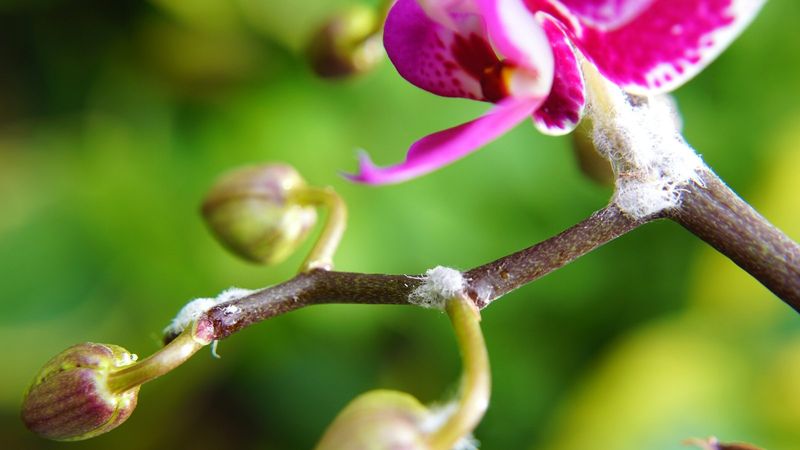
Pests love the warm, humid conditions you create for orchids during winter months. Scale insects, mealybugs, and spider mites can multiply rapidly in February. Anne inspects her orchids every single week looking for tiny invaders.
She checks under leaves and in crevices where pests like to hide. Scale insects appear as small brown bumps on stems and leaf undersides. Mealybugs look like tiny cotton balls clustered in leaf joints and stems.
Spider mites create fine webbing and cause stippled yellow spots on leaves. Early detection makes pest control much easier and more effective. Remove pests immediately using a cotton swab dipped in rubbing alcohol for small infestations.
For larger problems, Anne uses insecticidal soap sprayed thoroughly on all plant surfaces. Isolate any infested orchids to prevent pests from spreading to healthy plants. Repeat treatments weekly for three weeks to break the pest lifecycle.
Clean leaves gently with a damp cloth to remove dust and check for pests. This simple task also helps orchids photosynthesize more efficiently during low-light months. Anne quarantines any new orchids for three weeks before adding them to her collection.
Prevention and vigilance keep your orchids pest-free through Michigan’s long winter. Regular inspection becomes a relaxing routine rather than a chore.
Use Appropriate Potting Media

Orchids aren’t like typical houseplants and they hate regular potting soil completely. Their roots need excellent drainage and air circulation to stay healthy. Anne uses a bark-based medium specifically formulated for orchids only.
The chunky texture allows air to reach roots while holding just enough moisture. Most orchids grow on trees in nature with their roots exposed to air. They absorb moisture from rain and humidity rather than sitting in dirt.
Bark chips, sphagnum moss, perlite, and charcoal create ideal growing conditions. The medium should dry out between waterings but never become bone dry. Check your potting medium every few months as bark breaks down over time.
Decomposed medium holds too much water and suffocates the roots gradually. Anne repots her orchids every two years using fresh bark mix. February is actually a good time for repotting if your orchid isn’t blooming.
Never use garden soil or standard houseplant potting mix for orchids ever. These dense materials trap water and cause root rot within weeks or months. Clear pots let you monitor root health and moisture levels easily.
Healthy orchid roots should be silvery-green or white, never brown or mushy. Proper potting medium is fundamental to orchid success in Michigan winters.
Avoid Overhandling Or Disturbing Buds
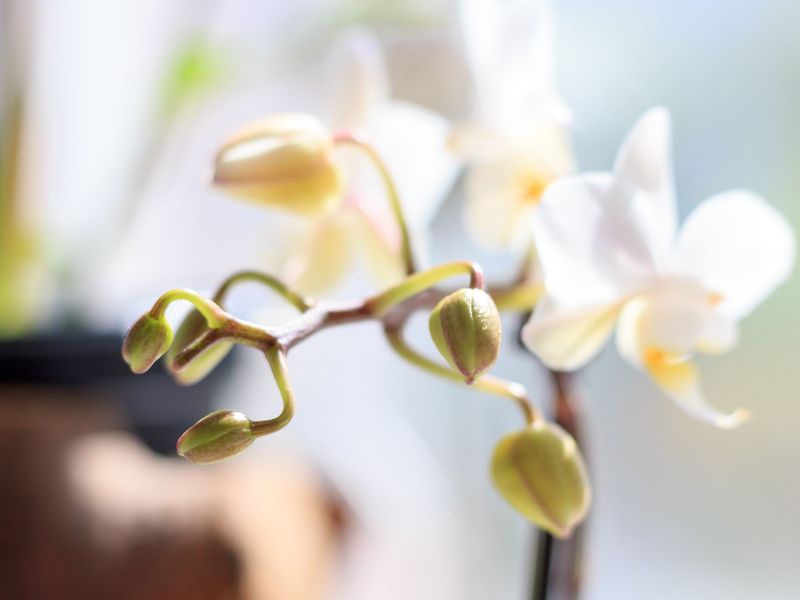
Orchid buds are incredibly sensitive to environmental changes and physical disturbance during development. Moving a budding orchid to a new location can cause bud blast. Many gardeners learned this heartbreaking lesson when all her buds dropped off overnight.
The plant had invested months of energy into those flowers. Once flower spikes appear, resist the temptation to move or rotate your orchid. Even turning the pot slightly can confuse the plant’s orientation to light.
Buds may yellow and fall off before opening if conditions change suddenly. Patience is absolutely essential during this critical blooming phase. Avoid touching buds with your fingers as oils and pressure can damage them.
Keep orchids away from high-traffic areas where they might get bumped accidentally. Anne places blooming orchids on stable surfaces away from curious pets and children. She also maintains consistent temperature and humidity levels during bud development.
If you must move a budding orchid, do so very carefully and gradually. Mark the pot’s orientation and place it facing the same direction. Some bud drop is natural as plants abort imperfect flowers themselves.
However, losing most or all buds signals environmental stress that needs correction. Give your orchids stability during February and they’ll reward you with spectacular blooms. Anne’s orchids bloom reliably every year with this hands-off approach.