Did You Know Roadside Salt Can End Up Damaging Your Plants In Massachusetts?
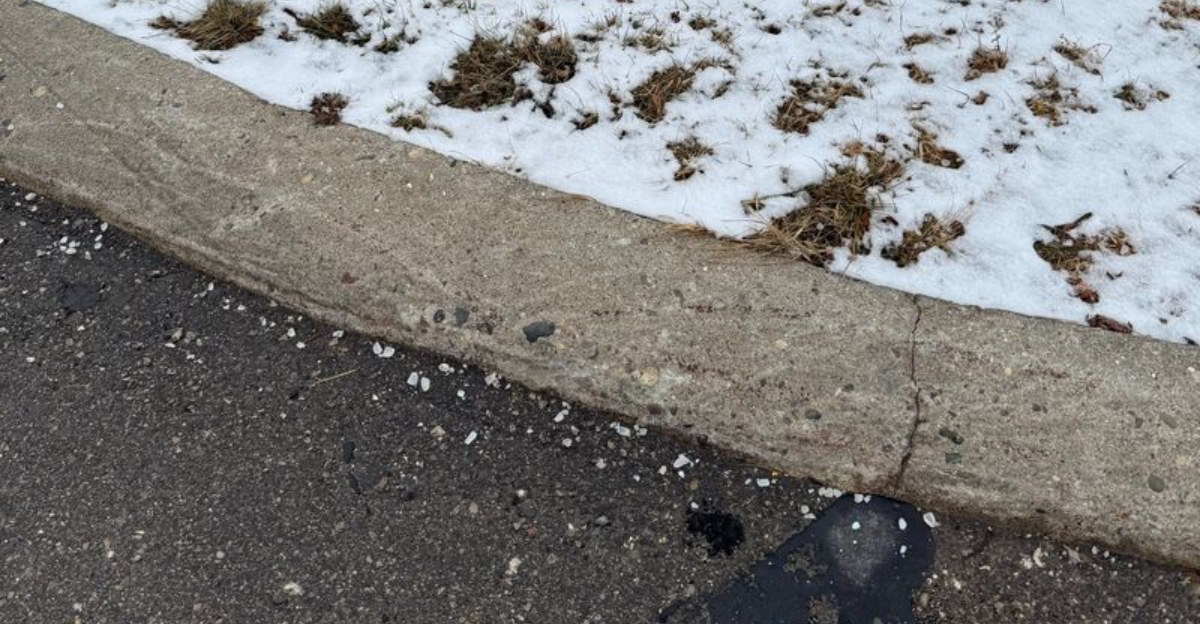
Winter in Massachusetts means snow, ice, and, unfortunately, road salt.
While it keeps streets safe, that salt doesn’t just disappear—it can wash into yards, gardens, and landscaping, silently harming your plants.
From leaf burn to soil toxicity, the effects of salt exposure can linger long after the last snow melts.
That safe road you drive every day could be slowly stressing your plants!
Roadside salt raises soil salinity, inhibits nutrient uptake, and can stunt growth in sensitive plants.
Even hardy perennials and shrubs aren’t immune if they’re close to salted roads or walkways.
Recognizing early signs—yellowing leaves, scorched edges, or stunted shoots—can save your garden before serious damage sets in.
It’s not the winter cold doing the damage—it’s what’s melting it.
Massachusetts gardeners who understand the risks can take proactive measures, like planting salt-tolerant species, creating barriers, or adjusting watering practices.
With a little foresight, your garden can survive the winter safely while roads stay clear.
Protect your plants now, so they flourish come spring!
Salt Spray Travels Farther Than You Think
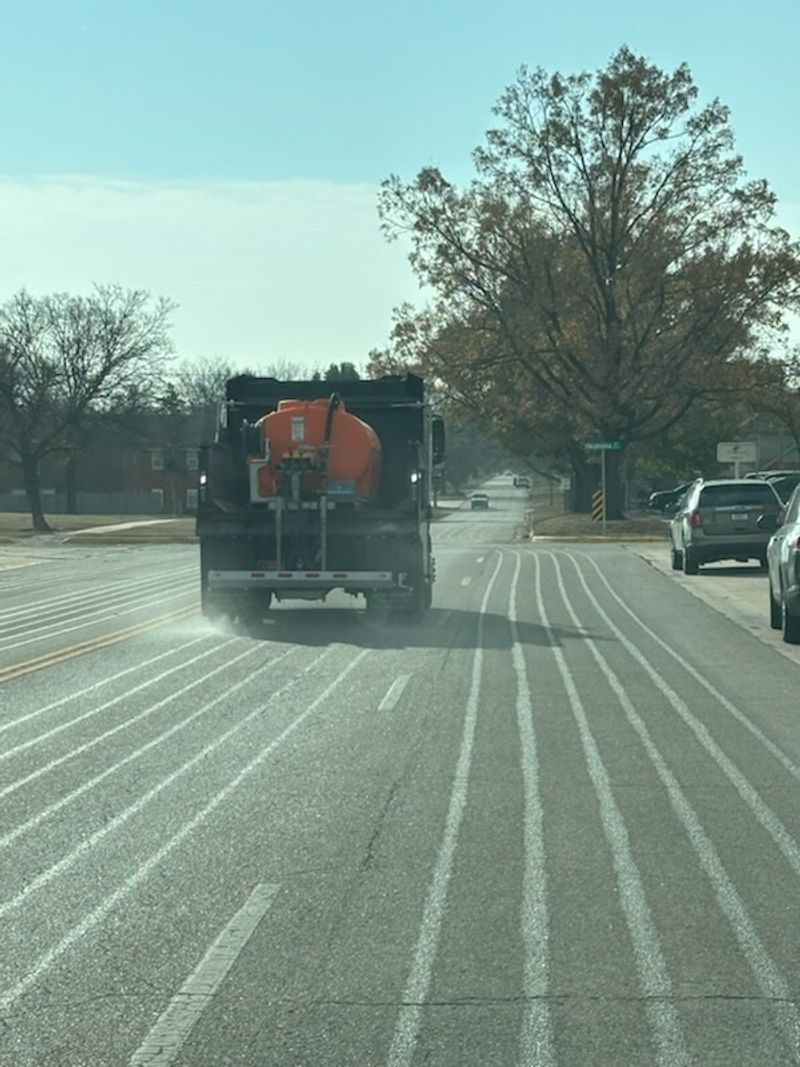
When trucks speed down Massachusetts roads spraying salt and brine, they create clouds of tiny particles that drift surprisingly far from the pavement.
Wind carries these salty droplets dozens of feet into yards, coating branches, leaves, and even garden beds that seem safely tucked away from the street.
Snowplows push slush and salt-laden snow into piles along curbs, and as cars zoom past, they splash this mixture onto nearby plants and grass.
Even plants twenty or thirty feet from the road can end up covered in a fine layer of salt residue during a single winter storm.
This airborne salt settles on everything in its path, clinging to bark, needles, and dormant buds.
Once spring arrives, you might notice browning or scorching on the side of shrubs facing the road, a telltale sign of salt spray damage.
Massachusetts winters often mean multiple storms and repeated treatments, so the problem compounds week after week.
Hedges, ornamental grasses, and young trees near streets become repeat targets.
Understanding how far salt can travel helps you plan protective measures and choose tougher plants for vulnerable spots in your landscape, giving your garden a fighting chance against winter’s salty side effects.
Salt Pulls Moisture Out Of Plant Roots
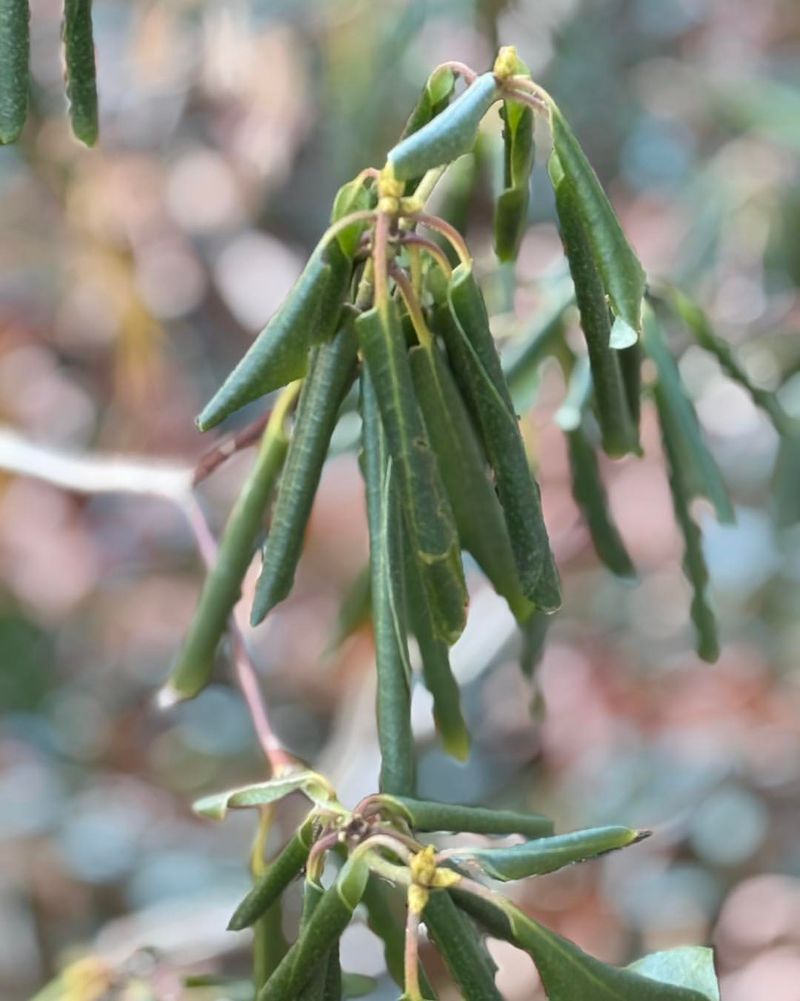
Roots need water to survive, but when salt accumulates in the soil around them, it creates a tricky chemical problem that prevents plants from drinking properly.
Salt changes the balance of moisture in the ground, making it harder for roots to pull water up into stems and leaves.
Instead of hydrating the plant, the salt actually draws moisture away from root tissues through a process called osmosis.
Picture trying to drink through a straw while someone else is pulling the liquid back down—that’s what happens to roots in salty soil.
This dehydration stress weakens plants and causes symptoms similar to drought, even when there’s plenty of moisture in the ground.
Evergreens are especially vulnerable because they keep their needles all winter and continue losing water through their foliage.
Massachusetts gardeners often notice browning on arborvitae, yews, and rhododendrons after harsh winters, mistaking it for cold damage when it’s actually salt-induced dehydration.
The roots simply couldn’t supply enough water to keep the needles and leaves healthy.
Over time, repeated dehydration weakens the entire plant, making it more susceptible to other problems like pests and disease, and reducing its overall vigor and beauty in your landscape.
Salt Changes Soil Structure And Drainage
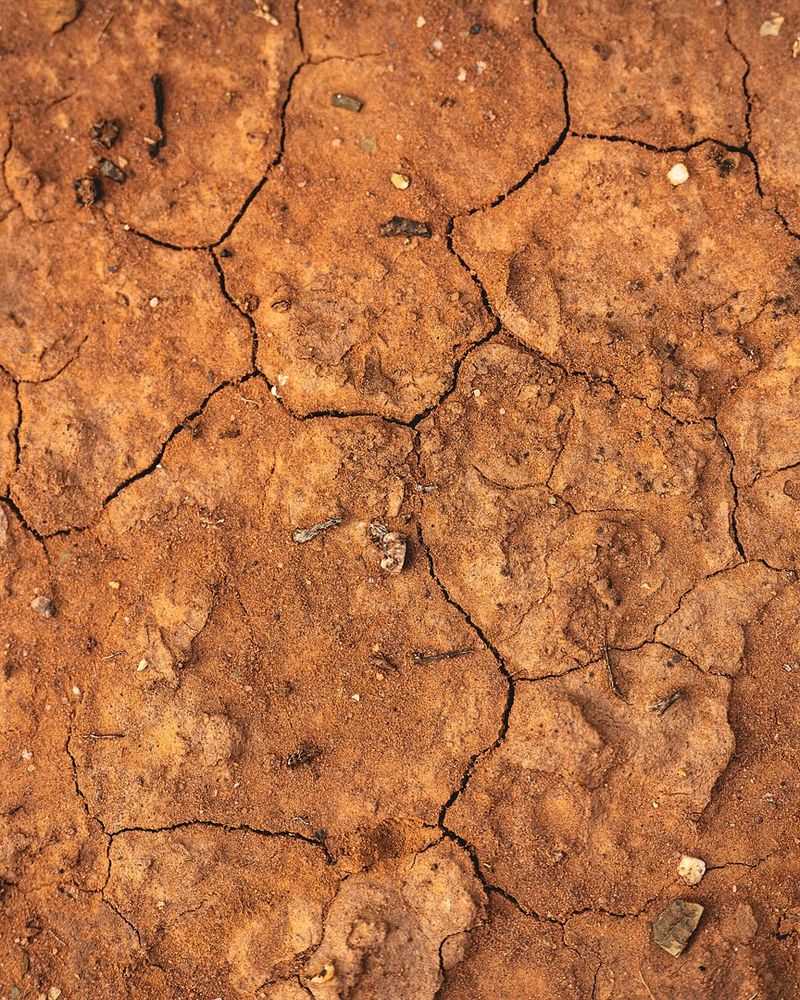
Healthy soil has a crumbly texture with tiny spaces between particles that allow air and water to move freely, but salt disrupts this delicate structure in ways that can last for years.
When sodium from road salt builds up in soil, it causes clay particles to clump together tightly, creating hard, compacted ground that roots struggle to penetrate.
Water can’t drain properly through compacted soil, leading to soggy conditions in wet weather and rock-hard surfaces when things dry out.
Massachusetts soils naturally contain a lot of clay in many areas, making them especially vulnerable to salt-related compaction problems.
Once soil structure breaks down, beneficial organisms like earthworms and helpful bacteria have a harder time doing their jobs.
The whole ecosystem underground starts to suffer, and plants can’t access the nutrients and oxygen they need to thrive.
Gardeners might notice puddles forming where water used to soak in easily, or they might find it difficult to dig in areas near driveways and roads.
Improving salt-damaged soil takes time and effort, often requiring amendments like compost and gypsum to help restore proper structure.
Preventing salt from reaching your soil in the first place saves you from years of remediation work and keeps your garden’s foundation healthy and productive.
Leaf And Needle Browning Is Often Salt Damage
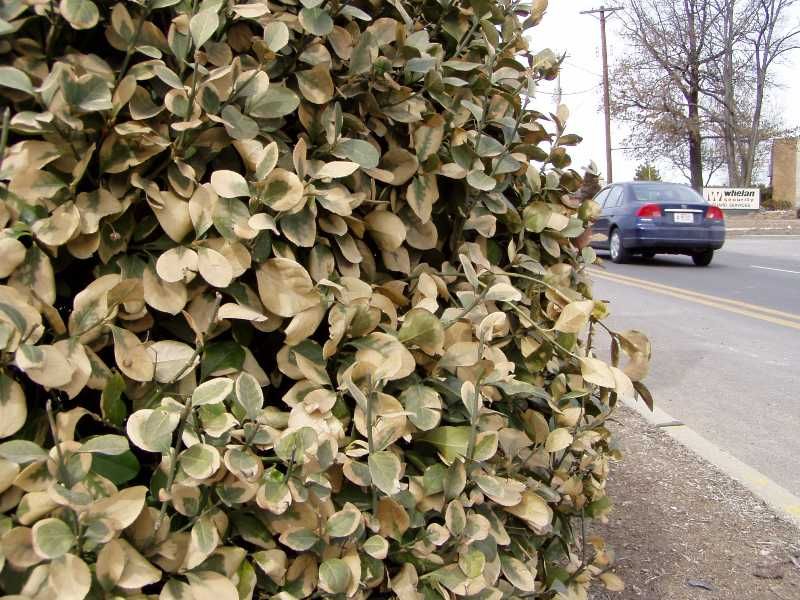
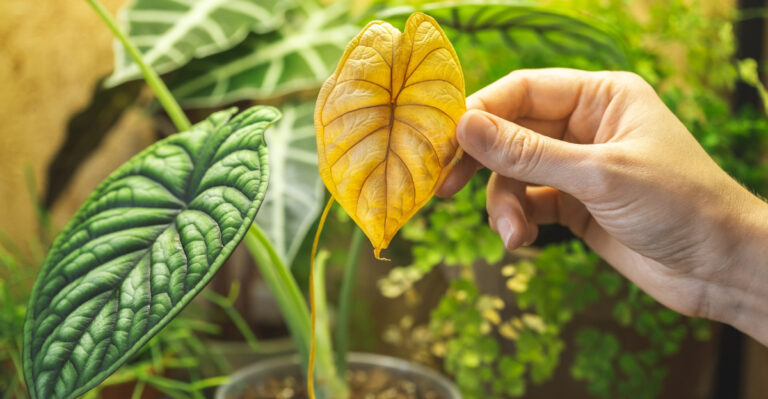
One of the most visible signs of salt injury appears as brown, scorched-looking edges on leaves and needles, especially on the side of plants facing the street.
This browning happens when salt spray lands directly on foliage or when roots absorb salt from the soil and transport it up into leaves.
The salt disrupts the delicate balance of moisture and nutrients inside plant cells, causing tissues to dry out and turn brown.
Evergreen shrubs like boxwoods, hollies, and junipers often show this damage first because they keep their foliage exposed all winter long.
By late winter or early spring, Massachusetts gardeners start noticing tips of branches turning tan or reddish-brown, sometimes affecting entire sides of otherwise healthy-looking plants.
The damage might not appear immediately after a storm but develops gradually as salt accumulates through multiple exposure events.
Some people mistake this browning for winter burn caused by cold winds, but salt damage has a distinct pattern, usually worse on the road-facing side and on lower branches where spray and splash are heaviest.
Once leaves and needles turn brown from salt, they won’t recover their green color, and the plant needs to grow new foliage to replace the damaged parts, setting back its appearance for months or even years.
Spring Growth Can Be Stunted By Winter Salt
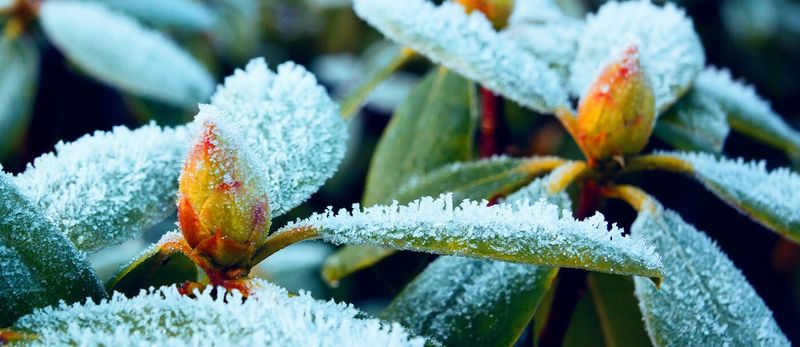
When warm weather finally arrives and plants should be bursting with fresh growth, salt-damaged specimens often lag behind, producing smaller leaves, fewer flowers, and shorter new shoots than usual.
The stress plants endured during winter from salt exposure depletes their energy reserves and damages root systems, leaving them with less vigor to fuel spring growth.
You might notice that shrubs near your driveway or street look sparse and weak compared to the same varieties planted farther from salt sources.
Perennials that should emerge strong and healthy might come up patchy or thin, with gaps where plants failed to return at all.
Trees can show stunted twig growth and smaller leaf size, making them look stressed and unhealthy throughout the growing season.
This delayed or reduced growth affects not just appearance but also the plant’s ability to photosynthesize and build strength for the next winter.
Massachusetts gardeners who depend on spring blooms for curb appeal and pollinator support find this particularly frustrating, as salt-stressed plants often produce fewer flowers or skip blooming entirely.
The effects can cascade through multiple seasons, with each winter’s salt exposure weakening plants further and making recovery slower.
Protecting plants from winter salt helps ensure they bounce back vigorously when spring arrives, giving you the lush, colorful garden you’ve been waiting for all winter long.
Salt Builds Up Over Multiple Winters
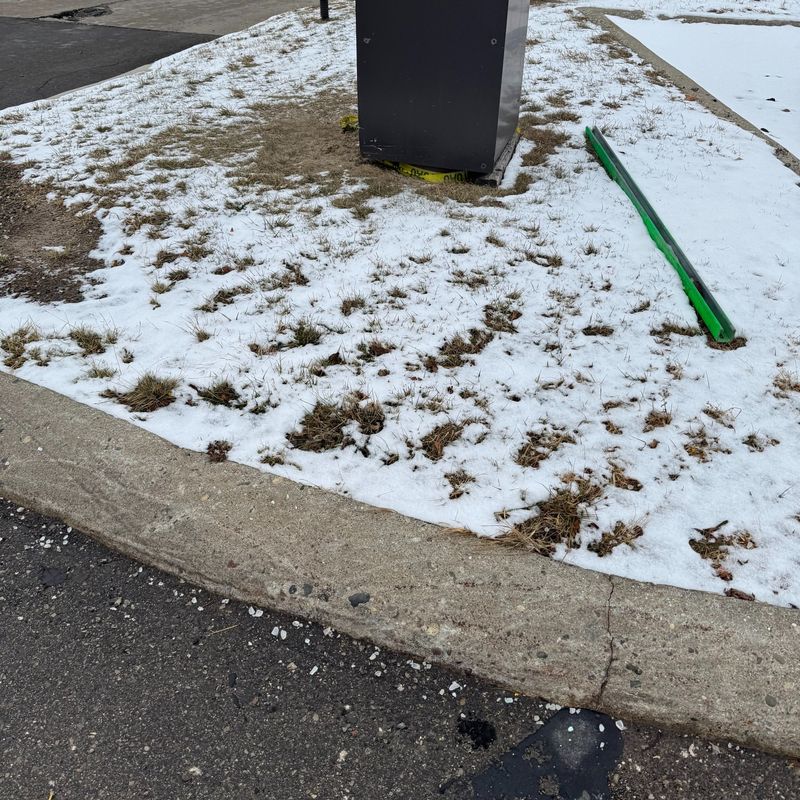
A single winter’s worth of salt might cause some temporary stress, but the real trouble starts when salt accumulates year after year in the same spots.
Each season adds more sodium and chloride to the soil, and without intervention, these levels climb higher and higher, creating increasingly toxic conditions for plant roots.
Massachusetts landscapes near busy roads or heavily salted driveways can develop soil salt concentrations that make it nearly impossible for sensitive plants to survive.
Unlike fertilizers or other amendments that plants use up or that break down over time, salt doesn’t disappear easily from soil.
It stays put unless heavy rain or intentional flushing washes it deeper into the ground or away from root zones.
In areas with poor drainage or compacted soil, salt can linger for years, creating long-term problems that affect every plant you try to grow in that location.
Gardeners often wonder why new plantings fail in certain spots year after year, not realizing the soil has become chronically contaminated with road salt.
Testing your soil for salt content can reveal hidden problems and help you understand whether remediation is needed before you invest in new plants.
Breaking the cycle of salt buildup requires both prevention and active management, including choosing appropriate plants and improving drainage to help flush accumulated salt away from sensitive root zones.
Lawns Near Roads Are Especially Vulnerable
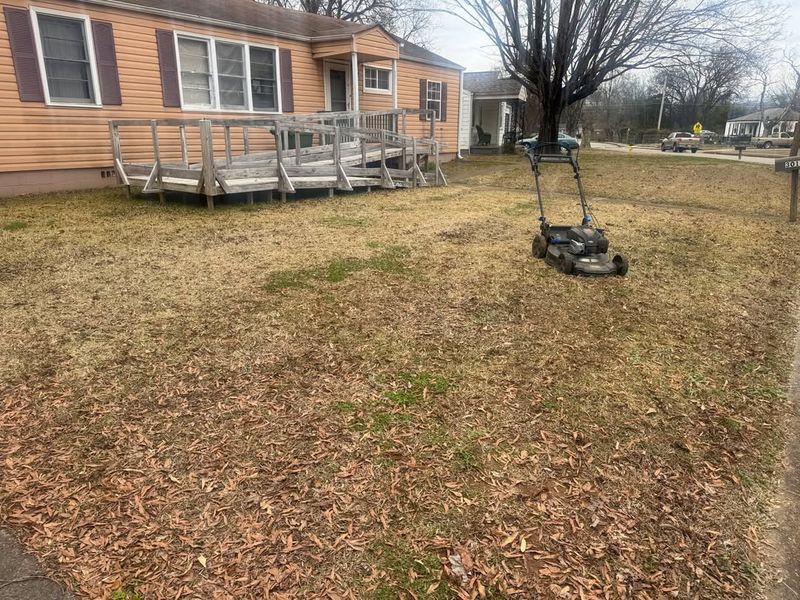
Turfgrass along streets and driveways takes a serious beating from road salt, often developing brown strips and thin patches that refuse to green up in spring.
Grass roots sit relatively shallow in the soil, making them especially vulnerable to salt that accumulates in the top few inches where most road salt ends up.
When snowplows push salt-laden snow onto lawn edges, they create concentrated doses that overwhelm grass plants quickly.
Massachusetts homeowners frequently notice that the first few feet of lawn closest to the road look scraggly and weak while the rest of the yard stays thick and healthy.
Salt damage on lawns often gets blamed on winter cold or dog urine, but the pattern of damage—typically in strips parallel to the road—reveals the true culprit.
Grass species vary in their salt tolerance, but even tougher types struggle when salt levels get high enough.
Repairing salt-damaged turf requires more than just overseeding; you need to address the salt in the soil first through flushing with water or adding amendments to help displace sodium.
Some gardeners choose to replace roadside grass with more salt-tolerant groundcovers or create buffer plantings that protect the lawn from direct salt exposure.
Understanding your lawn’s vulnerability helps you plan smarter landscaping choices and maintenance strategies that work with Massachusetts winter realities instead of fighting against them.
Salt Forces Plants To Take Up Toxic Ions
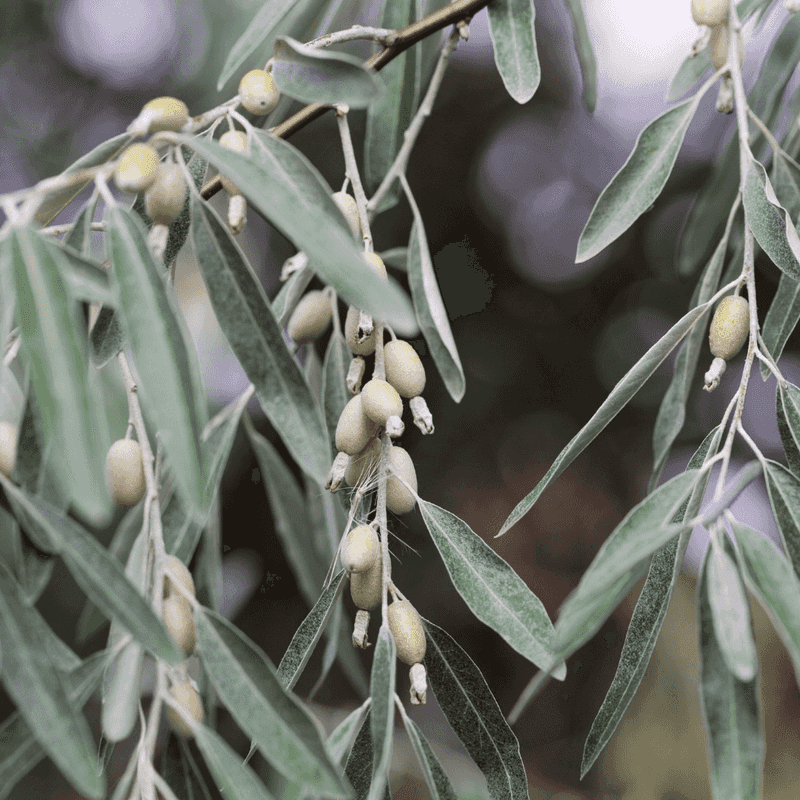
Plants absorb nutrients from soil through their roots, but when salt is present, they can accidentally take up sodium and chloride ions that actually harm them instead of helping them grow.
These toxic ions interfere with the plant’s ability to absorb essential nutrients like potassium, calcium, and magnesium, creating deficiencies even when those nutrients are plentiful in the soil.
Imagine trying to eat a healthy meal while someone keeps shoving junk food in your mouth—that’s what happens to plants in salty soil.
Sodium and chloride don’t just block nutrient uptake; they also accumulate in leaves and stems, disrupting normal cell functions and causing tissue damage from the inside out.
Chloride is particularly nasty because it moves easily through plants and concentrates in leaf margins, where it causes the characteristic brown edges and tip burn associated with salt damage.
Massachusetts gardeners see this most often on broadleaf evergreens and ornamental shrubs near roads.
The nutritional imbalances caused by salt uptake weaken plants over time, making them more susceptible to diseases, insect problems, and environmental stress.
A plant struggling with toxic ion buildup can’t photosynthesize efficiently or produce strong new growth, leading to an overall decline that might take seasons to become fully apparent.
Protecting plants from salt exposure helps ensure they can access the nutrition they need to stay vigorous and resilient through all the challenges Massachusetts weather throws their way.
Some Plants Are More Sensitive Than Others
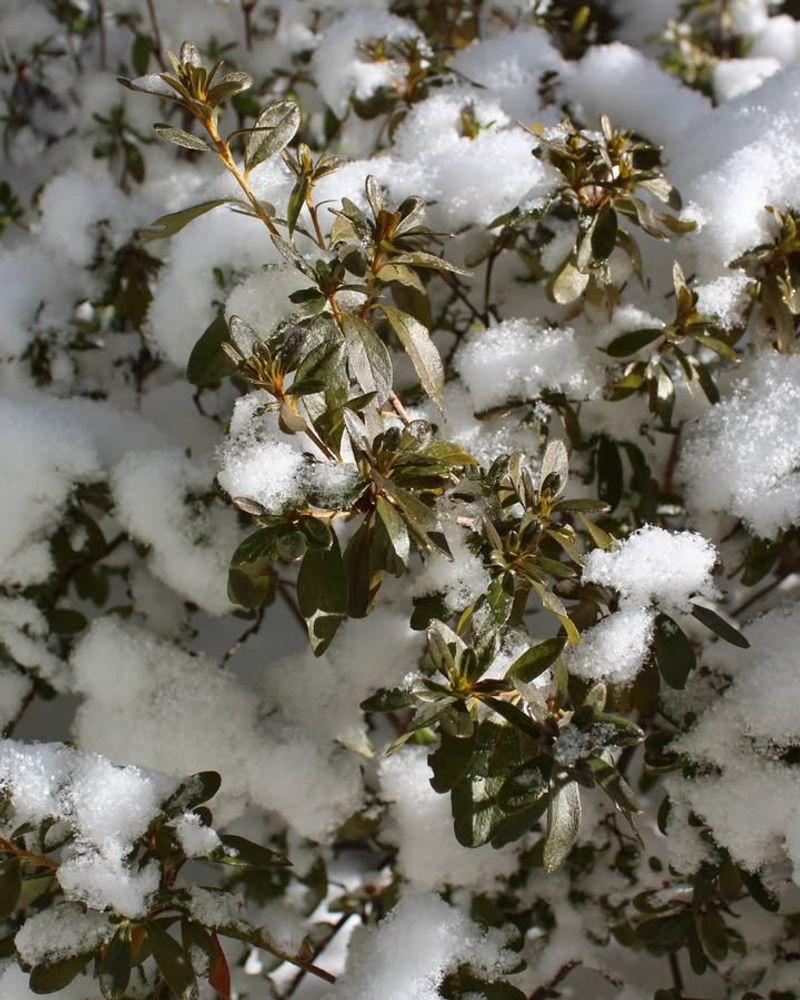
Not all plants react to salt the same way; some species wilt and brown at the first hint of sodium while others shrug off salt exposure like it’s no big deal.
Massachusetts gardeners who understand these differences can make smarter choices about what to plant near roads and driveways, saving themselves frustration and replacement costs.
Highly sensitive plants like sugar maples, red maples, dogwoods, and most rhododendrons show damage quickly when exposed to even moderate salt levels.
Azaleas, hemlock trees, and many flowering perennials also struggle in salty conditions, developing symptoms after just one or two winters of exposure.
These plants evolved in environments where salt wasn’t a problem, so they lack the mechanisms to cope with it effectively.
On the other hand, plants native to coastal areas or naturally salt-tolerant species can handle roadside conditions much better.
If you have sensitive plants already established near salt sources, consider adding physical barriers like burlap screens or snow fencing to protect them during winter.
For new plantings, choosing tougher alternatives saves you from watching favorite plants decline year after year.
Massachusetts Extension services and local nurseries can recommend salt-tolerant options that still provide beauty and function in your landscape.
Matching plant selection to site conditions, including salt exposure, is one of the most important principles of successful gardening in areas where winter road maintenance is a fact of life.
How Massachusetts Gardeners Can Reduce Salt Damage
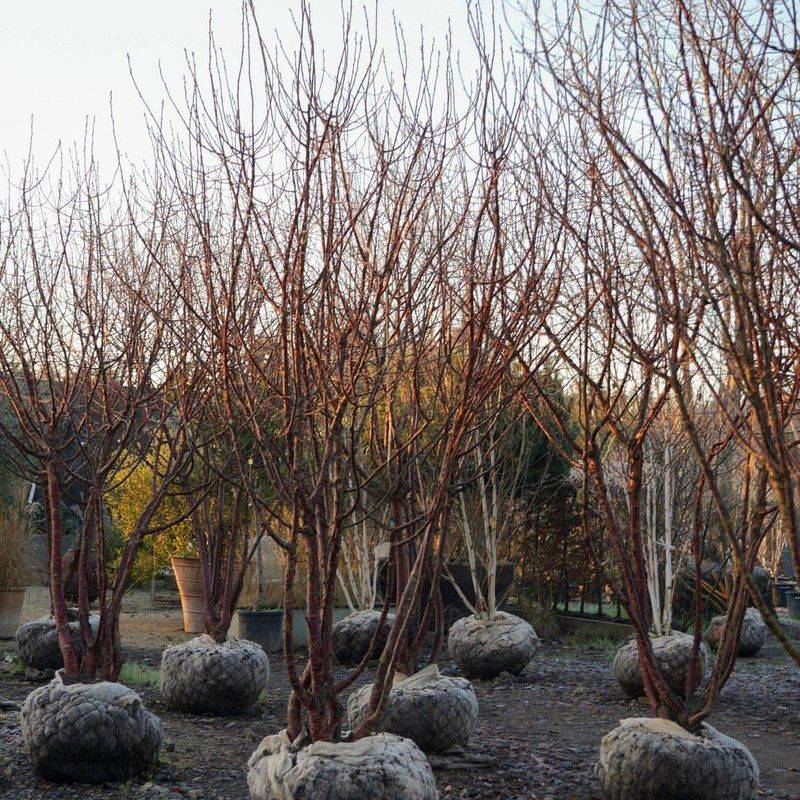
Protecting your plants from road salt doesn’t require expensive solutions or major landscape overhauls—just smart planning and a few practical strategies that work with your site’s conditions.
Start by creating physical barriers between salt sources and vulnerable plants: burlap screens, snow fencing, or even strategically placed boulders can block spray and deflect slush away from sensitive specimens.
Installing these barriers before winter storms arrive gives your plants protection all season long.
Flushing salt from soil is another powerful tool, especially in early spring when snow melts and you can apply extra water to help leach accumulated salt deeper into the ground, away from root zones.
Running a sprinkler for several hours on affected areas helps dilute and move salt downward where it causes less harm.
Adding organic matter like compost improves soil structure and helps roots cope with salt stress more effectively.
Choosing salt-tolerant plants for high-risk areas near roads and driveways eliminates much of the problem from the start.
Consider species like serviceberry, bayberry, switchgrass, and Russian sage that naturally handle salty conditions better.
You can also work with your town to explore alternative de-icing products or request reduced salt application near particularly vulnerable landscaping.
With attention and care, Massachusetts gardeners can enjoy beautiful landscapes even in areas where winter salt is unavoidable, turning a challenging situation into an opportunity for creative, resilient garden design.