Did You Know These Backyard Crops In Oregon Are Actually Illegal
Oregon gardens are fertile and diverse, but not every crop is legal to grow at home. Some plants are restricted due to invasive tendencies, environmental concerns, or state regulations, and many gardeners unknowingly break the law by planting them.
Your backyard bounty could get you into trouble without you even realizing it! Certain vegetables, herbs, and exotic species are prohibited without proper permits. Ignoring these rules can lead to fines, mandatory removal, or legal consequences.
Understanding which crops are off-limits ensures your garden remains productive, safe, and fully compliant with Oregon regulations. Not every plant belongs in your yard—knowledge is the best defense!
Oregon gardeners who follow these guidelines can enjoy thriving gardens while staying on the right side of the law. Grow smart, protect your garden, and avoid unnecessary legal headaches.
Your backyard can flourish safely, with the right plant choices!
Camelthorn (Alhagi Pseudalhagi)
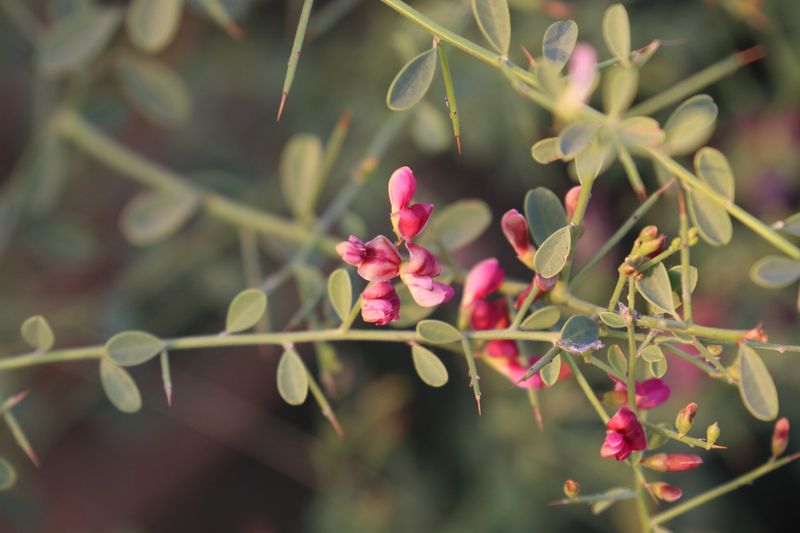
Camelthorn might sound exotic and intriguing, but this perennial shrub is anything but garden-friendly in Oregon.
Originating from arid regions of Asia and the Middle East, this plant has earned a notorious reputation for its aggressive colonization of disturbed soils, pastures, and agricultural lands.
Its deep taproot system can extend over twenty feet into the ground, making it nearly impossible to remove once established, and allowing it to access water sources that other plants cannot reach.
Oregon law specifically targets camelthorn for exclusion and eradication because of the serious threat it poses to farming operations and natural habitats.
The plant produces sharp thorns that can injure livestock and humans alike, while its dense growth crowds out valuable forage crops and native vegetation.
Once camelthorn takes hold in an area, it forms impenetrable thickets that reduce land productivity and biodiversity.
Landowners who discover camelthorn on their property are legally required to report it and take measures to eliminate it. The Oregon Department of Agriculture monitors this invasive species closely and provides resources for identification and control.
If you’re unsure whether a thorny shrub in your yard might be camelthorn, it’s essential to contact your local extension office for proper identification and guidance on legal removal methods.
Cape-Ivy (Delairea Odorata)
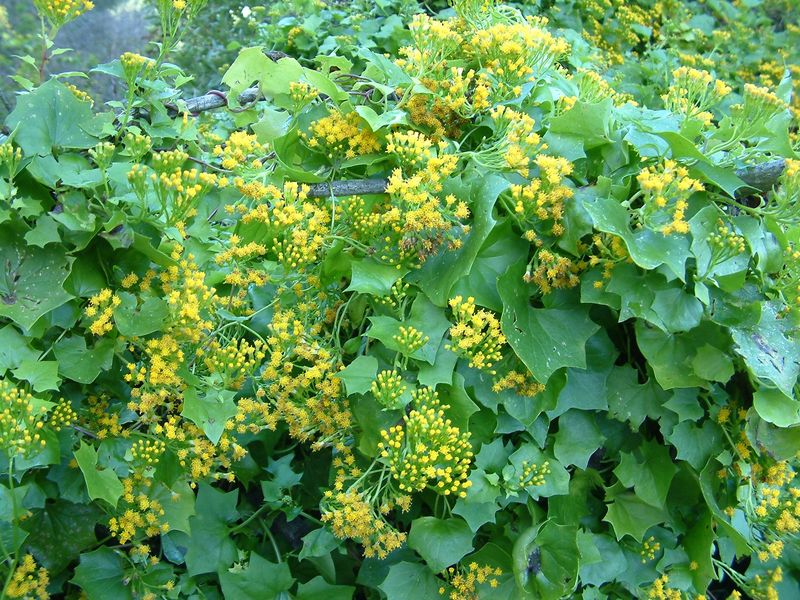
With its cheerful yellow flowers and heart-shaped leaves, cape-ivy might initially seem like an attractive groundcover option for shady spots in your garden. However, this South African native is a botanical menace that Oregon has officially blacklisted as a noxious weed.
The plant’s deceptively pretty appearance hides its sinister ability to smother everything in its path, climbing over shrubs, trees, and native plants with alarming speed.
Cape-ivy thrives in Oregon’s coastal regions and mild western valleys, where it can grow year-round without the natural predators that keep it in check in its native habitat.
The vine reproduces both by seed and by stem fragments, meaning even small pieces left behind during removal efforts can regenerate into new infestations. It releases compounds that may inhibit the growth of other plants, giving it an unfair competitive advantage in natural areas.
Oregon law prohibits the cultivation, sale, and transportation of cape-ivy throughout the state. If you spot this vine taking over your backyard or neighborhood greenspaces, you’re actually obligated to control it.
Early detection and removal are crucial, as established populations require significant effort and resources to manage effectively, often involving repeated manual removal sessions or carefully applied herbicide treatments.
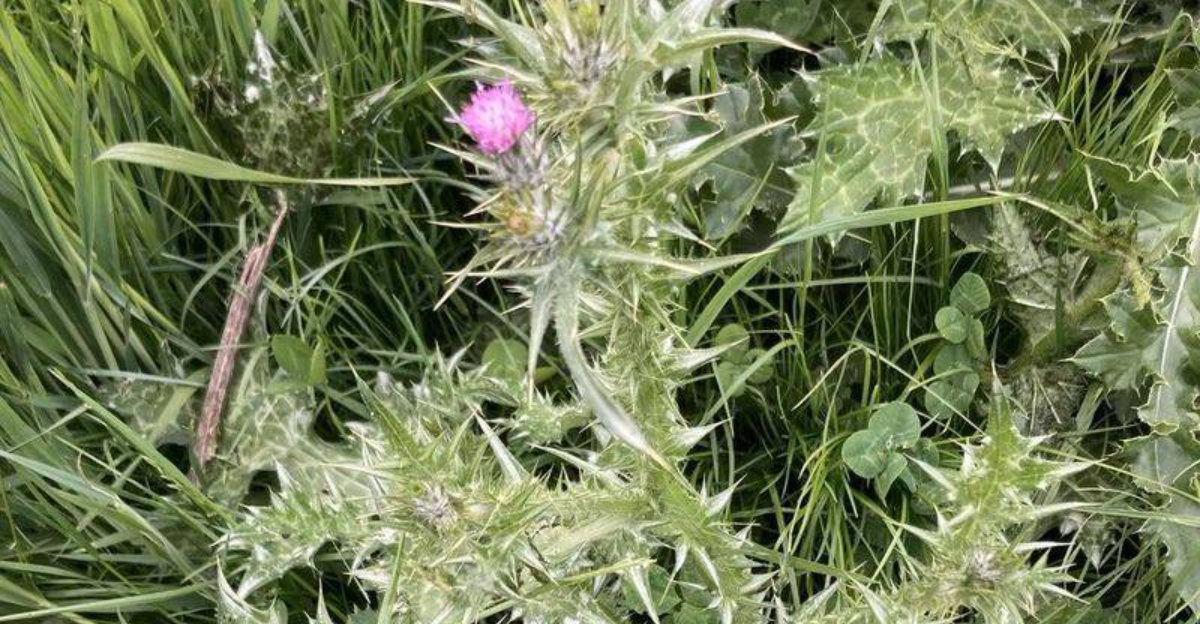
Canada Thistle (Cirsium Arvense)
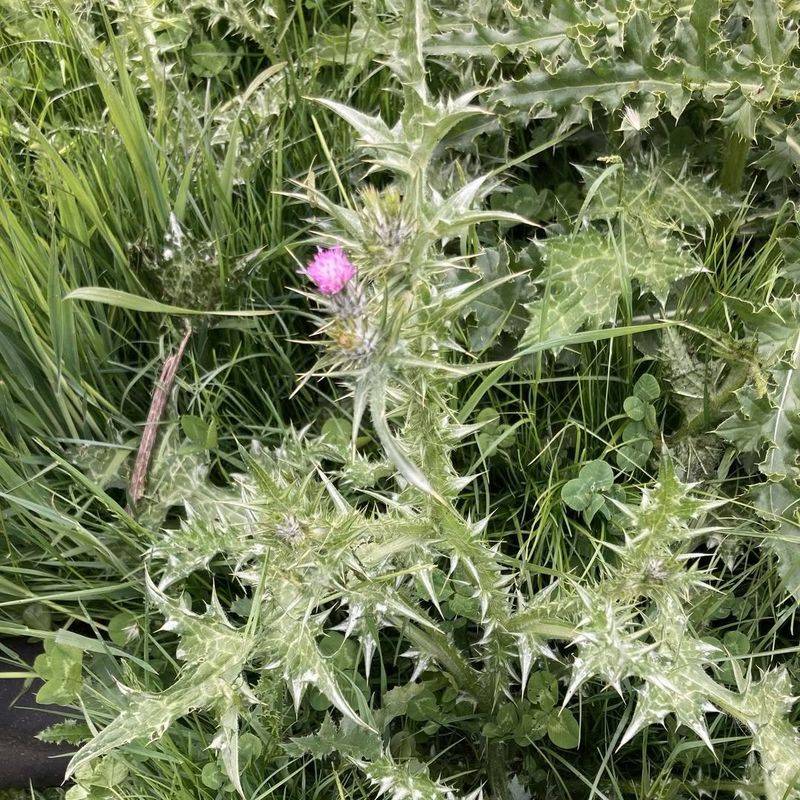
Despite its name suggesting northern origins, Canada thistle has been causing headaches for Oregon gardeners and farmers for generations. This perennial invader has been outlawed in Oregon for many years, yet it continues to pop up in gardens, crop fields, and pastures across the state.
The plant’s persistence stems from its remarkable dual reproduction strategy, spreading both through wind-dispersed seeds and an extensive underground root system that can extend horizontally for fifteen feet or more.
Canada thistle forms dense colonies that outcompete desirable garden plants and agricultural crops for water, nutrients, and sunlight. Its prickly leaves and stems make it unpleasant to handle, and the plant can quickly take over neglected areas of your property.
A single plant can produce thousands of seeds annually, each capable of remaining viable in the soil for over twenty years, creating a persistent seed bank that makes eradication extremely challenging.
Oregon law requires property owners to prevent Canada thistle from producing seed and spreading to neighboring lands. Control methods must be persistent and strategic, often combining mechanical removal, targeted herbicide application, and ongoing monitoring.
Simply mowing or cutting the plants isn’t enough, as the extensive root system will quickly send up new shoots, sometimes in even greater numbers than before the disturbance.
Biddy-Biddy (Acaena Novae-Zelandiae)
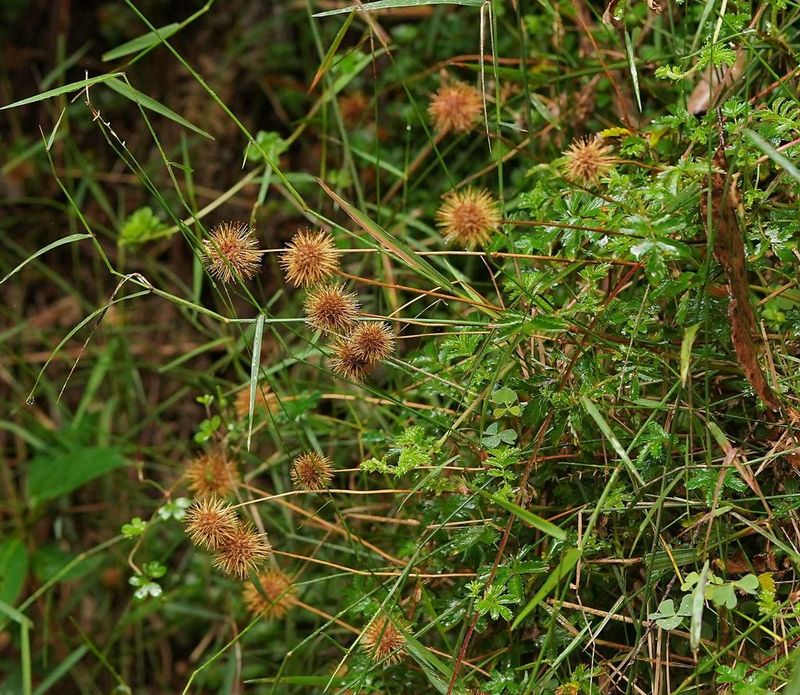
Biddy-biddy carries an adorable name that completely belies its troublesome nature in Oregon landscapes.
This low-growing groundcover from New Zealand produces distinctive spherical seed heads covered in hooked spines that cling to clothing, fur, and feathers, allowing the plant to hitchhike across vast distances.
What might start as a small patch in your backyard can quickly spread throughout your property and beyond, displacing native groundcovers and wildflowers that provide essential habitat for local wildlife.
The plant forms dense mats that can completely carpet the ground, preventing native species from establishing and reducing biodiversity in natural areas.
Oregon has officially designated biddy-biddy as a noxious weed, recognizing the significant ecological damage it causes when it escapes cultivation and invades sensitive habitats.
The spiny seed heads are not just a nuisance for humans and pets; they can also cause injury to wildlife and livestock. Property owners who find biddy-biddy growing on their land should take immediate action to prevent its spread.
The plant is particularly problematic in coastal areas and moist environments where it thrives in Oregon’s climate.
Removal should be thorough, including the root system, and the site should be monitored regularly for regrowth. Seeds can remain viable in the soil for several years, so follow-up control measures are essential to prevent reinfestation.
Afghan/Armenian (Himalayan) Blackberry — Invasive Populations
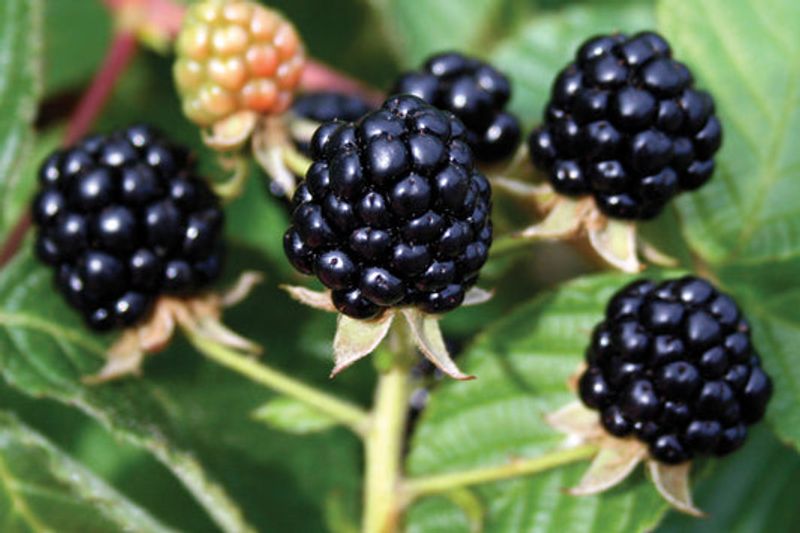
Blackberry picking is a beloved Oregon summer tradition, but not all blackberries are created equal or legally acceptable. The Himalayan blackberry, despite producing delicious fruit, has become one of the most problematic invasive plants in the Pacific Northwest.
While the situation is complex and varies by county, many Oregon districts require landowners to control invasive blackberry populations on their property, and some jurisdictions specifically prohibit allowing these plants to spread unchecked.
Himalayan blackberry forms impenetrable thickets that can grow over twenty feet tall, completely transforming landscapes and making affected areas virtually impassable.
The canes are armed with fierce thorns and can root wherever they touch the ground, allowing the plant to expand rapidly across open ground.
These invasive thickets crowd out native vegetation, reduce wildlife habitat quality, and create fire hazards during dry summer months when the dead canes become extremely flammable.
The legal status of Himalayan blackberry in Oregon is nuanced because while it’s not banned statewide, many local ordinances require property owners to prevent its spread onto neighboring properties or public lands.
Before you celebrate that wild blackberry patch in your backyard, check with your county extension office about local regulations.
You may be required to maintain control measures, especially if your property borders natural areas, waterways, or agricultural lands where the plant’s spread could cause significant ecological or economic damage.
African Rue (Peganum Harmala)
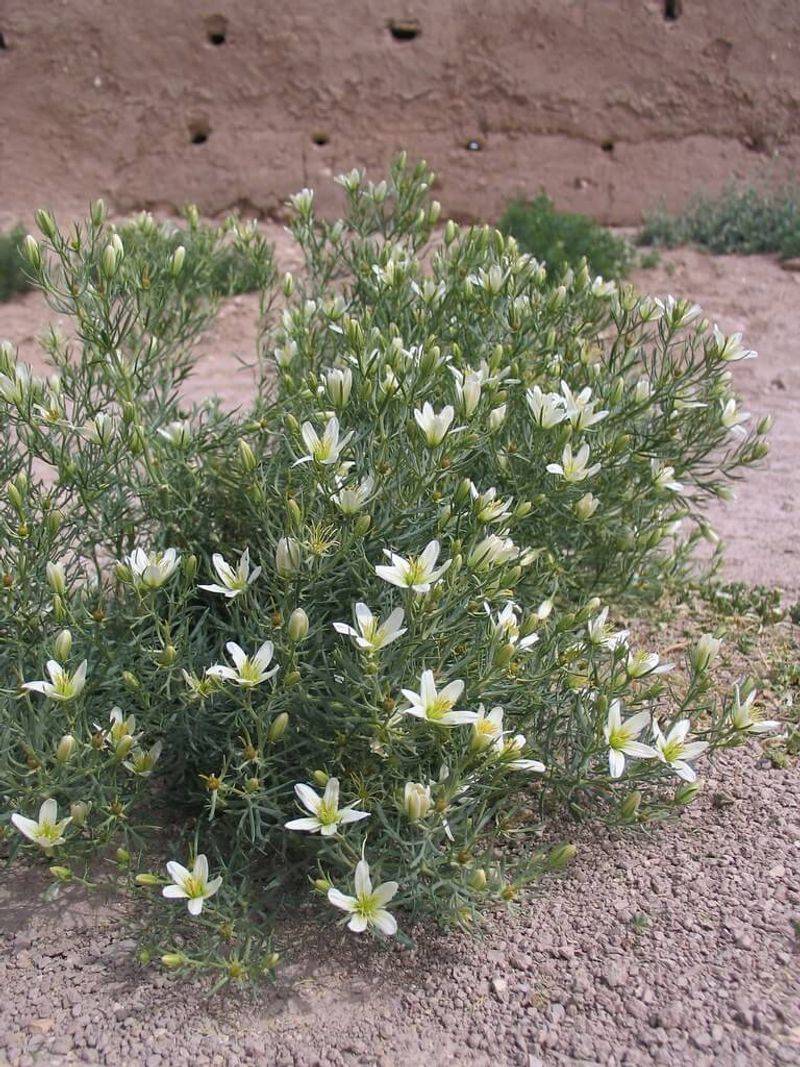
African rue presents a fascinating case of a plant that some cultures have valued for centuries but that Oregon law strictly prohibits.
This bushy perennial produces attractive white flowers and distinctive seed capsules, and it has been used in traditional medicine and dye-making in various parts of the world.
However, Oregon has placed African rue on its “A” noxious weed list, the most restrictive category, which means any introduction or spread of this plant must be actively prevented throughout the state.
The plant poses multiple concerns that justify its strict legal status. African rue contains alkaloids that can be toxic to livestock and potentially harmful to humans, making it a public health concern in addition to an ecological threat.
It thrives in disturbed soils and can quickly colonize roadsides, rangelands, and waste areas, forming dense stands that displace native vegetation and reduce forage quality for wildlife and domestic animals.
Under Oregon law, you cannot legally cultivate, sell, transport, or knowingly allow African rue to spread on your property. If you discover this plant growing in your yard or on land you manage, you’re required to take immediate steps to eradicate it and prevent seed production.
The “A” designation means this is a priority species for prevention and early detection, so reporting new infestations to the Oregon Department of Agriculture helps protect the entire state from further spread of this problematic plant.
Common Frogbit (Hydrocharis Morsus-Ranae)
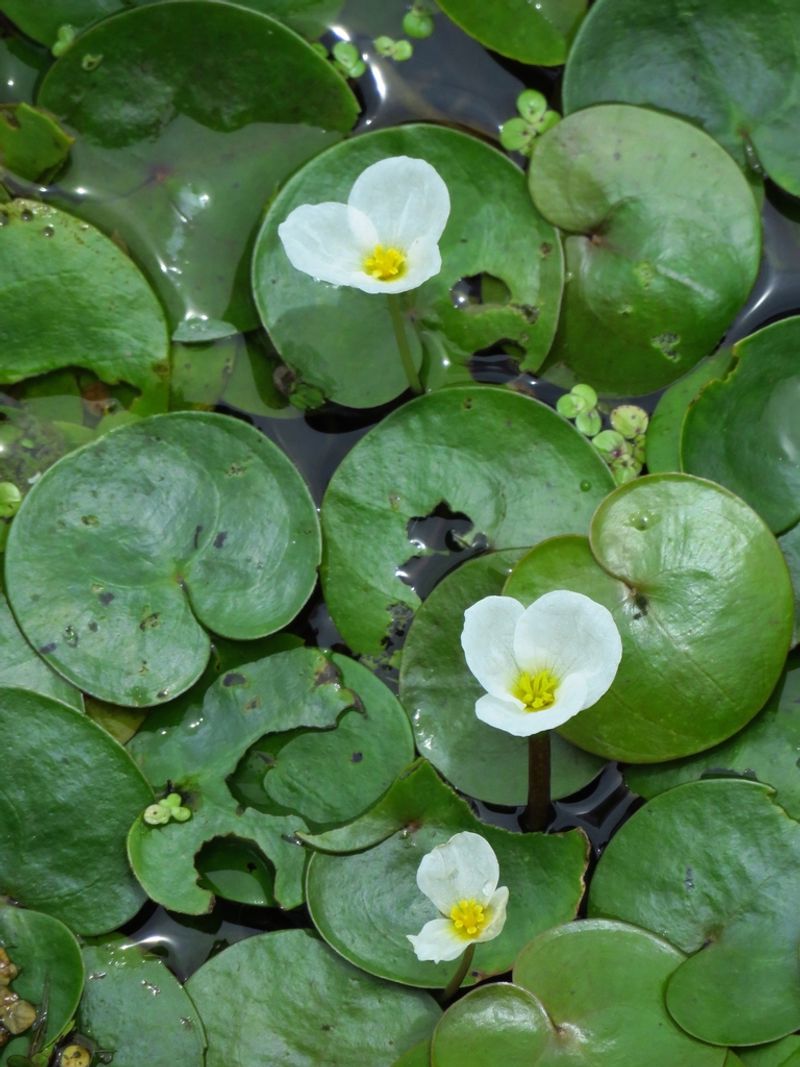
Common frogbit might look charming floating on the surface of a pond with its small white flowers and lily-pad-like leaves, but this aquatic invader is anything but harmless.
Oregon has designated common frogbit as an “A” noxious weed, meaning it’s illegal to intentionally introduce this plant into any water body within the state.
The plant originates from Europe and Asia, where natural predators and competitors keep its growth in check, but in Oregon waters, it faces few limitations to its explosive reproduction.
The primary concern with common frogbit is its ability to completely cover the surface of ponds, lakes, and slow-moving waterways, creating a dense mat that blocks sunlight from reaching submerged aquatic plants.
This shading effect disrupts the entire aquatic ecosystem, reducing oxygen levels in the water and creating unsuitable habitat for native fish, amphibians, and invertebrates.
The plant reproduces rapidly through vegetative fragments, and even small pieces can establish new colonies, making it extremely difficult to control once established.
Oregon’s strict prohibition on common frogbit means you cannot stock it in your backyard pond, no matter how attractive it might seem for a water garden feature.
If you purchase aquatic plants from out-of-state sources or online retailers, carefully inspect them to ensure common frogbit isn’t hitchhiking along.
Early detection is critical for preventing widespread infestations, so if you spot this floating plant in local waterways, report it immediately to your regional invasive species coordinator.
Camel-Grass (Brachypodium Species)
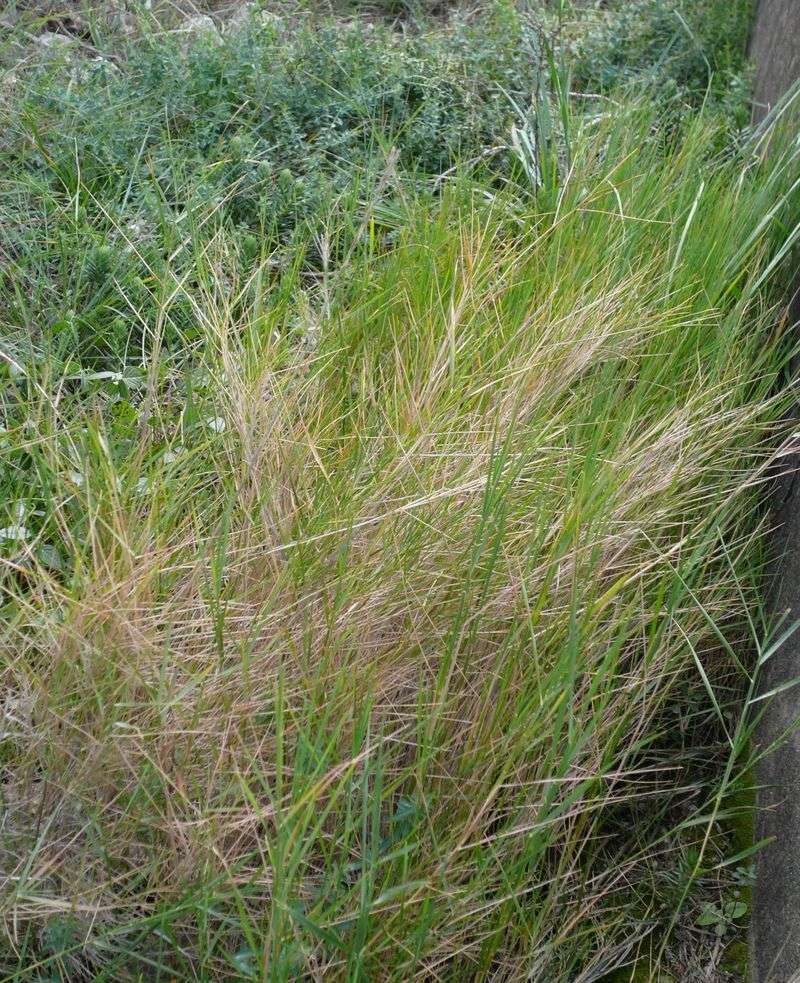
Camel-grass represents a growing concern for Oregon landowners, as several Brachypodium species have proven to be highly invasive in the Pacific Northwest.
These perennial grasses might not look particularly threatening at first glance, but their ability to form dense monocultures makes them formidable competitors against native grasses and wildflowers.
Once established, camel-grass can completely transform natural areas, yards, and pastures, reducing plant diversity and altering fire regimes in ways that favor further grass invasion.
False brome, one of the most problematic Brachypodium species in Oregon, spreads through both seeds and vegetative reproduction, allowing it to expand rapidly across landscapes.
The grass produces copious amounts of seed that remain viable for several years, building up a persistent seed bank in the soil.
It tolerates a wide range of conditions, from deep shade to full sun, and from moist to relatively dry soils, making it adaptable to many Oregon habitats.
Oregon regulations require control of certain invasive grass species, including problematic Brachypodium varieties, particularly when they threaten native plant communities or agricultural lands.
If you’re dealing with an unfamiliar grass taking over your property, professional identification is essential because management strategies differ depending on the specific species involved.
Early intervention provides the best chance of successful control, as established camel-grass infestations require years of persistent management effort to suppress and may never be completely eradicated without ongoing vigilance.
Coltsfoot (Tussilago Farfara)
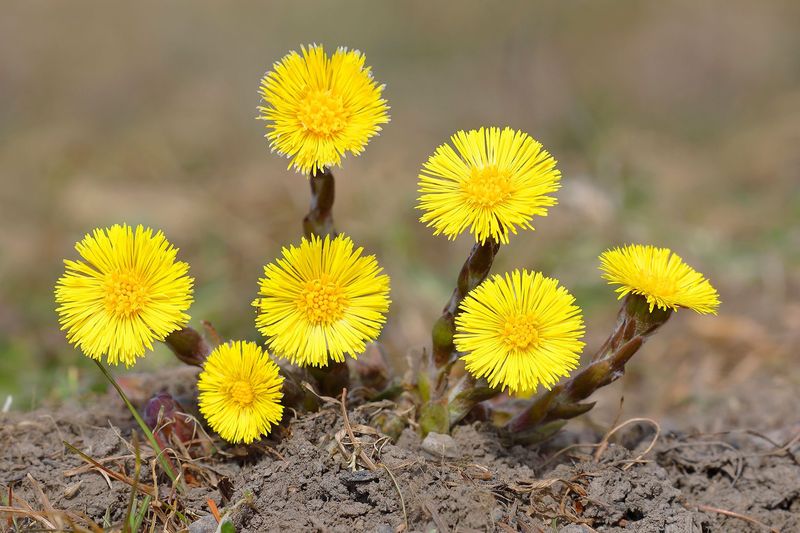
Coltsfoot presents an interesting contradiction: it has been valued in herbal medicine traditions for centuries, yet Oregon considers it a priority noxious weed that requires control.
This perennial plant is easily recognized by its bright yellow flowers that appear in early spring before the leaves emerge, resembling small dandelions.
The large, hoof-shaped leaves that follow give the plant its common name, but this charming appearance masks an aggressive spreader that can quickly dominate disturbed ground and garden beds.
The plant reproduces both by wind-dispersed seeds and by extensive underground rhizomes that can spread horizontally for considerable distances.
A single coltsfoot plant can produce thousands of seeds, each equipped with a fluffy parachute that allows it to travel on the wind.
The rhizomes fragment easily, meaning that tilling or digging can actually worsen an infestation by spreading pieces that each develop into new plants.
Oregon has placed coltsfoot on noxious weed priority lists because of its ability to form dense patches that exclude native vegetation and reduce biodiversity in natural areas.
The plant contains compounds that can be toxic to livestock and may pose health risks to humans, adding to concerns about its presence in pastures and near residential areas.
If you discover coltsfoot establishing in your yard, immediate action is warranted, as early infestations are much easier to manage than mature populations with extensive rhizome networks.
Dense-Flowered Saltmeadow Cordgrass
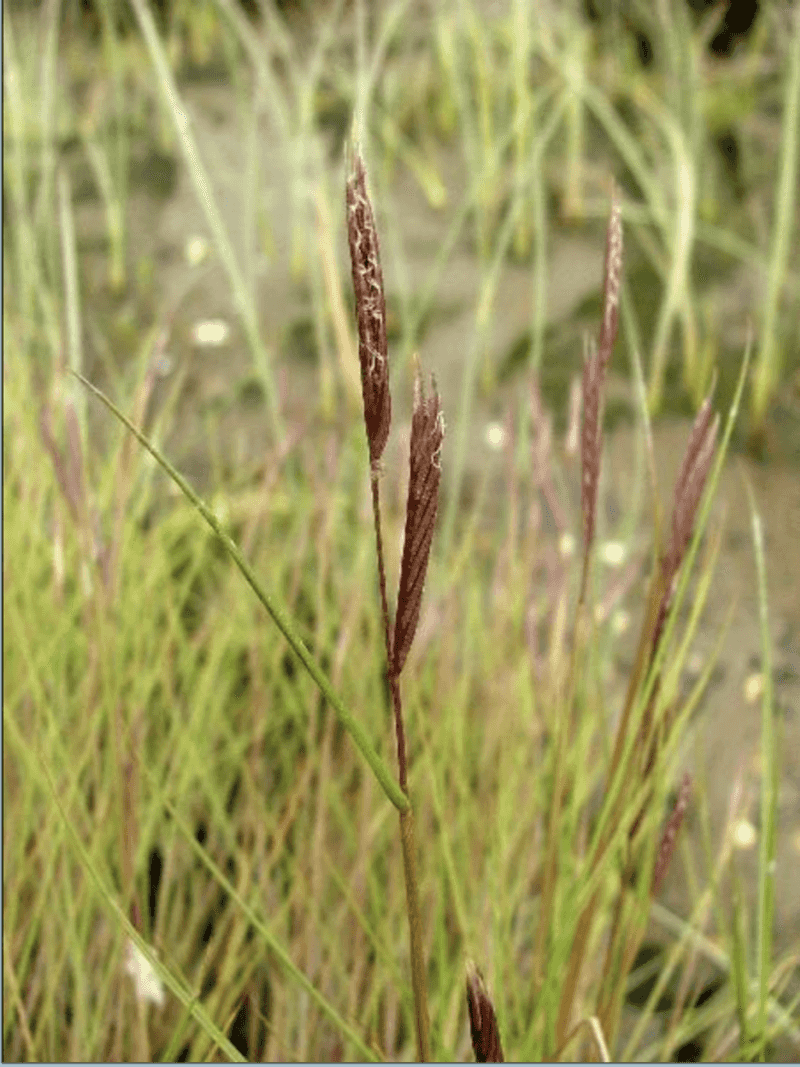
Oregon’s coastal estuaries and wetlands are among the state’s most ecologically valuable and sensitive habitats, which is why the introduction of invasive cordgrass species is taken so seriously.
Dense-flowered saltmeadow cordgrass and related invasive Spartina species are designated as noxious weeds because they fundamentally alter the structure and function of estuarine ecosystems.
These grasses grow much taller and denser than native vegetation, transforming open mudflats that provide critical feeding habitat for shorebirds and other wildlife into impenetrable grass meadows.
When invasive cordgrass colonizes an estuary, it traps sediment and builds up the substrate, gradually converting intertidal areas into upland habitat.
This process eliminates the mudflats, eelgrass beds, and salt marshes that support Oregon’s commercial and recreational fisheries, as many fish species depend on estuaries as nursery habitat during their early life stages.
The ecological and economic consequences of cordgrass invasion have led to extensive, costly eradication programs along the Oregon coast.
Oregon law strictly prohibits planting or introducing dense-flowered saltmeadow cordgrass and related invasive cordgrass species without control measures.
If you live near coastal wetlands or estuaries, be aware of what these grasses look like and report any suspicious plants to the Oregon Department of Agriculture.
Successful eradication efforts in some Oregon estuaries have demonstrated that early detection and rapid response can prevent these invasive grasses from permanently transforming precious coastal habitats.