Divide These 9 Native Oregon Perennials Now For Better Growth
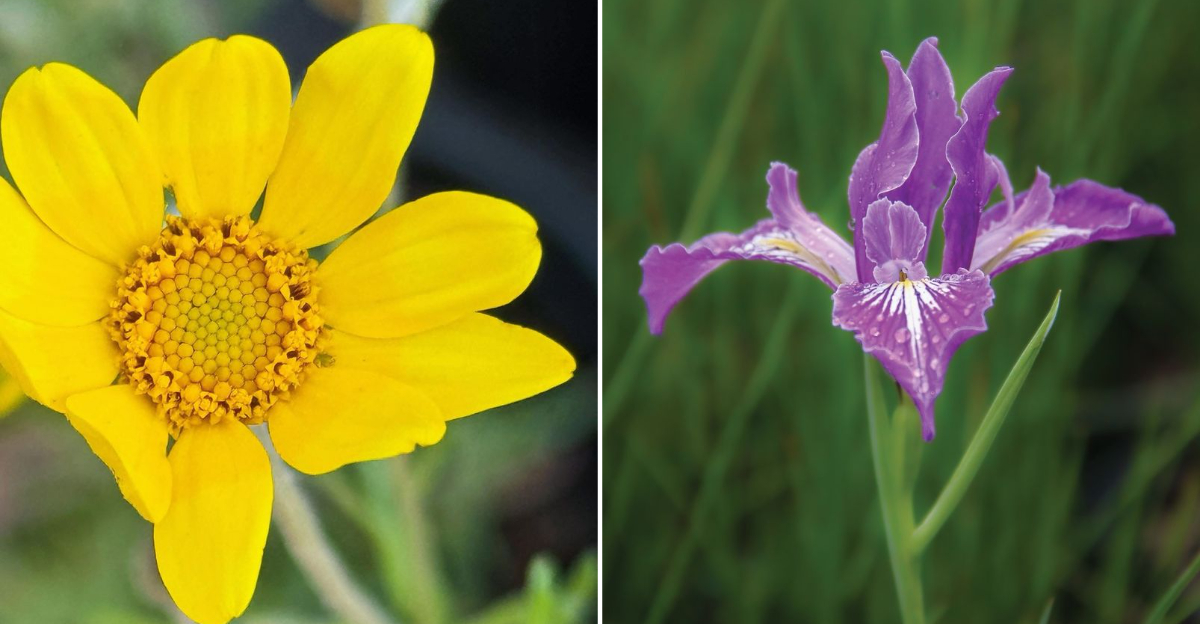
Right now is the perfect moment to give your native Oregon perennials a fresh start. As plants wake up from winter dormancy, dividing them helps relieve overcrowding and jumpstarts new growth.
Clumps that have grown thick and crowded often produce fewer flowers and weaker stems. A simple division can change that fast.
Roots spread out, airflow improves, and energy shifts into healthy new shoots. This also gives you free plants to fill empty garden spaces or share with neighbors.
Many native perennials respond especially well to early-season dividing, thanks to cool weather and moist soil. With a little effort and a sharp shovel, tired plants can turn into vigorous, fast-growing showstoppers for the rest of the season.
1. Yarrow (Achillea Millefolium)
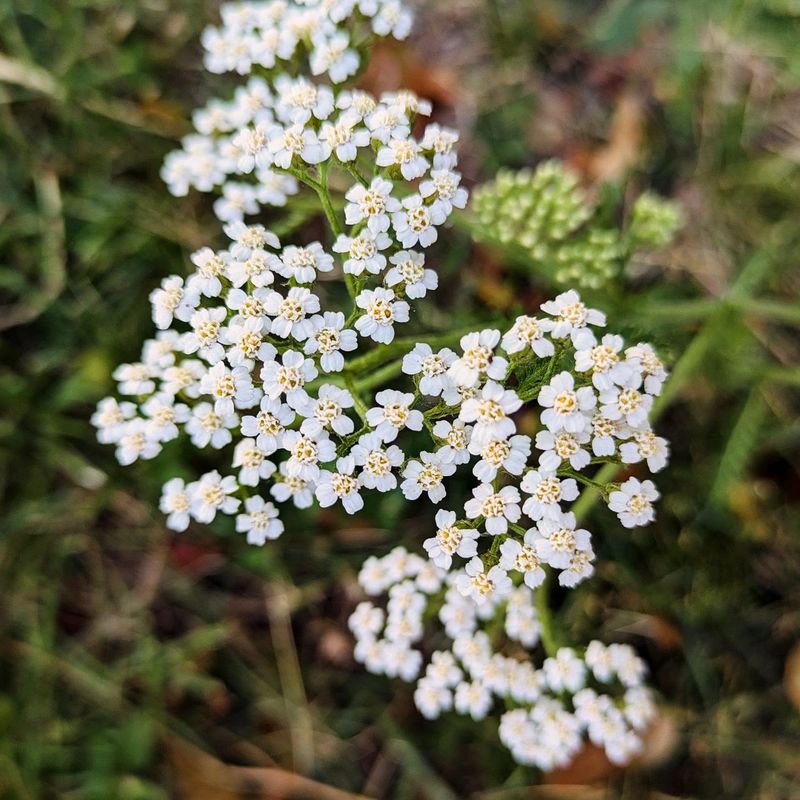
This tough native thrives across Oregon, from coastal areas to mountain meadows, and tolerates drought once established. When clumps become overcrowded, the center often weakens while outer sections stay vigorous.
Early spring offers the best window for dividing yarrow in Oregon, just as new growth emerges from the soil. You can also divide in early fall, giving roots at least six weeks before the first frost.
Dig up the entire clump and use a sharp spade or knife to separate it into sections, each with healthy roots and several shoots. Replant divisions immediately at the same depth they grew before, spacing them about 12 to 18 inches apart.
Yarrow adapts to various soil types but prefers well-drained locations with full sun. Water newly divided plants regularly for the first few weeks, then reduce watering as they establish.
Divided yarrow often blooms the same season, producing flat-topped flower clusters that attract beneficial insects. This hardy perennial rewards gardeners with low-maintenance beauty and excellent performance throughout Oregon’s diverse growing regions.
2. Oregon Iris (Iris Tenax)
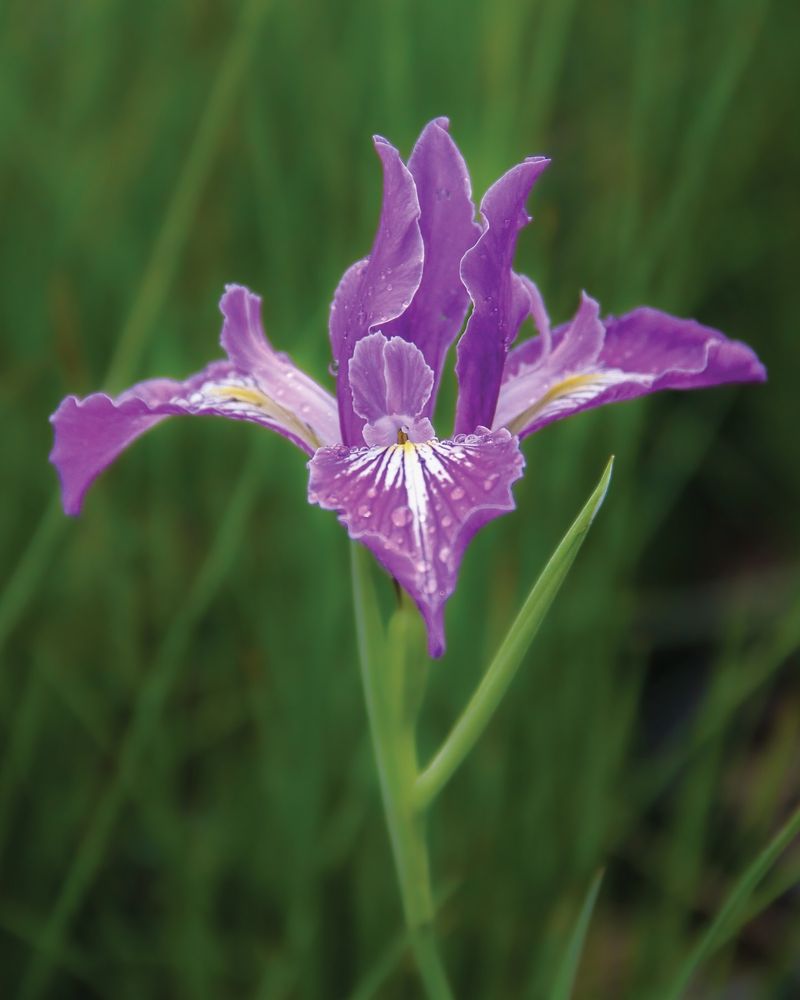
Oregon iris forms tight clumps through its rhizome system, creating stunning displays of purple-blue flowers each spring. Native to western Oregon and found in meadows and open woodlands, this iris grows best in areas with good drainage and partial to full sun.
Clumps become congested after four or five years, resulting in fewer blooms and reduced vigor. Late summer through early fall provides the ideal dividing period for Oregon iris, after flowering finishes and before winter rains begin.
This timing allows roots to settle in while soil remains warm. Carefully lift the entire clump with a garden fork, then rinse soil away to see the rhizomes clearly.
Separate rhizomes by hand or with a clean knife, keeping sections with at least one fan of leaves and healthy roots attached. Trim foliage back to about six inches to reduce water loss while roots reestablish.
Plant rhizomes horizontally just below the soil surface, spacing them 12 inches apart. These divisions need consistent moisture during their first fall and winter in Oregon.
Oregon iris appreciates slightly acidic soil and benefits from a layer of mulch to retain moisture. Divided plants typically bloom within one or two seasons, producing their characteristic elegant flowers that complement native plant gardens beautifully.
3. Common Camas (Camassia Quamash)
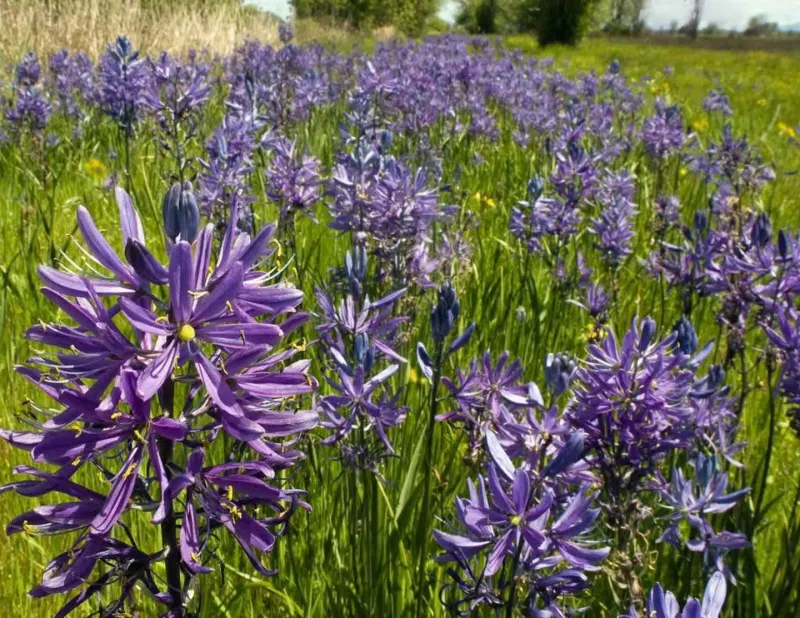
This important native plant thrives in areas with wet winters and dry summers, mimicking its natural meadow habitat.
Common camas grows from bulbs rather than rhizomes, producing spectacular spikes of blue-violet flowers that once covered Oregon valleys in spring.
Bulb clusters multiply over time and benefit from division every five to six years to maintain flowering strength. Fall represents the perfect season to divide camas bulbs in Oregon, after foliage has completely yellowed and withered away.
Wait until September or October when soil moisture returns but temperatures remain moderate. Carefully dig around the bulb cluster, lifting it without damaging the bulbs or their roots.
Gently separate individual bulbs and smaller offsets, keeping only healthy, firm specimens for replanting. Plant bulbs about four inches deep and six inches apart in locations that receive full sun to partial shade.
Camas needs moisture during its spring growing season but tolerates drier conditions after flowering ends. Newly divided bulbs may take a year or two to reach blooming size, especially smaller offsets.
These Oregon natives prefer heavy clay soils that retain moisture, making them perfect for rain gardens or low-lying areas. Camas creates stunning naturalized displays when planted in drifts, bringing authentic Northwest character to landscapes throughout Oregon.
4. Douglas Aster (Symphyotrichum Subspicatum)
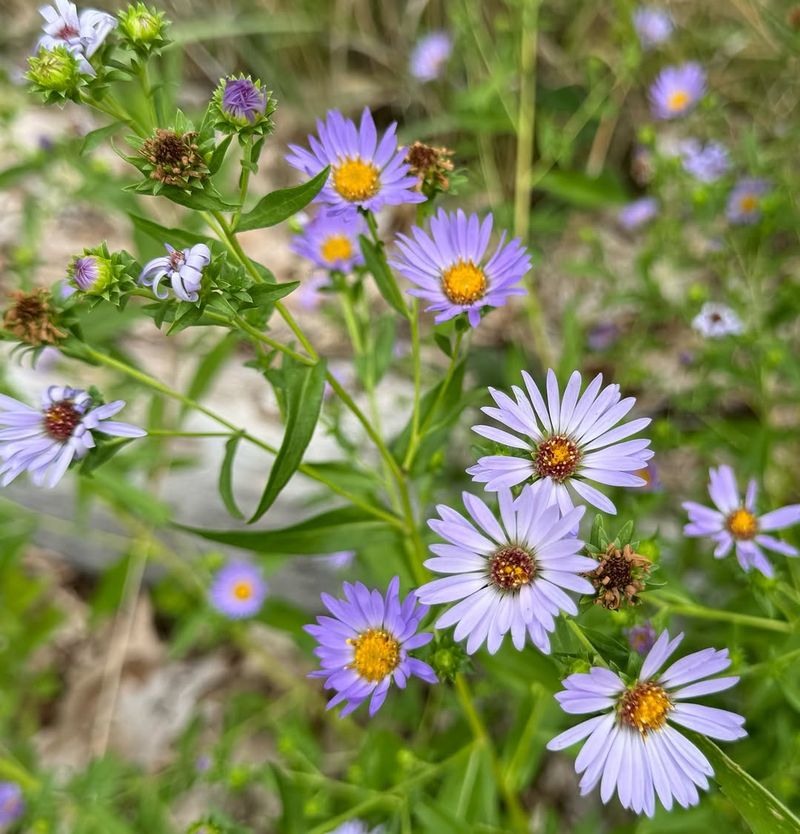
This adaptable native grows throughout the Pacific Northwest in various conditions, from coastal areas to inland valleys. Clumps expand steadily and perform best when divided every three years to prevent overcrowding and maintain compact growth.
Spring division works wonderfully for Douglas aster in Oregon, just as new shoots appear above ground. You can also divide in early fall, though spring often produces faster establishment.
Dig up the entire plant, keeping as much of the root system intact as possible. Use your hands or a sharp tool to separate the clump into sections, ensuring each division has several stems and a good root portion.
Douglas aster tolerates being divided into fairly small pieces, which quickly grow into full-sized plants. Replant divisions 18 to 24 inches apart in locations with full sun to partial shade.
Water regularly until divisions establish, then reduce watering as plants mature. Douglas aster blooms from late summer into fall, providing crucial nectar when many other flowers have finished.
This Oregon native attracts butterflies and beneficial insects while requiring minimal maintenance once established in appropriate conditions throughout the region.
5. Western Columbine (Aquilegia Formosa)
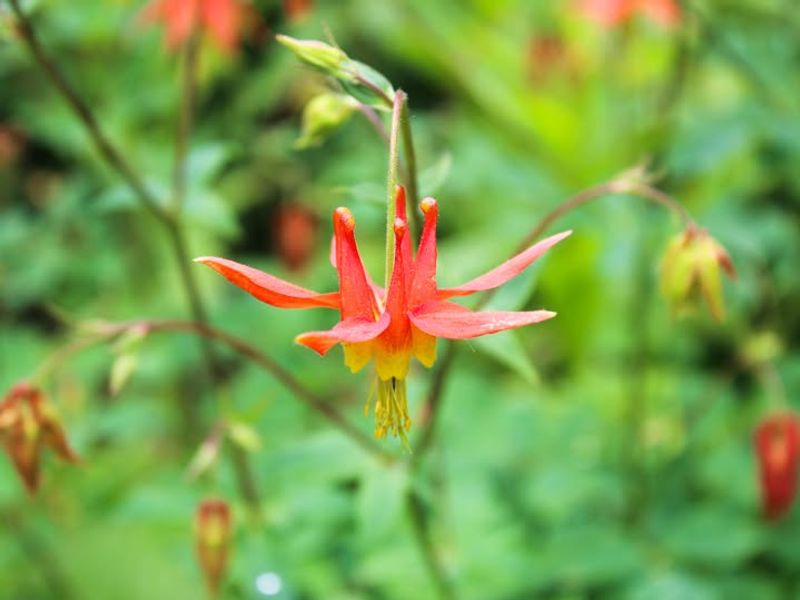
Native to shaded Oregon forests and stream banks, this perennial thrives in moist, well-drained soil with dappled sunlight.
Western columbine develops fibrous root systems that form loose clumps over time, producing nodding red-and-yellow flowers that hummingbirds adore.
Clumps benefit from division every four years to rejuvenate growth and increase flower production. Early spring offers the best opportunity to divide western columbine in Oregon, before flower stalks emerge.
Fall division also succeeds but requires careful attention to watering through winter. Carefully dig around the plant, lifting the entire root mass without breaking too many delicate roots.
Gently tease apart the clump into sections, keeping at least three to five growth points per division. Western columbine has more delicate roots than many perennials, so handle divisions carefully and replant promptly.
Space new plants 12 to 15 inches apart in partially shaded locations with organic-rich soil. Keep divisions consistently moist but not waterlogged during their first season in Oregon.
Western columbine self-seeds readily, so you may find volunteers appearing naturally around parent plants.
Divided plants typically bloom the following spring, attracting hummingbirds and adding elegant color to shaded gardens throughout Oregon’s forested regions.
6. Self-Heal (Prunella Vulgaris)
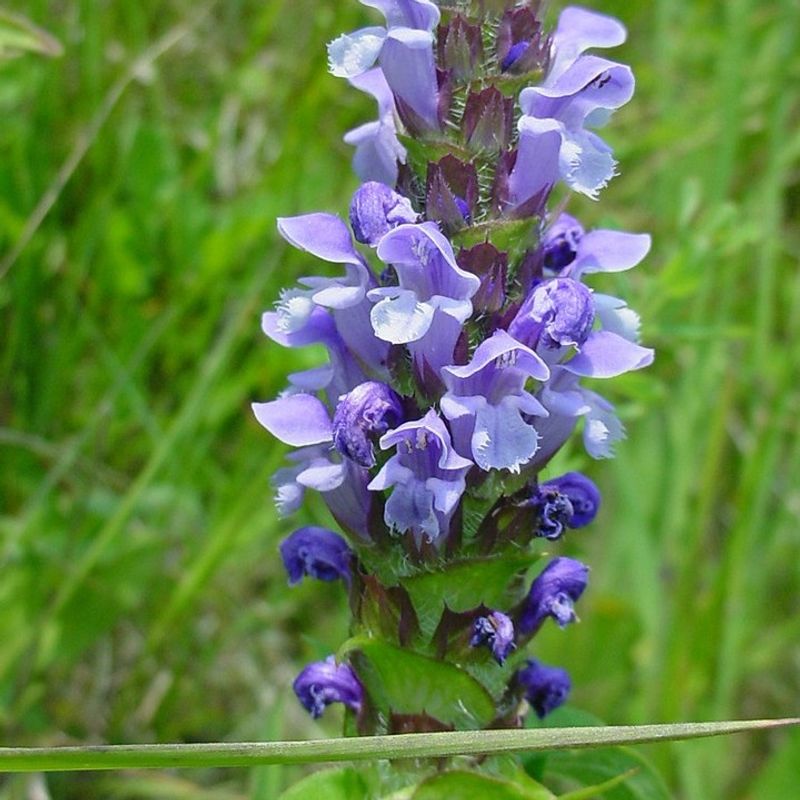
Self-heal creates spreading mats through stolons and self-seeding, making it an excellent groundcover for Oregon gardens.
This adaptable native appears in lawns, meadows, and woodland edges throughout the Pacific Northwest, tolerating various light and moisture conditions.
Established patches expand vigorously and benefit from division every two to three years to control spread and refresh growth. Both spring and fall work well for dividing self-heal in Oregon, though spring division often establishes most quickly.
Simply dig up sections of the mat, including roots and attached stems. Self-heal divides easily since its shallow roots separate without much effort.
Cut or pull apart sections into smaller pieces, each with several stems and root connections. This forgiving plant tolerates aggressive division and quickly recovers from transplant stress.
Replant divisions six to twelve inches apart in areas with partial shade to full sun. Water newly divided plants regularly for a few weeks until growth resumes.
Self-heal adapts to both dry and moist conditions once established, making it versatile for different Oregon garden situations.
The purple flower spikes appear throughout summer, attracting bees and other pollinators while providing traditional medicinal uses that give this plant its common name across the region.
7. Oregon Sunshine (Eriophyllum Lanatum)
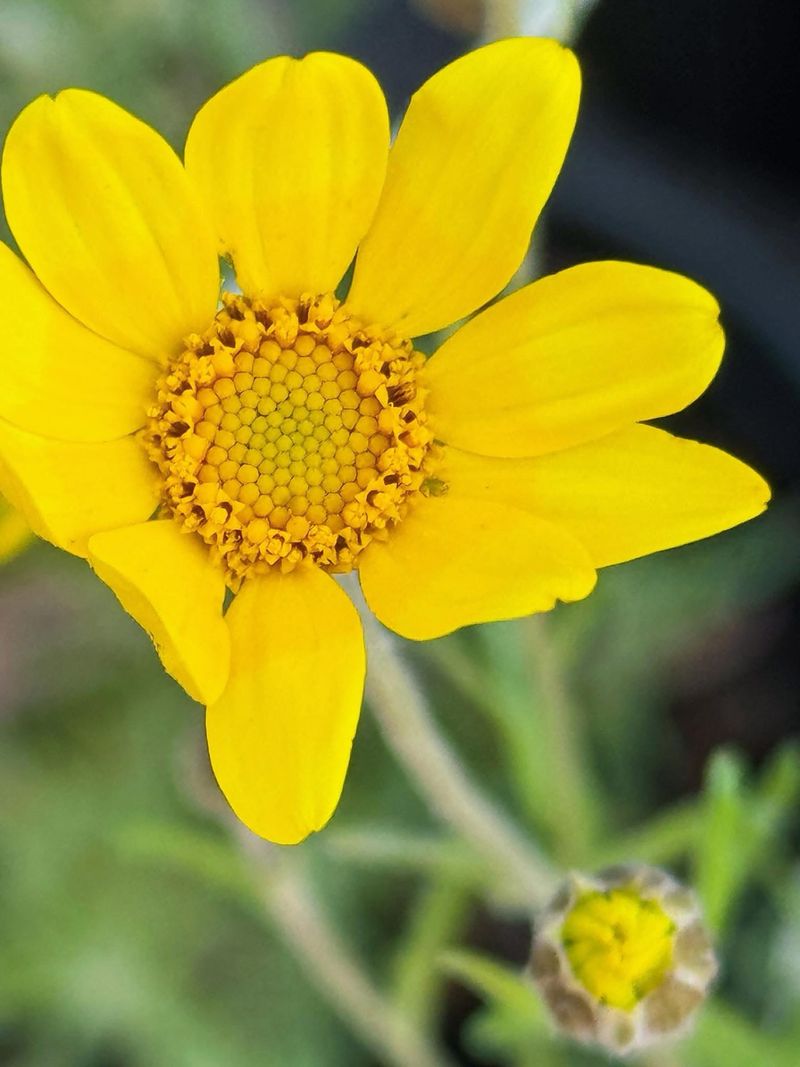
This drought-tolerant native grows wild on rocky slopes and open areas, preferring excellent drainage and minimal summer water.
Oregon sunshine forms compact mounds of silvery foliage topped with cheerful yellow flowers, thriving in dry, sunny locations throughout the state.
Clumps gradually expand and benefit from division every four to five years to maintain neat growth and abundant flowering. Early fall provides the ideal division time for Oregon sunshine, after blooming finishes but before winter rains arrive.
Spring division also works but requires careful watering through the first dry summer. Dig carefully around plants, as their taproots can be sensitive to disturbance.
Gently separate the clump into sections, keeping substantial root portions with each division. Oregon sunshine resents soggy conditions, so ensure divisions go into well-drained soil with excellent drainage.
Space plants 12 to 18 inches apart in full sun locations with lean, rocky, or sandy soil. Water sparingly after planting, allowing soil to dry between waterings.
Once established, Oregon sunshine needs virtually no supplemental water during summer in most Oregon locations.
This low-maintenance native produces masses of golden flowers in late spring and early summer, creating bright displays in rock gardens and dry borders throughout the state’s sunnier regions.
8. Blue-Eyed Grass (Sisyrinchium Bellum)
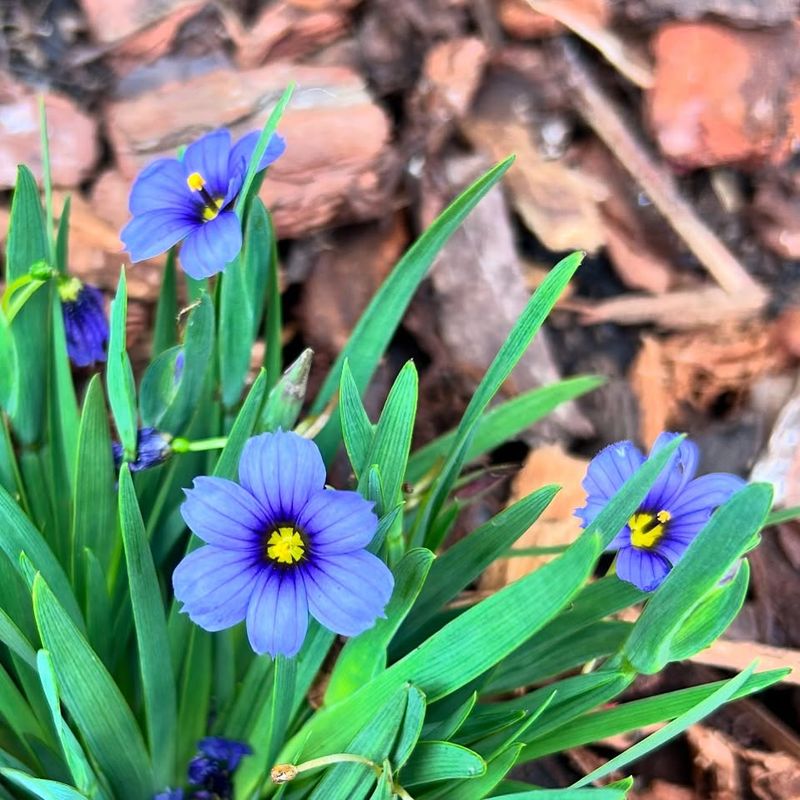
Despite its name, this Oregon native belongs to the iris family and thrives in meadows and open areas with good drainage.
Blue-eyed grass grows in small clumps that resemble grass but produce delicate blue-purple flowers in spring.Clumps slowly expand and benefit from division every three to four years to prevent congestion and encourage better blooming.
Late summer through early fall works best for dividing blue-eyed grass in Oregon, after flowering completes and before winter weather arrives. You can also divide in early spring, though fall division often establishes more successfully.
Carefully lift entire clumps, keeping root systems as intact as possible. Separate clumps by gently pulling apart or cutting through the fibrous roots, creating divisions with at least five to seven fans of foliage.
Blue-eyed grass tolerates division well and recovers quickly when replanted promptly. Space divisions eight to twelve inches apart in locations with full sun to partial shade.
Keep newly divided plants moderately moist through their first season in Oregon. Blue-eyed grass prefers consistent moisture during spring but tolerates drier conditions in summer.
The charming flowers appear in late spring, each bloom lasting only a day but produced in succession over several weeks, bringing delicate beauty to naturalized areas throughout Oregon’s valleys and foothills.
9. Checker Mallow (Sidalcea Spp.)
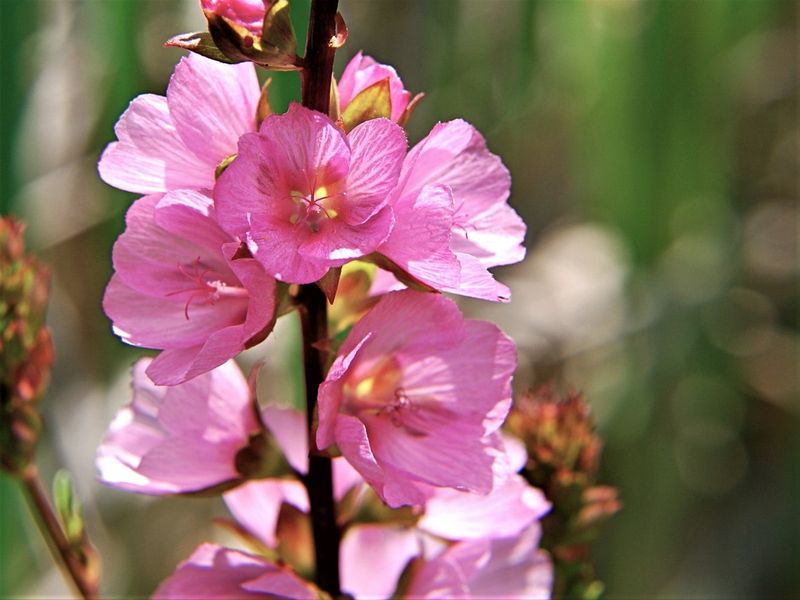
Checker mallow produces tall spikes of pink flowers resembling miniature hollyhocks, bringing vertical interest to Oregon gardens. Several species grow native to the Pacific Northwest, thriving in meadows and woodland edges with moderate moisture.
Established clumps develop strong root systems that benefit from division every four years to maintain vigor and flowering quality. Early spring represents the optimal time to divide checker mallow in Oregon, just as new growth emerges from dormant crowns.
Fall division also succeeds but requires protection from harsh winter conditions. Dig around the entire plant, lifting the crown and attached roots carefully.
Use a sharp spade or knife to cut through the tough crown, creating sections with at least three to five growth buds each. Checker mallow has substantial roots that may require significant effort to divide.
Replant divisions 18 to 24 inches apart in areas with full sun to partial shade. Water regularly during the first growing season to help divisions establish strong root systems.
Checker mallow appreciates consistent moisture but tolerates some drought once mature. The attractive flower spikes appear in early to midsummer, attracting bees and butterflies while adding cottage-garden charm to native plantings throughout Oregon’s diverse growing regions and climate zones.