Divide These 9 Perennials Before March For Stronger Blooms In Oregon
Some perennials start strong, then slowly lose their spark, producing fewer flowers and crowded clumps that struggle to breathe. The fix is simple and surprisingly satisfying: division.
Splitting plants at the right time refreshes growth, boosts energy, and often leads to fuller, more vibrant blooms once the season gets going.
In Oregon, there is a short window before March when many perennials are still resting but ready to respond the moment they are replanted.
Cool soil, steady moisture, and mild weather help roots settle in quickly without stress. It is also a great way to multiply your favorite plants and fill empty garden spaces for free.
Grab a spade, get your hands in the soil, and give tired clumps a fresh start. A little effort now can bring stronger growth, brighter color, and a garden that looks more alive when spring arrives.
1. Daylily (Hemerocallis)
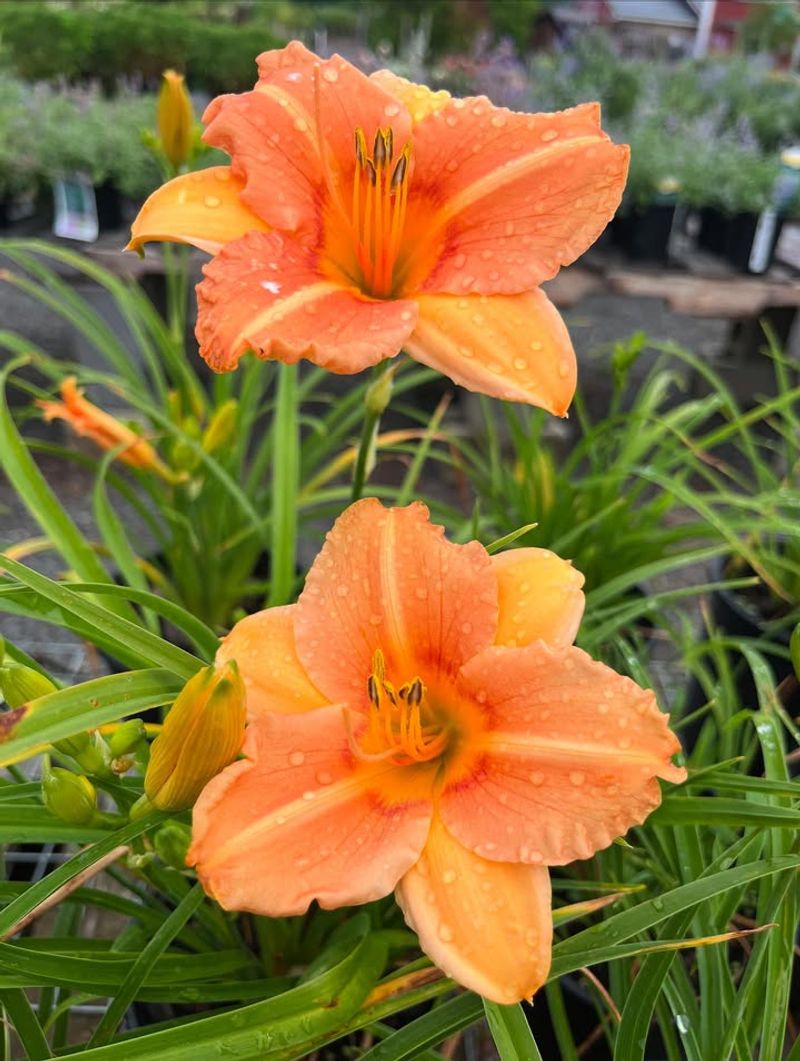
Walk past an old daylily clump in February and you might notice the center looks tired, with fewer shoots poking through than around the edges. That’s your sign these tough perennials need dividing.
Daylilies are incredibly forgiving, but when they get too crowded, bloom production drops off and the whole plant loses vigor.
Oregon’s wet winters actually work in your favor here. The soil stays workable, and the plants aren’t actively blooming yet, so they handle the stress beautifully.
Dig up the entire clump with a garden fork, then use your hands or a sharp spade to separate it into sections with at least three to five fans each. Shake off the old soil so you can see what you’re working with.
Replant divisions about eighteen inches apart in soil that drains reasonably well. Daylilies tolerate Oregon’s rain, but they don’t love sitting in standing water.
Trim the foliage back to about six inches to reduce stress while new roots establish. By summer, each division will send up fresh flower stalks, and you’ll have multiplied your display without spending a dime.
2. Shasta Daisy (Leucanthemum × superbum)
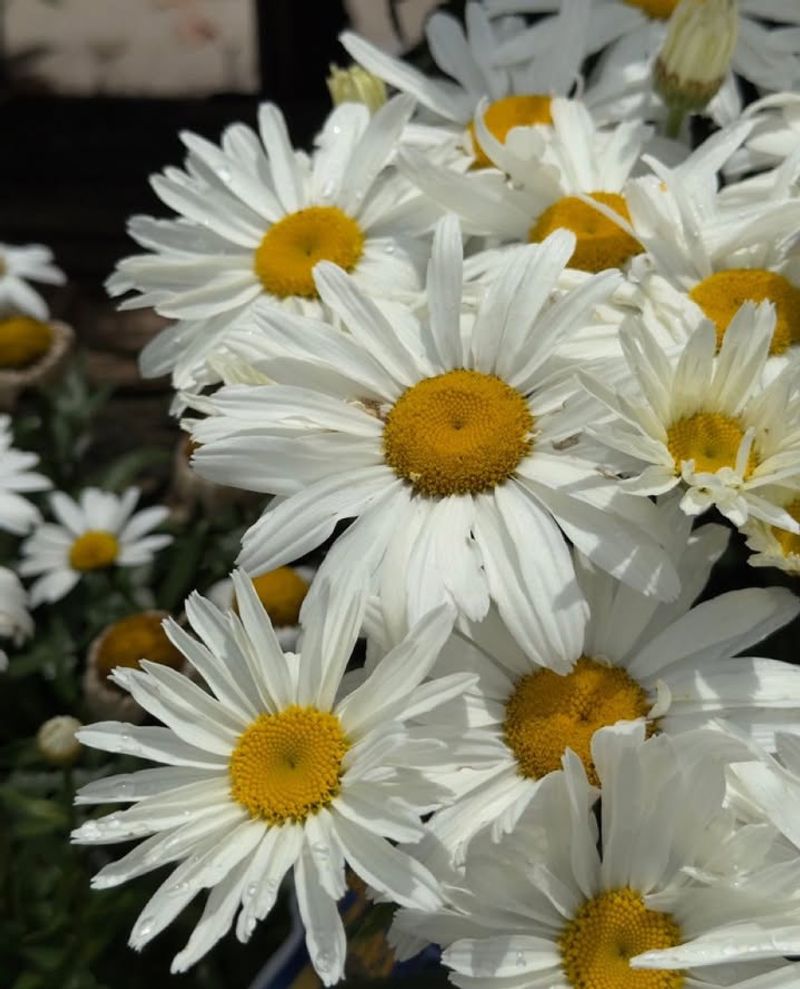
If your Shasta daisies bloomed less enthusiastically last summer, the problem probably started years ago when you planted them and forgot about division.
These cheerful white flowers form dense clumps fast, and after three or four years, the centers often wither out completely while the outer edges keep trying to grow. You end up with a donut-shaped plant that looks scraggly instead of full.
February is perfect timing in Oregon because the plants are still dormant but the ground isn’t frozen. Lift the whole clump carefully and you’ll see exactly what’s happening underneath, a tangled mass of roots with withered material in the middle.
Cut away anything brown or mushy, then divide the healthy outer portions into smaller pieces. Each piece needs several shoots and a good root system attached.
Shasta daisies appreciate decent drainage, which can be tricky in Oregon’s wet spring. Amend heavy clay with compost before replanting, and space divisions about twelve to fifteen inches apart.
They’ll fill in quickly once warm weather arrives. Regular division keeps them blooming reliably and prevents that hollow center problem from coming back.
3. Bearded Iris (Iris germanica)
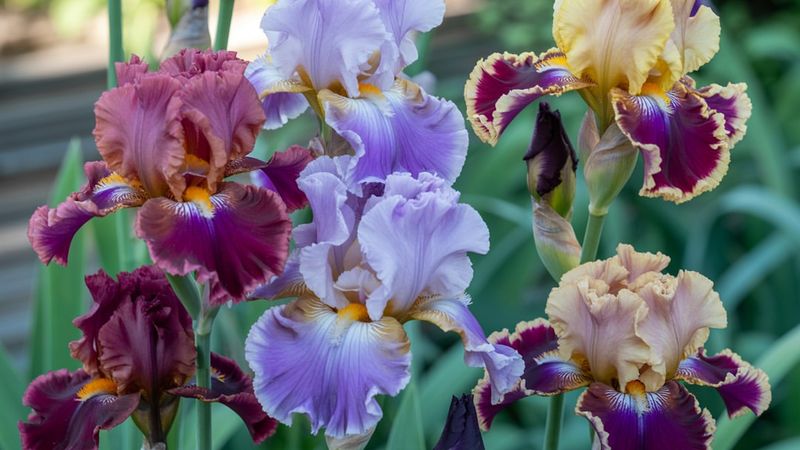
Bearded iris rhizomes sit right at the soil surface, which makes it easy to see when they’ve grown into a crowded jumble. When rhizomes press against each other with no room to expand, flowering declines noticeably.
You might get plenty of foliage but disappointingly few of those spectacular blooms you planted them for in the first place.
Dividing before March gives these sun-lovers time to settle in before their late spring bloom period. Use a garden fork to lift clumps carefully, then break apart individual rhizomes where they naturally separate.
Look for firm, healthy rhizomes with at least one fan of leaves attached. Discard any soft, rotted, or pest-damaged sections, iris borers can be an issue even in Oregon’s cooler climate.
Trim foliage back to about six inches in a fan shape, which reduces wind resistance and helps the plant focus energy on root development. Replant rhizomes so the top surface sits just at or slightly above soil level, spacing them about twelve to eighteen inches apart.
Bearded iris need excellent drainage, so if your garden tends toward soggy, consider raised beds or berms. Proper spacing and division every three to four years keeps them blooming beautifully.
4. Hostas (Hosta)
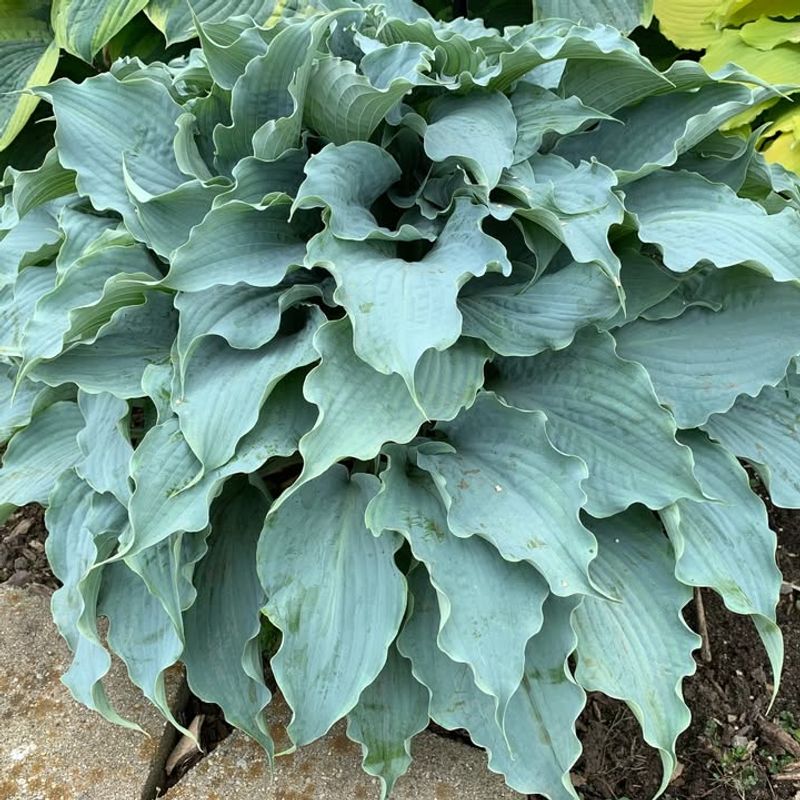
Oregon gardeners love hostas for their ability to thrive in our abundant shade, but even these reliable performers need division eventually. When a hosta clump gets massive, the individual crowns compete for resources and leaf size actually decreases.
You might think you’re doing great by letting them grow huge, but you’re really just creating a dense mat that performs below its potential.
Late winter division works perfectly because hostas are completely dormant and you won’t damage emerging leaves. Dig around the entire clump and lift it out, be prepared, because mature hostas can be surprisingly heavy.
Rinse off enough soil to see where the individual crowns separate, then use a sharp spade or knife to cut through. Each division should have at least two or three eyes (growth points) and a solid root system.
Replant divisions at the same depth they were growing before, spacing them according to their mature size, small varieties need about a foot, while giant types want three feet or more. Hostas handle Oregon’s wet springs beautifully, but they still appreciate soil enriched with compost.
Dividing every four to six years keeps clumps vigorous and prevents that overcrowded look where leaves pile on top of each other.
5. Garden Phlox (Phlox paniculata)
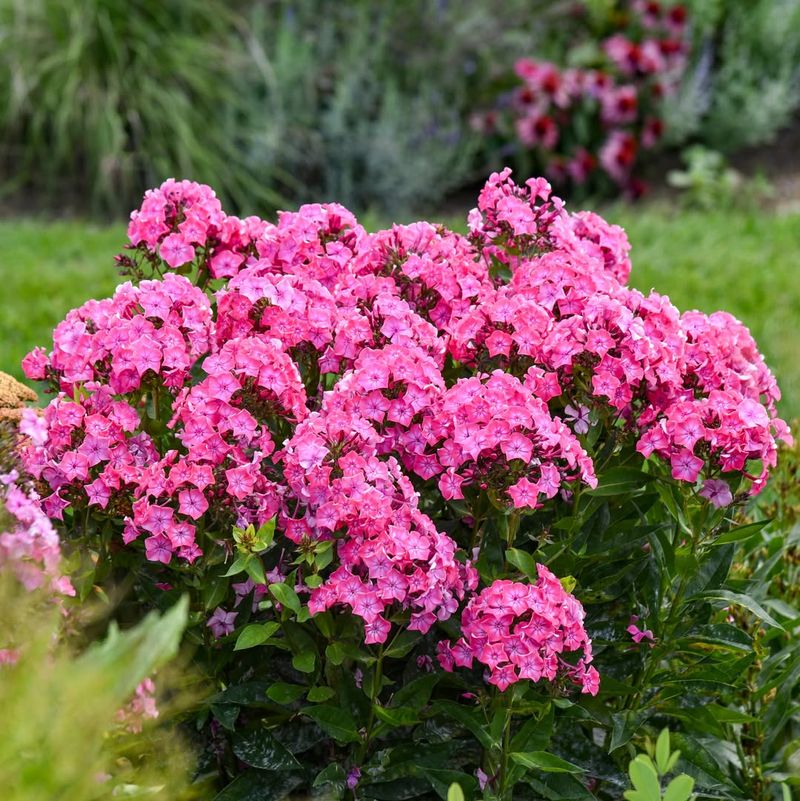
Garden phlox puts on a stunning midsummer show, but crowded clumps become magnets for powdery mildew, something Oregon’s humid climate already encourages. When plants grow too dense, air circulation drops and fungal problems multiply.
Division isn’t just about creating more plants; it’s about keeping the ones you have healthy and disease-resistant.
Dividing in late winter, before new growth really takes off, gives you clean access to the crown and reduces stress on the plant. Dig up the clump and you’ll find it separates fairly easily into natural sections.
Look for divisions with four to six healthy shoots and a good root mass. Discard any sections that look weak or show signs of disease.
Space replanted divisions at least eighteen to twenty-four inches apart to promote airflow, which is critical for preventing mildew issues later. Garden phlox tolerates Oregon’s moisture but performs best in soil that doesn’t stay waterlogged.
Adding compost improves both drainage and fertility. Mulch lightly after planting, keeping material away from the crown itself.
With proper spacing and regular division every three to four years, garden phlox will give you those gorgeous fragrant flower clusters without the frustrating mildew problems that plague overcrowded plantings.
6. Yarrow (Achillea millefolium)
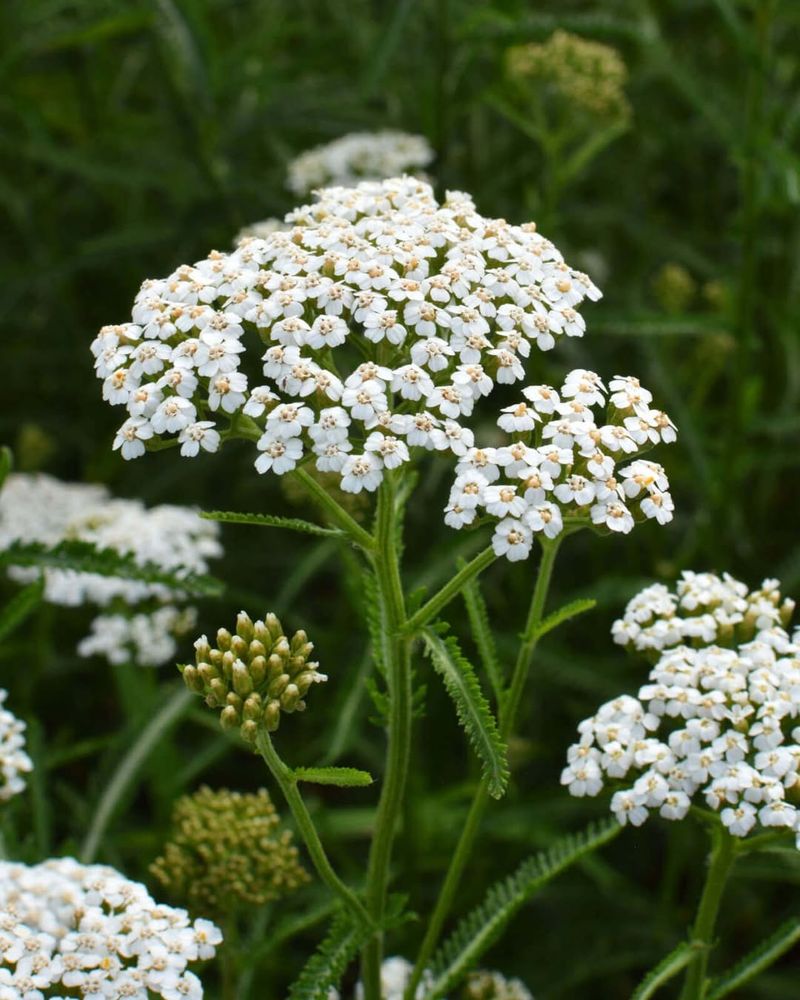
Yarrow spreads enthusiastically through underground rhizomes, which is wonderful when you want a tough, drought-tolerant perennial to fill space.
But that same vigor means it can outgrow its boundaries within a few years, crowding out neighbors and forming dense patches where flowering becomes sparse.
The solution is simple division, and late winter is ideal timing.
Oregon’s relatively mild February weather means you can work the soil without battling frozen ground. Yarrow’s fibrous root system makes division straightforward, just dig up sections and pull or cut them apart into smaller clumps.
Each division needs several shoots and a healthy portion of roots. Don’t worry about being too precise; yarrow is remarkably tough and recovers quickly from division.
Replant pieces about twelve to eighteen inches apart, depending on how quickly you want them to fill in. Yarrow actually prefers lean soil and handles Oregon’s dry summers better than our wet winters, so avoid overwatering and make sure drainage is adequate.
In heavy clay, amend generously with compost or plant in raised areas. Division every three years keeps yarrow blooming prolifically and prevents it from becoming a thuggish spreader that takes over more delicate neighbors.
7. Sedum / Stonecrop (Hylotelephium spectabile)
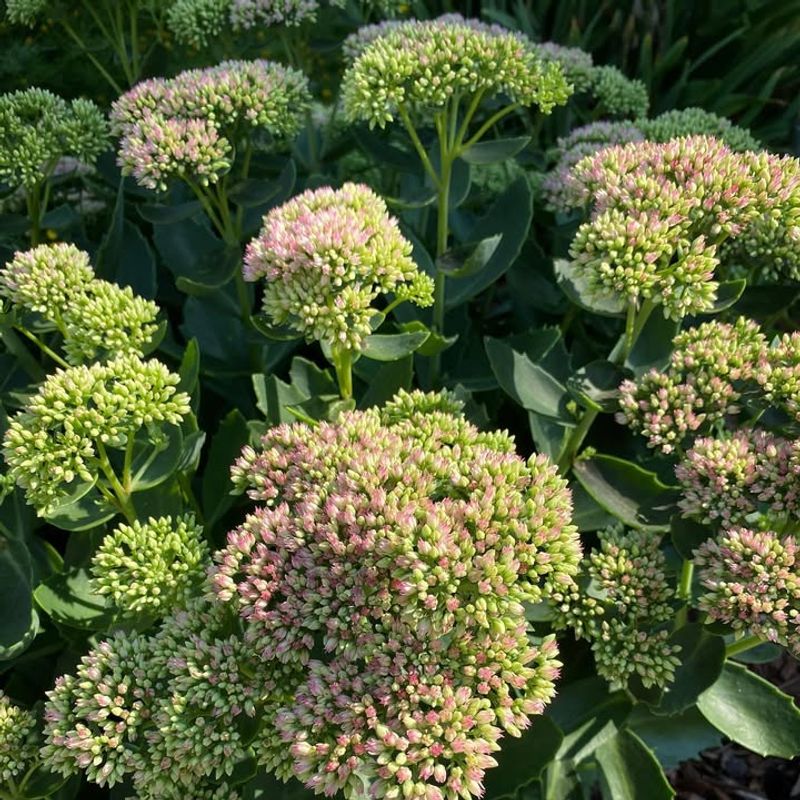
Upright sedums develop woody centers as they age, and when that happens, stems flop outward instead of standing tall. You’ll notice the plant looks tired, with fewer flower heads and stems that need staking when they should be self-supporting.
This decline happens gradually, so many gardeners don’t realize division would solve the problem completely.
February or early March gives you the chance to rejuvenate sedum before it leafs out fully. Dig up the entire clump and examine the base, you’ll likely find tough, woody growth in the center surrounded by younger, more vigorous shoots around the edges.
Cut away the old center portion and divide the healthy outer sections into pieces with three to five stems each.
Replant divisions in well-drained soil, spacing them about fifteen inches apart. Sedums handle Oregon’s wet winters better than you might expect for a succulent-type plant, but they still don’t appreciate sitting in soggy conditions.
If your soil is heavy clay, work in compost or choose a slightly elevated planting spot. Divided sedums establish quickly and will stand upright without support, producing those gorgeous late-summer flower clusters that butterflies adore.
Division every four to five years keeps plants compact and floriferous.
8. Astilbe (Astilbe)
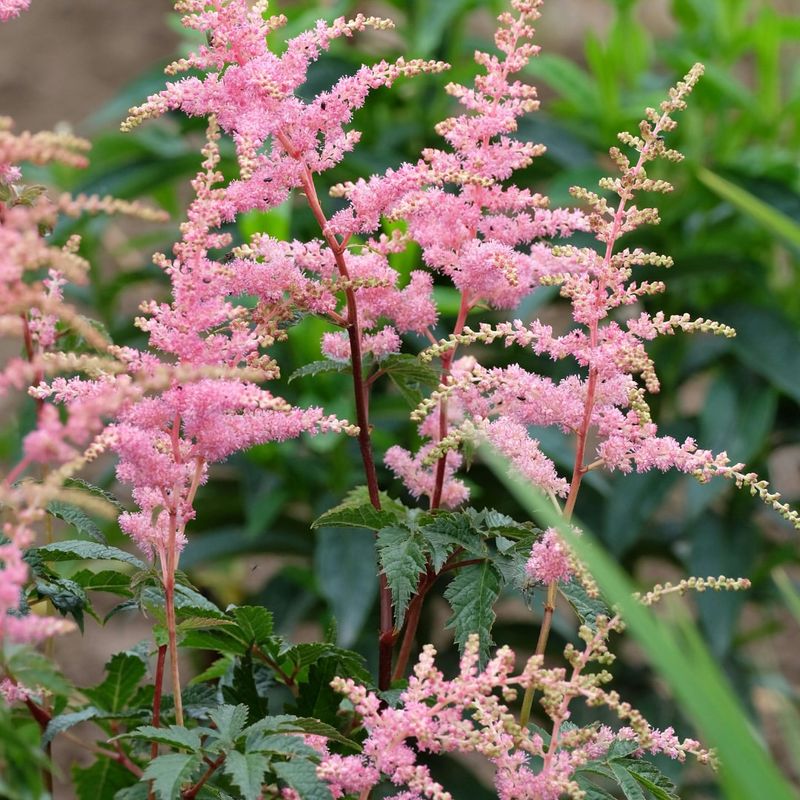
Astilbe thrives in Oregon’s naturally moist, shaded areas, but even these shade-garden favorites need occasional division. Over time, the crown becomes congested and woody, resulting in smaller plumes and reduced flowering.
When you notice your astilbe looking less impressive than it did a few years ago, crowding is usually the culprit.
Dividing in late winter works well because the plants are dormant and you won’t damage the delicate emerging foliage. Astilbe roots can be tough and fibrous, so be prepared to use a sharp spade or even a soil knife to cut through the crown.
Divide clumps into sections with at least three to five eyes (growth buds) visible. Trim away any damaged or rotted material you find in the center.
Replant divisions about fifteen to eighteen inches apart in rich, moisture-retentive soil amended with plenty of compost. Astilbe genuinely appreciates Oregon’s wet springs and doesn’t mind our shade, making it one of the easier perennials to grow successfully here.
Keep soil consistently moist but not waterlogged, especially during establishment. Mulch helps retain moisture and keeps roots cool.
With division every three to four years, astilbe will reward you with those feathery plumes that brighten shady corners all summer long.
9. Black-Eyed Susan (Rudbeckia fulgida)
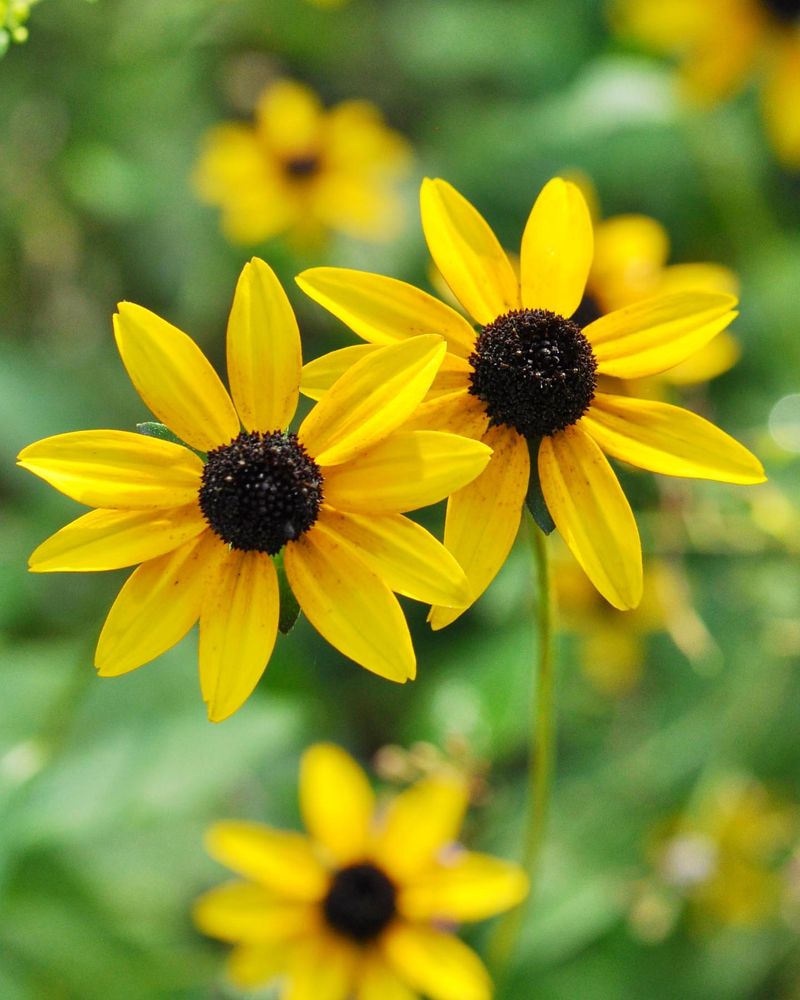
Black-eyed Susans bring reliable color to Oregon gardens from midsummer through fall, but they’re short-lived perennials that benefit tremendously from division.
Without it, clumps often decline after three or four years, with flowering dropping off and plants looking ratty.
Division rejuvenates them completely and gives you extras to spread around the garden or share with neighbors.
Late winter division takes advantage of dormancy while giving plants plenty of time to establish before blooming season. Dig up clumps and shake off soil so you can see the root structure clearly.
Black-eyed Susans separate fairly easily into natural divisions, look for sections with several shoots and healthy white roots. Discard any portions that look weak or diseased.
Replant divisions about fifteen to eighteen inches apart in full sun with decent drainage. While these tough natives handle a range of conditions, they perform best when not sitting in saturated soil all winter, something to consider in Oregon’s wet climate.
Amend heavy clay with compost, or plant in slightly raised beds. Black-eyed Susans aren’t fussy, but they reward good drainage with vigorous growth and abundant flowers.
Regular division every three years keeps plants youthful and blooming heavily, ensuring you get that cheerful late-season color year after year.