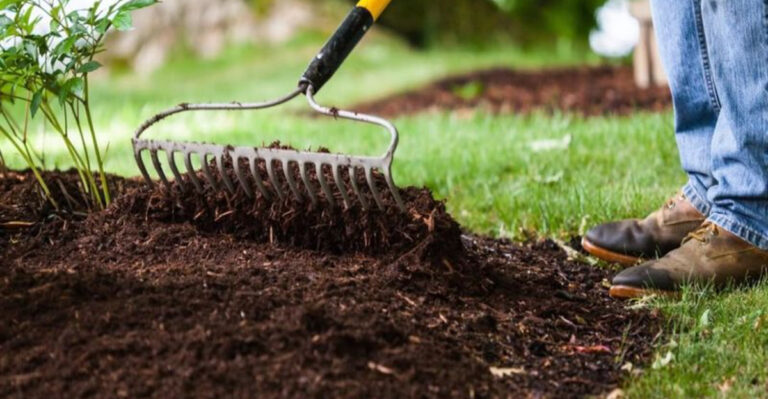
8 DIY Landscaping Ideas That Make Georgia Yards Stand Out
Looking at your Georgia yard and feeling like it’s missing something can be frustrating, especially when you know it has so much potential.
Small DIY landscaping projects can turn a plain outdoor space into a garden that truly stands out and reflects your style.
From creative pathways to carefully placed plants that actually thrive in heat and humidity, the right touches can transform areas that feel dull into spots you want to spend time in.
Even simple changes like layering textures, adding vertical interest, or reshaping lawn edges can completely shift the way everything feels. You don’t need a full renovation or a huge budget.
When you take control of design and placement, every corner starts to feel intentional, cohesive, and alive.
1. Create A Native Plant Border That Handles Heat And Humidity
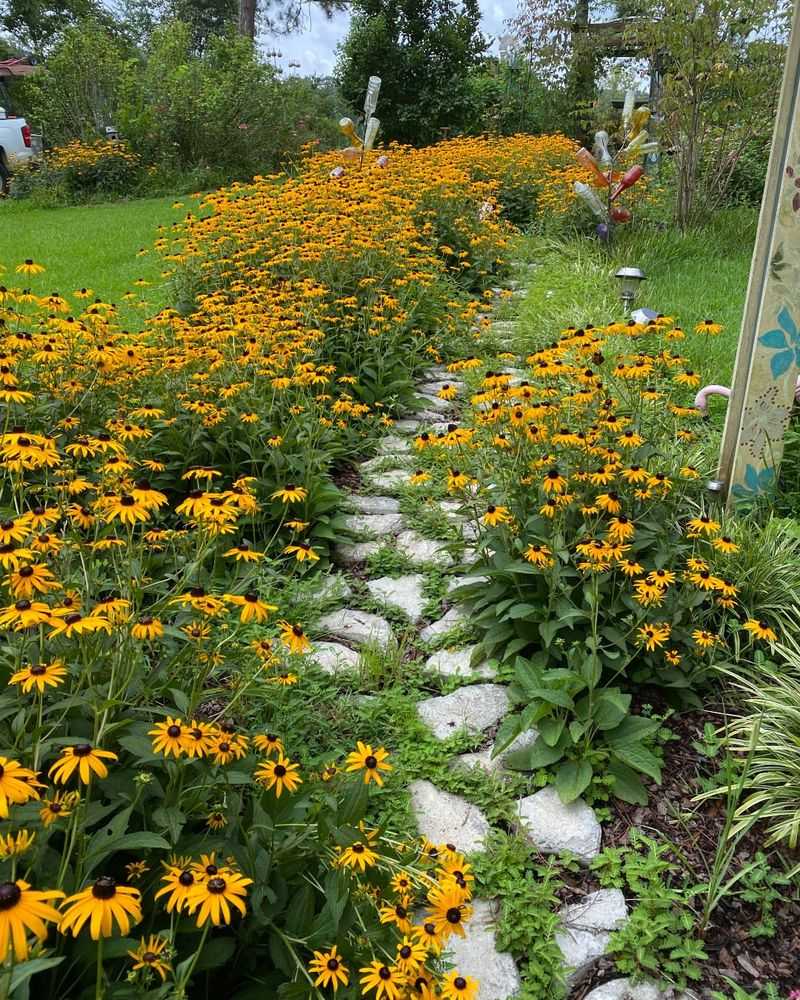
Native plants are perfectly adapted to Georgia conditions because they evolved right here. Black-eyed Susans, purple coneflowers, and beautyberry shrubs need far less water than imported species once established.
Your maintenance drops dramatically when you work with nature instead of against it.
Red clay soil challenges many gardeners across Georgia, but native species already know how to thrive in it. They have root systems designed for our specific soil composition and pH levels.
Planting a border along your fence line or property edge creates a natural transition that looks intentional and polished.
Start by clearing a strip about three feet wide along your chosen border area. Mix in some compost to give new plants a good start, but don’t worry about completely replacing the clay.
Space plants according to their mature size, typically 18 to 24 inches apart for perennials.
Water regularly for the first growing season while roots establish, then cut back significantly. Native plants in Georgia can handle summer heat without constant irrigation once they settle in.
Mulch around each plant to retain moisture and suppress weeds, keeping the mulch a few inches away from stems to prevent rot in our humid climate.
Over time, you will notice fewer pest issues as beneficial insects return to plants they recognize. That natural balance keeps the border looking full and healthy with far less effort each season.
2. Add A Curved Mulch Bed To Break Up Large Lawn Areas
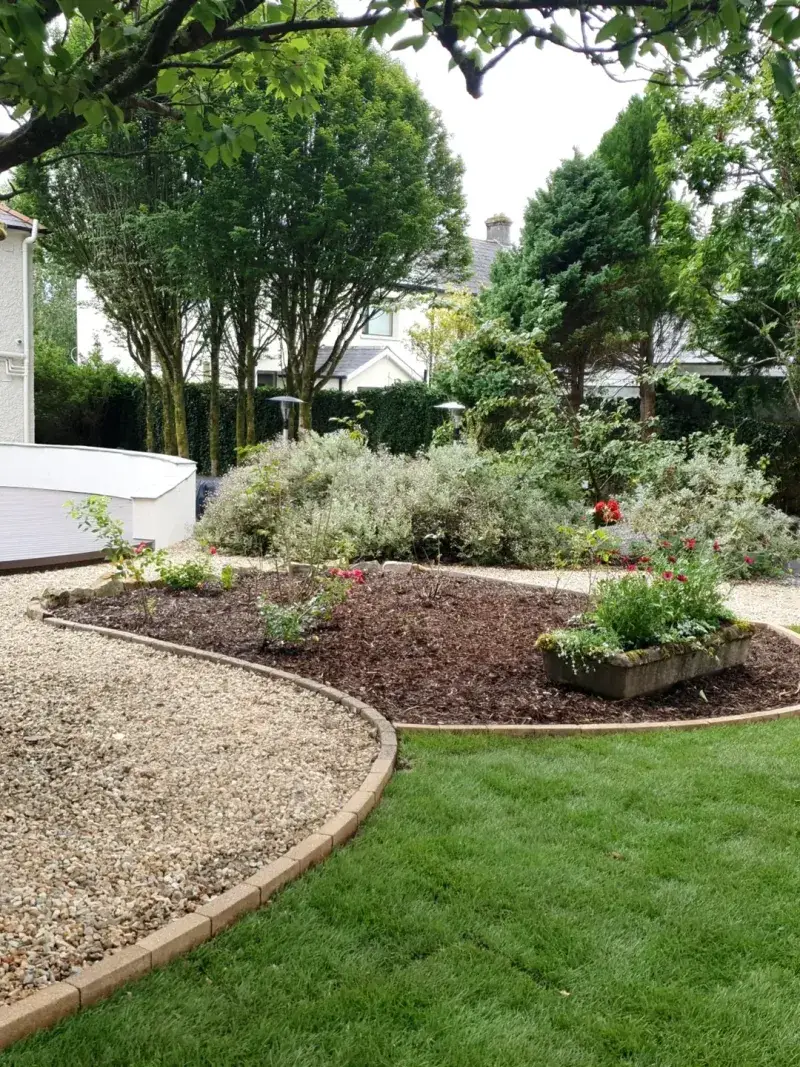
Large expanses of grass can look monotonous and require tons of mowing time every week during Georgia’s long growing season. A curved mulch bed instantly adds visual interest while reducing the square footage you need to maintain.
The organic shape feels more natural than straight lines and guides the eye through your landscape.
Lay out your curve using a garden hose or rope until you find a shape that flows well with your yard. Gentle, sweeping curves work better than tight zigzags.
Mark the edge with landscape paint or flour so you can see your line clearly while working.
Use a flat spade to cut along your marked line, creating a clean edge about four inches deep. Remove the grass inside your new bed area, then spread landscape fabric if you want extra weed protection.
Add three to four inches of hardwood mulch, which breaks down slowly in Georgia humidity and looks natural.
Plant the bed with a mix of heights and textures for maximum impact. Taller shrubs toward the back, medium perennials in the middle, and low groundcovers or annuals along the front edge create depth.
This layering technique makes even a simple bed look professionally designed while giving you flexibility to change plants seasonally.
As the plants fill in, the bed starts to frame the lawn instead of compete with it. Maintenance shifts from constant mowing to occasional refreshing of mulch and light pruning.
3. Install A Simple Stone Path For Structure And Flow
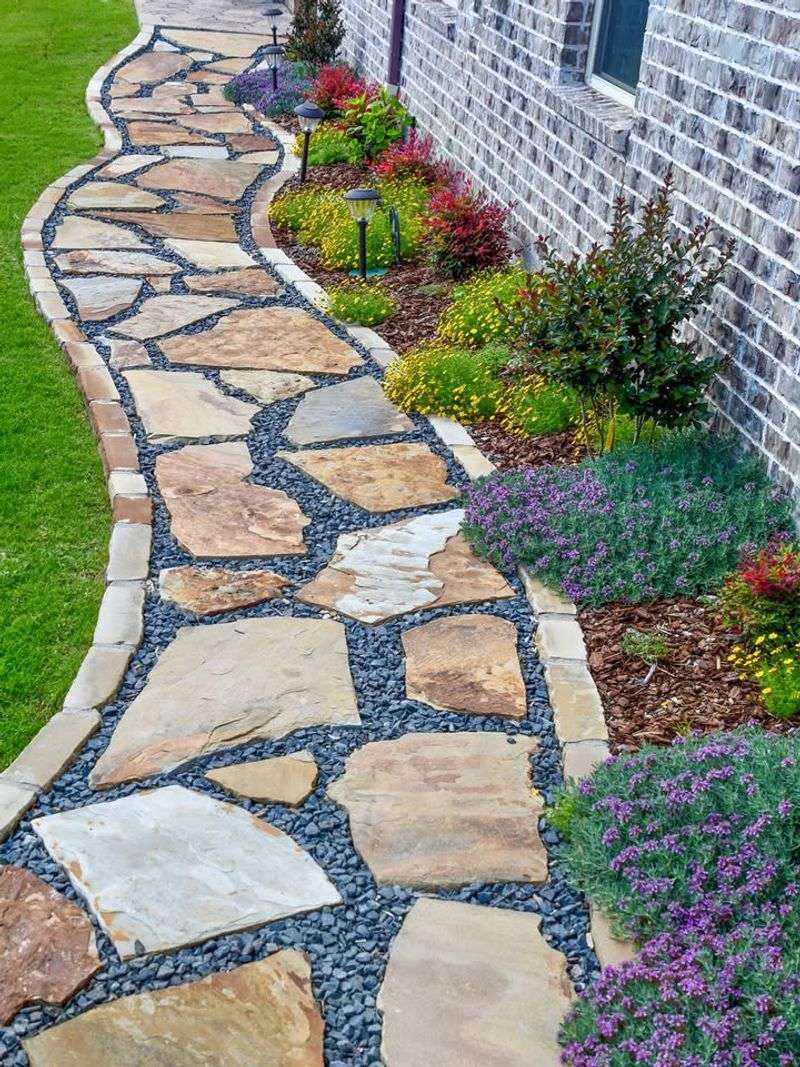
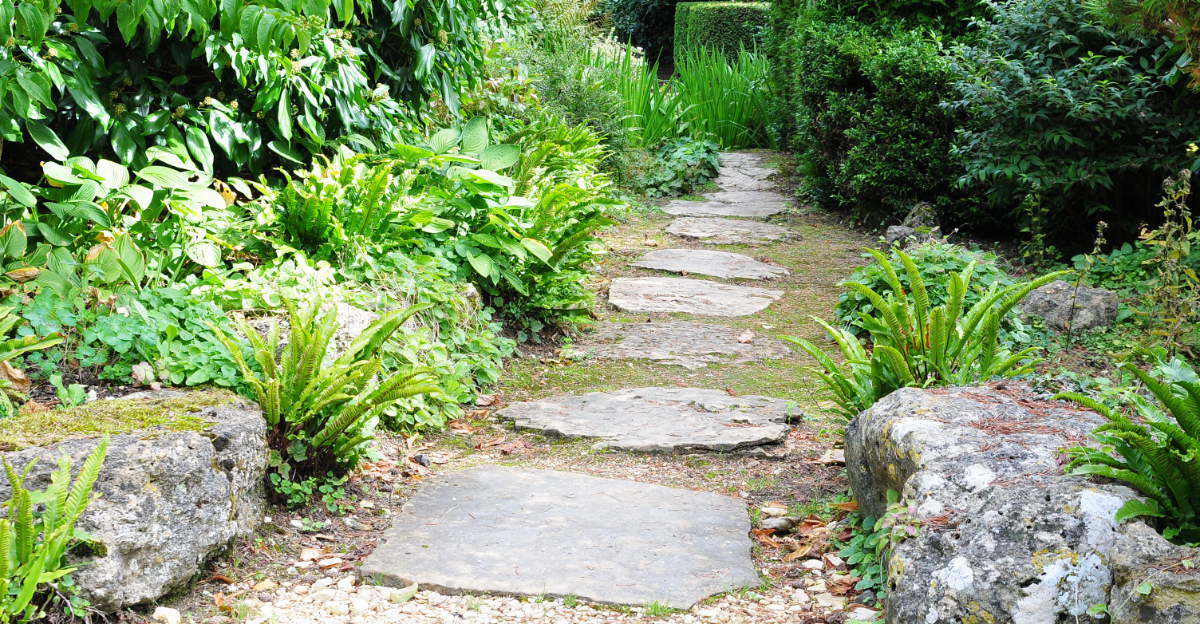
Pathways create purpose and direction in your yard, turning random wandering into intentional movement. A stone path guides visitors naturally from one area to another while protecting your grass from wear patterns.
In Georgia, where afternoon thunderstorms can leave ground soggy, a solid walking surface becomes especially practical.
Flagstone works beautifully for informal paths because each piece has unique character and color variation. Plan your route by walking it several times to confirm it makes sense for how you actually use your yard.
Mark the path with stakes and string, keeping gentle curves that feel natural rather than forced.
Excavate along your path about four inches deep and fill with two inches of gravel for drainage, which matters in Georgia clay soil. Lay your stones with about two inches between them, adjusting the gravel base so each stone sits level and stable.
Fill gaps with sand or let grass grow between for a softer cottage garden look.
Larger stones work better than small ones because they shift less over time and provide more stable footing when wet.
You can find Georgia flagstone at local stone yards, which often costs less than imported varieties and blends naturally with regional landscapes.
A well-placed path instantly makes your yard feel more intentional and finished.
It also defines clear zones, separating lawn, beds, and seating areas without adding bulky structures. Guests naturally follow the line you create instead of cutting across planting areas.
That simple strip of stone quietly organizes the entire yard.
4. Build A Raised Bed For Better Drainage In Clay Soil
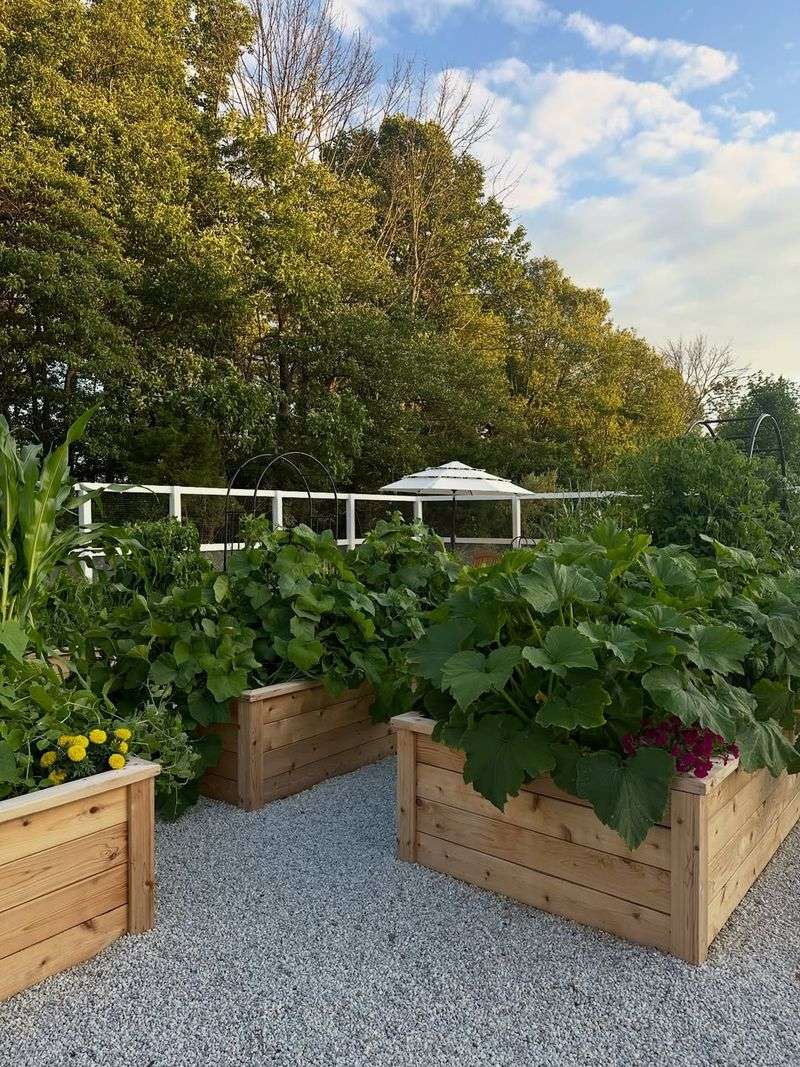
Georgia clay soil drains poorly and turns rock-hard when dry, frustrating gardeners who want to grow vegetables or flowers. Raised beds solve this problem by lifting your plants above the native soil and giving you complete control over growing conditions.
Building one requires basic carpentry skills and an afternoon of work.
Cedar or redwood boards resist rot better than pine in our humid climate, making them worth the extra cost.
Construct a simple rectangular frame using four corner posts and side boards, aiming for beds about four feet wide so you can reach the center from either side.
Height matters: go at least 12 inches tall, though 18 inches provides even better drainage and easier access.
Position your raised bed where it gets six to eight hours of sunlight daily for vegetables, or choose a shadier spot for leafy greens and herbs. Level the ground roughly, then set your frame in place.
Line the bottom with hardware cloth if you have issues with burrowing animals in your Georgia neighborhood.
Fill with a mix of quality topsoil, compost, and peat moss or coconut coir to create loose, well-draining growing medium. Plants in raised beds dry out faster than in-ground plantings, so plan for regular watering during Georgia summers.
The improved drainage and soil quality typically result in healthier plants and bigger harvests compared to fighting with clay.
5. Design A Shade Corner With Ferns And Hostas
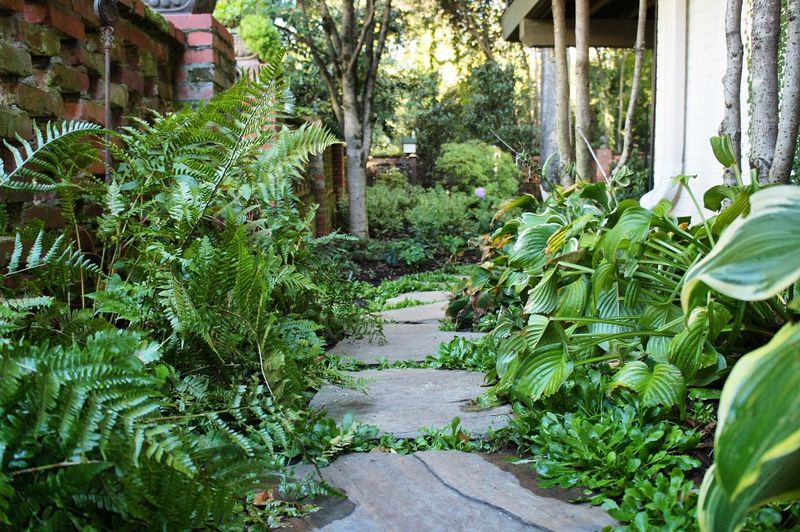
Every Georgia yard has at least one shady spot where grass struggles and bare dirt looks uninviting. Rather than fighting nature, embrace the shade by creating a dedicated garden area that celebrates low-light plants.
Ferns and hostas thrive in these conditions, offering lush foliage that stays attractive from spring through fall.
Identify your shadiest corner, typically on the north side of your house or under mature trees. Test the soil moisture since tree roots often compete for water.
Amend the area with compost and leaf mold to improve texture and moisture retention, which benefits shade plants in Georgia humidity.
Southern shield ferns, autumn ferns, and lady ferns all perform beautifully in Georgia shade gardens. Hostas come in dozens of varieties with leaves ranging from tiny to dinner-plate sized, in colors from deep green to blue-gray to chartreuse.
Mixing different leaf sizes and colors creates visual interest even without flowers.
Plant in groups of three or five for impact rather than spacing everything evenly. Layer heights by placing taller ferns toward the back and shorter hostas in front.
Add a simple bench or decorative stone to make the space feel intentional.
Mulch well to suppress weeds and maintain moisture, and water during dry spells until plants establish strong root systems in their shady Georgia home.
6. Frame The Entry With Low-Maintenance Shrubs
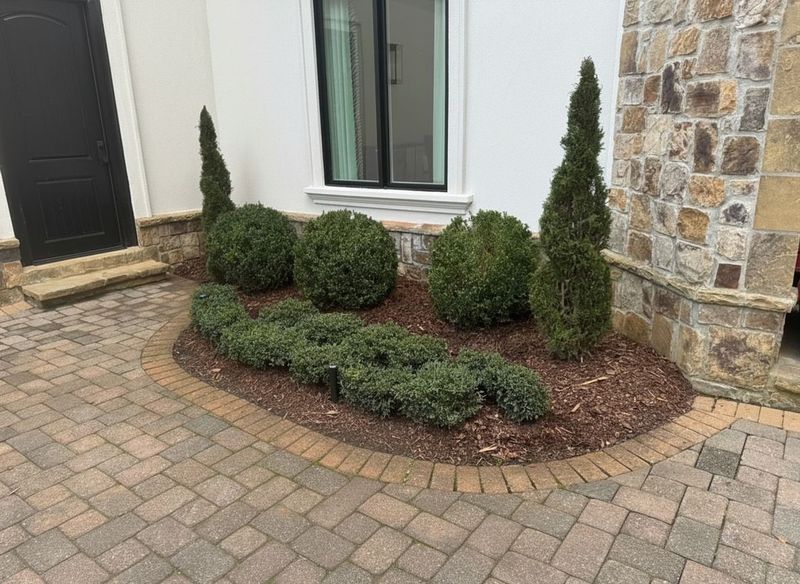
Your front entry creates the first impression visitors get of your entire property. Well-chosen shrubs flanking your walkway or door instantly elevate curb appeal while requiring minimal upkeep once established.
The key is selecting varieties suited to Georgia conditions that naturally stay compact without constant pruning.
Dwarf yaupon holly, compact nandina, and dwarf gardenia all work beautifully as foundation plants across Georgia. They handle summer heat, tolerate clay soil reasonably well, and maintain attractive shape year-round.
Evergreen varieties provide structure even in winter when deciduous plants look bare.
Measure your space carefully before buying plants, considering their mature size rather than their current nursery pot size. Shrubs planted too close to walkways or walls quickly become maintenance headaches requiring frequent trimming.
Allow at least two feet between the plant center and any hardscape.
Prepare planting holes twice as wide as the root ball and mix native soil with compost for better drainage. Set plants at the same depth they grew in their containers, never deeper.
Water thoroughly at planting and maintain consistent moisture through the first summer while roots establish.
Mulch around each shrub with two to three inches of hardwood mulch, keeping it away from stems.
Symmetrical placement on both sides of your entry creates a formal, polished look that makes your entire Georgia home appear more valuable and well-maintained.
7. Use Decorative Gravel To Reduce Mud After Heavy Rain
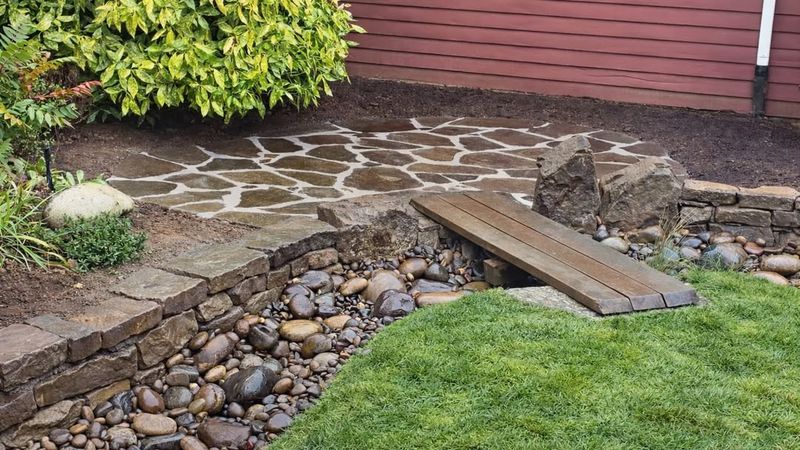
Georgia thunderstorms dump impressive amounts of rain in short periods, turning high-traffic areas into muddy messes. Decorative gravel provides an attractive, permanent solution for problem spots where grass refuses to grow.
Side yards, areas under downspouts, and paths from driveways to doors all benefit from this practical upgrade.
Choose river rock or pea gravel in neutral tones that complement your home exterior. Larger stones stay in place better during heavy rain but feel less comfortable underfoot.
Smaller pea gravel packs more densely and works well for areas where you walk regularly.
Mark your gravel area boundaries and excavate about four inches deep. Install landscape fabric across the entire area to prevent weeds from pushing through while allowing water to drain.
Edge the space with plastic landscape edging, stone borders, or brick to keep gravel contained and create clean lines.
Pour gravel over the landscape fabric to a depth of three inches, raking it smooth and even. The fabric underneath prevents gravel from gradually sinking into Georgia clay over time.
This setup allows rainwater to percolate through rather than running off, reducing erosion around your property.
Gravel areas require occasional raking to maintain appearance and periodic topping off as material gradually compacts or migrates. Still, maintenance remains minimal compared to fighting mud or trying to grow grass in impossible conditions.
The result looks intentional and tidy year-round.
8. Add A Pollinator Patch That Brings Butterflies All Season
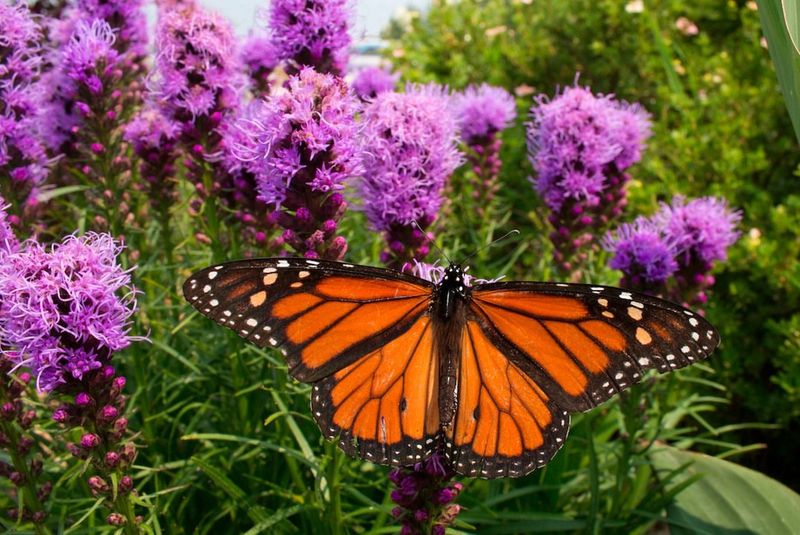
Butterflies and beneficial insects struggle as natural habitats disappear across Georgia. Creating a dedicated pollinator patch helps local ecosystems while adding movement and color to your yard.
Native flowering plants provide nectar and host plants that caterpillars need, supporting complete life cycles right in your landscape.
Select a sunny spot at least six feet by six feet, though larger works even better for pollinator diversity. Full sun locations produce more blooms, which means more nectar for visiting insects.
Avoid areas you treat with pesticides since these chemicals harm the very creatures you want to attract.
Plant a mix that blooms from early spring through fall to provide continuous food sources. Georgia natives like butterfly weed, swamp milkweed, Joe Pye weed, and asters all attract multiple pollinator species.
Include different flower shapes since various insects have different feeding preferences.
Group the same plant species in clusters of at least three rather than scattering single plants throughout your yard. Pollinators find grouped plantings more easily and spend less energy traveling between flowers.
Leave some bare ground and hollow stems standing through winter since many native bees nest in these spaces.
Avoid hybrid flowers bred for appearance rather than nectar production, as these often provide little value to pollinators.
Your Georgia pollinator patch will quickly become a favorite viewing spot as butterflies, bees, and hummingbirds visit throughout the growing season.